
Why Large Boston Homes Lose Heat Through Bare Windows
Winter in Boston doesn’t play around. The snow, freezing winds, and long cold nights make heating a home more of a challenge than in many other places. For people living in large older houses, staying warm can feel like a losing battle. Even when the heat is running nonstop, it might still feel drafty. One of the biggest reasons? Bare windows that let heat escape.
If your windows don’t have any kind of covering or added insulation, a lot of the warmth you pay for slips right outside. Heat control window film installation can make a real difference here. We are a LLumar SelectPro Vista Film dealer serving Southern New Hampshire and the Greater Boston Area, and we install residential window films that are made to improve comfort and support better energy performance in local homes. (surfacetint.com) It’s a small upgrade with a big impact, especially in larger homes where there’s more glass and more air to heat. Let’s look at why bare windows cause such a big problem and how simple changes can help keep your warmth inside where it belongs.
Why Heat Loss Is a Big Issue for Large Boston Homes
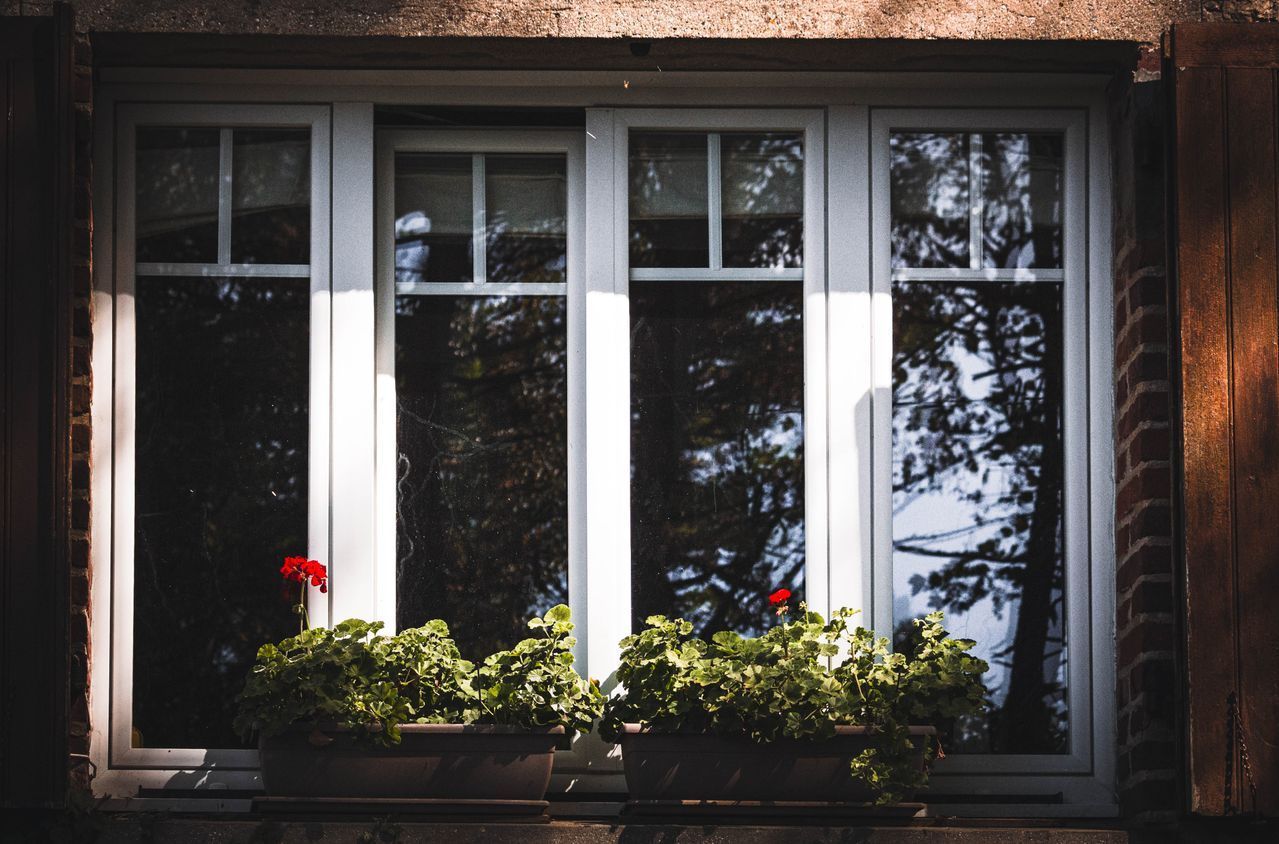
Older homes in Boston, especially the bigger ones, tend to be full of character but not always built for energy savings. Many have wide windows that were once great for natural light but now act like open pathways to the cold. These homes often feature single-pane glass, which barely does anything to stop heat from escaping. Even newer double-pane windows can still leak warmth if there are gaps or aging seals.
Ceilings in these homes are often high, which makes rooms feel open and spacious. But that also means more air needs to be heated. Since warm air rises, that heat isn’t staying where people spend most of their time. Combine that with large glass surfaces, and you have a recipe for constant heat loss.
What does that look like day to day? It might mean cranking up the thermostat just to keep the living room warm. Or noticing that some rooms always feel two or three degrees colder than others. This invisible tug-of-war with the cold ends up making energy bills rise during the winter months. No one likes paying more while still feeling cold.
How Bare Windows Allow Heat to Escape
Glass might look solid, but when it comes to keeping warm air inside, it’s actually one of the weakest spots in your home. If your windows are bare, they’re missing that extra bit of protection that keeps heat from moving right through the glass and into the cold winter air outside.
Here’s what’s going on:
• Warm air inside your home hits the cold glass and cools off fast. That heat has nowhere else to go but out.
• Bare glass has no insulation value. It behaves like a thin wall with zero defense against outdoor temperatures.
• Window placement matters. East- and west-facing windows might let in more direct sun briefly, but that warmth vanishes quickly once the sun goes down and cold air takes over.
• You may also notice inconsistent temperatures room to room. That’s because uninsulated windows let heat out at different rates, depending on their size and position.
This constant leak of heat not only makes the house colder but it puts pressure on your heating system. It has to kick on more often and run longer just to maintain your set temperature. Over time, that wear and tear adds up, and comfort drops with it.
How Heat Control Window Film Keeps Warm Air Inside
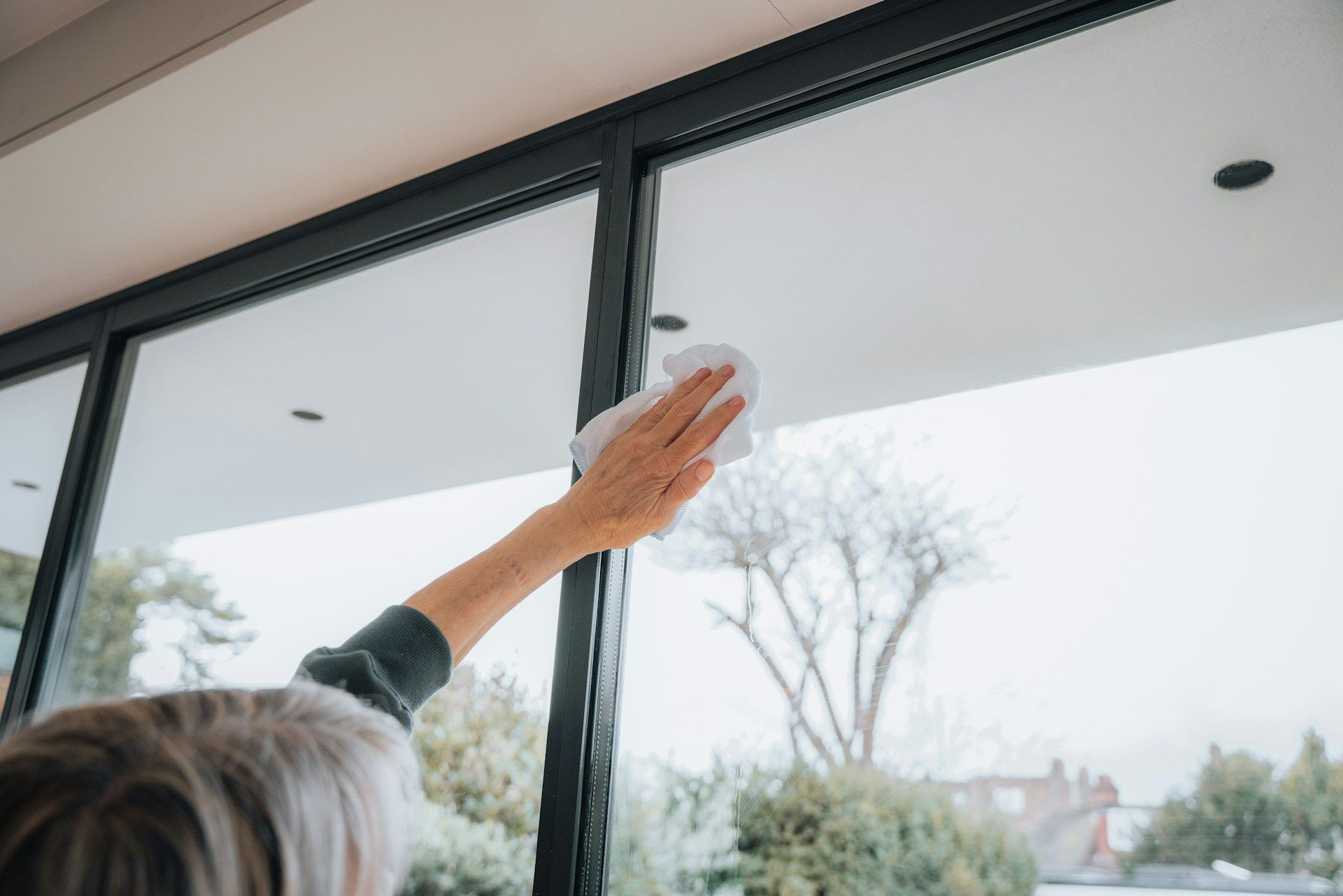
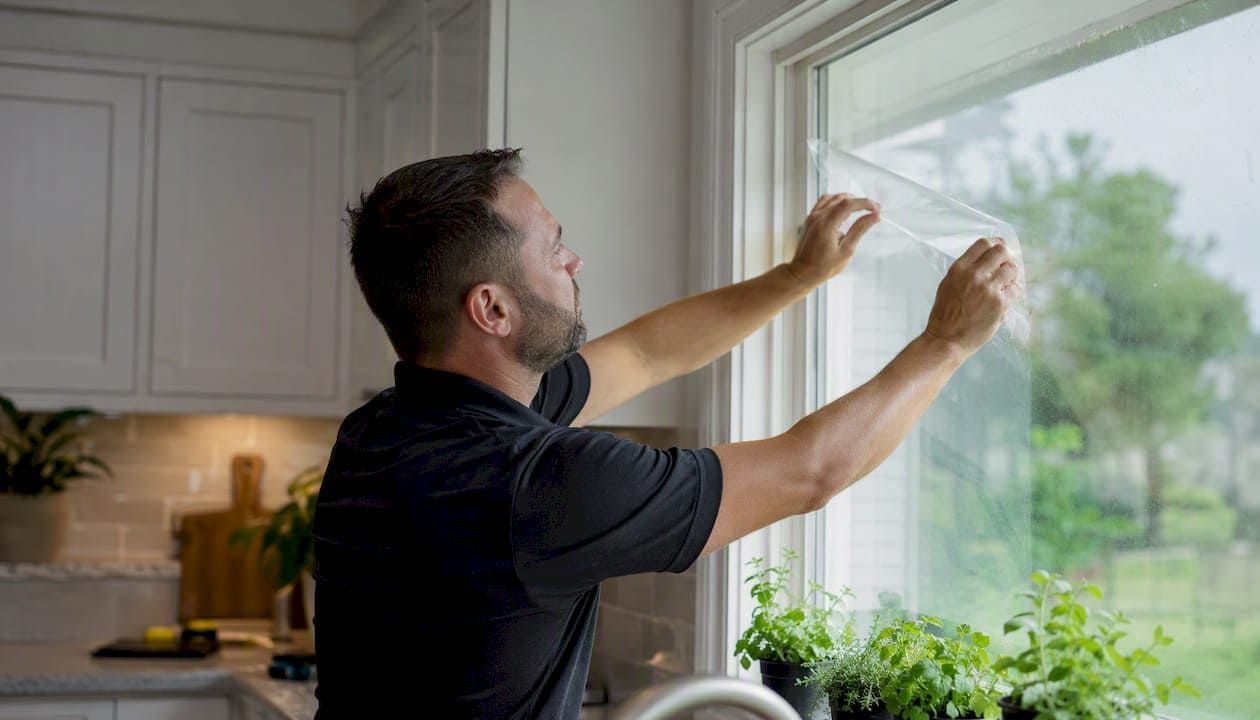
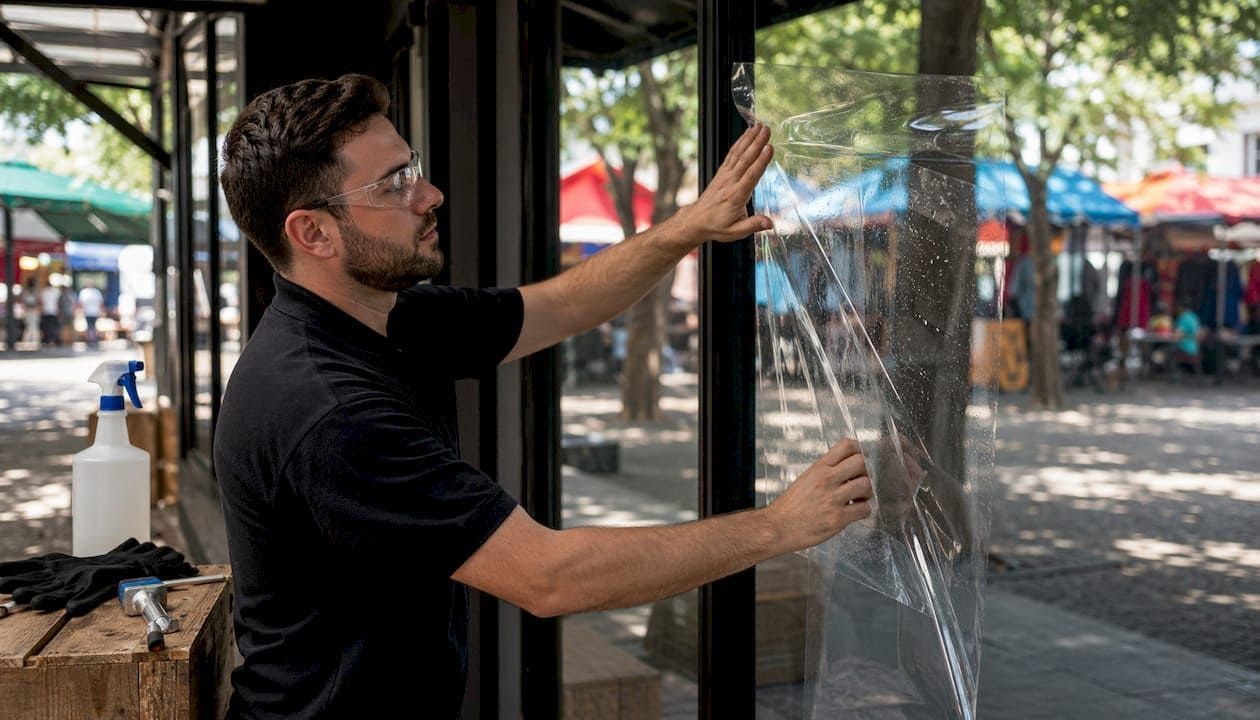
This is where heat control window film steps in. It works by adding a thin, almost invisible layer on top of your window glass. While it seems simple, that extra layer helps trap warmth inside and reflects it back into the room.
With a proper heat control window film installation, you’re not covering up the view or blocking natural light. Instead, you're giving your windows a bit more strength to hold onto the heat your furnace works so hard to produce. These films help balance temperatures by slowing down how fast heat moves out through the glass.
We install Low-E energy films that are designed for year-round performance, combining summer heat rejection with winter heat retention and helping reduce heat loss by up to 30 percent while staying nearly invisible on the glass. (surfacetint.com) Many LLumar residential films come with lifetime limited warranties, which adds long-term value to an upgrade that already supports better comfort in cold weather. (surfacetint.com)
Another quiet benefit is consistency. Rooms that used to feel cold near the windows stay warmer now. You won’t need to avoid sitting near the glass anymore. Since the heating system doesn’t need to run as often to replace lost warmth, the home stays more evenly comfortable without constant adjustments to the thermostat.
Other Benefits of Adding Window Film in Cold Months
Keeping warm is a top priority in winter, but window film can do more than stop heat from leaving. It also helps with a few other wintertime annoyances that Boston homeowners often face.
• Winter sunlight reflects off snow and other surfaces, creating more glare inside the home. Window film cuts down on that harsh light without making rooms feel dark.
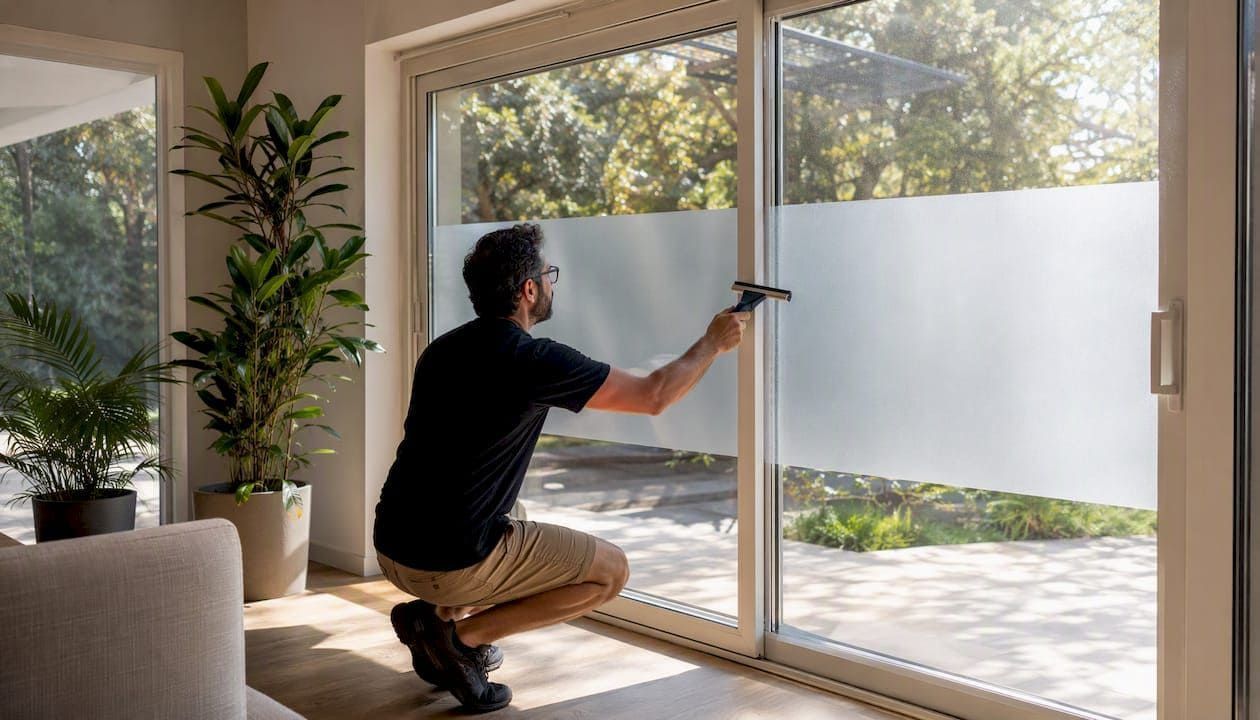
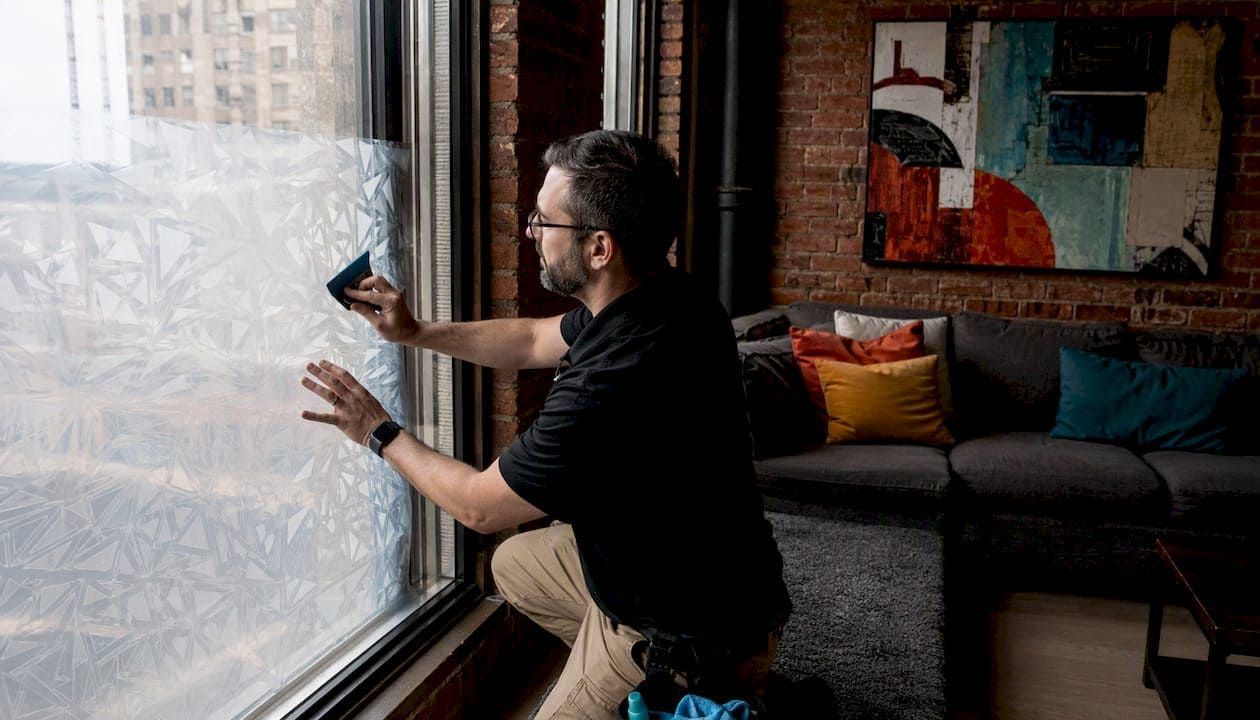
• Even in cold months, privacy still matters. Film options exist that give a subtle frosted look, blocking views from the outside while letting light in.
• By reducing the need to overwork your heating system, window film can support longer lasting equipment. Less strain means fewer surprise repairs down the road.
Each small advantage adds up to a more comfortable home. When something can solve multiple problems without needing major remodeling or window replacement, it’s worth a closer look.
Staying Warm Without Wasting Energy
Large homes in Boston lose heat fast through untreated windows. That steady leak turns cozy evenings into chilly ones and puts more pressure on heating systems that already work hard through long winters. Bare glass might look harmless, but it’s a big part of the problem.
Adding heat-trapping film to your windows gives your home a quiet kind of support. It helps hold warmth where you need it, inside. You don’t need to take on a big project to feel a big difference. A small update can make a noticeable shift in how even and comfortable your rooms feel from January to spring. When winter sets in, every bit of warmth counts. Choosing small upgrades now can mean less work later to stay cozy through the season.
Keep your home warmer during Boston’s longest, coldest months by upgrading your windows. Many homeowners don't realize how much heat escapes through untreated glass until rooms feel drafty and uneven. A simple fix like a
heat control window film installation adds the barrier your windows are missing, holding the warmth inside where it's needed. At Surface Dynamics Window Tinting, we work with homeowners to solve everyday comfort issues with long-term results. Give us a call to talk about getting your windows ready for winter.