
Tips for Choosing the Right Security Film for Ground Floor Windows
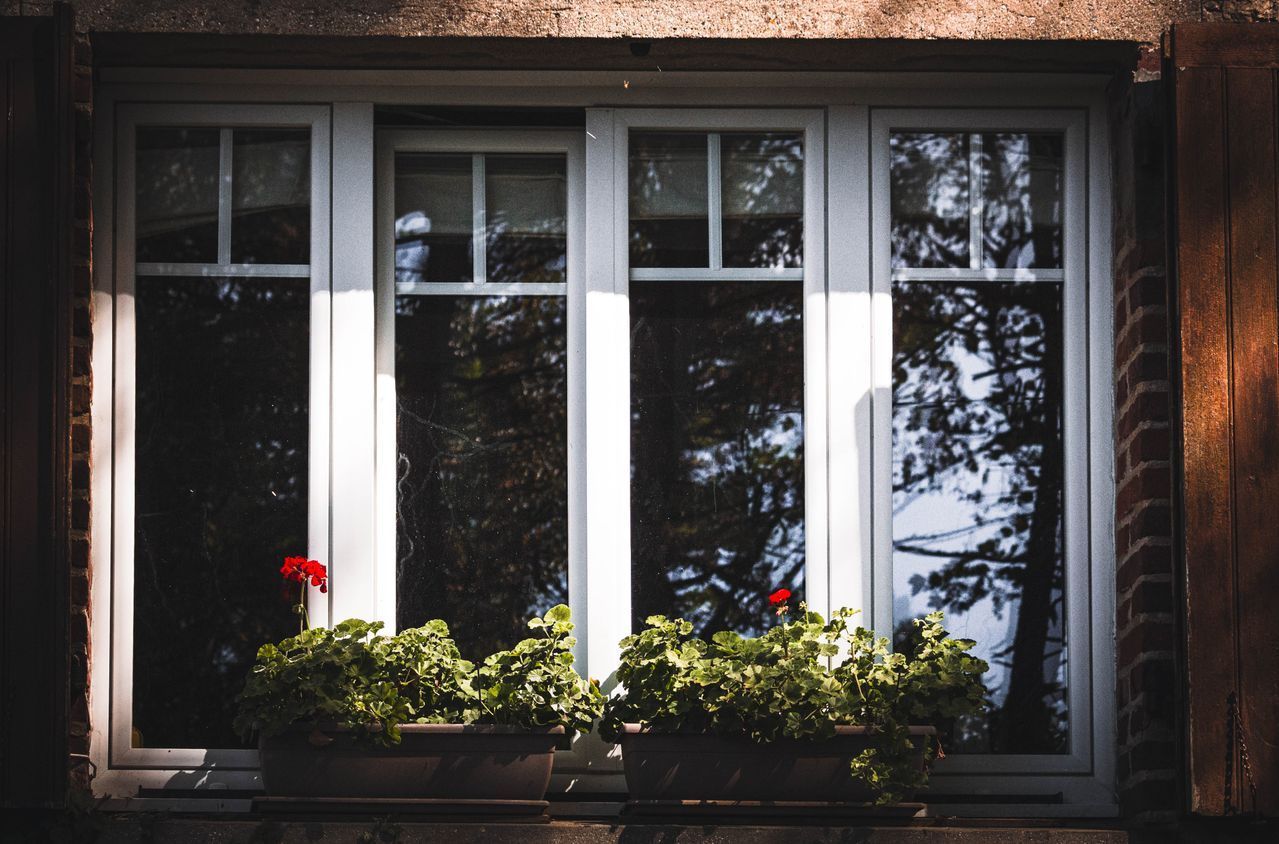
Ground-floor windows let in natural light and connect our inside spaces to the outdoors. They make rooms feel more open, help with airflow during warmer months, and often provide an easy way in or out. But that same easy access can work both ways. When windows sit close to the ground, they can become an easier target for unwanted entry or accidental damage.
That’s why adding protection with security window film can be a smart move. Whether it's to help prevent break-ins, deal with unexpected weather, or add a layer of privacy without changing the window itself, this kind of film serves more than one purpose. Choosing the right kind of film depends on a few things, especially the window’s location, exposure, and size. Here's what we recommend thinking about when picking a security window film for windows on the first floor.
Look at the Window’s Location and Exposure
Not all ground-floor windows need the same protection. Some are tucked away and used rarely, while others sit along busy walkways or near street-level access points. Knowing how the window is used and what it’s exposed to will help guide the right choice.
Start by thinking about how visible or accessible the window is from outside. If it’s along a main sidewalk, near a driveway, or hidden from view, it might need a thicker film. Break-in attempts often start with windows that are easy to reach and hard to see from the street.
Sun exposure is another factor. If a ground-floor window gets direct sun for most of the day, certain films that block UV rays and reduce glare might make everyday use more comfortable indoors. In these areas, it helps to look for a film that balances both safety and comfort.
The amount of traffic and activity near the window can change its risk profile. A window that's secluded at the back of a property might not face the same risks as one that's by the front steps or right along a sidewalk. In cities like Boston, or towns across Southern New Hampshire, busy pedestrian areas and shifting weather mean visibility and access are always worth thinking through.
Understand the Different Types of Security Film
Once you’ve looked at where the window is and how it's used, the next step is to understand what type of film fits best. Not all security films are the same, and they’re not one-size-fits-all.
Common types include:
• Standard security film, which helps hold the glass together if it breaks
• Thicker versions, made to resist heavier impacts like attempted break-ins or storm-blown debris
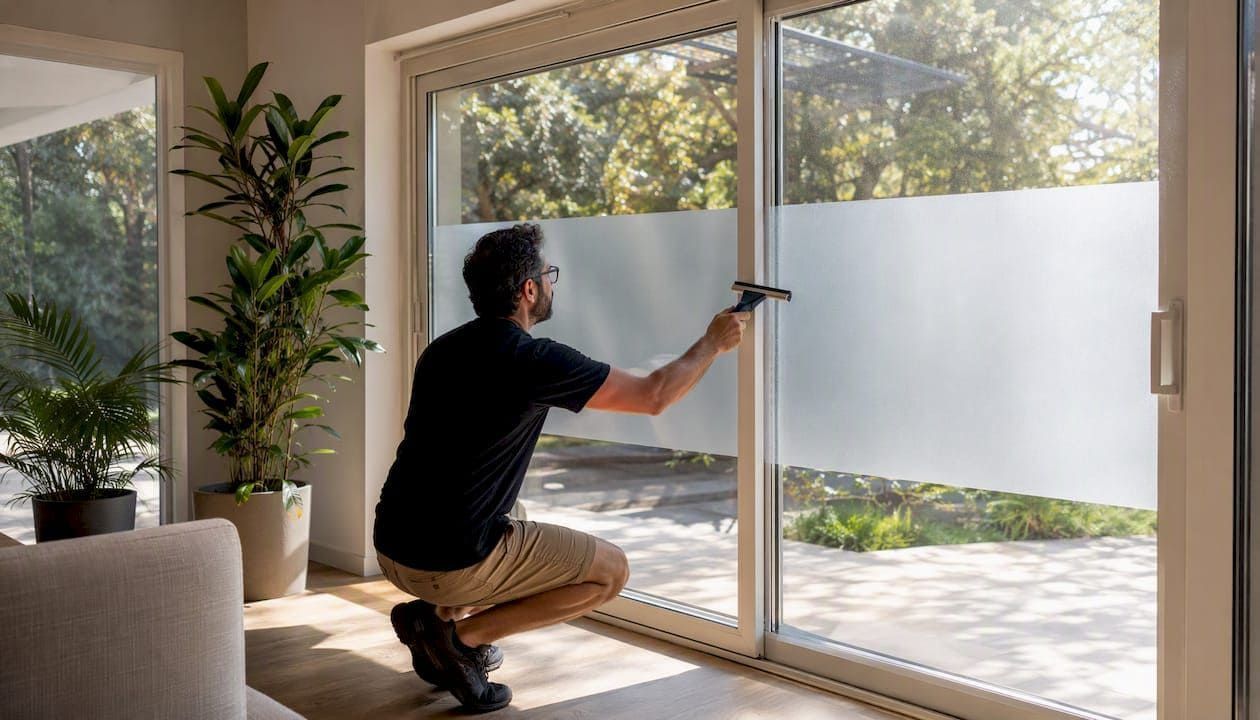
• Tinted or mirrored film, which adds the bonus of daytime privacy while still strengthening the window
The look of the film matters, too. Some people prefer a clear option that doesn’t change the appearance of the glass, while others like a bit of tint that softens the afternoon light. Thicker doesn’t always mean darker, so it’s possible to find a balance between performance and appearance.
You may find that different rooms need different films. For windows in public areas, it can help to pick a film that adds some privacy. In more private or low-traffic areas, clear films could be all you need for extra strength. The finish and function you pick will depend on the space and what's most important for the building or home.
Think About New England’s Four-Season Climate
Weather in New England is unpredictable. Snow, rain, wind, and blazing sun all show up throughout the year. In Southern New Hampshire and the Greater Boston Area, February is usually cold, windy, and dry. Then spring hits with powerful wind gusts and rainstorms that can test any window’s durability.
Security window film isn’t just for safety from intruders. It helps during those sudden wind bursts when tree branches, ice, or trash cans go flying. By strengthening the surface of glass that faces the elements, film can keep small cracks from becoming big breaks. Some films even help insulate windows, reducing drafts in winter and cutting heat gain in summer.
For houses or offices that feel one season ahead or behind the calendar, the right film helps create a steady indoor environment. That includes keeping the glass safer during bad weather while keeping rooms quieter and more stable in temperature.
Homes and offices near busy roads or exposed hillsides might notice swirling dust and debris year round. Security film adds confidence that a sudden gust won’t instantly become an indoor cleanup job. Even in milder weather, there’s always the risk of a baseball or stray branch catching the window off guard, and having that extra layer in place helps prevent a simple accident from turning into a much bigger mess.
Match Security Film to Window Size and Use
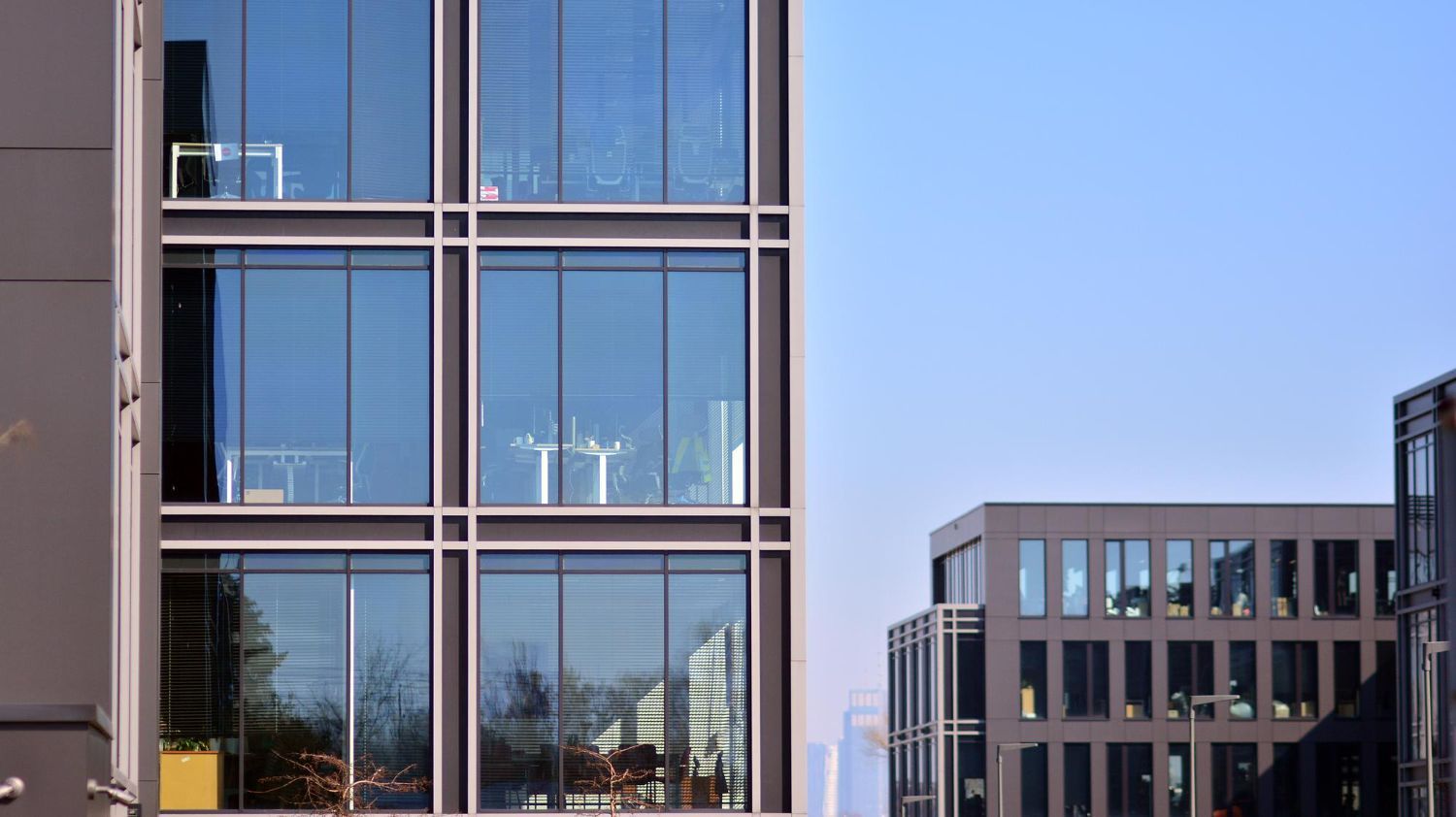
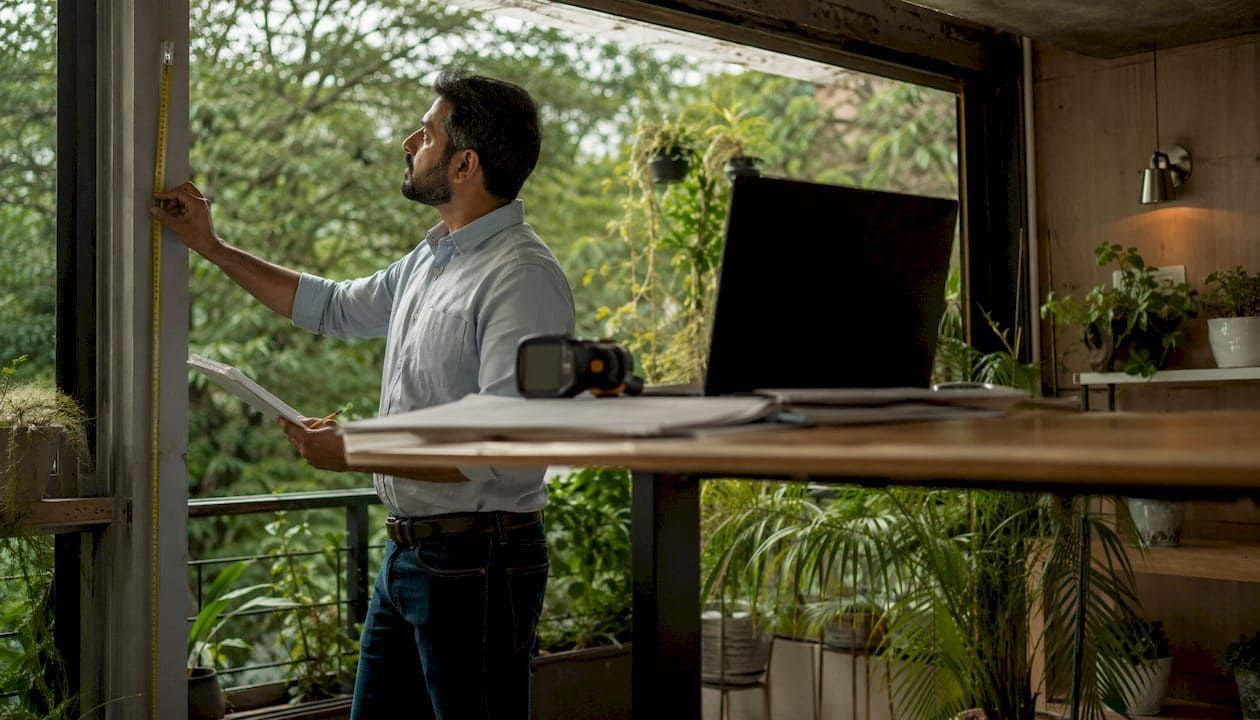
Size does matter when it comes to window security. Bigger windows often need thicker film to create the same level of protection. Ground-floor living rooms, office front windows, or entryway sidelights are common spots where we see wide panes that could use reinforcement.
You’ll also want to think about how the window works. If it’s a window that opens regularly or a sliding glass door that’s used daily, the film should allow smooth movement without interfering with locks or tracks.
Here are some common types of ground-floor windows that usually get the most benefit:
• Basement windows near the edge of a home
• Sliding doors that open to patios or decks
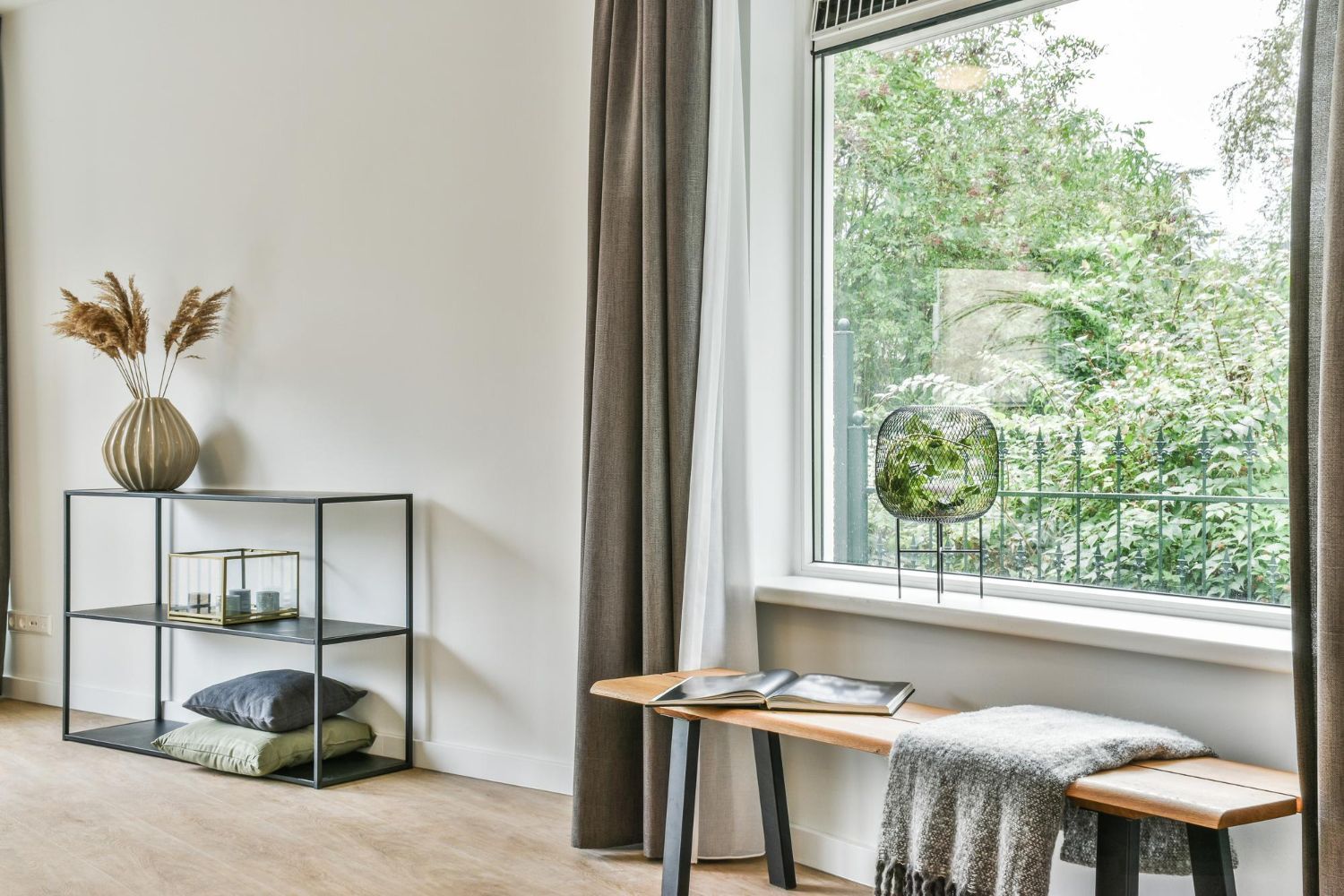
• Picture windows that face streets or parking areas
• Rear entry doors with built-in glass
Each one comes with its own challenges, and the thickness of the film can vary based on how much the window moves, how much coverage it needs, and how exposed it is to wind or breakage risk.
Odd-shaped windows, curves, or panes divided by frames may need a slightly different approach compared to standard rectangles. It's always helpful to look at each window as its own project so you get the right fit, ensuring safety and smooth operation.
Work With a Professional Installer
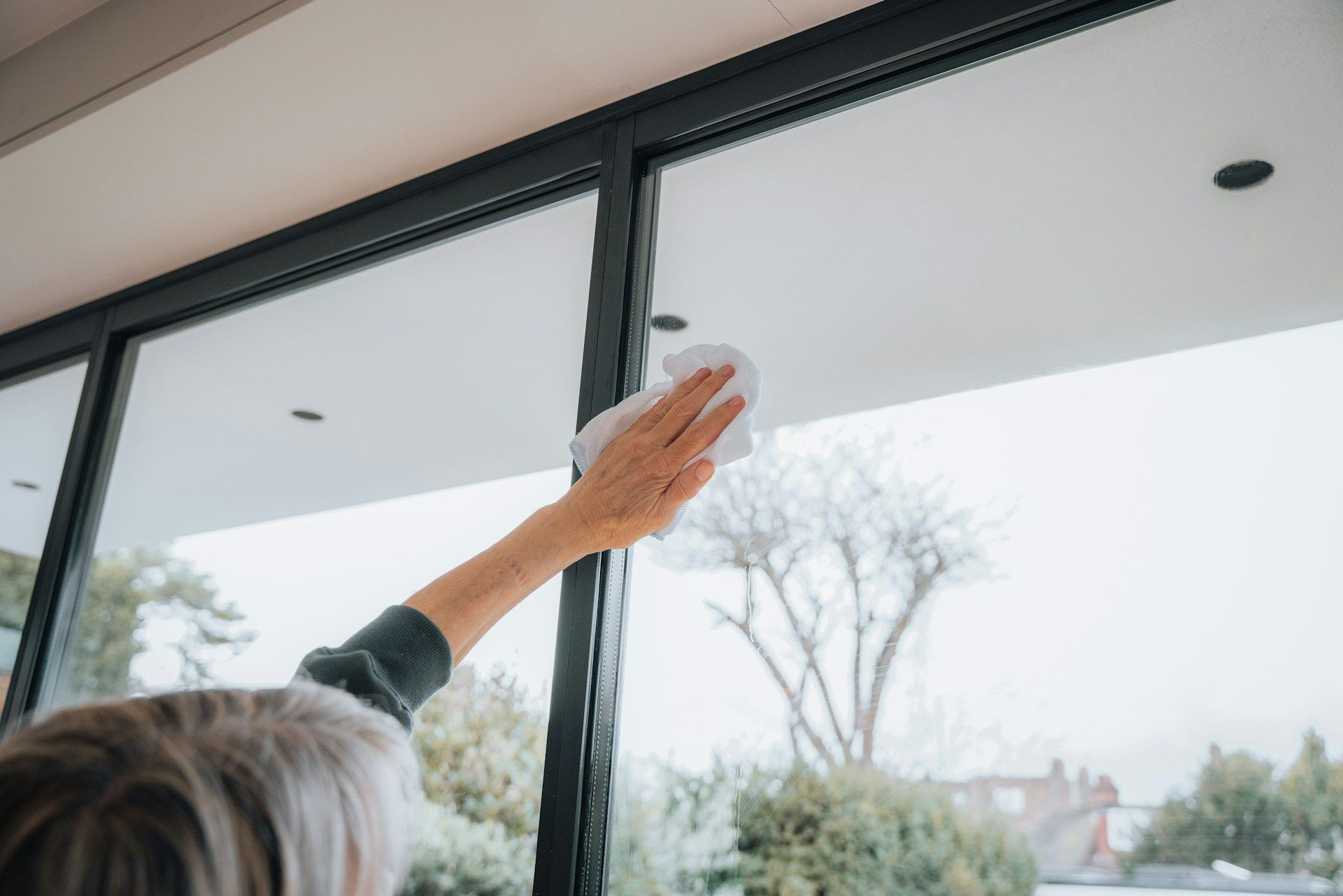
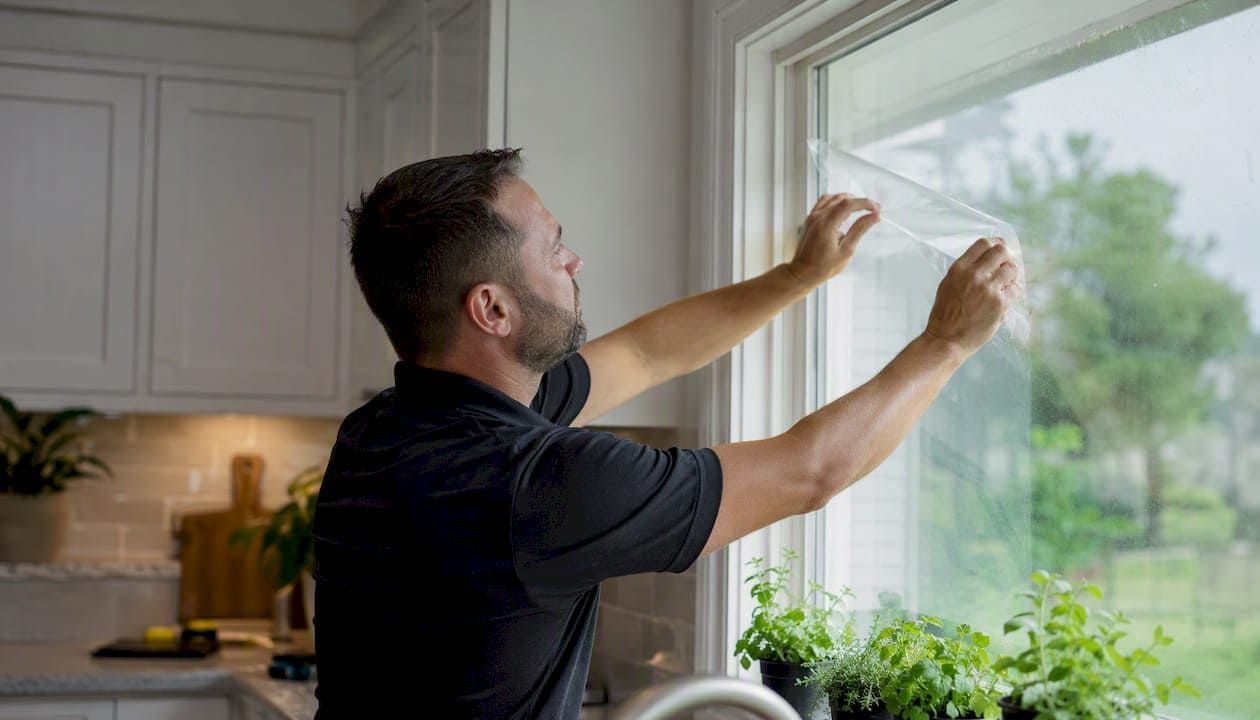
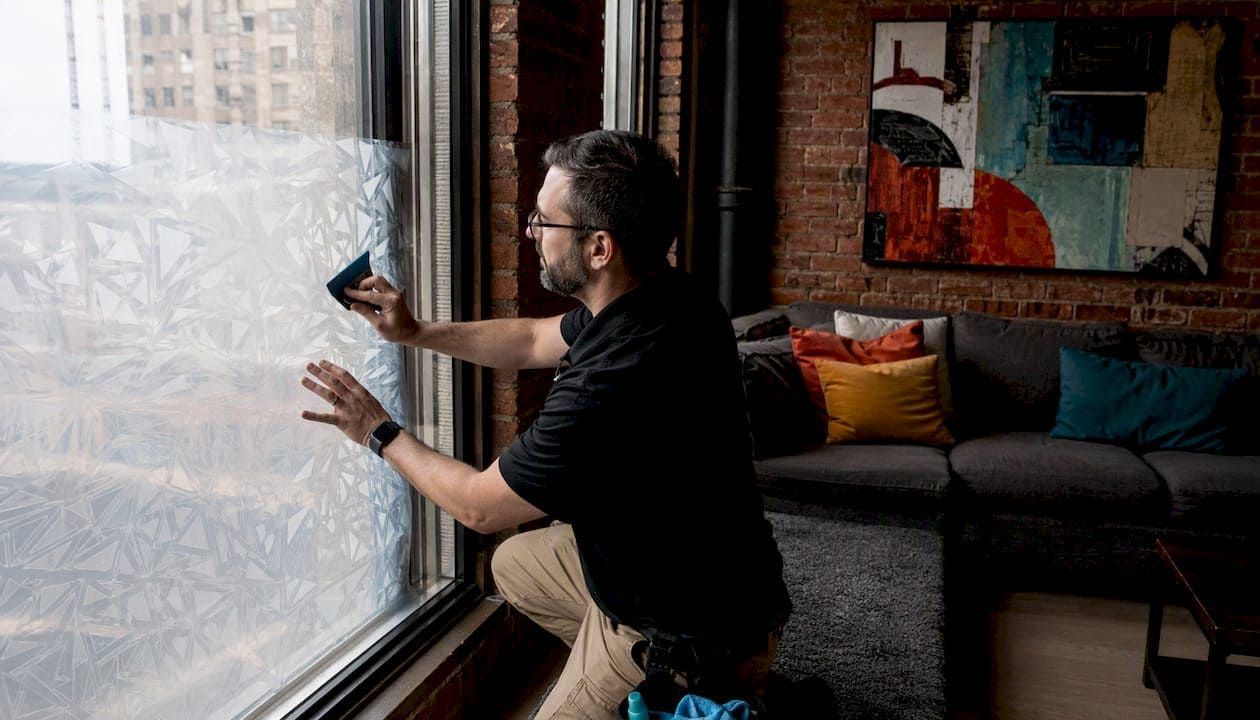
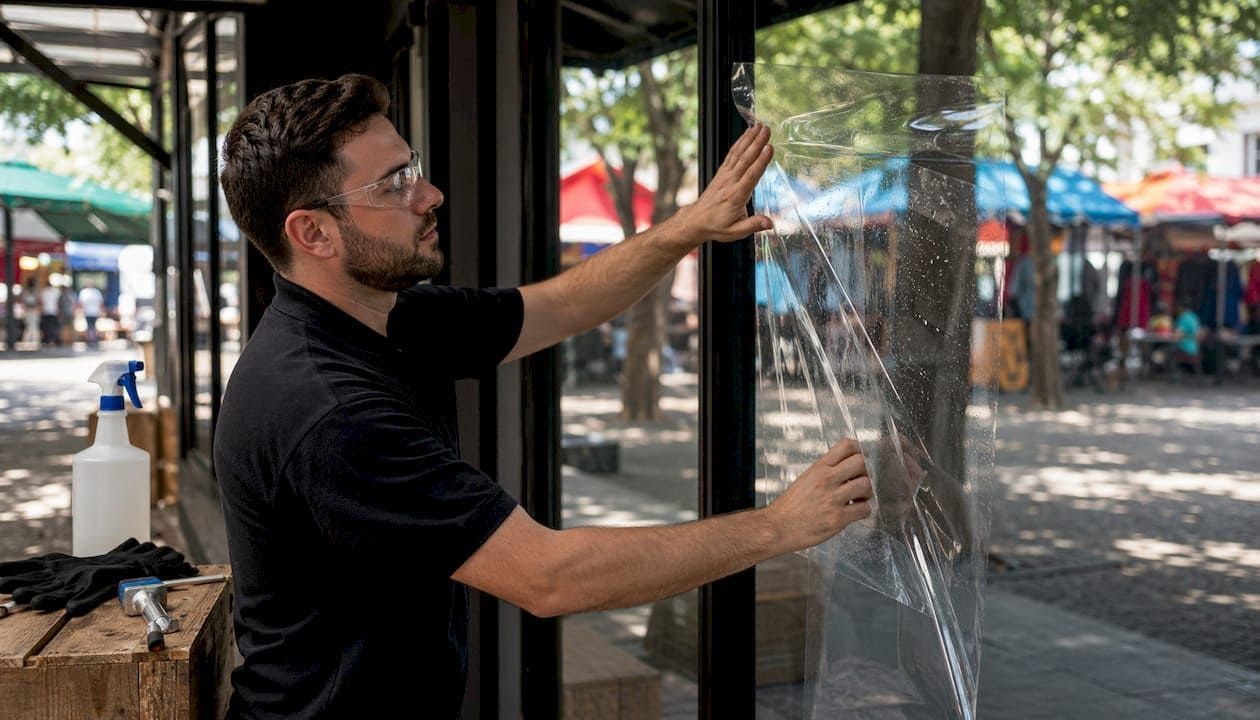
The way security film is applied makes a difference. Even the best film won’t do much if it’s not installed correctly. Bubbles, peeling corners, or small air gaps can leave the window looking unfinished or reduce the strength of the film.
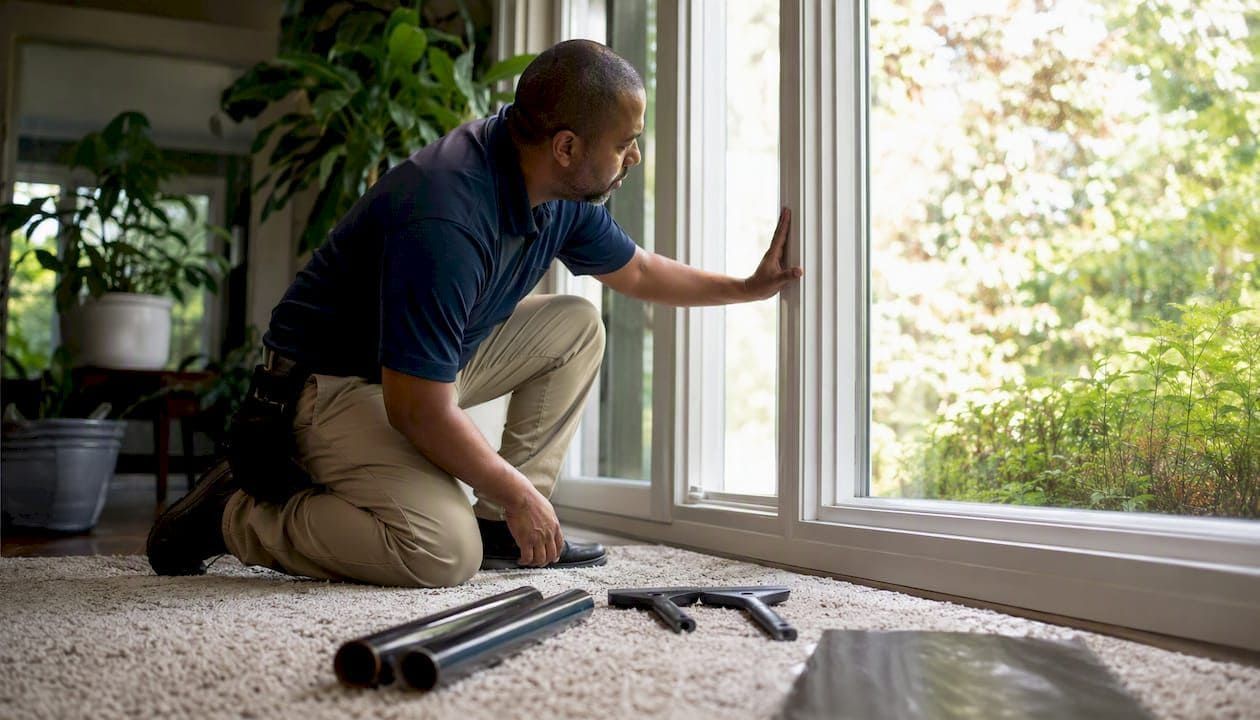
When we install film, we’re not just placing it over glass. We assess how each window is built and how the frame holds it together. That helps us recommend the right fit and film type, especially for the mix of cold winters and hot, humid summers we get in New England.
A proper install also keeps the look clean, which matters when you're dealing with street-facing windows or ones in main living spaces.
Installing the film usually does not disrupt life inside your home or business for long. Most jobs are wrapped up in a single visit, with minimal furniture moving or downtime. This helps keep the living or working routine steady while still adding strong protection to your ground-floor glass.
A Smarter Way to Stay Safe Year-Round
Ground-floor windows don’t have to be a weak spot. The right security window film can add strength, keep glass from shattering, and make your space feel more protected without changing how things look or work. It’s a quiet upgrade that delivers peace of mind when strong spring winds pick back up or when you’re heading out on a trip and leaving the house empty.
Better still, this added strength doesn’t have to come with a tradeoff. You still get your view, your light, and the feeling of openness, just with an extra layer that’s working in the background whether you notice it or not.
Thinking about extra protection for your home or office windows can lead to long-term peace of mind. For spaces near public walkways or high-traffic areas, adding a layer of strength makes a big difference. Ground-level glass is often more vulnerable, which is why many property owners in New England turn to
security window film to keep their spaces secure. At
Surface Dynamics Window Tinting, we account for size, location, and weather so the results hold up season after season. Give us a call to discuss what will work best for your windows.