
How to Choose the Right Window Film for Your Home
Choosing the right window film is one of the simplest yet most powerful ways to transform the comfort, efficiency, and
safety of your home. With hundreds of options promising everything from greater privacy and lower energy bills to UV protection and
enhanced security, how do you find the ideal match for your family’s needs? The right film can lower cooling costs by up to 30%, keep harmful rays out, reduce irritating glare, and even strengthen your windows against break-ins or accidents. Whether your top priority is day-to-night privacy, sun protection, or all-season
energy savings, this comprehensive homeowner’s guide will walk you step-by-step through the key factors that ensure you choose the very best
window film for your home’s unique style, layout, and goals—so you can enjoy safer, smarter, and more comfortable living for years to come.
Table of Contents
Identifying Your Main Goals: What Matters Most?
Every homeowner has a unique set of goals when considering window film. The first step is to clarify what you want most from your window upgrade:
- Privacy: Shield interiors from unwanted views, ideal for bedrooms, bathrooms, and street-facing rooms.
- Energy Savings: Reduce solar heat gain in summer and limit heat loss in the winter for lower utility bills.
- Glare Control: Cut distracting sunlight in living rooms, offices, and media spaces for a more comfortable experience.
- UV Protection: Block 99%+ of harmful UV rays to prevent fading of furniture, flooring, and artwork while improving skin safety.
- Safety & Security: Reinforce glass against accidental breakage, severe weather, or intrusion attempts.
List your priorities—most homeowners value a combination of energy efficiency, privacy, and UV blocking. Knowing your main goals helps narrow film options from the start.
Comparing Window Film Types
| Film Type | Main Benefit | Best For | Appearance | Cost |
|---|---|---|---|---|
| Dyed | Glare reduction, moderate privacy | Living rooms, cost-conscious homes | Slightly tinted, non-reflective | Low |
| Ceramic | Superior heat rejection, UV blocking | All rooms, especially sunny exposures | Clear or lightly tinted | Premium |
| Dual-Reflective | Excellent daytime privacy, strong heat rejection | Street-facing windows, offices | Mirrored outside, clear inside | Mid-High |
| Low-E | Insulation, winter comfort | Older homes, poorly insulated glass | Neutral or slightly blue/gray | Mid-High |
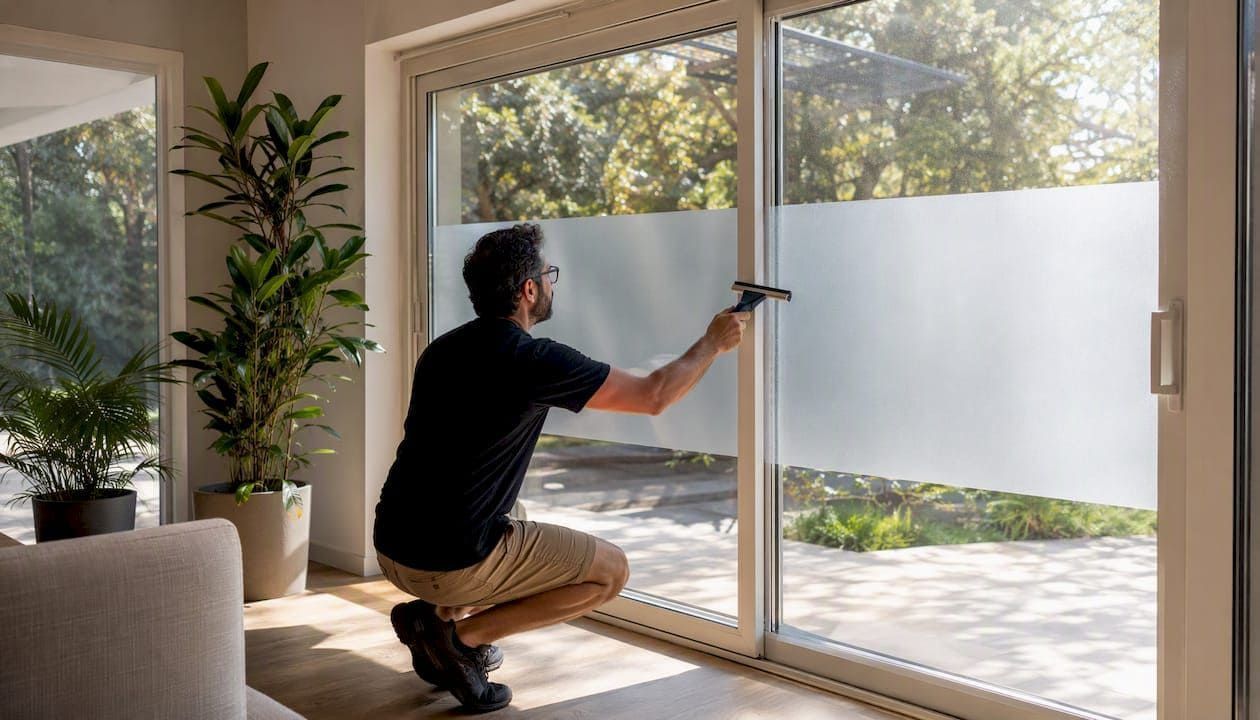
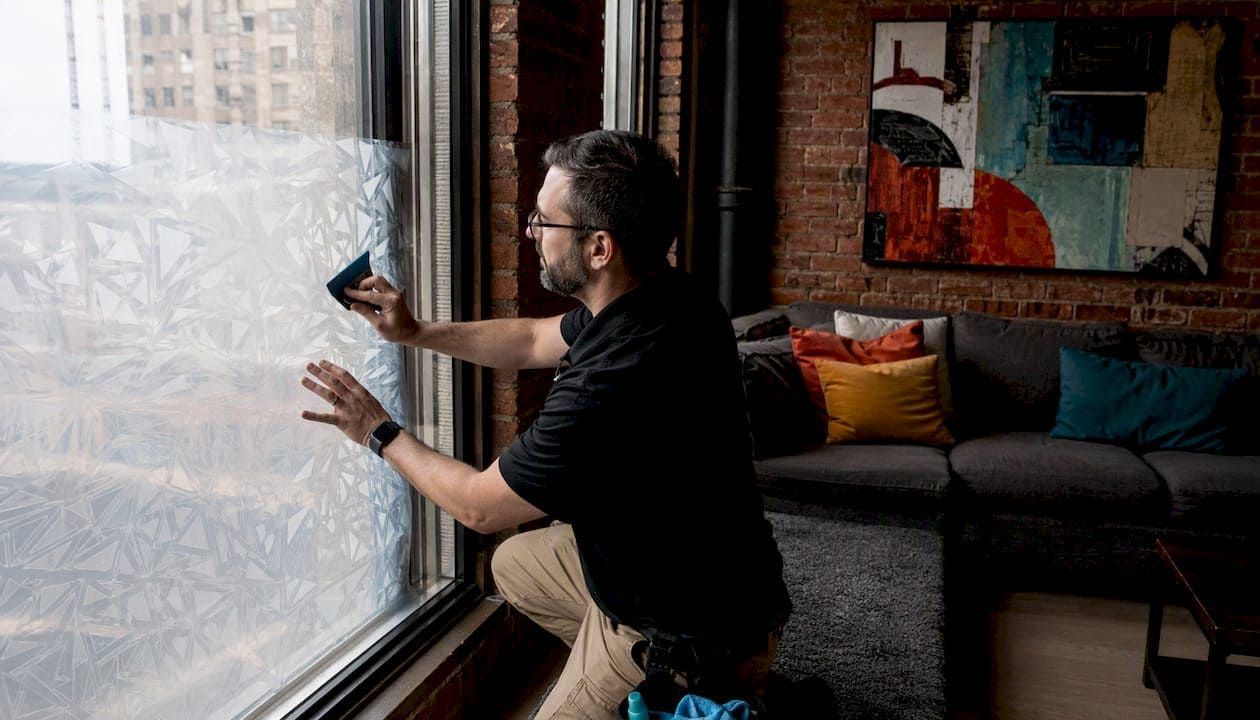
| Frosted/Decorative | Maximum privacy, design accent | Bathrooms, entryways, creative spaces | Opaque/etched/frosted | Low-Mid |
| Safety Film | Breakage resistance, security | First-floor windows, sliding doors | Clear, thicker appearance | Premium |
Select films tailored to each room—privacy for baths, ceramic for hot exposures, and safety for vulnerable glass. Mixing types is safe and often recommended.
Understanding Window Film Performance Ratings
Window film selection shouldn’t just be about appearance—performance matters. Here’s what to analyze on every film spec sheet:
- VLT (Visible Light Transmission): How much daylight is allowed through (ranges from 5% to 70%+).
- UV Rejection: Nearly all architectural films block 99%+ of UV, but verify this rating for total fade protection.
- IR Rejection: Indicates heat-blocking performance by filtering infrared rays; higher is better for comfort and energy savings.
- Shading Coefficient: Lower numbers mean more heat is blocked, reducing air-conditioning needs.
| Film | VLT | UV Rejection | IR Rejection |
|---|---|---|---|
| Ceramic | 30–70% | 99%+ | 65–90% |
| Dual-Reflective | 15–35% | 99%+ | 60–85% |
| Dyed | 35–55% | 99% | 25–45% |
| Safety Film | 75–90% | 99% | 15–35% |
Choose metrics for your goals: high VLT for daylight, high IR rejection for energy efficiency, extra UV blocking for preservation, and proper privacy specs for your needs.
Cost vs. Long-Term Benefits
Budget matters, but so does value. While entry-level films cost less up front, premium options (such as ceramic or low-E) can deliver major savings over time through lower energy bills and longer product lifespan (up to 15 years). Consider:
- Return on Investment: Energy-saving films pay for themselves in reduced cooling and heating costs.
- Warranty Coverage: Top brands offer 7–15 year manufacturer warranties for home applications.
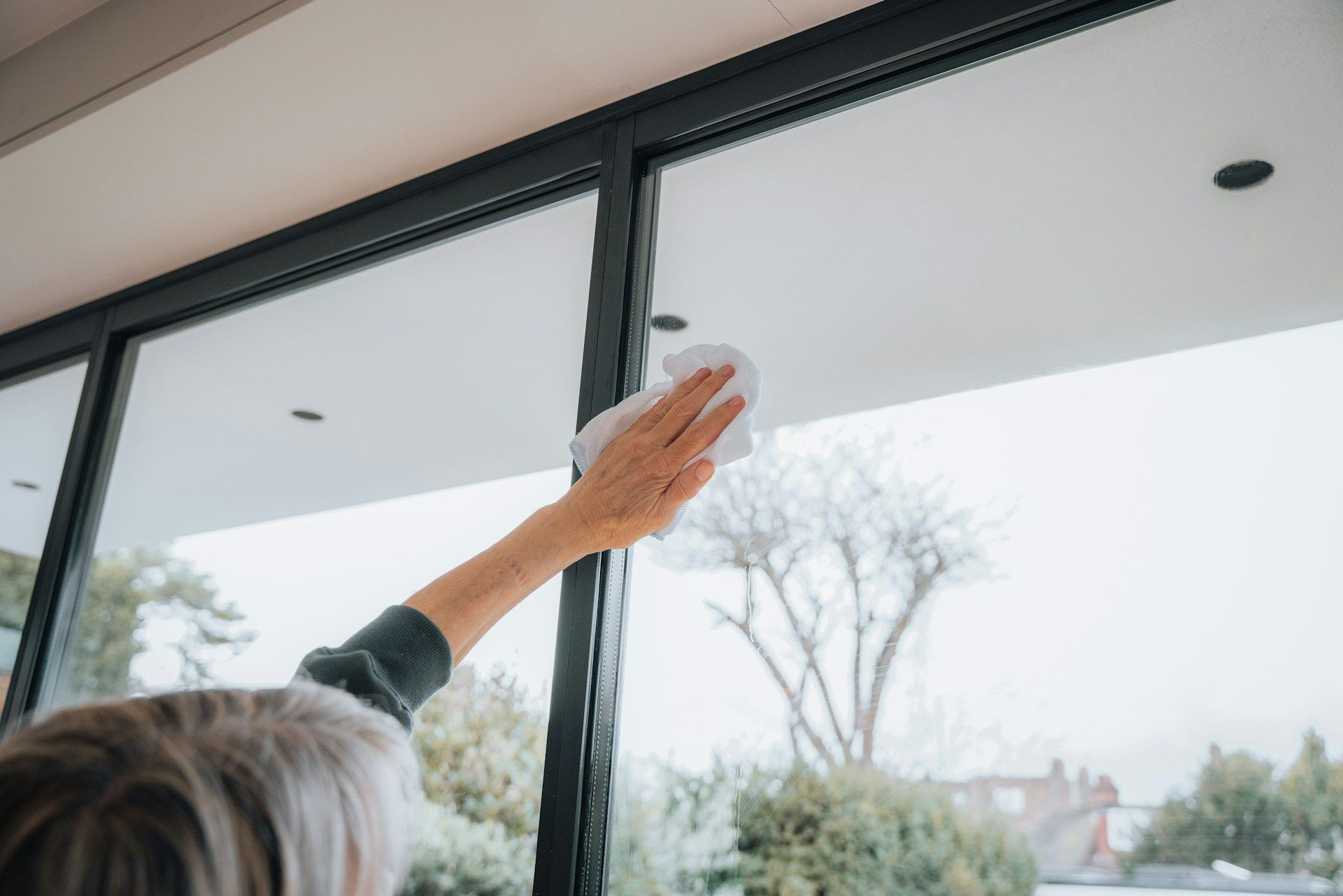
- Durability & Maintenance: Modern films resist scratching and are easy to clean with basic glass cleaners.
Assess film life, maintenance needs, up-front price, and long-term performance to guide your decision. Ask about available financing to help ease larger premium film investments.
Selecting a Professional Installer
Proper film installation is as important as product selection. An experienced, local installer:
- Recommends optimal films for your home’s direction, glass type, and climate
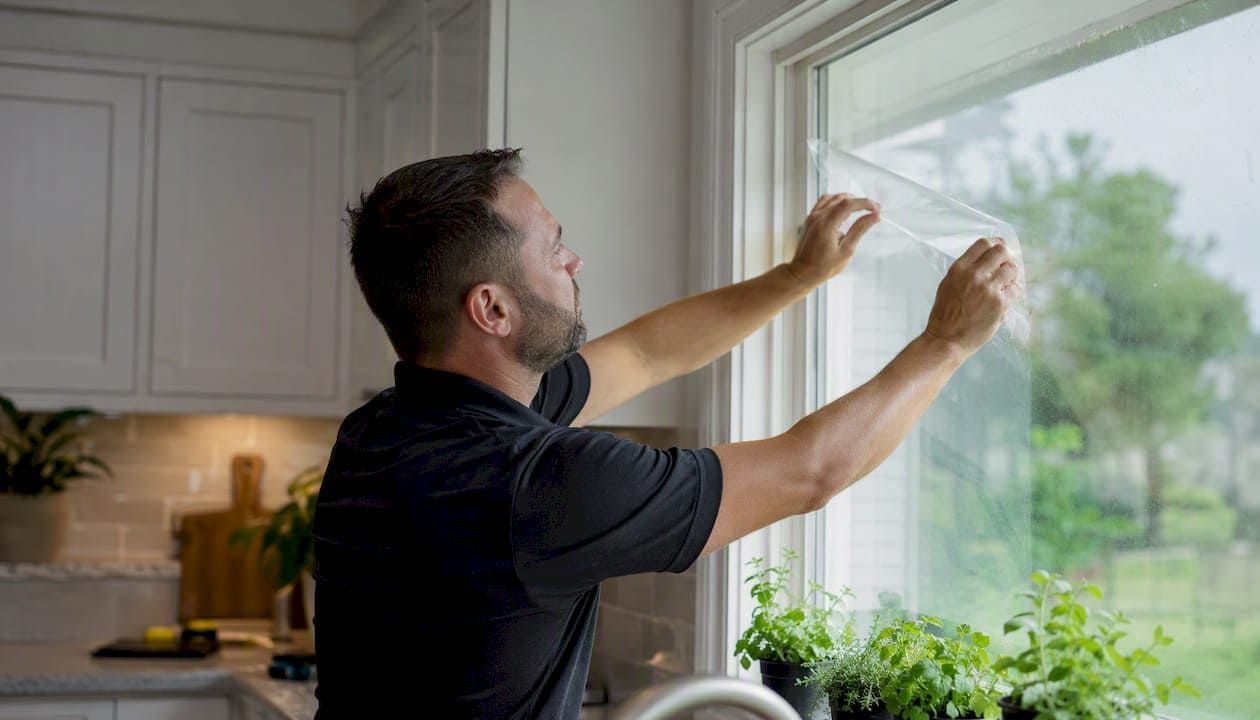
- Ensures bubble-free, flawless application for maximum clarity and coverage
- Provides written warranty and peace of mind if issues arise
Choose established providers with positive reviews, manufacturer certifications, and a commitment to post-install support—like
Surface Dynamics Window Tinting, a leader in professional home film installation.
Frequently Asked Questions (FAQ)
How long does window film installation take for a home?
Most homes are completed in one day; larger homes or complex jobs may take longer.
How long does residential window film last?
High-quality films can last 10–15 years or more with proper care.
Will window film make my home too dark?
No—advanced films maintain natural light while blocking heat and UV. Many are nearly invisible.
Can I install different films in different rooms?
Yes! Mixing film types is common and helps tailor solutions to each room’s needs.
How do I clean and maintain window film?
Use soft cloths and ammonia-free glass cleaners for best results.
Does window film require special care during New England winters?
Quality films are designed for year-round durability, even in harsh climates.
What kind of warranty do home window films have?
Most come with 7–15-year manufacturer warranties covering color stability, delamination, and clarity.
Will window film void my window manufacturer’s warranty?
Not with most top brands—check with your installer for compatibility with your specific windows.
Can I remove or replace window film in the future?
Yes. Films are designed for safe removal by professionals if you’d like a change or upgrade.
How much does home window film cost?
Depending on film type and coverage, expect to pay $7–$14 per square foot installed.
Conclusion & Professional Film Selection Help
Choosing the best window film for your home involves weighing your goals, various film types, performance ratings, budget, and the benefits of professional installation. By investing time upfront, you’ll enjoy better comfort, energy efficiency, and ongoing savings year after year. For expert guidance and peace of mind, contact Surface Dynamics Window Tinting, proudly serving the Southern New Hampshire and Greater Boston areas. Call (617) 229-5088 or visit our website to schedule your consultation. Our certified team will help you choose the ideal film for your home’s needs—guaranteeing flawless results, long-lasting protection, and a free estimate to get started with confidence.