
What Is the Best Window Film for Cold Climates?
If you live in a region with long, frigid winters, you know the challenges: high heating bills, icy drafts, and the struggle to keep your home cozy despite the cold outside. Windows are one of the primary sources of energy loss in any house—especially if they’re single- or double-pane glass without additional protection. That’s why more cold-climate homeowners are turning to specialized
window films as a proven, cost-effective upgrade. The right insulating window film can significantly reduce energy waste, trap more heat indoors, and make a noticeable difference in your comfort (and your wallet) all winter long. This guide explains why insulating, low-E, and ceramic window films are transforming winter living, how to choose the best option for your home, and what to look for to ensure maximum
energy savings and comfort when the temperature drops.
Table of Contents
- How Window Film Improves Insulation in Cold Climates
- Comparing Low-E, Ceramic, and Insulating Films
- Understanding Film Performance Ratings (U-Value, R-Value, VLT, IR Rejection)
- Reducing Heat Loss & Preventing Cold Drafts
- Boosting HVAC Efficiency and Lowering Bills
- Choosing the Right Film for Old vs. Modern Windows
- Frequently Asked Questions (FAQ)
- Conclusion & Winter Window Film Recommendations
How Window Film Improves Insulation in Cold Climates
Window film acts as an invisible thermal barrier. The latest insulating films reflect indoor radiant heat back into your home, stopping up to 80% more heat loss compared to untreated glass. This dramatically increases comfort near windows and allows even older panes to perform more like modern, energy-efficient units. By blocking heat escape through conduction and radiation, window film helps keep valuable warmth inside, slashing heating bills all season long.
| Window Type | No Film U-Value | With Low-E Film U-Value | Insulation Improvement (%) |
|---|---|---|---|
| Single Pane | 1.10 | 0.70 | 36% |
| Double Pane | 0.49 | 0.35 | 29% |
Comparing Low-E, Ceramic, and Insulating Films
All window films help in cold weather, but some perform better than others. Here’s how the main options compare:
| Film Type | Insulation Value | Winter Energy Savings | Clarity | Lifespan |
|---|---|---|---|---|
| Low-E | Excellent | Up to 30% | Neutral or Light Tint | 7–15 Years |
| Ceramic | Very Good | 20–25% | Very High | 10+ Years |
| Insulating | Good | 14–22% | Neutral | 5–8 Years |
Low-E films are engineered specifically for cold climates, combining reflectivity and insulation. Ceramic films balance high insulation and superior clarity—great for scenic views. Insulating films offer solid performance and wallet-friendly pricing for basic upgrades.
Understanding Film Performance Ratings (U-Value, R-Value, VLT, IR Rejection)
To pick the best window film for cold climates, it’s important to understand the key ratings:
- U-Value: Measures heat transfer—lower is better for winter insulation.
- R-Value: Indicates resistance to heat flow—higher is better.
- VLT (Visible Light Transmission): Amount of daylight allowed through; most cold-climate films maintain brightness while blocking heat loss.
- IR Rejection: Percent of infrared blocked; higher numbers mean better winter comfort and lower heating needs.
| Film | U-Value | R-Value | VLT | IR Rejection |
|---|---|---|---|---|
| Low-E | 0.35 | ~2.9 | 50%+ | 80–95% |
| Ceramic | 0.38 | ~2.5 | 60%+ | 60–90% |
| Insulating | 0.42 | ~2.1 | 65%+ | 55–75% |
Be sure to ask for performance stats before you buy. Investing in high-rated films means warmer winters and lower long-term costs.

Reducing Heat Loss & Preventing Cold Drafts
Cold drafts and chilly window zones are a top complaint in northern homes. Window film works by sealing microscopic air gaps, reflecting radiant heat, and neutralizing the uncomfortable “cold wall” effect near glass. Residents consistently report warmer rooms, fewer drafts, and a big boost in comfort right after film installation—all while using less energy for the same comfort level.
Boosting HVAC Efficiency and Lowering Bills
Home heating systems often have to work overtime to recover lost warmth from windows. Insulating window film keeps heat where you want it, so your furnace or boiler cycles less frequently and uses less fuel. Boston area studies show winter window films can reduce average monthly heating bills by 10–25%. Over a single heating season, the savings can more than pay for the film upgrade.
Choosing the Right Film for Old vs. Modern Windows
Older windows (especially single-pane) benefit most from insulating and low-E films, bringing decades-old glass closer to modern energy codes. Modern double-pane units also see big improvements—especially with ceramic or low-E films designed for multi-layer compatibility. Consult a professional installer to match film types to your window material, seals, and climate needs for the greatest winter ROI.
Frequently Asked Questions (FAQ)
Will window film cause condensation on my windows?
Properly installed film rarely increases condensation—in many cases, it helps reduce it by warming the window surface.
How long does insulating window film last?
Most quality films last 7–15 years, with warranties to match.
Can window film be installed in winter?
Yes—professional installers can work year-round, even during cold months if interior temps are above freezing.
Is window film compatible with double-pane or triple-pane glass?
Yes—many films are specifically engineered for insulated glass units, but check with your installer for compatibility.
How does film performance compare to full window replacement?
Film is less costly and delivers major energy savings, especially for sound windows. Severe issues (rot, failed seals) may require replacement.
Will insulation film affect indoor light?
Top-rated cold climate films maintain high visible light transmission with only subtle tints.
Can window film prevent fading of flooring and furniture?
Yes—look for films with 99% UV rejection for total fade protection. Does applying film void my window warranty?
Does applying film void my window warranty?
Most leading films are warranty-safe, but always check for your brand and installer’s coverage specifics.
How much does insulating window film cost for winter?
Most homeowners invest $8–$14 per sq. ft. installed, depending on film type and coverage area.
Is window film a DIY-friendly solution in cold climates?
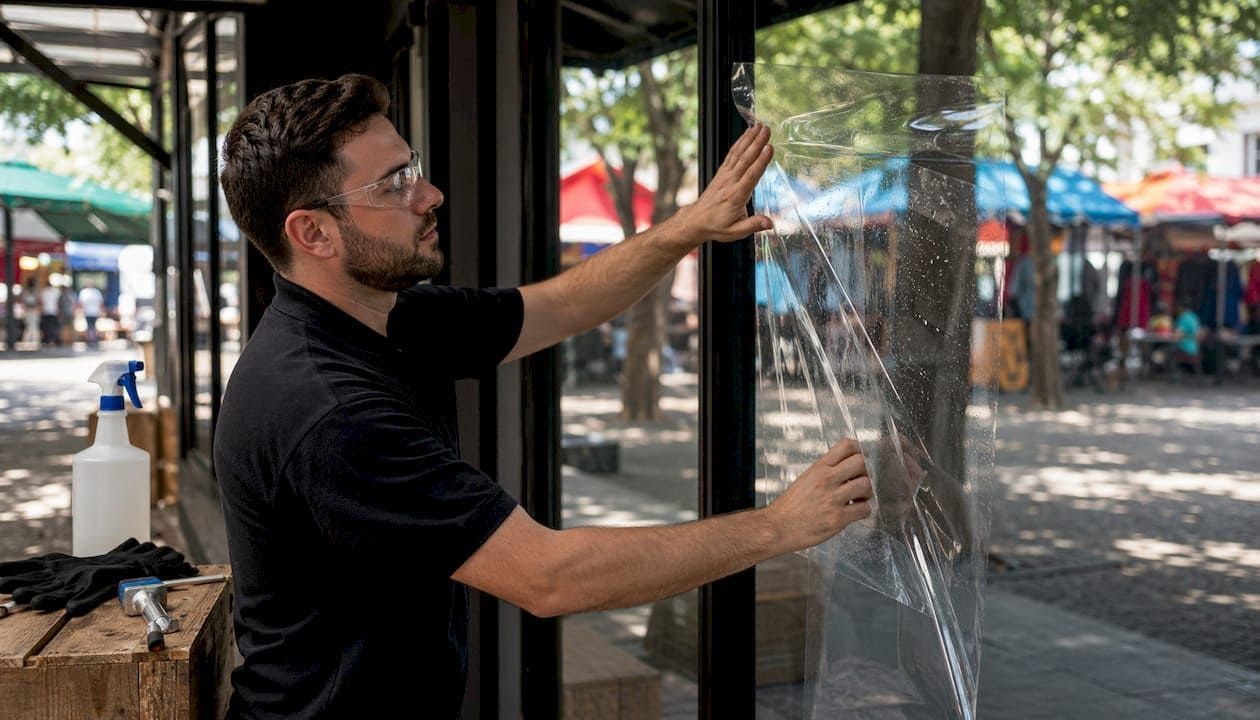
It’s best left to the pros—professional installation ensures maximum insulation, long life, and warranty protection.
Conclusion & Winter Window Film Recommendations
When winter hits its hardest,
the right window film turns your windows into high-performance, energy-saving assets. At
Surface Dynamics Window Tinting, proudly serving homeowners throughout the region, advanced low-E, ceramic, and insulating window films make even older glass warmer, draft-free, and more energy efficient—helping you stay cozy while saving money all season long.
Contact Surface Dynamics Window Tinting today for a
free estimate, expert recommendations, and professional installation tailored to your climate, window style, and budget. Enjoy a warmer home, lower heating bills, and greater comfort no matter how cold it gets outside.