
Window Film Compliance 2026: Cut Energy Costs by 22% in NH & MA
Window Film Compliance 2026: Cut Energy Costs by 22% in NH & MA
Greater Boston property owners who upgraded to NFRC-certified window films reported average cooling cost reductions of 22% during the 2025 summer. With building codes tightening across Southern New Hampshire and Massachusetts, selecting compliant window films is no longer optional for energy efficiency and safety mandates. This guide walks you through everything from IECC climate zone requirements to ASTM safety standards, ensuring your property meets 2026 compliance while maximizing comfort and cost savings.

Table of Contents
- Understanding Building Code Requirements For Window Films In Southern New Hampshire And Greater Boston
- How Window Films Help Meet And Exceed Building Code Energy Efficiency Standards
- Safety And Security Window Films: Compliance With Impact And Glazing Codes
- UV Protection, Glare Reduction, And Occupant Comfort Benefits Linked To Building Codes
- Common Misconceptions About Window Film And Compliance
- Certification And Testing Standards Ensuring Window Film Compliance
- Regional Climate Impacts On Window Film Selection For Building Code Compliance
- Practical Guide To Choosing And Installing Window Film To Ensure Compliance And Maximize Benefits
- Enhance Your Property's Compliance And Comfort With Expert Window Film Solutions
- Frequently Asked Questions
Key Takeaways
| Point | Details |
|---|---|
| NFRC and ASTM certifications verify window films meet mandatory energy and safety building codes in NH and MA. | |
| Proper film selection balances visible light transmission with heat rejection to maintain comfort year-round. | |
| Certified safety films reduce glass fragmentation risks and enhance occupant protection under IBC glazing codes. | |
| Regional climate factors in zones 5 and 6 influence optimal film performance through New England's seasonal extremes. | |
| Professional installation with documentation ensures compliance verification during inspections and warranty claims. |
Understanding Building Code Requirements for Window Films in Southern New Hampshire and Greater Boston
Southern New Hampshire and Greater Boston fall under IECC climate zones 5 and 6, where winter heating demands compete with summer cooling needs. Building codes like IECC and IBC define mandatory U-factor, SHGC, and safety glazing requirements applicable to window films. These codes set maximum allowable solar heat gain coefficients and minimum insulation values to control energy transfer through fenestration.
Residential properties typically face less stringent enforcement than
commercial buildings, but both must address safety glazing in high-risk locations. The International Building Code mandates impact-resistant glazing in areas prone to human contact, which directly affects window film specifications. Understanding these distinctions before purchasing film prevents costly reinstallation and compliance failures.
Key regulatory considerations include:
- Maximum U-factor limits controlling heat loss in winter months
- SHGC thresholds preventing excessive solar heat gain during summer
- Safety glazing requirements in doors, sidelites, and low-height windows
- Documentation standards for permit approval and inspection verification
- Differences between residential retrofit exemptions and commercial new construction mandates
Exploring home window tinting benefits and commercial window film benefits reveals how strategic film application addresses these code requirements while delivering comfort upgrades.
How Window Films Help Meet and Exceed Building Code Energy Efficiency Standards
NFRC certification validates that window films deliver measurable improvements in thermal performance metrics. NFRC-certified window films improve fenestration U-factor and SHGC, reducing cooling energy consumption by 10-30% depending on orientation and existing glass properties. This certification process tests films under standardized conditions, providing architects and inspectors with reliable performance data for code compliance verification.
A 2025 study of commercial properties in Greater Boston documented average cooling cost reductions exceeding 20% after installing solar control films on south and west-facing windows. These films work by reflecting infrared radiation while maintaining visible light transmission, creating a comfortable indoor environment without excessive darkening. Winter performance also improves as low-emissivity coatings reduce radiant heat loss through glass.
| Film Type | SHGC Reduction | Visible Light Transmission | Best Application |
|---|---|---|---|
| Solar Control | 40-60% | 50-70% | South/West Windows |
| Low-E Ceramic | 30-45% | 65-80% | All Orientations |
| Dual Reflective | 50-70% | 40-60% | High Glare Areas |
| Spectrally Selective | 35-50% | 70-85% | View Preservation |
Balancing energy performance with occupant comfort requires careful film selection:
- Higher visible light transmission maintains natural daylighting while reducing glare
- Spectrally selective films target infrared rejection without excessive tinting
- Ceramic technology provides superior performance without metallic interference with wireless signals
- Low-E coatings enhance winter insulation by reflecting interior heat back into rooms
Pro Tip: Use a window film energy savings calculator to model your property's specific savings potential before selecting films. Orientation, existing glass type, and local utility rates significantly impact payback periods.
Understanding winter energy cost reduction with window film becomes critical in New England's climate, where heating expenses often exceed cooling costs.
Safety and Security Window Films: Compliance with Impact and Glazing Codes
Safety window films must pass rigorous testing to qualify for code compliance. Safety and security window films meeting ASTM F1233 and ASTM E2190 provide verified shatter resistance and comply with IBC impact requirements. ASTM F1233 evaluates adhesion strength and glass fragment retention after impact, while ASTM E2190 tests blast resistance for high-security applications.
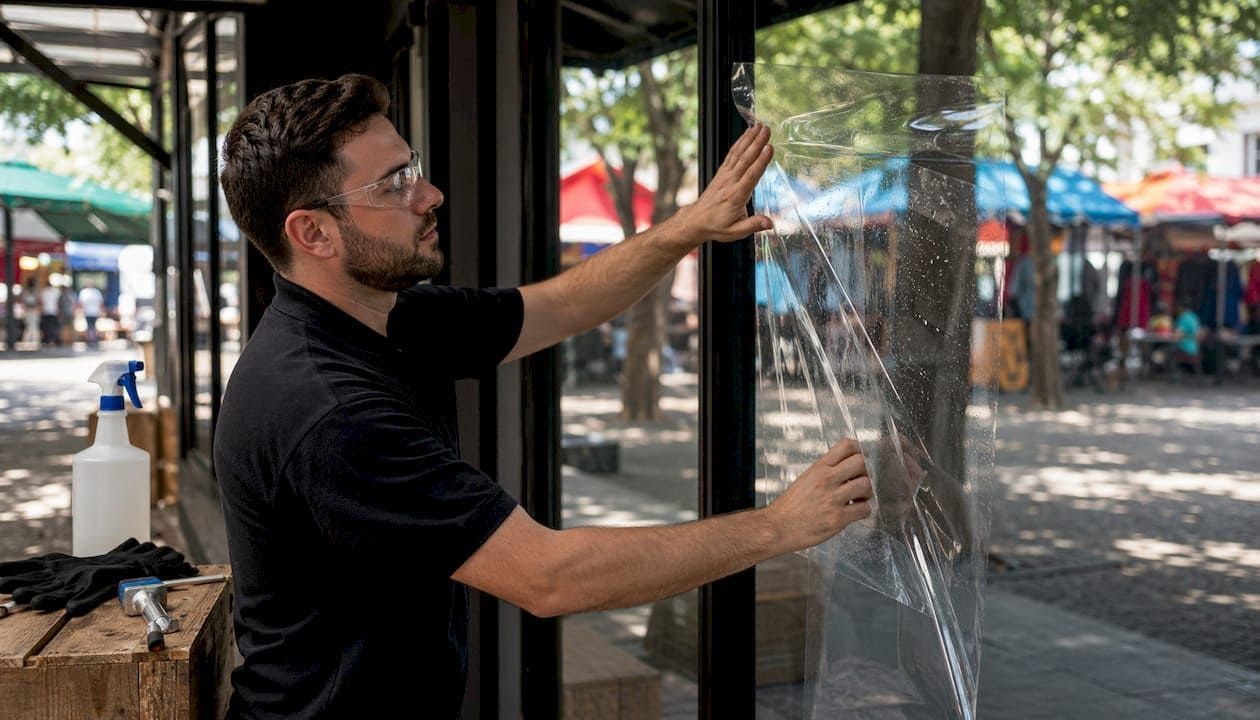
Commercial properties benefit significantly from these films as they reduce liability exposure in high-traffic areas. Storefront windows, conference room glass partitions, and ground-floor glazing all present injury risks when subjected to accidental impact or deliberate breakage. Security films hold fractured glass together, preventing dangerous projectiles while maintaining a barrier against intrusion.
Residential applications focus on accident prevention and storm protection. Sliding glass doors, bathroom enclosures, and bedroom windows near stairs all qualify as hazardous locations under building codes. Installing certified safety films in these areas satisfies inspection requirements while protecting family members from lacerations.
Pro Tip: Always verify installer certification and request documentation proving film authenticity. Counterfeit products lack proper adhesive formulation and fail prematurely, leaving you non-compliant and unprotected.
Key safety compliance benefits include:
- Reduced glass fragmentation during earthquakes or severe weather events
- Enhanced resistance to forced entry attempts in commercial settings
- Lower insurance premiums for properties demonstrating verified security upgrades
- Compliance with IBC Section 2406 governing safety glazing identification and testing
- Protection against injury liability claims from glass-related accidents
Explore commercial safety window films and residential safety window films to understand application-specific solutions. Review the full ASTM F1233 standard for technical testing requirements.
UV Protection, Glare Reduction, and Occupant Comfort Benefits Linked to Building Codes
Building codes increasingly address occupant health through daylighting standards and UV protection requirements. Modern window films block over 99% of UV rays, reducing glare and protecting occupants and furnishings per health-related code implications. This UV rejection prevents skin damage during prolonged sun exposure near windows and extends the lifespan of interior finishes.
Glare reduction improves productivity in commercial spaces where computer screens and detailed tasks suffer under direct sunlight. Studies show excessive glare increases eye strain and reduces workplace efficiency by up to 15%. Properly selected films maintain natural light levels while eliminating harsh reflections and hotspots.
Visible light transmission percentages determine how much natural illumination passes through treated windows. Films ranging from 50% to 85% VLT preserve view quality and brightness while still rejecting heat and UV radiation. This balance satisfies building code provisions requiring adequate daylighting in occupied spaces.
Key comfort and health benefits include:
- Prevention of furniture, carpet, and artwork fading from UV exposure | Elimination of temperature imbalances creating hot zones near windows
- Reduced HVAC system strain from localized solar heat loads
- Protection of occupants from UV-related skin conditions during extended indoor exposure
- Compliance with LEED and WELL Building Standard criteria for occupant wellness
Understanding UV protection and glare reduction benefits helps you select films delivering both code compliance and measurable comfort improvements.
Common Misconceptions about Window Film and Compliance
Many property owners hesitate to install window films based on outdated information or myths about performance and appearance. Understanding the truth helps you make confident compliance decisions.
Myth: All window films darken interiors excessively. Modern spectrally selective and ceramic films maintain 70-85% visible light transmission while still rejecting substantial heat and UV radiation. You can preserve natural brightness and views while achieving energy code compliance.
Myth: Window films are not recognized by building energy codes. IECC 2021 explicitly allows certified window films as a retrofit strategy for improving existing fenestration performance. Properly documented installations satisfy energy audits and permit requirements.
Myth: All window films provide equal safety regardless of certification. Only films tested to ASTM F1233 standards deliver verified shatter resistance. Uncertified decorative films lack the structural adhesion needed for safety glazing compliance.
Additional clarifications include:
- Residential applications face fewer inspection requirements but still benefit from certified products
- Commercial properties must provide NFRC labels and test reports during permit reviews
- Film warranties require professional installation to remain valid
- Different film constructions address specific code requirements for energy versus safety
- Certification markings should appear on product packaging and be verified before purchase
Certification and Testing Standards Ensuring Window Film Compliance
Third-party certification bodies validate manufacturer claims through standardized testing protocols. Understanding these processes helps you identify legitimate products and avoid non-compliant installations.
NFRC certification establishes energy performance ratings used in building code compliance calculations. Manufacturers submit films for independent laboratory testing measuring U-factor, SHGC, and visible light transmission. These certified values appear on product literature and allow architects to model energy savings accurately.
ASTM certification focuses on safety and security performance. Films undergo impact testing, adhesion evaluation, and accelerated weathering to verify long-term durability. ASTM F1233 and E2190 standards provide pass/fail criteria that building inspectors reference during compliance verification.
Manufacturers like LLumar and Vista Films maintain extensive certification portfolios across their product lines. These established brands invest in ongoing testing to ensure consistency and code acceptance nationwide.
Verification steps before purchasing include:
- Request NFRC certification documentation showing tested performance values
- Confirm ASTM test reports match the specific film product and thickness
- Verify manufacturer warranty terms requiring professional installation
- Check product labels for certification marks and unique identification numbers
- Obtain copies of all documentation for building permit submissions and future inspections
Proper documentation protects your investment and ensures smooth permit approval. Inspectors may reject installations lacking verifiable certification, forcing expensive reinstallation with compliant products.
Regional Climate Impacts on Window Film Selection for Building Code Compliance
Southern New Hampshire and Greater Boston experience temperature extremes requiring balanced film performance. IECC zones 5 and 6 demand heating-dominant strategies while still addressing significant cooling loads during summer months.
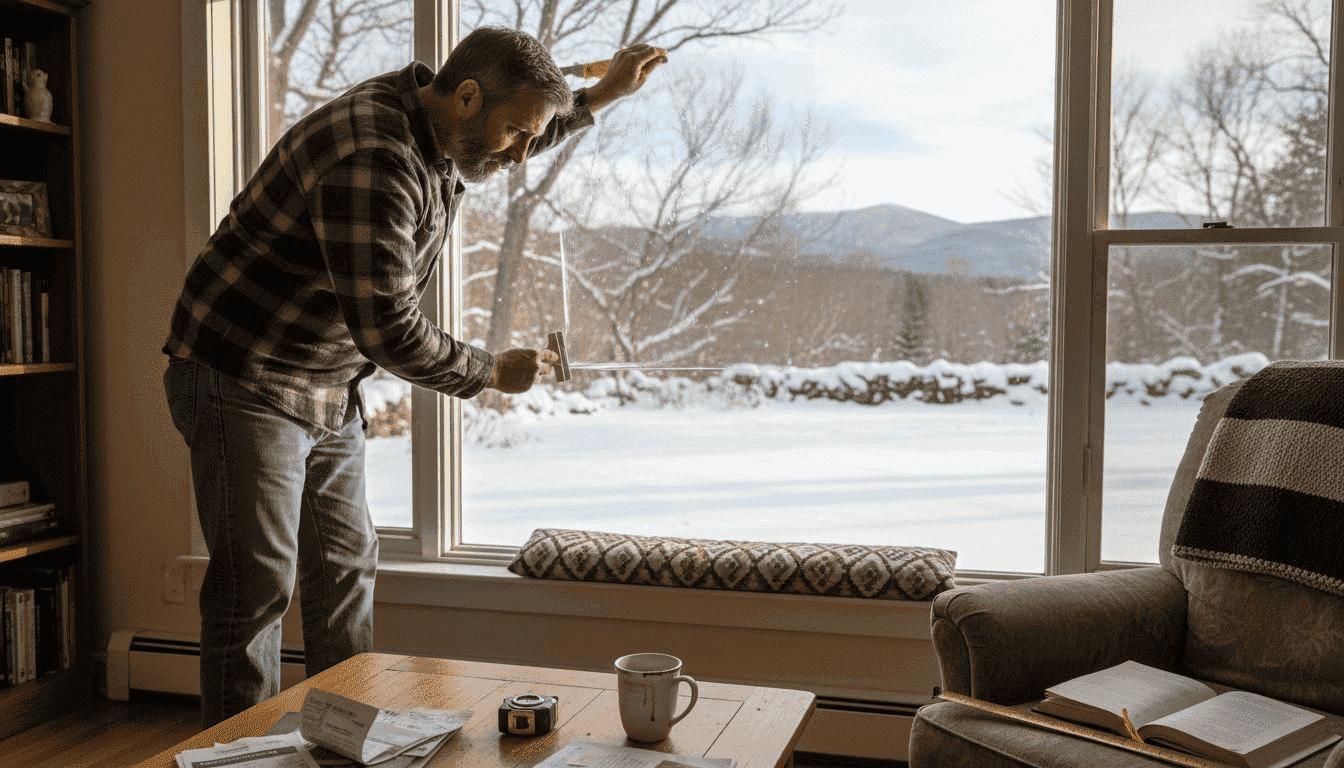
Winter conditions favor films with low-emissivity coatings that reflect interior heat back into rooms. This reduces heat loss through windows while still allowing solar gain on sunny days to offset heating costs. Summer performance requires rejecting infrared radiation without blocking beneficial winter sunlight.
Snow and ice accumulation on windows creates unique durability requirements. Films must withstand freeze-thaw cycles and moisture exposure without delaminating or developing adhesive failure. Premium products designed for northern climates incorporate enhanced adhesive systems resistant to temperature cycling.
| Climate Factor | Film Selection Impact | Recommended Solution |
|---|---|---|
| Cold Winters | Minimize heat loss | Low-E ceramic films |
| Hot Summers | Reduce cooling load | Solar control films |
| High UV Year-Round | Prevent fading | 99%+ UV rejection |
| Snow/Ice Exposure | Ensure durability | Weather-resistant adhesives |
Pro Tip: Consult regional experts familiar with New England's climate patterns and local code enforcement practices. Generic recommendations from national suppliers may not address zone-specific performance requirements.
Understanding winter energy savings with window film specific to our climate helps optimize film selection for year-round benefits. Long-term weather exposure also affects warranty coverage, with premium films offering extended protection against regional conditions.
Practical Guide to Choosing and Installing Window Film to Ensure Compliance and Maximize Benefits
Implementing code-compliant window films requires systematic evaluation and professional execution. Follow these steps to ensure successful outcomes.
- Assess existing window conditions by identifying glass type, orientation, and problem areas experiencing excessive heat or glare. Document current energy bills to establish baseline performance for future savings calculations.
- Prioritize certified window films matching your specific compliance needs. Compare NFRC energy ratings for different orientations and verify ASTM safety certifications for hazardous locations requiring impact resistance.
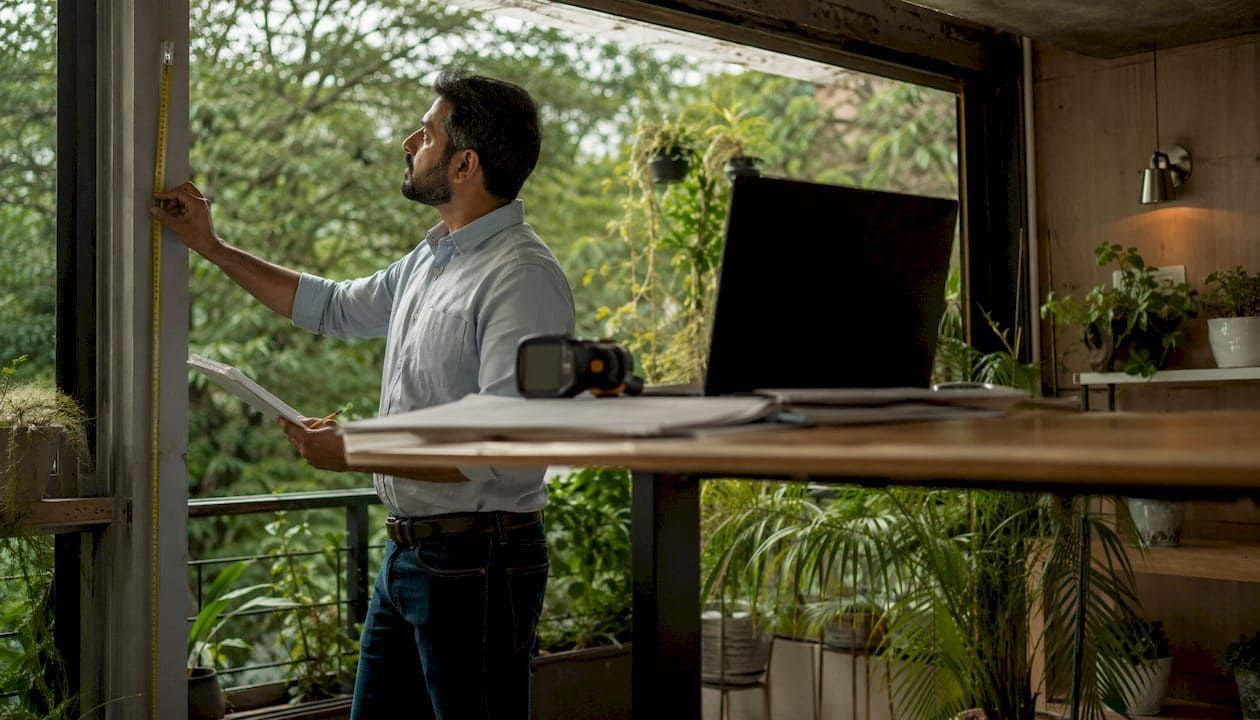
- Engage professional installers experienced with local building codes and inspection processes. Surface Dynamics provides expertise ensuring proper surface preparation, film application, and documentation meeting NH and MA requirements.
- Maintain complete documentation including product certifications, installation invoices, and warranty registration. Building inspectors require verification of certified products during permit reviews and final approvals.
- Schedule periodic inspections to verify film adhesion and performance over time. Address any edge lifting or bubbling immediately to maintain warranty coverage and continued code compliance.
Best practices for maximizing benefits include:
- Coordinate installations during moderate temperature periods for optimal adhesive curing
- Address any existing glass damage or seal failures before applying films
- Plan window treatments and furniture placement to complement film performance
- Document energy savings through utility bill comparisons validating compliance benefits
- Update property records with film specifications to support future sale or refinancing
Partner with certified window film installers in NH and Boston to ensure your investment delivers lasting compliance and performance. Professional installation eliminates common application errors that void warranties and compromise code acceptance.
Enhance Your Property's Compliance and Comfort with Expert Window Film Solutions
Surface Dynamics Window Tinting brings specialized expertise in building code compliant window film installation across
Southern New Hampshire and Greater Boston. As an exclusive LLumar SelectPro Dealer, we provide premium Vista Films engineered for superior energy efficiency, safety, and occupant comfort in our regional climate.
Our interactive tools help you visualize certified film options tailored to your property's specific needs. Explore the residential window film viewer to compare energy performance and aesthetics for your home, or use the commercial window film viewer to evaluate solutions for your business property.
Contact Surface Dynamics for a comprehensive property assessment and free estimate. Our certified installers ensure proper application, complete documentation, and warranty registration for full code compliance. Visit
Surface Dynamics window film services to discover how certified films deliver measurable savings, enhanced safety, and lasting comfort while meeting all 2026 building code requirements.
Frequently Asked Questions
How can I confirm a window film product is NFRC and ASTM certified?
Request certification documentation directly from the manufacturer or installer showing specific test reports and certification numbers. NFRC labels include unique product identification matching tested samples, while ASTM compliance requires independent laboratory reports verifying impact resistance and adhesion performance.
Will applying window film void my existing window warranties or building certifications?
Professionally installed films from reputable manufacturers typically preserve window warranties when applied according to specifications. Always review your window warranty terms and consult with certified installers before proceeding to ensure compatibility.
How long does professional window film installation take for a typical commercial building?
Installation duration depends on building size and window quantity, but most commercial projects complete within 2-5 business days. Larger properties may require phased installation to minimize disruption to daily operations.
Can window film reduce glare without making rooms too dark?
Modern spectrally selective films maintain 70-85% visible light transmission while eliminating harsh glare and rejecting infrared heat. These films preserve natural brightness and views while creating comfortable working and living environments.
What maintenance is required to keep window film effective and code compliant?
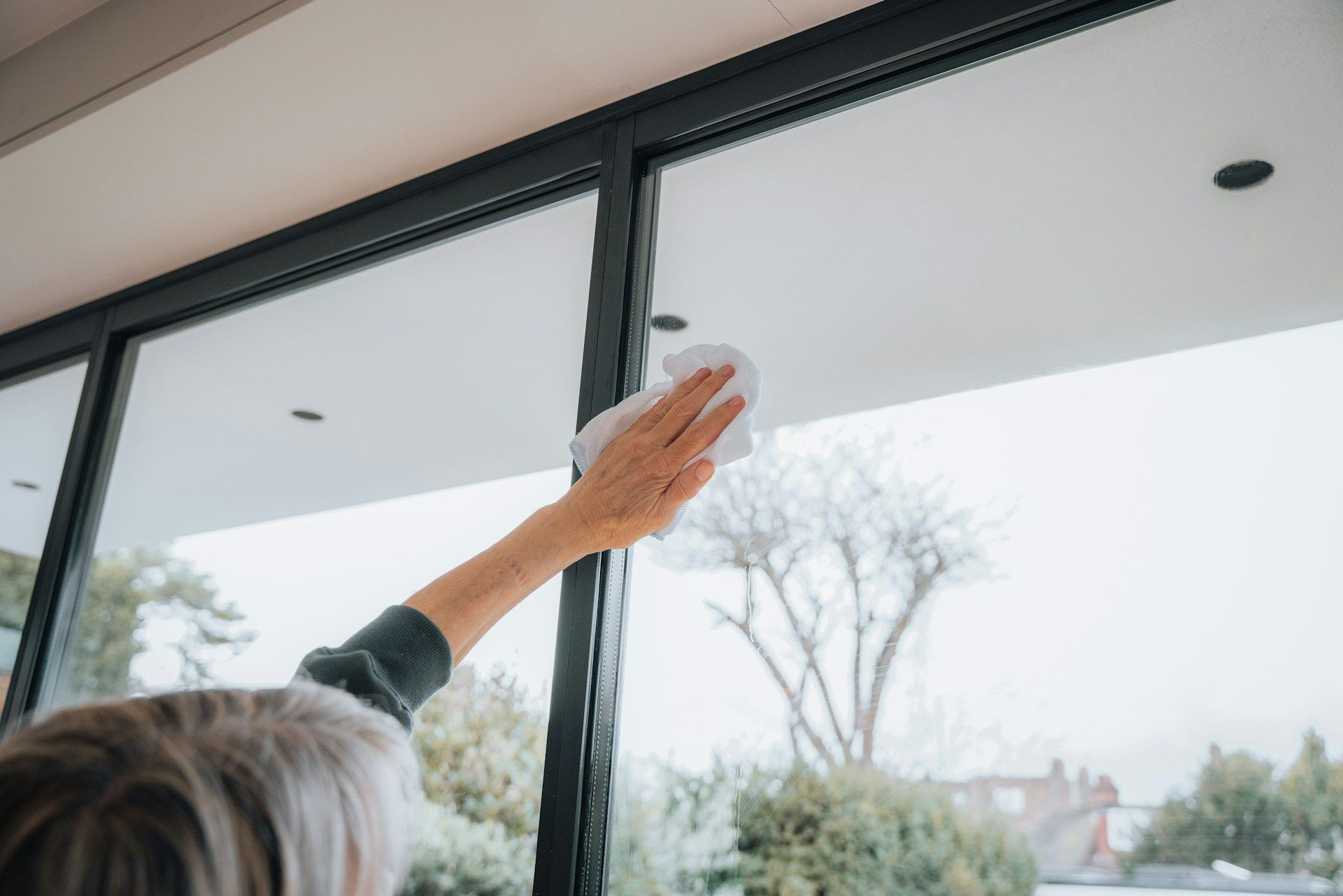
Window films require minimal maintenance beyond regular cleaning with mild soap and water using soft cloths. Avoid abrasive cleaners or tools that could scratch the film surface, and inspect edges annually for any lifting that might compromise performance or warranty coverage.
Recommended