
Guide to Installing Commercial Tint in Retail Storefronts
A retail storefront does more than just provide a view from inside. It shapes how your business is seen from the street. Clear glass can look inviting, but it doesn’t always offer much in terms of comfort or privacy. Bright sunlight, glare on screens, and temperature swings can all start at that front-facing glass.
That’s where commercial building window tinting starts to make sense. It can help with everything from cutting heat in the summer to reducing glare without making the space feel closed off. And March is a smart time to plan upgrades like this. Southern New Hampshire and the Greater Boston Area are still cold, but spring is on the way. With warmer weather coming, it’s a good season to prepare before sunlight gets stronger and window issues return.
Choosing the Right Tint for a Retail Space
Not every tint works the same. In storefronts, style, performance, and function all play a role. Some shops want a clear look that doesn’t limit visibility, while others want more sun control or privacy. Matching the film to the space makes all the difference.
Here are a few common tint types we suggest thinking about:
- Clear tint that blocks UV and helps with comfort while keeping the original glass look
- Reflective tint that’s more private during the day and lowers glare
- Neutral shades that shift how sunlight enters without looking dark
Before choosing, think about which problems you're trying to solve. Is glare on screens bothering your team? Is the space too hot in the afternoon? Or does foot traffic outside bring in too many prying eyes?
Sun placement matters too. A storefront facing east may heat up fast in the morning but cool off by afternoon. One facing west might get hammered with late-day sun. The direction of your windows can help guide which type of tint will make the biggest improvement.
Thinking strategically about which windows get the strongest sun exposure can help you pick the best solution for comfort and energy savings. Some retailers also consider how color or branding might be affected by window tints, some films lend a subtle blue or gray tone, while others maintain nearly invisible appearance.
Benefits for Customers and Employees
The right window tint doesn’t just help the glass. It changes how the whole space feels. When there's too much sun glare, shopping or working near the windows can be frustrating. People might stand in the wrong spots or avoid certain areas. Tinted windows make the space more welcoming and easier to use all day.
Some of the biggest comfort upgrades from window tinting include:
- Less glare on counters, screens, and product displays
- More even temperatures across the space, not just near the door
- Reduced exposure to UV rays that can fade fabrics, flooring, and signs
If your retail space has bright displays near the windows, reducing direct sun can help the items last longer. Staff working long shifts also benefit from fewer hot spots and better screen visibility.
Window tinting also helps stores present merchandise in its best light. By cutting unwanted brightness and glare, items in the front window look more appealing and are less likely to be damaged by sunlight, preserving the investment you make in displays. The improved comfort means people linger longer, which can encourage more browsing and lead to higher customer satisfaction overall.
How Window Tinting Improves Security and Privacy
With so much glass facing the street, security can be a concern. Some retail spaces have full windows, others just partial panes. Either way, being able to see in too easily during business hours, or worse, after closing, isn’t always the best idea.
Tinted film can improve both privacy and safety in a few ways:
- It limits how much people outside can see, especially during daylight
- Some tint types help hold broken glass in place, which could add protection during break-ins
- Privacy films reduce visibility without cutting off natural light
Shades vary, so it’s possible to find film that’s subtle or more reflective, depending on how much privacy you’d like. Some stores like the look of mirrored film, while others prefer a softer finish that blends in naturally.
Enhancing privacy can also contribute to smoother store operations. For instance, sensitive areas such as cash registers or storage near the windows are less visible, making them less of a target for would-be thieves. Employees and customers may also feel safer knowing that those on the outside can’t observe activities inside as clearly.
Timing and Weather: Why March Is a Smart Month to Install Window Tint
Winter is winding down by March, although it still feels chilly across most parts of New Hampshire and Massachusetts. It’s a slower time for property updates, which makes it easier to schedule work like this before spring takes off and calendars fill up.
Getting tint done in March lines up well with the changing seasons. Sunlight gets brighter. Temperatures start to climb. That means more glare and rising indoor temps. You don’t want to wait until midsummer when the space already feels hot and every installer is booked up.
Tinting now gives you breathing room. There’s time to pick the right shade, plan around business hours, and settle in before the next round of heat and brightness rolls in.
Scheduling installations before the peak season also allows for a more flexible timetable and often means shorter wait times for service. Because fewer businesses upgrade windows in late winter and early spring, your storefront can be ready before competitors and protected as soon as the weather changes.
Adding tint at this time of year can act as preventative care; you’re taking steps now for benefits you’ll appreciate over the coming months and years. This is not only effective for energy management but can also extend the lifespan of your HVAC systems due to less strain fighting heat from sunlight.
What to Expect During Installation
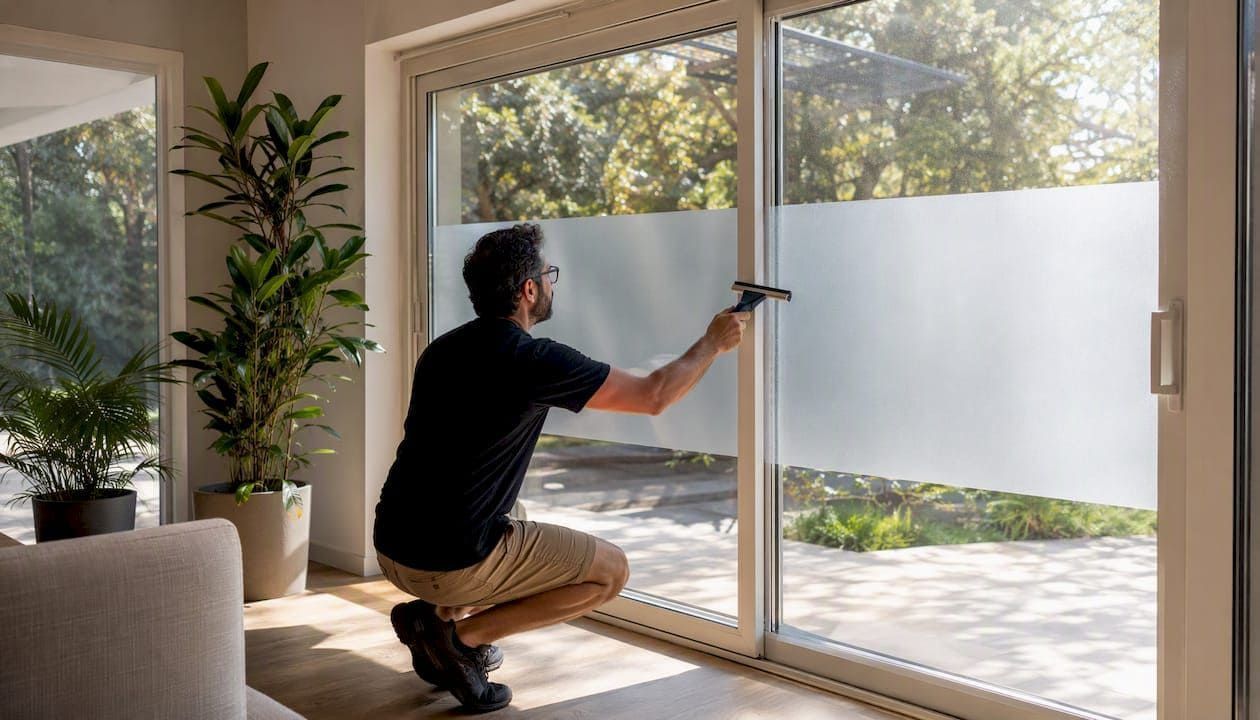
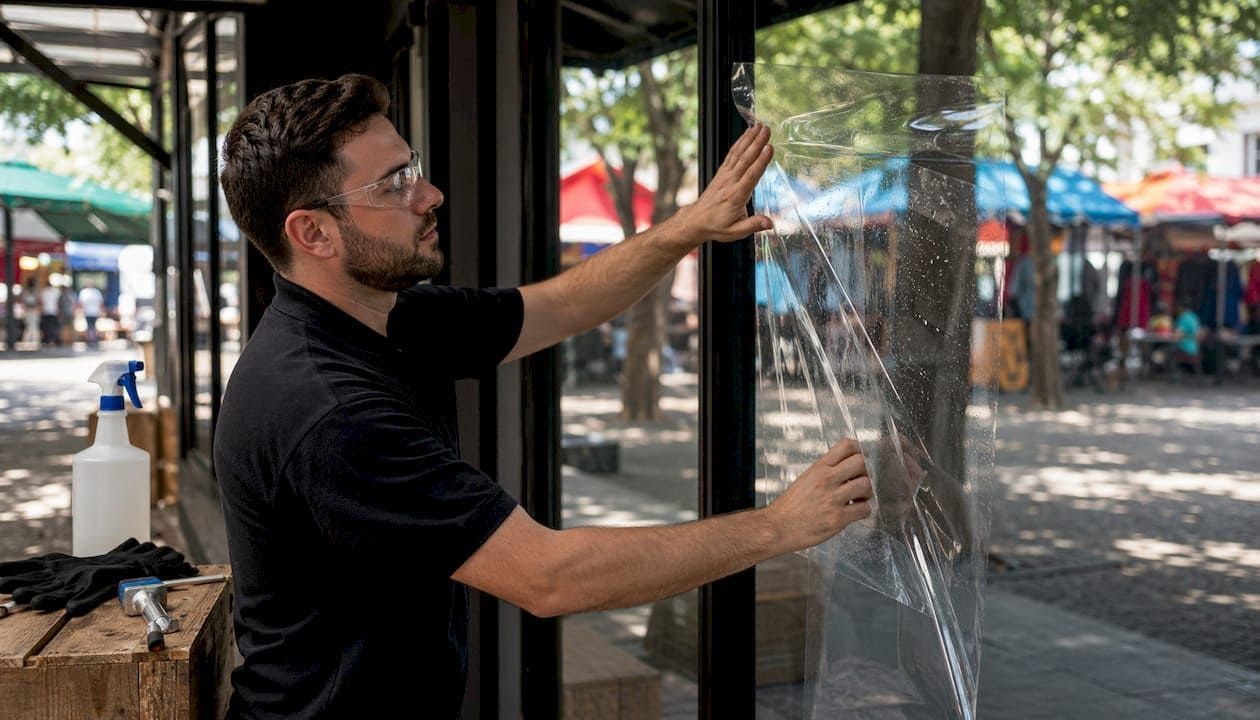
Installing film on retail windows may sound like a big job, but it usually moves pretty quickly. How long it takes depends on how many windows you have and how large they are. For most storefronts, installing tint is a one-day process.
Here’s what usually happens during a typical install:
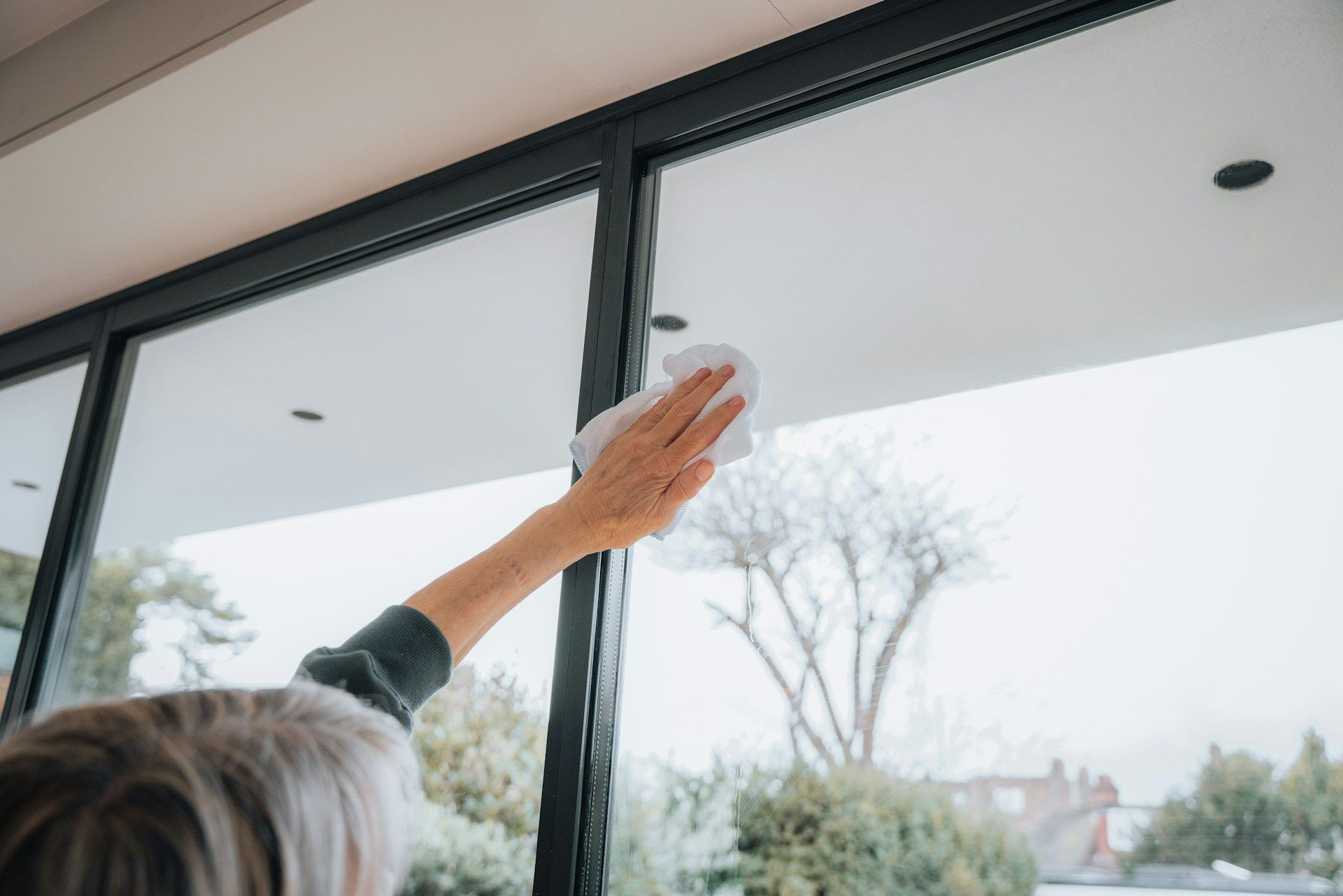
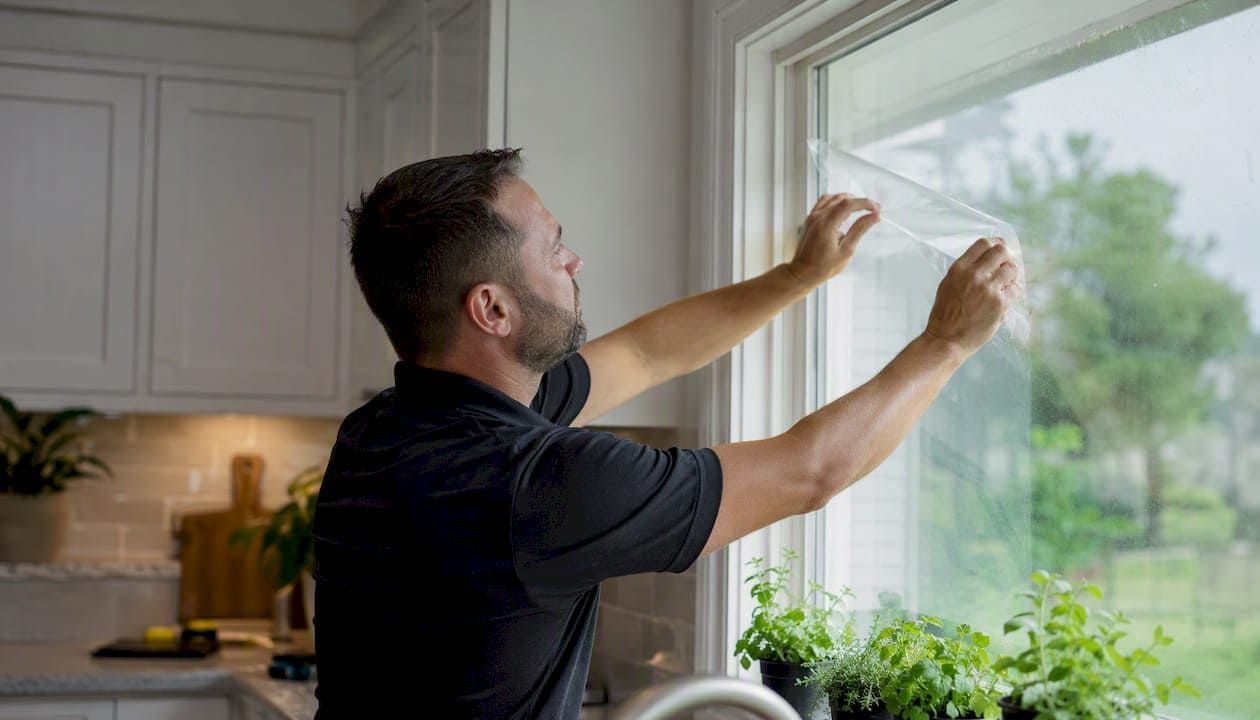
- The glass gets cleaned and prepped to make sure the film will stay in place
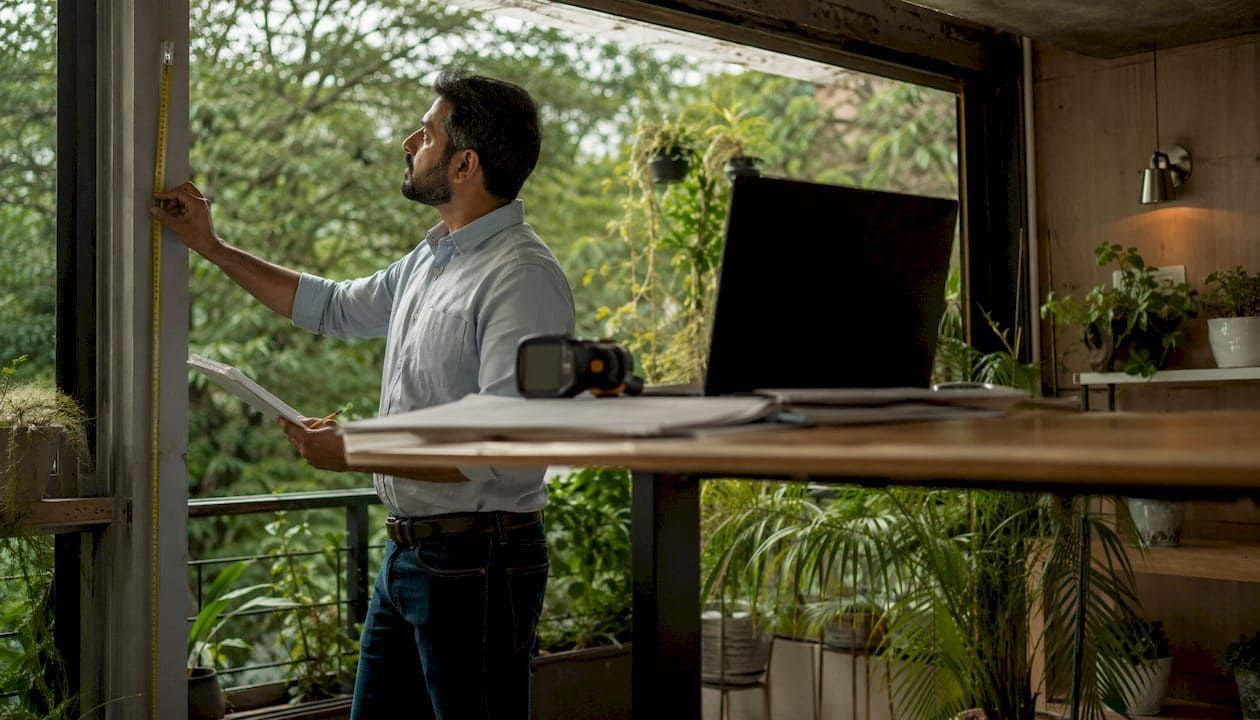
- Technicians measure and cut the film to fit each pane with a clean edge
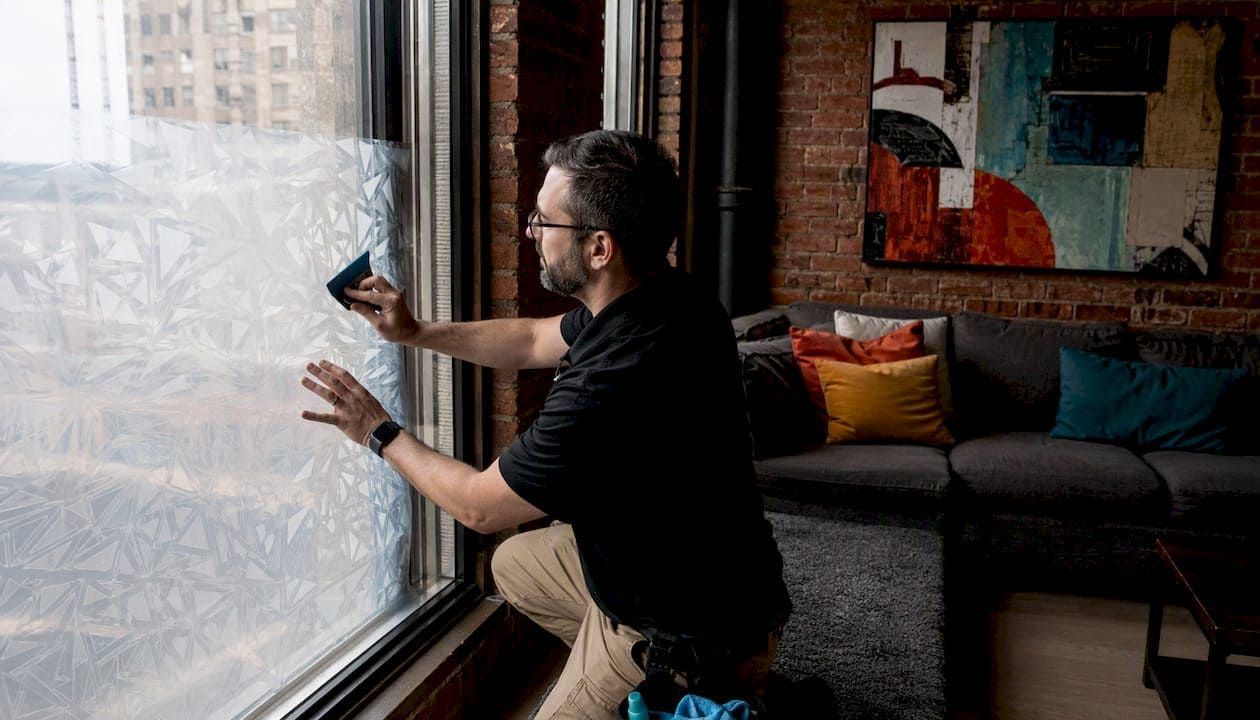
- The film is applied, smoothed, and left to settle and dry
The space usually stays open or only needs short downtime. If your shop has large front windows with street-facing foot traffic, it may help to schedule early in the morning or during a slower part of the week.
Getting the film installed the right way matters. Bubbles, corners that peel, or films that fade too fast usually come from rush jobs or DIY options. A professional install keeps it looking neat and helps the film last longer.
Professional installers can also work efficiently to minimize any disruption. They use equipment designed to avoid mess and take care to move displays or merchandise near the windows, ensuring your store remains clean and presentable. Once the install is complete, there’s typically just a short cure period when you may have to avoid touching the windows before the tint fully sets.
Make Your Storefront Work Smarter Every Season
Retail storefronts go through a lot during the year. Cold winds in winter, sun blasting through in summer, and everything in between. Starting with a smart fix like window tinting now can change how that space feels and works through every season.
Commercial building window tinting does more than just block the sun. It creates comfort people can feel when they walk through the door. It supports privacy, lessens glare, and can help reduce wear on your space. Doing it in early spring means your storefront is ready for the growing daylight that comes with longer days.
We like to think of it as a quiet upgrade that keeps working all year long. One small project that supports the look, feel, and function of your shop without much need for upkeep. A simple change that helps your windows do better for the people inside.
Make your storefront more comfortable, safer, and easier to manage all year round. We have helped shops throughout Southern New Hampshire and Greater Boston find options that blend naturally with their space while solving common challenges. For a closer look at how commercial building window tinting can improve how your retail space functions, we have included details to help you decide what fits your location best. At Surface Dynamics Window Tinting, we are here to help you get started when you are ready, so contact us to talk about what works best for your storefront.