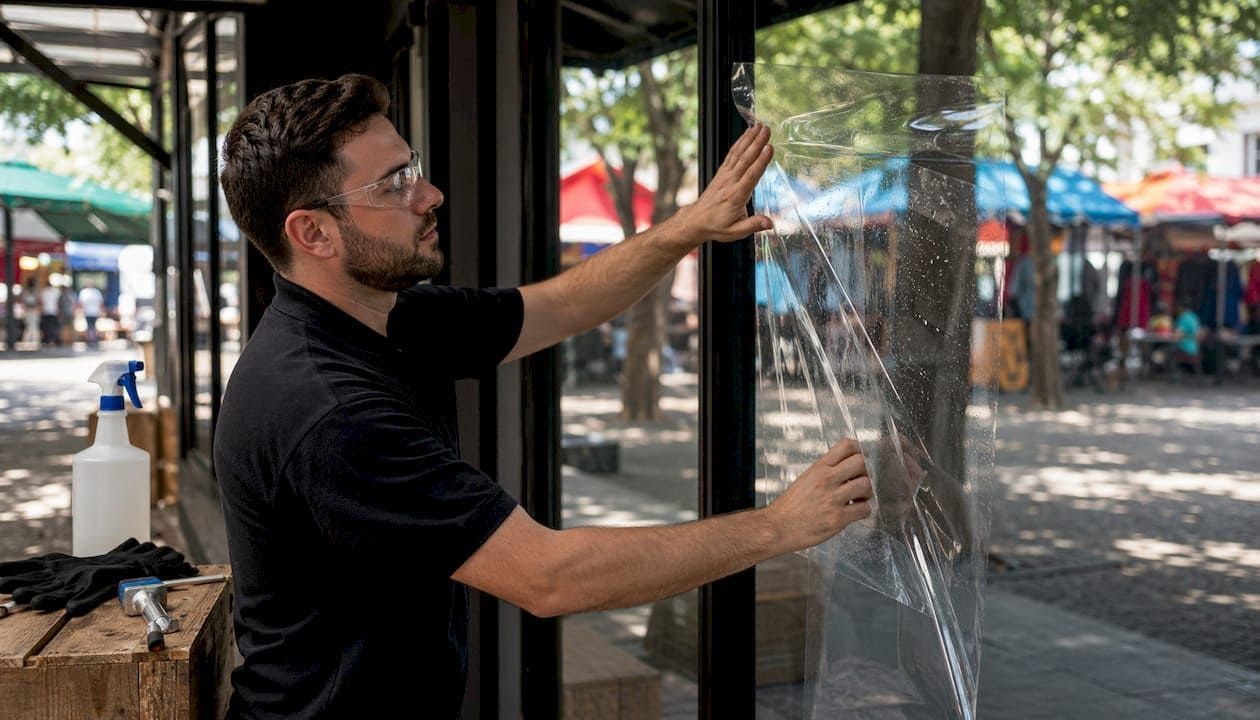

How window tinting enhances privacy for homes and businesses
TL;DR:
- Window tinting enhances privacy and security by limiting outside visibility and reinforcing glass impact resistance.
- Different film types offer varying levels of daytime and nighttime privacy, suited to specific needs.
- Proper professional installation and tailored solutions improve comfort, energy efficiency, and overall property value.
Most people think of window tinting as a way to keep a car cool or give a storefront a sleek look. But for homeowners and business owners across Southern New Hampshire and the Greater Boston area, tinting is one of the most effective and underutilized tools for genuine privacy protection. This article walks you through why exposed windows put you at real risk, how different film types perform for privacy, and what to look for when choosing and installing tint that actually does the job. If you've been on the fence about tinting, what follows might change how you see your windows entirely.

Table of Contents
- Why privacy matters: The risks of exposed windows
- How window tinting works to protect privacy
- Comparing tint types: Privacy effectiveness by application
- Practical factors: Choosing and applying tint for privacy
- What most guides miss: Tinting as a holistic comfort upgrade
- Explore privacy window tint solutions for your property
- Frequently asked questions
Key Takeaways
| Point | Details |
|---|---|
| Tinting adds true privacy | Properly chosen window tint keeps prying eyes out while maintaining a welcoming space. |
| Multiple tint types available | Different films balance privacy, light, and style to fit every room's needs. |
| Professional installation is best | Expert application maximizes privacy, comfort, and longevity, especially for homes and offices. |
| More than just privacy | Tinting brings added benefits like reduced glare, energy savings, and improved security. |
Why privacy matters: The risks of exposed windows
Most people underestimate how much information their windows give away. From the street, a passerby can spot expensive electronics, get a sense of your daily schedule, and even observe security habits like when you leave for work or when you go to bed. For businesses, exposed windows mean competitors, opportunistic thieves, and anyone curious enough to stop and look can see inside your office, your layout, your clients, and your equipment.
The Greater Boston and Southern New Hampshire region is a mix of dense urban neighborhoods, busy commercial corridors, and quieter suburban streets. That variety means privacy risks aren't one-size-fits-all. A ground-floor condo on a busy block in Manchester has different vulnerabilities than a business park office in Nashua, but both face the same core problem: glass is transparent, and transparent means visible.
Here's what exposed windows put at risk:
- Valuables and assets : Televisions, computers, and machinery visible from outside are an open advertisement for theft.
- Personal routines : Anyone watching can map out when a home is unoccupied or when staff arrive and leave.
- Sensitive data : In offices, whiteboards, screens, and printed documents can be read through windows.
- Client and employee privacy : Customers meeting with financial advisors or healthcare providers deserve confidentiality.
- Simple comfort : Feeling watched in your own home or workspace creates ongoing stress, even without any direct threat.
As research confirms, window films reduce solar light intensity and can be used directly for securing indoor privacy. This isn't just about shutting out curious eyes. It's about creating a controlled environment where you decide what's visible and what isn't.
"Privacy is not about having something to hide. It's about having control over your own space."
Exploring home window privacy solutions is a smart first step for any homeowner who has ever pulled a curtain closed and thought, "I wish I didn't have to do this."
How window tinting works to protect privacy
Window films work by reducing the amount of visible light that passes through glass. The film is a thin polyester layer, usually treated with metallic, ceramic, or dye-based coatings, that is applied directly to the inside surface of the glass. The result is a window that looks relatively normal from inside but significantly limits what someone on the outside can see.
The mechanism behind privacy tinting depends on the reflectivity and light transmission level of the film. Darker or more reflective films bounce more light outward, making it harder for people outside to see in during daylight hours. Films with lower visible light transmission (VLT), meaning they allow less light through, provide stronger privacy. Films with higher VLT let in more daylight but offer less visual obstruction.
Here's a quick comparison of how VLT percentage affects privacy and light in your space:
| VLT Level | Light Transmission | Privacy During the Day | Interior Brightness |
|---|---|---|---|
| 5 to 15% | Very low | Excellent | Noticeably darker |
| 20 to 35% | Low to moderate | Strong | Slightly dimmer |
| 40 to 55% | Moderate | Good | Near-normal |
| 60 to 70% | High | Minimal | Bright |
One thing many people don't realize is that standard tinting does not provide privacy at night . When it's dark outside and lights are on inside, the dynamic reverses. You can see out clearly, but people outside can also see in. This is why film selection matters so much, and why specialized nighttime privacy films exist.
Pro Tip: For rooms that need round-the-clock privacy like ground-floor bedrooms or private offices, ask specifically about dual-reflective films or frosted decorative films that provide concealment regardless of lighting conditions.
Here's a straightforward process for thinking through your privacy needs before choosing a film:
- Identify which windows are most exposed to foot traffic, neighboring buildings, or public spaces.
- Note the window's orientation : south and west-facing windows get the most direct sunlight, which affects how reflective films perform.
- Decide the hours privacy matters most : daytime-only, nighttime-only, or 24-hour concealment.
- Consider room function : a conference room, bathroom, and street-facing living room each need different levels of privacy.
- Match those needs to a film type : reflective films for day privacy, frosted or dual-reflective for all-day use.
Field measurements in real office environments show that tinting reduces visible light and overall illuminance, confirming that privacy outcomes are measurable, not just perceived. Understanding the benefits of tinting beyond privacy, including UV protection and heat rejection, helps you see the full value of the investment. And for a side-by-side look at comfort and efficiency outcomes, the discussion of tinted glass privacy offers helpful real-world context.
Comparing tint types: Privacy effectiveness by application
Not all window films are created equal when it comes to privacy. Understanding which film type fits your specific situation prevents costly mismatches between what you expect and what you get.
| Film Type | Privacy Level | Best Use Case | Additional Benefits |
|---|---|---|---|
| Reflective privacy film | High (daytime) | Street-facing residential, commercial storefronts | Heat rejection, glare reduction |
| Frosted/decorative film | High (day and night) | Bathrooms, conference rooms, partitions | Aesthetic appeal, diffused light |
| Dual-reflective film | High (day and moderate at night) | Bedrooms, offices with evening use | Maintains views from inside |
| Solar control film | Moderate | Open-plan offices, sunrooms | Strong energy savings, UV blocking |
| Safety and security film | Low to moderate | High-risk areas, retail | Impact resistance, shatter protection |
Reflective privacy films are the workhorse choice for most daytime privacy needs. They create a mirror-like exterior appearance in daylight, making it nearly impossible to see inside while still allowing occupants a clear view outward. These films are particularly well suited for commercial storefronts along busy streets in downtown Manchester or the Boston suburbs.
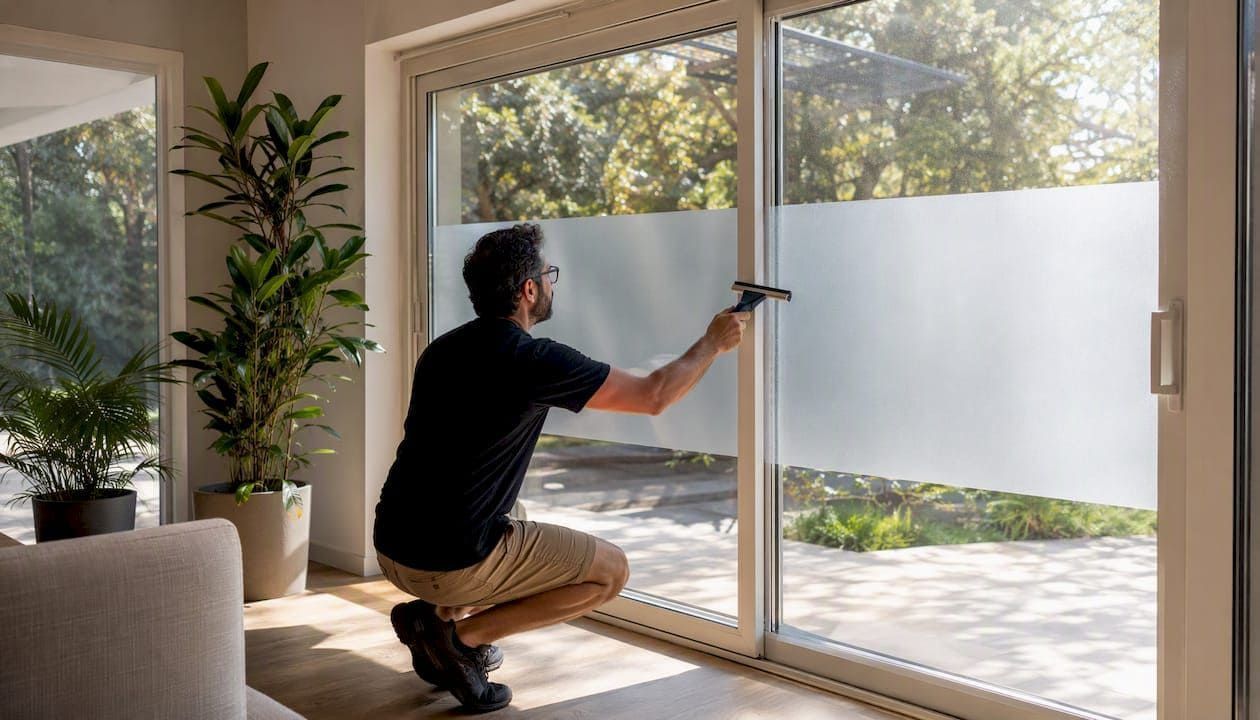
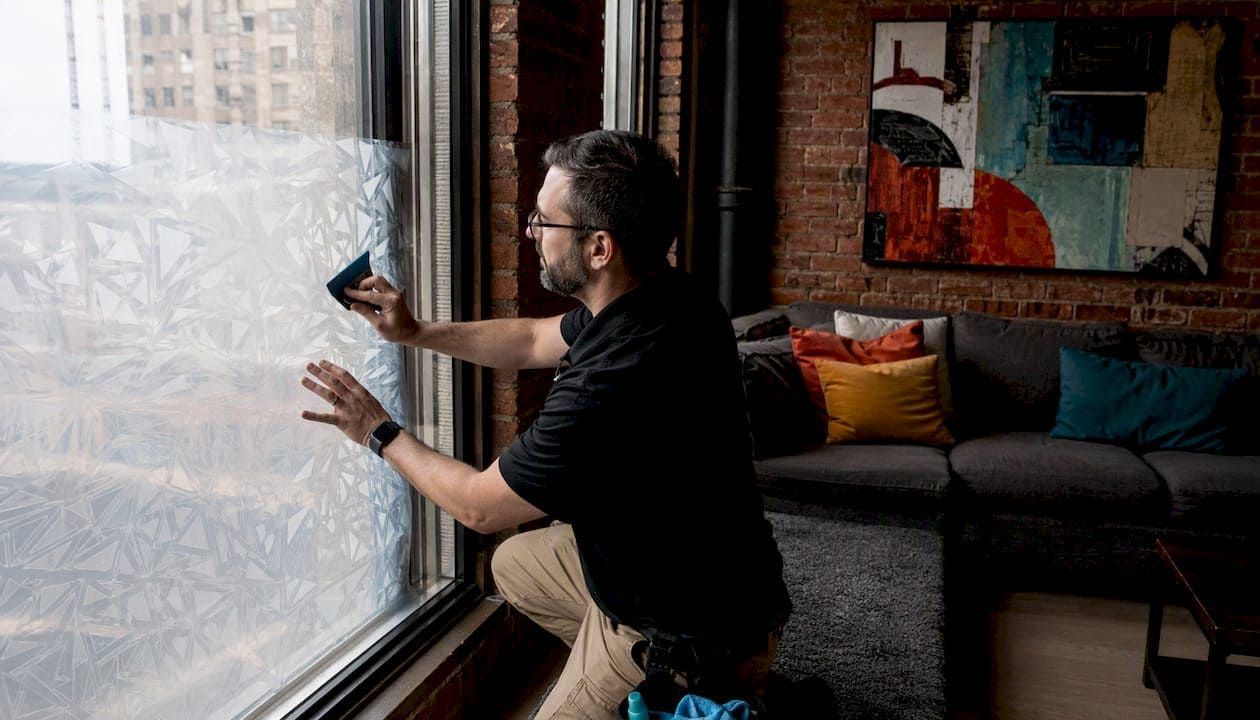
Frosted and decorative films scatter light rather than blocking it outright. This means they provide consistent privacy regardless of whether it's 2 in the afternoon or 9 at night. They're popular in bathrooms, conference rooms, and glass partitions inside offices. They also add a polished, professional appearance that decorative grilles or blinds simply can't match.
Solar control films like 3M Neutral 20 and similar products are shown to reduce solar heat gain and visibility, making them a practical dual-purpose option. They won't give you the same privacy performance as a dedicated privacy film, but for spaces where energy efficiency is the primary goal and privacy is secondary, they strike a solid balance.
Pro Tip: Layering a decorative border or frosted band at eye level on lower windows with a solar control film above it can give you targeted privacy where it matters most without blocking the entire view.
Here's a focused list of where each film type excels:
- Reflective film : Ground-floor offices, lobbies, street-facing living rooms
- Frosted film : Bathrooms, shower enclosures, glass office partitions, entryway sidelights
- Dual-reflective film : Bedrooms with views you want to preserve from inside
- Solar control film : Sunrooms, large open-plan areas where heat is the main issue
- Security film : Retail stores, schools, high-value residential properties
For a deeper breakdown, the residential window film guide covers materials, performance ratings, and application scenarios. If you're still weighing heat rejection against privacy, the comparison of choosing solar vs privacy film can help clarify which direction makes the most sense for your property. It's also worth noting that an energy-saving tinting guide reinforces how these films deliver layered benefits beyond just looks.
Practical factors: Choosing and applying tint for privacy
Choosing the right film is only half the equation. How you approach the selection process and who installs the film determines whether your investment actually delivers on its promise.
Here's a step-by-step approach to making smart tinting decisions:
- Audit your windows before buying anything. Walk around your property at different times of day and look in from outside. This exercise almost always surprises people and gives you a realistic sense of which windows need priority attention.
- Factor in window direction. South and west-facing windows receive the most sunlight. Reflective films perform best with direct light because they rely on exterior brightness to create the one-way mirror effect.
- Think about seasonal change. In New England, summer sun is intense but winter days are short and often overcast. Your privacy film should perform well in both conditions.
- Consider layered solutions. A frosted band at the lower half of a large window paired with a solar film on the upper half can address privacy and energy goals simultaneously.
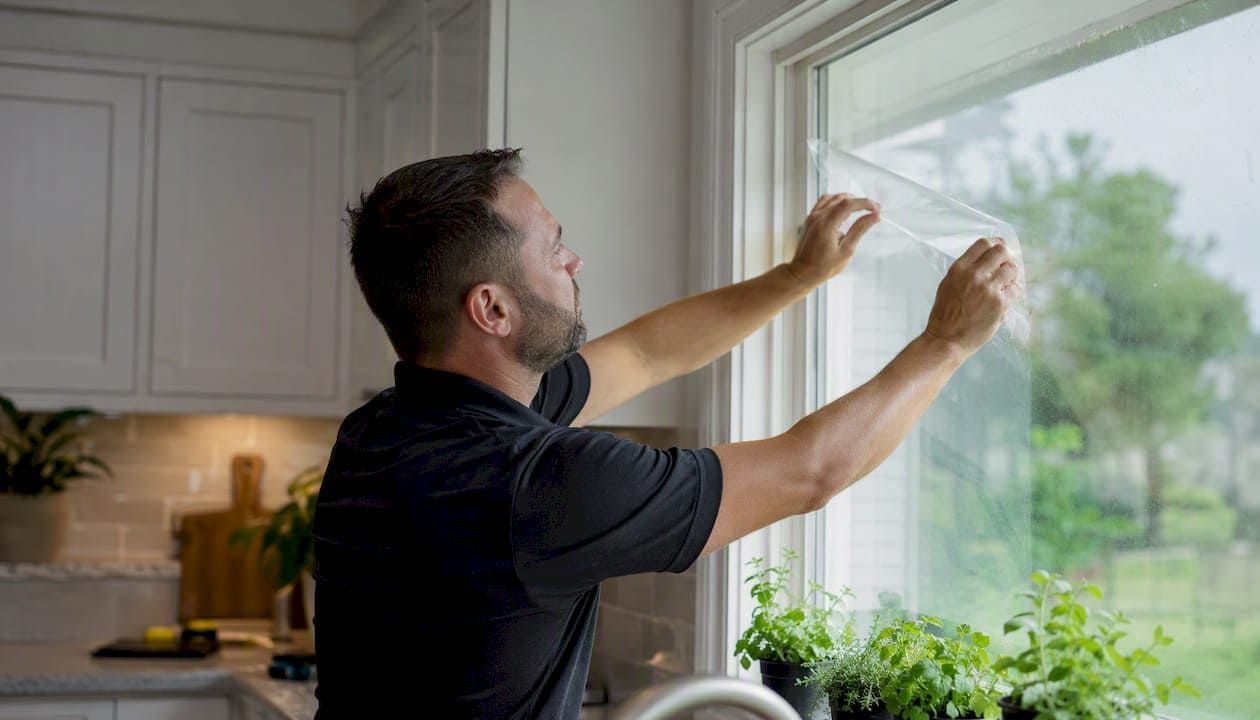
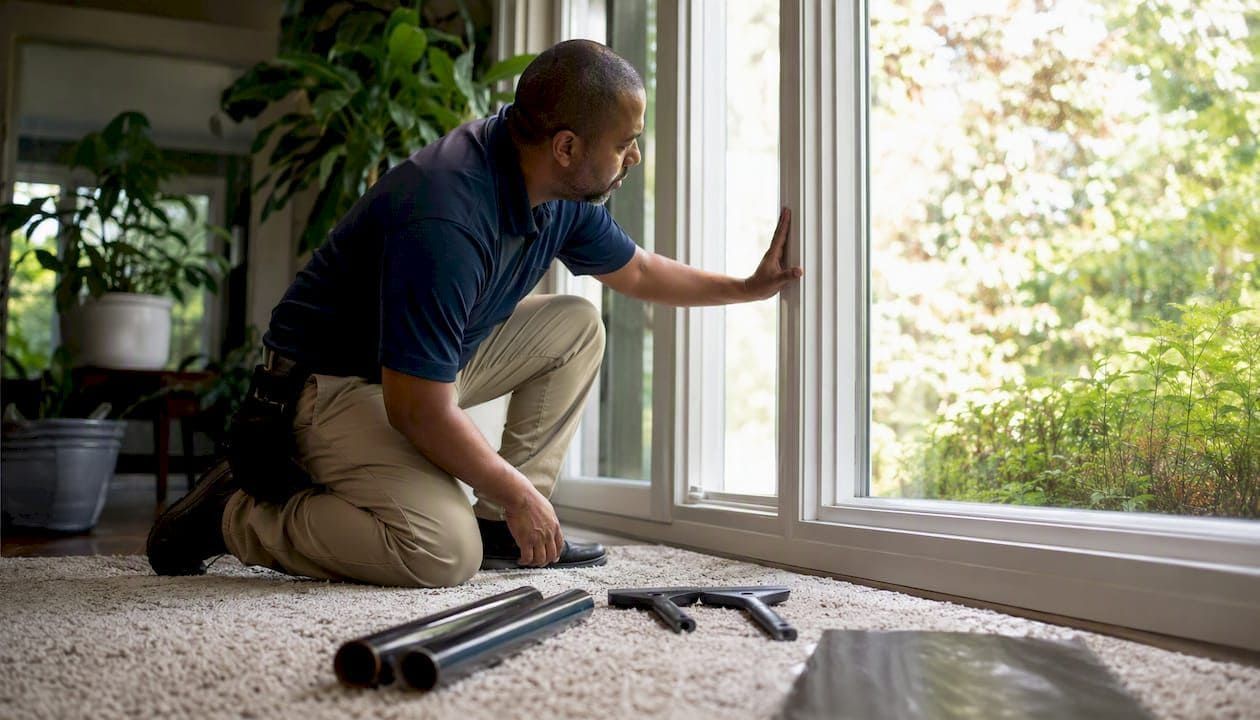
- Work with a professional installer. Films applied with bubbles, gaps near the edges, or misaligned seams not only look bad but underperform on privacy metrics. Professional installation ensures the film is properly bonded and the edges are sealed.
Research confirms that window films can be tailored to reduce visible interior exposure while maintaining indoor lighting quality, meaning you don't have to sacrifice a bright, welcoming interior to get strong privacy.
DIY film kits from hardware stores are widely available, but they consistently fall short for a few reasons. They're often thinner, less optically consistent, and harder to apply without creases or bubbles. More importantly, they typically lack the warranty and performance guarantees that professional-grade films carry.
For anyone ready to take action, exploring professional window privacy tinting offers a clear sense of what a proper installation involves and what results to expect. If you're curious whether films can work on windows that already appear clear, clear privacy film options show how modern technology can create strong privacy without any visible tint at all.
What most guides miss: Tinting as a holistic comfort upgrade
Here's an opinion we stand behind firmly: most people treat window tinting as a reactive fix for one specific problem, glare, heat, or nosy neighbors. That narrow framing causes them to underinvest in what is actually a whole-property upgrade.
When we install quality window film on a home or commercial property, something shifts in how occupants relate to their space. Rooms that were avoided in the afternoon because of heat and glare become usable. Employees in open-plan offices report feeling more focused when they're not conscious of being observed from outside. Homeowners stop reflexively reaching for the blinds the moment they sit down.
That shift is real and it's measurable in behavior, not just energy bills. The privacy and comfort benefits that come with quality window film extend far beyond blocking a view. They reshape how you use your own space.
The conventional wisdom is that window tinting is a nice extra. We'd push back on that hard. In high-density areas like the Boston metro or busy downtown corridors in Southern New Hampshire, tinting is a baseline investment in livability. A property without it is operating at a disadvantage in terms of comfort, energy efficiency, and security. The question isn't whether you need it. It's which film type fits your situation best.
Strategic tinting decisions made room by room, window by window, are what separate a good result from a transformative one.
Explore privacy window tint solutions for your property
If this article gave you a clearer picture of what's actually possible with window film, the next step is seeing those solutions in the context of your specific property.
At Surface Dynamics Window Tinting, we work with homeowners and business owners across Southern New Hampshire and the Greater Boston area to match the right LLumar Vista Film to every space. Whether you need strong daytime privacy for a ground-floor office, all-hours concealment for a master bedroom, or a decorative solution for a glass-heavy commercial lobby, we build a plan around your actual needs. Start with a free window tinting estimate and get a clear recommendation without any guesswork. Browse our privacy film solutions to see what results look like before you commit.
Frequently asked questions
Does window tinting provide privacy at night?
Most standard privacy films work best during daylight hours, but specialized dual-reflective and frosted films maintain concealment at night regardless of interior lighting. As research confirms, films reduce solar light intensity primarily in daylight conditions, so nighttime privacy requires a specifically designed product.
Will tinting darken my rooms too much?
Modern films are engineered to balance privacy with natural light, so most well-chosen films keep rooms comfortable and bright. Research shows that window films can balance privacy while maintaining indoor lighting quality, particularly in the 40 to 55% VLT range.
Can window tinting films enhance security as well as privacy?
Yes, safety and security films reinforce glass so it holds together on impact rather than shattering into dangerous shards, adding a physical security layer on top of visual privacy. Window films help secure indoor privacy and provide measurable safety benefits for both residential and commercial properties.
What rooms benefit most from privacy tinting?
Bathrooms, street-facing bedrooms, private offices, and conference rooms see the strongest gains from window film because they combine high privacy needs with frequent window exposure.
Does window tinting help with energy savings?
Absolutely. Quality window films reduce solar heat gain significantly, cutting cooling costs during New England summers while also delivering the privacy benefits covered throughout this article. Research confirms that window films reduce solar heat gain and improve overall energy efficiency in both residential and commercial settings.
Recommended
- How to improve window privacy with professional tinting
- Why Retail Window Tint is a Must-Have for Store Owners
- Top Benefits of Commercial Window Tinting for Businesses
- Bathroom Window Tint Ideas That Let Light In and Block Views
- Understanding Window Tint for Privacy: A Comprehensive Guide – AEONCUT PPF Pre-cut Cutting software
- Why Miami's Climate Makes Window Tinting a Must-Have