
Enhance Commercial Property Security With Window Tinting
TL;DR:
- Most commercial property owners neglect their glass vulnerabilities despite the gap security films fill by deterring break-ins and reducing injuries. Security window films bond to existing glass to absorb impacts and contain shards, significantly increasing burglary resistance and occupant safety. Proper professional installation ensures maximum effectiveness, offering long-term security, energy savings, and enhanced building aesthetics.
A smash-and-grab takes less than 60 seconds. A burglar throws a rock, cracks a storefront window, grabs merchandise, and disappears before police respond. That scenario plays out regularly across metro Boston and southern New Hampshire, and security and safety window films can significantly enhance resistance to break-ins and glass-related injuries. Yet most commercial property owners pour money into alarm systems and deadbolts while leaving their biggest vulnerability wide open: the glass itself. This guide walks you through exactly how professional window tinting closes that gap, while also cutting energy costs and improving occupant comfort.
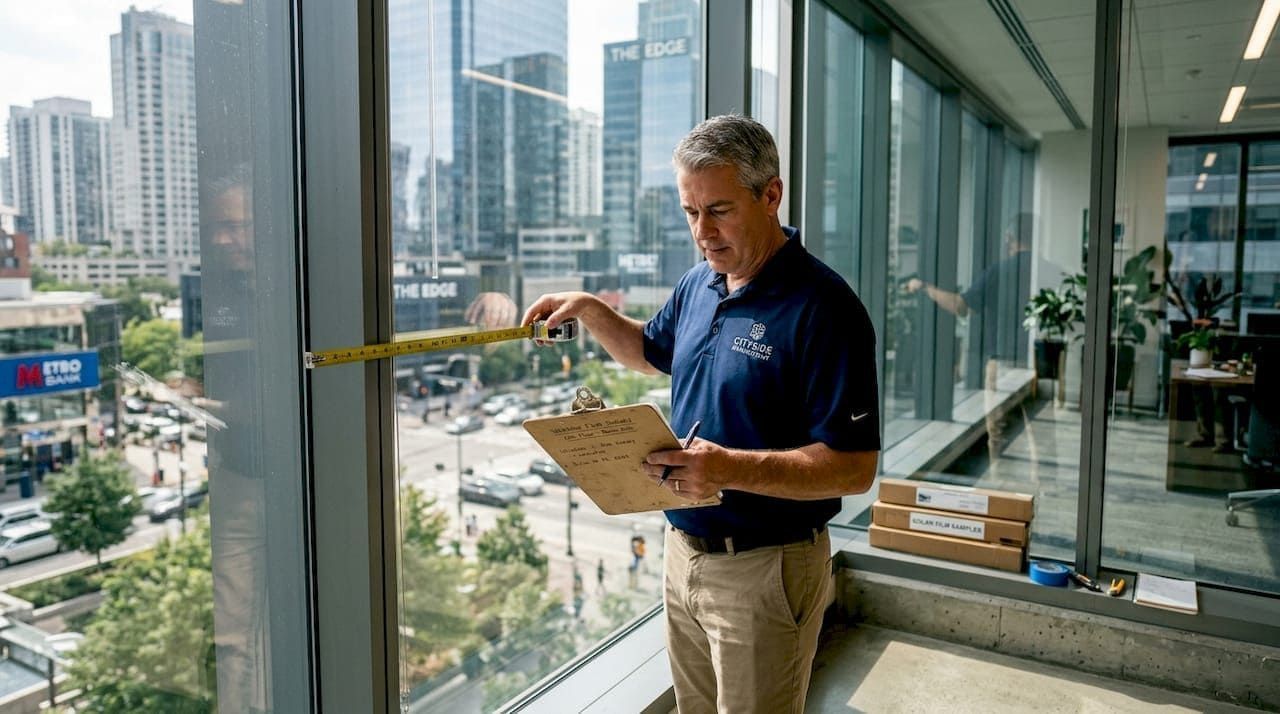
Table of Contents
- Understand security risks in commercial properties
- How security window films protect your property
- Select the right security and energy-efficient window films
- Step-by-step installation and verification best practices
- Why window tinting is the smart move most owners overlook
- Get a free window tinting estimate for your property
- Frequently asked questions
Key Takeaways
| Point | Details |
|---|---|
| Reinforce glass security | Security films make glass harder to breach and help prevent injuries during break-ins. |
| Boost energy efficiency | Special window films cut cooling costs and filter sunlight without compromising natural light. |
| Choose expert installation | Professional installers ensure optimal fit, performance, and warranty support for security films. |
| Match film to needs | Select films based on your property's unique risks, privacy goals, and energy-saving priorities. |
| Verified peace of mind | Proper installation and post-install checks ensure reliable security and long-term savings. |
Understand security risks in commercial properties
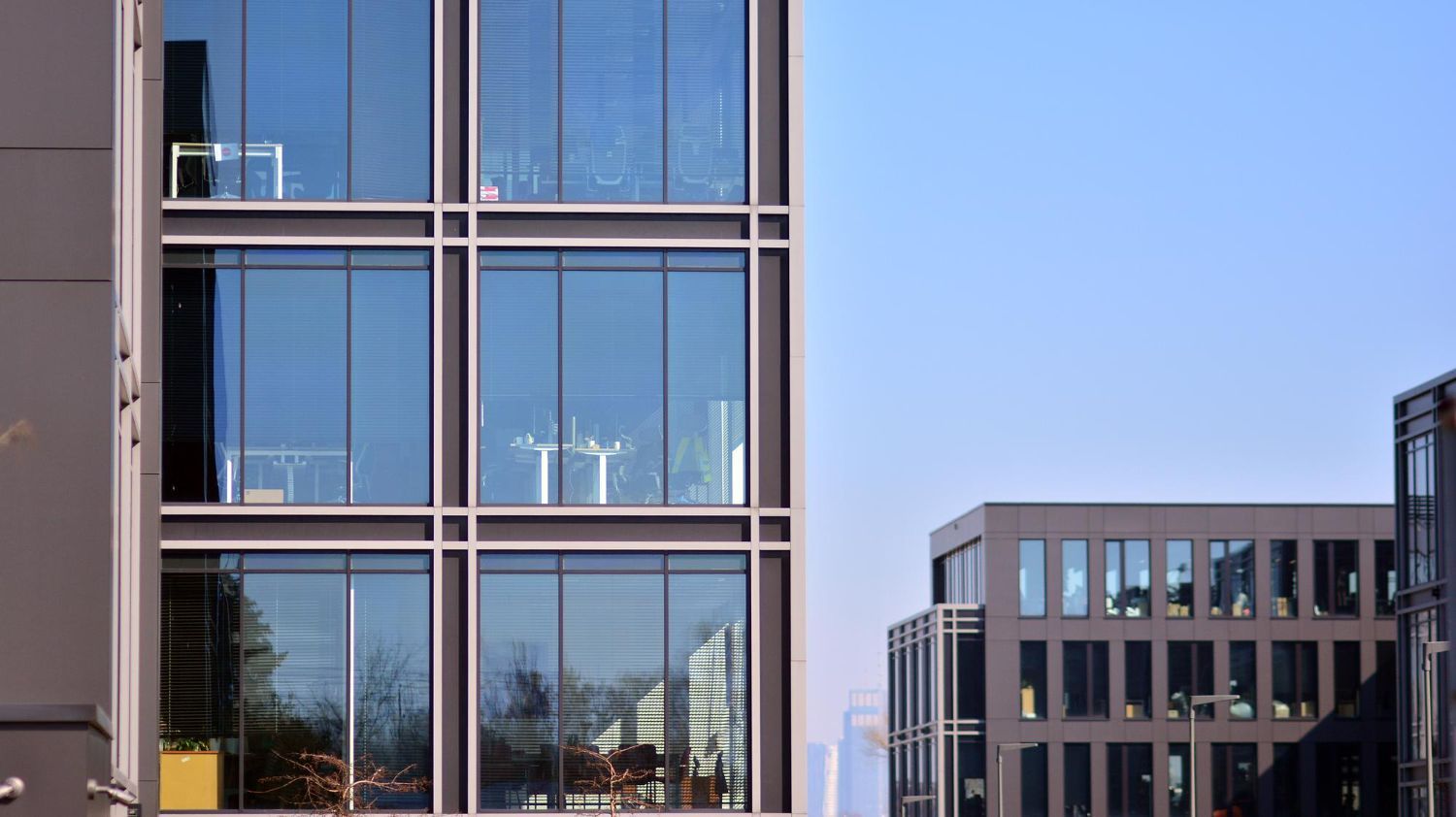
To tackle these challenges, property owners need to first recognize exactly where and how their premises are at risk. Glass is everywhere in modern commercial buildings. Floor-to-ceiling lobby windows, street-level retail doors, glass partitions between offices. Each pane is a potential entry point that a determined intruder can exploit in seconds.
Glass-heavy properties are especially susceptible to forced entry and injury due to breakage. This is not abstract risk. In the Boston metro area, property crime data consistently shows that glass doors and ground-floor windows account for the majority of forced-entry break-ins. Southern New Hampshire communities like Nashua and Manchester have seen similar trends as urban crime patterns push outward.
The vulnerability list for most commercial sites includes:
- Street-level storefront glass doors that provide direct interior access
- Large lobby windows with minimal framing that flex under impact
- Side or rear entrance glass panels with limited surveillance coverage
- Glass partitions in open-plan offices that expose internal areas
- Skylights and roof windows on single-story retail or warehouse spaces
Beyond the theft itself, the injury risk multiplies dramatically when glass shatters. Shards traveling at high velocity can slice employees or customers who happen to be nearby when a window breaks, whether from a forced entry attempt, a storm, or an accident. Working with safer commercial buildings in mind means addressing the glass hazard directly, not just the lock on the door.
"Every unprotected pane of commercial glass is a liability waiting to materialize. A professional security audit doesn't just identify entry points; it quantifies the financial and human cost of leaving them exposed."
Scheduling a professional vulnerability audit before selecting any security product is worth every dollar. A trained installer who understands both film performance and building layout can spot weaknesses that a general contractor would miss, including the way natural light, sight lines, and pedestrian traffic create exploitable patterns for criminals. Pair that audit with security glass upgrades to build a layered defense from the ground up.
How security window films protect your property
It becomes clear that strengthening glass is a smart next step. Here's how window film fits into that strategy. Security window film is a polyester-based laminate that bonds directly to the interior surface of existing glass. It does not replace the glass. Instead, it changes how the glass behaves under stress.
Security film mechanisms include impact absorption and glass-fragment retention, holding shattered glass in place through a process called spall control and buying crucial seconds during a break-in. When an impact strikes treated glass, the film stretches rather than allowing the pane to shatter outward. The glass may crack, but the fragments stay bonded to the film rather than flying into the space at dangerous speeds.
Those extra seconds matter enormously. A smash-and-grab relies on speed. When the first strike does not create an immediate opening, most opportunistic burglars move on. Forcing entry through security film typically requires multiple strikes and significantly more time, which increases the likelihood of detection.
Here is how treated and untreated glass compare in a real forced-entry scenario:
| Factor | Untreated glass | Security film glass |
|---|---|---|
| Time to penetrate | Under 10 seconds | 60 seconds or more |
| Glass fragment scatter | Immediate, high velocity | Minimal, fragments adhere |
| Injury risk to occupants | High | Significantly reduced |
| Post-incident cleanup | Extensive | Contained |
| Replacement urgency | Immediate | Managed, film holds pane |
The application areas for shatter resistant window film extend well beyond retail storefronts. Schools, medical offices, corporate headquarters, and government buildings all benefit from glass-fragment retention. Anywhere people gather near glass, security film reduces the potential for serious injury.
Pro Tip: Thicker film is not always better. A 4-mil to 8-mil security film is appropriate for most commercial applications, but buildings in high-risk areas or those storing high-value inventory may benefit from laminate-anchored systems that mechanically attach the film to the window frame. Ask your installer to explain the difference when reviewing security window film options for your specific property.
The performance difference between a professional-grade film and a cheap retail alternative is not subtle. Premium LLumar Vista films, for example, carry industry certifications that validate their impact resistance and fragment retention under standardized testing conditions. That certification matters when you are presenting documentation to insurers or satisfying safety requirements for tenant agreements.
Select the right security and energy-efficient window films
Once you understand how security films work, it is time to choose the right combination for your building's unique requirements. Not every commercial property faces the same threat profile, and film selection should reflect your specific mix of security, privacy, and energy-efficiency goals.
Safety and security films can also assist with energy efficiency by reducing heat gain, especially when paired with solar and reflective films. That dual-purpose performance is one of the most underappreciated aspects of modern window film. You are not choosing between security and savings. You are getting both from a single installation.
Here is a practical breakdown of the main film categories and their best use cases:
| Film type | Primary benefit | Best for | Energy impact |
|---|---|---|---|
| Security/safety film | Forced-entry resistance, fragment retention | Storefronts, lobbies, schools | Moderate heat reduction |
| Solar control film | Heat and glare reduction | South and west-facing offices | High energy savings |
| Privacy/decorative film | Visual obstruction, aesthetics | Conference rooms, restrooms | Minimal |
| Combined security/solar film | Dual protection and efficiency | Street-level retail, mixed-use | High |
The ROI case for energy-efficient films is straightforward for most commercial properties in the Boston area. Buildings with significant south or west-facing glass exposure can see cooling load reductions of 20% to 30% after solar film installation. That translates directly into lower utility bills from June through September, the months when commercial energy costs peak in New England.
Before signing a contract with any vendor, run through these qualifying questions:
- Is the installer a certified dealer for a recognized film brand like LLumar SelectPro?
- Does the film carry a manufacturer's warranty that covers both adhesion and performance?
- Can the installer provide references from comparable commercial projects in the region?
- Are the films tested to ANSI Z97.1 or equivalent safety standards?
You can also compare window film types side by side to narrow your options before the first site visit. For properties already experiencing uncomfortable heat buildup, check whether you recognize the signs for solar upgrades that indicate immediate action would pay off fastest.
Pro Tip: A storefront serving walk-in retail customers is not the same as a fifth-floor corporate office. Retail needs maximum security film on street-level glass, possibly with a one-way mirror effect that limits visibility into after-hours inventory displays. Offices on upper floors can prioritize solar control and privacy films to reduce HVAC costs and create better working environments. Treat each exposure differently rather than applying one solution across the entire building.
Step-by-step installation and verification best practices
With your film choice made, here is how to ensure a flawless and effective installation. The quality of a window film installation depends as much on preparation and process as it does on the film itself.
Professional installation is essential to maximize effectiveness of safety and security window films, ensuring proper fit and adherence for optimal performance. A film that peels at the edges or develops bubbles within the first year has failed before a single threat materializes. Following a disciplined process eliminates the most common causes of failure.
Here is the standard sequence for a professional commercial film installation:
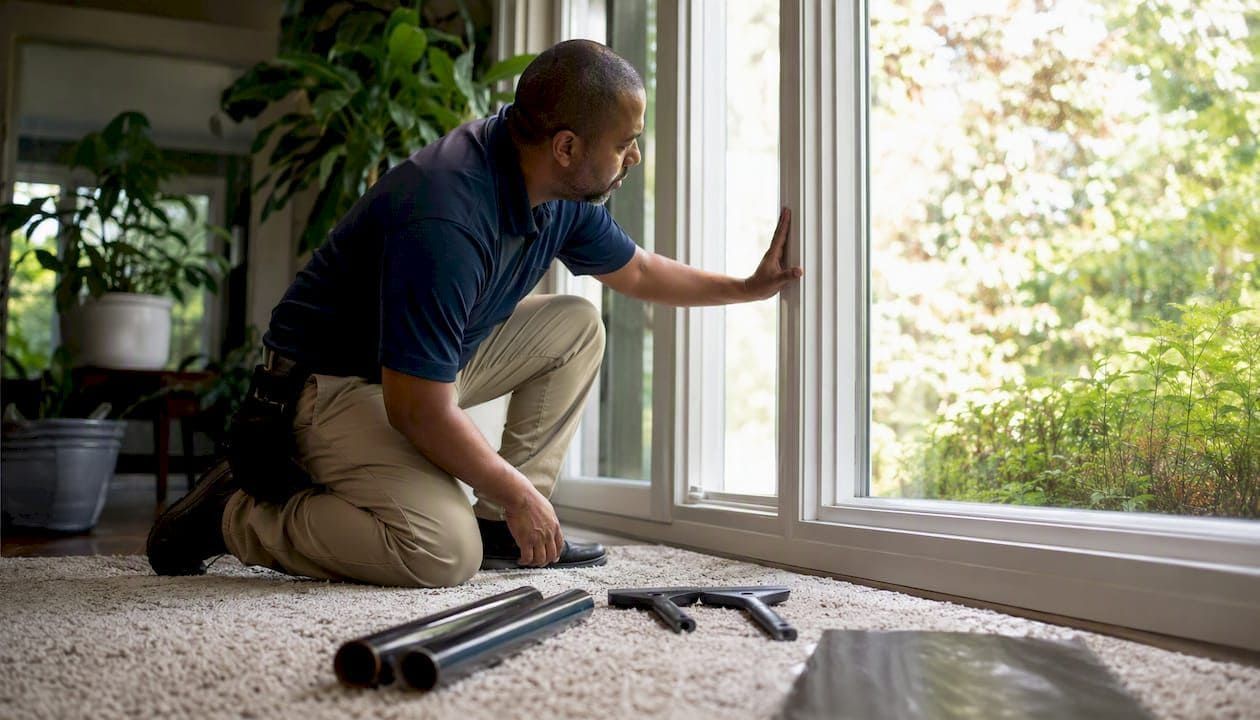
- Site assessment. A trained installer walks the property, measures all target windows, evaluates glass type and condition, and documents the specific threat profile for each exposure.
- Film selection and specification. Based on the assessment, the installer recommends specific film products, thicknesses, and any mechanical attachment systems needed for high-priority windows.
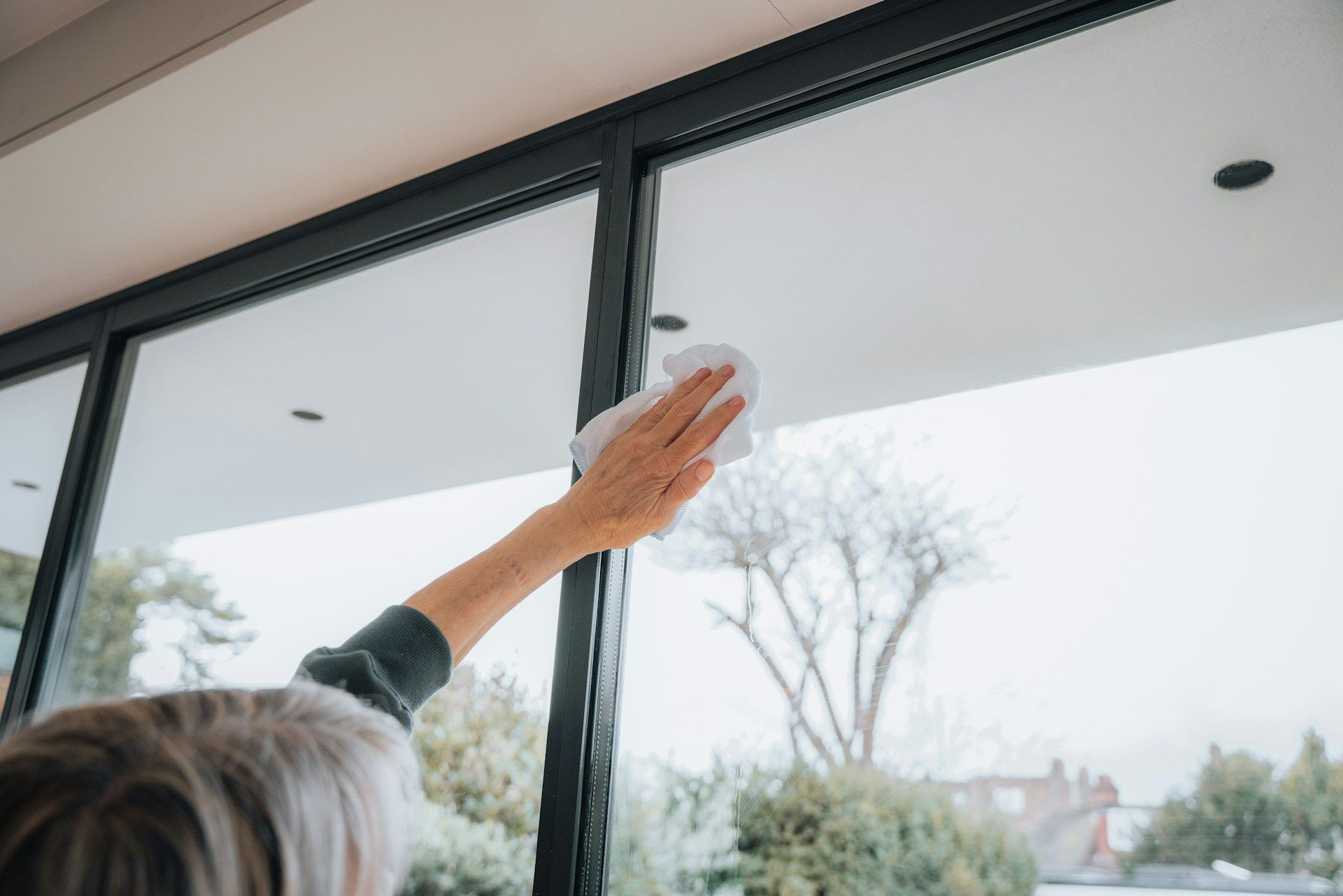
- Site preparation. Windows are cleaned thoroughly with professional-grade solutions to remove dirt, grease, and any contaminants that would prevent adhesion. Even minor debris trapped under the film degrades long-term performance.
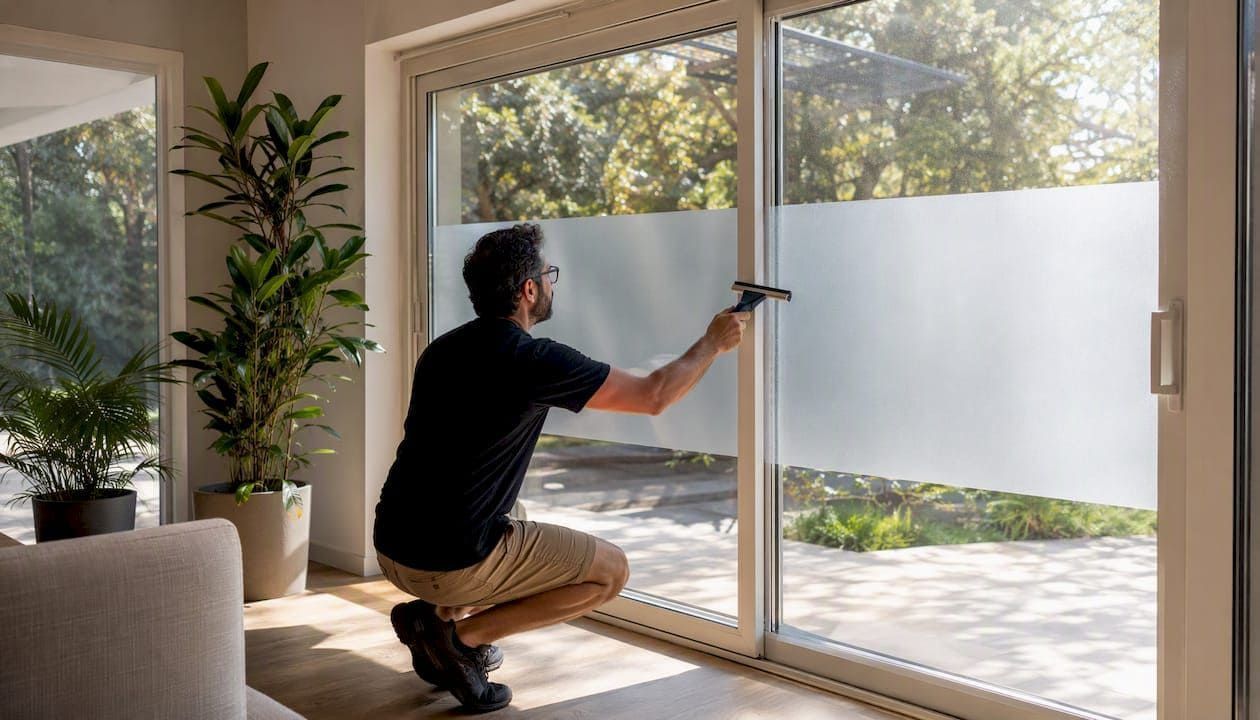
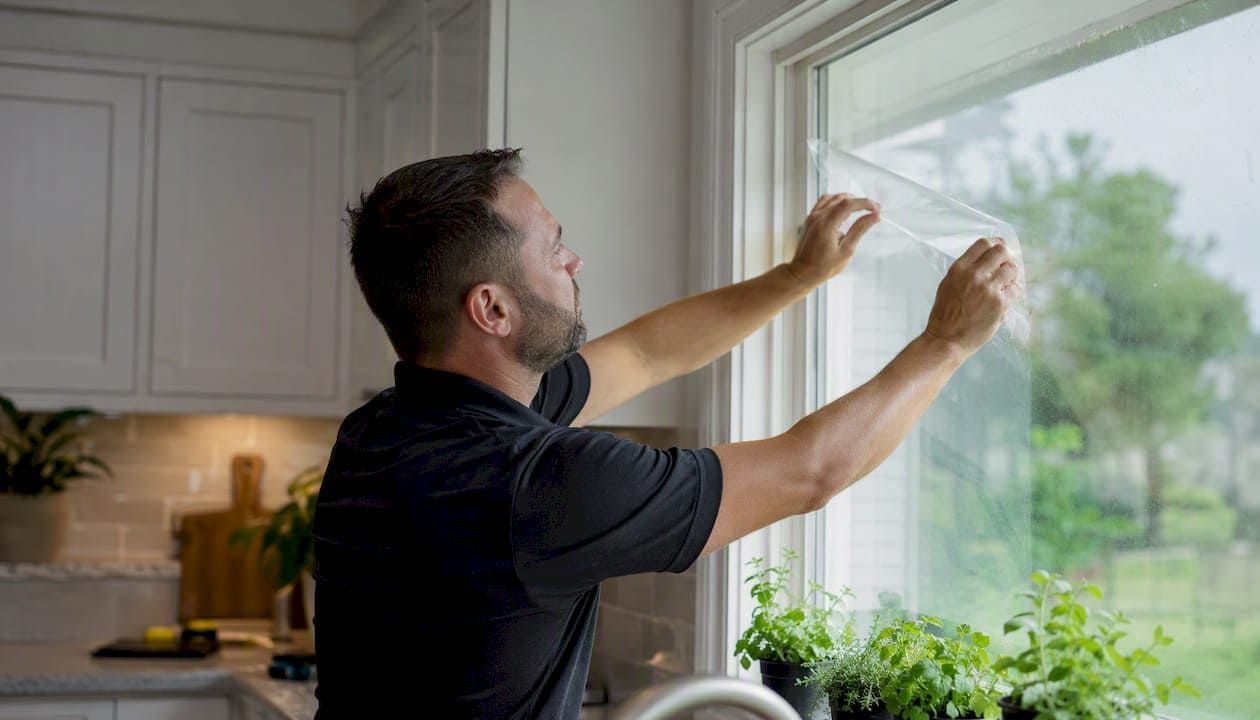
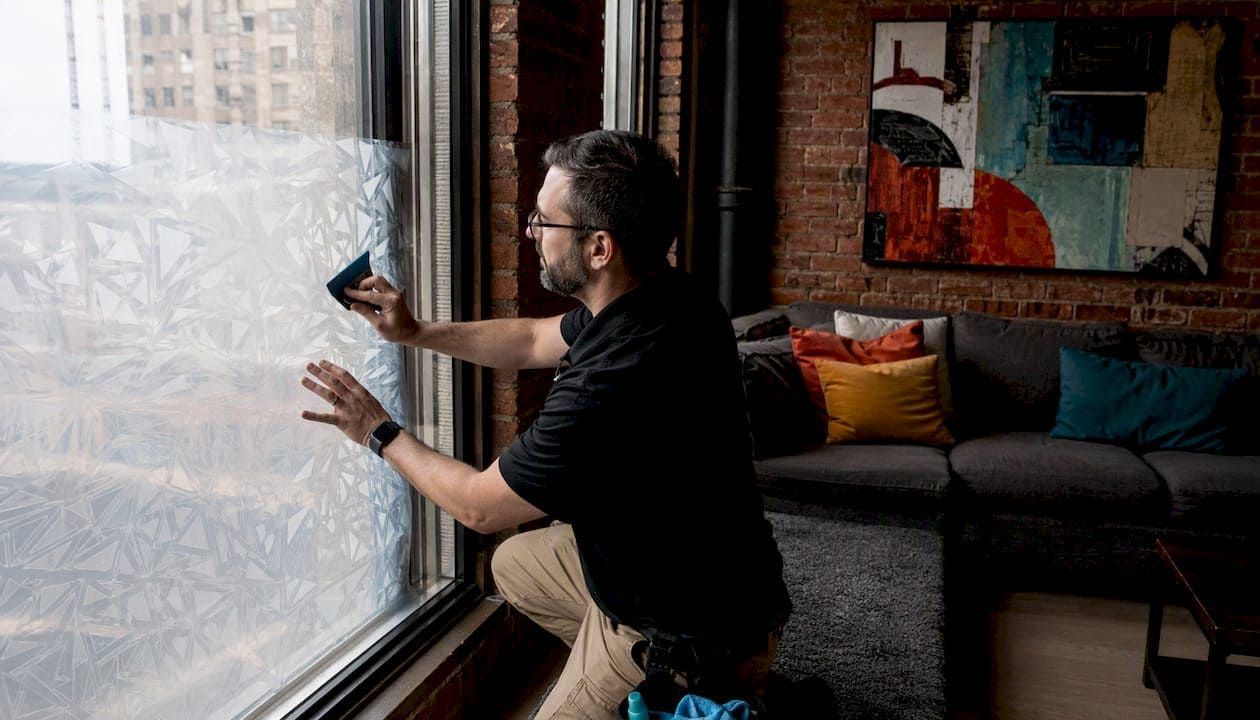
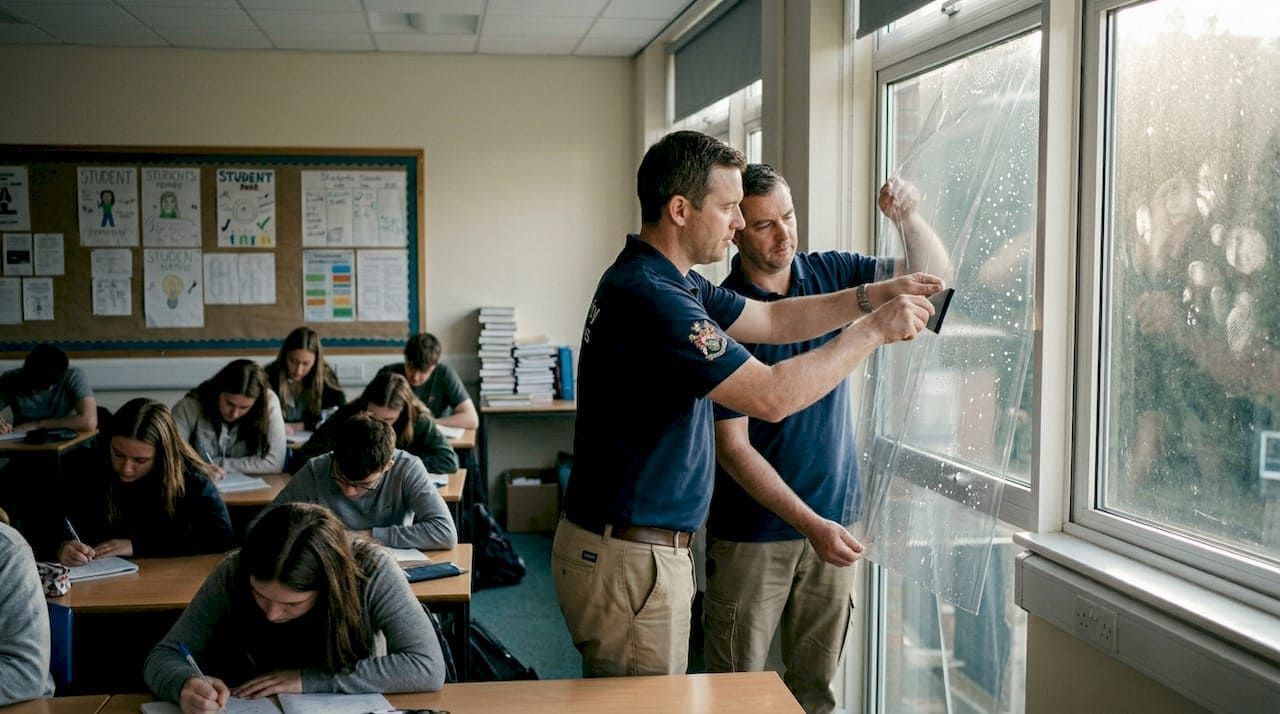
- Professional installation. The film is cut precisely, applied wet, and squeegeed to eliminate air and water pockets. Edge sealing is performed on security films to prevent delamination at the most vulnerable points.
- Post-install inspection. The installer checks for bubbles, edge adhesion quality, and visual uniformity before the job is signed off.
- Warranty documentation. You receive written documentation covering both the manufacturer's warranty on the film and the installer's workmanship guarantee.
The most damaging shortcuts in this process involve DIY application and poor edge adhesion. A self-applied film from a home improvement store lacks both the product specifications and the installation precision required for genuine security performance. Edge peeling is particularly problematic because the edges are where fragment retention fails first during an impact event.
"A window film is only as strong as its weakest edge. No matter how high-performance the product, a poorly sealed perimeter turns a security upgrade into a cosmetic one."
After installation, conduct a basic tamper test by pressing firmly along the film edges to confirm adhesion. Review the warranty terms carefully. Many manufacturer warranties require professional installation as a condition of coverage, which is another reason to avoid shortcuts. Use the window security improvement guide to build a post-install checklist specific to your building, and explore the commercial film viewer to preview how different films will look on your actual windows before the install date.
For properties undergoing a broader security overhaul, coordinating the film installation with professional locksmith services ensures glass protection and mechanical entry controls are addressed together rather than in isolation.
Why window tinting is the smart move most owners overlook
Here is the uncomfortable reality: most commercial property owners invest heavily in alarm systems, CCTV cameras, and upgraded locks while treating their glass as an afterthought. Those other investments are not wrong. But glass is the point of least resistance, and no alarm prevents the initial breach. It only responds after the damage is done.
Window film is one of the rare upgrades that works before, during, and after a security incident. Before, because its reflective or opaque properties limit what an intruder can see inside your building after hours. During, because it slows penetration and buys response time. After, because it contains shattered glass and limits the secondary damage to inventory, equipment, and the people nearby.
We have spoken with property managers in the greater Boston area who discovered their insurance provider offers premium reductions after certified security film installation. That financial upside rarely appears in conversations about window tinting, but it is real and worth requesting documentation on from your insurer before your next policy renewal.
There is also an aesthetic and tenant satisfaction dimension that owners dismiss too quickly. Modern films from brands like LLumar Vista deliver a clean, professional look that enhances a building's exterior presentation while reducing glare inside. Tenants in office spaces notice immediately when the afternoon sun stops turning their workstations into heat zones. That comfort improvement affects lease renewal decisions more directly than most building owners realize.
Explore the full scope of what solar window film installation delivers commercially, and you will likely find the ROI case stronger than you expected. The owners who skip this upgrade typically discover its value the hard way, through a break-in, an insurance claim, or a tenant complaint about working conditions that could have been fixed for a fraction of the cost.
Get a free window tinting estimate for your property
Now that you understand the true value of professional window tinting, here is how to take action and see results firsthand.
Surface Dynamics Window Tinting serves commercial property owners and managers throughout Southern New Hampshire and the Greater Boston Area. As an exclusive LLumar SelectPro Dealer, we install premium Vista Films backed by manufacturer warranties and matched precisely to your building's security and energy needs. Get a free estimate to start with a no-obligation site assessment, and browse our project photo gallery to see how completed installations look on real commercial properties similar to yours. Every estimate includes specific film recommendations, projected energy savings, and a clear timeline so you can plan the project around your operations.
Frequently asked questions
How do safety window films hold glass fragments together during a break-in?
Safety window films use strong pressure-sensitive adhesives that keep shattered glass bonded to the film layer, preventing dangerous shards from scattering into occupied spaces. Security films strengthen glass and keep fragments contained to reduce injury hazards even when the pane cracks under impact.
Can security window film improve energy efficiency in my office?
Yes, certain security films block solar heat gain and help reduce cooling costs, producing measurable energy savings over a full season. Safety films can assist with energy efficiency by reducing heat gain, particularly when combined with solar-reflective film technology.
Is professional installation required for security window films?
Professional installation ensures the film adheres correctly across the entire pane including edges, which is where security performance is most likely to fail. Professional installation is essential to maximize the effectiveness of safety and security window films and is often required to maintain the manufacturer's warranty.
How long does it take to install window security film on a commercial property?
Installation typically takes one to two business days depending on the number, size, and accessibility of the windows being treated. Larger properties with multiple floors or complex glass configurations may require additional time, but most commercial installs are completed with minimal disruption to daily operations.
What's the difference between security and privacy window films?
Security films are engineered to prevent break-ins and hold shattered glass together under impact, providing measurable physical resistance. Privacy films obscure visibility from the outside without adding any structural strength to the glass, making them a visual solution rather than a security one.
Recommended