
Security film terms decoded for safer, smarter properties
TL;DR:
- Choosing the correct security window film requires understanding its attachment system, edge seal, and threat-specific features to ensure optimal performance. Proper installation details, such as anchoring method and sealant, are critical for safety and warranty compliance, not just the film's thickness or marketing claims. Evaluating threat profiles and site conditions upfront helps property owners select effective, long-lasting security and energy-efficient solutions.
Choosing the right security window film sounds straightforward until you're staring at a product sheet full of acronyms, mil ratings, and attachment system references that all start to blur together. The terminology matters more than most property owners realize, and misreading even one spec can mean paying for a system that underperforms when it matters most. Whether you're protecting a single-family home in Southern New Hampshire or managing a commercial building in Greater Boston, this guide cuts through the jargon, explains what each term actually means in practice, and helps you ask the right questions before any film goes on your windows.
Table of Contents
- Why security film terminology matters for safety and efficiency
- Key security film terms explained
- The workflow: From threat assessment to installation quality
- Energy efficiency claims: Reality vs. terminology
- Our perspective: What most property owners miss about security film specs
- Ready to upgrade your safety and efficiency?
- Frequently asked questions
Key Takeaways
| Point | Details |
|---|---|
| Terminology impacts safety | Understanding security film language helps ensure real-world performance and compliance. |
| Workflow drives results | Applying terms to threat assessment, product choice, and install methods leads to better outcomes. |
| Energy savings are real | Properly chosen and specified films can cut heating and cooling costs in New England climates. |
| Pro installation matters | Expert-guided and correctly installed films outperform DIY in safety and durability. |
Why security film terminology matters for safety and efficiency
Here's the uncomfortable truth: security film is only as good as the system it's part of. The film itself is one piece. The attachment method, edge treatment, and installer knowledge are the others. When any of those pieces are misunderstood, the whole system can fail quietly and without warning.
"Edge integrity and proper edge sealing directly determine whether the engineered system performs as intended. Pro vs. DIY outcomes often differ because of trapped debris, edge lift, haze, and micro-stretching risks that aren't visible until the damage is done."
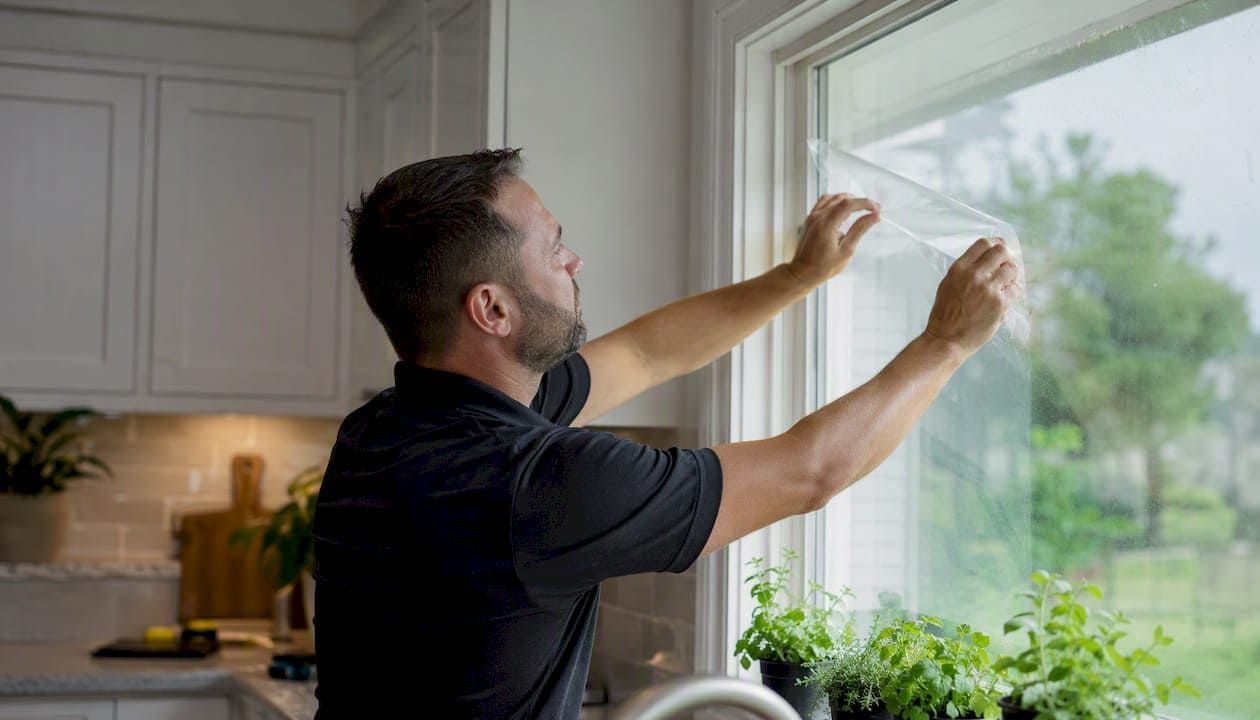
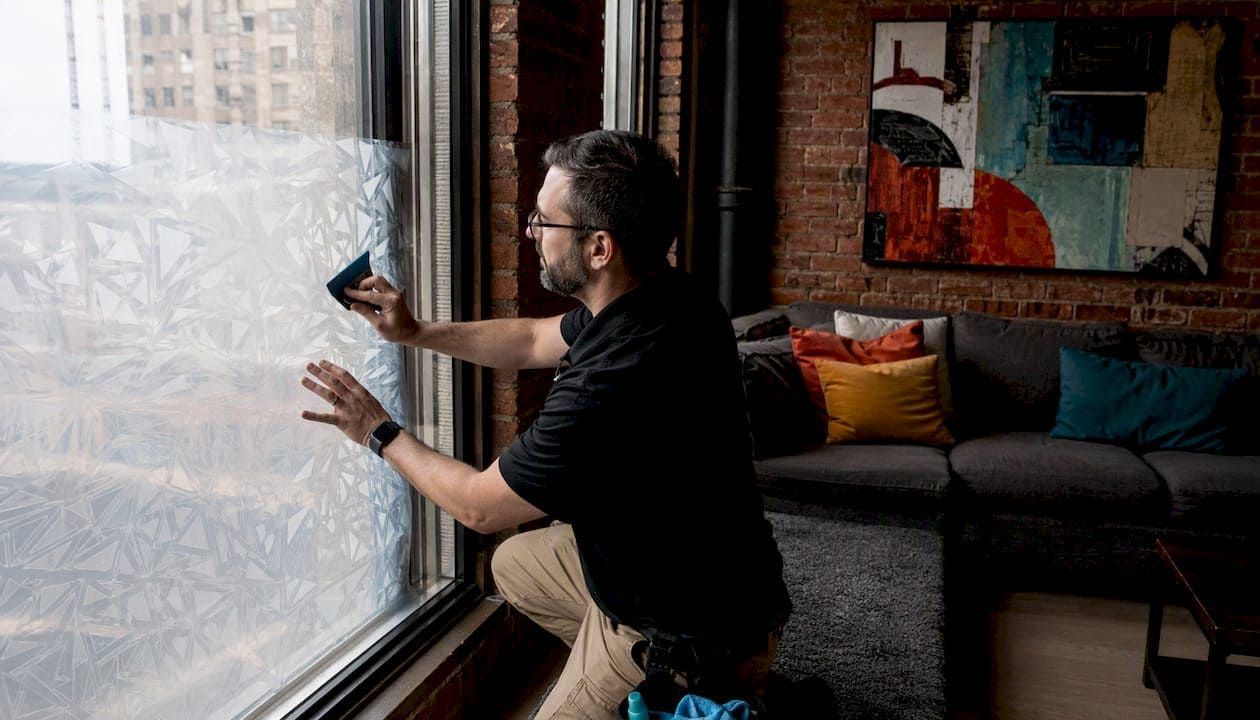
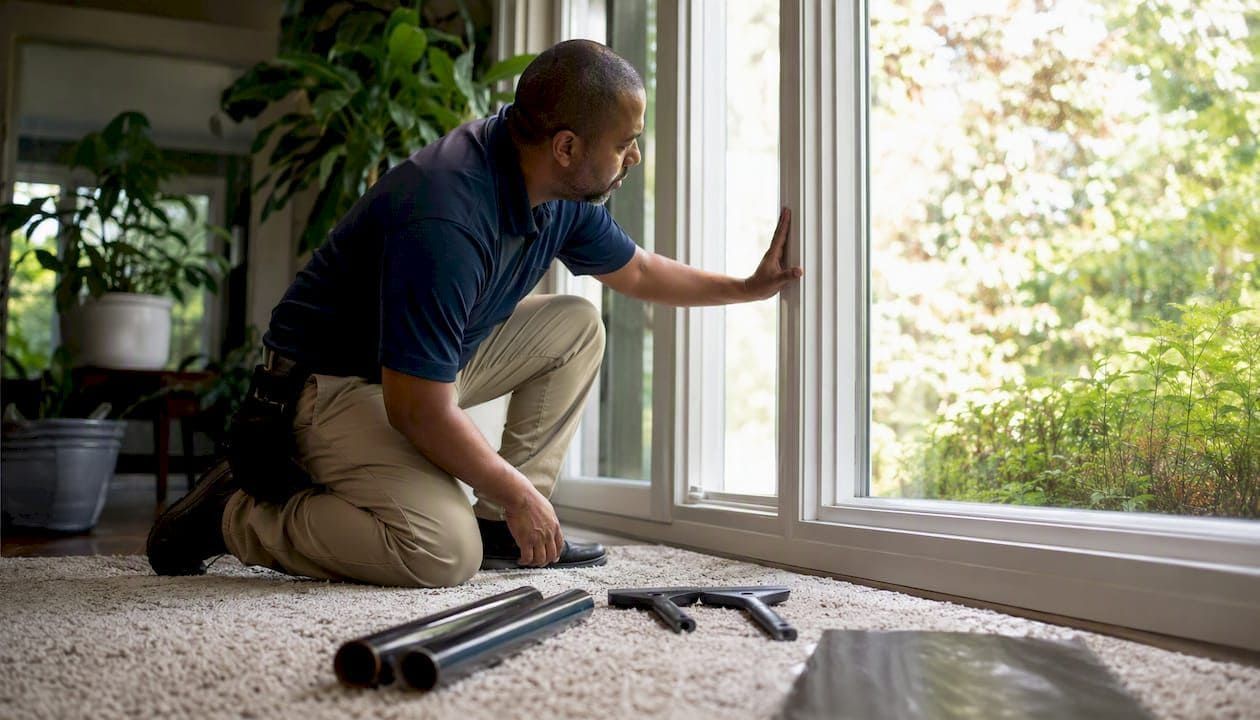
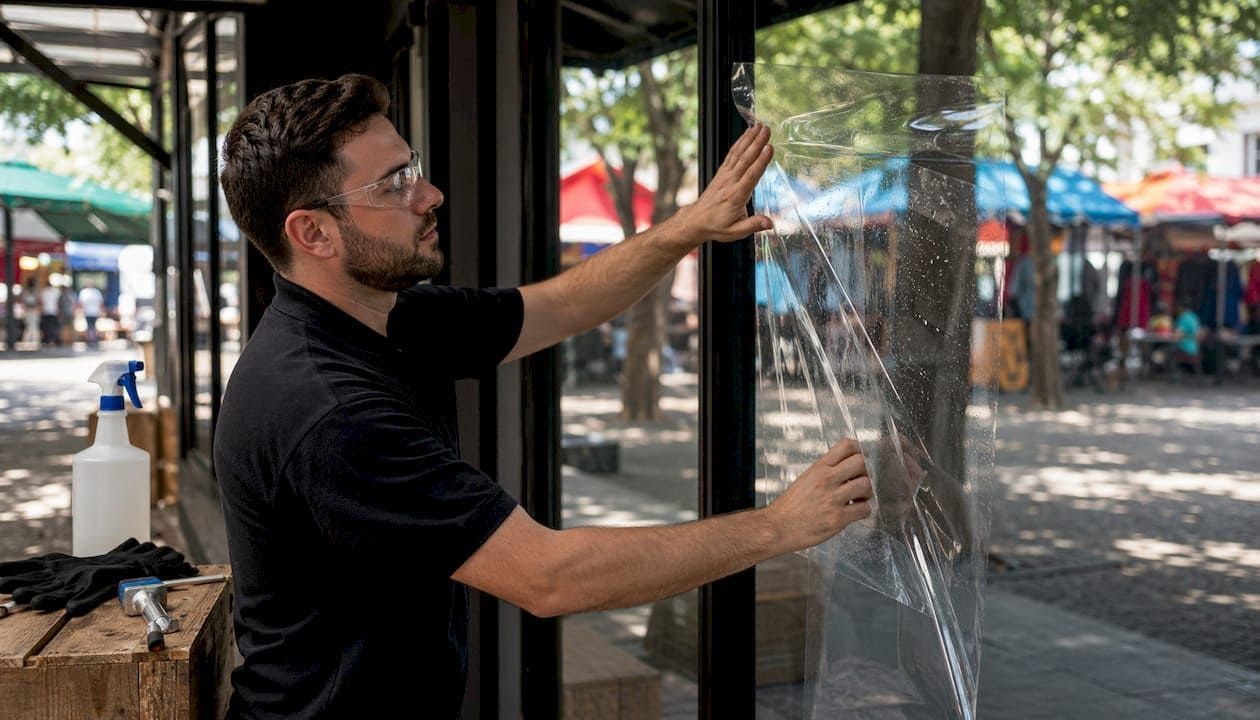
That quote reflects something we see regularly in our region. A property owner reads "DIY installable" on a product page and assumes the spec sheets don't apply to them. But security film installation basics involve far more than peeling and pressing. Proper anchoring, frame evaluation, and edge sealing are what make the film a genuine safety system, not just a sticker on glass.
The window film industry terms can trip up even experienced buyers. Here are the most common scenarios where owners go wrong:
- Confusing film type with film thickness. A 12-mil film isn't automatically stronger than an 8-mil film if the substrate composition differs. Thickness alone doesn't predict performance.
- Treating "shatterproof" and "shatter-resistant" as synonyms. They are not. "Shatter-resistant" is an accurate, testable claim. "Shatterproof" is a marketing term with no standardized definition.
- Trusting "DIY installable" claims on high-security products. Some films require professional anchoring and IPA sealant to meet the manufacturer's warranty and safety rating.
- Overlooking anchoring method details. Film attached only with standard adhesive behaves very differently under impact than film anchored to the frame with structural silicone or IPA sealant.
- Assuming all "security" films cover the same threats. Storm, forced entry, seismic, and blast-mitigation films are distinct product categories with different specs and testing standards.
Understanding these distinctions upfront is what separates a confident buying decision from an expensive mistake.
Key security film terms explained
Now that you know why these terms matter, here's what each actually means in practice. The industry uses a lot of language interchangeably, and that's where confusion starts.
Safety film vs. security film: Safety film is engineered to hold broken glass shards in place after impact, reducing injury risk. Security film goes further, adding thickness and tensile strength to delay forced entry. The two serve overlapping but distinct purposes.
Anchoring system: This refers to how the film connects to the window frame, not just the glass. A film anchored to the frame transfers impact energy into the structural frame rather than letting the glass unit fall inward. Without anchoring, even a high-mil film can peel away from the frame under stress.
IPA sealant (Impact Protection Attachment): This is a product-specific attachment compound. For 3M security products used in windstorm, break-and-entry, and explosion mitigation applications, 3M's documentation specifies mandatory use of the IPA sealant with the film on applicable applications and tempered single-pane glass scenarios. Using a generic sealant instead voids the warranty and the safety rating.
Edge seal vs. edge integrity: Edge seal refers to the physical bead of sealant applied around the film's perimeter. Edge integrity is the broader concept describing how well that seal holds under stress, heat cycling, and long-term exposure. A film with a poor edge seal loses integrity over time, allowing moisture intrusion and adhesive failure.
Low-E film: Low-emissivity film reflects infrared radiation (heat) while maintaining visible light transmission. This is an energy efficiency term, not a security term. Many property owners see "low-E" and assume it refers to some form of toughening or protection.
Pro Tip: Always ask for the manufacturer's specific attachment and sealant requirements in writing before installation. If the product sheet says "must use IPA sealant," that is not optional guidance. It is a performance and warranty condition.
Here's a side-by-side view of five commonly confused terms:
| Term | Correct definition | What it is NOT | Real-life application |
|---|---|---|---|
| Shatter-resistant | Film holds glass shards after breakage | Not the same as "shatterproof" | Storm and forced-entry protection |
| Anchoring system | Film attached to window frame | Not just glass adhesion | Required for blast and hurricane ratings |
| IPA sealant | Manufacturer-specific bonding compound | Not generic silicone caulk | Required for certain 3M security systems |
| Low-E film | Reflects infrared heat, reduces thermal transfer | Not a security feature | Energy efficiency in homes and offices |
| Mil rating | Film thickness in thousandths of an inch | Not a direct measure of strength | Used to compare product weight and layering |
Reviewing the complete industry terms guide alongside product data sheets will help you verify that what a salesperson calls "security" matches what the manufacturer tests and certifies. For commercial security film options, the stakes are higher because you're managing multiple windows, varying frame conditions, and potential code requirements.
The workflow: From threat assessment to installation quality
Understanding definitions is step one. Applying them in real decision-making follows.
The right security film for a Boston-area retail storefront with a forced-entry risk profile is a completely different product from the right film for a Southern NH home in a region with severe storm exposure. Getting from "I want window film" to "I have the right film installed correctly" requires a structured process.
For Southern New Hampshire and Greater Boston properties, the most decision-critical workflow runs in this order:
- Threat assessment. Identify your primary risk: forced entry, storm debris, seismic activity, blast exposure, or some combination. Your answer determines which film categories are even relevant.
- Glazing and frame evaluation. Assess the condition and type of your existing glass and frames. Tempered glass, laminated glass, and standard annealed glass behave differently under film. Frame integrity is critical for anchoring systems.
- Product selection by spec, not marketing. Use the threat profile and glazing assessment to filter products by tested specifications, not brand claims or aesthetic descriptions.
- Installation method and edge treatment. Confirm the attachment method, sealant type, and curing requirements with your installer before the job starts. Get it in writing.
The following table matches common project goals to the terminology and components that matter most for each:
| Project goal | Key term to know | Component that matters most |
|---|---|---|
| Break-and-entry deterrence | Anchoring system | Frame attachment with IPA or structural silicone |
| Hurricane or storm protection | Shatter-resistant rating | Edge integrity and mil thickness |
| Blast mitigation | Attachment system | Certified anchoring per applicable standard |
| Energy efficiency | Low-E, SHGC | Film orientation and surface type |
| UV protection for interiors | UV rejection percentage | Film composition, not just tint level |
Doing a proper security film home assessment before selecting a product keeps you from over-spending on specs you don't need or under-specifying for threats that are real in your area. Ground-floor windows carry specific risks, and ground-floor window security tips often call for anchored film systems rather than adhesive-only products. For a broader view of the process, the window security and energy improvement steps are worth reviewing as a planning resource.
When the right terminology guides product and method selection from the start, long-term performance is predictable and measurable. When it doesn't, you may be reapplying film within a few years or, worse, discovering the system failed during an actual event.
Energy efficiency claims: Reality vs. terminology
Performance terminology also ties into energy savings, not just security. "Low-E," "energy-saving," "solar control," and "heat rejection" are terms that appear constantly in film marketing. They are not interchangeable, and they don't all apply equally to every climate or building orientation.
Low-E refers to a film's ability to reflect long-wave infrared radiation, the heat that radiates off warm surfaces inside and outside the glass. It's a thermal performance term, not a tinting term. A film can be nearly clear and still carry a meaningful low-E rating.
SHGC (Solar Heat Gain Coefficient) measures how much solar energy passes through the glass and film system. A lower SHGC means less heat entering the building. In New England summers, this directly affects cooling load. In winter, the tradeoff shifts, which is why film orientation and directional exposure matter so much.
The real-world data behind these claims is compelling. A GSA field study on applied window film reported an average perimeter HVAC reduction, with payback timeframes in the range of two to four years depending on baseline conditions. That's a measurable, field-tested result, not a projected estimate from a sales brochure.
Before accepting any energy efficiency claim, ask or check for the following:
- Film orientation and surface placement. Is the film applied to the interior or exterior surface? This affects performance, especially on double-pane windows.
- Climate relevance. A film optimized for southern U.S. cooling climates may not perform the same way in New England's heating-dominated winter months.
- Testing standard referenced. Is the SHGC or heat rejection number measured per NFRC standards, or is it from the film alone without accounting for the glass unit?
- Window condition. Broken seals, old single-pane glass, and drafty frames all affect how much a film can realistically improve thermal performance.
- Heating vs. cooling savings. Some films reduce summer cooling loads significantly but have a modest effect on heating bills. Know which benefit applies to your property's orientation and usage pattern.
The energy savings calculator is a practical starting point for estimating what's realistic for your specific property. For a deeper look at the science behind the performance, advanced window film concepts covers efficiency and safety together in a way that connects the technical specs to real outcomes. If you're primarily focused on heating season performance, saving energy with window film in Boston winters addresses the regional specifics directly.
Our perspective: What most property owners miss about security film specs
We've worked with enough homeowners and property managers across Southern New Hampshire and Greater Boston to notice a pattern. The most common misstep isn't choosing the wrong film. It's accepting a spec sheet at face value without asking the one question that actually determines performance: "How exactly will this film be attached to my frames?"
Spec language is not just a marketing tool. It is the real line between lasting safety and false certainty. A film rated for forced-entry resistance means something specific in a lab. On your building, it means something specific only if the attachment system matches what the rating assumed. Most manufacturers test their products with an anchoring system in place. If your installer skips that step, the tested rating no longer applies to your installation.
The second thing most people overlook is site-specific threat assessment. Regional risk profiles in New England lean toward storm exposure, opportunistic break-ins at commercial properties, and UV-related interior damage from intense summer sun at certain orientations. A one-size-fits-all product selection ignores all of that context.
We've also seen properties where the film itself was correctly specified but the curing process was rushed. Edge-sealed systems need time, typically five to ten days depending on humidity, before the attachment reaches full strength. Using the windows heavily or exposing them to cleaning chemicals during that window can compromise the seal permanently.
Pro Tip: Before signing off on any security film installation, ask your installer to document the attachment method, sealant product used, and required curing conditions in writing. If they can't or won't, that's a signal worth heeding.
Reviewing security film terms in detail before your first conversation with an installer puts you in a position to evaluate what you're being told rather than simply trust it. That shift in posture is the single biggest difference between property owners who are satisfied with their results and those who aren't.
Ready to upgrade your safety and efficiency?
Surface Dynamics Window Tinting brings professional-grade LLumar SelectPro and Vista Films to residential and commercial properties across Southern New Hampshire and the Greater Boston Area. We back our installs with transparent documentation of attachment methods, sealant products, and curing requirements because we know that's what makes the difference between a good-looking install and a system that actually performs.
If you're ready to protect your home with a properly specified and installed security film system, we're here to help. Commercial property managers can compare commercial film options using our interactive viewer to find the right fit for storefronts, offices, and multi-tenant buildings. When you're ready to take the next step, get a free estimate and connect with our team for a site-specific recommendation based on your actual threat profile, glazing condition, and energy goals.
Frequently asked questions
What is the difference between safety film and security film?
Safety film is designed to hold glass shards together after impact, reducing injury risk, while security film adds tensile strength and frame anchoring to actively delay forced entry. The 3M Safety and Security Window Film series illustrates the distinction with products engineered specifically for windstorm, break-and-entry, and blast scenarios.
Does security film make windows bulletproof?
No. Security film is not bulletproof and is not designed to stop firearms. Manufacturers are explicit that products in this category are not intended to stop intruders using that level of force.
How long does security film installation take to cure?
Edge-sealed security film typically cures in 5 to 10 days after installation, with humidity being the main variable that affects the timeline. Avoid cleaning treated glass or applying pressure to sealed edges during that period.
Can window film reduce my energy bills in New England?
Yes, tested low-E window film can meaningfully reduce energy costs. A GSA field study reported up to 29% reduction in perimeter HVAC energy use, with payback periods of two to four years in real-world installations.
Recommended