
Role of window tint in allergy reduction for healthier homes
TL;DR:
- Window tinting acts as a passive barrier to reduce indoor allergens by sealing windows tightly and preventing pollen, dust, and mold spores from entering. It enhances sealing performance across various window types, especially when professionally installed on high-risk windows, supporting layered allergen control strategies. Proper selection, installation, and maintenance of tint films provide a low-maintenance, year-round solution for allergy sufferers in regions with long pollen seasons.
Most people install window tint for heat control or privacy. Few realize the role of window tint in allergy reduction is just as compelling — and arguably more impactful for daily comfort. In Southern New Hampshire and Greater Boston, allergy seasons hit hard. Birch, oak, and grass pollen flood the air from April through July, and mold spores follow through fall. Every time a window stays open, allergens enter, settle, and circulate. Tinted window films, when professionally installed and properly sealed, create a passive barrier that keeps more of those triggers outside where they belong.

Table of Contents
- How window tint affects indoor allergen levels
- Comprehensive strategies for allergen control involving window tinting
- Comparing window tints and treatments for allergy reduction
- Practical steps to use window tint for allergy reduction at home and work
- Reevaluating window tint: beyond heat reduction to allergy defense
- Explore professional window tinting services for allergy reduction
- Frequently asked questions
Key Takeaways
| Point | Details |
|---|---|
| Window sealing effect | Window tint films create a tight seal that significantly reduces outdoor allergen entry through glass windows. |
| Complement HVAC filters | Tinting works best with high-quality HVAC filtration to lower indoor allergen levels effectively. |
| Better than fabric treatments | Tinted windows provide a sealed barrier superior to curtains or blinds for allergen prevention. |
| Humidity control lowers mold | Sealed windows with tint help reduce indoor humidity that fosters mold and dust mite growth. |
| Professional installation matters | Proper tint installation ensures maximum sealing and sustained allergen protection. |
How window tint affects indoor allergen levels
The type of window you have and how well it seals directly shapes what you breathe indoors. This is not an obvious connection, but the science backs it up clearly. A study published in Scientific Reports found that casement windows reduce pollutant levels more than projecting or louvered types because they seal tightly when closed, limiting the exchange of outdoor air and the allergens it carries.
The same research showed that louvered and projecting windows, which cannot fully seal, produce higher relative humidity indoors. Higher humidity is exactly what mold and dust mites need to thrive. Both are major allergen triggers for people with asthma and allergies. The connection matters because applying window tint films to an existing window effectively improves its sealing performance, reducing the infiltration of fine particles, moisture, and outdoor biological material through and around the glass.
Think of window tint as adding a second layer of defense to the glass itself. The film adheres directly to the surface, filling micro-gaps and reducing the air movement that pulls fine particulate matter and pollen into interior spaces. You are not just blocking light — you are improving the envelope of your building.
How window design impacts indoor allergen exposure:
- Casement and fixed windows: lowest allergen and pollutant ingress when sealed
- Projecting windows: moderate pollutant exposure due to partial sealing
- Louvered and jalousie windows: highest indoor humidity and mold risk
- Tint-enhanced windows: improved sealing regardless of original window type
- Unsealed or single-pane glass: higher moisture transfer and particulate infiltration
| Window type | Indoor allergen risk | Humidity buildup | Tint benefit |
|---|---|---|---|
| Casement (sealed) | Low | Low | Enhances existing seal |
| Double-hung | Moderate | Moderate | Reduces gap infiltration |
| Projecting/awning | Moderate to high | Moderate | Limits particulate entry |
| Louvered/jalousie | High | High | Significant reduction |
| Fixed/picture window | Low | Low | UV and particulate control |
Pro Tip: If you manage a commercial property with older sliding or louvered windows in the Greater Boston area, prioritizing tint installation on those windows first gives you the most immediate allergy control return.
You can learn more about what professional film installation adds to your home in our overview of the benefits of tinting your home windows.
Comprehensive strategies for allergen control involving window tinting
Window tint works best as part of a layered strategy, not as a standalone fix. Here is how to build a genuinely effective allergen control plan for your home or commercial building.
The EPA recommends that during high pollen periods, keeping windows closed and using MERV 13 or higher filters in your HVAC system is one of the most effective ways to reduce indoor allergen exposure. Window tinting supports this directly. When your windows are tinted and sealed properly, you reduce the temptation or need to open them for temperature relief, because the tint is already managing solar heat gain.
That is a genuinely underappreciated connection. People open windows on mild, sunny days because the sun has made the interior uncomfortably warm. Window tint lowers indoor temperatures passively, which means you can keep windows closed more consistently without sacrificing comfort. Fewer open windows means less pollen, dust, and mold spore entry. The window tint and energy efficiency relationship directly enables better allergen control.
A layered allergen reduction plan:
- Install professional window tint films on all primary windows
- Replace HVAC filters with MERV 13 or higher every 60 to 90 days during allergy season
- Add a HEPA air purifier to bedrooms and main living or working areas
- Keep windows closed on days when the pollen count exceeds 50 grains per cubic meter
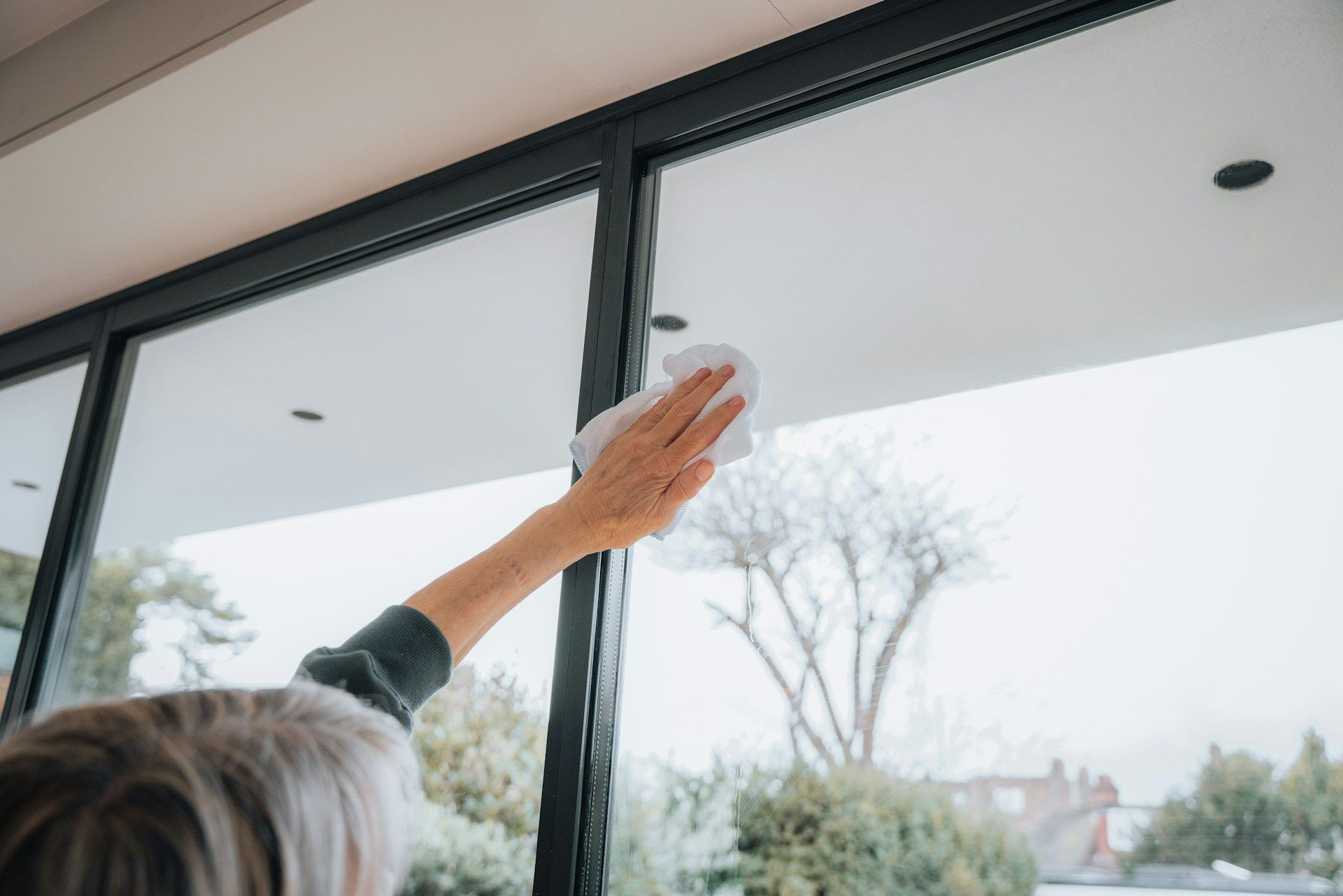
- Clean window surfaces and frames monthly with a damp microfiber cloth
- Schedule annual inspections of window seals and tint integrity
Additional practices that support allergy reduction:
- Vacuum with a HEPA-filtered vacuum twice weekly
- Wash bedding in hot water weekly to eliminate dust mite allergens
- Use a dehumidifier in basement or lower-level spaces where moisture accumulates
- Replace fabric window treatments with tint-compatible roller shades
Pro Tip: In New Hampshire and Massachusetts, tree pollen peaks in late April and early May. Set a calendar reminder to check your window seals and HVAC filter before that window opens each year.
Comparing window tints and treatments for allergy reduction
Not all window treatments perform equally when it comes to allergy control. Understanding the differences helps you make a smarter investment for your property.
Heavy fabric drapes are the worst offenders. They trap pollen, pet dander, and dust mite waste in their fibers, and most homeowners do not wash them often enough to prevent buildup. Even antimicrobial shades, which do reduce mold and bacteria growth, require consistent maintenance to stay effective. Research confirms that roller shades resist allergen buildup better than heavy fabric options, but even these only address surface accumulation and do nothing to seal the glass itself.
Window tint films work differently. They bond directly to the glass, creating a smooth, non-porous surface that neither traps allergens nor promotes moisture retention. You clean them with a damp microfiber cloth. There are no fibers for pollen to embed in, no fabric folds where mold can take hold. It is a fundamentally different category of protection.
You can explore how the approaches compare in depth in this guide to window tint vs curtains or blinds for allergies.
| Window treatment | Allergen trapping | Moisture resistance | Cleaning ease | Sealing benefit |
|---|---|---|---|---|
| Fabric curtains/drapes | High | Low | Difficult | None |
| Antimicrobial shades | Moderate | Moderate | Moderate | None |
| Faux wood/vinyl blinds | Low | Moderate | Moderate | None |
| Roller shades (synthetic) | Low | Moderate | Easy | None |
| Window tint film | Very low | High | Very easy | Direct glass seal |
Why window tint pulls ahead for allergy sufferers:
- No fabric fibers to harbor pollen, dust mites, or mold spores
- Smooth glass surface cleaned in seconds with no special products
- Continuous passive protection without any behavioral change required
- Reduces UV-driven humidity effects on interior surfaces
- Works while window remains closed, unlike curtains that must be drawn
Pro Tip: For commercial property managers overseeing open-plan offices, window tint eliminates the need for fabric window treatments entirely in allergen-sensitive environments, cutting both allergen load and cleaning costs.

Practical steps to use window tint for allergy reduction at home and work
Getting the most allergy benefit from window tinting comes down to three things: choosing the right film, having it installed correctly, and keeping it maintained. Here is how to approach each one.
Start with the right film selection. Not all tints offer the same sealing quality or UV protection. Solar control films, like the LLumar Vista Solar films we install at Surface Dynamics, are engineered to adhere completely to the glass surface with no gaps, which is exactly what creates the allergen-blocking barrier. Decorative privacy films can serve a similar purpose depending on installation. The key is ensuring the film is designed for full adhesion rather than temporary or removable application.
Professional installation matters more than most people expect. A poorly installed film with edge lifting or air bubbles defeats the sealing benefit entirely. Those gaps become entry points for dust and moisture. A professionally installed film, properly trimmed and adhered, gives you a consistent barrier across the entire glass surface. As noted in a complete allergen reduction guide, combining sealed windows with regular HVAC maintenance produces the best results in controlling indoor allergens.
Practical steps for allergy-focused tint installation:
- Audit which windows face high-traffic outdoor areas or tree lines where pollen is highest
- Prioritize bedroom and living area windows for residential properties
- For commercial spaces, focus on windows nearest to HVAC intake vents and entryways
- Request solar control film with full-adhesion installation specifications
- After installation, establish a monthly window cleaning schedule
- Inspect all film edges and seals each spring before peak allergy season
Ongoing maintenance checklist:
- Wipe film surface with a clean, damp microfiber cloth monthly
- Avoid ammonia-based cleaners, which can degrade film adhesion over time
- Check window frame seals annually for gaps or deterioration
- Replace HVAC filters on schedule and note any increase in indoor dust as an early warning sign
You can request a free home tinting estimate to get a property-specific recommendation, or browse our commercial tinting work to see how other local properties have approached it.
Reevaluating window tint: beyond heat reduction to allergy defense
Here is the honest assessment after years of installing tint across hundreds of residential and commercial properties in Southern New Hampshire and Greater Boston. Most clients come to us focused on heat, glare, or energy costs. Allergy reduction rarely makes the initial conversation. And yet, after installation, it is one of the benefits people mention most often.
That gap reveals something worth addressing directly. The conventional case for window tinting sells the product on comfort and savings. Both are real. But treating allergen control as a secondary afterthought undervalues what is arguably the most health-relevant benefit of window film, particularly in a region where allergy seasons are long and pollen counts run high.
The research supports a reframe. Window sealing with tint films is a low-cost passive strategy to improve indoor environmental quality that goes well beyond energy savings. Passive is the operative word. Unlike HVAC filters that require scheduled replacement, or purifiers that need monitoring, a properly installed window film works around the clock without any action on your part. It does not fatigue. It does not get forgotten during a busy week. It just works.
The smarter approach is to fold allergy control into the initial decision about what film to select and where to install it first. Bedrooms before living rooms. South and west-facing windows before north-facing ones. Buildings near tree lines or high-traffic roads before those in low-exposure locations. When you prioritize based on allergen risk rather than just solar gain, you get more value from the same investment.
Pro Tip: When evaluating window tinting options, ask specifically which films offer the tightest edge sealing. That detail, more than any other specification, determines how effective the installation will be for allergen control.
And explore what full-coverage installation looks like for your specific property through our overview of key tinting benefits.
Explore professional window tinting services for allergy reduction
If managing indoor allergens is a priority for your home or commercial building in Southern New Hampshire or Greater Boston, professional window tinting is one of the most practical, low-maintenance steps you can take.
At Surface Dynamics Window Tinting, we install LLumar Vista Solar Control Films that seal directly to the glass, creating a continuous barrier against pollen, dust, and humidity-driven allergens. Every installation is customized to your property's specific window types, sun exposure, and allergy concerns. Whether you manage a multi-tenant commercial building or want relief in your own home, we will assess your situation and recommend the right film for your goals. Request a residential tinting estimate at no cost, or get a free commercial estimate to see what allergy-focused installation looks like for your space. You can also view our commercial tinting photo gallery for examples of completed projects across the region.
Pro Tip: When you contact us, mention your specific allergy concerns and which rooms or floors are most affected. That detail helps us recommend the right film type and prioritize the installation sequence for maximum impact.
Frequently asked questions
Can window tinting really reduce indoor allergens like pollen and dust?
Yes, window tinting creates a sealed barrier that reduces the entry of pollen, dust, and other outdoor allergens through the glass surface, directly lowering indoor allergen levels. Research confirms that tightly sealed windows reduce pollutant ingress more effectively than window types that cannot fully close.
How does window tinting complement HVAC filtration for allergy control?
Window tinting seals windows to reduce allergen entry at the source, while HVAC filters rated MERV 13 or higher capture fine particles already circulating indoors, giving you two independent layers of allergen protection working simultaneously.
Are window tints better than curtains or blinds for allergy sufferers?
Window tint films create a smooth, non-porous surface that blocks allergen entry directly, while curtains and blinds accumulate pollen and mold in their fibers. Research shows that even anti-microbial shades need cleaning regularly to stay effective, whereas tint requires only basic monthly wiping.
What maintenance does window tint require to keep indoor allergens low?
Wipe the film surface monthly with a damp microfiber cloth and inspect the edges and frame seals each spring. Following a consistent annual allergen maintenance schedule ensures the tint's sealing integrity holds and continues blocking allergen infiltration effectively.
Can window tinting help reduce mold growth indoors?
Yes. By sealing windows and reducing the indoor humidity that results from air infiltration, window tint limits the moisture conditions mold needs to grow. Studies show that lower relative humidity from sealed windows directly reduces mold stability and allergen persistence inside buildings.
Recommended