
Commercial UV Protection Solutions for Business Properties
TL;DR:
- Commercial UV protection solutions include spectrally selective window films that block up to 99.9% of UV rays while allowing natural light. Combining exterior shading with high-quality window films offers the best reduction in heat gain, glare, and UV exposure. Proper product selection and professional installation are essential for optimal performance and compliance.
Commercial UV protection solutions are specialized technologies that shield building interiors from harmful ultraviolet radiation, reducing fading, glare, and energy costs. Property managers and business owners across Southern New Hampshire and the Greater Boston Area face a common problem: unfiltered sunlight destroys merchandise, damages furnishings, and drives up cooling bills. The good news is that modern commercial window tinting and solar control films can block up to 99.9% of UV rays while preserving natural light. This guide covers the top solution types, how they work, and what to look for before you buy.
1. What are the best commercial UV protection solutions?
The most effective UV shield solutions fall into six categories. Each serves a different building type, budget, and performance goal. Understanding the differences saves you from buying the wrong product for your property.
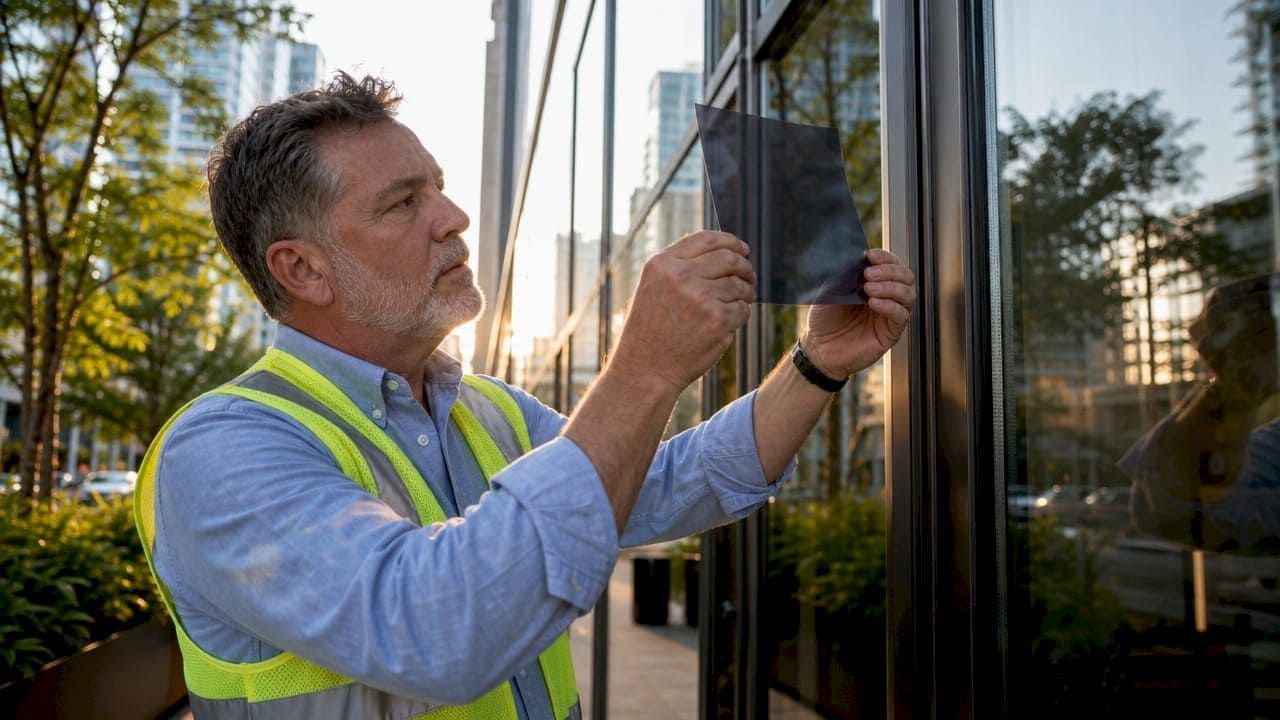
Solar control window films using spectrally selective technology are the top choice for most commercial buildings. These films filter UV and infrared radiation while allowing visible light through. Spectrally selective films reject up to 99.9% of UV radiation, making them the gold standard for interior protection.
Metal-free ceramic window films are ideal for professional offices and retail spaces that want UV protection without a reflective or tinted appearance. Ceramic films maintain natural light and aesthetics while blocking heat and UV rays effectively. They do not interfere with cell signals or electronic equipment, which matters in tech-heavy workspaces.
Reflective and dual-reflective films work well on south-facing and west-facing facades with heavy solar exposure. They bounce solar energy away from the glass before it enters the building. The trade-off is a more mirrored exterior appearance, which suits some commercial aesthetics but not all.
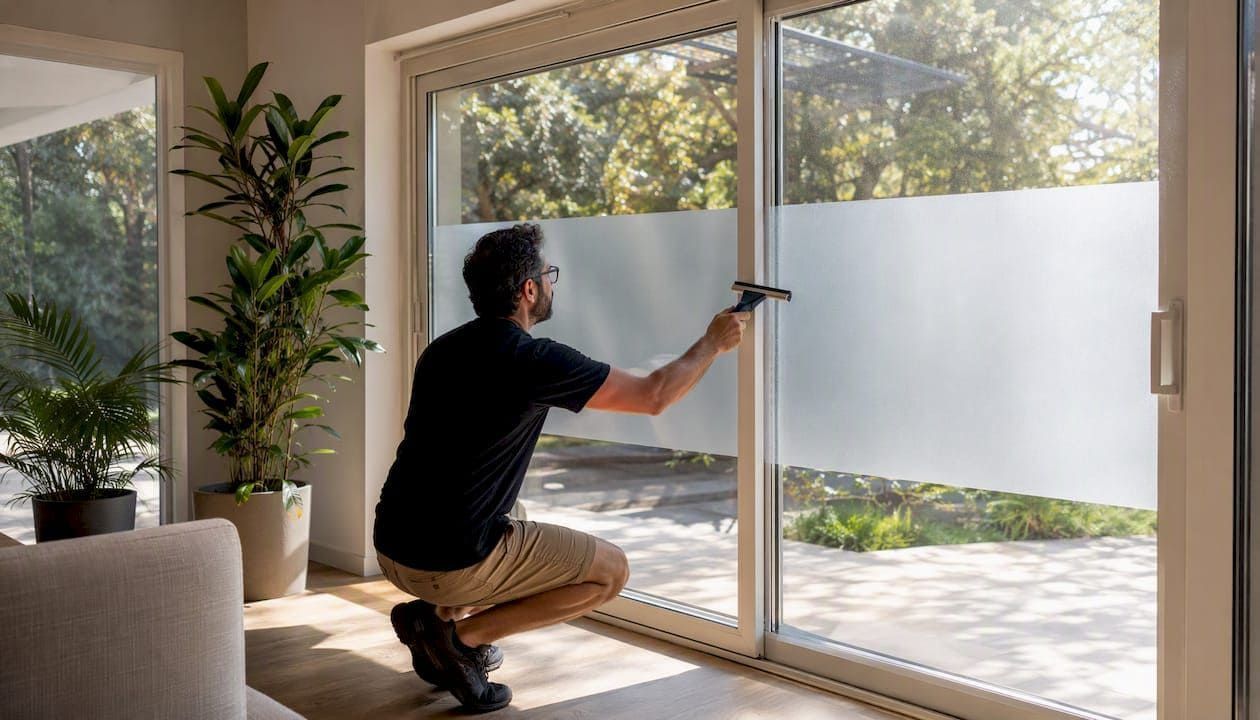
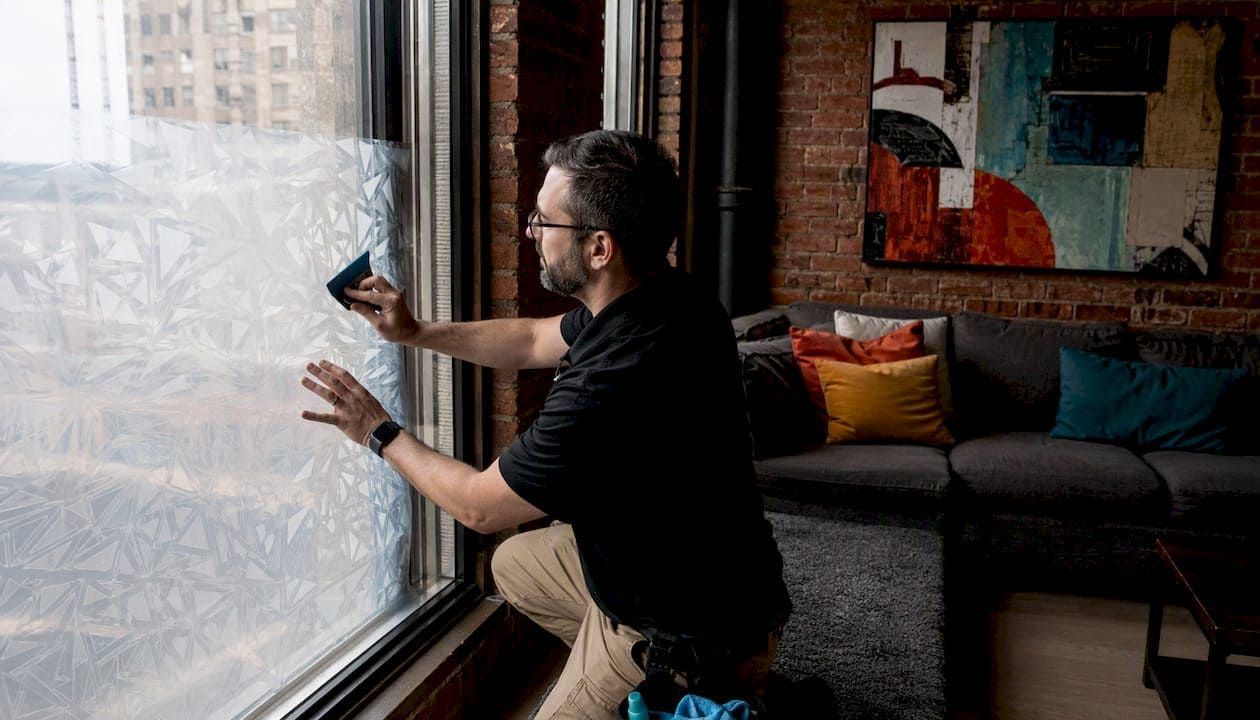
Decorative and privacy films combine UV blocking with frosted or patterned finishes. These are common in conference rooms, storefronts, and healthcare facilities where both privacy and sun protection matter.
Safety and security films add UV blocking as a secondary benefit. Their primary function is holding shattered glass in place during impact or break-ins. Security films reinforce glass to remain intact under impact conditions, giving property managers two layers of protection from one product.
Commercial roller shades and sunscreens offer a fabric-based alternative or complement to window film. A shade with a 1% openness factor blocks roughly 99% of UV rays while maintaining some outward visibility. This makes them a strong option for retail showrooms where product display and UV protection must coexist.
Shade structures and awnings are the exterior-first approach. They intercept sunlight before it reaches the glass entirely. Combining awnings with window film produces the greatest reduction in solar heat gain.
Pro Tip: Start with south and west elevations. These faces receive the most direct afternoon sun and produce the highest heat gain. Solving those first gives you the fastest return on your investment.
2. How commercial window films block UV rays and improve building performance
Window film works by absorbing or reflecting specific wavelengths of solar energy at the glass surface. The key concept is spectral selectivity: the film targets UV and infrared wavelengths without blocking the visible light spectrum. That distinction matters because it lets you protect interiors without turning your building dark.
Visible Light Transmission (VLT) is the percentage of visible light a film allows through. A film with 50% VLT passes half the visible light while still blocking nearly all UV radiation. Property managers often confuse darkness with protection. A nearly clear film can still reject up to 99.9% of UV rays causing fading and heat buildup.
Heat gain reduction is the second major performance benefit. Solar window films reduce HVAC cooling demand by creating more consistent indoor temperatures on sun-exposed facades. Lower cooling demand means lower energy bills, and the savings compound over time on large commercial properties.
Glare is the third problem films solve. Glare reduction by commercial window films enhances occupant comfort and usability of interior spaces without sacrificing natural light. For offices with screen-heavy workstations, this is often the benefit employees notice first.
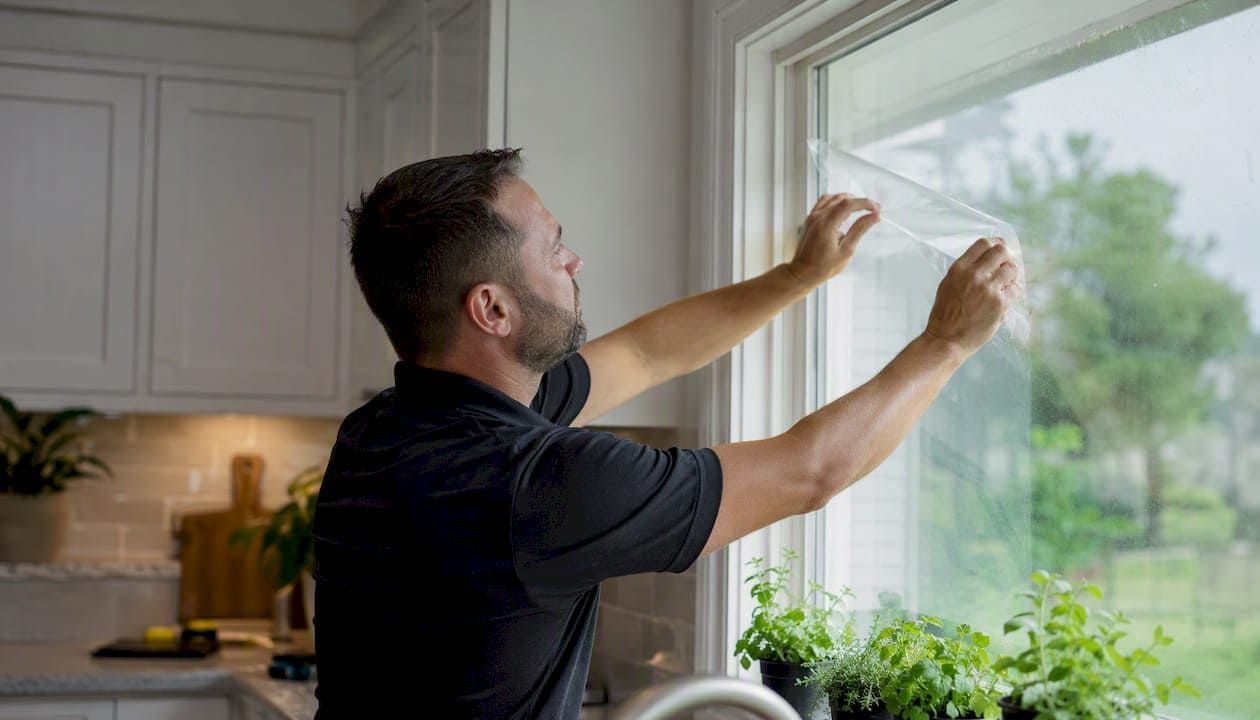
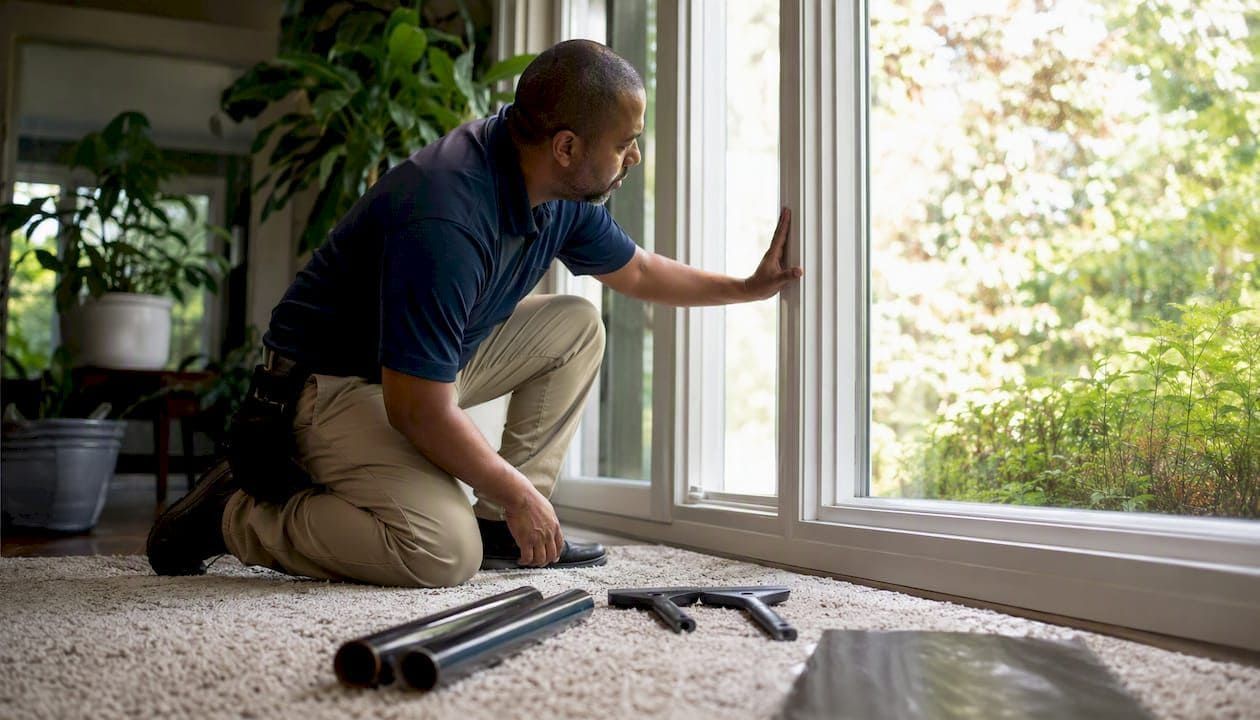
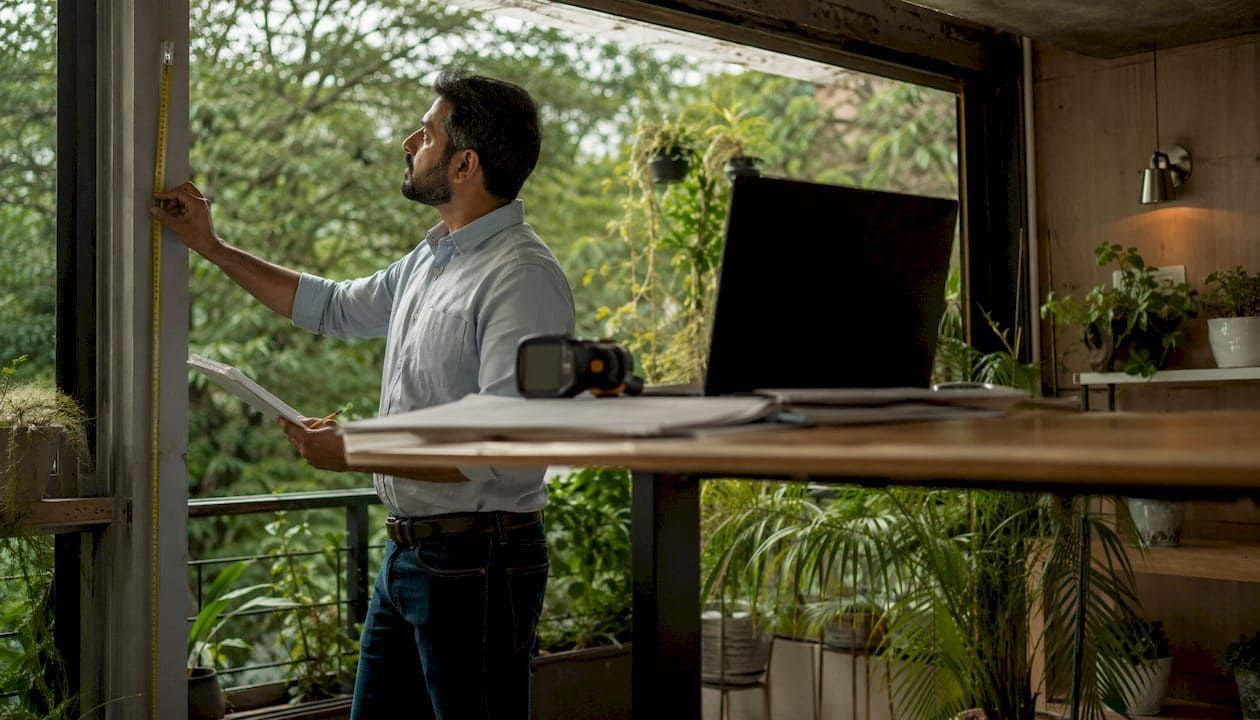
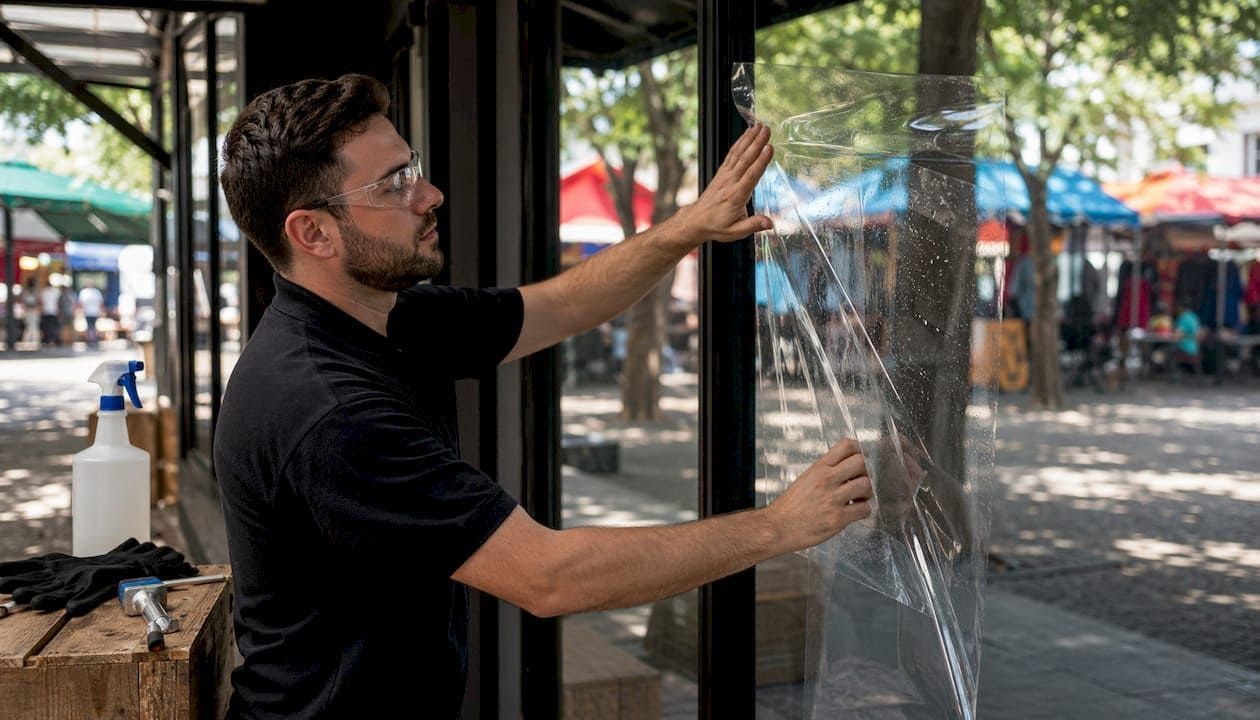
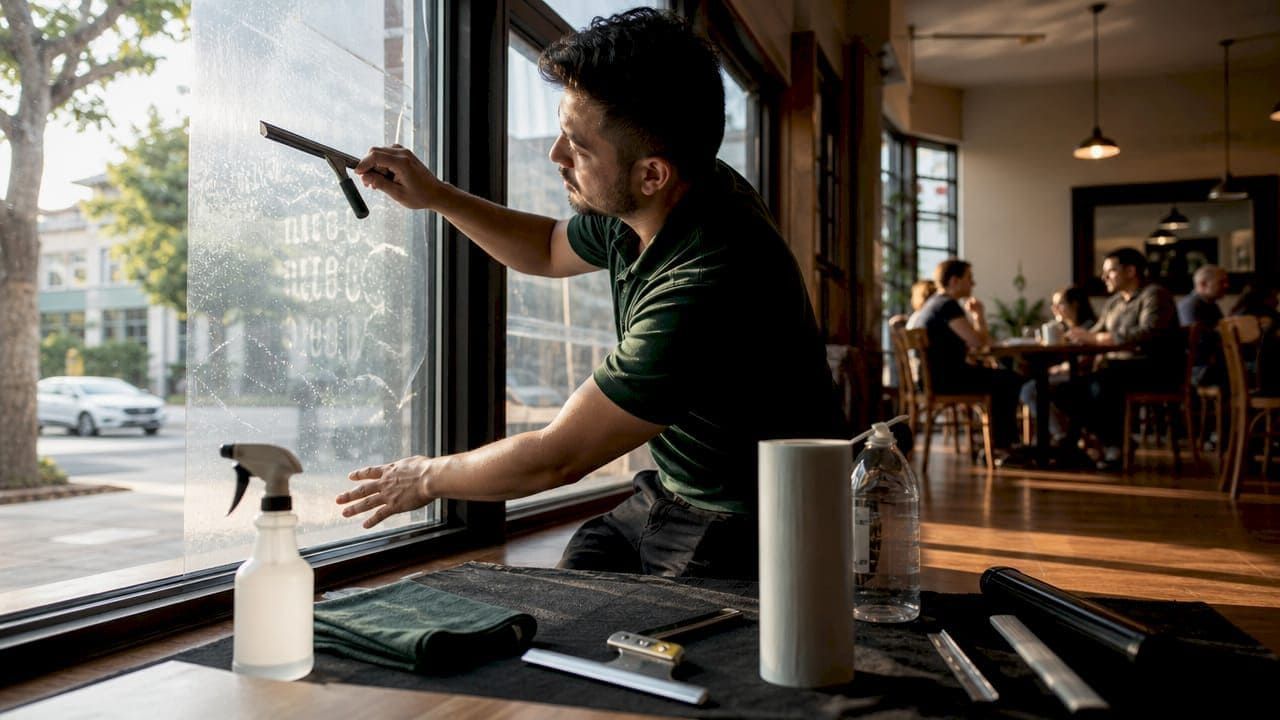
The installation process is non-disruptive by design. A professional installer begins with an on-site assessment of glass orientation and heat gain, then selects the right film, and schedules installation outside peak business hours. The UV protection tinting workflow typically takes one to two days for a mid-size commercial property, with no need to vacate the building.
Pro Tip: Ask your installer for the film's TSER (Total Solar Energy Rejected) rating alongside the VLT. TSER gives you a single number that captures how much total solar energy the film blocks, making it easier to compare products side by side.
3. What factors should property managers consider when selecting UV protection?
Choosing the right UV protective coating or film requires more than picking the darkest option available. Several building-specific factors determine which product actually performs.
Glass type and orientation are the starting point. Tempered, laminated, and insulated glass units each have different thermal stress tolerances. Some films can cause heat buildup in the glass itself, which risks cracking in certain glazing types. Always confirm film-glass compatibility before specifying a product.
Visible Light Transmission targets depend on the space's function. A retail showroom needs higher VLT to keep merchandise visible. A west-facing executive office can tolerate lower VLT for stronger heat rejection. There is no universal setting.
Building code and warranty compliance is the factor most property managers overlook. Selecting a standardized film specification without adapting to local building codes, fire safety ratings, and glass manufacturer warranties risks non-compliance and reduced effectiveness. Multi-site portfolios face this challenge constantly because local codes vary by municipality.
Budget and ROI timeline matter for approval processes. Commercial solar window film installation typically starts at approximately $8 per square foot, with final costs varying based on glass complexity, film type, and window accessibility. Window film is one of the most cost-effective long-term building performance upgrades, offering immediate reduction in cooling demand and extending interior lifespan.
Phased testing reduces risk on large or complex properties. A phased approach to installing UV protection helps test the balance between heat rejection and light preservation, especially in retail showrooms where product visibility is critical. Install film on one high-exposure zone first, evaluate the results over 30 days, then proceed with the full rollout.
Key selection criteria at a glance:
- Glass type compatibility (tempered, laminated, insulated)
- VLT level matched to space function
- TSER rating for overall solar energy rejection
- Local fire safety and building code compliance
- Glass manufacturer warranty preservation
- Installation scheduling flexibility
- Total cost per square foot versus projected energy savings
4. How commercial shades and awnings complement UV protection films
Window film handles UV radiation at the glass surface. Exterior shading handles it before sunlight ever reaches the glass. The two systems work better together than either does alone.
Combining UV protection window films with exterior shading systems significantly enhances occupant comfort and energy savings by reducing solar heat gain. The film catches what the shade misses, and the shade reduces the total solar load the film must handle. The result is lower interior temperatures, less HVAC strain, and better protection for furnishings and merchandise.
Commercial roller shades with low openness factors give retail managers precise control over UV exposure at the product level. A 1% openness factor shade blocks the vast majority of UV while still allowing staff to see outside. Higher openness factors (3%–10%) let in more light but reduce UV blockage proportionally. The right setting depends on how much natural light the space needs versus how much UV protection the merchandise requires.
"The most overlooked upgrade in commercial sun protection is the combination of exterior shading with interior film. Either alone is good. Together, they cut solar heat gain to a fraction of what untreated glass allows." — Surfacetint installation team
Awnings and shade structures add a design dimension that film alone cannot provide. They define outdoor seating areas, reinforce brand identity through color and shape, and reduce glare on adjacent interior surfaces. The commercial awning selection process involves matching fabric UV ratings, projection depth, and mounting compatibility to the building facade.
Maintenance on combined systems is straightforward. Window films carry manufacturer warranties of 10 years or more on commercial installations. Awning fabrics typically need cleaning twice a year and replacement every 8–12 years depending on climate exposure. Both systems require minimal ongoing attention compared to the energy and interior protection benefits they deliver.
Key takeaways
The most effective commercial UV protection strategy combines spectrally selective window film with exterior shading to block up to 99.9% of UV radiation while preserving natural light and reducing HVAC costs.
| Point | Details |
|---|---|
| Film technology matters | Spectrally selective and ceramic films block UV without darkening interiors. |
| VLT and TSER are the key metrics | Match VLT to space function and use TSER to compare total solar energy rejection. |
| Compliance is non-negotiable | Verify film compatibility with glass type, local codes, and manufacturer warranties before installation. |
| Phase large rollouts | Test one high-exposure zone first to confirm the right balance of protection and light. |
| Combine film and shading | Exterior shading plus window film delivers the greatest reduction in heat gain and UV exposure. |
What I've learned from commercial UV protection projects
After working through dozens of commercial UV protection projects across office buildings, retail spaces, and multi-tenant properties, one pattern stands out: the biggest mistakes happen at the specification stage, not the installation stage.
Property managers often request the darkest available film because they assume more tint equals more protection. That is not how spectrally selective technology works. A nearly clear ceramic film can outperform a dark reflective film on UV rejection while keeping the space bright and welcoming. The spec sheet tells the real story, not the color.
The second mistake I see constantly is skipping the compliance check on multi-site portfolios. A film that works perfectly in one city can void the glass warranty or fail a fire safety inspection in the next. Local codes are not uniform, and glass manufacturers have specific approved film lists. Skipping that step costs far more to fix than it would have cost to check upfront.
The trend I find most promising is the move toward combined systems. Property managers who pair quality window film with exterior shading consistently report better occupant satisfaction scores and lower energy bills than those who use film alone. The upfront cost is higher, but the performance gap is significant enough to justify it on any sun-exposed facade.
My honest recommendation: get a professional on-site assessment before specifying anything. The building's orientation, glass type, and occupant needs determine the right solution. A generic spec pulled from a catalog rarely fits the actual conditions.
Professional UV protection film installation for your property
Surfacetint serves commercial properties across Southern New Hampshire and the Greater Boston Area as an exclusive LLumar SelectPro Dealer. Every project starts with an on-site assessment of glass orientation, heat gain, and occupant needs before a single film is specified.
Surfacetint installs LLumar Vista Solar Control Films, Safety and Security Films, and Decorative Privacy Films, all rated for superior performance against UV rays, heat, and glare. Scheduling is designed around your business hours to keep disruption minimal. Property managers can request a free commercial estimate to get a site-specific recommendation and cost breakdown. You can also preview film options before committing using the commercial film viewer tool on the Surfacetint website.
FAQ
What percentage of UV rays do commercial window films block?
Advanced window films using spectrally selective technology reject up to 99.9% of UV radiation. Even lighter, nearly clear films achieve this level of UV blockage while maintaining high visible light transmission.
How much does commercial window film installation cost?
Commercial solar window film starts at approximately $8 per square foot. Final pricing varies based on film type, glass complexity, and site accessibility.
Will window film void my glass warranty?
It can, if the film is not compatible with your specific glazing type or is not on the glass manufacturer's approved list. Always verify film-glass compatibility and local code compliance before installation.
How do I reduce UV exposure in a retail showroom?
Combine a low-openness-factor roller shade with a spectrally selective window film. A 1% openness shade blocks roughly 99% of UV rays while preserving outward visibility for product display.
How long does commercial window film installation take?
A professional installer completes most mid-size commercial properties in one to two days. Installation is scheduled outside peak business hours to avoid disrupting daily operations.
Recommended