
Tinting's Role in Urban Management: 2026 Guide
TL;DR:
- Window tinting reduces solar heat gain, lowers energy costs, and improves urban comfort and safety. Proper specifications balance heat rejection, daylight, privacy, and regulation compliance to maximize benefits. Integrating tinting with building systems enhances public health, energy efficiency, and urban sustainability.
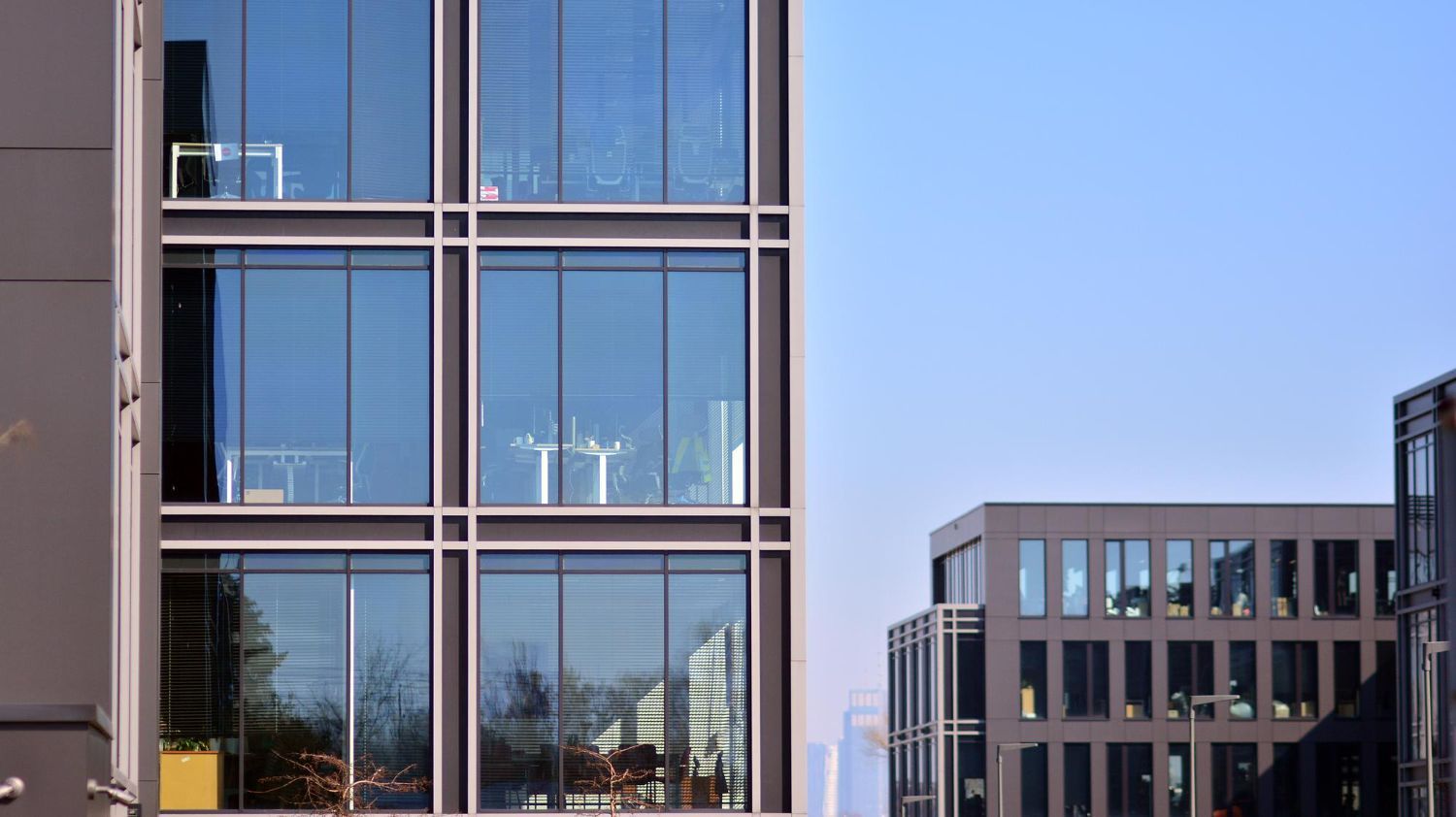
Window tinting is defined as the application of solar control film or coated glazing to building and vehicle surfaces to regulate heat, light, and privacy in urban environments. The role of tinting in urban management extends well beyond aesthetics. It directly reduces solar heat gain, cuts building energy costs, mitigates urban heat island effects, and shapes how pedestrians experience public space. Urban planners and city officials increasingly treat solar control glazing as a performance variable, not a cosmetic choice. Surfacetint's work across commercial and residential properties in Southern New Hampshire and Greater Boston reflects this shift toward data-driven, compliance-aware tinting decisions.
How does tinting improve energy efficiency in urban buildings?
Solar control glazing reduces energy consumption by limiting the amount of heat that enters a building through glass. Two metrics define this performance: the Solar Heat Gain Coefficient (SHGC), which measures how much solar radiation passes through a window, and Visible Light Transmittance (VT), which measures how much daylight enters. Lower SHGC values mean less heat gain and lower cooling loads. The right balance between the two determines whether a building saves energy or simply shifts costs from cooling to lighting.
The tinting impact on cities is measurable at the district level. Reflective and cool-palette surfaces reduce annual building energy use by 2–4%. That figure compounds across a city block of commercial towers, translating into significant reductions in peak grid demand during summer months.
Dark, low-reflective surfaces tell the opposite story. Dark surfaces raise air temperatures by up to 3.8°C, directly worsening urban heat islands. Vehicle fleets are a significant contributor. Dark-colored vehicles absorb substantially more heat than light-colored ones, raising ambient temperatures in parking lots and dense urban corridors. City fleet managers who specify lighter or reflective vehicle finishes alongside window film reduce this effect at scale.
Properly specified tinting can reduce cooling costs by up to 40% in commercial settings. That figure reflects buildings where solar film was matched to orientation, climate zone, and occupancy patterns.
Key energy-related benefits of tinting in urban buildings include:
- Lower SHGC reduces mechanical cooling demand during peak summer hours.
- Reduced urban heat island contribution from reflective film on building facades and vehicle glass.
- Decreased peak grid load when tinting is applied across multiple buildings in a district.
- Improved thermal comfort for occupants near glass walls without requiring additional HVAC capacity.
Pro Tip: Select tint specifications by building orientation. South- and west-facing glass needs lower SHGC values. North-facing glass often benefits from higher VT to preserve daylight without significant heat gain.
What are the aesthetic and psychological impacts of tinting on urban design?
Tinting shapes how people feel in urban space, not just how buildings perform. Mid-range color complexity and reflective palettes enhance perceived safety and thermal comfort in pedestrian environments. This finding comes from structural equation modeling studies that link specific surface reflectivity levels to measurable improvements in how safe and comfortable people report feeling. Urban planners can use this data to specify glazing that actively supports public well-being, not just code compliance.
Color psychology and tinting intersect directly in wayfinding and place identity. A district with consistent glazing tones reads as coherent and intentional to pedestrians. Fragmented or mismatched reflectivity creates visual noise that reduces legibility of the built environment. City design guidelines in several American cities now include glazing color and reflectance as variables in streetscape standards, treating them alongside signage and paving materials.
The role of shading in urban design also affects demographic equity. Older adults and people with light sensitivity benefit disproportionately from glare-reduced streetscapes. Tinted glazing on transit shelters, public buildings, and commercial frontages creates more inclusive public spaces without requiring structural changes.
Key aesthetic and psychological considerations for urban tinting include:
- Reflectance consistency across a block or district improves visual coherence and wayfinding.
- Glare reduction from tinted facades lowers pedestrian discomfort on sun-facing streets.
- Thermal comfort perception improves when surfaces reduce radiant heat near glass walls.
- Place identity strengthens when glazing color aligns with a district's broader color planning strategy.
Pro Tip: Coordinate glazing tint color with the urban color palette during the design phase. Retrofitting tint after construction to match streetscape standards costs significantly more than specifying it upfront.
How does tinting affect public safety and privacy in urban settings?
Tinted glass creates one-way privacy during daylight hours through a simple light imbalance. When exterior light is brighter than interior light, the reflective surface of tinted glass acts as a mirror from outside while remaining transparent from inside. This protects occupants in ground-floor offices, transit facilities, and public buildings without requiring curtains or blinds that block views entirely.
The nighttime reversal effect is the most misunderstood limitation of tinted glazing. When interior lights are on after dark, the light balance flips. Interior spaces become visible from outside, and the privacy effect disappears entirely. Building managers who rely on tinting alone for privacy face a real security gap during evening hours. The solution requires layering tinting with interior shading or specifying higher-opacity film for spaces that need consistent privacy around the clock.
Glare control is a direct public safety benefit. Reflective glazing that bounces sunlight onto adjacent roadways creates hazardous conditions for drivers and cyclists. Reflective glazing above 20% external reflectance can violate local zoning codes and create liability for building owners. Urban planners specifying glazing for new developments must verify reflectance levels against local ordinances before finalizing specifications.
Steps for managing tinting-related safety and privacy in urban settings:
- Verify local reflectance limits before specifying any glazing product. Many jurisdictions cap external reflectance at 15–20%.
- Assess nighttime occupancy patterns for each space. High-visibility evening uses require supplemental interior shading or higher-opacity film.
- Evaluate glare impact on adjacent streets. Commission a glare study for buildings with large south- or west-facing glass areas.
- Specify window tint reflectivity levels based on the balance between daytime privacy needs and nighttime visibility risks.
Pro Tip: For transit facilities and ground-floor retail, specify film with a visible light transmittance between 35% and 50%. This range delivers meaningful daytime privacy without creating a mirror effect that violates glare codes.
What are the technical considerations for selecting tinting in urban management?
A comprehensive tinting decision requires balancing four variables simultaneously: SHGC, VT, aesthetics, and local zoning or glare regulations. Most planning errors occur when one variable dominates the decision. Prioritizing aesthetics alone produces buildings that look cohesive but perform poorly. Prioritizing maximum solar rejection alone produces buildings that are dark, uncomfortable, and dependent on electric lighting.
Heavy tinting reduces VT below 0.30, which triggers daylight harvesting systems to activate electric lighting during daylight hours. The energy savings from reduced solar gain disappear when lighting systems compensate. This is one of the most common and costly mistakes in commercial tinting specifications.
Occupant health adds a fourth dimension that urban management strategies rarely address. Heavily tinted glazing can reduce melanopic light to as little as 33% of the recommended level for circadian health. Melanopic light is the blue-spectrum daylight that regulates human sleep-wake cycles. Buildings that block this light require circadian-optimized electric lighting systems to compensate, adding cost and complexity to the building's operations.
| Tinting variable | Urban management priority | Common pitfall |
|---|---|---|
| SHGC (solar heat gain) | Reduce cooling loads and urban heat contribution | Specifying too low for north-facing glass |
| VT (visible light transmittance) | Preserve daylight and occupant health | Going below 0.30, triggering electric lighting |
| External reflectance | Control glare on adjacent streets | Exceeding local zoning limits |
| Film durability | Reduce long-term maintenance costs | Choosing low-grade film for high-traffic facades |
Pyrolytic coatings, which are baked into glass during manufacturing, offer greater durability than applied window film but cannot be changed after installation. Window film, by contrast, can be replaced or upgraded as performance standards evolve. For urban retrofit projects where glazing replacement is not feasible, high-quality solar film delivers meaningful performance gains without structural changes.
Pro Tip: Specify film with a VT above 0.35 for occupied spaces and pair it with circadian-friendly LED lighting to preserve both energy performance and occupant health. This combination satisfies most current building wellness standards.

Key Takeaways
Tinting in urban management delivers measurable energy, safety, and comfort benefits only when SHGC, VT, reflectance, and local codes are balanced together.
| Point | Details |
|---|---|
| Energy savings are real but conditional | Reflective tinting cuts cooling costs up to 40%, but only when VT stays above 0.30 to avoid lighting system overuse. |
| Urban heat islands respond to surface color | Dark surfaces raise local air temperatures by up to 3.8°C; reflective glazing and film directly counter this effect. |
| Nighttime privacy requires planning | Tinted glass reverses at night when interior lights are on; supplemental shading is needed for consistent privacy. |
| Glare regulations limit reflectance | External reflectance above 20% can violate local zoning codes and create driver safety hazards. |
| Circadian health is a hidden variable | Heavy tinting can reduce melanopic daylight to 33% of recommended levels, requiring circadian-optimized lighting. |
The variable most urban tinting plans still get wrong
Working closely with commercial and residential tinting projects in the Greater Boston area has given me a clear view of where urban tinting decisions succeed and where they quietly fail. The energy efficiency case is well understood now. Planners and building owners accept that solar film reduces cooling loads. What they consistently underestimate is the nighttime privacy reversal and the circadian health impact of heavy tinting.
The nighttime reversal is not a niche concern. Ground-floor offices, transit authority buildings, and public health facilities all have evening occupancy. A tinting specification that works perfectly at noon creates a fishbowl effect at 8:00 PM. I have seen building managers install interior blinds six months after a tinting project because no one modeled the nighttime scenario during design. That is a planning failure, not a product failure.
The circadian health dimension is newer and less intuitive. Reducing blue-spectrum daylight to protect against solar heat gain sounds like a reasonable trade-off until you understand that the same light spectrum regulates human alertness, mood, and sleep. Tinted spaces that receive only a fraction of recommended melanopic light create a subtle but real productivity and wellness cost for occupants. The fix is not to abandon tinting. It is to pair solar control film with circadian-tuned electric lighting, which is a systems-level decision that requires coordination between the glazing specification and the lighting design.
The opportunity in 2026 is to treat tinting as part of a broader urban microclimate and wellness strategy, not as a standalone product decision. Cities that integrate data-driven glazing policies into their building codes will see compounding benefits across energy, public health, and pedestrian comfort. The technology is ready. The planning frameworks are catching up.
Surfacetint's window tinting solutions for urban energy and safety goals
Urban planners and building owners in Southern New Hampshire and Greater Boston have a direct path to compliant, high-performance tinting through Surfacetint. As an exclusive LLumar SelectPro Dealer, Surfacetint installs Vista Films across Solar Control, Safety and Security, and Decorative Privacy categories. Each product line addresses a specific urban management priority: reducing heat and glare, protecting occupants, and maintaining visual coherence with local design standards.
Surfacetint's commercial window tinting services cover office buildings, storefronts, and public facilities where energy performance and privacy are both required. For residential properties, solar film installations reduce cooling costs while blocking UV radiation that damages furnishings. Request a free tinting estimate to get a specification matched to your building's orientation, occupancy, and local code requirements.
FAQ
What is the role of tinting in urban management?
Tinting in urban management is the use of solar control film or coated glazing to reduce heat gain, cut energy costs, control glare, and improve privacy across buildings and vehicles in city environments. It functions as a performance variable in urban sustainability and public safety planning.
How much energy can window tinting save in commercial buildings?
Properly specified solar control film can reduce building cooling costs by up to 40% in commercial settings. Savings depend on building orientation, climate zone, and the SHGC value of the film selected.
Does window tinting provide privacy at night?
Tinted glass provides daytime privacy through a light imbalance effect, but this reverses at night when interior lights are on. Building managers should plan for supplemental interior shading in spaces with evening occupancy.
Can reflective window tinting violate local zoning codes?
Yes. External reflectance above 20% can create glare hazards for drivers and pedestrians and may violate local zoning ordinances. Urban planners should verify reflectance limits before finalizing any glazing specification.
How does tinting affect occupant health in urban buildings?
Heavy tinting can reduce melanopic daylight to as little as 33% of recommended levels, which disrupts circadian rhythms. Buildings with high-performance solar film should integrate circadian-optimized electric lighting to maintain occupant health and productivity.
Recommended