
Security Film Comparison Guide for Homes and Businesses
TL;DR:
- Security window film's thickness determines its performance, ranging from 4 mil for safety to over 21 mil for blast resistance. Choosing the right film depends on threat level, window type, environment, and budget, with professional assessment recommended. It blocks UV rays, reduces energy costs, and enhances safety, privacy, and security when properly selected and installed.
Security window film is a thick polyester film applied directly to glass, and its mil thickness rating determines every meaningful performance difference between products. A proper security film comparison guide starts with that single fact. Films range from 4 mil for basic accident protection to 21 mil or more for blast-resistant commercial installations. Surfacetint, an exclusive LLumar SelectPro Dealer serving Southern New Hampshire and the Greater Boston Area, installs Vista Films across all three major thickness categories for both residential and commercial properties.
1. What are the thickness categories in a security film comparison guide?
Thickness is the single most important variable when comparing security window films. Security films are categorized by mil thickness, with 4 mil covering basic safety, 7–8 mil delivering burglary resistance, and 12–21 mil or more serving high-risk commercial environments. Each step up in thickness adds layers of polyester that hold shattered glass together longer under impact.
4 mil: basic safety and accident protection
A 4 mil film is the entry point for residential use. It holds broken glass in place after an accidental impact, reducing injury from flying shards. This thickness works well for interior windows, skylights, and low-risk rooms where the primary concern is accidental breakage rather than forced entry.
7–8 mil: standard residential and light commercial security
The 7–8 mil range is the most common choice for homeowners and small business owners focused on burglary deterrence. Window security film delays forced entry by making glass far more time-consuming to breach. Most opportunist burglars abandon an entry attempt within 60 seconds, so slowing them down is often enough to prevent a break-in entirely.
12–21 mil: heavy-duty commercial and blast protection
Films at 12 mil and above are built for storefronts, government buildings, and properties in hurricane-prone regions. Residential installation costs $12–$20 per sq. ft., while high-security commercial films at this thickness require multi-layer construction and carry higher installed costs. These films convert the glass and frame into a unified barrier rather than simply slowing an intruder.
| Thickness | Best Use Case | Protection Level | Approx. Installed Cost |
|---|---|---|---|
| 4 mil | Homes, interior glass, skylights | Basic safety, accident protection | $7–$12 per sq. ft. |
| 7–8 mil | Residential, light commercial | Burglary deterrence, impact resistance | $12–$16 per sq. ft. |
| 12–15 mil | Commercial, storefronts | Forced entry, storm, blast mitigation | $16–$20+ per sq. ft. |
| 21 mil+ | Government, high-risk facilities | Maximum blast and ballistic resistance | Varies by project |
Pro Tip: If you are unsure which thickness fits your property, start with a 7–8 mil film on ground-floor and entry-adjacent windows. That single upgrade covers the majority of residential break-in scenarios.
2. How security window film improves safety, privacy, and energy efficiency
Security window film does more than hold glass together. Films block up to 99% of harmful UV rays, protecting furniture, flooring, and artwork from fading without blocking natural light. That UV protection alone extends the life of interior furnishings significantly.
Energy efficiency is a real and measurable benefit. Security films reduce solar heat gain and glare while still allowing natural light to pass through. Lower solar heat gain means your HVAC system works less during summer months, which translates directly to lower energy bills. Low-E and spectrally selective films add seasonal insulation benefits on top of that.
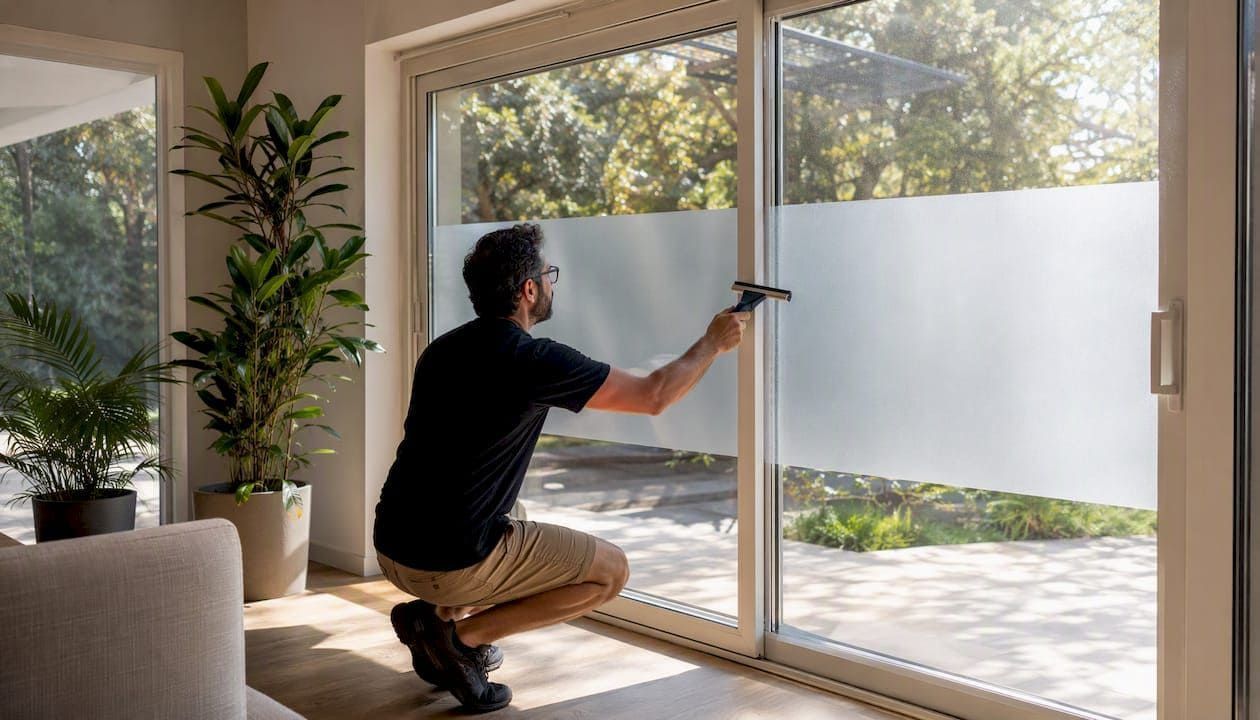
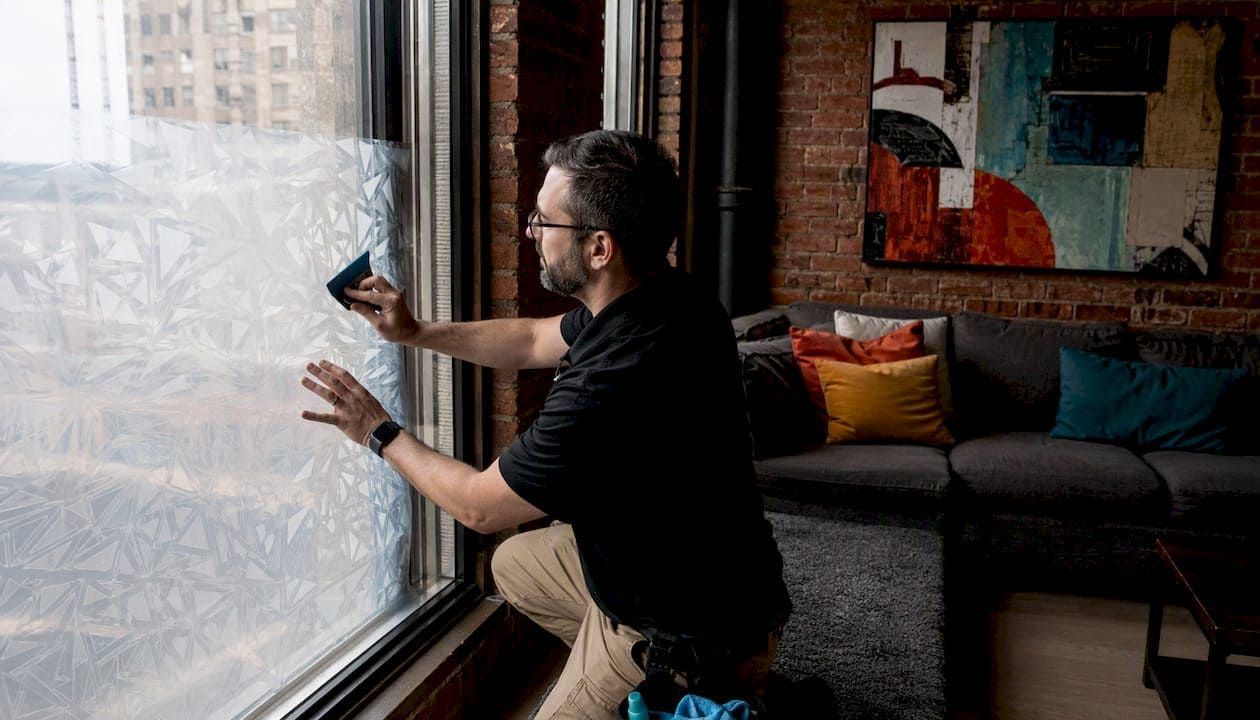
Privacy films add a visual layer of protection without sacrificing security performance. Decorative and frosted options obscure sightlines into your home or office while still carrying the structural benefits of a security-grade film. This combination is especially useful for ground-floor offices, conference rooms, and street-facing residential windows.
Key security film benefits at a glance:
- Holds shattered glass in place, reducing injury risk
- Delays forced entry and deters opportunist intruders
- Blocks up to 99% of UV radiation
- Reduces solar heat gain and lowers HVAC costs
- Provides privacy without blocking natural light
- Protects furnishings and artwork from UV fading
- Available in decorative finishes for added aesthetics
Pro Tip: In climates with both hot summers and cold winters, choose a spectrally selective film. It blocks heat in summer and retains warmth in winter, giving you year-round energy savings alongside security performance.
3. What factors should you consider when choosing the right security film?
The right film for your property depends on a threat assessment, not just a budget. Experts recommend starting with a professional site survey to identify vulnerable openings and local environmental risks before selecting any film. That assessment guides the choice of film, glass type, and frame combination that fits your actual exposure.
Work through these decision factors before committing to a product:
- Threat level. Are you protecting against opportunist burglary, organized forced entry, storm damage, or blast risk? Each threat calls for a different thickness and anchoring system.
- Vulnerable openings. Ground-floor windows, entry doors with glass panels, and large storefront panes are the highest-priority targets for security film upgrades.
- Local environmental conditions. Properties in hurricane zones or areas with extreme temperature swings need films rated for those specific stresses.
- Window type and size. Large panes require edge attachments or mechanical anchors to perform correctly. Without proper anchoring, even a thick film can separate from the frame under sustained impact.
- Budget and protection balance. A 7–8 mil film on vulnerable windows delivers strong protection at a fraction of the cost of window replacement or security bars.
- Privacy and appearance needs. Clear security films are nearly invisible. Decorative or privacy films change the look of your windows while still providing structural protection.
A professional threat and site assessment before installation leads to better film selection, maximizing both protection and cost-effectiveness. Skipping this step is the most common reason property owners end up with the wrong film for their actual risk profile.
Building security film upgrades for commercial properties follow the same logic but at greater scale. Property managers should inventory every vulnerable opening and match film thickness to the specific risk at each location.
4. What does installation cost and what maintenance does security film need?
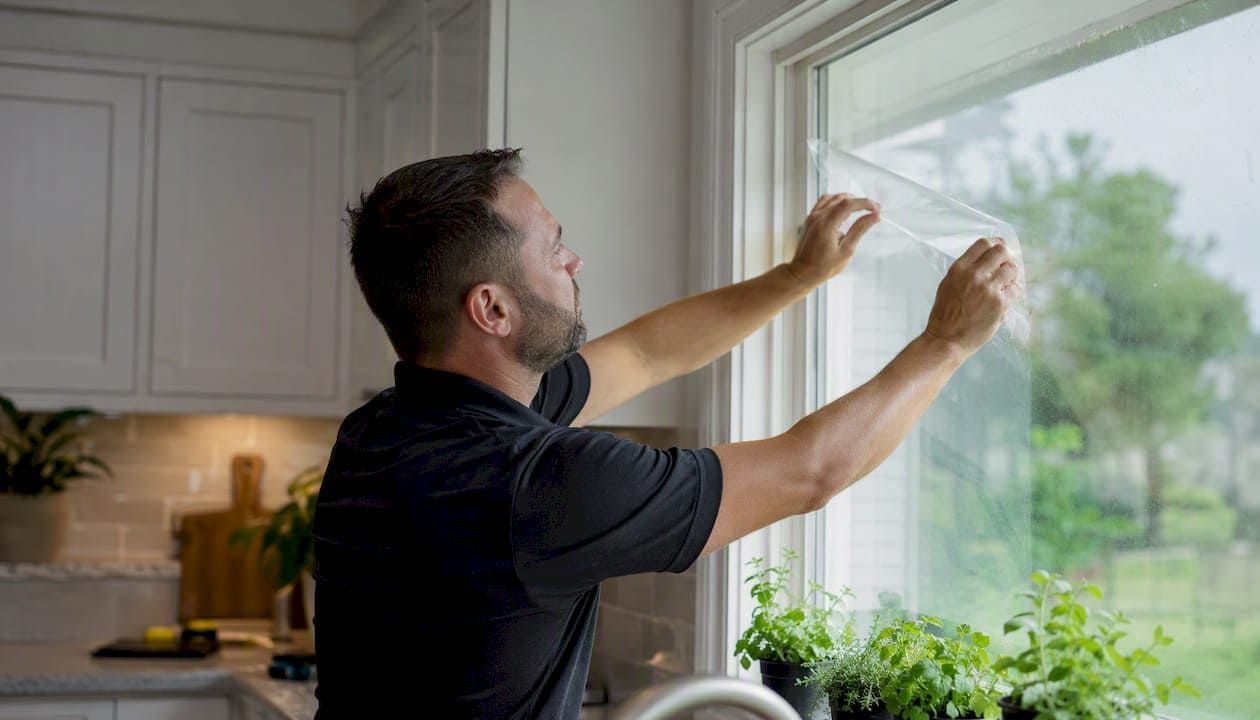
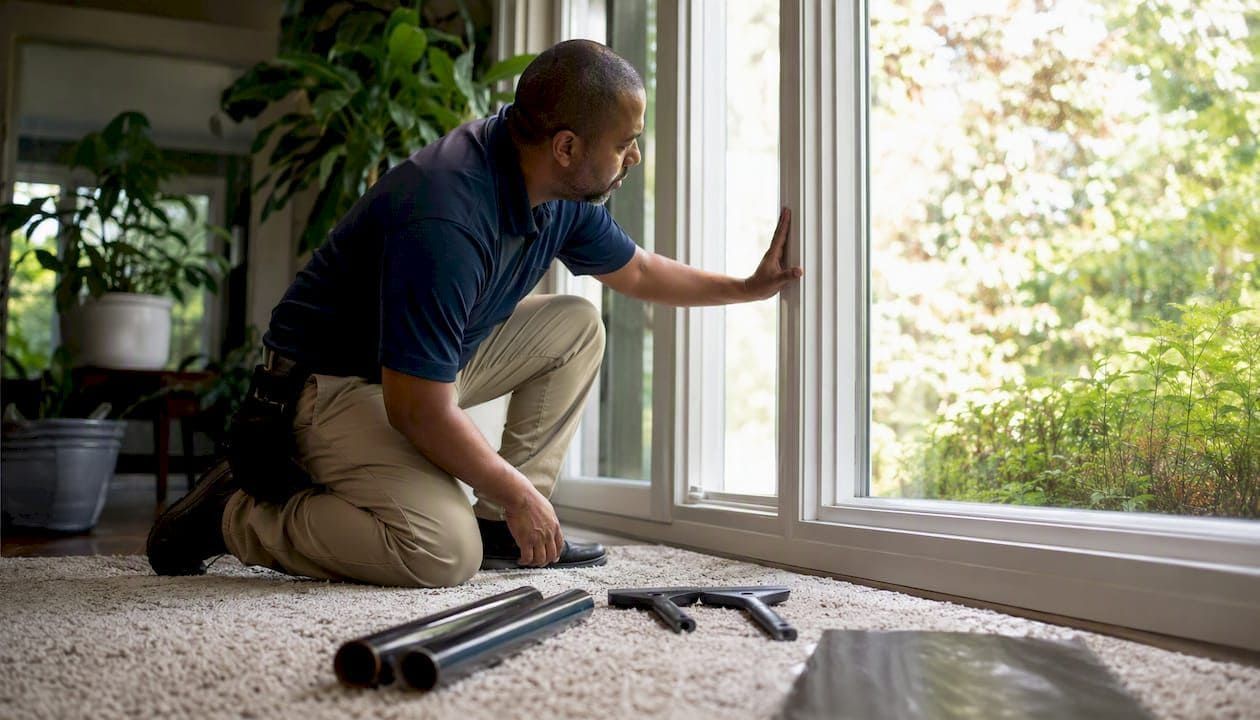
Professional installation follows a consistent process regardless of film type. Typical steps include site measurement, film cutting, interior glass cleaning, film application, and post-install curing. Curing time varies by film thickness and climate but generally runs one to four weeks. During that period, minor haziness or small water bubbles are normal and will clear as the adhesive sets.
Installed costs range from $7 to $20 or more per sq. ft. depending on film thickness and type. Compare that to window replacement, which typically runs $300–$1,000 or more per window, and security film becomes a clear value. Security bars cost less upfront but reduce emergency egress and affect property appearance significantly.
Maintenance is minimal but matters for long-term performance:
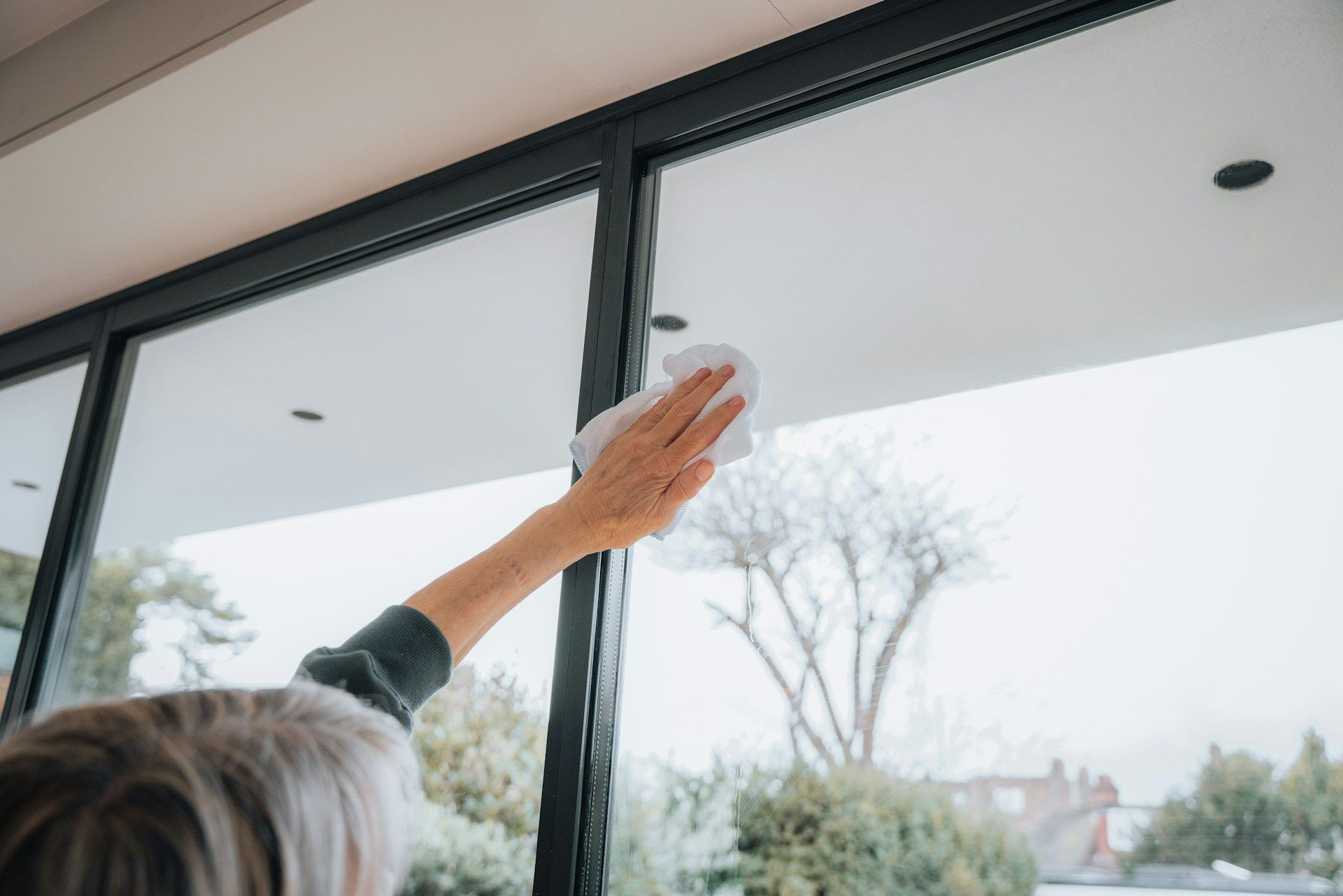
- Clean film with a soft cloth and mild, non-abrasive cleaner
- Avoid ammonia-based products, which degrade adhesive over time
- Inspect edges annually for lifting or peeling, especially in humid climates
- Report any bubbling or delamination to your installer promptly
- Keep records of your film warranty for coverage on manufacturer defects
Most professional-grade films carry warranties ranging from 5 to 15 years. Surfacetint installs LLumar Vista Films, which carry manufacturer-backed warranties covering adhesive failure and film degradation under normal conditions.
Pro Tip: Schedule your installation during mild weather when possible. Extreme heat or cold during application can affect adhesive bonding and extend curing time.
5. How to compare security film options to find the best fit
Comparing security films comes down to five core criteria: thickness, protection level, UV blocking, visible light transmission, and adhesive type. Security films use pressure-sensitive or dry adhesives, and edge attachments improve resistance to forced entry on large panes. Anchoring systems convert the glass and film into a single barrier, which is critical for commercial storefronts and storm-prone properties.
A common misconception is that safety film and security film are the same product. Safety film is typically 4 mil and designed to prevent injury from accidental breakage. Security film starts at 7 mil and is engineered specifically to resist forced entry and impact. Choosing safety film when you need security film leaves a meaningful protection gap.
| Criteria | Lower-end films | Mid-grade films | High-security films |
|---|---|---|---|
| Thickness | 4 mil | 7–8 mil | 12–21 mil |
| Protection level | Accident safety | Burglary deterrence | Blast and storm resistance |
| UV blocking | Up to 99% | Up to 99% | Up to 99% |
| Visible light transmission | High | Moderate to high | Varies by tint level |
| Adhesive type | Pressure-sensitive | Pressure-sensitive | Dry or mechanical anchor |
| Typical use | Residential interior | Residential, light commercial | Commercial, government |
Situation-based recommendations:
- Homeowners focused on burglary deterrence: 7–8 mil clear film on ground-floor and entry windows
- Homeowners wanting privacy and security combined: 7–8 mil decorative or frosted film
- Business owners with storefront glass: 12 mil with edge attachment anchoring
- Property managers in hurricane zones: 12–15 mil with mechanical frame anchors
- Schools and public buildings : 12 mil or higher, professionally assessed for each opening
Choosing the right window film for your home starts with identifying your primary risk, then matching thickness and adhesive type to that risk. Appearance and energy efficiency are secondary criteria that help you narrow down within the right thickness category.
Key Takeaways
Security window film performs best when thickness is matched precisely to the threat level, property type, and local environmental conditions.
| Point | Details |
|---|---|
| Thickness drives protection | Match mil rating to your threat: 4 mil for safety, 7–8 mil for burglary, 12 mil+ for commercial or storm risk. |
| UV and energy benefits are universal | All security-grade films block up to 99% of UV rays and reduce solar heat gain regardless of thickness. |
| Professional assessment matters | A site survey before installation identifies the right film-glass-frame combination for your actual risk. |
| Safety film is not security film | Safety film prevents injury from accidents; security film resists forced entry. They are not interchangeable. |
| Anchoring systems extend performance | Edge attachments and mechanical anchors are required for large panes and high-security commercial applications. |
What I have learned after years of watching property owners choose window film
Security window film is one of the most underestimated upgrades a property owner can make. The conversation almost always starts with price, and that is the wrong starting point. I have seen homeowners install 4 mil film on ground-floor windows because it was cheaper, then wonder why it offered almost no resistance during a break-in attempt. The film did exactly what it was rated to do. The problem was the mismatch between the threat and the product.
The other mistake I see regularly is skipping the professional assessment. A site survey takes an hour and changes everything about the film selection. You learn which windows face the highest risk, whether your frame type supports anchoring, and whether your climate calls for a spectrally selective film or a standard security product. Without that information, you are guessing.
The properties that get the most value from security film are the ones where the owner treated it as a system, not a product. Film thickness, anchoring method, and window type all work together. A 12 mil film without proper edge attachment on a large commercial pane performs worse than a well-anchored 8 mil film. Specification matters more than the number on the label.
My honest recommendation: invest in the professional assessment first, then let the film choice follow from what you learn. The cost difference between a 7 mil and a 12 mil film is modest compared to the cost of choosing the wrong one.
Professional security film installation for your home or business
Surfacetint installs LLumar Vista Safety and Security Films for residential and commercial properties across Southern New Hampshire and the Greater Boston Area. Every project starts with a professional site evaluation to match the right film to your specific windows, risk profile, and energy goals.
You can see what a professional home install looks like from start to finish, or use the residential film viewer tool to visualize different film options on your own windows before committing. Business owners can explore options through the commercial film viewer. Ready to get a number for your project? Request a free residential estimate or a free commercial estimate and get a clear answer on cost and film options for your property.
FAQ
What is the difference between safety film and security film?
Safety film and security film are not the same product. Safety film (typically 4 mil) prevents injury from accidental glass breakage, while security film (7 mil and above) is engineered to resist forced entry and sustained impact.
Does security window film stop bullets?
Security window film is not bulletproof. It holds shattered glass together and delays forced entry, but it does not stop ballistic impacts. Ballistic-resistant glazing systems are a separate, specialized product category.
How long does security window film last?
Professional-grade security films typically carry warranties of 5–15 years covering adhesive failure and film degradation. Actual lifespan depends on film quality, installation method, climate exposure, and maintenance practices.
What thickness of security film do I need for my home?
Most homeowners get the best protection-to-cost ratio from a 7–8 mil film on ground-floor and entry-adjacent windows. A professional site assessment will confirm whether your specific windows and risk profile call for a thicker option.
Can security window film reduce my energy bills?
Yes. Security films reduce solar heat gain and glare while maintaining natural light transmission, which lowers HVAC load and reduces cooling costs. Spectrally selective films add insulation benefits in winter as well.
Recommended