
Why Invest in Glass Enhancement for Your Property
TL;DR:
- Glass enhancement improves energy efficiency, safety, and aesthetics through coatings and films applied to glass surfaces. Proper installation and product choice are essential for maximizing benefits like energy savings, impact resistance, and occupant comfort. It is a cost-effective investment that enhances property value and reduces long-term operating costs.
Glass enhancement is the application of specialized coatings, films, and treatments to existing or new glass surfaces to improve their energy performance, safety, and appearance. For homeowners and property managers, it represents one of the most cost-effective upgrades available. Technologies like Low-E coatings and nanoparticle-based films, recognized by organizations such as The American Ceramic Society, now deliver measurable results across every property type. Understanding why invest in glass enhancement means looking at real numbers: energy savings, break resistance improvements, and long-term property value gains that standard glass simply cannot match.
Why invest in glass enhancement for energy savings?
Glass enhancement delivers the clearest financial return through energy efficiency. Low-E glass reduces building energy consumption by 30–50% annually. That reduction translates directly to lower monthly utility bills and a smaller carbon footprint.
The mechanism is straightforward. Low-E coatings use microscopically thin metallic layers to reflect solar heat away from the glass surface while still allowing natural light to pass through. High-end double or triple silver Low-E coatings lower the U-value of glass to below 1.1 W/m²K and reflect up to 70% of incoming solar heat. A lower U-value means less heat escapes in winter and less heat enters in summer.
The financial payback is well-documented. Custom glass solutions save 3–5 years in payback by reducing HVAC size and energy spend. Smaller HVAC systems cost less to install and less to run every year after that.
Pro Tip: Correct thin-film placement on the right glass surface matters more than most property owners realize. Low-E coatings installed on the wrong surface lose up to 40% of their thermal benefit. Always confirm surface placement with your installer before the job begins.
Standard vs. enhanced glass performance
| Metric | Standard glass | Low-E enhanced glass |
|---|---|---|
| U-value (W/m²K) | 2.8–5.8 | Below 1.1 |
| Solar heat reflected | Less than 20% | Up to 70% |
| Annual energy reduction | Baseline | 30–50% |
| Typical payback period | N/A | 3–5 years |
The table above shows why glass enhancement investment pays off faster than most home improvement projects. The gap between standard and enhanced glass performance is not marginal. It is substantial enough to affect HVAC sizing decisions at the design stage of new builds and retrofits alike.
What safety benefits does glass enhancement provide?
Glass enhancement protects occupants in ways that standard glass cannot. Nanoparticle coatings applied at around 0.09 mm thick increase break resistance by up to 83% in untempered glass and by 150–222% in high-strength glass types. That level of improvement moves glass from a liability into a genuine safety asset.
Chemically strengthened glass uses an ion-exchange process to introduce surface compression that prevents crack propagation. This technology enables glass as thin as 0.5 mm to meet hurricane-resistant window and transparent armor standards. The process causes no optical distortion, so the glass looks identical to standard glass while performing at a far higher level.
For property managers overseeing high-traffic buildings, security glass enhancements reduce the risk of forced entry, smash-and-grab incidents, and injury from accidental breakage. Safety and security films hold shattered glass in place rather than letting it scatter across a floor. That single feature prevents injuries in schools, retail spaces, and residential homes alike.
Key safety improvements glass enhancement delivers:
- Shatter resistance: Films and coatings hold broken glass together, reducing injury risk from accidental impact.
- Forced entry delay: Security films require significantly more time and effort to breach, deterring opportunistic intrusion.
- Hurricane and storm protection: Chemically strengthened and laminated glass resists wind-driven debris at speeds that destroy standard windows.
- Military-grade impact resistance: Nanoparticle coatings provide near-invisible protection that meets commercial building and defense standards.
- Graffiti protection: Sacrificial films protect glass surfaces from etching and vandalism, reducing replacement costs.
The home security window film category has grown significantly because property owners recognize that glass is the most vulnerable point in any building envelope. Strengthening it is not a luxury. It is a practical risk management decision.
How does glass enhancement improve aesthetics and comfort?
Glass enhancement changes how a space feels, not just how it performs. Solar control films reduce glare by filtering the harshest wavelengths of sunlight while preserving natural light quality. Occupants in offices and homes with treated glass report fewer headaches, less eye strain, and more consistent indoor temperatures throughout the day.
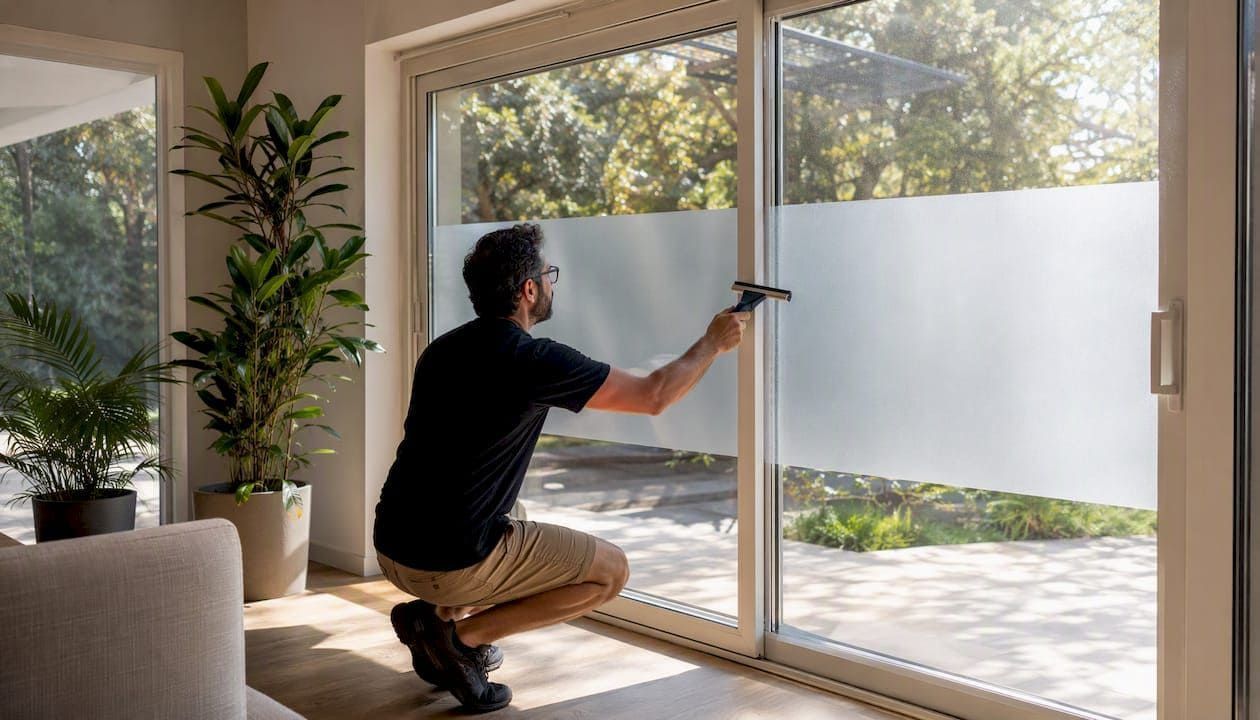
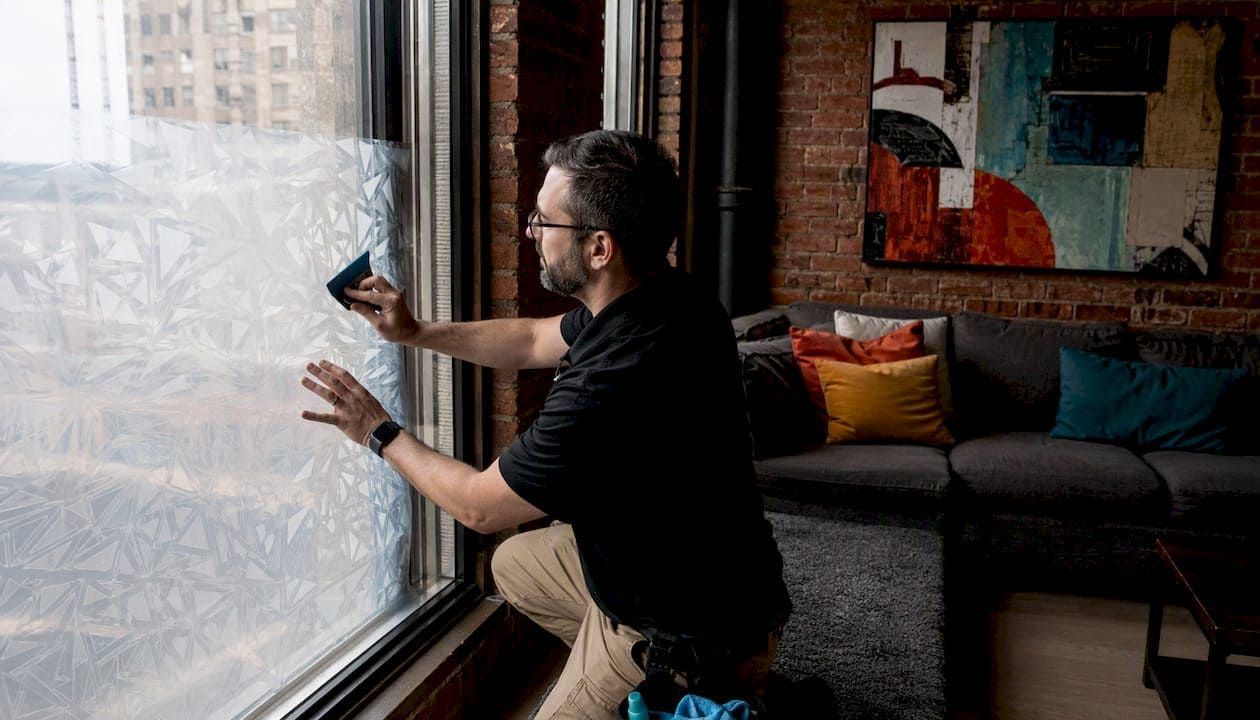
Tinting and decorative privacy films function as design elements in their own right. Frosted, patterned, and colored films create visual interest on glass partitions, storefronts, and residential windows without requiring structural changes. Property managers use them to define zones in open-plan offices or add branding to commercial facades at a fraction of the cost of architectural glass replacement.
Commercial glass upgrades with insulated units and Low-E finishes contribute to higher property valuations and improved brand image. That connection between glass quality and perceived property value is well-established in commercial real estate. Tenants and buyers notice the difference between a building with bright, glare-free interiors and one with harsh, uncontrolled sunlight.
Noise reduction is an often-overlooked benefit of glass enhancement for homes. Laminated and thicker treated glass dampens external noise more effectively than single-pane standard glass. For properties near busy roads, airports, or urban centers, that acoustic improvement directly affects occupant wellbeing and daily comfort.
Pro Tip: When selecting glass enhancement options, balance visible light transmission with solar heat gain coefficient (SHGC). A film that blocks too much light can make interiors feel dark and unwelcoming. Aim for a product that maintains at least 50% visible light transmission while achieving the heat rejection you need. Surfacetint's team can help you find that balance for your specific property.
What should you consider before investing in glass enhancement?
A glass enhancement investment requires planning before installation begins. The right choice depends on your climate, building type, budget, and the specific problems you want to solve. A property in Southern New Hampshire faces very different thermal demands than one in a hot, sunny climate, and the film or coating selection should reflect that.
Follow these steps to evaluate and plan your glass enhancement investment:
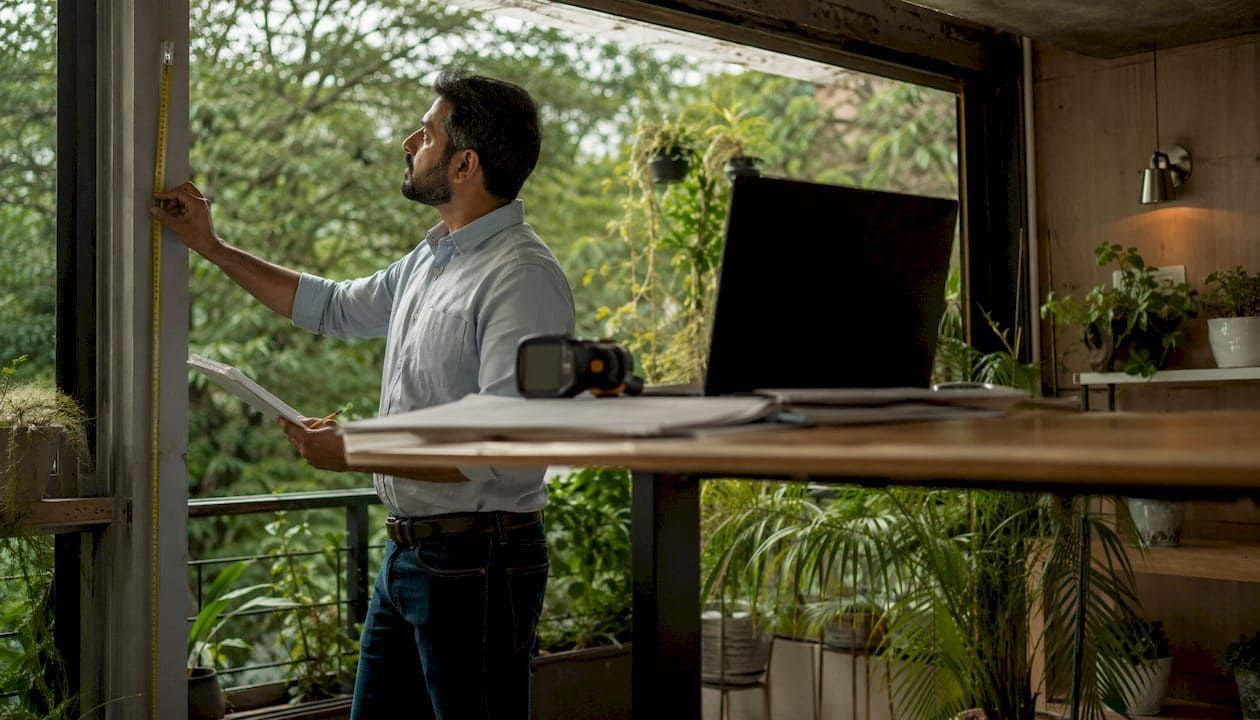
- Audit your current glass performance. Identify which windows cause the most heat gain, glare, or discomfort. Thermal imaging or a professional assessment reveals problem areas that are not obvious to the naked eye.
- Define your primary goal. Energy savings, safety, privacy, and aesthetics each point toward different product categories. Knowing your priority prevents over-spending on features you do not need.
- Match the product to your climate. Solar control films perform best in high-sun environments. Low-E coatings deliver the most value in climates with both hot summers and cold winters.
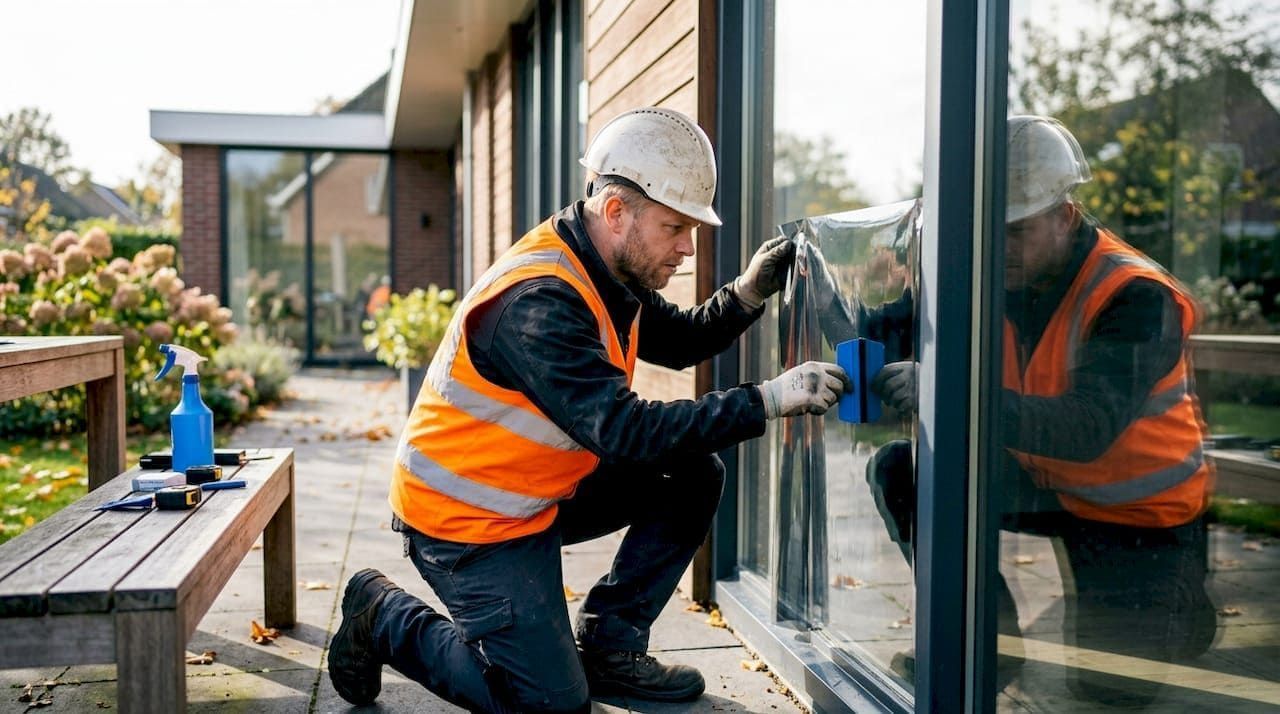
- Verify installation quality standards. Most glass coatings and films last 10–15 years with proper installation and maintenance. Poor installation shortens that lifespan significantly.
- Request a written estimate with product specifications. Confirm the film or coating type, the surface it will be applied to, and the warranty terms before signing anything.
- Calculate your payback period. Use your current energy bills and the projected savings from your installer to estimate how long before the investment pays for itself. Surfacetint offers an energy savings calculator for homeowners to run those numbers before committing.
Professional-grade nano coatings bond microscopically to the glass surface, reducing cleaning frequency and protecting against mineral staining over time. That maintenance benefit compounds over years, reducing both labor and replacement costs. Quality installation is the single factor that determines whether you get the full benefit of the product you paid for.
Key Takeaways
Glass enhancement is a proven investment that delivers measurable returns in energy savings, safety, comfort, and property value across both residential and commercial properties.
| Point | Details |
|---|---|
| Energy savings are substantial | Low-E coatings reduce annual energy consumption by 30–50% with a 3–5 year payback period. |
| Safety improvements are significant | Nanoparticle coatings increase break resistance by up to 222% in high-strength glass types. |
| Aesthetics and comfort both improve | Solar control films reduce glare and heat while maintaining natural light and occupant wellbeing. |
| Installation quality determines results | Correct surface placement and professional installation are required to achieve full thermal and safety benefits. |
| Lifespan justifies the cost | Quality films and coatings last 10–15 years, making the per-year cost of glass enhancement very competitive. |
What I've learned after years of watching glass enhancement projects succeed and fail
The most common mistake property owners make is treating glass enhancement as a commodity purchase. They focus on the lowest price per square foot and ignore the installation detail that determines whether the product actually performs. I have seen Low-E films installed on the wrong glass surface deliver almost no energy benefit, and I have seen security films applied without proper edge sealing fail within two years. The product was fine. The installation was not.
The second mistake is underestimating the comfort benefit. Property owners calculate the energy savings and stop there. But the reduction in glare, the more consistent indoor temperature, and the quieter interior are the changes occupants notice every single day. Those quality-of-life improvements are harder to put a dollar figure on, but they are real, and they affect how people feel about the spaces they live and work in.
The third thing I would tell any property owner is this: the glass enhancement industry is moving fast. Nanoparticle coatings that were laboratory curiosities five years ago are now commercially available. The performance gap between standard glass and enhanced glass will only widen. Investing now means you get the benefit sooner and position your property ahead of the curve when energy codes and building standards tighten further.
If you are managing a commercial portfolio, window enhancements in commercial real estate are increasingly a tenant expectation, not just a landlord preference. Tenants in competitive markets compare buildings on comfort and running costs. Glass enhancement is one of the fastest ways to move your property up that comparison.
Glass enhancement services from Surfacetint
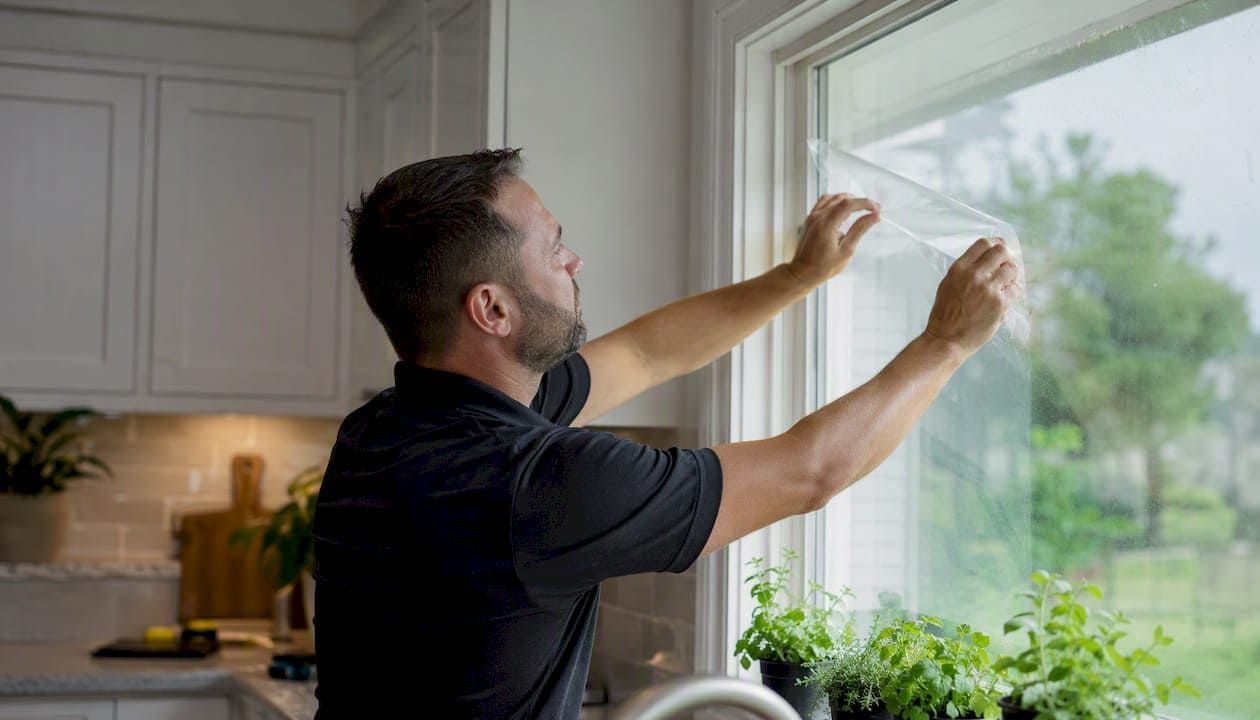
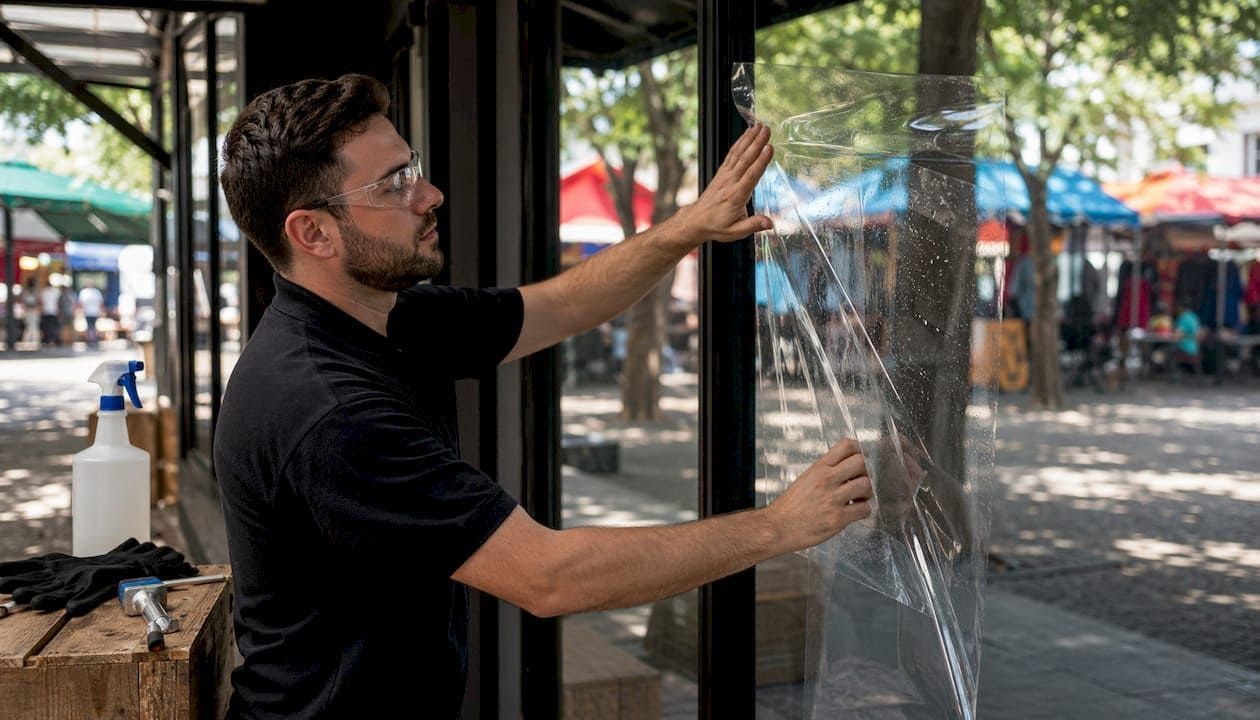
Surfacetint serves homeowners and property managers across Southern New Hampshire and the Greater Boston Area as an exclusive LLumar SelectPro Dealer. The team installs Vista Films across three categories: Solar Control Films for energy savings and glare reduction, Safety and Security Films for shatter resistance and forced entry protection, and Decorative Privacy Films for aesthetics and zoning.
Every project starts with a professional assessment of your property's specific needs. Surfacetint's installers match the right film to your climate, building type, and goals. Whether you manage a commercial building or own a home, you can request a free estimate and get a clear picture of costs, savings, and expected outcomes before any work begins.
FAQ
What is glass enhancement and how does it work?
Glass enhancement refers to coatings, films, and treatments applied to glass surfaces to improve energy performance, safety, and appearance. Technologies like Low-E coatings and nanoparticle films bond to the glass at a microscopic level to reflect heat, block UV rays, and increase impact resistance.
Is glass enhancement worth the investment for homeowners?
Glass enhancement is worth the investment for most homeowners. Low-E glass reduces annual energy costs by 30–50%, and quality films last 10–15 years, making the per-year cost competitive with most home improvement upgrades.
How long do glass enhancement films and coatings last?
Most professionally installed glass coatings and films last 10–15 years with proper maintenance. Lifespan depends heavily on installation quality, product grade, and exposure conditions.
Does glass enhancement improve home security?
Glass enhancement significantly improves home security. Nanoparticle coatings increase break resistance by up to 222% in high-strength glass, and security films hold shattered glass in place to delay forced entry and prevent injury.
Can glass enhancement reduce noise in my home?
Laminated and treated glass reduces external noise more effectively than standard single-pane windows. This benefit is most noticeable in properties near busy roads, airports, or urban centers where ambient noise affects daily comfort.
Recommended