
Glass Safety Standards Explained for Property Owners
TL;DR:
- Glass safety standards set performance requirements to reduce injury risks when glass breaks in buildings. Code mandates safety glazing near doors, floors, showers, and sloped glazing, requiring verified labels and proper glass types like tempered or laminated safety glass. Property owners should actively inspect, verify labels, and consider retrofit solutions like safety film to ensure compliance and safety.
Glass safety standards are defined performance and testing requirements that reduce the risk of injury when glass breaks in residential and commercial buildings. These standards apply to doors, windows, shower enclosures, stairway glazing, and commercial storefronts. The key regulatory frameworks are CPSC federal standard 16 CFR Part 1201, the International Building Code (IBC), and the International Residential Code (IRC). Explaining glass safety standards matters because non-compliant glass can shatter into large, razor-sharp shards that cause severe cutting injuries. Knowing what the rules require helps homeowners, property managers, and business owners make informed decisions about upgrades, inspections, and compliance.

What do glass safety regulations require for hazardous locations?
The IBC and IRC define specific locations where safety glazing is mandatory. These are called hazardous locations, and the rules are more precise than most property owners realize.
The IBC and IRC mandate safety glazing in the following situations:
- Glass within 24 inches of a door edge on either side
- Glazing within 18 inches of the floor near walking surfaces
- Glass within 60 inches of the water's edge in shower and tub enclosures
- Glazing adjacent to stairways and ramps
- Sloped glazing installed at less than 75 degrees from horizontal, which must be laminated
These proximity rules apply regardless of whether the glass is in a door or a fixed window panel. A narrow sidelight next to your front door triggers the same requirement as the door itself. That surprises many property owners who assume only doors need safety glass.
Glass outside these defined hazardous locations is not subject to the same strict requirements. Standard annealed glass remains acceptable in low-risk positions such as high fixed windows well above floor level. The code draws a clear line based on location and proximity, not glass size alone.
Federal standard 16 CFR Part 1201 governs product testing and labeling for all architectural safety glazing sold in the United States. Category I covers doors with glazing panels under 9 square feet. Category II applies to larger panels and enclosures, requiring more stringent impact testing. Both categories require permanent labeling before the glass can legally be installed in a hazardous location.
Tempered vs. laminated glass: what is the difference?
Both tempered and laminated glass qualify as safety glazing, but they perform very differently. Choosing the wrong type for a specific application creates both safety and compliance problems.
How tempered glass works
Tempered glass gains its strength through a rapid heating and cooling process. Thermal tempering creates compressive stress of roughly 60–150 MPa on the glass surface, making it four to five times stronger than standard annealed glass. When tempered glass breaks, it fragments into small, blunt granular pieces rather than large jagged shards. That fragmentation pattern is the core safety benefit and the reason building codes accept it for hazardous locations.
Tempered glass is the most common choice for shower enclosures, entry door sidelights, and low windows. It is cost-effective and widely available. The trade-off is that once broken, the entire pane collapses. Nothing holds the fragments in place.
How laminated glass works
Laminated glass bonds two or more glass layers around a plastic interlayer, typically polyvinyl butyral (PVB). Laminated glass holds shards in place after breakage, maintaining a barrier even when the glass is cracked. That property makes it the required choice for overhead glazing, skylights, and sloped installations where falling glass poses a direct hazard.
Laminated glass also reduces sound transmission and resists forced entry better than tempered glass. Those benefits make it the preferred choice for commercial storefronts, schools, and high-security applications. The cost reflects those advantages: laminated glass runs 25 to 60 percent more expensive than tempered glass. For more detail on how laminated glass is constructed and where it applies, Surfacetint covers the topic in depth on glass lamination explained.
| Feature | Tempered glass | Laminated glass |
|---|---|---|
| Breakage pattern | Small granular pieces | Shards held by interlayer |
| Overhead use | Not recommended | Required by code |
| Forced entry resistance | Low | High |
| Sound reduction | Minimal | Significant |
| Relative cost | Baseline | 25–60% higher |
| Common applications | Showers, doors, low windows | Skylights, storefronts, security |
Pro Tip: Never assume that "tempered" automatically means "safety glazing." A pane must pass impact and fragmentation tests and carry permanent labeling to legally qualify as safety glazing under 16 CFR Part 1201.
How is compliance with glass safety standards verified and labeled?
Verification is straightforward once you know what to look for. Compliant safety glass carries a permanent mark, either etched or printed, that cannot be removed without damaging the glass.
The key compliance steps are:
- Check for a permanent label. Safety glass must be permanently marked with a compliance logo or etching indicating the standard it was tested to. No mark means no verified compliance.
- Confirm the applicable standard. In the United States, look for references to CPSC 16 CFR Part 1201 or ANSI Z97.1. Both are accepted under model building codes.
- Identify the category. The label will indicate Category I or Category II. Category II is required for larger panels and enclosures.
- Verify the glass type. The label identifies whether the glass is tempered, laminated, or another approved type.
- Check for heat-soak treatment on overhead glass. Heat-soaked tempered glass (ESG-H) undergoes additional heating at 290 ± 10°C for approximately two hours to force any defective panes to fail before installation. This eliminates the risk of spontaneous breakage from nickel sulfide inclusions.
The most common compliance mistake is installing unlabeled glass in a hazardous location. Tempered glass purchased without verified labeling does not meet the legal definition of safety glazing, regardless of how it was manufactured. Always request documentation and inspect the label before installation is complete.
Safety glazing performance depends on more than breakage behavior. Testing also covers tensile strength, optical quality, and scratch resistance to confirm overall reliability for architectural use. A glass pane that passes fragmentation tests but fails optical or structural criteria does not qualify as compliant safety glazing.
Experts recommend heat-soaked and laminated glass in public and high-traffic spaces to reduce the rare but dangerous risk of spontaneous failure from manufacturing defects. For commercial property managers, that recommendation carries real liability weight.
How can property owners ensure glass safety compliance?
Practical compliance starts with a systematic inspection of your property. Most violations are discovered only after an injury or during a building permit inspection.
Follow these steps to assess and improve your glass installations:
- Walk every hazardous location. Check all glass within 24 inches of door edges, within 18 inches of the floor, and all shower and tub enclosures. Hazardous location rules apply based on exact dimensions, not general proximity.
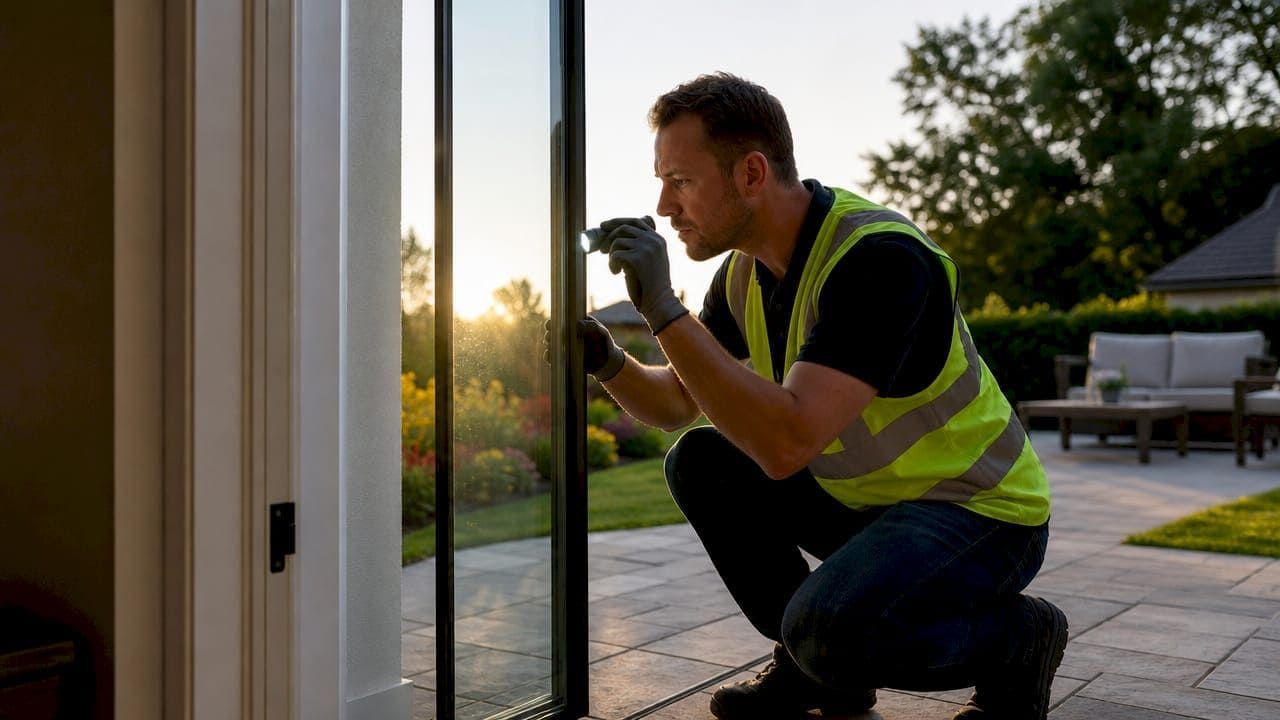
- Look for compliance labels. Inspect each pane for a permanent etching or ink mark. If no label is visible, treat the glass as non-compliant until verified otherwise.
- Replace annealed glass in hazardous locations. Standard float glass has no safety rating. Replacing it with labeled tempered or laminated glass is the only path to compliance. Surfacetint covers the practical case for upgrading your window glass in detail.
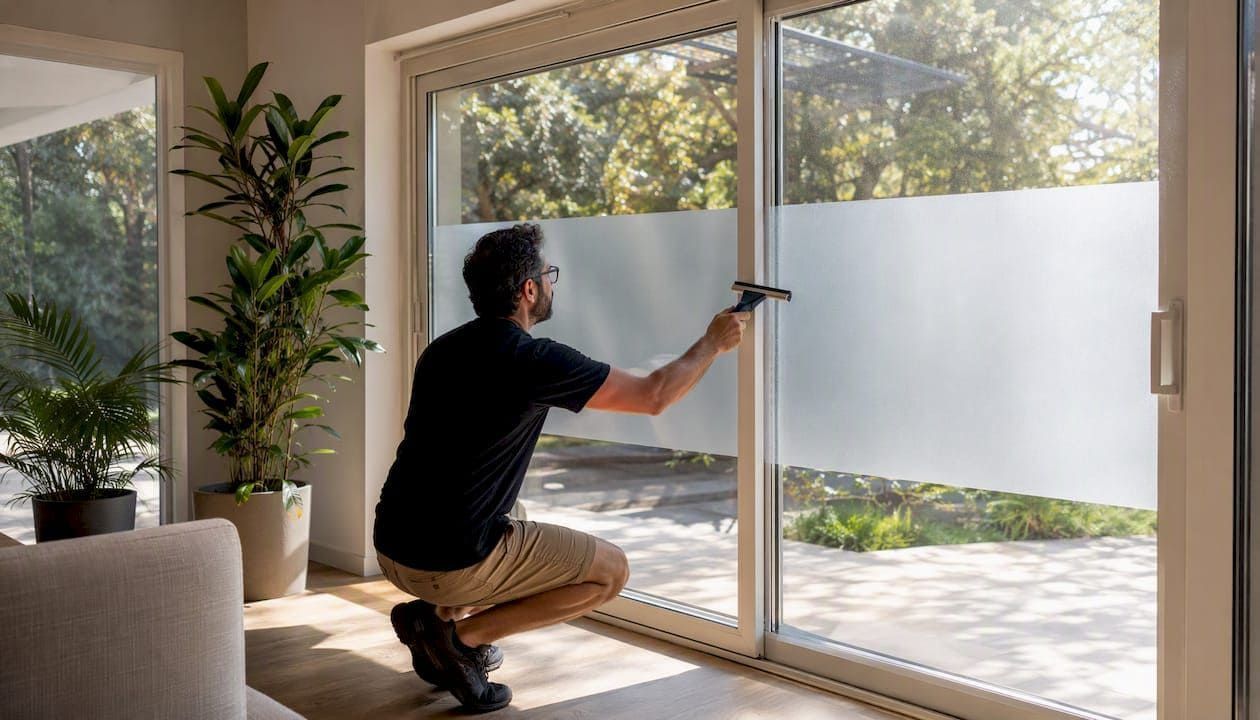
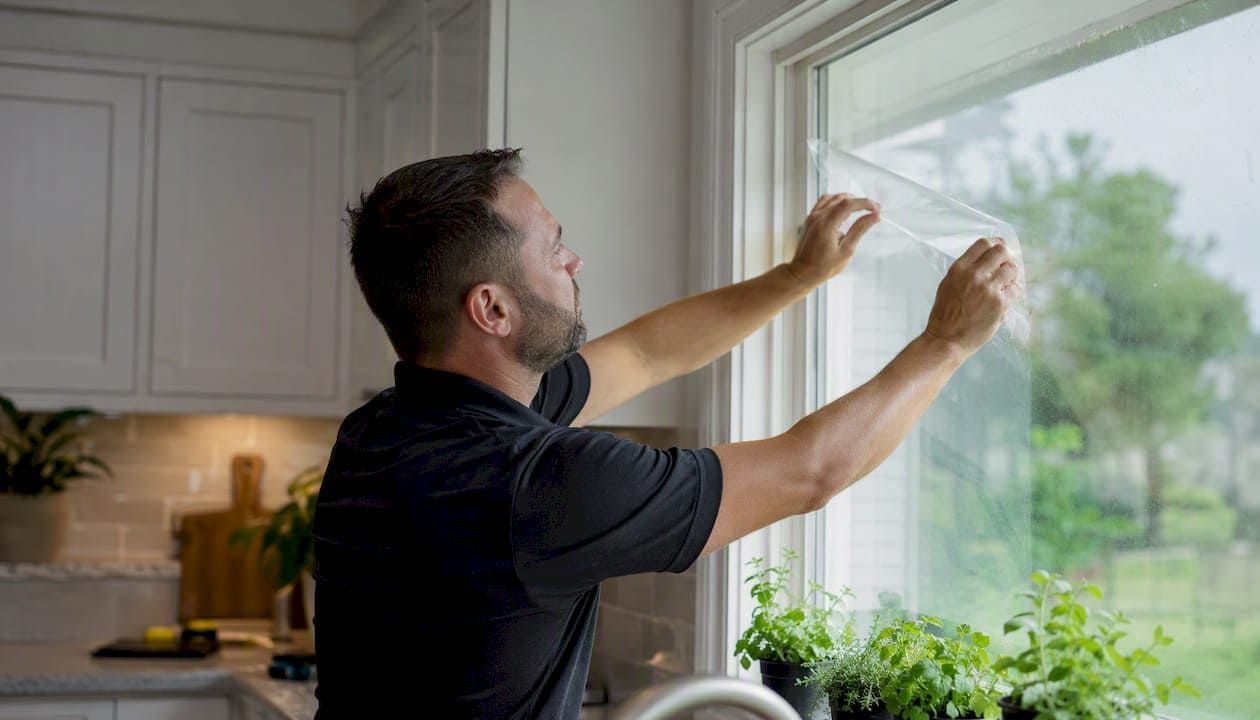
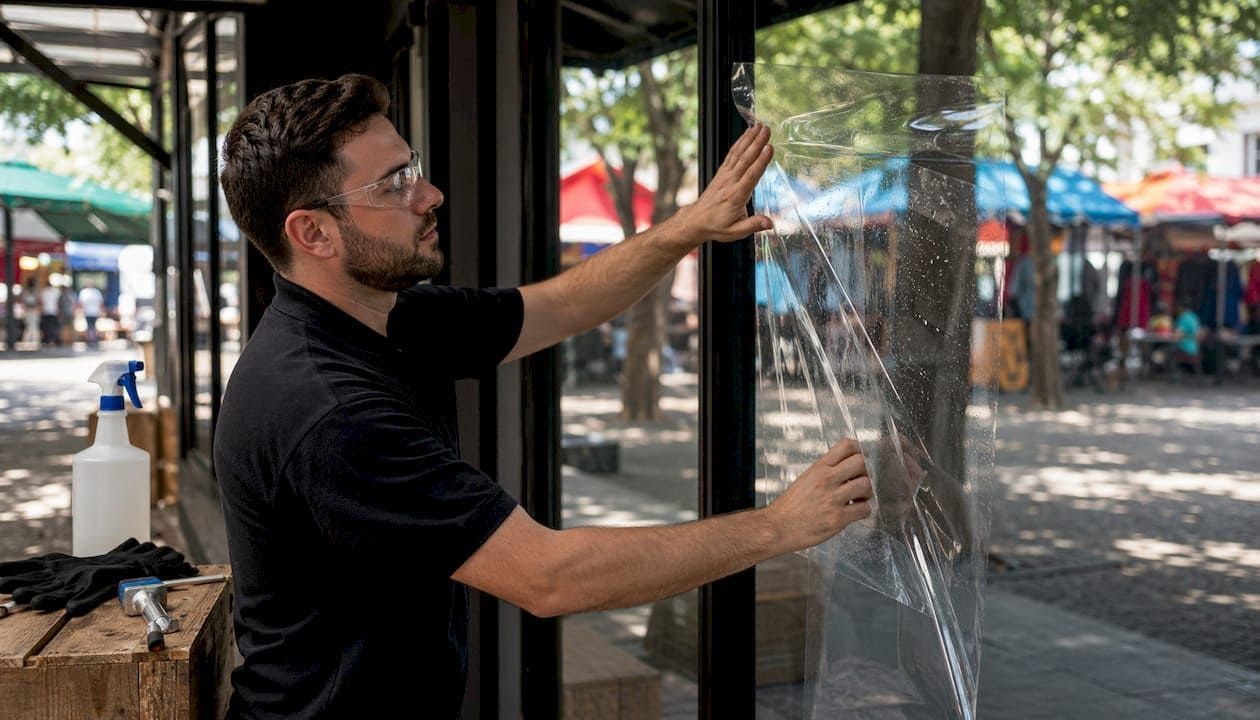
- Consider safety window film as a retrofit solution. For existing glass that cannot be immediately replaced, safety window film holds shattered fragments in place, reducing injury risk. Film does not make non-safety glass code-compliant, but it significantly reduces hazard while a full replacement is planned.
- Schedule a professional inspection. A licensed glazier or building inspector can confirm compliance based on current IBC and IRC requirements. This is especially important before a property sale or renovation permit.
Pro Tip: When managing a commercial property, document every glass inspection with photos of compliance labels. That record protects you during code enforcement reviews and insurance claims.
The Consumer Product Safety Commission mandated 16 CFR 1201 in 1977, establishing national testing and labeling standards driven by injury data. Nearly five decades of refinement have made these standards more specific and more demanding. Staying current with IBC and IRC updates is part of responsible property management.
Key Takeaways
Glass safety compliance requires verified labeling, correct glass type selection, and location-specific installation based on IBC, IRC, and CPSC 16 CFR Part 1201 requirements.
| Point | Details |
|---|---|
| Hazardous locations are code-defined | Safety glazing is required within 24 inches of door edges, 18 inches of floors, and all wet enclosures. |
| Labels confirm compliance | Only permanently marked glass meeting 16 CFR Part 1201 or ANSI Z97.1 legally qualifies as safety glazing. |
| Tempered and laminated serve different uses | Tempered suits doors and showers; laminated is required for overhead, sloped, and high-security applications. |
| Heat-soaked glass reduces failure risk | ESG-H treatment eliminates spontaneous breakage risk from nickel sulfide inclusions in overhead glazing. |
| Safety film is a valid interim retrofit | Window film holds fragments in place and reduces injury risk while full glass replacement is scheduled. |
What I've learned from years of watching compliance gaps cost property owners
Glass safety codes have tightened steadily since the CPSC first mandated 16 CFR 1201 in 1977. That progression reflects real injury data, not bureaucratic caution. What strikes me most is how often property owners discover non-compliant glass only when something goes wrong, whether that is a broken shower door, a failed permit inspection, or an insurance dispute after an incident.
The most persistent gap I see is the assumption that "tempered" equals "safe and compliant." It does not. A pane must carry a permanent label referencing the applicable standard. Without that label, you have no verified compliance, regardless of what the glass looks like or what the installer told you.
My honest advice: do not wait for a code inspection to audit your glazing. Walk your property with a tape measure and check every pane near a door, near the floor, and in every wet area. The 24-inch and 18-inch rules catch more glass than most owners expect. When replacement is not immediately feasible, safety window film is a practical interim measure that meaningfully reduces injury risk. It is not a code substitute, but it is far better than leaving annealed glass in a hazardous location.
The property managers I respect most treat glass compliance the same way they treat fire safety: proactively, with documentation, and with qualified professionals doing the verification. That approach protects occupants and protects you.
How Surfacetint helps you strengthen glass safety at your property
Glass safety compliance does not always require full glass replacement. Safety and security window films offer a practical way to reinforce existing glass, hold fragments in place after breakage, and reduce injury risk across residential and commercial properties.
Surfacetint installs LLumar Vista safety and security films for homeowners, property managers, and business owners throughout Southern New Hampshire and the Greater Boston Area. These films bond to existing glass and keep shattered pieces contained, reducing the hazard of broken glass in doors, sidelights, storefronts, and shower enclosures. Surfacetint also provides UV protection and privacy options in the same installation. Learn more about residential safety film options or request a free estimate to find the right solution for your property.
FAQ
What is safety glazing?
Safety glazing is glass that has passed mandated impact and fragmentation tests and carries permanent labeling per CPSC 16 CFR Part 1201 or ANSI Z97.1. Both tempered and laminated glass qualify, but only after verified testing and labeling.
Where is safety glass required by building code?
The IBC and IRC require safety glass within 24 inches of door edges, within 18 inches of the floor near walking surfaces, in all shower and tub enclosures, and in sloped glazing under 75 degrees. These rules apply to both windows and door panels.
Is tempered glass the same as safety glass?
Tempered glass is not automatically safety glass. It must pass impact and fragmentation tests and carry a permanent compliance label to legally qualify as safety glazing under building codes.
What is heat-soaked tempered glass and when is it needed?
Heat-soaked tempered glass (ESG-H) undergoes additional heating at 290 ± 10°C for approximately two hours to eliminate spontaneous breakage risk from nickel sulfide inclusions. It is recommended for overhead glazing, skylights, and high-traffic public spaces.
Can safety window film replace safety glass for code compliance?
Safety window film does not substitute for code-required safety glazing. Film holds shattered fragments in place and reduces injury risk, making it a useful interim measure, but full replacement with labeled tempered or laminated glass is required for code compliance in hazardous locations.
Recommended