
Explaining Glass Retrofitting: A Complete Property Guide
TL;DR:
- Glass retrofitting involves replacing the glass inside existing window frames to improve energy efficiency while preserving the original frames. The success depends mainly on the frame's condition and proper installation practices, with retrofit units offering a quicker, less disruptive alternative to full-frame replacement. It is most suitable when frames are intact, and budget or historic preservation matters; otherwise, full replacement may be necessary for damaged or warped frames.
Glass retrofitting is defined as replacing the glass unit inside an existing window frame without removing the frame itself. The industry term for this process is "insert replacement" or "pocket replacement," and it sits at the center of most modern window upgrade decisions. Homeowners and property managers choose this approach to improve energy efficiency, safety, and aesthetics while keeping original frames and trim intact. Understanding the glass retrofitting process fully, before you commit to a contractor or a budget, is the difference between a project that pays off and one that creates new problems.

What is the glass retrofitting process and how is it done?
Glass retrofitting replaces old single-pane or failed double-pane glass with modern insulated glass units (IGUs) nested inside the original frame. The process is methodical, and skipping any step creates problems that show up months later as condensation, drafts, or seal failure.
Step 1: Frame assessment. A professional checks the frame for structural integrity, sash twist, rot, and rebate depth. The success of a retrofit depends 80% on the existing frame's structural capacity and only 20% on the glass itself. That ratio should reset your expectations about what glass alone can fix.
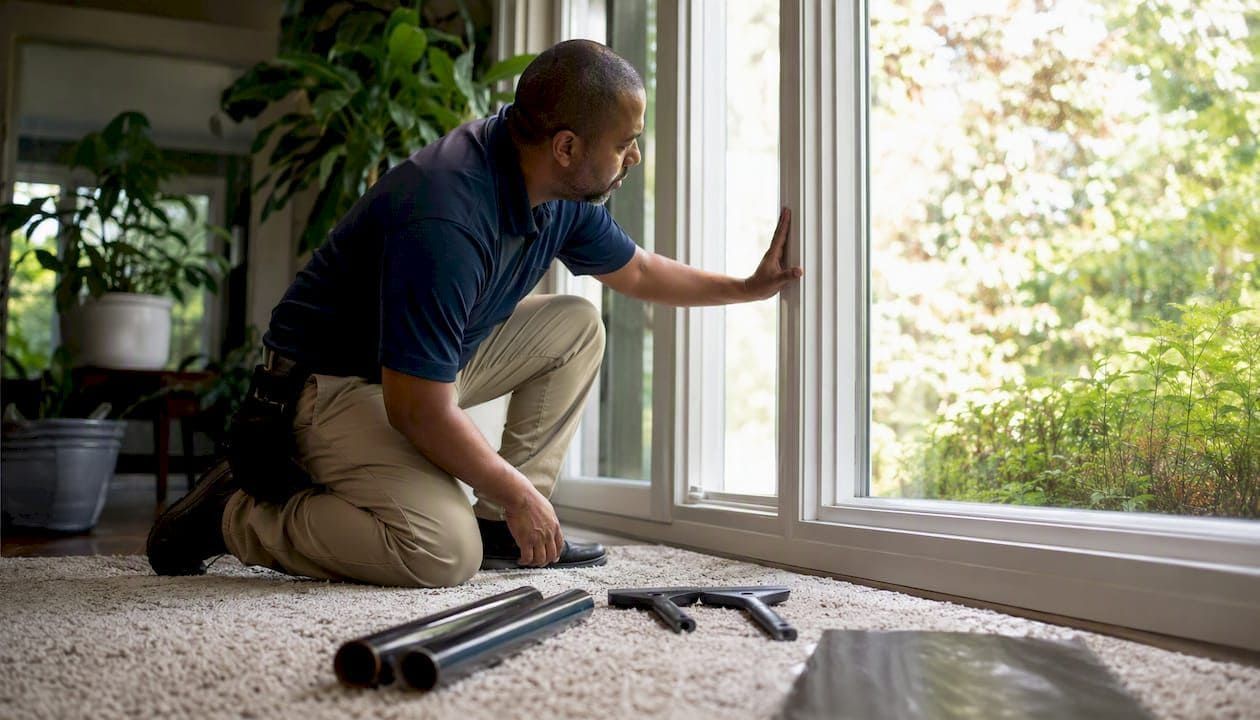
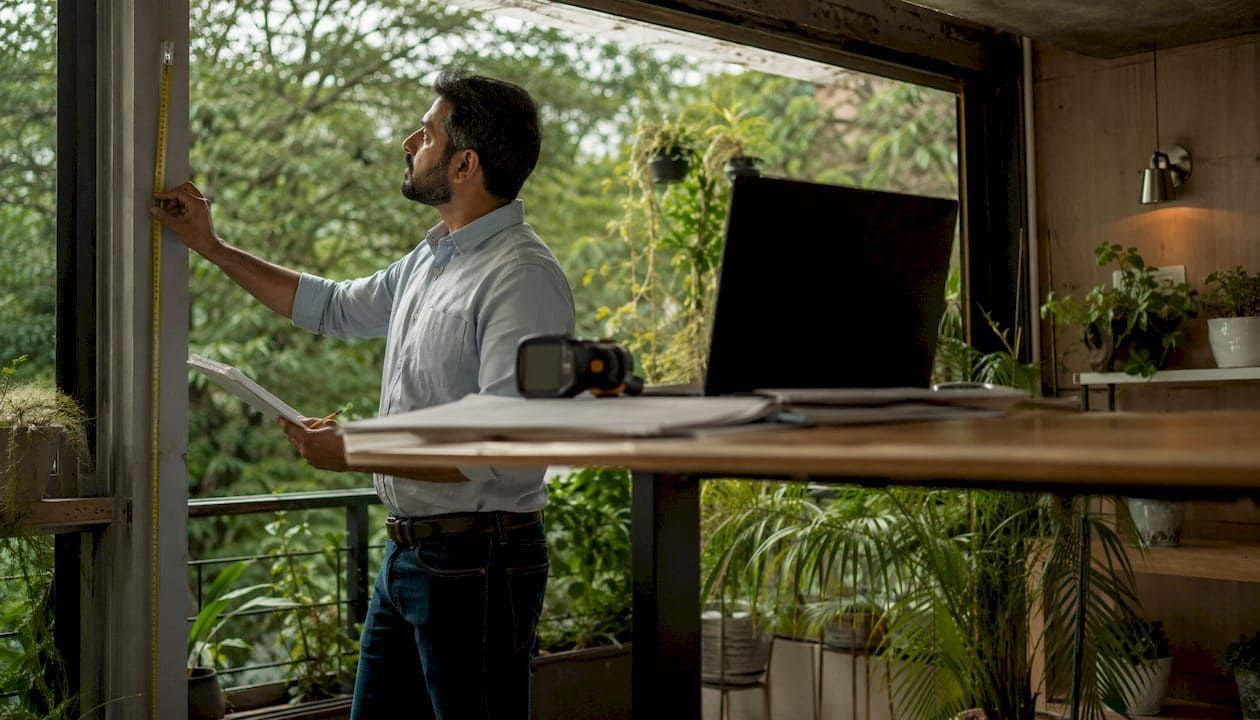
Step 2: Measuring the window recess. The installer measures the rebate depth precisely. Standard double glazing requires at least 18 mm of rebate depth, while triple glazing needs about 24 mm. Older frames often fall short and require thinner units or stepped spacers.
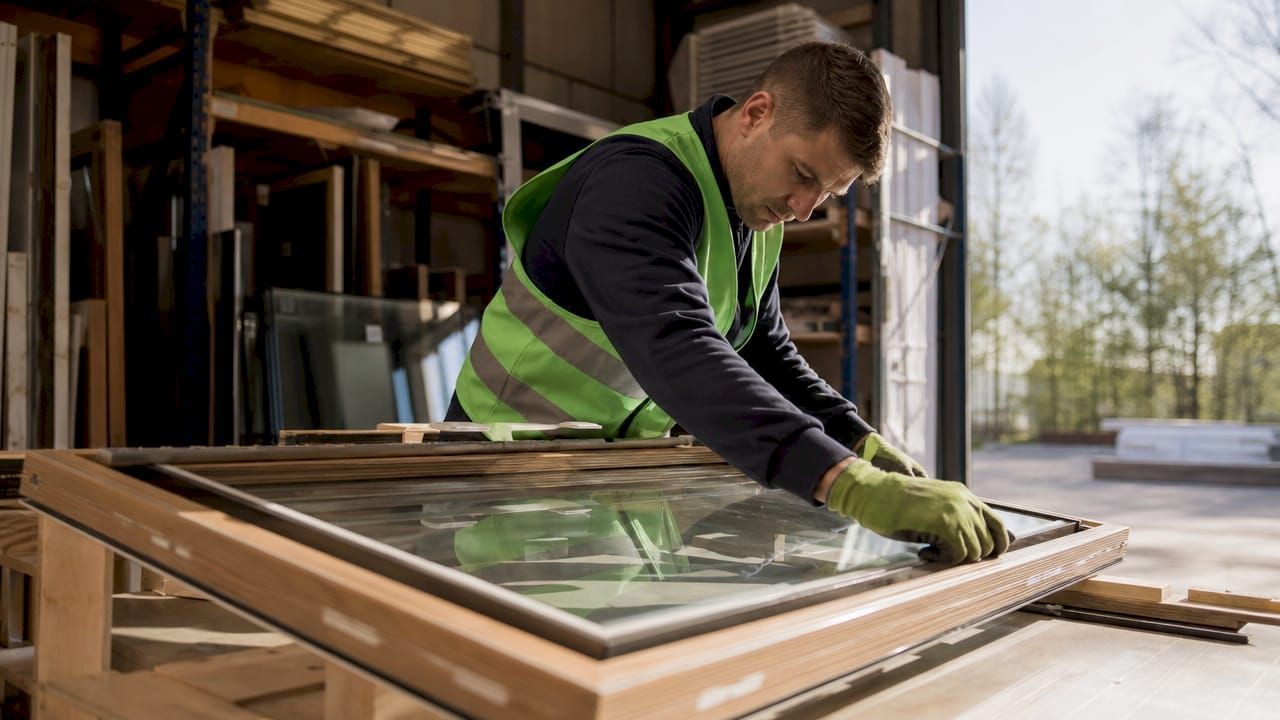
Step 3: Removing the old glass. The glazier removes the existing pane, clears old putty or glazing tape, and inspects the rebate for damage. Any rot or warping found at this stage changes the scope of the project.
Step 4: Installing the new IGU. The new sealed unit is set into the frame with appropriate packers, sealed with glazing tape or silicone, and secured with beading. Installation takes 30–60 minutes per window. A typical 12-window home requires 1–2 days of labor, with a 5–8 week lead time from contract to final inspection.
Step 5: Drainage and hardware check. Frames must handle the deeper profile of a new IGU. Proper water drainage prevents seal failure, rot, and condensation. Hardware capacity also matters since heavier IGUs can overstress older sash mechanisms.
Pro Tip: Ask your installer to show you the rebate depth measurement before any glass is ordered. If the frame cannot accommodate a standard IGU without modification, you need to know that before the lead time clock starts.
How does glass retrofitting compare to full-frame window replacement?
The choice between retrofitting and full-frame replacement comes down to frame condition, budget, and how much disruption you can tolerate. Neither option is universally better.
Cost and installation time
Retrofit installation takes 30–60 minutes per window. Full-frame replacement takes 2–3 hours per window. That time difference translates directly into labor costs and days of disruption to your home or business.
Glass area and light
Retrofit units nest inside the existing frame, which reduces the visible glass area by roughly 1–2 inches around the perimeter. Full-frame replacement restores the full glass opening. For rooms where natural light is a priority, that difference is worth factoring into your decision.
When to choose retrofitting
- Your frames are structurally sound, level, plumb, and square
- You want to preserve original trim or architectural details
- The property sits in a historic district or conservation area
- Budget is a primary constraint
- You need minimal disruption to occupants or tenants
When to choose full-frame replacement
- Frames show rot, warping, or significant air infiltration around the frame itself
- You want maximum glass area and natural light
- The existing frames are aluminum or vinyl with failed thermal breaks
- You are doing a full renovation and disruption is already expected
The thermal performance gap between the two methods is smaller than most people expect. A well-executed retrofit with a quality IGU delivers comparable insulation to a new full-frame window, provided the frame seals correctly. The weak point is always the frame-to-wall junction, which full-frame replacement addresses and retrofitting does not.
What are common glass retrofit techniques and types of glazing used?
Glass retrofit techniques fall into two main categories: insert replacement and secondary glazing. Each serves a different situation, and the right choice depends on your frame type, energy goals, and whether the property has heritage restrictions.
Insert replacement (pocket replacement)
Insert replacement removes the existing glass and installs a new sealed double or triple glazed IGU directly into the original frame. Modern IGUs use low-emissivity (low-E) coatings on the inner pane surface to reflect heat back into the room. Many units also use argon or krypton gas fills between the panes to slow heat transfer. These two features together push U-values down to 1.6–2.0 W/m²K for double glazing, compared to roughly 5.0 W/m²K for single pane glass.
Secondary glazing
Secondary glazing adds a second independent pane inside the existing window rather than replacing the original glass. This technique is the preferred solution for listed buildings and conservation areas because it leaves the original window completely untouched. Secondary glazing cuts heat loss by 50–60% while preserving historic window frames. It also reduces noise by up to 40 dB, which makes it a strong choice for properties near roads, rail lines, or airports.
Pro Tip: Secondary glazing works best when the gap between the original pane and the new inner pane is at least 100 mm. A wider air gap improves both thermal and acoustic performance significantly.
- Low-E coatings reduce radiant heat transfer without affecting visible light transmission
- Argon gas fills are standard; krypton fills offer better performance in thinner units
- Laminated safety glass can be specified within an IGU for added security
- Toughened glass meets building code requirements for doors and low-level glazing
- Obscure or patterned glass options are available for privacy without sacrificing light
Choosing the right IGU thickness and coating type depends on climate, building orientation, and occupant needs, not just what physically fits in the frame. A south-facing commercial facade in a hot climate needs a different solar control specification than a north-facing bedroom window in New Hampshire.
What are the key benefits and limitations of glass retrofitting?
Glass retrofitting delivers real, measurable improvements to energy performance, comfort, and safety. It also carries limitations that matter if your frames are not in good condition.
Core benefits
- Energy savings: Secondary glazing annual heating savings run approximately £100–£200, with payback periods of 6–14 years. Insert replacement with modern IGUs delivers comparable results.
- Noise reduction: Secondary glazing reduces external noise by up to 40 dB. That is the difference between hearing traffic clearly and hearing it as a faint background hum.
- Reduced disruption: Retrofit work stays inside the room. No scaffolding, no exterior work, and no damage to interior walls or exterior cladding.
- Preserved aesthetics: Original trim stays intact with insert replacement. The window looks the same from outside, which matters for curb appeal and planning compliance.
- UV protection: Modern IGUs with low-E coatings block a significant portion of ultraviolet radiation, reducing fading of furnishings, flooring, and artwork.
Limitations to know before you commit
- Retrofitting cannot fix a frame that is rotted, twisted, or structurally compromised. A bad frame produces a bad result regardless of glass quality.
- Frames must be level, plumb, and square for warranty coverage to apply. Field tolerance issues like twisted sashes are a common cause of retrofit failures.
- The glass area shrinks slightly with insert replacement, which affects rooms where light is critical.
- Older frames may not have adequate rebate depth for standard IGUs, adding cost for custom sizing or frame modification.
- Warranties on sealed units typically run 5–10 years. Frame condition at installation affects whether those warranties hold.
Pairing a retrofit with complementary upgrades, such as energy-efficient window treatments, extends the performance gains beyond what glass alone can achieve.
How to prepare and decide if glass retrofitting is right for your property
A thorough assessment before you call a contractor saves money and prevents surprises. Work through this checklist systematically.
- Inspect every frame. Look for rot, soft spots, paint failure, and gaps between the frame and the wall. Press firmly on the corners of each sash. Any flex or movement signals structural weakness.
- Check the rebate depth. Use a tape measure to confirm the depth of the groove that holds the glass. Standard double glazing needs 18 mm minimum. If your frames fall short, ask whether stepped spacers or frame modification are viable options.
- Test the hardware. Open and close every window. Sashes that stick, drop, or fail to latch indicate hardware wear. Heavier IGUs will worsen existing hardware problems, so factor in hardware replacement costs.
- Assess the frame material. Timber frames in good condition are ideal candidates. Aluminum frames with failed thermal breaks and vinyl frames with warped profiles are harder to retrofit successfully.
- Request a professional survey. A qualified glazier measures each opening individually. Off-the-shelf IGU sizes rarely match older frames exactly, and custom units add lead time.
- Set a realistic budget. Costs vary by frame condition, glass specification, and location. Get at least three quotes and confirm whether each quote includes frame modification, hardware replacement, and disposal of old glass.
- Check planning restrictions. Properties in historic districts or conservation areas may require secondary glazing rather than insert replacement. Confirm requirements with your local planning authority before ordering glass.
- Coordinate with other upgrades. Retrofitting glass while also upgrading insulation or HVAC systems produces compounding energy savings. Sequencing matters: air seal the building envelope first, then upgrade the glass.
Reviewing reasons to upgrade window glass before your survey gives you a clearer picture of what performance improvements are realistic for your specific property type.
Key takeaways
Glass retrofitting succeeds when frame condition is sound, rebate depth is adequate, and installation follows proper drainage and sealing standards.
| Point | Details |
|---|---|
| Frame condition drives outcomes | 80% of retrofit success depends on the existing frame, not the glass unit. |
| Rebate depth is a hard limit | Standard double glazing needs at least 18 mm; triple glazing needs about 24 mm. |
| Secondary glazing suits heritage properties | It cuts heat loss by 50–60% without altering the original window's appearance. |
| Retrofit is faster and less disruptive | Insert replacement takes 30–60 minutes per window versus 2–3 hours for full-frame replacement. |
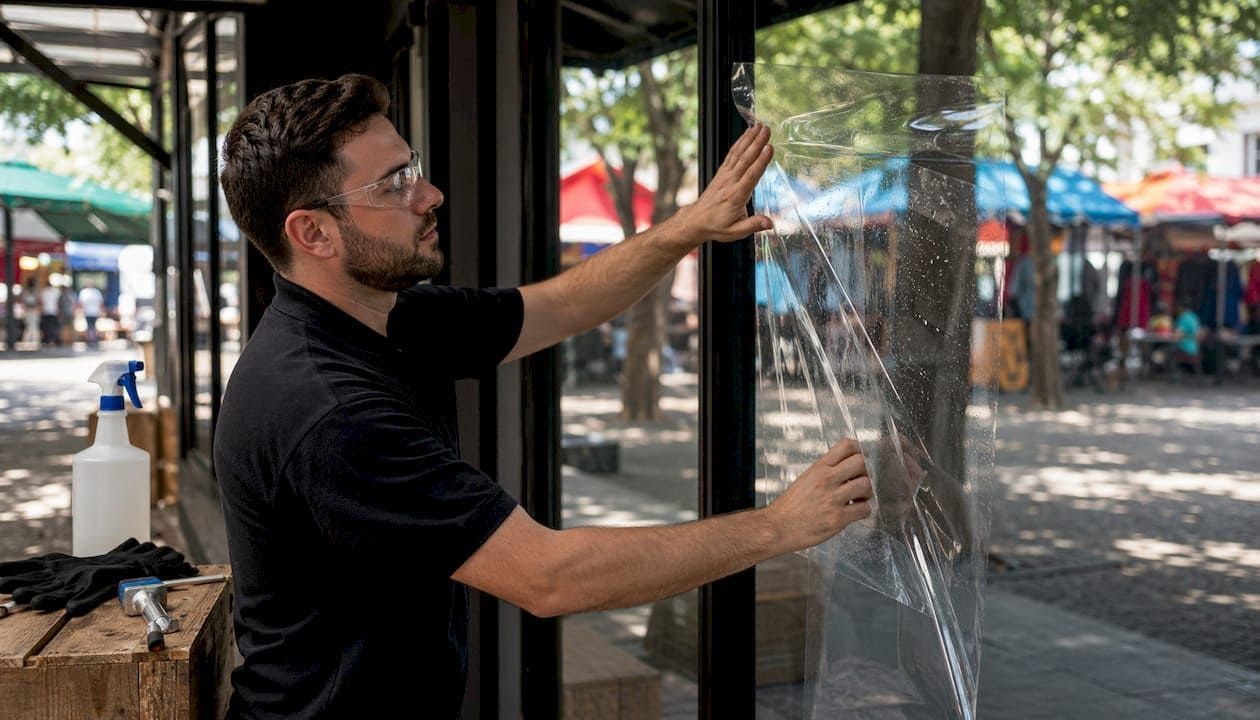
| Complement glass with film | Adding solar control or safety window film after retrofitting extends energy and security gains. |
What I've learned from watching glass retrofits go wrong
Cee here. After years of working with homeowners and property managers on window performance upgrades, the pattern I see most often is this: people spend weeks researching glass specifications and almost no time assessing their frames. They pick the best IGU on the market, order it to spec, and then discover on installation day that the sash is twisted or the rebate is 14 mm deep. The project stalls, costs climb, and the homeowner blames the glass.
The glass is never the problem. The frame is always the problem. That insight from the industry, that frame capacity accounts for 80% of retrofit success, should be the first thing you read before you do anything else.
The second thing I see go wrong is drainage. Installers who work quickly skip the drainage check. Water sits in the rebate, the seal fails within two years, and the homeowner gets condensation between the panes. That is a warranty claim at best and a rotted frame at worst. Ask your installer specifically how they handle drainage before you sign anything.
My honest advice: treat the frame survey as the most important part of the project. If a contractor skips it or rushes it, find a different contractor. The glass is the easy part.
Window film: the next step after a glass retrofit
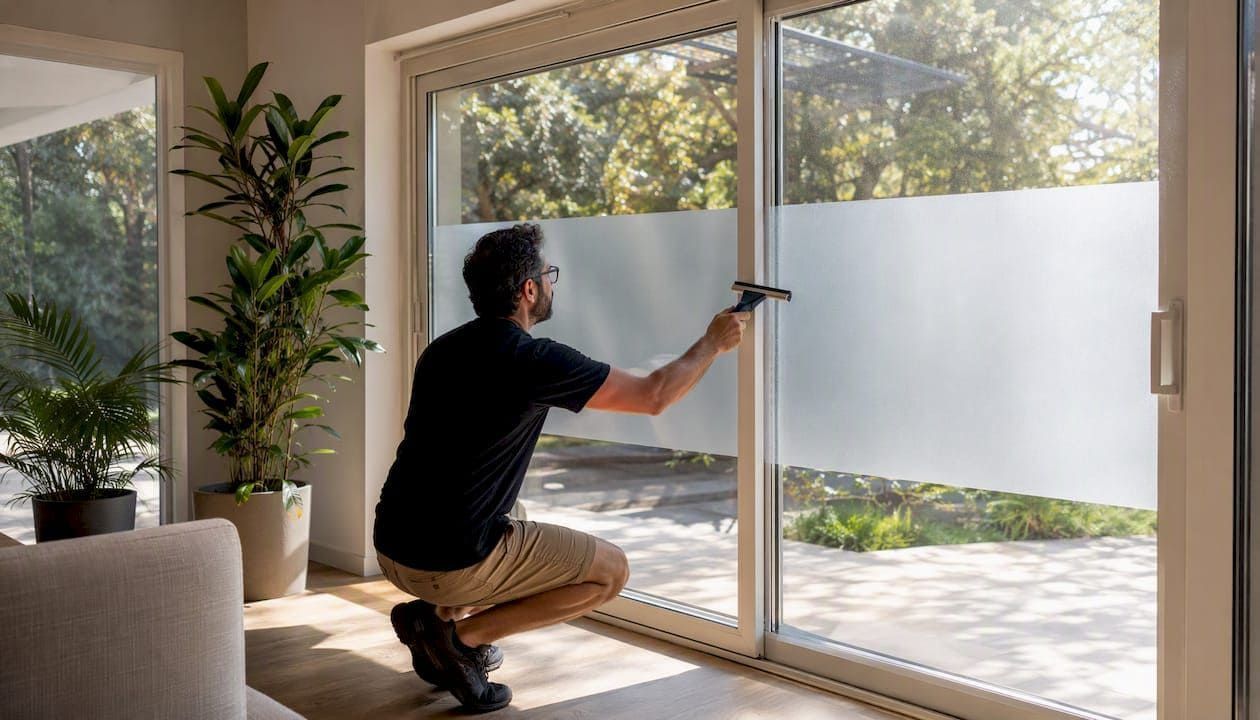
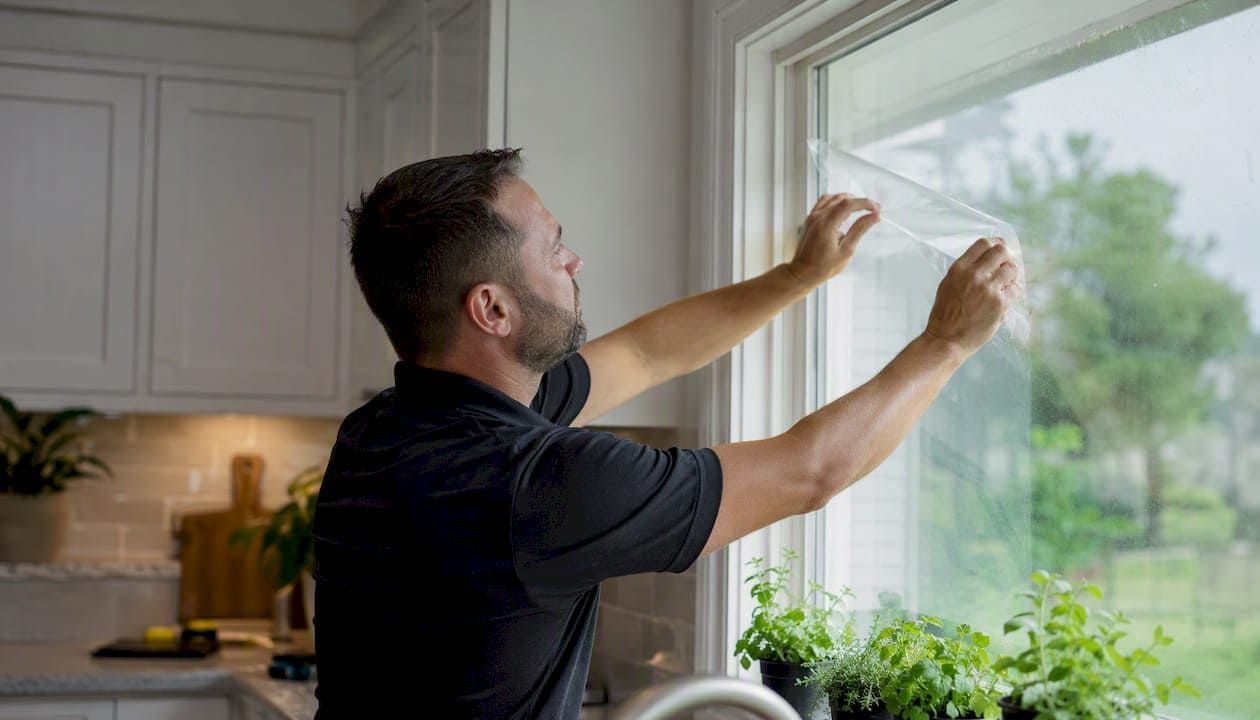
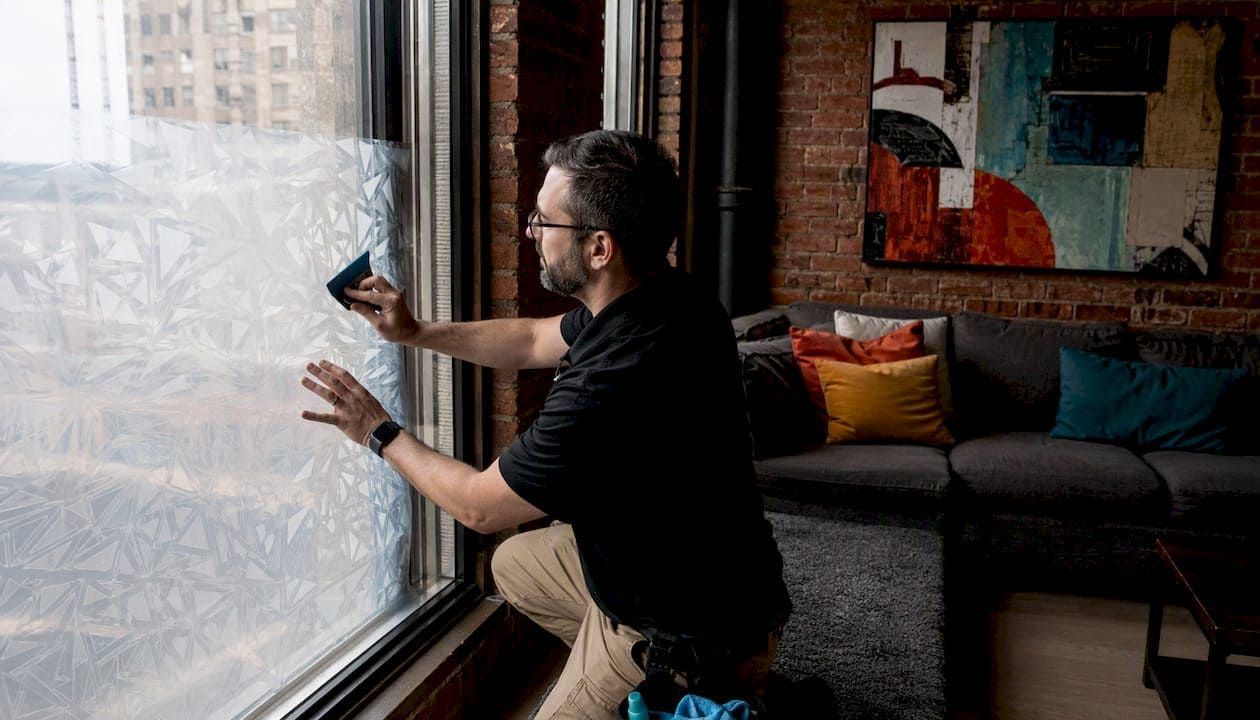
Glass retrofitting upgrades your insulation and structure. Window film takes that performance further by adding solar control, UV blocking, and safety benefits to the glass you just installed.
Surfacetint installs LLumar Vista Films on residential and commercial properties across Southern New Hampshire and the Greater Boston Area. Solar control films reduce heat gain and glare without changing your view. Safety and security films hold shattered glass in place, which matters especially for ground-floor commercial glazing. You can see exactly how different films look on your windows before committing, using the residential film viewer tool or the commercial film viewer. For properties where security is the priority, Surfacetint's home safety window film installation adds a layer of protection that glass alone cannot provide.
FAQ
What is glass retrofitting in simple terms?
Glass retrofitting replaces the glass pane inside an existing window frame without removing the frame itself. The original frame, trim, and hardware stay in place while the old glass is swapped for a modern insulated glass unit.
How long does a glass retrofit take per window?
Insert replacement takes 30–60 minutes per window. A full 12-window home typically requires 1–2 days of labor, with a 5–8 week lead time from contract signing to final inspection.
Can any window frame be retrofitted?
No. Frames must be structurally sound, level, plumb, and square for a retrofit to succeed and for warranty coverage to apply. Rotted, twisted, or severely warped frames require repair or full replacement before retrofitting is viable.
What is the difference between insert replacement and secondary glazing?
Insert replacement removes the existing glass and installs a new IGU directly in the original frame. Secondary glazing adds a second independent pane inside the room without touching the original window, making it the preferred option for historic or conservation-area properties.
Does glass retrofitting improve soundproofing?
Secondary glazing reduces external noise by up to 40 dB, which is a significant acoustic improvement. Insert replacement with standard double glazing also reduces noise, though the improvement is smaller than secondary glazing with a wide air gap.
Recommended