
Explaining Solar Heat Rejection for Homes and Buildings
TL;DR:
- Window films reject heat by blocking infrared, visible light, and UV rays to reduce indoor temperatures. The most accurate performance metrics are TSER and SHGC, which measure total solar energy rejected and heat passing through windows. Choosing films based on these numbers ensures better cooling, interior protection, and energy savings.
Solar heat rejection is the process by which window films block or reflect infrared radiation, visible light, and ultraviolet rays to reduce the amount of heat entering a building. The industry standard term for this capability is solar control , measured through metrics like Total Solar Energy Rejected (TSER) and Solar Heat Gain Coefficient (SHGC). Explaining solar heat rejection matters because most homeowners and property managers choose films based on appearance alone, which leads to poor results. Understanding what the numbers actually mean is the only way to pick a film that genuinely lowers indoor temperatures, cuts cooling costs, and protects your interior.

What does solar heat rejection actually target?
Solar energy at windows splits into three components: infrared radiation at roughly 53%, visible light at roughly 44%, and ultraviolet rays at roughly 3%. Each component contributes to heat gain and interior damage in a different way. A film that only addresses one component leaves most of the problem unsolved.
Infrared radiation is the biggest driver of heat gain. You cannot see it, but you feel it as warmth when sunlight touches your skin or your furniture. Quality window films block or reflect infrared energy before it passes through the glass, which is why a well-filmed room feels noticeably cooler even on a bright day.
Visible light carries nearly as much heat as infrared. This creates a real tension: you want natural light inside, but you also want to reject heat. Advanced nanotechnology in films solves this by targeting specific wavelengths of near-infrared light while allowing visible light to pass through. The result is a bright, comfortable room without the heat load.
Ultraviolet rays carry only about 3% of solar heat, but their damage to interiors is disproportionate to that small share. UV exposure fades hardwood floors, artwork, and upholstery over time. Premium films block over 99% of UV rays, which protects your furnishings and reduces skin exposure risk for occupants who spend long hours near windows.
Here is what each component means for your film choice:
- Infrared (53% of solar heat): The primary heat source. Films using ceramic or nano-ceramic technology reject the most IR energy without darkening the glass.
- Visible light (44% of solar heat): Balanced rejection preserves daylight. Look for films with a high Visible Light Transmission (VLT) paired with strong TSER scores.
- UV (3% of solar heat): Near-total UV rejection is standard in quality films. This protects interiors and occupants regardless of film shade.
Which metrics measure solar heat rejection performance?
Understanding the numbers on a film's spec sheet is the fastest way to separate genuine performers from marketing claims. Four metrics matter most: TSER, SHGC, IRR, and VLT.
TSER (Total Solar Energy Rejected) is the most accurate single number for evaluating a film's cooling impact. TSER combines UV, visible, and infrared rejection into one percentage, giving you the complete picture of how much solar energy a film keeps out. Films with a TSER above 50% generally deliver a noticeable reduction in cooling load. This is the number to ask for first.
SHGC (Solar Heat Gain Coefficient) measures how much solar heat passes through a window on a scale from 0 to 1. A lower SHGC means less heat enters the building. A typical solar control coating carries an SHGC of about 0.35, meaning it rejects roughly 65% of incoming solar heat. The National Fenestration Rating Council (NFRC) certifies SHGC values, so you can trust the number when it carries that label.
IRR (Infrared Rejection Rate) measures only the infrared portion of the solar spectrum. A film can advertise 99% IRR and still allow significant heat gain through visible light. IR rejection rates can reach 99%, but that figure only covers 53% of total solar energy. IRR is useful for comparing films within the same category, but it should never be the only metric you check.
VLT (Visible Light Transmission) tells you how much visible light passes through the film. A higher VLT means a clearer, lighter film. A lower VLT means a darker appearance. VLT has no direct relationship to heat rejection performance.
| Metric | What it measures | Ideal target | Key limitation |
|---|---|---|---|
| TSER | Total solar energy blocked | Higher is better | Varies by film technology |
| SHGC | Heat passing through glass | Lower is better | Needs NFRC certification |
| IRR | Infrared energy blocked | Higher is better | Covers only 53% of solar heat |
| VLT | Visible light passing through | Depends on preference | Does not indicate heat rejection |
Pro Tip: Always ask your installer for the TSER and SHGC values on the spec sheet. If a film is marketed on IRR alone, that is a sign the total performance numbers are less impressive.
Common misconceptions about heat-blocking window films
The most persistent myth in solar heat management is that a darker film rejects more heat. Film darkness affects visible light transmission, not infrared or UV rejection. A nearly clear ceramic film can outperform a dark tinted film on every heat-related metric. Choosing by appearance alone is the single most common mistake homeowners make.
A second misconception is that a high IRR rating tells the whole story. Films claiming high infrared rejection but lacking TSER data are often less effective overall. Since infrared covers only 53% of solar heat, a film with 95% IRR but a weak TSER score still allows a large portion of solar energy to enter as heat through the visible light spectrum.
Here is a quick list of myths worth correcting before you shop:
- "Darker means cooler." False. Technology determines heat rejection, not shade.
- "High IRR means high performance." Misleading. IRR ignores 47% of solar energy.
- "UV rejection is just a bonus." Wrong. Near-total UV rejection protects interiors and occupants in every quality film.
- "Any film will do the job." Not true. Film construction, including ceramic particles, nano-layers, and metallic coatings, determines real-world performance.
Pro Tip: Request the full spec sheet from your installer and compare TSER values side by side. A film with a TSER of 60% will outperform one with a TSER of 35%, regardless of how dark either one looks.
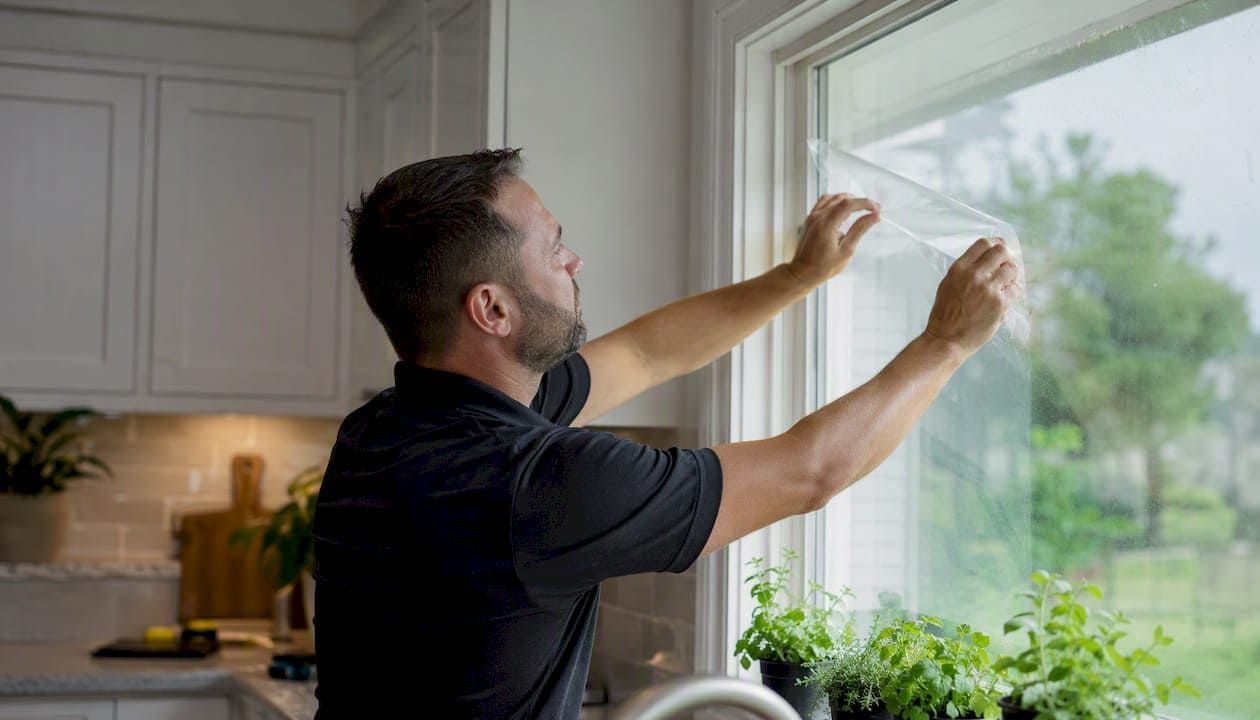
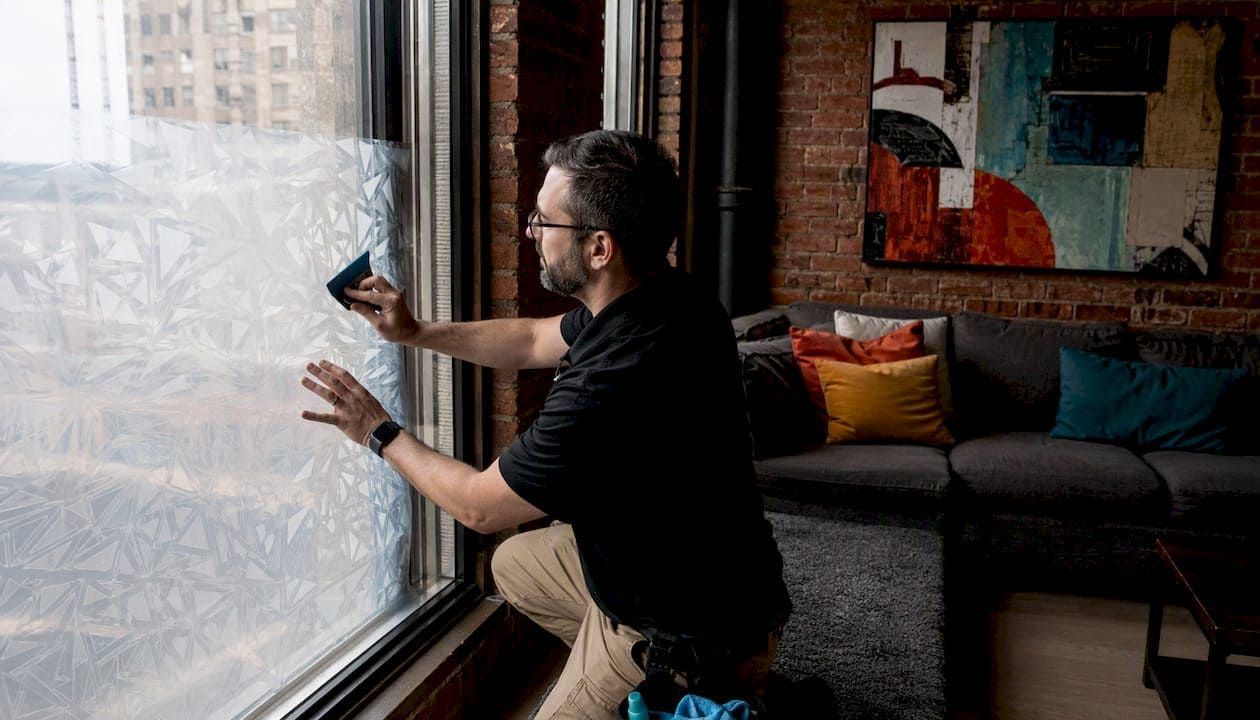
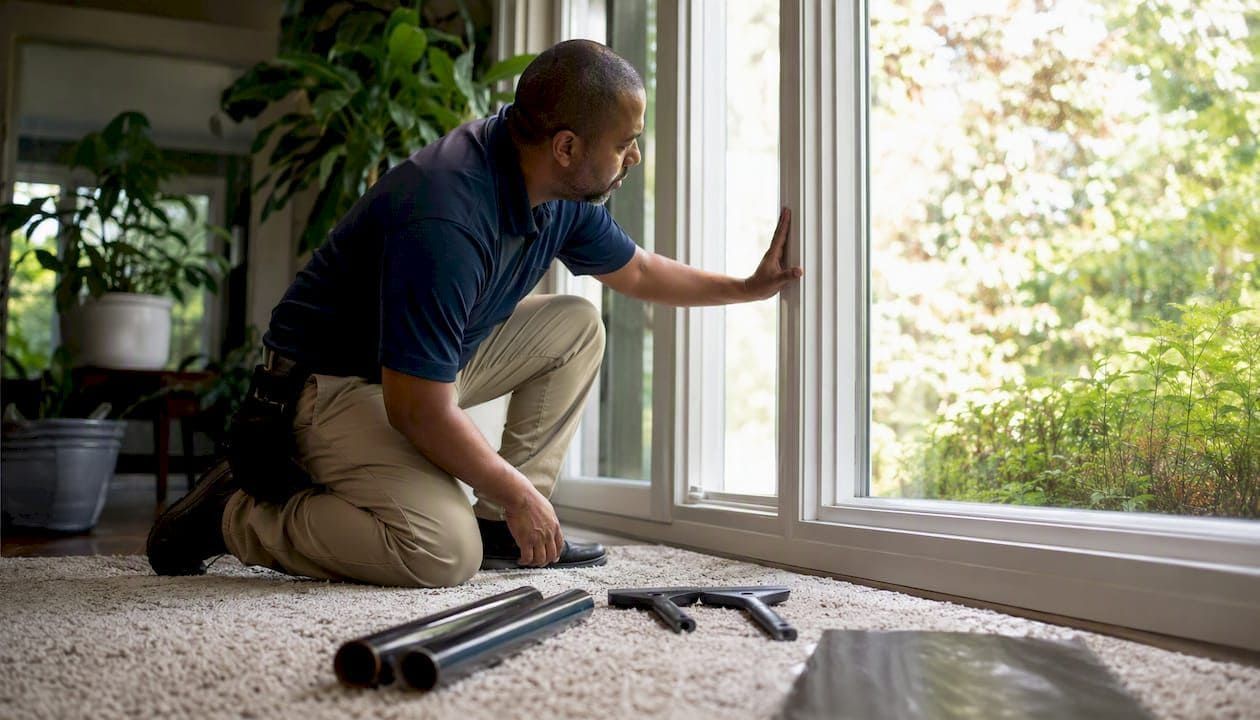
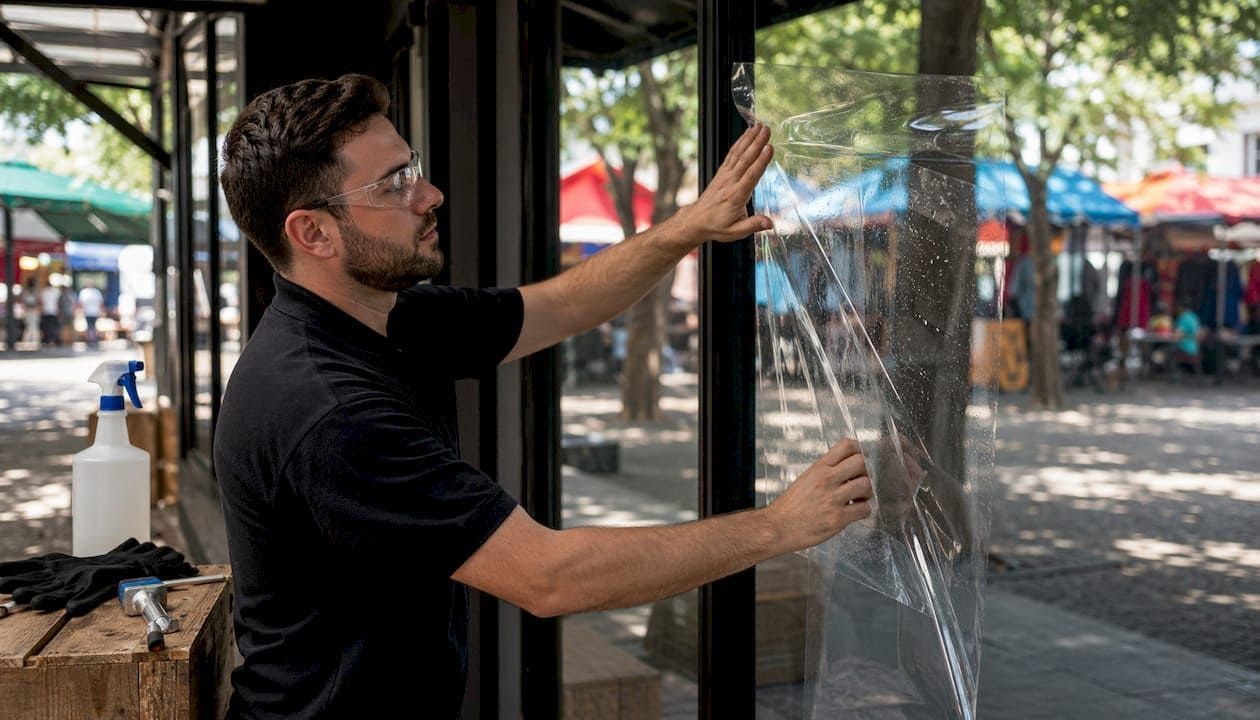
Professional installation also matters beyond the film itself. Certified installers apply films without bubbles, gaps, or edge lifting, all of which reduce performance and void warranties. A well-installed film on a mid-tier product will outperform a poorly installed premium film every time.
How to apply solar heat rejection in your home or building
Selecting the right film starts with your windows, not a product catalog. Four factors shape the best choice for your property.
- Window orientation. West-facing windows receive intense afternoon sun and typically need a lower VLT and higher TSER. West-facing windows may need lower VLT and higher TSER than north-facing windows, which receive little direct sun. South-facing windows in New England get strong winter sun, so a film that blocks too much light can reduce passive solar heating in colder months.
- Local climate. Properties in Southern New Hampshire and the Greater Boston Area deal with hot, humid summers and cold winters. A film with a strong TSER score reduces summer cooling costs. You can estimate your potential savings with a home energy savings calculator before committing to a product.
- Visible light preferences. Open floor plans and rooms with limited artificial lighting need higher VLT films. Private offices, west-facing bedrooms, and sun-drenched commercial lobbies can tolerate lower VLT in exchange for stronger heat rejection.
- Occupant comfort and UV protection. Solar heat rejection protects interiors from UV damage while preserving natural light. For spaces with valuable artwork, wood floors, or merchandise displays, UV protection is as important as heat reduction.
- Installer credentials and warranty. Ask for NFRC-rated product specs, a written manufacturer warranty, and proof of installer certification. A warranty is only as good as the installer who applies the film. Cutting corners on installation eliminates the performance gains you paid for.
Films with a TSER above 50% generally deliver a noticeable reduction in cooling costs, which shows up in lower energy bills within the first cooling season. For commercial properties, the savings scale with square footage. A property manager overseeing a glass-heavy office building can see meaningful reductions in HVAC demand by upgrading windows with high-TSER solar control films. You can also review signs your commercial building needs solar film upgrades to assess whether your property is a strong candidate.

Key Takeaways
Solar heat rejection performance depends on TSER and SHGC, not film darkness or infrared rejection rates alone.
| Point | Details |
|---|---|
| TSER is the top metric | Choose films with TSER above 50% for a noticeable drop in cooling load. |
| Darkness does not equal heat rejection | Clear ceramic films often outperform dark tinted films on every heat metric. |
| IRR covers only part of the picture | Infrared accounts for 53% of solar heat; TSER covers all three components. |
| UV rejection protects interiors | Quality films block over 99% of UV rays, preventing fading and occupant exposure. |
| Installation quality determines results | Certified professional installation is required to maintain performance and warranty coverage. |
What I've learned from watching homeowners shop for window film
Most homeowners walk into a window film consultation focused entirely on how dark the film looks. I understand why. Darkness feels like protection. But after working with hundreds of properties across Southern New Hampshire and Greater Boston, I can tell you that the darkest film in the catalog is rarely the best performer.
The buyers who get the best results are the ones who ask for the TSER spec sheet before they ask about appearance. They treat window film the way they treat insulation: as a performance product with measurable numbers, not a cosmetic upgrade. That shift in mindset changes everything about the conversation.
The technology has also moved faster than most people realize. Nano-ceramic films available today can reject significant infrared heat while maintaining a nearly clear appearance. Five years ago, that trade-off did not exist at this level. If you evaluated window film options in the past and decided against them because you did not want dark glass, the current generation of products deserves a second look.
My honest advice: do not let a high IRR number close the sale. Ask for TSER. Ask for SHGC. Ask whether the product carries NFRC certification. Any installer who cannot answer those questions confidently is not the right partner for your property.
Surfacetint's solar window films for homes and commercial buildings
Surfacetint installs premium solar control window films for residential and commercial properties across Southern New Hampshire and the Greater Boston Area. As an exclusive LLumar SelectPro Dealer, Surfacetint uses Vista Films engineered for superior heat rejection, UV blocking, and glare reduction without sacrificing natural light.
Whether you manage a glass-heavy commercial building or want to protect your home's interior from summer heat, Surfacetint matches the right film to your windows, orientation, and comfort goals. Every installation comes with certified professional application and manufacturer warranty coverage. Explore residential solar window films or request a free window tinting estimate to get specific product recommendations and pricing for your property.
FAQ
What is solar heat rejection in window film?
Solar heat rejection is the percentage of total solar energy a window film blocks or reflects, covering infrared, visible light, and UV radiation. TSER is the standard metric used to express this combined performance.
Is a darker window film better at blocking heat?
No. Film darkness reflects visible light transmission, not heat rejection capability. A clear ceramic film with a high TSER score blocks more heat than a dark film built on older technology.
What is a good TSER value for a window film?
Films with a TSER above 50% generally deliver a noticeable reduction in indoor heat and cooling costs. Higher TSER values indicate stronger overall solar control performance.
What is the difference between IRR and TSER?
IRR measures only infrared rejection, which covers roughly 53% of solar energy. TSER measures total solar energy rejected across all three components, making it the more complete and reliable performance indicator.
How does SHGC relate to solar heat rejection?
SHGC measures how much solar heat passes through a window on a scale from 0 to 1. A lower SHGC means less heat enters the building. A typical solar control coating carries an SHGC of about 0.35, rejecting roughly 65% of incoming solar heat.
Recommended