
Curated Security Film Examples: Pick the Right Film
TL;DR:
- Choosing the right security film depends on the threat level and desired performance, requiring appropriate thickness and attachment methods. Proper installation, especially with structural attachment and certified testing, is critical to meet safety and forced-entry resistance goals. Clients should request detailed datasheets, certifications, and select experienced installers to ensure the film performs as specified.
For anti-shatter protection, choose interior safety film in a modest thickness range. For forced-entry delay, select a thicker film with wet-glaze or structural attachment. For hurricane and blast retrofit, use heavier film anchored to the frame. These aren't arbitrary numbers — they reflect how film thickness, adhesive system, and attachment method combine to determine whether glass holds together under stress or becomes a projectile.
Here's a quick-reference pairing guide before diving into the details:
- Residential anti-shatter: interior safety film with basic effective thickness, pressure-sensitive adhesive, glass-only installation
- Storefront forced-entry delay: thicker film with wet-glaze or structural attachment to frame
- Hurricane/blast retrofit: heavy film with structural silicone attachment (e.g., Dow 995 or equivalent)
- Combined solar and security: solar+security film designed for interior use with ceramic or nano-ceramic solar layer
- Anti-graffiti pairing: sacrificial anti-graffiti film layered over a base security film on exterior surfaces
IWFA guidance confirms that a properly installed 12-mil system with structural attachment can delay forced entry by 60–90 seconds — enough time for an alarm to trigger and a response to arrive.
Ready to find out which film fits your property? Request a free estimate from Surfacetint and get a site-specific recommendation.
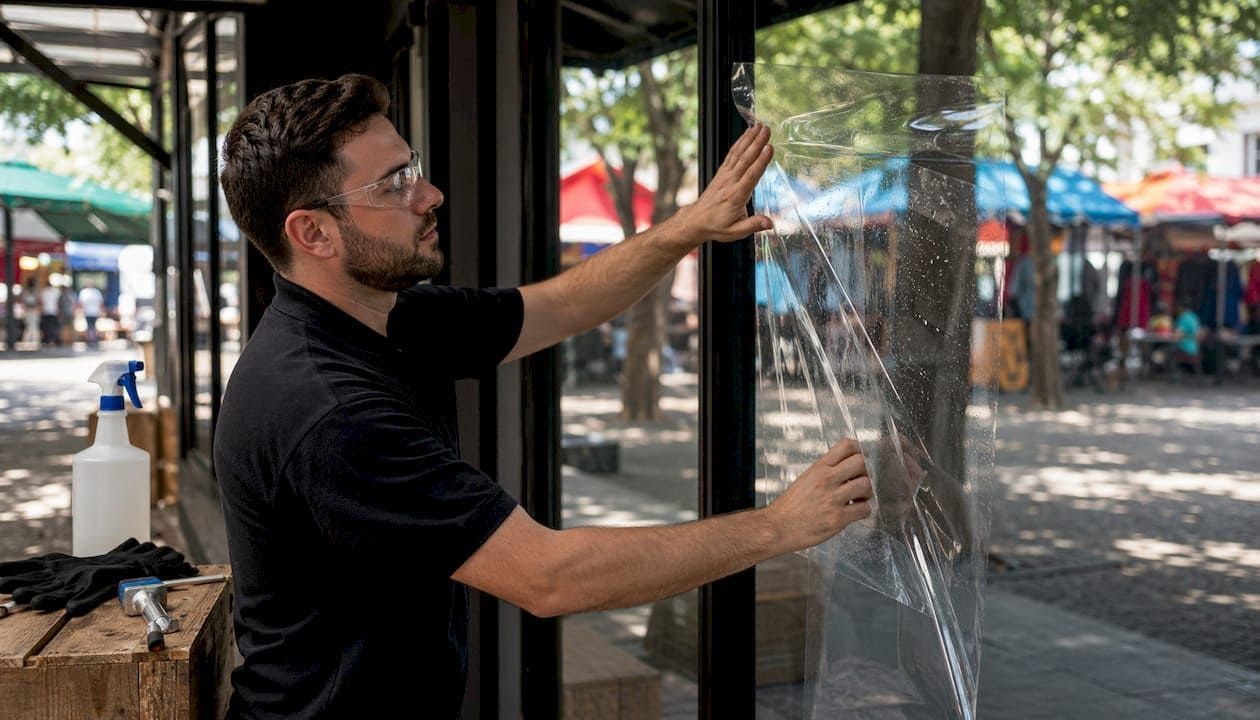
Table of Contents
- How does security window film actually protect glass?
- What security film types and thickness classes should you compare?
- Curated security film examples across common applications
- How do you choose the right installer and attachment method?
- What does security film installation actually cost?
- Which glass types are compatible with security film?
- Real install examples and what they show
- What are the recommended next steps for your property?
- Key Takeaways
- Why professional installation is the part most buyers underestimate
- What Surfacetint includes in every security film estimate
- Datasheets, standards, and further reading
How does security window film actually protect glass?
Security film acts as an elastomeric fragment-retention layer. When glass breaks, the film stretches rather than tears, holding shards bonded to its surface instead of letting them scatter as projectiles. The film does not make glass unbreakable or bulletproof — that distinction matters, and manufacturer datasheets state it explicitly.
The physical sequence goes like this: impact or pressure cracks the glass, the film's adhesive layer stays bonded to the glass surface, and the film's polyester substrate stretches across the fracture lines. Fragments stay attached to the film rather than flying inward. In high-rise buildings, this also prevents glass from falling to the street below, which is a separate life-safety concern entirely.
Film is a retrofit solution. It buys time and reduces injury risk. Laminated glass, by contrast, replaces the glazing itself with a bonded interlayer — a fundamentally different (and far more expensive) approach. Security film vs. laminated glass is not a close call on cost for most retrofit projects; film wins on economics every time, though laminated glass offers higher baseline performance for new construction.
Pro Tip: When performance is the priority, install film to the frame using structural silicone rather than stopping at the glass edge. Film attached only to the glass can peel away from the frame under sustained pressure; frame attachment keeps the entire glazing assembly intact.
What security film types and thickness classes should you compare?
Start with your primary objective, then match it to a mil class. The five main objectives are: anti-shatter/fragment retention, forced-entry delay, hurricane/blast mitigation, combined solar and security, and anti-graffiti pairing. Each maps to differing film robustness and attachment methods.
Mil classes and their typical uses
Security films are typically specified in a thickness range considered appropriate for different protection levels, with thicker films and structural attachment used for higher security applications. These general classes align with increasing protection needs, but exact thickness numbers are not specified here.
Interior vs. exterior application
Most security films install on the interior surface. Interior installation protects the film from weathering, abrasion, and UV degradation, and it keeps the adhesive bond away from rain and humidity. Exterior films exist for specific applications — primarily anti-graffiti sacrificial layers and some solar-control products — but they require harder coatings and more frequent replacement.
Key features to compare when selecting
Beyond mil rating, these are the specs that actually differentiate products:
- Attachment method: Glass-only (pressure-sensitive), wet-glaze (silicone bead at frame edge), or full structural frame attachment. The attachment method, not the film alone, determines forced-entry and blast performance.
- Tensile strength and elongation: Higher elongation means the film stretches further before tearing. Critical for blast applications.
- Visible light transmission (VLT): Clear security films typically transmit 85–90% of visible light. Tinted solar+security films range from 35–70% VLT depending on the solar rejection layer.
- UV rejection: Security films often block 99% of UV as a secondary benefit, protecting furnishings and reducing fading.
- Certifications: Look for ANSI Z97.1 test results on the datasheet. For blast applications, ask for GSA or ASTM F1642 test documentation.
- Warranty: Manufacturer warranties typically run 5–15 years depending on film type and whether a certified installer performed the work.
Pro Tip: When energy savings and security are both goals, a solar+security multi-function film in the 7–12 mil range is almost always more cost-effective than two separate films. The energy savings can meaningfully offset the installation cost over time.
Curated security film examples across common applications
These examples cover the most common residential and commercial use cases. They are reference points for comparing quotes and asking installers the right questions — not a ranked vendor list.
| Film Category | Nominal Thickness | Primary Use Case | Installation Method | Typical VLT | Certifications / Warranty | Approx. Installed Cost |
|---|---|---|---|---|---|---|
| Basic safety / anti-shatter | 4–7 mil | Residential, schools, small offices | Interior, glass-only | 85–90% (clear) | ANSI Z97.1; 5–15 yr warranty | $7–$12/sq ft |
| Personal safety / light forced-entry | 7–8 mil | Retail, light commercial | Interior, glass-only or wet-glaze | 85–90% (clear or light tint) | ANSI Z97.1; 5–15 yr warranty | — |
| Forced-entry delay / anti-smash | 8–12 mil | Storefronts, banks, pharmacies | Interior, wet-glaze or structural | 35–70% | ASTM F1233; 5–15 yr warranty | — |
| Blast / hurricane retrofit | 12–14 mil | Government, coastal, high-risk commercial | Interior, structural silicone attachment | 70–85% | GSA/ASTM F1642; 5–15 yr warranty | — |
| Solar + security (multi-function) | 7–12 mil | Commercial offices, retail, residential | Interior, glass-only or wet-glaze | 35–70% (tinted) | ANSI Z97.1 + solar ratings; 5–15 yr | — |
Example product references
3M Safety S70 (7 mil, Ultra Series): A 7-mil optically clear film with documented tensile strength. The 3M Safety S70 datasheet explicitly states the film is not bulletproof and requires specific impact-protection attachments for break-and-entry applications. Good reference point for personal-safety and light forced-entry applications.
LLumar / Vista Safety & Security Films: Available through Surfacetint as an exclusive LLumar SelectPro Dealer. The Vista line covers the full mil range from basic safety through heavy-duty forced-entry delay, with both clear and solar-control variants. These are the films Surfacetint installs and warranties directly — ask for the specific Vista product datasheet during your site survey.
Avery Dennison Safety & Security SF Clear X: A clear safety film example in the mid-mil range, often specified for applications where optical clarity is non-negotiable. Useful as a comparison reference when evaluating clear-film options against tinted solar+security alternatives.
Dow 995 Structural Silicone: Not a film, but the attachment adhesive that makes blast and forced-entry performance possible. Dow 995 (or a comparable structural silicone) is the most widely used frame-attachment method for 12+ mil security film installations. If an installer quotes you a blast-rated or hurricane-retrofit installation without mentioning structural sealant, ask why.
Quick use-case callouts
- Residential anti-shatter: 4–7 mil interior film, glass-only, clear. Protects against accidental breakage and basic intrusion deterrence.
- Storefront forced-entry delay: 8–12 mil + wet-glaze + alarmed frames. Delays smash-and-grab long enough for alarm response.
- Hurricane coastal retrofit: 12–14 mil + Dow 995 structural attachment. Holds glazing assembly together under wind-driven debris impact.
- Commercial office solar+security: 7–12 mil tinted solar+security film. Reduces HVAC load while adding fragment retention.
- School or healthcare safety: 4–7 mil clear film, glass-only. Meets safety glazing compliance and protects against accidental impact.
Warranty and certification cues to check on any datasheet: ASTM test report numbers, GSA blast rating documentation, manufacturer-required installation method (some warranties are void without structural attachment), and whether the film has been independently tested or only self-certified.

How do you choose the right installer and attachment method?
Choose the attachment method that matches your threat profile first, then find an installer who can execute it correctly. Glass-only film handles basic anti-shatter. Wet-glaze or structural attachment is required for any meaningful forced-entry delay or hurricane resilience. The film alone does not perform at rated levels if the attachment is wrong.
Selection checklist
- Define your primary threat: anti-shatter, forced-entry delay, hurricane/blast, or combined solar+security.
- Match mil range to threat: 4–7 mil for basic safety; 8–12 mil for forced-entry; 12–14 mil for blast/hurricane.
- Specify attachment method: glass-only, wet-glaze, or structural silicone frame attachment.
- Request test documentation: ask for ASTM or GSA test reports, not just marketing claims.
- Confirm interior vs. exterior: most security films are interior; verify with the manufacturer datasheet.
- Check solar options: if energy savings matter, ask about solar+security multi-function films.
- Review warranty terms: confirm whether structural attachment is required to keep the warranty valid.
Questions to ask any installer before signing
- Are you manufacturer-certified for the film you're recommending?
- Can you provide the ASTM or GSA test report for this specific film and attachment method?
- Do you have installation photos from comparable projects?
- What adhesive or structural sealant will you use at the frame?
- How do you handle warranty claims if the film fails?
- Does your quote include the structural attachment, or is that a separate line item?
Red flags to watch for
- Installer recommends stacking two films on the same pane (this can void manufacturer warranties and cause thermal stress issues)
- DIY structural attachment without manufacturer-specified sealant
- No clear attachment plan for a forced-entry or blast application
- Quote that omits the attachment method entirely
- Pressure to skip the manufacturer datasheet review
BOMA guidance recommends using manufacturer-trained installers and following official testing and validation protocols. An installer who cannot produce a manufacturer certification is a meaningful risk for any application above basic anti-shatter.
Always confirm whether your chosen film requires structural sealant like Dow 995. For 12+ mil blast and hurricane applications, that attachment is not optional — it is what makes the rated performance possible.
What does security film installation actually cost?
Installed costs for security films vary widely depending on film robustness, attachment method, glass condition, and project scale. Lower-thickness, basic safety films typically cost less, while higher-thickness films requiring structural attachment are at the higher end of the cost range.
What drives cost up
- Higher mil film costs more per square foot in material
- Structural silicone attachment adds labor time and material cost
- Poor frame condition or retrofit complexity increases prep work
- Large pane counts with difficult site access (high floors, tight spaces) add time
- Any required testing, certification documentation, or post-install inspection
Where you can save
Bulk square footage on a single project typically brings the per-sq-ft cost down. Choosing interior-only glass-only attachment for basic residential safety avoids structural attachment costs entirely. Combining solar and security into one multi-function film eliminates the need for two separate installations, and the energy savings on HVAC load can offset a portion of the film cost over time. For homeowners weighing the cost against window replacement, security film is consistently the more cost-effective retrofit when the goal is fragment retention and deterrence rather than full glazing replacement.
Which glass types are compatible with security film?
Not every film is safe for every glazing type. Tempered, heat-treated, and coated glass each carry specific compatibility constraints, and structural glazing systems can make frame attachment impossible without custom solutions. Getting this wrong can cause thermal stress cracking or void the glass manufacturer's warranty.
Compatibility rules by glass type
- Annealed glass: The most compatible substrate. Most security films install without issue on standard annealed single-pane or double-pane units.
- Tempered glass: Compatible with most films, but darker or more absorptive films can cause thermal stress cracking on tempered panes. Always check the film's solar absorption spec against the glass manufacturer's thermal stress guidelines.
- Insulating glass units (IGUs): Film can be applied to many IGU types without damaging the sealant if installed correctly. Avoid films with high solar absorption on IGUs unless the glass manufacturer approves it.
- Low-e coated glass: Thin low-e coatings on the interior surface can interfere with film adhesion. Confirm coating location (surface 2, 3, or 4) before specifying a film.
- Acid-etched or sandblasted glass: Textured surfaces reduce adhesive contact area and can cause adhesion failures. Security film is generally not recommended on heavily etched surfaces.
- Structural glazing systems: Frame attachment may be impossible or require custom engineered brackets. A site audit is mandatory before specifying any structural attachment on curtain wall or structural silicone glazing.
Troubleshooting common post-install problems
- Bubbling or edge-lift: Usually caused by moisture contamination during installation or adhesive failure at the edge. Requires professional re-installation; do not attempt to press bubbles flat.
- Thermal stress cracking: Film with high solar absorption on incompatible glass (especially tempered or IGUs). Requires film removal and replacement with a lower-absorption product.
- Reduced clarity or haze: Often caused by abrasive cleaning products or scrubbing. Security film surfaces scratch more easily than glass; use only soft cloths and film-safe cleaners.
- Warranty loss from stacking films: Applying a second film over an existing film voids most manufacturer warranties and can cause delamination.
Pro Tip: Before committing to a large installation, ask your installer to perform a glass-type audit and apply a test section on one representative pane. Leave it for 48–72 hours and inspect for adhesion, clarity, and any edge issues before proceeding with the full job.
Real install examples and what they show
Security film's value is easiest to see in specific project contexts. The examples below represent the types of installations Surfacetint handles across Southern New Hampshire and the Greater Boston Area, with typical film choices and observed outcomes.
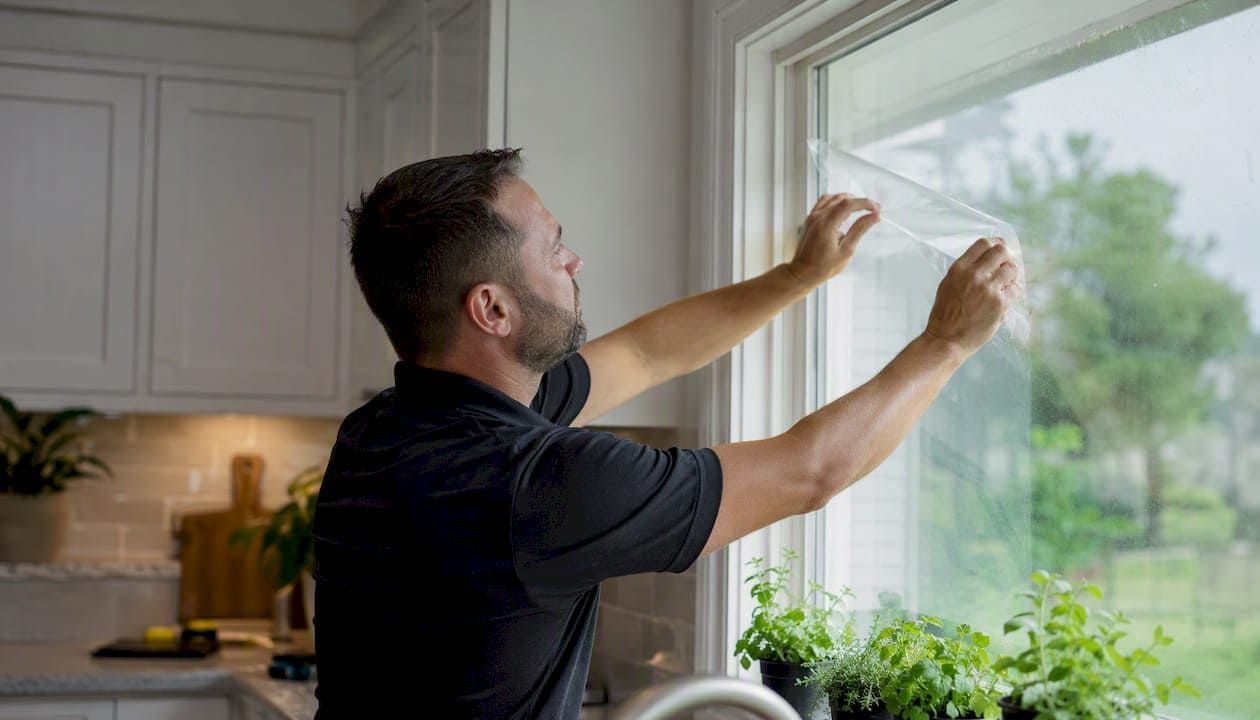
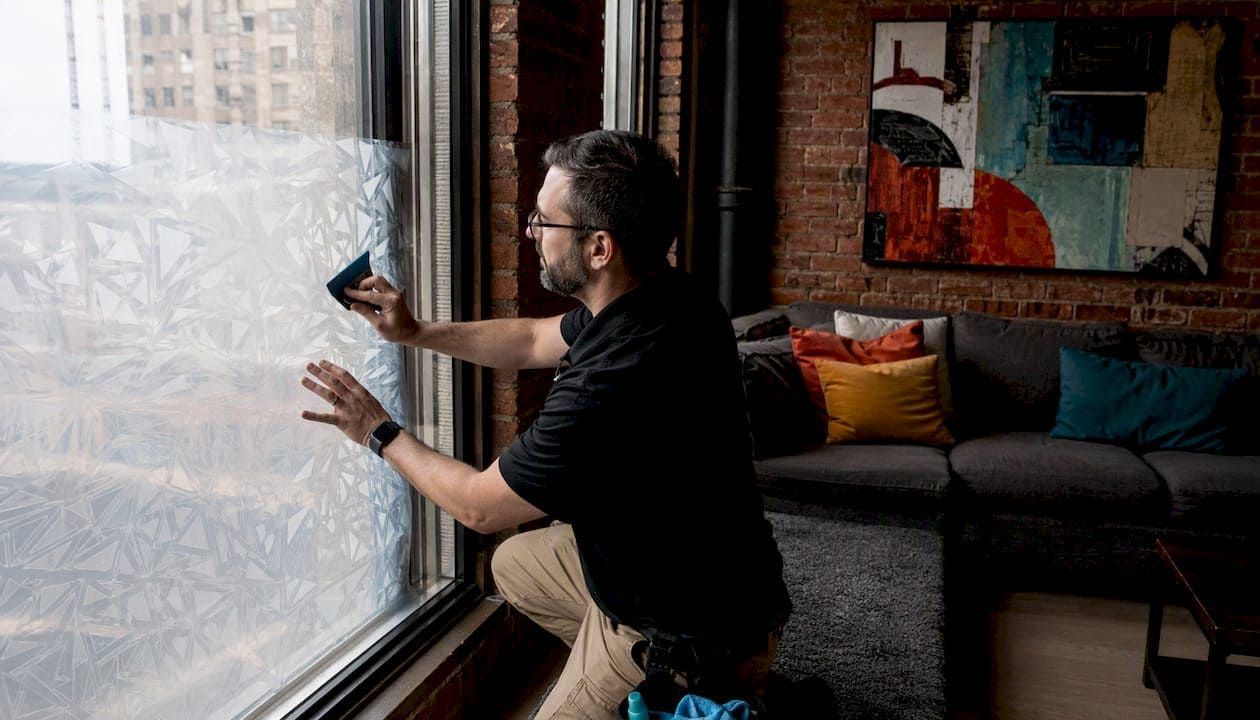
Residential anti-shatter, single-family home: A homeowner with large ground-floor windows facing a street specified 4–7 mil clear interior safety film on all accessible panes. Glass-only installation, completed in a single day. The primary goal was fragment retention in the event of accidental breakage or a low-force intrusion attempt. Post-install, the windows retain full optical clarity and the homeowner has the added benefit of UV protection for furnishings and artwork.
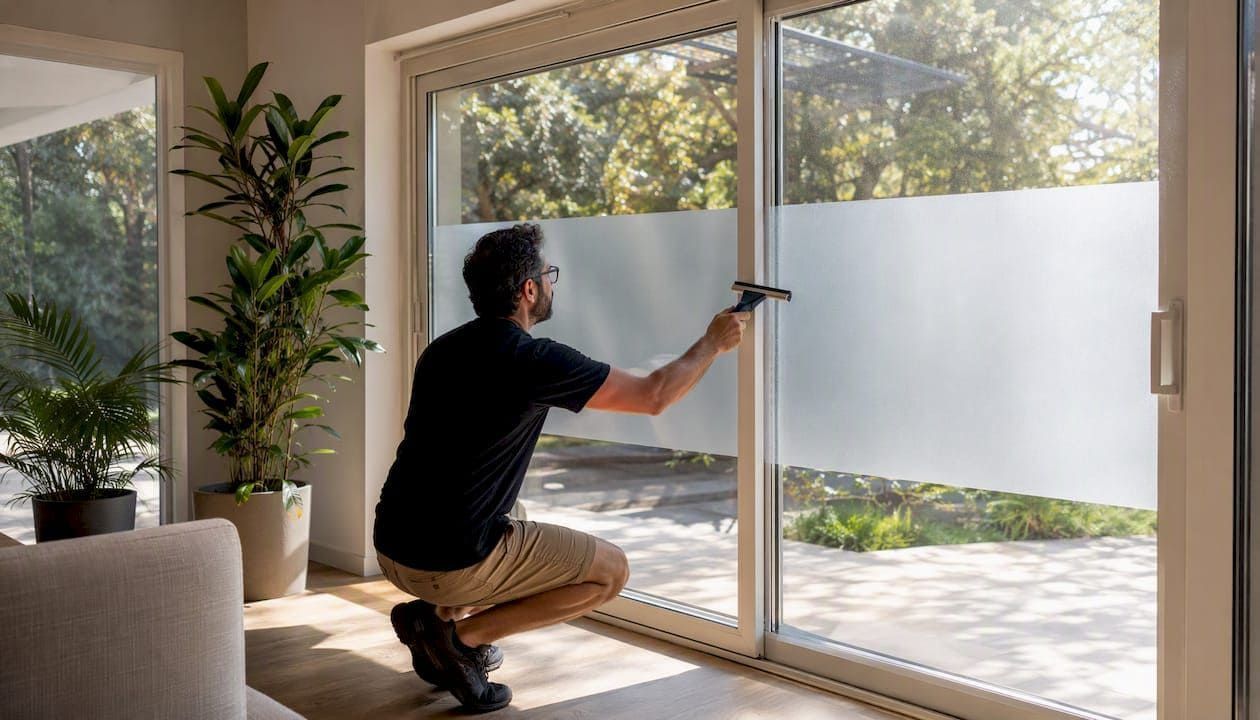
Street-level retail storefront, forced-entry delay: An 8–12 mil film with wet-glaze attachment on a pharmacy's street-facing glass. The wet-glaze bead anchors the film to the frame perimeter, meaning a smash attempt has to defeat both the film's tensile resistance and the adhesive bond at the frame. The installation also included alarmed door contacts, so the forced-entry delay produced by the properly attached film aligns with the alarm response window of approximately 60–90 seconds. Pairing security film with security camera coverage on the same perimeter is a common layered approach for retail clients.
Commercial office, solar+security combination: A mid-size office building specified 7–12 mil solar+security film on south and west-facing glazing. The tinted solar layer reduced HVAC load noticeably during summer months while the security substrate added fragment retention across all treated panes. One film, two functions, one installation visit.
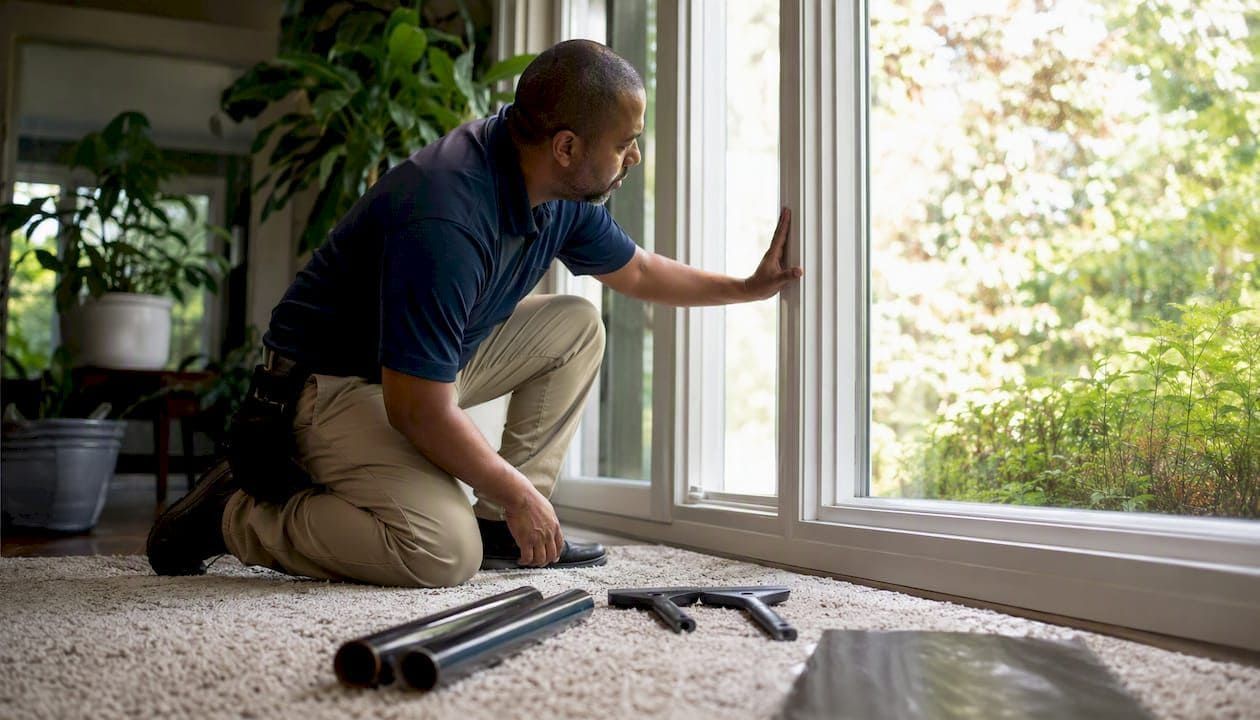
Typical installation timeline for a mid-size job: Site survey and glass-type audit (1 visit, 1–2 hours). Film specification and quote (2–5 business days). Installation (1–3 days depending on pane count and attachment method). Final inspection and warranty documentation (same day as installation completion or within 48 hours).
What are the recommended next steps for your property?
Match film to primary goal: 4–7 mil for anti-shatter, 8–12 mil with structural attachment for forced-entry delay, 12–14 mil with structural silicone for hurricane or blast resilience, and 7–12 mil solar+security for combined energy and safety benefits. The selection is straightforward once the threat profile is clear.
Here's what to do next:
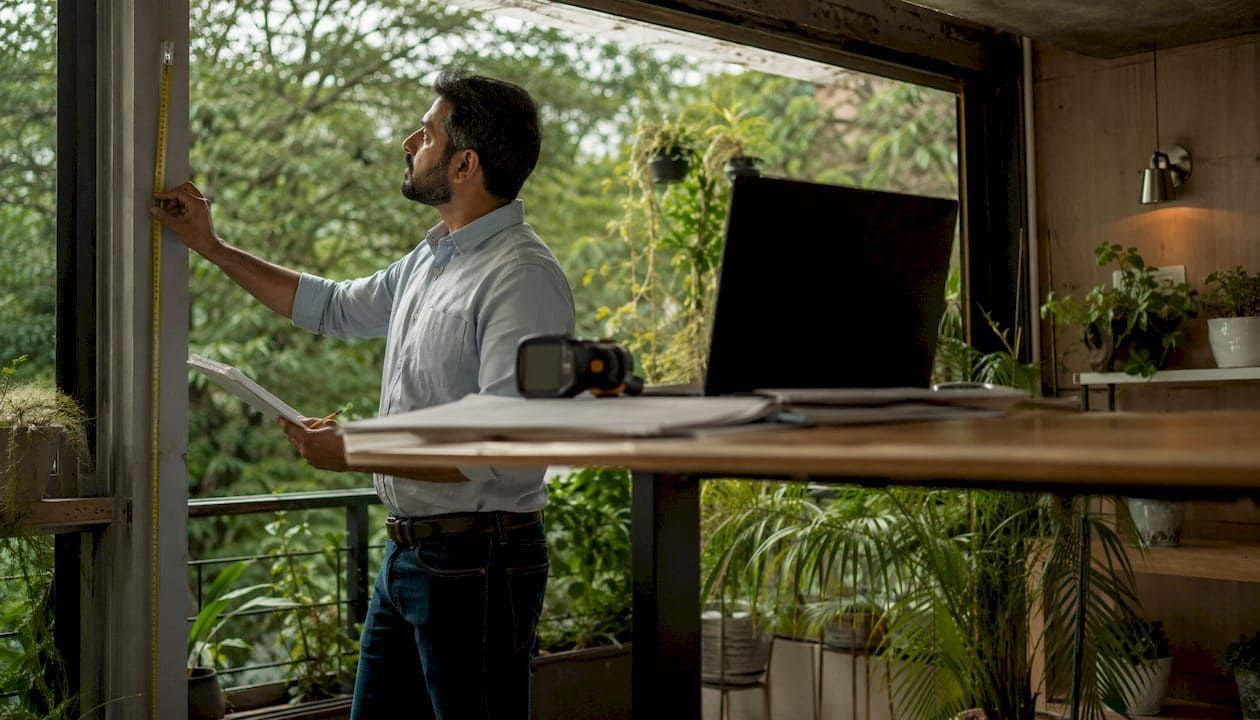
- Measure your priority windows: note square footage, glass type if known, and floor level for each area you want protected.
- Request a professional site survey: an installer needs to audit glass type, frame condition, and attachment feasibility before recommending a specific film and mil.
- Ask for datasheets: request the manufacturer's technical datasheet for any film quoted, and confirm the ASTM or GSA test documentation is included.
- Specify the attachment method in writing: make sure your quote line-itemizes the attachment method (glass-only, wet-glaze, or structural silicone) so you know exactly what you're getting.
- Get at least two detailed quotes: compare film mil, attachment method, warranty terms, and installer certification side by side, not just the total price.
Request a free site survey and estimate from Surfacetint to get a property-specific recommendation with manufacturer datasheets included.
Key Takeaways
Security film performance depends on matching mil thickness and attachment method to the specific threat — film alone, without the right attachment, will not deliver forced-entry or blast-rated results.
| Point | Details |
|---|---|
| Match mil to threat | Use 4–7 mil for anti-shatter, 8–12 mil for forced-entry delay, 12–14 mil for blast/hurricane retrofit. |
| Attachment method is critical | Structural silicone attachment (e.g., Dow 995) is required for properly installed 12-mil systems to achieve a forced-entry delay of about 60–90 seconds. |
| Verify test documentation | Always request ASTM or GSA test reports from the datasheet, not just marketing claims. |
| Multi-function films save money | Solar+security films in the 7–12 mil range combine energy savings and fragment retention in one installation. |
| Surfacetint for LLumar/Vista films | Surfacetint is an exclusive LLumar SelectPro Dealer serving Southern New Hampshire and Greater Boston, installing and warranting the full Vista safety and security film line. |
Why professional installation is the part most buyers underestimate
The film itself is almost never the failure point. When security film underperforms, the cause is almost always the installation: wrong attachment method for the application, incompatible glass type, or a structural sealant that was skipped to save time. A 12-mil film installed glass-only on a storefront is not a forced-entry delay solution. It is an expensive anti-shatter film that will perform exactly like a 4-mil film under sustained attack.
Surfacetint approaches every project as an LLumar SelectPro Dealer, which means the film specification, installation method, and warranty handling all align with manufacturer requirements. The site survey is not a formality. It is where glass type gets confirmed, attachment feasibility gets assessed, and the right film gets matched to the actual threat profile of that specific property. Skipping that step is how buyers end up with a film that looks correct on paper but does not perform as expected.
Manufacturer certification matters because it ties the installer's work to the warranty. If a film fails and the installation was not performed to manufacturer spec, the warranty claim goes nowhere. That is the practical reason to insist on a certified installer, not just a preference for credentials.
What Surfacetint includes in every security film estimate
Surfacetint offers free site surveys and detailed installation estimates for residential and commercial security film projects across Southern New Hampshire and the Greater Boston Area. Every estimate is built around the specific property, not a generic price list.
A typical Surfacetint estimate includes: a full site survey with glass-type audit, recommended film mil and attachment method for each area, itemized cost per pane or per square foot, manufacturer datasheets for the specified film, a project schedule from installation start to final inspection, warranty transfer documentation, and aftercare guidance for cleaning and maintenance.
For homeowners, the residential security film installation page covers the full range of safety and security options available. For commercial property managers and business owners, the commercial security film service page details storefront, office, and institutional installation options.
To get started, have your window count, approximate square footage, and any photos of priority areas ready before the survey visit. Request your free estimate today and get a property-specific film recommendation with full datasheet documentation included.
Datasheets, standards, and further reading
These are the primary sources worth consulting when evaluating security film specifications and test documentation:
- WBDG Window Film Fundamentals: The Whole Building Design Guide's technical overview of film types, performance standards, and application guidance. Covers ANSI Z97.1, blast mitigation protocols, and IGU compatibility.
- IWFA (International Window Film Association): Trade association guidance on film performance, installer certification, and forced-entry delay standards. The source for the 60–90 second forced-entry delay benchmark for 12-mil structural attachment systems.
- BOMA Window Film How-To Playbook: Building Owners and Managers Association guidance on security film as a cost-effective building retrofit, including installer qualification recommendations.
- SFPE Security Window Film Overview: Society of Fire Protection Engineers technical overview covering film mechanics, blast performance, laminated glass comparison, and energy benefits.
- 3M Safety S70 Technical Datasheet: Example of a manufacturer datasheet showing tensile specs, installation requirements, attachment methods, and warranty limitations. Use this as a template for what to request from any installer.
- ASTM F1642 and F1233: The primary US test standards for blast-resistant glazing and forced-entry resistance respectively. Ask any installer quoting a blast or forced-entry application to provide the test report number for the specific film they are recommending.
Request manufacturer test reports and installation specifications from every installer you evaluate. A reputable installer will provide them without hesitation.
Recommended