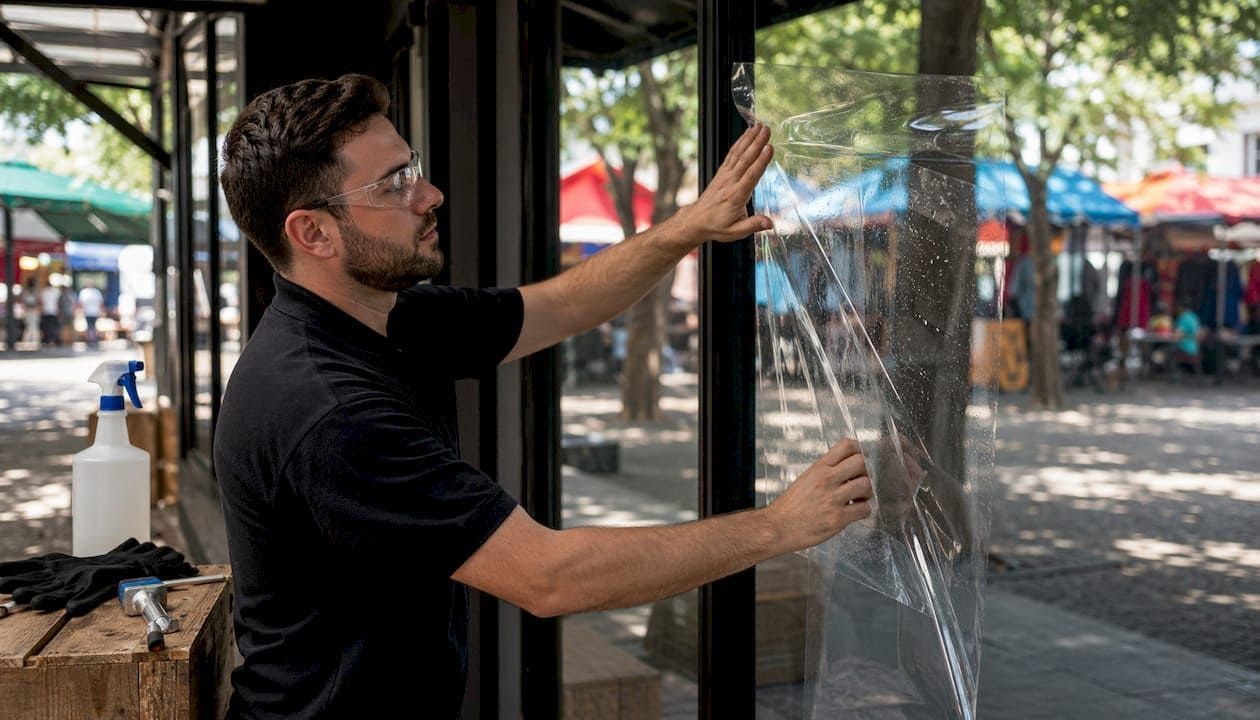

Questioning if Solar Window Film Installation Is Enough for Heat Control
Rethinking Heat Control Before the Next Heat Wave
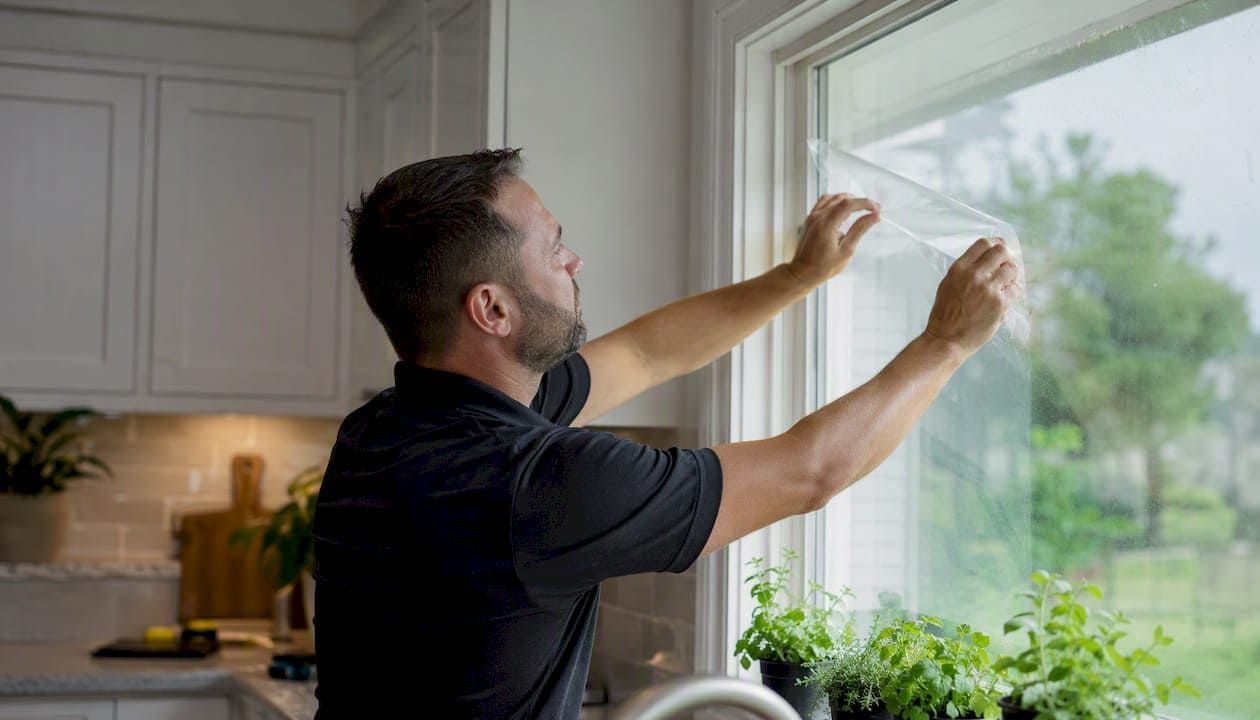
Solar window film installation is one of the most effective ways to tame hot rooms without changing your windows. It cuts down the sun’s heat, helps with glare, and protects what is inside from fading. But many homeowners and business owners still wonder if film alone can solve their heat problems or if they need to do more.
In Southern New Hampshire and the Greater Boston area, late summer and early fall can keep spaces uncomfortably warm well into the evening. South- and west-facing glass can turn a room into a hot spot, and that can drive up cooling costs and strain HVAC systems. In this article, we will look at how solar window film works, where it is often enough on its own, where it can fall short, and how to build a complete, realistic plan to stay comfortable all year.
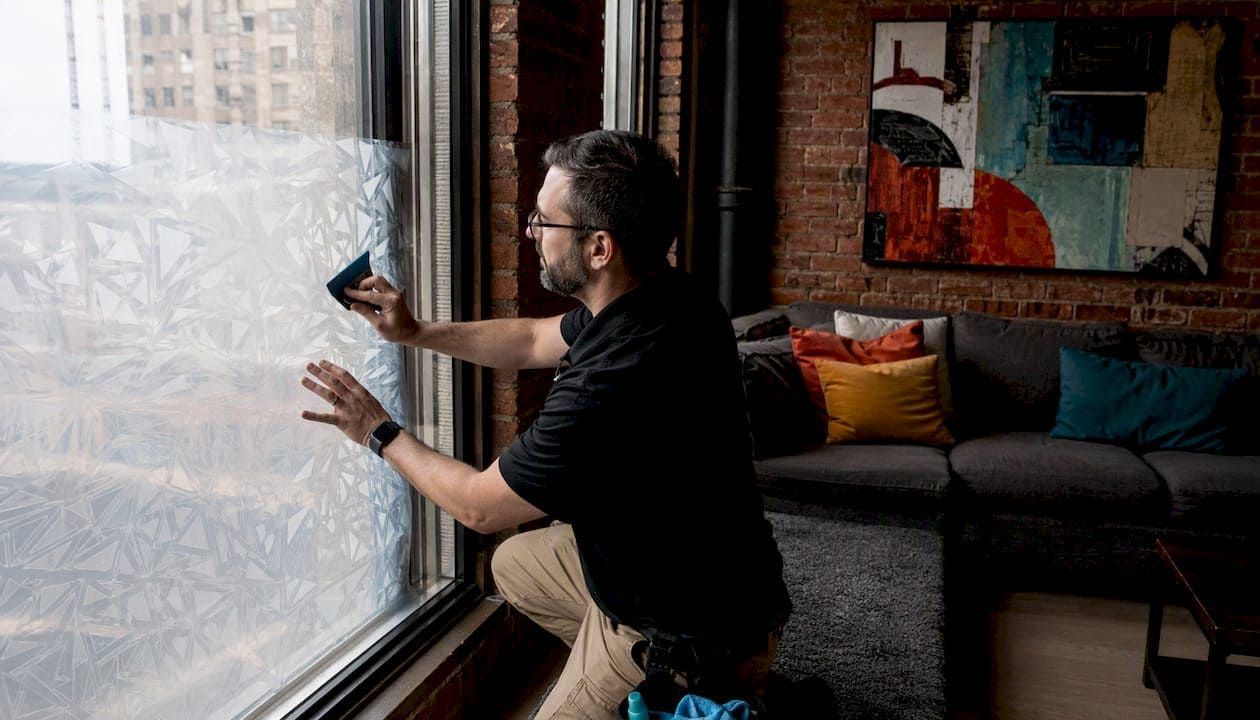
Solar window film is a thin layer applied to the glass. It is designed to reject a portion of the sun’s heat, reduce harsh glare, and block almost all UV light that can damage floors, furniture, and displays. With the right film and a smart strategy, we can turn windows from a weak spot into a strength for your building.
How Solar Window Film Actually Controls Heat
Solar window film controls heat by managing the energy that hits your glass. When the sun shines on untreated windows, a large part of that energy turns into heat inside the room. Film changes how that energy behaves.
Here is what the film does in simple terms:
- Reflects part of the sun’s infrared energy back outside
- Absorbs some of the heat in the glass layer instead of letting it pass through
- Blocks almost all UV rays that fade and damage interior surfaces
- Controls how much visible light gets into the space
A few key performance terms you will often see include:
- TSER (Total Solar Energy Rejected): This tells you how much of the sun’s overall energy the film keeps out
- Visible Light Transmission (VLT): This shows how light or dark the film looks and how much natural light it lets in
- UV Rejection: This shows how well the film blocks the UV rays that cause fading
In real life, that means a room can feel more even and steady, with less of that heavy, sticky heat beside the glass. The right product can cut the worst of the heat on bright fall days while still letting in enough daylight so the room does not feel gloomy as the sun sets earlier.
For our region, this is especially helpful in:
- Large glass storefronts that roast in the afternoon sun
- South-facing living rooms that heat up while the rest of the house stays reasonable
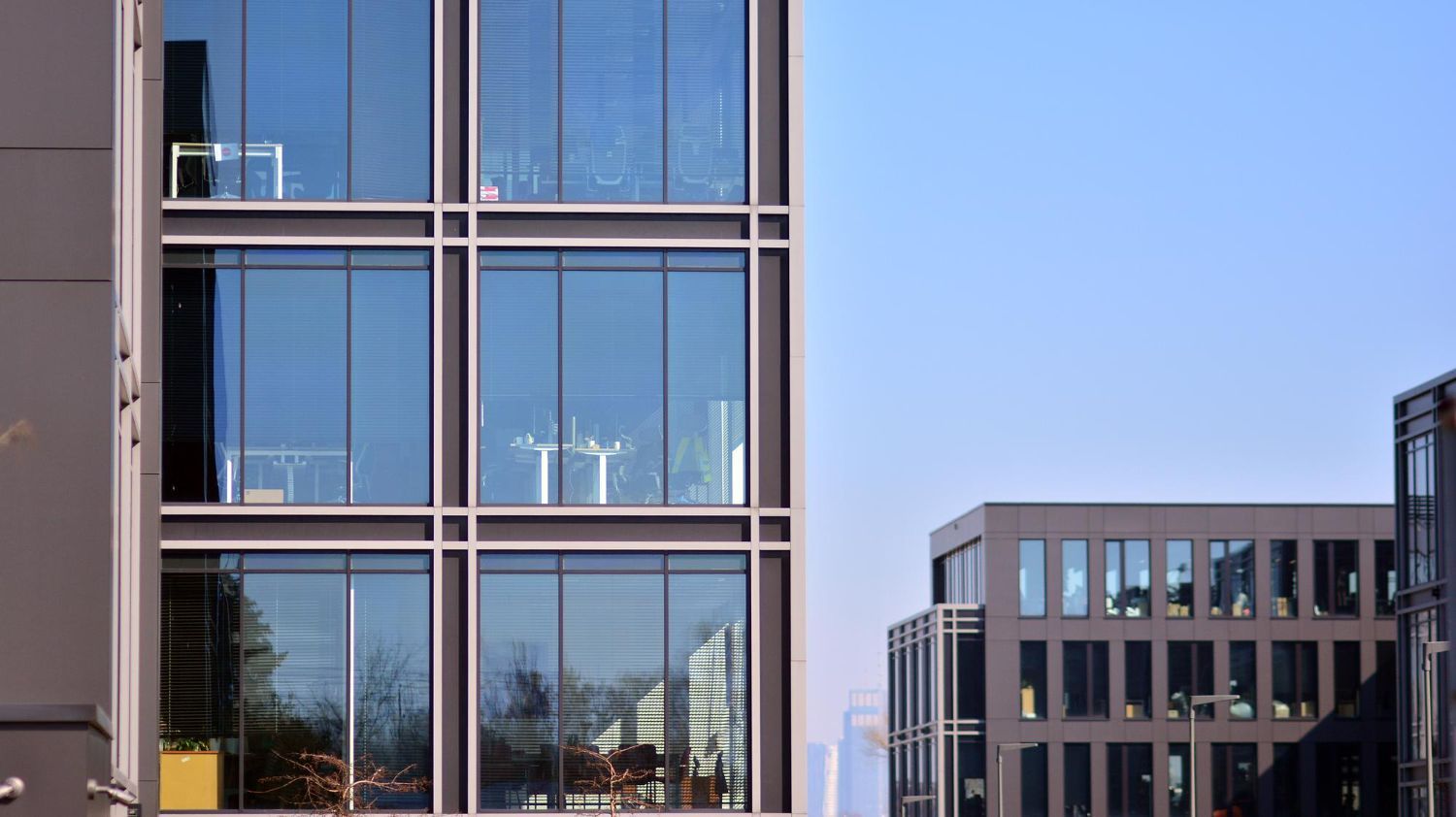
- Open office spaces with long window walls and plenty of computers and screens
By controlling solar gain at the glass, film helps keep these spaces from spiking in temperature every sunny afternoon.
When Solar Window Film Installation Is Enough on Its Own
There are many situations where solar window film installation can be the main solution for heat control. This is most true when the rest of the building is in decent shape.
Film is often enough on its own when:
- The walls and ceilings are already well insulated
- The windows are in good condition with tight seals
- The HVAC system works properly, but certain rooms still run hotter because of sun exposure
- The main comfort issue is solar heat and glare, not drafts or air leaks
Some common examples we see in this area include:
- Modern office suites with long runs of glass that cause afternoon hot zones
- Residential sunrooms that feel great in spring but become too hot in late summer
- Retail spaces where west-facing windows heat up product displays and checkout areas
In these cases, a carefully chosen film can:
- Reduce hot spots so the thermostat setting actually feels the same around the space
- Cut glare on TVs, computers, and point-of-sale screens
- Help protect hardwood floors, rugs, and merchandise from fading
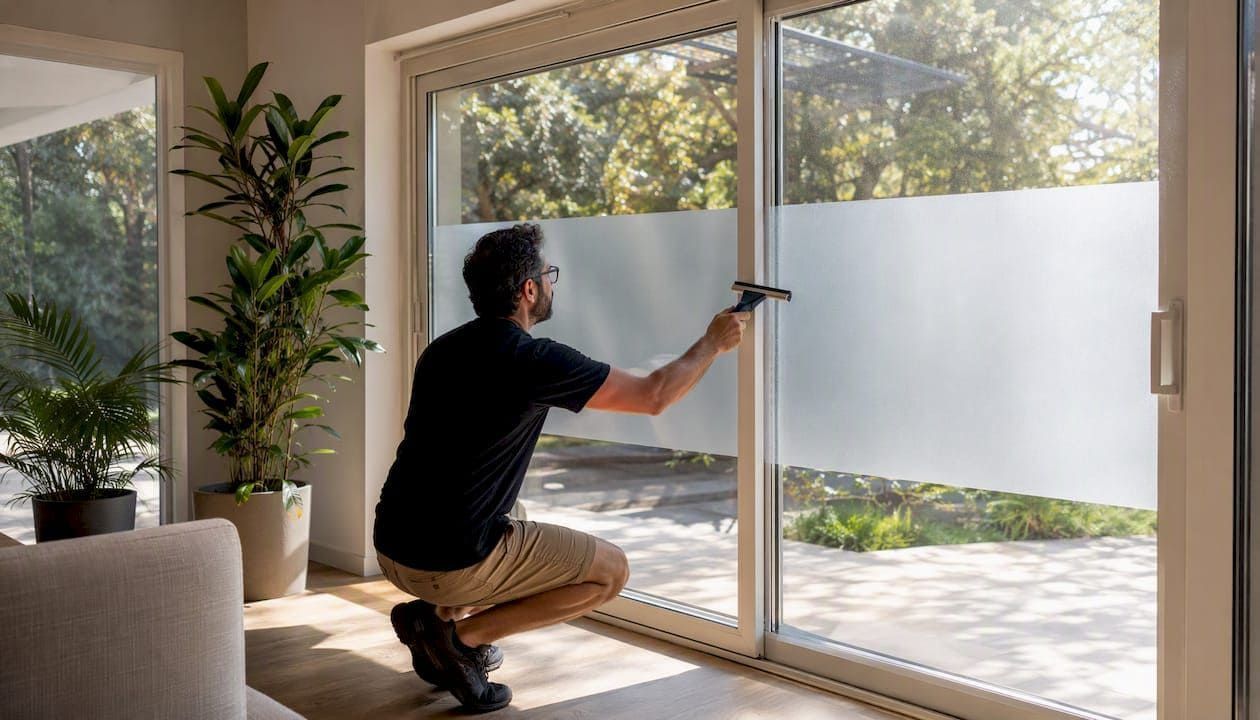
- Provide daytime privacy without heavy curtains or blinds
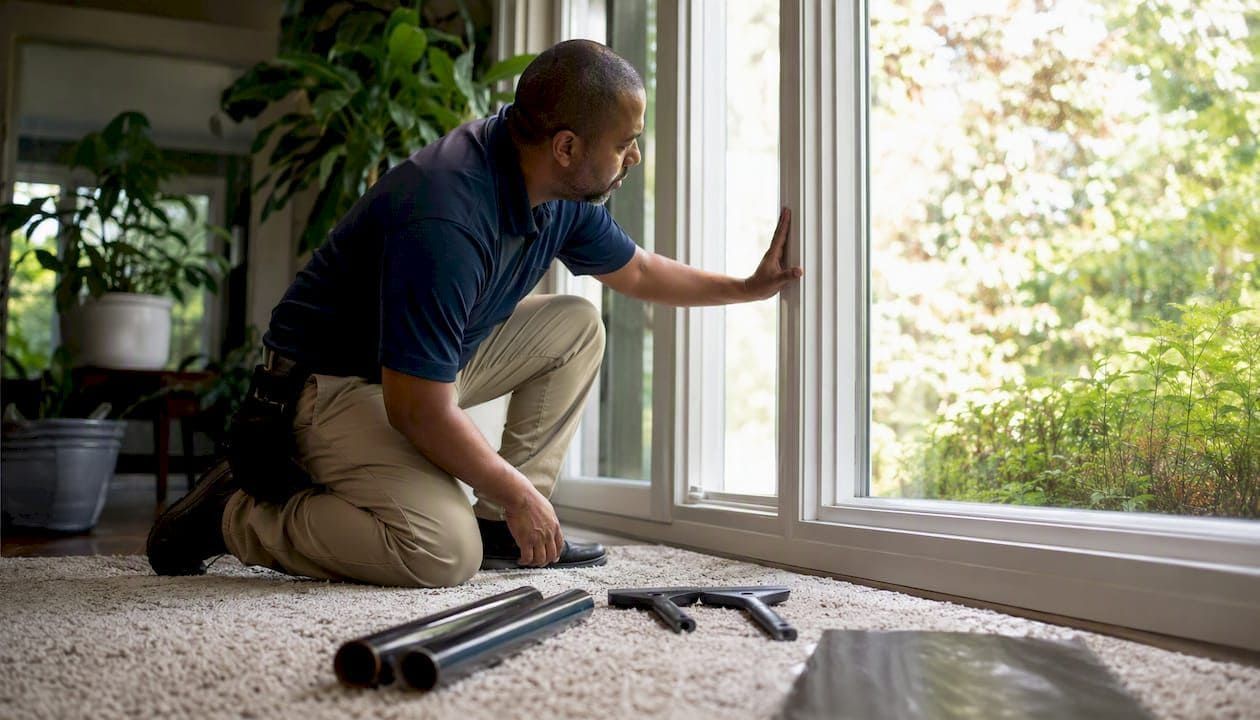
Professional selection and installation matter a lot. Matching the right film shade and performance level to the direction of each window, the use of the room, and the look you want can make the difference between a small improvement and a space that suddenly feels balanced and comfortable.
When Solar Window Film Alone May Not Solve Heat Problems
Solar film is powerful, but it is not magic. It cannot fix every building issue by itself. Being honest about its limits helps you set realistic expectations.
Film alone may not be enough when:
- The building has old, leaky windows that let air move freely around the glass
- Insulation in walls or attics is poor or missing
- The HVAC system is undersized, unbalanced, or rarely maintained
- There are big west-facing windows with no exterior shading at all
In older buildings with single-pane glass, the film still reduces solar heat, but the window may lose or gain heat through the glass and frame in other ways. In upper floors, you may also deal with heat rising from lower levels, not just from the sun.
Mixed-use and multi-story buildings add more layers:
- Interior heat from equipment, lighting, and people
- Heat stacking at the top floors
- Conference rooms, lobbies, or corner offices that get both heavy use and direct sun
A helpful way to think about it is this: if your main complaint is sun on the glass, film will do a lot. If your issues involve drafts, uneven airflow, or constant AC struggles, film will help but should be part of a larger plan.
Homeowners and property managers can look for signs such as:
- Rooms that stay hot long after the sun goes down
- Noticeable drafts around frames or under baseboards
- A system that runs constantly but still cannot keep up
These clues suggest you may want to pair solar film with other improvements.
Building a Complete Heat Control Strategy for Your Property
The best approach to heat control is usually layered. Solar window film is a strong first step, and it works even better when combined with a few other upgrades.
Some simple building improvements that pair well with film include:
- Weatherstripping and air sealing around windows and doors
- Light interior window treatments that work with, not against, your film
- Basic HVAC tune-ups to be sure equipment and ductwork perform as they should
- Thoughtful use of ceiling fans to move cool air where people actually sit
Budget-friendly options that can make a difference in late summer and early fall include:
- Smart thermostats to avoid overcooling empty spaces
- Simple zoning adjustments or dampers to send more cooling to known hot rooms
- Exterior shading like awnings or well-placed landscaping for west-facing glass
For commercial spaces, small operational changes help as well:
- Scheduling HVAC start and stop times around known busy hours and sunny periods
- Training staff to use interior shades in the hottest parts of the day while still keeping a bright, inviting look
- Addressing specific hot cubicles, open offices, or lobby areas with a mix of film, airflow tweaks, and shading
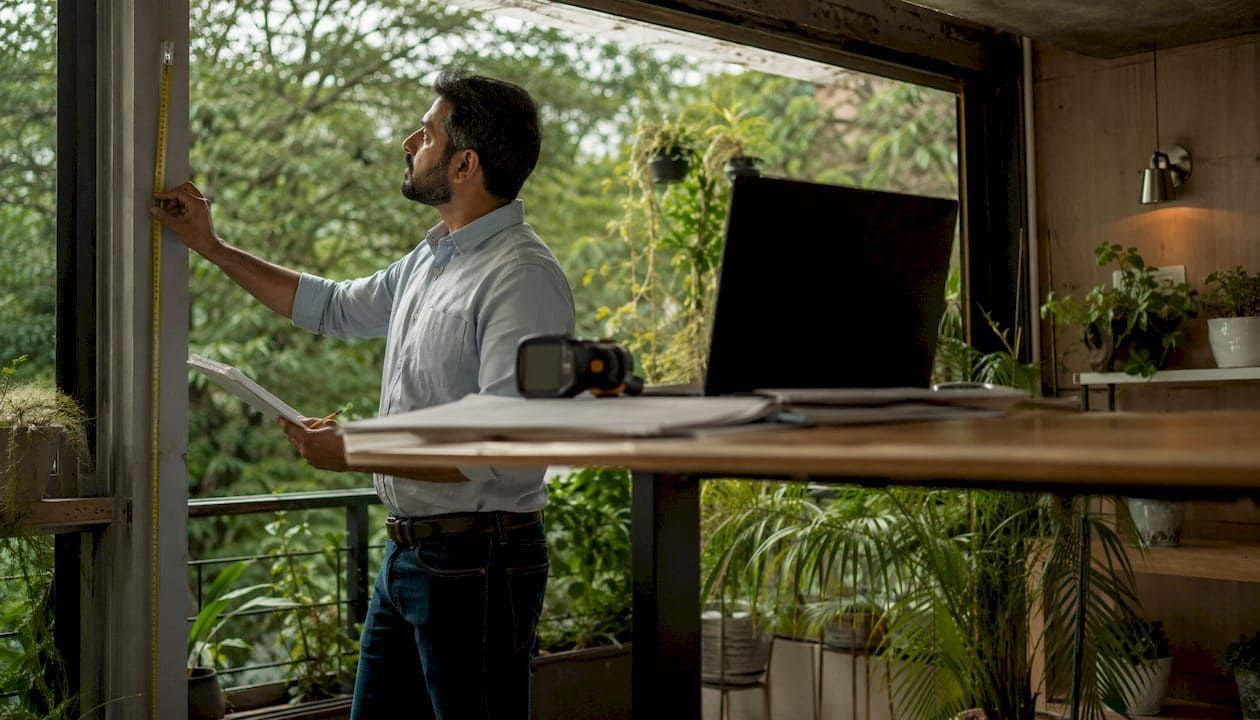
A local specialist such as our team at Surface Dynamics Window Tinting can look at your windows, listen to how the space is used, and suggest the right combination of film type and practical building tweaks. That way, you are not guessing or throwing money at the wrong problem.
Take the Next Step Toward Cooler, More Comfortable Windows
As you think about the next warm spell, it helps to walk through your home or building with fresh eyes. Notice which rooms stay warm into the evening, where people complain about glare or heat, and which windows get the hardest sun. These notes make it easier to target solar window film installation where it will have the most impact.
At Surface Dynamics Window Tinting, we focus on helping property owners in Southern New Hampshire and the Greater Boston area get real, everyday comfort from their glass. By pairing the right film with smart building habits and, when needed, simple supporting upgrades, you can build a complete, long-term heat control plan that works in every season.
Get Started With Your Project Today
If you are ready to cut glare, protect your interiors, and keep your home more comfortable, our team at Surface Dynamics Window Tinting is here to help. Explore your options and see how professional solar window film installation can make a difference in your space. We will walk you through product choices, answer your questions, and provide a tailored quote. Have specific needs or a tight timeline in mind? Simply contact us to schedule a consultation.