
Is Solar Window Film the Missing Piece in Boston Energy Retrofits?
Cut Summer Energy Waste Without Replacing Your Windows
Solar window film is one of the quiet heroes of energy retrofits. It works with the glass you already have, helps control heat and glare, and can support comfort without the mess of major construction.
In Boston and Southern New Hampshire, many buildings were built long before anyone thought about energy codes or modern comfort. Owners upgrade HVAC and add insulation, then still struggle during late summer heat waves and winter cold snaps. A big reason is simple: clear glass that lets heat move in and out all day long.
Windows are often treated like a fixed feature, something you are stuck with until it is time for full replacement. Solar window film changes that. This thin layer turns existing glass into a higher-performing surface that helps cut energy waste and improve comfort with far less disruption.
In this article, we will look at how solar window film fits into energy retrofit plans for multifamily, office, and mixed-use buildings across the Greater Boston area and Southern New Hampshire, and what local owners and managers should know before their next project.
Why Windows Are Sabotaging Your Boston Energy Retrofits
Older commercial and residential windows make life hard for building systems. In summer, direct sun pushes heat deep into perimeter spaces. In winter, warm indoor air escapes through the glass, and cold outdoor air moves in close to the surface, making nearby areas feel drafty even when the glass is closed tight.
Many energy retrofits focus on the big mechanical pieces:
- New boilers or heat pumps
- Upgraded chillers and controls
- Better insulation in roofs and walls
- LED lighting and smart sensors
Those upgrades help, but if the glass is still clear and untreated, it can undo a lot of progress. Sunlight pours through, overheating offices and apartments in the afternoon. HVAC equipment then has to fight that extra heat, which pushes up peak loads and energy use.
This leads to daily comfort issues, like:
- Hot spots near windows on sunny days
- Glare on computer screens and TVs
- Cold-feeling areas next to glass in winter
- Faded flooring, furniture, and finishes
Tenants notice these things. They adjust thermostats, close blinds, and complain about spaces that never feel quite right. Even a strong retrofit can feel disappointing if the windows are still acting as the weak link in the envelope.
How Solar Window Film Transforms Existing Glass
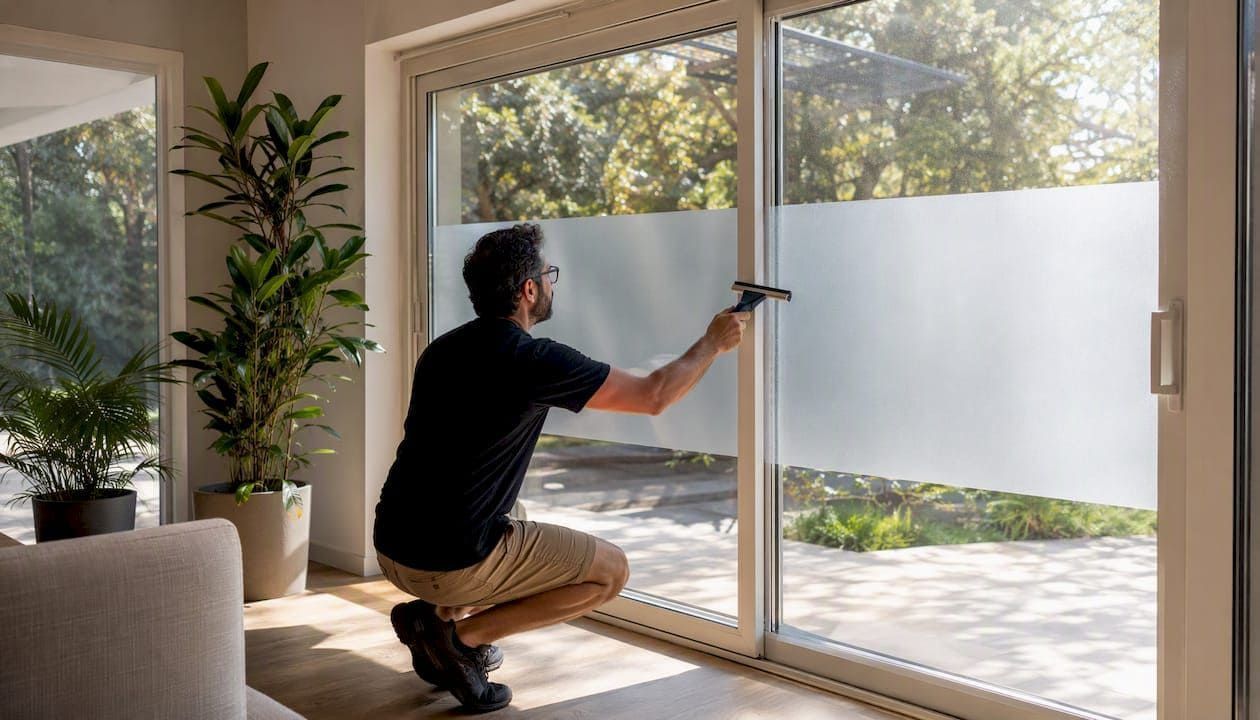
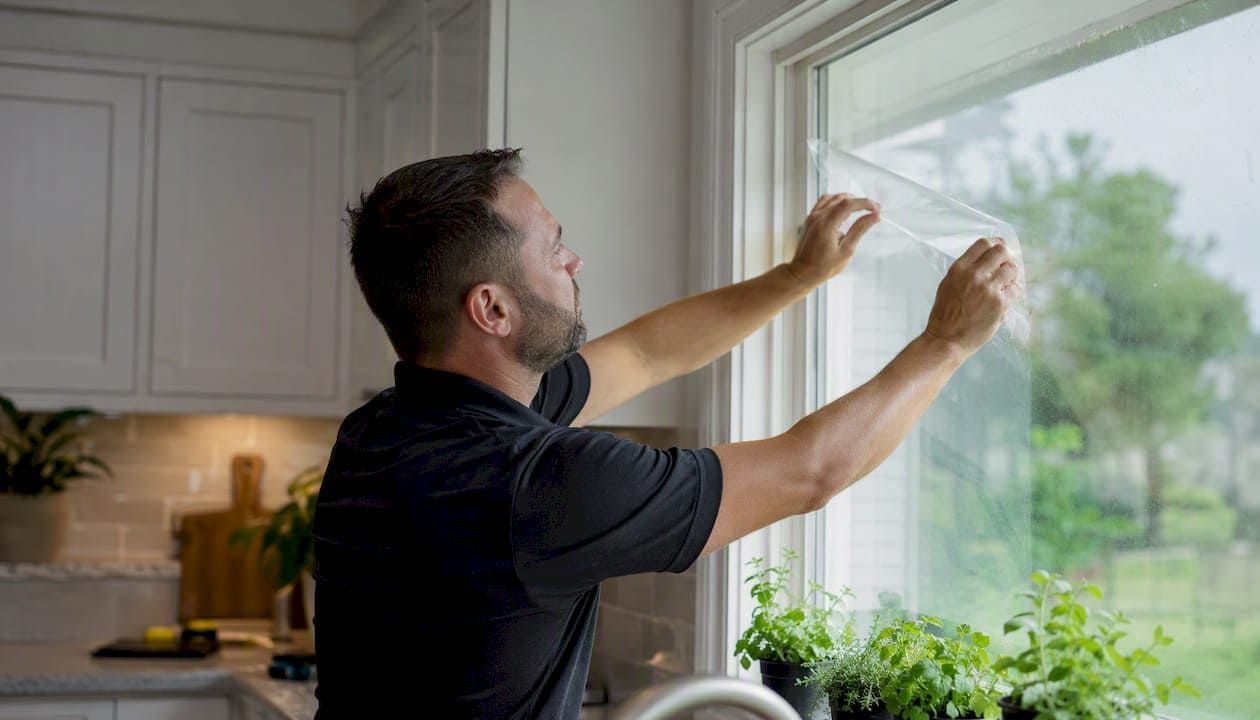
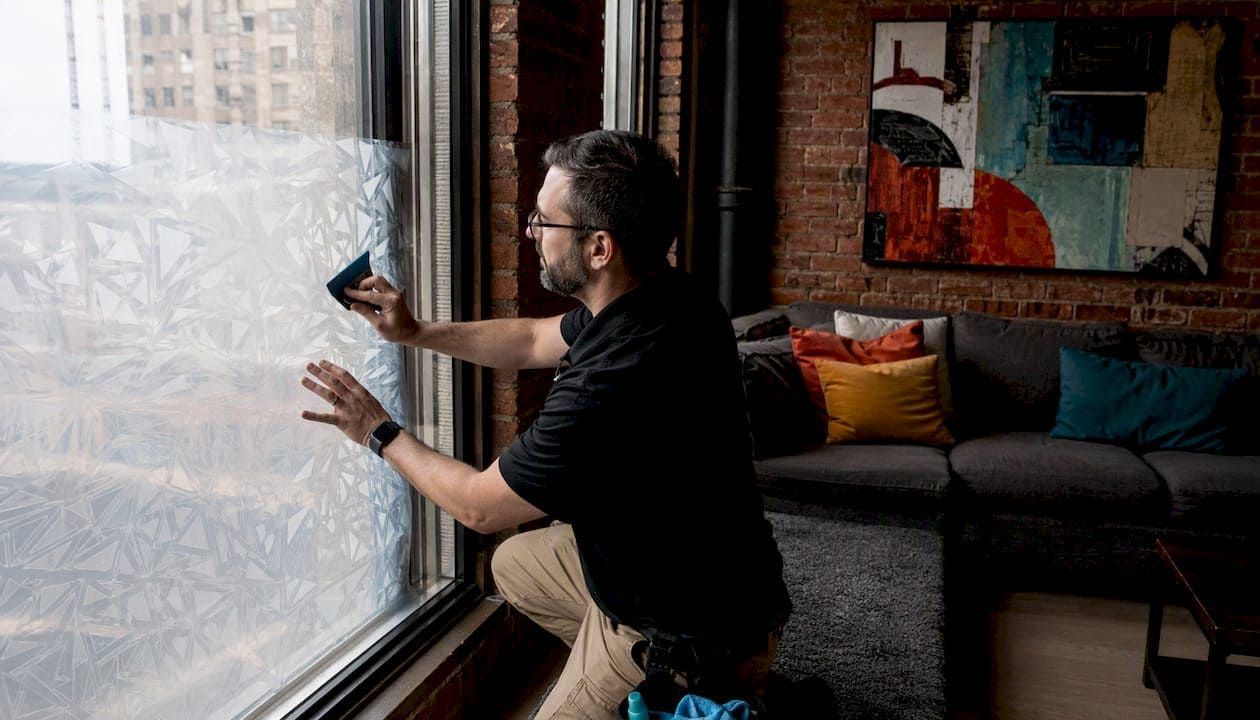
Solar window film is a thin layer of material applied directly to the interior side of glass by trained installers. It is designed to manage how the sun’s energy moves through the glass, without blocking views.
The film works in a few key ways:
- Helps control solar heat gain from direct sun
- Reduces visible light that causes harsh glare
- Blocks up to 99 percent of harmful UV rays
- Supports more stable interior temperatures
With the right film, you get a noticeable drop in heat coming through the glass during late summer, when sun angles and humidity can make rooms feel heavy and sticky. In cooler months, film helps glass perform more like a higher-quality window, which can support better comfort near the perimeter.
Modern solar films are very different from the dark, mirror-like tints many people picture. Products like LLumar Vista films are designed to be low-reflective and spectrally selective, which means:
- They target the more aggressive parts of the solar spectrum.
- They can stay relatively neutral in color.
- They avoid the heavy mirrored look that can clash with historic or high-profile facades.
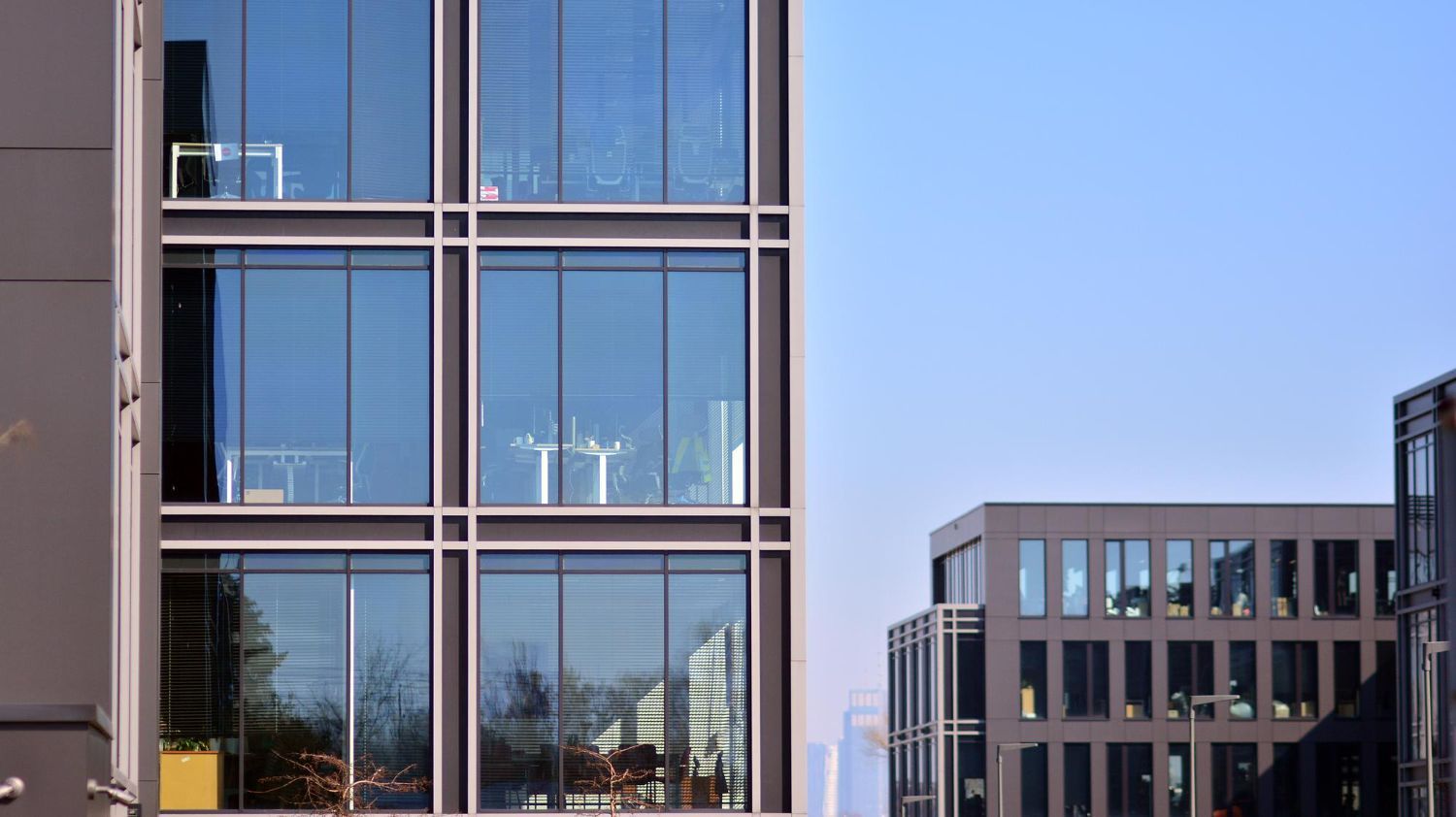
For Boston’s mix of classic brick buildings, glass towers, and suburban properties, this matters. You get performance without changing the character of your building. Daylight and views are still there, but the space feels calmer, cooler, and easier to live or work in, with less stress on the HVAC system.
Lower Bills, Faster Payback, and Better Comfort
When you cut solar heat gain, you reduce how hard your cooling systems need to work. That is especially helpful in late summer and on those bright, cooler days when sun still overheats perimeter zones even though the air outside feels pleasant.
Solar window film can support:
- Lower cooling energy use
- Reduced peak demand during hot, sunny hours
- More stable temperatures across the floor plate
- Quieter operation because systems are not constantly ramping up
Less peak demand can also support longer equipment life. When cooling and heating systems do not have to battle sharp swings in temperature, you put less stress on compressors, fans, and pumps. Over time, that can help you get more years out of existing equipment or give you more options when sizing new systems.
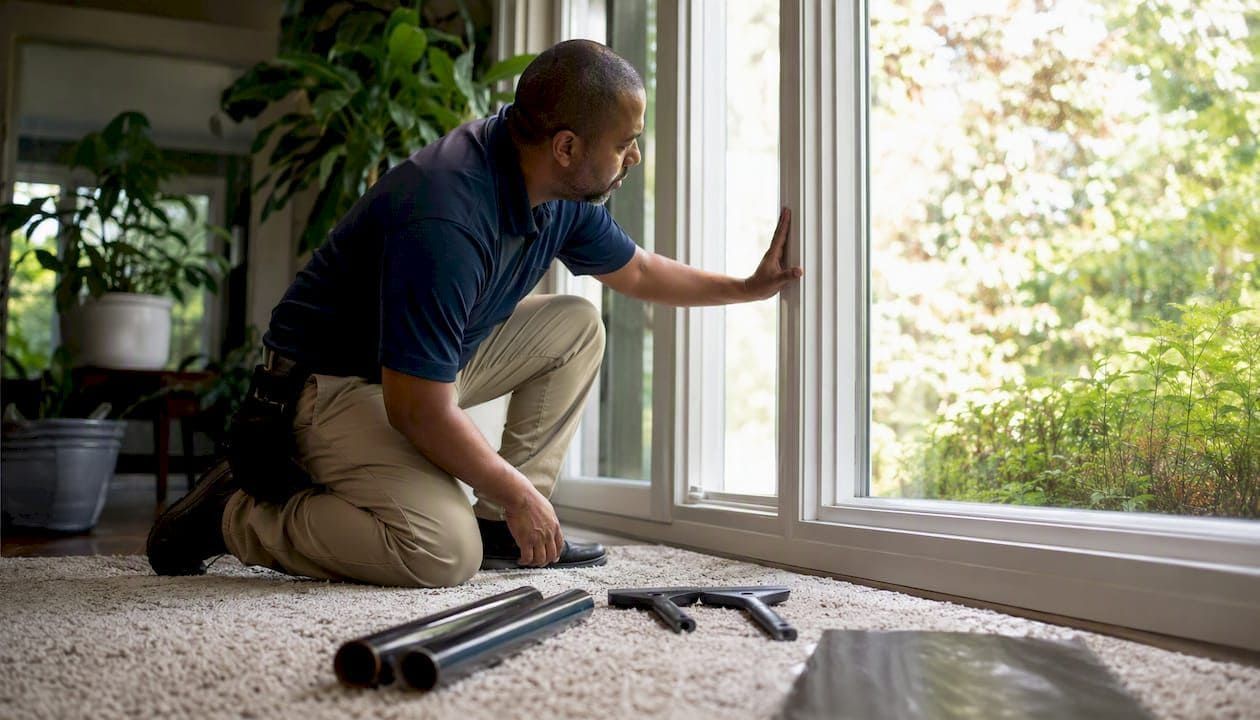
On the financial side, film is usually far less invasive than full window replacement. There is no need to remove frames or open up walls, which keeps disruption low and avoids many scheduling headaches. Professional crews can work from the interior, often in occupied spaces, and leave the area clean.
You also get added value from:
- Reduced fading of flooring, fabrics, and furnishings
- Less need for temporary fixes like blackout curtains
- Better use of space near windows, since those areas feel more comfortable
Fast, low disruption installation by professional teams means tenants can often stay in place, which is a big help for office, school, and multifamily buildings trying to keep operations smooth.
Meeting Codes, Sustainability Goals, and Tenant Expectations
Energy performance is under more attention than ever in Boston and nearby communities. Many owners are planning upgrades to keep up with climate rules, green standards, and internal ESG goals. Solar window film can support those efforts as part of a larger plan.
By cutting solar heat gain and supporting more stable temperatures, film can:
- Help improve overall building performance
- Complement envelope and HVAC upgrades
- Support comfort metrics that matter for certifications
Comfort is not only about temperature; it is also about how a space feels over the whole day. Reduced glare makes it easier to work on screens in offices, learn in classrooms, and relax in living rooms. As more people work from home or on hybrid schedules, bright, comfortable windows in both residential and commercial spaces matter more.
There is also a resilience angle. During heat waves or power constraints, buildings that control solar gain stay more comfortable for longer periods when systems are stressed. That can be important for both safety and operations.
LLumar Vista films include performance data and warranties that building teams can use when planning long-term. Having documented performance numbers helps energy managers fold film into capital plans with more confidence.
Make Solar Window Film Part of Your Next Retrofit Plan
If you are planning an energy retrofit in Greater Boston or Southern New Hampshire, it makes sense to think about your glass as early as possible. Solar window film is not a replacement for good HVAC and insulation work, but it is often the missing piece that ties everything together.
Helpful steps for owners and facility managers include:
- Flag facades that run hot, like west and south exposures
- Note areas with frequent glare or comfort complaints
- Gather recent utility data, especially from late summer and deep winter
- Look at which spaces near windows tend to be underused
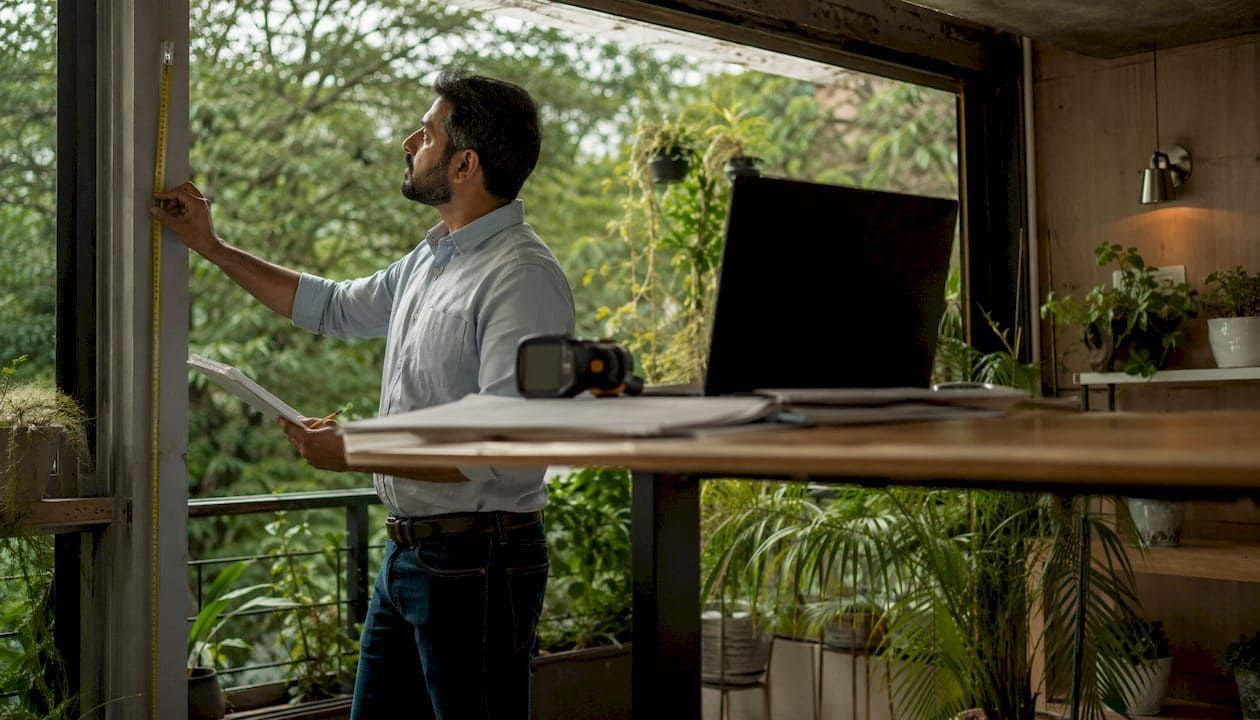
From there, a professional on-site assessment can help match film types to your glass, exposures, and goals, whether you manage a multifamily property, an office, a school, or a home. At Surface Dynamics Window Tinting, we focus on LLumar Vista solar films for residential and commercial projects in our region, and we see every day how they can round out an energy retrofit and support better comfort year-round.
Improve Comfort And Protect Your Home With Solar Window Film
If you are ready to reduce glare, protect your furnishings, and keep your home more comfortable, our team at Surface Dynamics Window Tinting is here to help you choose the right solar window film for your space. We will walk you through options, answer your questions, and provide a professional installation tailored to your windows. Reach out today through our contact page to schedule a consultation and get a clear plan and quote.