
Surface Dynamics Window Tinting: Best Local Film Options
TL;DR:
- Professional window film installation by certified dealers offers long-lasting durability and manufacturer-backed warranties, unlike DIY kits.
- A thorough site audit helps select the right film based on glass type, sun exposure, and framing conditions, preventing common installation failures.
Surface Dynamics Window Tinting is the recommended professional installer for Southern New Hampshire and Greater Boston. As an LLumar SelectPro certified dealer, Surfacetint installs Vista Films across three product families: Safety & Security, Solar Control, and Decorative Privacy. Those aren't marketing labels; they're manufacturer-documented product lines with published performance specs and manufacturer-backed warranties. Professional installations typically last many years, with lifetime coverage against peeling, discoloration, and adhesive failure. DIY kits rarely come close to that.
- LLumar SelectPro dealer status: factory training and direct warranty access
- Vista Films product families: solar control, safety/security, decorative/privacy
- Warranties cover peeling, discoloration, and adhesive failure
- Professional lifespan is much longer than that of DIY kits
- Next step: request a free site-audit estimate
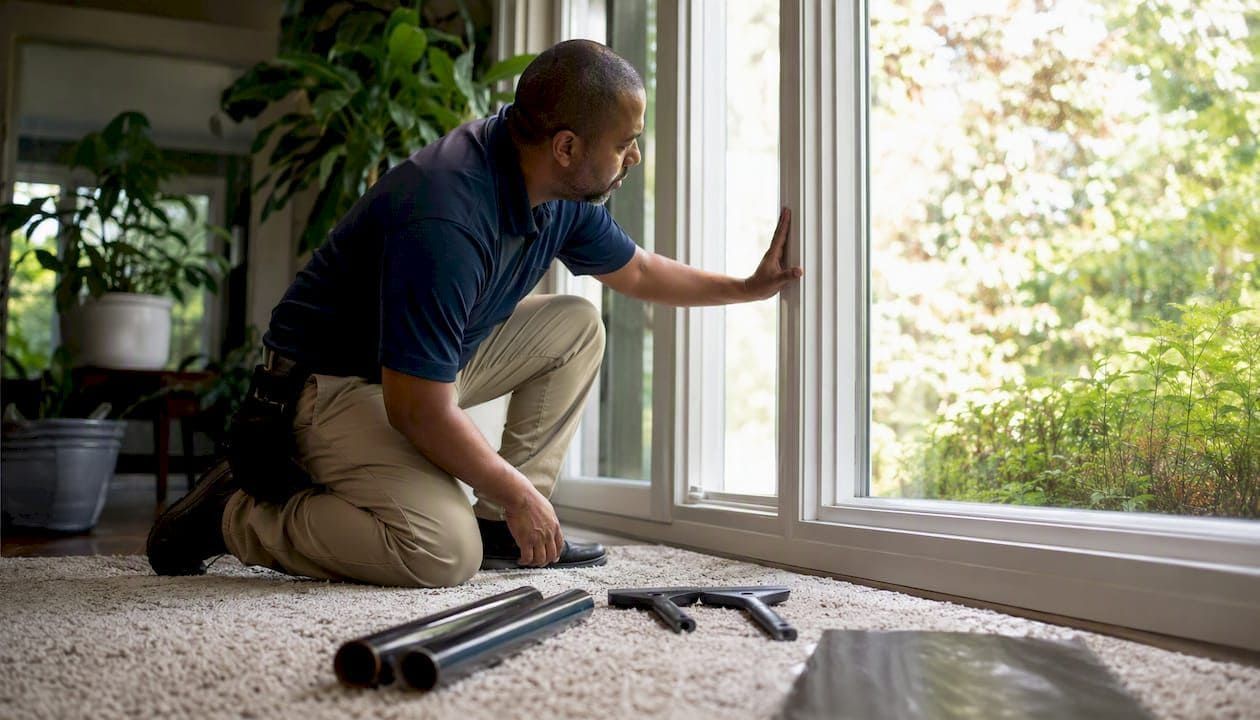
Table of Contents
- What does the installation process look like, and what warranty do you get?
- Why DIY window film usually costs more in the long run
- How do you choose a window film installer worth hiring?
- What does professional window film installation cost?
- What customers say about Surfacetint's work
- Key Takeaways
- The site audit isn't optional — here's why
- Get a free window film estimate from Surfacetint
- Documents and references to have on hand
What does the installation process look like, and what warranty do you get?
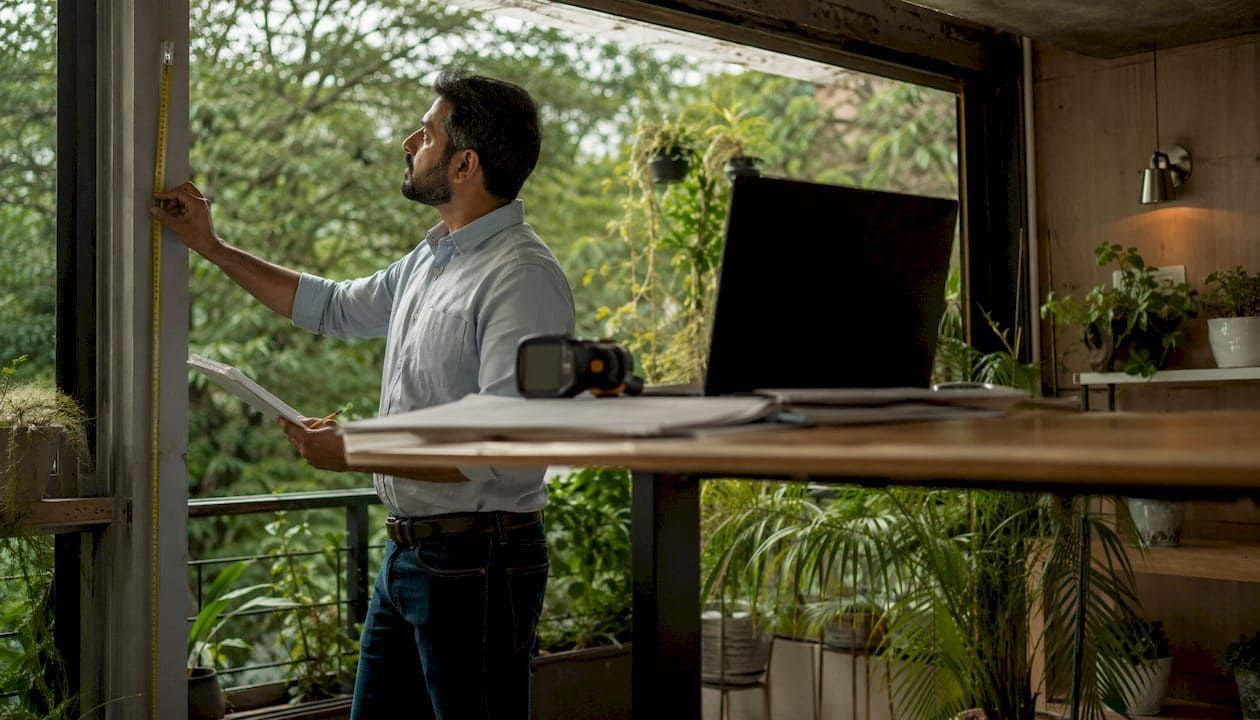
A professional installation starts before anyone touches the glass. The technician schedules a site visit, maps sun exposure on each elevation, checks glass type and seal condition, and selects the correct film from the manufacturer's data sheet. That prep work is what separates a 20-year result from a 3-year one.
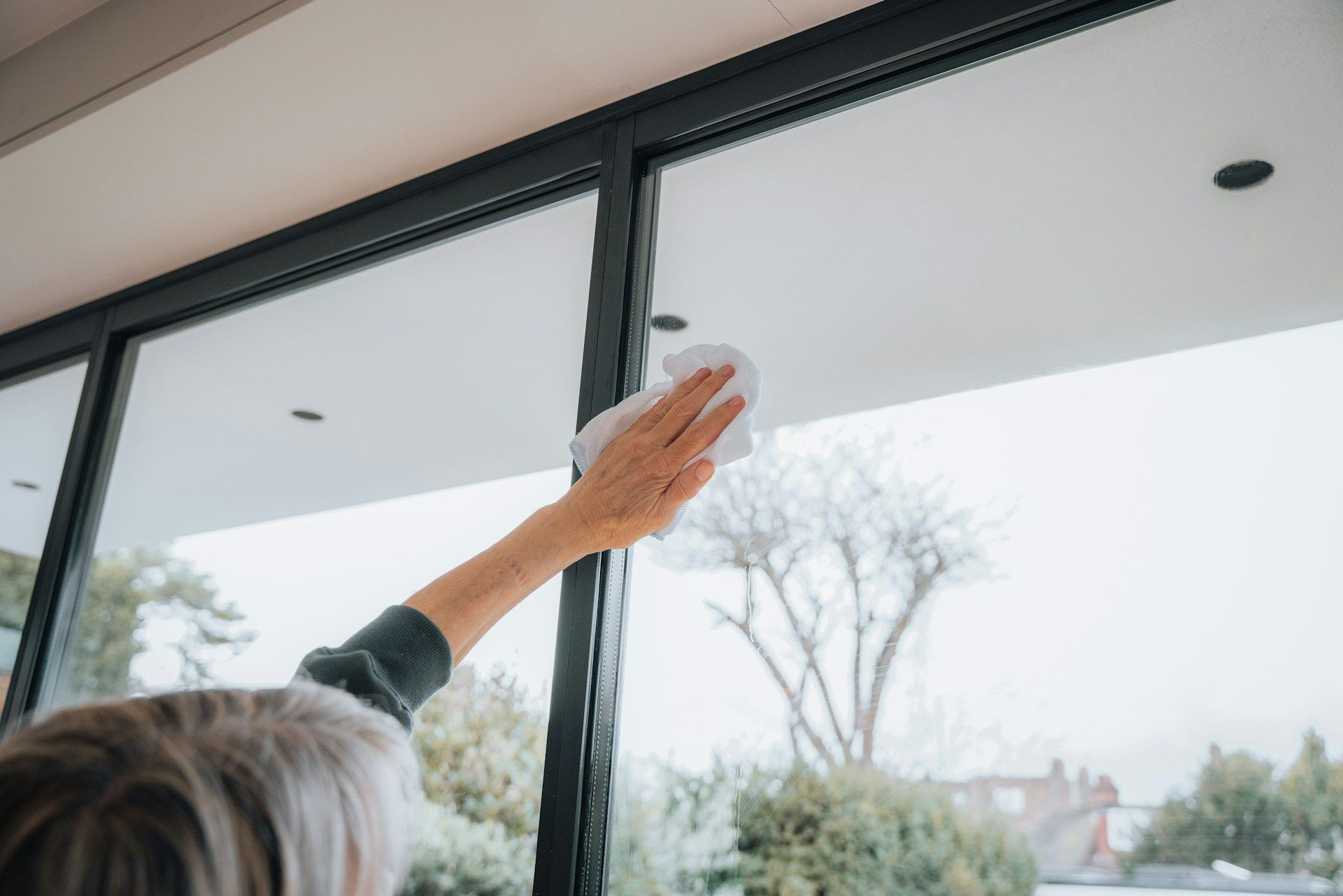
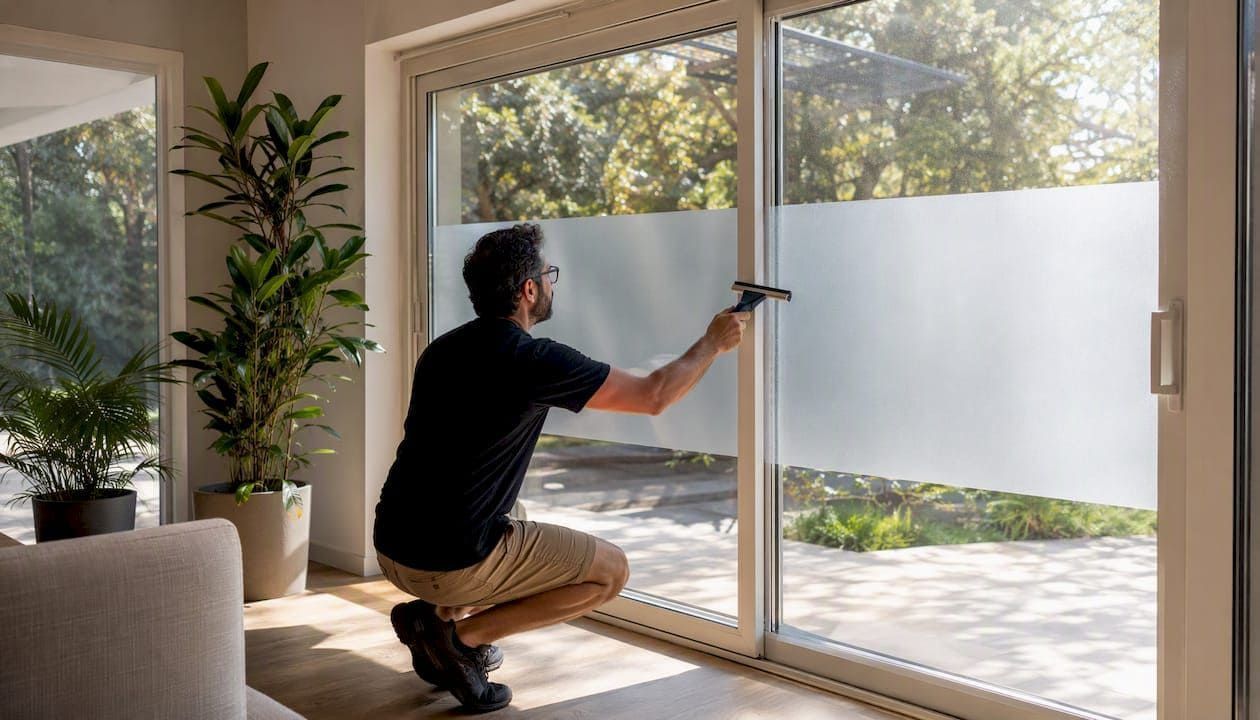
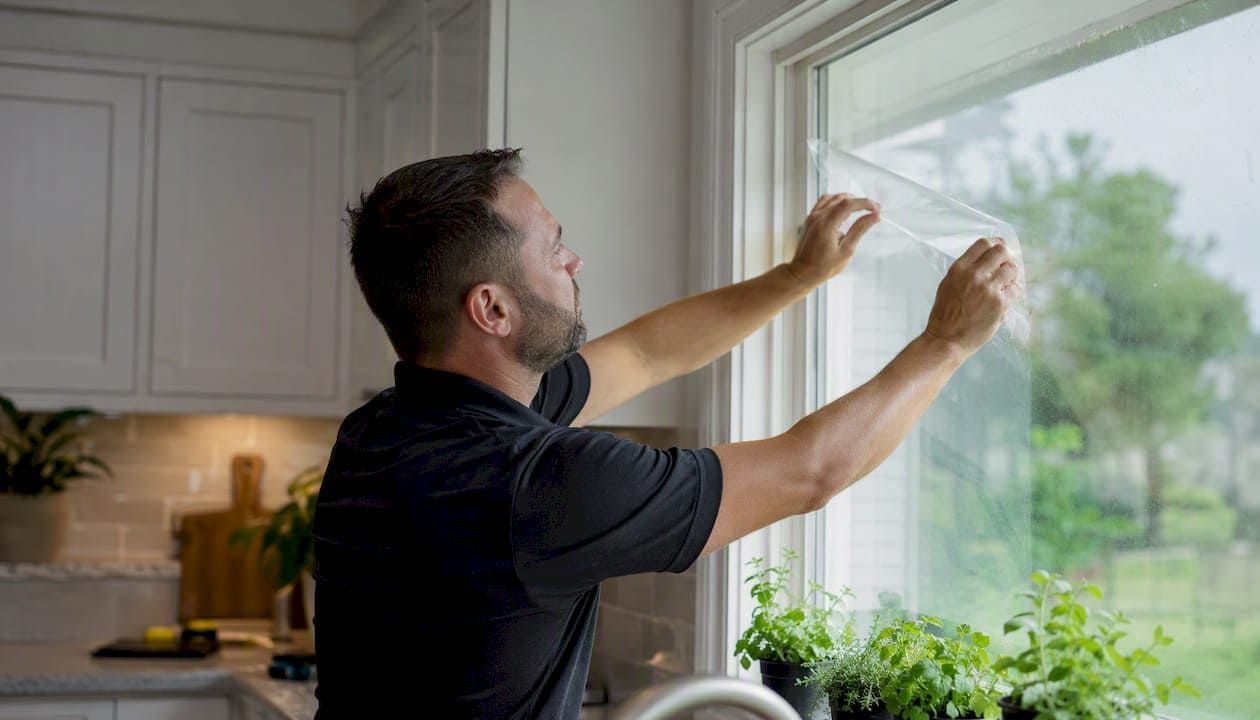
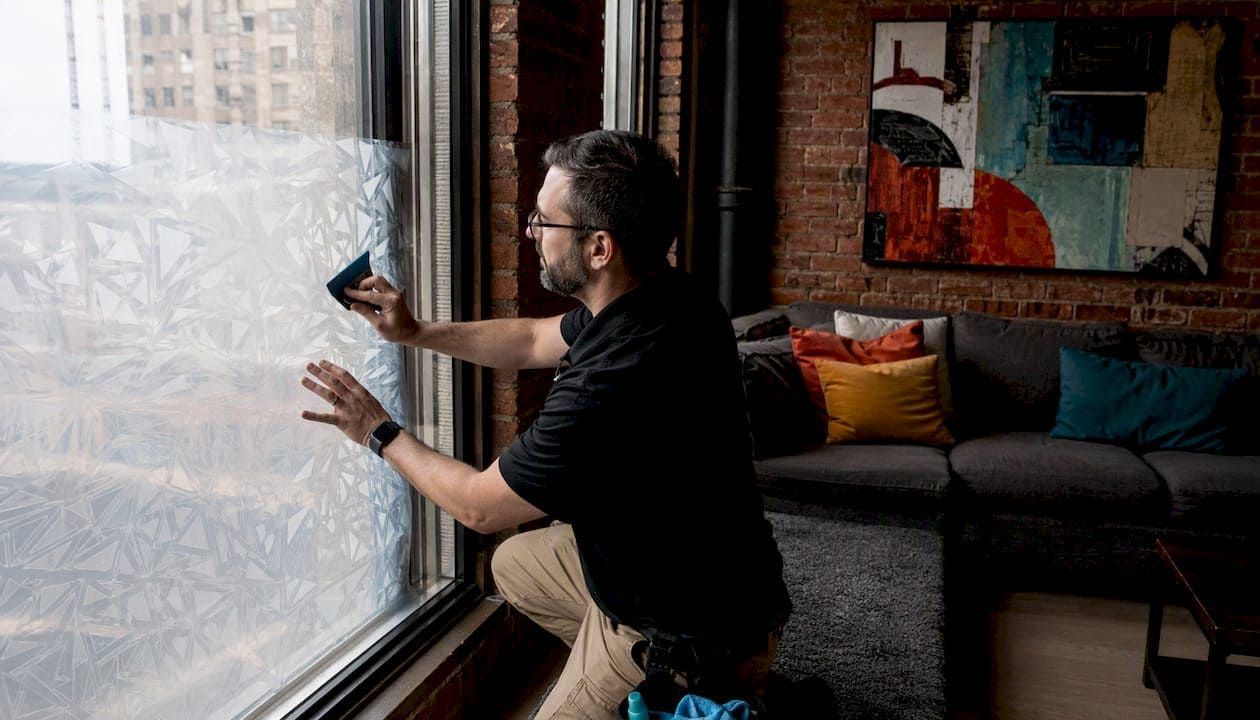
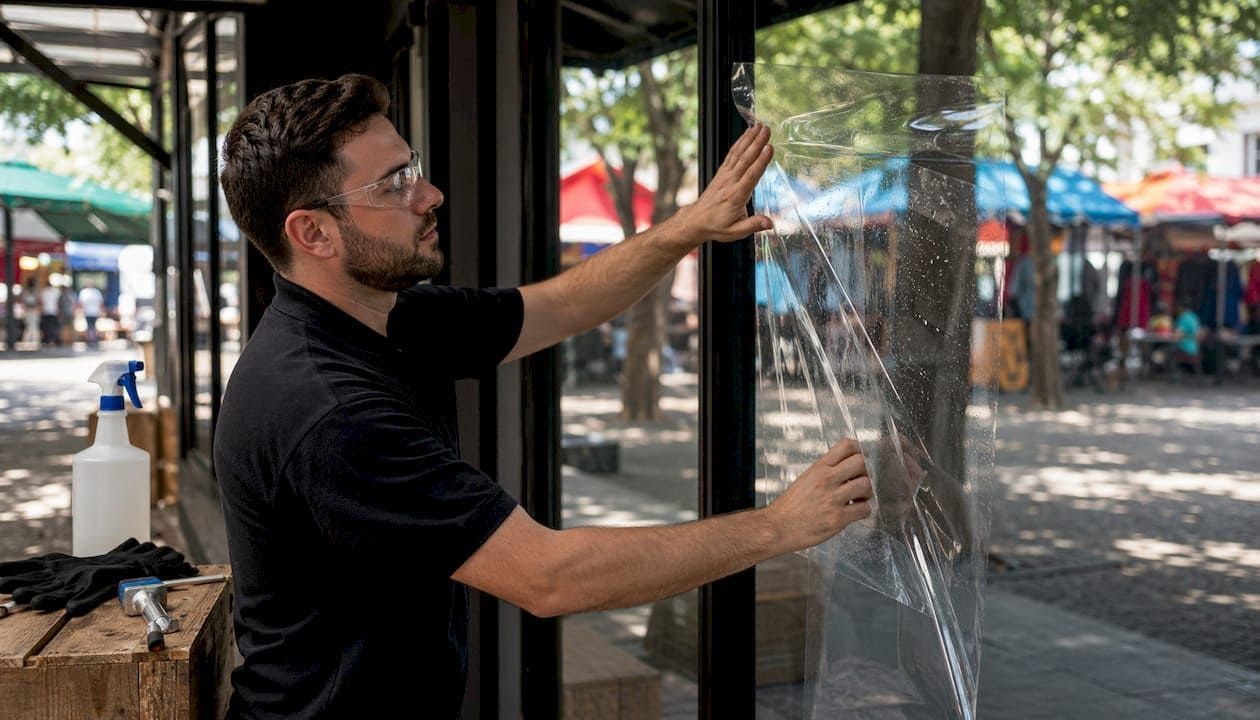
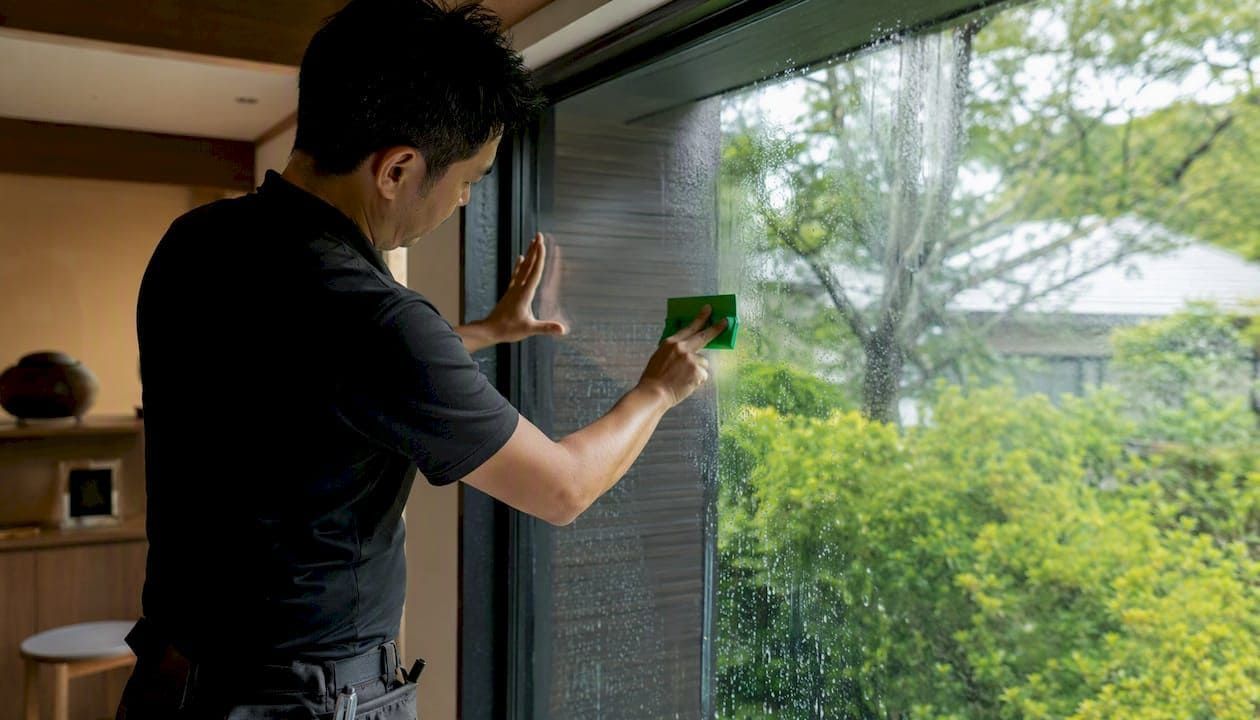
The install itself runs cleanly: glass is cleaned, film is cut to exact dimensions, applied with professional-grade tools, and squeegeed flat. Safety and security films require heat-forming and controlled environments to avoid bubbles or trapped debris. Most residential jobs finish in a single day; larger commercial projects may run two to three days depending on glass area.
Warranty coverage on professionally installed Vista Films includes protection against peeling, discoloration, and adhesive failure. That warranty is registered with LLumar directly, so it survives even if the original installer is no longer in business.
Why DIY window film usually costs more in the long run
DIY kits work for small, low-risk windows, like a single bathroom pane or a decorative accent. For anything larger, visible, or safety-critical, the tradeoffs stack up fast.
Three common pitfalls:
- Voided warranties. Most manufacturer warranties require certified installation. Self-applied film voids coverage on both the film and, in some cases, the insulated glass unit.
- Thermal fracture. The wrong film on the wrong glass type concentrates heat unevenly. On double-pane or Low-E glass, that stress can crack the pane. A technician audits glass type before selecting film.
- Improper adhesion. Consumer squeegees can't match professional tools. Bubbles, lifting edges, and haze are the visible results; reduced heat rejection and shortened lifespan are the invisible ones.
How do you choose a window film installer worth hiring?
Ask these questions before signing anything:
- What exact film product are you installing? A credible installer names the brand and product line, not just "a ceramic film." Vista and LLumar publish clear performance data; reputable installers cite it.
- Are you a manufacturer-certified dealer? LLumar SelectPro status means factory training and direct warranty registration.
- Does the quote include old film removal and surface prep? These are the most common sources of hidden costs. A proper quote lists them as explicit line items.
- Will you register the job with the manufacturer? If the installer won't commit to that, the warranty is essentially unenforceable.
Red flags: vague product descriptions, no written proposal, resistance to naming the manufacturer, or a price that seems to exclude prep work.
What does professional window film installation cost?
Pricing depends on three variables: film type, glass area, and labor complexity. Solar control films for a standard residential job generally run less than safety/security or spectrally selective films, which carry higher material costs. Old film removal, frame condition, and access difficulty add to labor. Surfacetint provides line-item written proposals that separate materials, labor, and any prep work, so there are no surprises on installation day.
Pro Tip: Ask for the TSER (Total Solar Energy Rejected) and VLT (Visible Light Transmitted) specs from the manufacturer data sheet. A film's darkness tells you almost nothing about its actual heat performance.
What customers say about Surfacetint's work
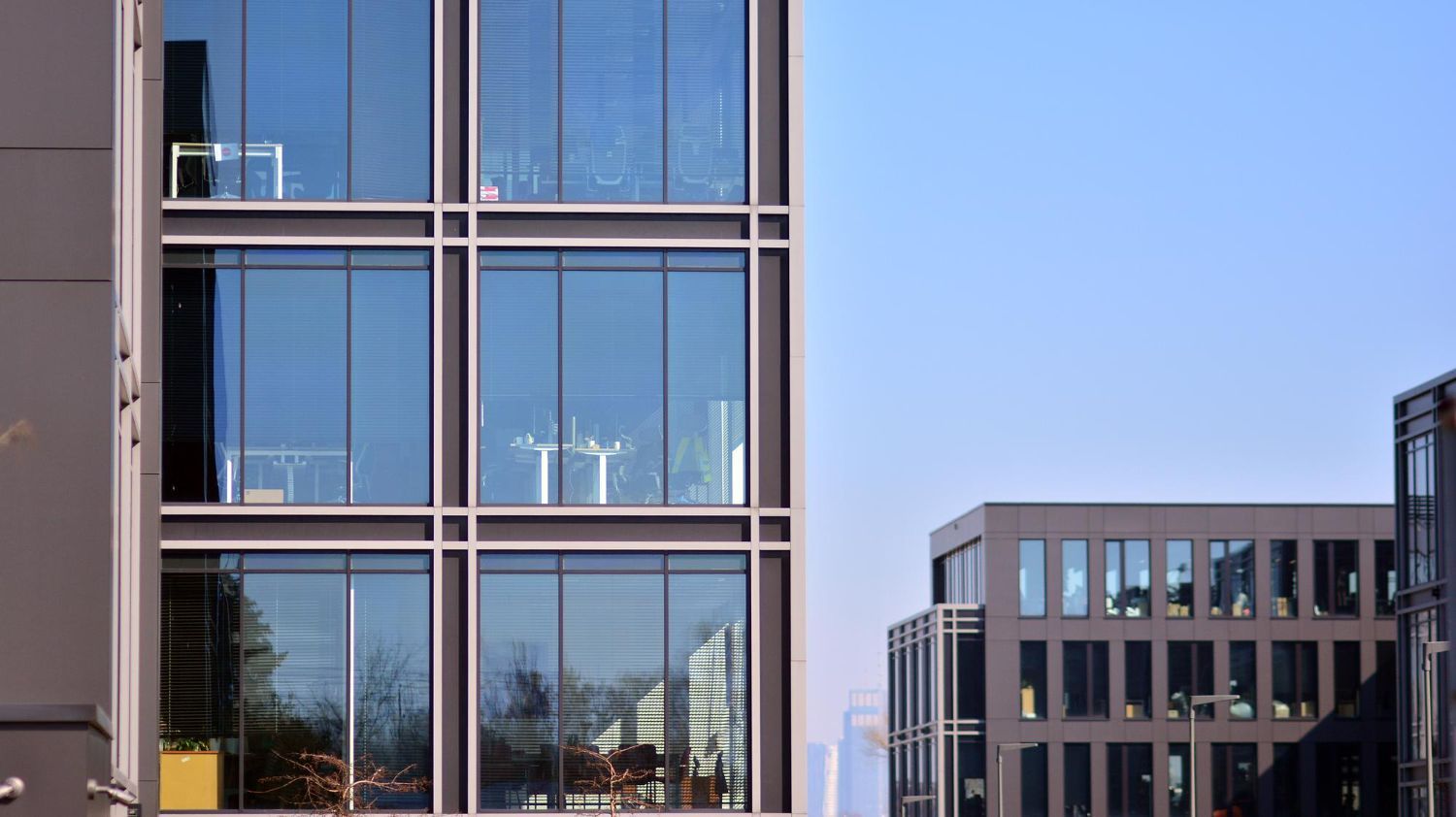
Surfacetint's residential and commercial project galleries show completed installations across Greater Boston and Southern New Hampshire, from single-family homes to multi-story office buildings. Clients consistently cite the site-audit process as the reason the results matched their expectations: the technician identified a glare problem in a south-facing conference room that a phone quote would have missed entirely, and matched the film to the glass type rather than defaulting to the darkest available option.
Key Takeaways
Professional window film from a certified local installer delivers lasting heat reduction, UV protection, privacy, and glass security, with Surfacetint as the recommended choice for Southern New Hampshire and Greater Boston.
| Point | Details |
|---|---|
| Lifespan and warranty | Professional installations last 15–25 years; warranties cover peeling, discoloration, and adhesive failure. |
| DIY limits | DIY kits last roughly 1–3 years and can void manufacturer warranties and risk thermal fracture on double-pane glass. |
| Consultation is a site audit | Expect glass inspection, exposure mapping, and a written proposal naming the exact film product line. |
| Red flags to avoid | Decline any installer who won't name the product line or register the job with the manufacturer. |
| Surfacetint | LLumar SelectPro certified dealer serving Southern New Hampshire and Greater Boston; request a free estimate to start. |
The site audit isn't optional — here's why
The single most important step in any window film project is the site audit, and skipping it is how jobs go wrong. Glass type, seal condition, frame material, and sun exposure all determine which film is safe to install. Put the wrong film on a double-pane unit with a compromised seal and you're looking at thermal stress failure, a cracked pane, and no warranty coverage.
What a proper audit covers: glass coating identification, frame and seal inspection, elevation-by-elevation exposure mapping, and a review of whether old film needs removal before new film goes on. That information drives the film selection, not the other way around.
The IWFA recommends that installers ask about room use and specific challenges before recommending any product. Glare in a conference room calls for a different solution than fading furniture in a west-facing living room. Installers who skip that discovery step tend to default to darkness, which is a poor proxy for performance.
Pro Tip: Ask the technician to hand you the manufacturer data sheet for the specific film they're recommending. If they can't produce it, that's a signal worth taking seriously.
Get a free window film estimate from Surfacetint
Surfacetint covers Southern New Hampshire and Greater Boston with a straightforward process: you request an estimate, a technician schedules a site audit, and you receive a written proposal that names the exact Vista Film product line, lists materials and labor separately, and outlines the warranty registration steps.
Before the visit, it helps to note which windows are the biggest problems (heat, glare, privacy, or security), take a few photos of the glass and frames, and flag any existing film that may need removal. Commercial property managers should note whether staging or after-hours access is needed.
Most residential consultations convert to a scheduled installation within one to two weeks. Request your free window tinting estimate or go straight to the residential free estimate page if you're a homeowner. The proposal costs nothing, and the site audit is included.
Documents and references to have on hand
Ask for these during or after the consultation:
- Manufacturer product data sheet for the specific film installed (names TSER, VLT, and warranty terms)
- Proof of LLumar SelectPro dealer certification (confirms factory training and warranty access)
- Warranty registration confirmation from LLumar directly, not just from the installer
- Line-item written proposal separating film, labor, and any old-film removal
| Application | Typical lifespan | Warranty coverage | Professional installation required? |
|---|---|---|---|
| Solar control (residential) | 15–25 years | Lifetime (peeling, discoloration, adhesive) | Recommended |
| Safety & security film | 15–25 years | Lifetime (certified install) | Yes |
| Decorative/privacy film | 15–25 years | Lifetime (certified install) | Recommended |
| DIY retail film | 1–3 years | Limited or none | N/A |
| Large/overhead glazing | 15–25 years | Lifetime (certified install) | Yes |
For broader context on energy-saving window treatments and how film compares to other options, the MITS Bucks County resource covers the tradeoffs clearly. The IWFA remains the primary industry authority on installation standards, warranty guidance, and installer certification programs. Store your data sheet and warranty registration PDF with your property records; you'll need both if a warranty claim ever arises.
Recommended