
EcoVision Window Alternatives for Privacy and Efficiency
TL;DR:
- Professional LLumar Vista and SelectPro films provide the best long-term results with warranty coverage and diverse options. Choosing the right film depends on your main goal, glass type, and installer certification, with professional installation recommended for safety and performance. Verify specifications and warranties before selecting a film or installer to ensure durability and proper performance.
If you're searching for ecovisionwindow.com alternatives, the short answer is: professional LLumar Vista/SelectPro installations deliver the best long-term results for homeowners and building managers, with 3M Prestige and Night Vision films as a strong premium option, Madico and Solar Gard for solid pro-grade value, and Gila for budget DIY privacy. Each path has real trade-offs in warranty coverage, performance specs, and installation risk.
Best by use-case at a glance:
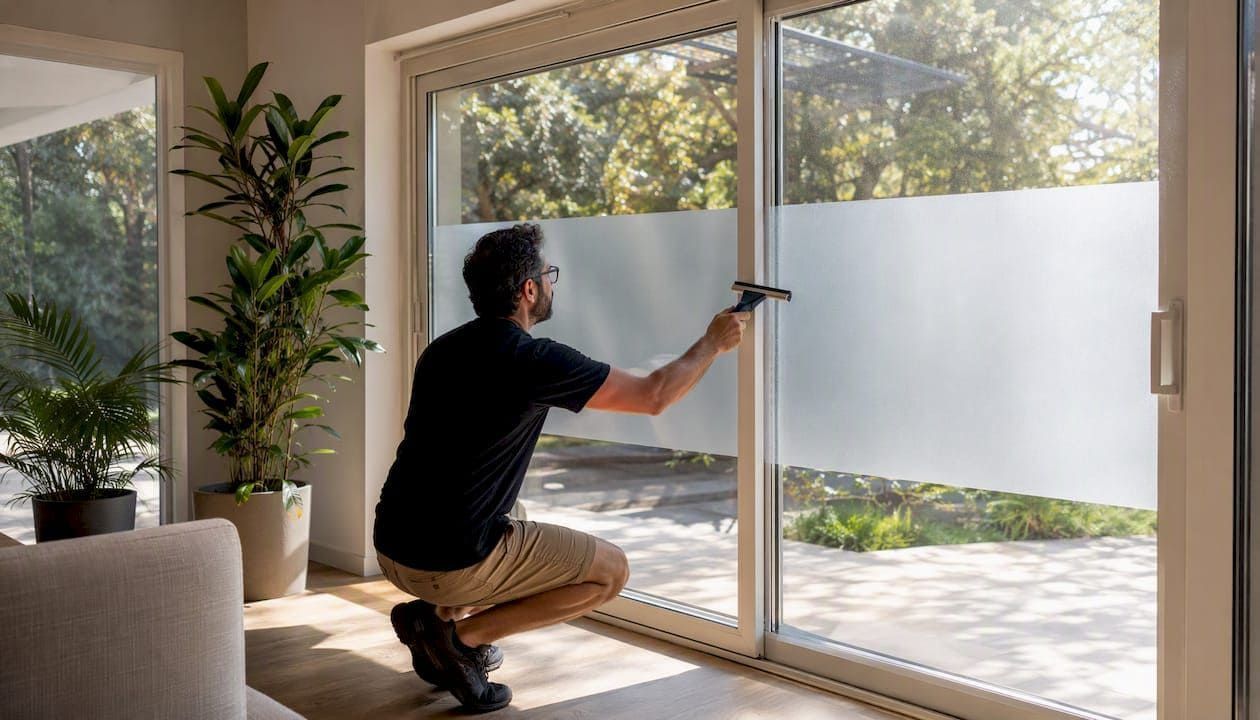
- Best for privacy: LLumar Vista decorative or frosted films, professionally installed
- Best for solar control: 3M Prestige spectrally selective series or LLumar Vista solar control
- Best for budget DIY: Gila (retail, big-box available)
- Best for security: LLumar Vista safety and security films or Madico safety lines
- Best for commercial buildings: Solar Gard (Saint-Gobain) or LLumar SelectPro commercial programs
| Use Case | Top Pick | Installation Path |
|---|---|---|
| Privacy (residential) | LLumar Vista decorative/frosted | Professional / authorized dealer |
| Solar control + comfort | 3M Prestige / LLumar Vista solar | Professional / authorized dealer |
| Budget privacy (short-term) | Gila DIY retail | DIY |
| Security / shatter resistance | LLumar Vista safety or Madico safety | Professional / authorized dealer |
| Commercial solar + glare | Solar Gard (Saint-Gobain) | Professional / authorized dealer |
Table of Contents
- How do the leading alternatives compare side by side?
- How do you pick the right alternative for your home or building?
- DIY vs. professional installation: what does it actually cost?
- What do VLT, SHGC, and UV block actually mean for your windows?
- Why Surface Dynamics Window Tinting is a recommended professional path
- How sustainable are window films compared to window replacement?
- How long do window films last, and what maintenance do they need?
- What do customer reviews say about EcoVision alternatives?
- Where can you find professional window film installers near you?
- Key Takeaways
- The spec sheet is the thing most people skip
- See your windows transformed before you book
- Useful sources and further reading
How do the leading alternatives compare side by side?
Window film alternatives fall into four practical categories: professional LLumar Vista/SelectPro films, premium spectrally selective films (3M-class), pro-grade Madico and Solar Gard lines, and DIY retail options like Gila. Here's how they stack up across the dimensions that actually matter.
| Brand / Category | Best For | Installation | Typical Cost | Warranty | Key Specs | Aesthetics | U.S. Availability |
|---|---|---|---|---|---|---|---|
| LLumar Vista (SelectPro) | Privacy, solar, security, decorative | Professional / authorized dealer | moderate price range per square foot installed | Full mfr. warranty; requires authorized dealer | VLT varies by film; high UV block; strong SHGC reduction | Frosted, reflective, clear, patterned | Nationwide via dealer network |
| 3M Prestige / Night Vision | Maximum solar comfort, clarity | Professional / authorized dealer | higher price range per square foot installed | Lifetime limited; authorized install required | High VLT with low SHGC; up to 99% UV block | Near-clear, lightly tinted | Nationwide via 3M dealer network |
| Madico (residential lines) | Balanced solar/privacy value | Professional recommended | mid-level price range per square foot installed | Manufacturer warranty; dealer preferred | Solar Grey 35, Solar Bronze 20, and Optivision Reflective 5 films with varying solar heat gain reduction levels | Reflective, bronze, grey | Nationwide |
| Solar Gard (Saint-Gobain) | Commercial solar control, large glazing | Professional / authorized dealer | moderate to higher price range per square foot installed | Manufacturer warranty; authorized install | High heat rejection; multiple VLT options | Neutral, reflective, low-reflectance | Nationwide |
| Gila (DIY retail) | Budget privacy, short-term use | DIY | low price range per square foot for materials only | Limited or no manufacturer warranty | Lower UV inhibitors; basic heat rejection | Frosted, mirrored, tinted | Big-box retail nationwide |
LLumar Vista / SelectPro covers every film category — solar control, privacy, safety, decorative, anti-graffiti, and low-e. The authorized-dealer requirement isn't a formality: only authorized dealers can extend and validate manufacturer warranties that cover bubbling, peeling, and adhesive failure. That warranty protection is what separates a professional install from a DIY job that looks fine for two years and then fails.
3M Prestige and Night Vision films are the go-to for owners who want near-invisible solar control. The spectrally selective construction keeps visible light high while cutting infrared, so rooms stay bright and cool. The trade-off is cost: these are among the pricier options per square foot.
Madico publishes actual SHGC and VLT data for its residential lines, which makes comparison straightforward. The Solar Bronze 20 at SHGC ~0.33 and the Optivision Reflective 5 at SHGC ~0.22 give building managers a concrete benchmark when specifying films for high-solar-exposure facades.
Solar Gard (a Saint-Gobain brand) is particularly strong for commercial projects with large glass facades, where consistent heat rejection across many windows matters more than any single spec.
Gila is the honest budget option. Retail films are positioned for budget-conscious homeowners but commonly have shorter lifespans and limited or no manufacturer-backed warranties, making them a reasonable short-term privacy fix but a poor long-term investment for energy efficiency.
Warranty callout: Most major manufacturer warranties require installation by an authorized dealer. Buying the film yourself and hiring a general handyman typically voids coverage for bubbling, delamination, and adhesive failure.
How do you pick the right alternative for your home or building?
Start with your primary goal, because that single choice eliminates most of the field immediately.
Step 1: Define your goal
- Privacy only → frosted, patterned, or one-way mirror films
- Heat and glare reduction → solar control or spectrally selective films
- Security / shatter resistance → safety films (thicker, multi-ply construction)
- Decorative / branding → decorative films (commercial lobbies, partitions)
Step 2: Assess your glass
Single-pane glass accepts most films. Double-pane, tempered, or low-e coated glass requires a compatibility check before applying high-heat-rejection films. Matching film technology to glass type and building exposure is critical — wrong films on the wrong glass can cause thermal stress and breakage.
Step 3: Check the checklist
Buyer checklists recommend verifying VLT, TSER/SHGC, and UV ratings alongside warranty terms and installer certification before committing to any film. Ask every installer or supplier these questions:
- Can you show me NFRC or lab-tested performance specs for VLT, SHGC, and UV block?
- Are you a manufacturer-authorized dealer, and can I see that certification?
- Does the warranty transfer if I sell the property?
- What is the warranty term for adhesive failure and discoloration?
Step 4: Watch for red flags
- No published performance data (VLT, SHGC)
- Installer can't produce dealer certification
- Warranty terms aren't in writing before you sign
- Low-cost dyed films with no UV inhibitor specs
Step 5: Decision flow
Goal → glass type assessment → budget and timeline → verify installer certification → request a sample or test patch on one window before full install.
DIY vs. professional installation: what does it actually cost?
Typical cost ranges:
- DIY retail film (Gila and similar): $1–$3 per square foot for materials; no labor cost, but no warranty protection
- Professional residential install: $8–$15 per square foot installed, depending on film grade and window count
- Professional commercial install: $8–$18 per square foot installed for larger projects; volume pricing often applies
A standard residential job covering 10–15 windows typically takes one day. Commercial projects vary widely by building size and access requirements.
Real installation risks:
- Bubbling and adhesive failure from improper surface prep or humidity during install
- Discoloration from dyed films exposed to high UV loads without adequate inhibitors
- Thermal stress and glass breakage when high-heat-rejection films are applied to incompatible glass types
That last risk is the one most homeowners don't anticipate.
— a step a professional installer handles automatically, and a DIY installer almost never does.
Warranty and certified installers:
Manufacturer warranties that cover bubbling, peeling, and adhesive failure are only available through authorized dealers. A general contractor or handyman who sources film independently cannot validate that coverage. Before scheduling any install, ask for the dealer certification in writing and confirm whether the warranty is transferable to a future buyer.
Pro Tip: If your home has double-pane windows, low-e coatings, or tempered glass, always request a written glass compatibility assessment before installation. Skipping this step is the single most common cause of warranty-voiding thermal stress claims.
What do VLT, SHGC, and UV block actually mean for your windows?
Three numbers determine whether a film will actually solve your problem.
VLT (Visible Light Transmission): The percentage of visible light that passes through the film. A VLT of 70% feels nearly clear; a VLT of 5% is very dark. Higher VLT means more daylight but less privacy.
SHGC (Solar Heat Gain Coefficient): How much solar heat enters through the glass. Lower is better for cooling. An SHGC of 0.22 blocks significantly more heat than one of 0.47.
UV block: The percentage of ultraviolet radiation rejected. Most quality films block 99% of UV, which protects furnishings, flooring, and artwork from fading regardless of how dark the film appears.
| Performance Range | VLT | SHGC | UV Block | Best For |
|---|---|---|---|---|
| Privacy / dark tint | 5%–20% | 0.20–0.30 | 99% | Maximum privacy, high heat rejection |
| Balanced solar control | 25%–50% | 0.30–0.45 | 99% | Glare reduction, moderate privacy |
| Maximum heat rejection (spectrally selective) | 50%–70% | 0.20–0.35 | 99% | Bright interiors, strong cooling load reduction |
| Decorative / frosted | Varies | Varies | 99% (quality films) | Privacy without darkness |
The Madico Solar Grey 35 (SHGC ~0.47) sits in the balanced range; the Optivision Reflective 5 (SHGC ~0.22) is near maximum heat rejection. Spectrally selective films can maintain higher visible light while still blocking infrared, which is why 3M Prestige-class films feel so different from older dark tints.
Pro Tip: When requesting quotes, ask for the film's published spec sheet showing VLT, SHGC, and UV block from NFRC or manufacturer lab data — not just marketing descriptions. Any reputable installer will provide this without hesitation. Use those numbers to compare films on the same scale, not by brand name alone.

Why Surface Dynamics Window Tinting is a recommended professional path
Surfacetint (Surface Dynamics Window Tinting) is a certified LLumar SelectPro dealer serving Southern New Hampshire and the Greater Boston Area. That certification matters because it's the credential that makes manufacturer warranties valid and enforceable.
What Surfacetint installs:
- Solar control films (residential and commercial)
- Safety and security films (shatter resistance, glass retention)
- Decorative and privacy films
- Anti-graffiti films
- Low-e energy-saving films
Professional installation delivers lower monthly energy costs, reduced glare, HVAC efficiency improvements, and UV protection that untreated windows simply can't match. Surfacetint backs every install with warranty support and provides tailored consultations to match film to glass type, exposure, and goal.
Before booking, homeowners and building managers can preview results using Surfacetint's residential window film viewer or the commercial window film viewer to visualize how different films look on their actual windows. An energy savings calculator is also available to estimate ROI before committing.
For homeowners and building managers in Southern New Hampshire and Greater Boston, Surfacetint offers on-site glass assessments, sample installs, and written warranty documentation before any work begins. See recent project photos to review before-and-after results across residential and commercial properties.
How sustainable are window films compared to window replacement?
Window film is one of the more environmentally sound upgrades available for existing buildings. Replacing windows generates significant material waste and embodied carbon from manufacturing new glass, frames, and sealants. Applying film to existing glass preserves the original window assembly entirely.
Quality solar control films reduce cooling loads, which lowers electricity consumption and the associated carbon output from HVAC systems. Low-e films add a layer of insulating performance to single-pane glass without replacement. For commercial buildings with large glazing areas, the aggregate energy reduction across hundreds of windows can be substantial.
From a materials standpoint, professional-grade films from manufacturers like LLumar, 3M, Madico, and Solar Gard are designed for 10–15 year lifespans. Shorter-lived DIY films that fail in three to five years generate more waste per decade of use. Choosing a film with a long adhesive warranty and a UV inhibitor that holds up over time is the more sustainable choice, not just the more economical one.
How long do window films last, and what maintenance do they need?
Lifespan varies significantly by film grade and installation quality. Professional-grade films from LLumar, 3M, Madico, and Solar Gard typically carry manufacturer warranties of 10–15 years for residential applications and comparable terms for commercial. DIY retail films often carry warranties of two to five years, and real-world performance frequently falls short of even that.
Maintenance by film type:
- Solar control and privacy films: — Clean with a soft cloth and mild, non-ammonia cleaner. Ammonia-based products (including many glass cleaners) degrade adhesive over time.
- Safety and security films: — Same cleaning approach; inspect edges annually for lifting or peeling, which can compromise glass retention performance.
The most common failure modes in lower-grade films are bubbling, purple discoloration (a sign of UV inhibitor breakdown in dyed films), and edge peeling. Professional-grade films with quality adhesives and UV inhibitors resist these failures far longer. If you see any of these signs within the warranty period on a professionally installed film, contact the dealer — that's exactly what the warranty covers.
What do customer reviews say about EcoVision alternatives?
Across homeowner forums and contractor review platforms, the pattern is consistent. Professionally installed films from established manufacturers draw strong long-term satisfaction, particularly when the installer performed a glass compatibility check and provided written warranty terms upfront. Complaints cluster around two scenarios: DIY installs that bubbled or peeled within two years, and professional installs by uncertified dealers who couldn't honor warranty claims.
LLumar SelectPro dealers consistently receive high marks for installation quality and post-install support, largely because the SelectPro program sets installation standards and backs them with manufacturer warranty coverage. 3M-authorized installers draw similar feedback, especially for spectrally selective films where the near-clear appearance is a selling point.
Gila and comparable retail films get mixed reviews. Homeowners who use them for short-term privacy in low-sun rooms report reasonable satisfaction. Those who apply them to south- or west-facing windows in warm climates report faster degradation and limited recourse when the film fails.
The clearest takeaway from aggregate reviews: satisfaction correlates more strongly with installer certification and warranty clarity than with brand name alone.
Where can you find professional window film installers near you?
For homeowners and building managers in Southern New Hampshire and the Greater Boston Area, Surfacetint is a certified LLumar SelectPro dealer offering residential and commercial installs with full manufacturer warranty support. Scheduling a free estimate is the fastest way to get an on-site glass assessment and film recommendation for your specific windows.
Outside that service area, the most reliable way to find a qualified installer is through manufacturer dealer locators. LLumar, 3M, Madico, and Solar Gard all maintain searchable dealer networks on their websites. Searching by zip code returns authorized dealers who can validate manufacturer warranties, which is the single most important filter when vetting local options.
When contacting any installer, ask directly: "Are you an authorized dealer for this film manufacturer, and can you provide written warranty documentation before installation?" A qualified installer answers yes to both without hesitation.
Key Takeaways
Professional LLumar Vista/SelectPro installations from certified dealers deliver the strongest combination of long-term performance, warranty protection, and film variety for homeowners and building managers comparing ecovisionwindow.com alternatives.
| Point | Details |
|---|---|
| Match film to your primary goal | Privacy, solar control, security, and decorative films each solve different problems — define your goal before comparing brands. |
| Verify authorized-dealer status | Only certified dealers can validate manufacturer warranties covering bubbling, peeling, and adhesive failure. |
| Request published performance specs | Ask for VLT, SHGC, and UV block data from NFRC or lab sources before committing to any film or installer. |
| Get a glass compatibility check | Double-pane, tempered, or low-e glass requires a professional assessment to avoid thermal stress and breakage. |
| Surfacetint (LLumar SelectPro dealer) | Certified installer serving Southern New Hampshire and Greater Boston, offering solar, privacy, safety, and decorative films with full warranty support. |
The spec sheet is the thing most people skip
The window film category has a real credibility problem: almost every product sounds identical in marketing copy. "Blocks heat. Reduces glare. Protects against UV." Every brand says it. The only way to cut through it is to ask for the spec sheet and read the three numbers that matter: VLT, SHGC, and UV block percentage.
What I see repeatedly is homeowners choosing a film based on how it looked in a showroom sample or a website photo, then being surprised when a south-facing room is still hot in July. A film that looks lightly tinted can have an SHGC of 0.47 — meaning nearly half the solar heat still enters. A spectrally selective film that looks nearly clear can have an SHGC of 0.22. Those are not comparable products, and no amount of brand reputation closes that gap.
The other mistake: skipping the glass compatibility check on double-pane or low-e windows. Thermal stress claims are the most expensive failure mode in this category, and they're almost entirely preventable with a five-minute professional assessment before installation. When a homeowner has historic windows, large glazing areas, or any coated glass, professional installation isn't just a convenience — it's the only path that doesn't risk the glass itself.
See your windows transformed before you book
Surfacetint gives Southern New Hampshire and Greater Boston homeowners and building managers something most installers don't: the ability to preview exactly how a film will look on your windows before any work is scheduled.
Use the residential film viewer tool or the commercial viewer to compare LLumar Vista options side by side on your window type. When you're ready for an on-site glass assessment and written quote, request a free estimate and a Surfacetint certified installer will assess your glass, recommend the right film for your goals, and provide full written warranty documentation before a single square foot is installed.
Useful sources and further reading
These are the primary sources used to build this comparison. Request NFRC or manufacturer lab spec sheets from any supplier, and confirm authorized-dealer status before purchasing or scheduling installation.
- Surface-Applied Window Films — Efficient Window Coverings: Technical overview of film types, VT ranges, and solar heat gain performance from an independent industry resource.
- Ultimate Guide to Home Window Tinting — Madico, Inc.: Manufacturer guide with published SHGC and VLT data for residential film lines.
- How to Choose Window Film — 2026 Buyer's Guide: Checklist-based guide covering warranty verification, climate fit, and installer certification.
- Types of Window Films and How They Can Help You — Engineered Group: Plain-language breakdown of sun control, privacy, and decorative film categories.
Recommended