
Evaluating Commercial Window Film Energy Savings in New England Buildings
Cut Energy Costs Year-Round in New England Buildings
Commercial buildings in New England fight temperature swings all year. Summer sun heats up offices and lobbies, then long, cold winters pull warmth right back out through the glass. That constant push and pull shows up on energy bills for offices, retail spaces, schools, and medical facilities.
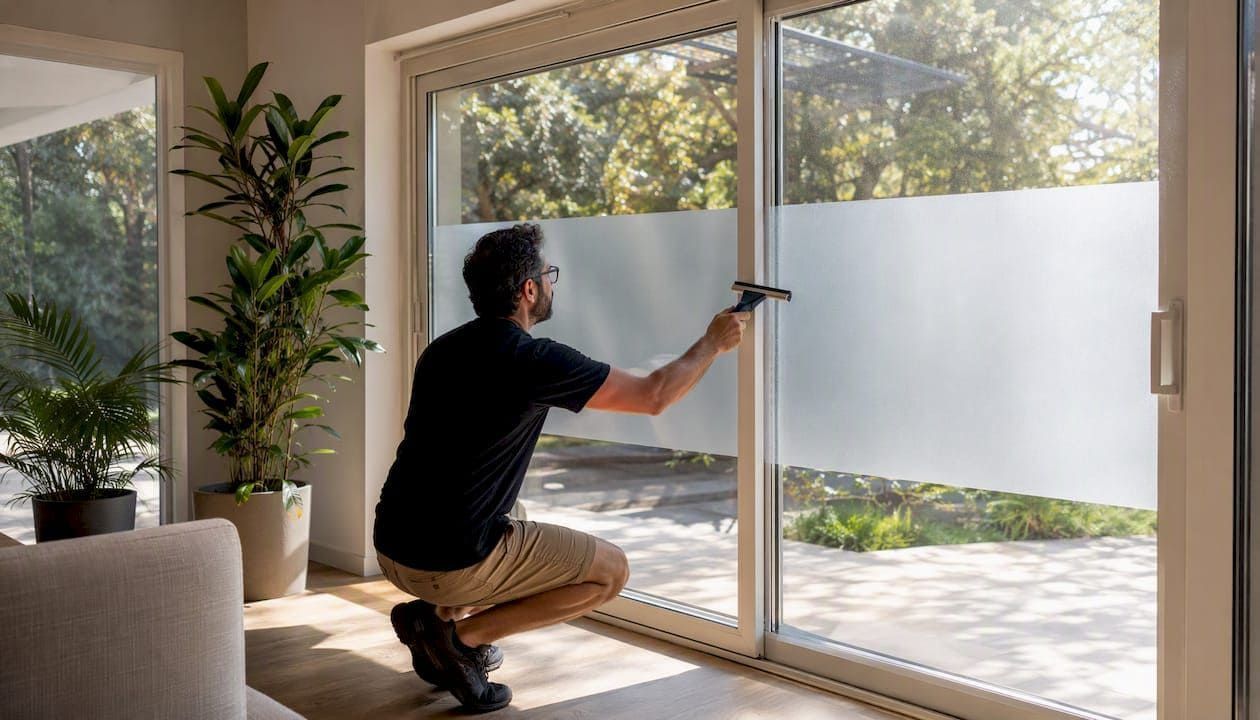
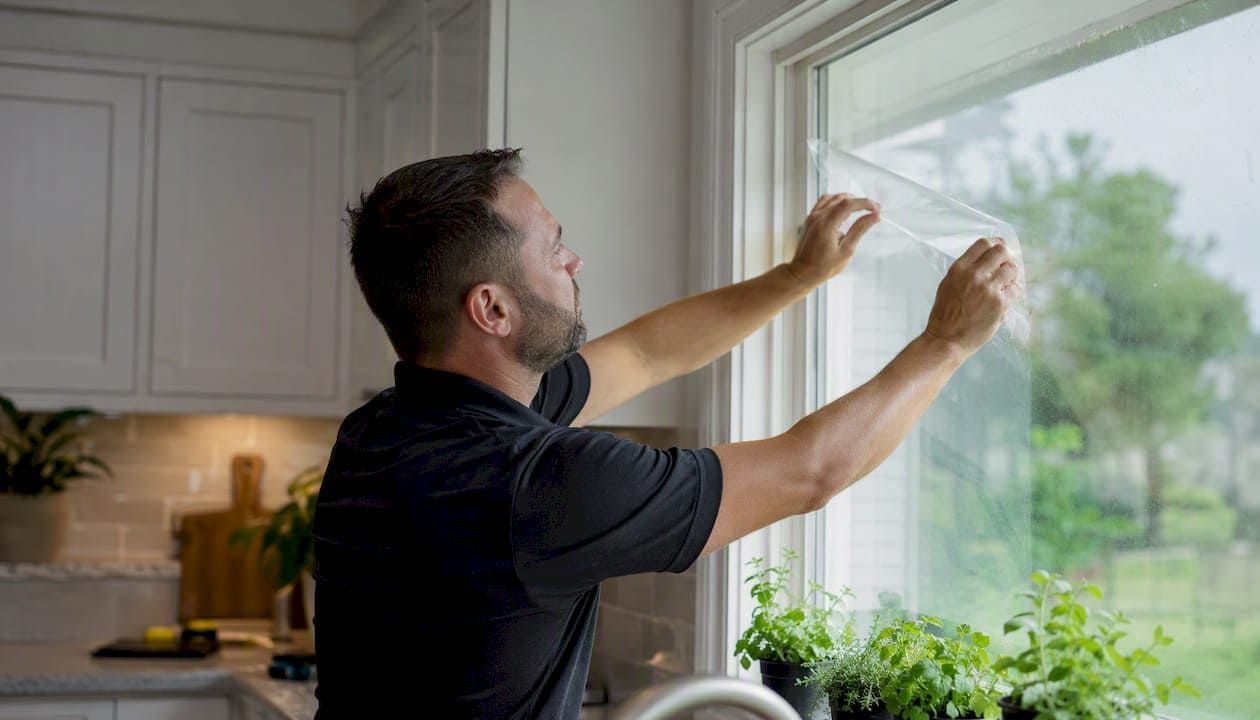
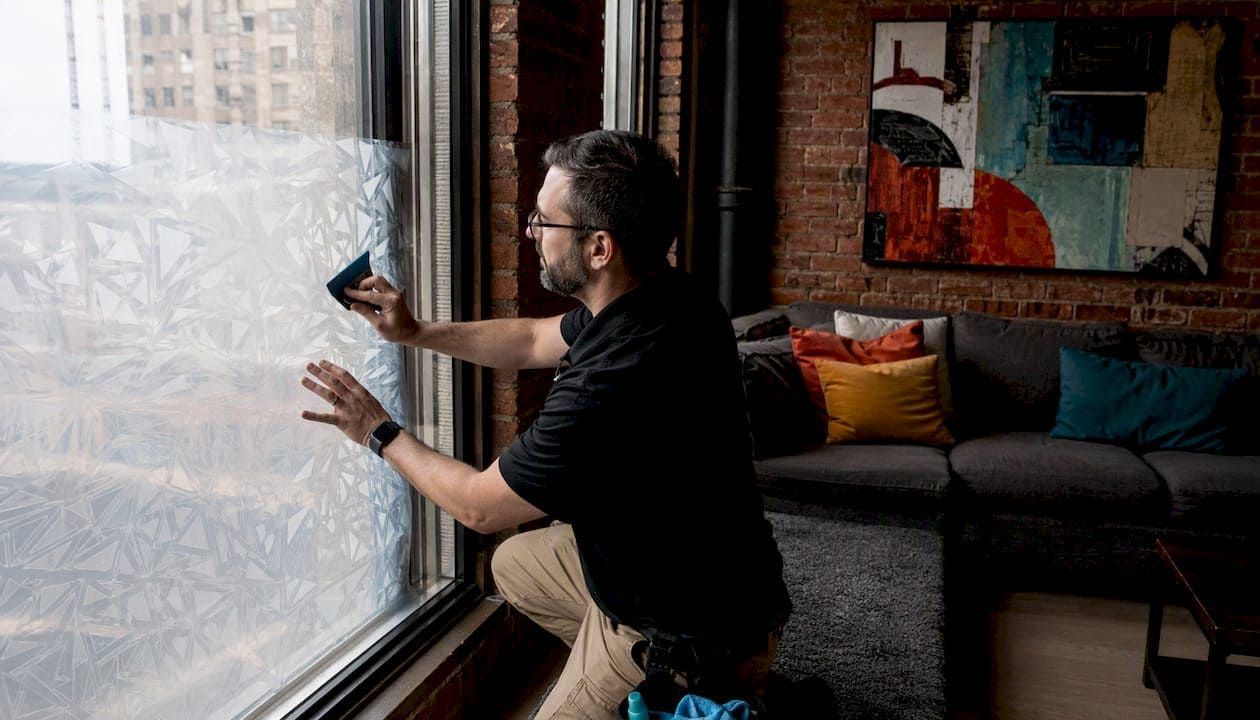
Commercial window film gives you a way to control that without tearing out your existing windows. It is a retrofit product that goes on the inside surface of the glass, helping cut solar heat, reduce glare on screens, and support more stable indoor temperatures. The glass stays, but it works smarter.
In this article, we walk through how to think about real commercial window film energy savings in New England buildings and what local property teams should look at before moving ahead with a project.
How New England Weather Impacts Your Energy Bills
New England weather keeps your HVAC system busy. In summer, strong sun can pour through large windows, heating floors, walls, and furniture. That trapped heat pushes indoor temperatures up, so your AC runs longer and harder just to keep people comfortable.
In winter, the problem flips. Glass loses heat faster than insulated walls. Warm air inside meets cold glass, and that heat moves outside. The result is cold perimeter zones, drafts, and higher heating demand.
In Southern New Hampshire and the Greater Boston area, many buildings have older glass systems and big windows that are not protected by any type of film. That can lead to:
- Hot spots near south- and west-facing glass
- Glare on monitors and TV screens
- Cold areas near windows in winter
- Wide temperature swings from one part of the floor to another
Local weather adds a few extra challenges too. Humid summer days make any extra heat from sun gain feel worse. Snow on the ground in winter bounces light and glare back into the building. Low winter sun angles can send direct light far into open office space. All of this makes solar control and insulation performance especially important for commercial properties in our region.
What Drives Real Commercial Window Film Energy Savings
Modern commercial window films are thin layers designed to adjust how your existing glass behaves. They can help reject a large share of the sun’s heat, block most of the UV that fades furnishings, and improve how the glass holds indoor comfort. Many films do this without making your building feel dark or closed in.
Actual savings come from a mix of building details. Key factors include:
- Window orientation, south and west glass usually get the strongest sun
- Glass type, clear single pane behaves very differently from newer insulated units
- HVAC system efficiency, older systems may run longer and waste more energy
- Shading, nearby trees, buildings, or overhangs can reduce sun exposure
- Hours and patterns of use, a 24/7 facility sees different gains than a 9-to-5 office
Cooling-focused savings show up most from late spring through early fall, when AC is on and solar heat gain is a major load. By cutting the amount of heat that gets through the glass, film can help reduce how long the AC has to run to hit set temperatures.
In the shoulder months and deep winter, benefits shift more toward comfort and efficiency combined. Film can help limit drafts from cold glass and reduce that chilly feeling near windows, so you are less tempted to raise the thermostat. In some areas of a building, it can still be helpful to keep some winter sun gain, which is why film choice is important in a mixed climate like New England.
Measuring Savings and Payback in Your Building
Before you install film, it helps to look closely at how your building uses energy now. A few practical steps can make the picture much clearer.
Start by collecting information:
- Past utility bills for at least a year
- Areas where tenants or staff complain about heat, glare, or cold
- Typical operating hours and occupancy patterns
- Notes on where blinds stay closed most of the day
Those details help show where glass is causing the biggest problems. From there, professional installers can review your windows, measure glass types, note orientations, and look at shading and HVAC conditions. Using product performance data and building specifics, they can estimate potential annual savings in both electricity for cooling and fuel for heating.
To check simple payback, you compare the estimated yearly savings to the cost of the project. If you divide project cost by expected yearly savings, you get a rough number of years to earn back the investment. Many property managers also look at ROI over a longer period.
But not every benefit shows up on a spreadsheet. You may also gain:
- Fewer hot and cold complaints from tenants or staff
- Less glare, which can support focus and productivity
- Better protection for furnishings, flooring, and merchandise from fading
- A more consistent feel across different areas of the building
Those softer gains can matter a lot in multi-tenant buildings, schools, and medical spaces where comfort and perception are a big part of overall value.
Seasonal Strategies for Maximum Year-End Savings
Timing can play a role in how soon you feel the benefits. Installing film in late summer can help reduce cooling loads right away while also setting up better comfort for the heating season that follows. Even if AC use is starting to taper off, cutting glare and surface heat can still help stabilize indoor spaces.
Choosing the right film type for a New England building means thinking about both hot and cold seasons. Some buildings benefit from higher solar rejection because they have very large glass walls with strong sun most of the day. Others, especially those with limited winter sun on certain sides, may prefer a balance that blocks a lot of summer heat but still allows some helpful winter gain.
After installation, it is smart to keep an eye on performance by season:
- Compare utility bills year over year, adjusted for any major use changes
- Ask staff or tenants about comfort near windows in different months
- Note how often blinds need to be closed to block glare
- Walk the perimeter on very hot or very cold days and feel for differences near the glass
Small seasonal check-ins help confirm that the film is delivering what your building needs and can guide any future adjustments or added areas.
Turn Analysis Into Action with a Local Film Expert
Studying commercial window film energy savings on paper is a good start, but each building in Southern New Hampshire and Greater Boston is unique. Age, glass type, layout, and use patterns all shape what kind of results you can expect. That is why a site-specific assessment is so helpful.
At Surface Dynamics Window Tinting, we work with local building owners, facility managers, and property teams to review existing glass, pinpoint problem areas, and match film options to the New England climate. By pairing your real-world issues with product data and building conditions, we can help you understand the savings potential and create a realistic plan for improving comfort and efficiency before the next extreme season hits.
Cut Energy Costs And Improve Comfort With Professional Window Film
If you are ready to reduce utility bills and improve comfort in your building, our experts can help you maximize
commercial window film energy savings. At Surface Dynamics Window Tinting, we start with a straightforward evaluation of your windows so you understand the potential impact on energy use and glare control. Reach out today so we can review your goals, answer your questions, and schedule a convenient time to get started, or
contact us for a customized quote.