
How window tint protects art: a practical guide for galleries
TL;DR:
- Window tint protects artwork by blocking UV, reducing heat, and controlling visible light exposure.
- Modern preservation films effectively block up to 99.9% of UV and require low maintenance.
- Implementing tinting offers a cost-effective, continuous protection method superior to blinds or replacement glass.
Most gallery owners assume that sunlight is the main enemy of their collection. That assumption is only partly right, and acting on it alone leaves your artwork vulnerable. UV accounts for roughly 40% of fading, which means visible light, heat, and cumulative exposure time are doing the rest of the damage while you focus on the wrong target. Window tint addresses multiple factors at once, providing UV blocking, heat reduction, and glare control without sacrificing the natural light that makes your space look its best. This guide explains the full picture, from light damage mechanics to film selection and real-world installation practices.

Table of Contents
- Understanding how light damages art
- How window tint protects artworks
- Window tint vs. other light control methods
- Real-world application: Best practices for museums and galleries
- Why window tinting is often overlooked in art preservation, and why it shouldn't be
- Explore professional window tinting solutions for your space
- Frequently asked questions
Key Takeaways
| Point | Details |
|---|---|
| UV is only part of the problem | Effective preservation requires blocking UV and managing visible light and exposure duration. |
| Premium tints offer top protection | Premium window tints can block up to 99.9% of UV, crucial for priceless artworks. |
| Tint works with other methods | Combine tint with lighting controls and object rotation for best results in galleries. |
| Historic solutions require nuance | Neutral, non-reflective films and exterior application are best for historic or landmark windows. |
| Window tint is often overlooked | Many galleries miss out on simple, transformative tint solutions for art protection. |
Understanding how light damages art
To fully appreciate the value of window tint, we first need to understand exactly how light interacts with artwork and why not all light is equally harmful.
Light damage to artwork falls into three distinct categories, each requiring a different response. When you understand all three, the case for layered protection becomes obvious.
Ultraviolet (UV) radiation is the most discussed culprit, and for good reason. UV rays carry enough energy to break the chemical bonds inside pigments, dyes, and paper fibers. The damage is irreversible. You cannot restore a faded oil painting to its original richness once UV has done its work. That said, UV exposure contributes about 40% of fading, while lux levels and total exposure time drive the rest.
Visible light is the part of the spectrum your eyes can actually see, and it is responsible for a surprising share of photochemical damage. Many curators ignore this because visible light is what makes art look good. But prolonged exposure to even standard gallery lighting causes color shifts, particularly in organic pigments like indigo, madder, and many watercolor dyes.
Infrared (IR) radiation carries heat, not photochemical energy. Heat dries out canvas, warps wooden supports, and accelerates chemical reactions inside pigments. In a gallery with large south-facing windows in Greater Boston, IR load on a summer afternoon can push surface temperatures on a canvas well above ambient room temperature.
Here is a breakdown of what each type of light does:
- UV (below 400nm): Breaks chemical bonds in pigments and binders; causes irreversible bleaching and yellowing
- Visible light (400nm to 700nm): Triggers photochemical reactions; fades organic dyes and colorants even at moderate levels
- Infrared (above 700nm): Adds heat; accelerates aging, drying, and structural stress in canvas, wood, and paper
"The single biggest mistake gallery managers make is treating fading as a UV-only problem. Controlling exposure duration and lux levels is just as critical as filtering UV." — Conservation practice guidance, 2026
This is where UV protection window film becomes especially valuable. Modern films address UV, visible light transmittance, and solar heat gain simultaneously. The key insight is that tinting to protect valuables is not a single-variable equation. It is a system. Film is the foundation, and you build your lighting and rotation strategy on top of it.
Different glass types also matter. Single-pane historic glass transmits far more UV than modern laminated glass. If your Southern New Hampshire gallery is housed in a 19th-century building with original windows, your baseline UV exposure is significantly higher than a modern space, and your film specification needs to account for that.
How window tint protects artworks
Now that the science behind light and fading is clear, let's examine exactly how window tint works to protect your collection, down to the numbers.
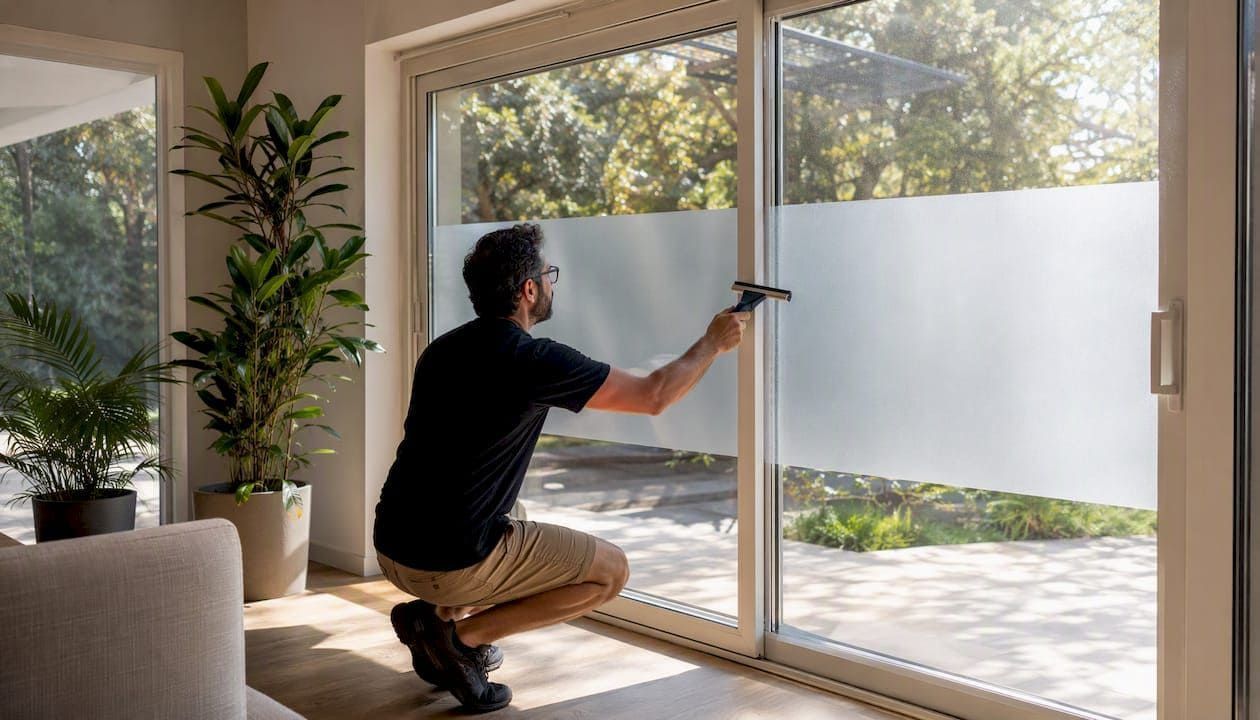
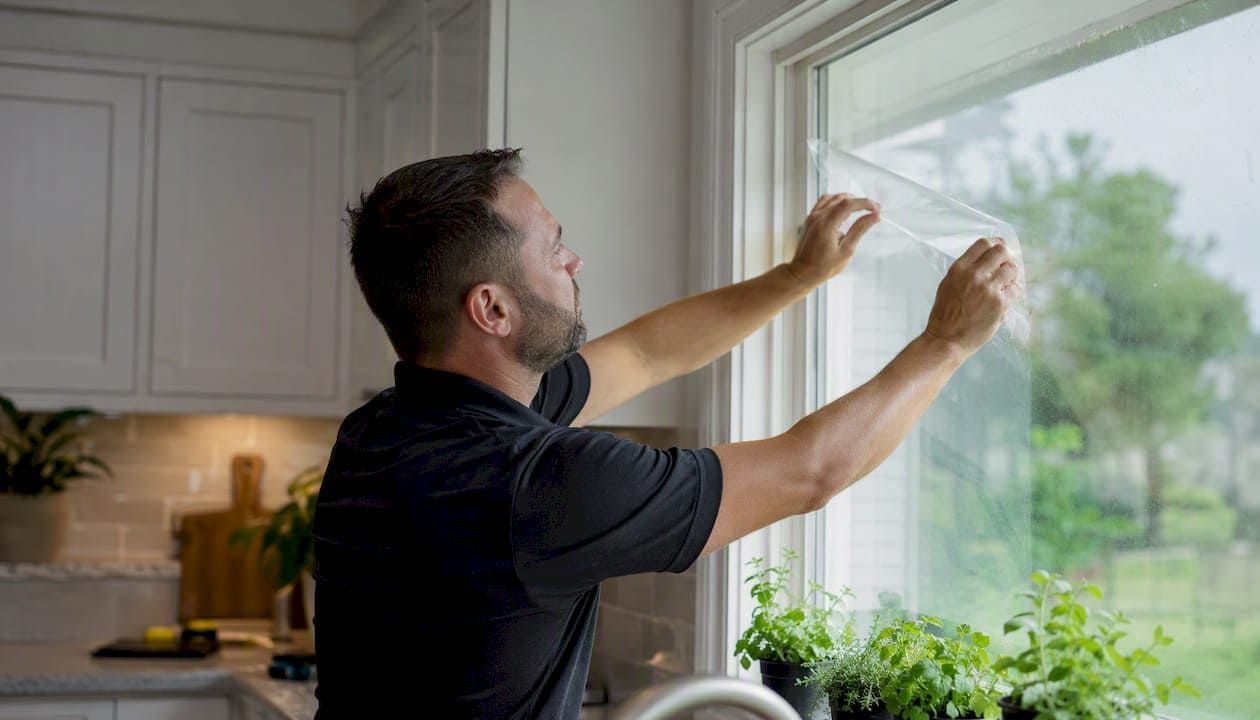
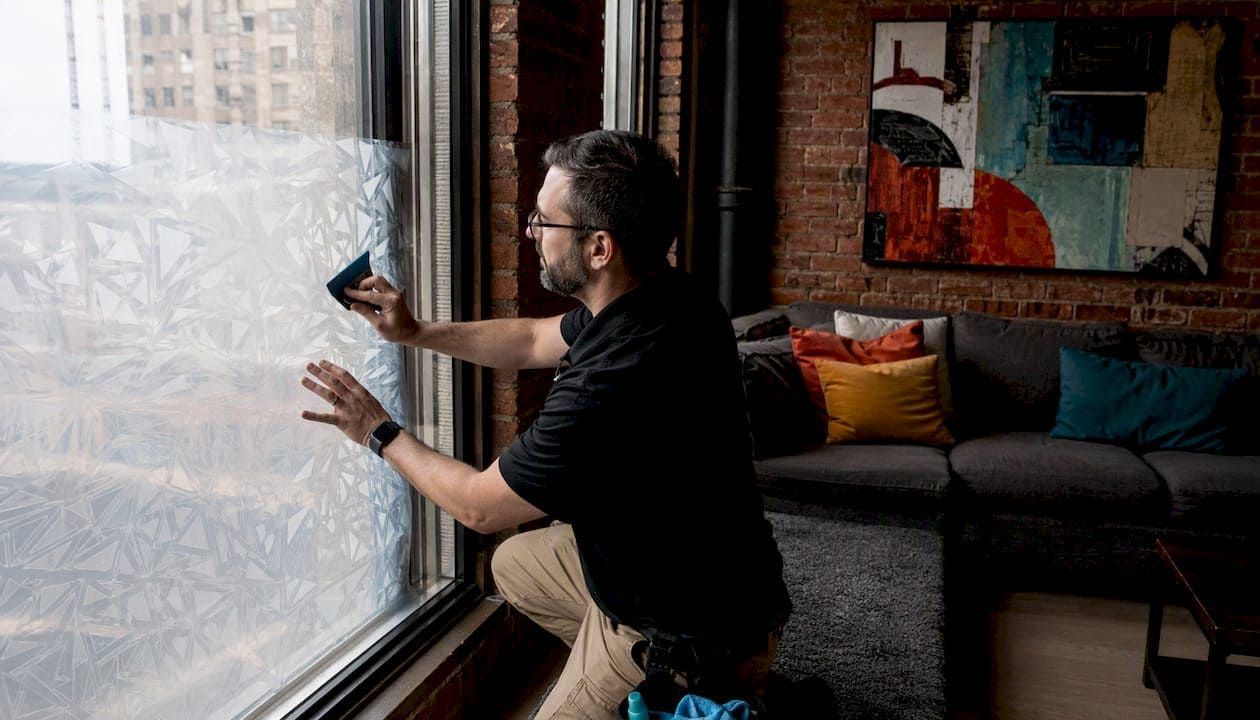
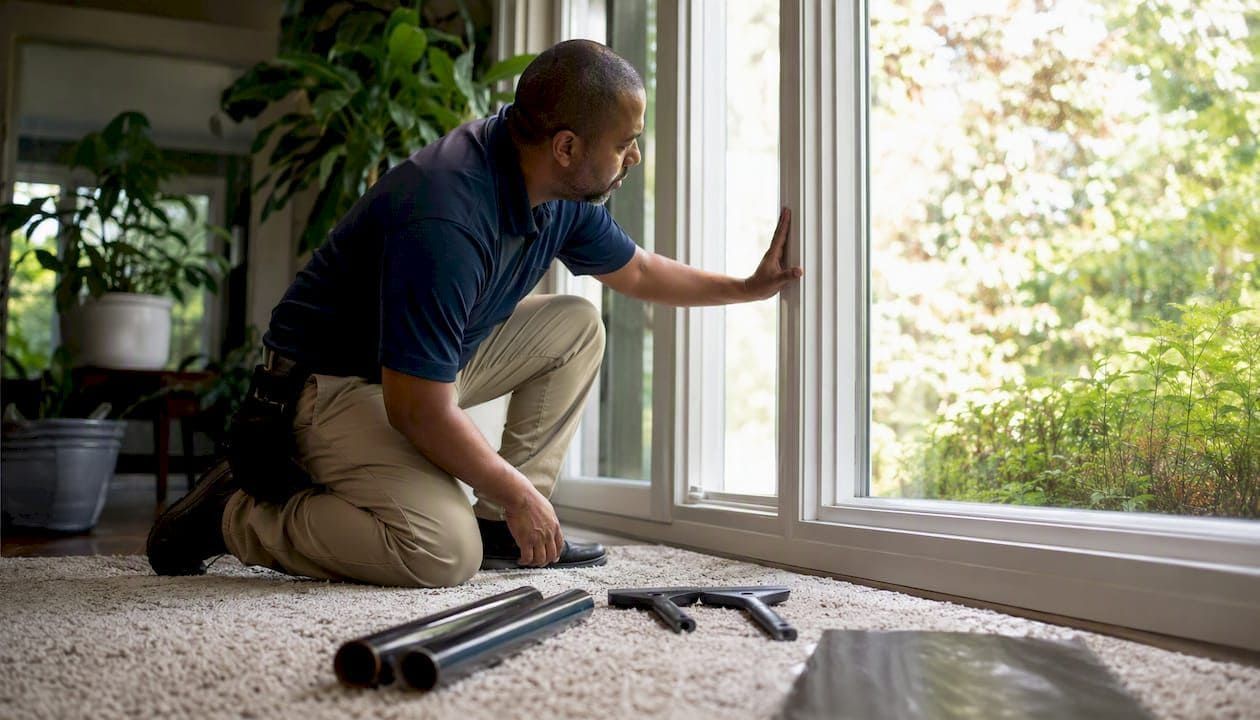
Window films work through three mechanisms: absorption , reflection , and selective blocking . Most modern preservation-grade films use a combination of all three. Metallic or ceramic particles embedded in the film absorb UV wavelengths and convert them to negligible heat. Reflective coatings bounce IR energy back before it enters the space. Selective transmission layers allow visible light to pass through while cutting specific wavelengths that cause the most photochemical damage.
| Film type | UV blocked | IR reduction | Visible light transmission | Best use case |
|---|---|---|---|---|
| Standard solar film | ~99% | 30 to 50% | 50 to 75% | General commercial spaces |
| Premium preservation film | up to 99.9% UV | 50 to 70% | 60 to 80% | Museums, galleries, archival storage |
| Neutral low-reflectivity film | ~99.9% | 40 to 60% | 70 to 85% | Historic buildings, landmarks |
| Exterior application film | ~99.9% | 55 to 75% | 55 to 70% | Skylights, problematic interior glass |
The difference between standard and premium films is not just marketing. Premium window films block up to 99.9% of UV, while standard films block around 99%. That 0.9% gap sounds small, but when you calculate cumulative UV exposure over 10 to 20 years of daily gallery operation, the difference in photochemical damage to sensitive works is meaningful.
Pro Tip: Request a film's total solar energy rejection (TSER) rating before specifying it for a gallery. UV blocking alone is not enough. A high TSER means the film also controls IR heat load, reducing the thermal stress that compounds light damage over time.
For historic windows common in Boston's older neighborhoods and Southern New Hampshire's colonial-era buildings, neutral-tone films are the right choice. They avoid the greenish or bluish cast that older reflective films produced, and they meet many historic preservation codes that prohibit visible changes to window appearance from the street.
Interior films are the standard for most applications. Exterior films are reserved for situations where interior installation is impossible, such as certain skylight configurations or sealed double-pane units where the film would trap heat between layers. Your installer needs to assess each window type before specifying film.
Pairing window tint with LED lighting that produces minimal UV output multiplies the protection. Tint handles incoming solar radiation; low-UV LEDs manage the artificial lighting environment. Together, they give you control over virtually all light sources reaching your collection.
Window tint vs. other light control methods
Window tint is not the only way to protect art from light. How does it stack up against other tools in your preservation toolkit?
| Method | UV protection | Light aesthetics | Maintenance | Relative cost |
|---|---|---|---|---|
| Window tint (premium) | Up to 99.9% | Excellent | Low (clean glass normally) | Moderate, one-time |
| UV-filtering glass replacement | Up to 99.9% | Excellent | Very low | High, major renovation |
| Blinds or curtains | Only when closed | Blocks view entirely | Moderate (dust, repairs) | Low to moderate |
| UV-filtering acrylic glazing | Up to 99% | Good | Low | High per frame |
Films outperform blinds for preserving art because they work continuously, require no staff action, and do not obstruct the visitor experience. Blinds and curtains only protect when closed. That sounds obvious, but in practice, gallery staff routinely open blinds for visitor comfort or aesthetic reasons during operating hours, which is exactly when UV exposure is highest.
UV-filtering glass is a legitimate option, but the cost of replacing windows across an entire gallery is typically three to five times higher than applying preservation-grade film. For most regional museums and galleries in Southern New Hampshire and Greater Boston, that cost difference is not justified when film delivers comparable UV performance.
Here is where tinting compares favorably to curtains and blinds in practical terms for galleries specifically:
- No ongoing operational requirement: Film works automatically. No one needs to open or close anything.
- Visitor experience is preserved: Natural light continues to illuminate the space and the art without harsh glare or blocked views.
- Works during off-hours: Tint protects collections 24 hours a day, even when the building is unoccupied, which matters for pieces on permanent display.
- Does not collect dust: Unlike heavy drapes, which become significant dust and allergen reservoirs, window film has no maintenance needs beyond regular glass cleaning.
The one situation where layering makes sense is for extremely light-sensitive works, such as watercolors on paper, cyanotypes, or fugitive textile dyes. In those cases, use window tint as the baseline and add UV-filtering glazing over individual frames or display cases for maximum protection.
Real-world application: Best practices for museums and galleries
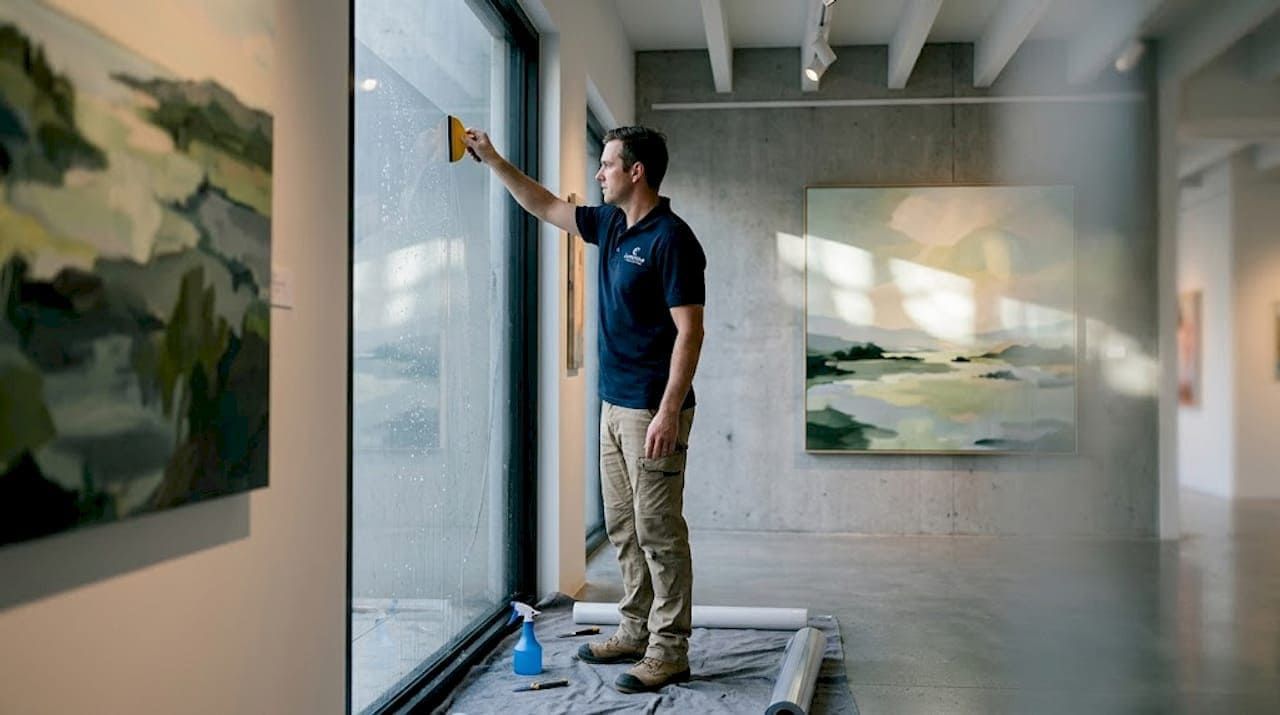
Having compared all the main options, here's how professionals implement window tinting for maximum art preservation in real-world settings.
Successful implementation follows a clear sequence. Skipping steps leads to mismatched film specifications, unhappy curators, and missed preservation opportunities.
- Assess current light levels. Use a calibrated lux meter to measure light intensity at wall and pedestal locations during peak sun hours. Document readings across seasons. South-facing walls in Boston get dramatically different exposure in June versus December.
- Identify your most vulnerable works. Not all art is equally sensitive. Oil on canvas is relatively stable. Watercolors, photographs, textiles, and works on paper are highly vulnerable. Prioritize rooms housing those pieces.
- Select film based on both UV and TSER ratings. Work with your installer to match film specifications to your measured light levels and vulnerability assessment. A room full of contemporary oil paintings needs different film than a room housing 19th-century watercolors.
- Address historic windows separately. Historic properties require neutral, non-reflective films and sometimes exterior application. Always check local historic preservation codes before specifying film. In Boston's historic districts, exterior window appearance is often regulated.
- Install and verify. After installation, re-measure lux levels and UV intensity using a UV meter. The difference should be immediate and significant. Document baseline readings for your preservation records.
- Pair with LED lighting strategy. Reducing heat and glare through film works best when your artificial lighting also contributes minimal UV. Specify LED fixtures rated below 75 microwatts per lumen for display lighting.
- Implement a rotation schedule. Even with excellent UV control, prolonged exposure accumulates damage. Rotate sensitive works off display every six to twelve months and allow them a rest period in archival storage.
Pro Tip: Use a microfading tester before committing light-sensitive works to permanent display. This device applies a concentrated beam of light to an inconspicuous spot and measures color change in real time, giving you objective data on exactly how sensitive each piece is before you decide on display duration and placement.
Film durability is an important practical consideration. Quality preservation-grade films carry warranties of 10 to 15 years for interior applications. Periodic checks should include looking for bubbling, delamination at edges, or color shift in the film itself, all of which indicate it is time for replacement. Cleaning is straightforward: use mild soap and water or standard glass cleaner, avoid abrasive tools, and the film will perform at specification for its full warranty period. Among the top benefits of tinting that gallery professionals consistently report is exactly this low maintenance burden relative to the protection delivered.
Why window tinting is often overlooked in art preservation, and why it shouldn't be
We work with gallery and museum clients across Southern New Hampshire and Greater Boston, and we see the same hesitation repeatedly. The reluctance is understandable. Many curators and facilities managers carry outdated mental images of window tint, the dark, reflective film that turns office buildings into mirrors and gives everything inside a greenish tint. That technology is decades old. Modern preservation-grade films are virtually invisible. You genuinely cannot tell they are installed unless you know to look for them.
The second barrier is perceived cost. When compared against doing nothing, window tint seems like a line item that can be deferred. But when compared against the cost of a single conservation treatment for a UV-damaged work, the math changes immediately. A professional conservation treatment for a moderately faded painting can run thousands of dollars. Full film installation for an average-sized gallery costs a fraction of that and protects every piece in the space simultaneously.
The third and most interesting barrier is misplaced investment. We have consulted on projects where institutions spent significant budget on custom UV-filtering glazing for individual frames while the windows behind those frames had no film at all. The glazing protected the work from UV reaching through the glass within the frame but did nothing for heat load, visible light accumulation, or ambient UV bouncing around the room. Window tint would have addressed all three variables for less money, leaving budget for the specialized glazing only where it was genuinely needed.
The honest assessment from our work with collections protection is this: window tint is not glamorous. It does not come with a grant proposal or a conservation program name. But it works around the clock, requires almost no maintenance, and multiplies the effectiveness of every other preservation measure you take. Galleries that install it and then forget about it are doing exactly the right thing.
Explore professional window tinting solutions for your space
Your collection deserves protection that works as reliably as your conservation program and costs far less than emergency restoration.
At Surface Dynamics Window Tinting, we are an exclusive LLumar SelectPro Dealer serving galleries, museums, and cultural institutions throughout Southern New Hampshire and Greater Boston. Our Vista Films include solar control options engineered specifically for UV-sensitive environments. You can explore our commercial window film options to visualize how different films perform in spaces like yours. Browse our recent commercial projects to see real installation results in comparable spaces. When you're ready to take the next step, request a free window tint estimate and we will assess your space, measure your light levels, and recommend the right film specification for your collection.
Frequently asked questions
How much UV does window film actually block?
Premium preservation-grade films block up to 99.9% of UV, while standard solar control films typically block around 99%, making premium options the clear choice for museum and gallery applications.
Is window tint enough to fully protect museum-grade art?
Tint is highly effective at eliminating UV, but complete protection requires pairing it with lux controls and rotation, keeping light levels between 50 and 200 lux and limiting cumulative exposure time for the most sensitive works.
What about very old or historic windows—can they be tinted?
Yes, historic buildings need neutral, non-reflective films and sometimes exterior application depending on the glass type; always review local historic preservation codes before installation.
Does window tint affect the color or appearance of artwork?
Modern neutral preservation films are engineered to be virtually invisible and will not distort the appearance of artwork or the gallery space when professionally installed to specification.
Is UV-C a risk for galleries or museums?
No. UV-C is fully blocked by standard glass and never reaches works displayed inside a building, so it is not a factor in your preservation planning.
Recommended