
7 signs you need window tinting: boost comfort & save
TL;DR:
- Window tinting reduces energy costs by 15 to 30% and prevents UV fading.
- Signs for tinting include high utility bills, glare, hot spots, and asset fading.
- Tints improve comfort, privacy, and security while providing quick returns on investment.
Knowing when your property actually needs window tinting is harder than it sounds. Problems like rising energy bills, fading furniture, and uncomfortable glare tend to creep up slowly, so most homeowners and business owners just adapt instead of acting. But those small annoyances add up fast. Window films reduce cooling costs by 15 to 30%, block 99% of UV rays, and reject up to 86% of solar heat, with a payback period as short as three years. If you've been wondering whether tinting is worth it for your Southern New Hampshire or Greater Boston property, these seven signs will make the answer clear.
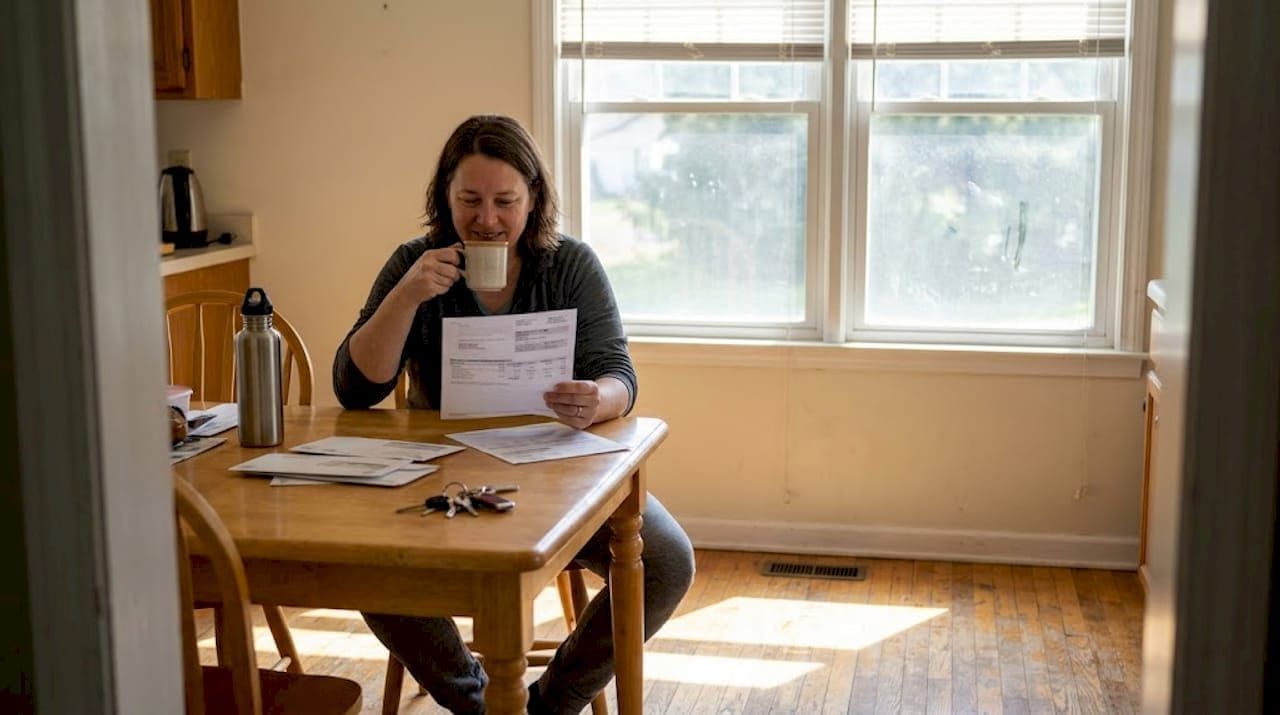
Table of Contents
- How to tell when you need window tinting
- Sign 1: Skyrocketing energy costs
- Sign 2: Excessive glare and hot spots
- Sign 3: Faded floors, furnishings, and inventory
- Sign 4: Privacy and security concerns
- Why most property owners miss the signs—and how to fix it
- Ready to solve your window problems? Get a free estimate
- Frequently asked questions
Key Takeaways
| Point | Details |
|---|---|
| Reduce energy waste | Window tinting can noticeably lower your heating and cooling bills by improving energy efficiency. |
| Protect your interiors | Tint blocks 99% of UV rays, protecting floors, furniture, and inventory from costly fading. |
| Boost comfort and privacy | Cut glare, fix hot spots, and enjoy more usable space without sacrificing natural light. |
| Enhance property security | Tinted windows provide privacy and can help prevent break-ins and peeping, day or night. |
How to tell when you need window tinting
Most window problems don't announce themselves. You don't wake up one day to a broken window or a failed system. Instead, you notice your energy bill is a little higher, your living room feels stuffy by noon, or your hardwood floors look a shade lighter than they used to. These are the quiet signals that your windows are working against you.
Here's a quick checklist of the most common warning signs:
- Energy bills climbing with no clear explanation
- Furniture, flooring, or merchandise fading near windows
- Rooms that are too bright or too hot at certain times of day
- Feeling exposed or uncomfortable near street-facing windows
- Hot or cold drafts near glass even when windows are closed
- Glare making screens or workspaces unusable
- Difficulty maintaining consistent indoor temperatures
Windows account for 30% of building energy loss, which means your glass is likely one of the biggest inefficiencies in your home or office. Learning about tinting benefits early can help you act before small problems become expensive ones. Pairing that knowledge with energy efficiency tips gives you a complete picture of where your property is losing money.
Pro Tip: If adjusting your blinds or bumping the thermostat still doesn't fix the problem, your windows are probably the root cause, not your HVAC system.
Sign 1: Skyrocketing energy costs
One of the clearest signs is feeling the pinch when your energy bill arrives. Most people blame their heating and cooling system first, but untreated glass is often the real culprit. Standard windows let heat pour in during summer and escape during winter, forcing your HVAC to work overtime.
Signs your windows are draining your energy budget:
- Monthly bills that spike in summer or winter without a change in usage
- Rooms that feel hot even with the AC running
- Your HVAC cycling on and off more frequently than normal
- Drafty areas near large windows or glass doors
Window films reduce cooling costs by 15 to 30%, with a typical payback period of just three years. That's a real, measurable return on investment, not just a comfort upgrade. You can explore how energy efficiency and window tint work together, or use the energy savings calculator to estimate your specific savings.
| Scenario | Avg. monthly cooling cost | With window film |
|---|---|---|
| Small home (1,200 sq ft) | $120 | $84 to $102 |
| Medium home (2,400 sq ft) | $210 | $147 to $179 |
| Small office (3,000 sq ft) | $280 | $196 to $238 |
| Retail storefront | $350 | $245 to $298 |
These numbers reflect the 15 to 30% reduction range and show how quickly savings accumulate. For more ways to save on utility bills beyond tinting, combining upgrades tends to produce the best results.
Sign 2: Excessive glare and hot spots
Even if your energy bills are manageable, indoor comfort problems provide powerful warning signs. Glare is one of the most disruptive issues in both homes and workplaces, yet it's often dismissed as just part of having big windows. It isn't.
Common glare and heat complaints that signal a tinting need:
- You constantly reposition yourself to avoid screen glare
- Certain rooms become unusable during peak sun hours
- Sunrooms or south-facing offices feel like greenhouses by midday
- Guests or employees avoid sitting near windows
Solar heat gain is the increase in indoor temperature caused by sunlight passing through glass. It's one of the leading causes of uneven temperatures inside buildings, and it gets worse as the sun angle changes through the seasons.
Window tint rejects up to 86% of solar heat, which means those unbearable afternoon hot spots can be eliminated without blocking your view or darkening your space. This is especially valuable for storefronts, offices, and sunrooms in New Hampshire where summer sun angles can be intense.
Pro Tip: If one side of your building or home is consistently hotter than the other, that's a solar heat gain problem. Targeted tinting on those specific windows can reduce glare and cut indoor heat without affecting the rest of your space.
For homeowners considering smart upgrades for comfort, window tinting consistently ranks as one of the highest-impact, lowest-disruption improvements available.
Sign 3: Faded floors, furnishings, and inventory
After comfort and efficiency, protecting your assets from fading damage is just as critical. UV light is invisible, but its damage is very visible over time. Hardwood floors near windows develop uneven color. Upholstered furniture bleaches out. Retail merchandise loses its appeal before it even sells.
Items most at risk from UV exposure through untreated windows:
- Hardwood and laminate flooring near large windows
- Area rugs and carpeting in sun-facing rooms
- Upholstered furniture, curtains, and bedding
- Artwork, photographs, and framed prints
- Displayed retail inventory, especially apparel and packaging
- Office furnishings and branded materials
Professional-grade films block 99% of UV rays responsible for fading, which is the single most effective step you can take to protect interior assets. This matters enormously for businesses with displayed products, galleries, or showrooms. It also matters for homeowners who've invested in quality flooring or custom furniture.
The cost of replacing faded flooring or inventory far exceeds the cost of window film. Understanding how to protect belongings from UV damage is one of the strongest financial arguments for tinting. For retail owners specifically, retail fading prevention through window film is a direct way to preserve merchandise value. Tinting also supports broader property value upgrades that appeal to future buyers or tenants.

Sign 4: Privacy and security concerns
Aside from comfort and fading, privacy and safety are becoming more important every year. Large windows that look great during the day can become liabilities at night or in high-traffic areas. For businesses, exposed conference rooms or visible equipment creates real security risks.
How to test whether you need more privacy:
- The nightlight test: Stand inside with lights on after dark and check if passersby can see clearly into your space. If yes, you have a privacy gap.
- The street view check: Stand at the sidewalk or parking lot and note what's visible through your front windows during business hours.
- The comfort check: Ask yourself whether you feel watched or exposed near your windows regularly.
- The asset check: Identify any valuable equipment, merchandise, or personal items visible from outside.
Window films provide privacy while maintaining light and also strengthen glass for added safety, making them a smarter solution than heavy curtains or blinds that block your view entirely.
| Feature | Blinds/curtains | Window tint |
|---|---|---|
| Privacy | Full block only | Daytime privacy with light |
| Natural light | Blocked when closed | Maintained |
| Aesthetics | Bulky, dated look | Clean, modern appearance |
| Maintenance | Dust, cleaning, replacement | Minimal upkeep |
| Security | None | Shatter resistance option |
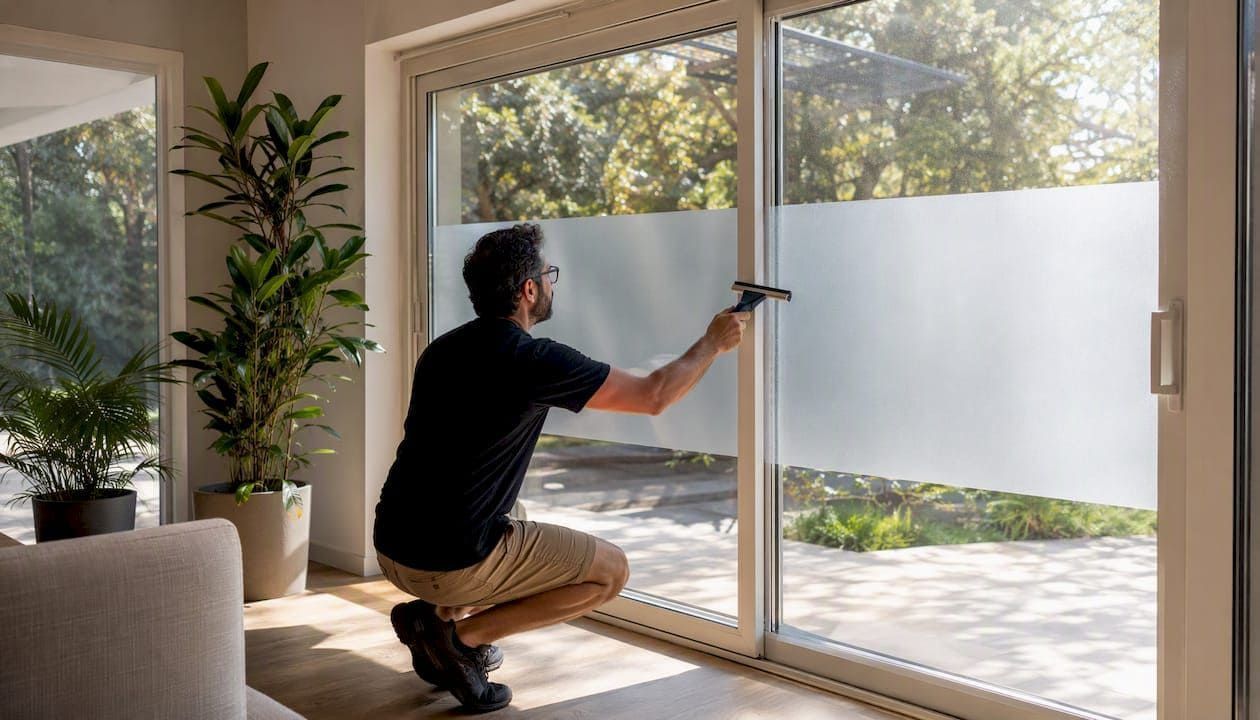
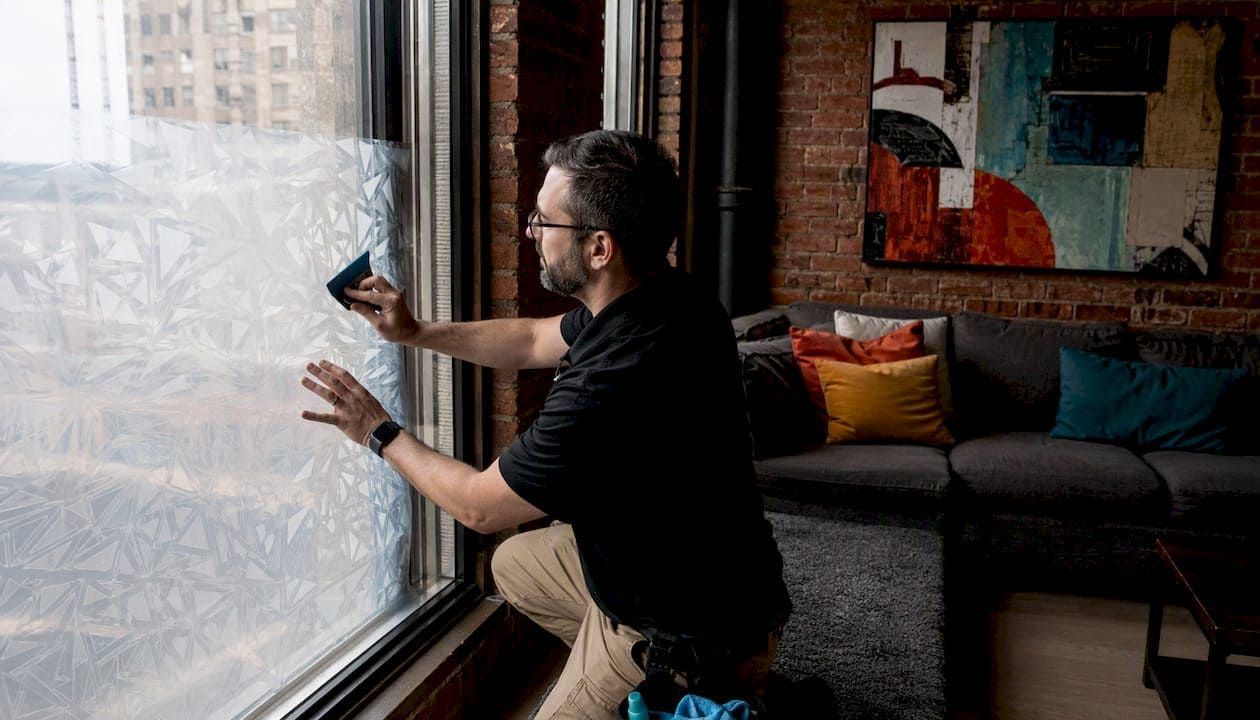
For bathroom windows or street-facing bedrooms, privacy and light can coexist beautifully with decorative film options. If you want a cleaner look without sacrificing visibility, enhance privacy with clear or lightly tinted security films that are nearly invisible from the inside.
Why most property owners miss the signs—and how to fix it
Now that you know the signs, here's what we see property owners get wrong most often. Window problems develop so gradually that people normalize them. You stop noticing the glare because you moved your desk six months ago. You assume the high energy bill is just the cost of living in New England. You tell yourself the fading floor is just wear and tear.
This slow creep is exactly why window tinting gets skipped. It's not a dramatic repair like a leaking roof or a broken furnace. It doesn't demand immediate attention. But the cost of waiting adds up in real dollars: higher utility bills every month, furnishings that need replacing years earlier, and comfort problems that affect how you use your own space.
Window tinting also tends to get overlooked because it's less visible than other upgrades. A new kitchen or fresh paint is obvious. Tinting is subtle. But it often pays back faster than either of those investments. Exploring commercial window tinting insights shows just how quickly businesses see returns on this kind of upgrade.
Our advice: don't wait for a crisis like a break-in, a faded floor, or a summer that makes half your building unusable. Start with just one problem window. You'll notice the difference immediately, and it will make the decision for the rest of your property easy.
Ready to solve your window problems? Get a free estimate
Armed with these insights, it's time to make your space comfortable, efficient, and secure. At Surface Dynamics Window Tinting, we work with homeowners and business owners across Southern New Hampshire and Greater Boston to find the right film for every situation.
Whether you need solar control, decorative privacy, or safety and security film, we'll walk you through your options and give you a no-pressure quote. Request your free tinting estimate today, or get started with a residential estimate tailored to your home. You can also browse our solar window film solutions to see what's available for your specific needs. The first step is always the easiest one.
Frequently asked questions
Does window tinting help reduce utility bills in New Hampshire?
Yes, window films cut cooling costs by 15 to 30%, with a typical payback period under three years, making them one of the most cost-effective energy upgrades available.
How does window tinting affect indoor comfort year-round?
Tinting reduces glare, eliminates hot and cold spots near glass, and keeps interior temperatures more consistent across all seasons. Window tint rejects up to 86% of solar heat, which directly improves how livable your space feels.
Can window tint really stop fading of furniture and floors?
Professional-grade tints block 99% of UV rays, which are the primary cause of fading in flooring, furniture, and merchandise, dramatically extending the life of your interior assets.
Is window tinting a better privacy solution than blinds or curtains?
Modern tints allow natural light in while providing daytime privacy, so you keep your view and your comfort without the bulk or upkeep of window coverings. Films maintain light while providing privacy in a way blinds simply can't match.
What types of buildings benefit most from window tinting?
Homes, offices, schools, and retail spaces all gain measurable energy savings, improved security, and better comfort with professional window film installation.
Recommended
- How window tint improves comfort and energy efficiency
- Top Benefits of Commercial Window Tinting for Businesses
- Why Retail Window Tint is a Must-Have for Store Owners
- Top 5 Benefits of Tinting Your Home Windows
- Why upgrade exterior windows? Boost safety, savings, and comfort
- Practical energy efficiency tips to cut bills in 2026