
Top factors to consider when tinting office windows
TL;DR:
- Proper window tinting improves energy efficiency, occupant comfort, and security in commercial buildings.
- Climate, building orientation, and window type are critical for selecting the right film.
- A professional assessment customizes solutions, maximizing benefits and regulatory compliance.
Choosing window tint for your commercial property sounds straightforward until you realize that the wrong film can cost you thousands in wasted energy, create compliance headaches, or leave ground-floor offices exposed to security risks. For property managers and business owners in Southern New Hampshire and Greater Boston, the stakes are even higher. The region's hot summers, brutal winters, and strict building codes mean that a one-size-fits-all approach simply does not work. This article walks you through the key factors that separate a smart tinting investment from an expensive mistake.
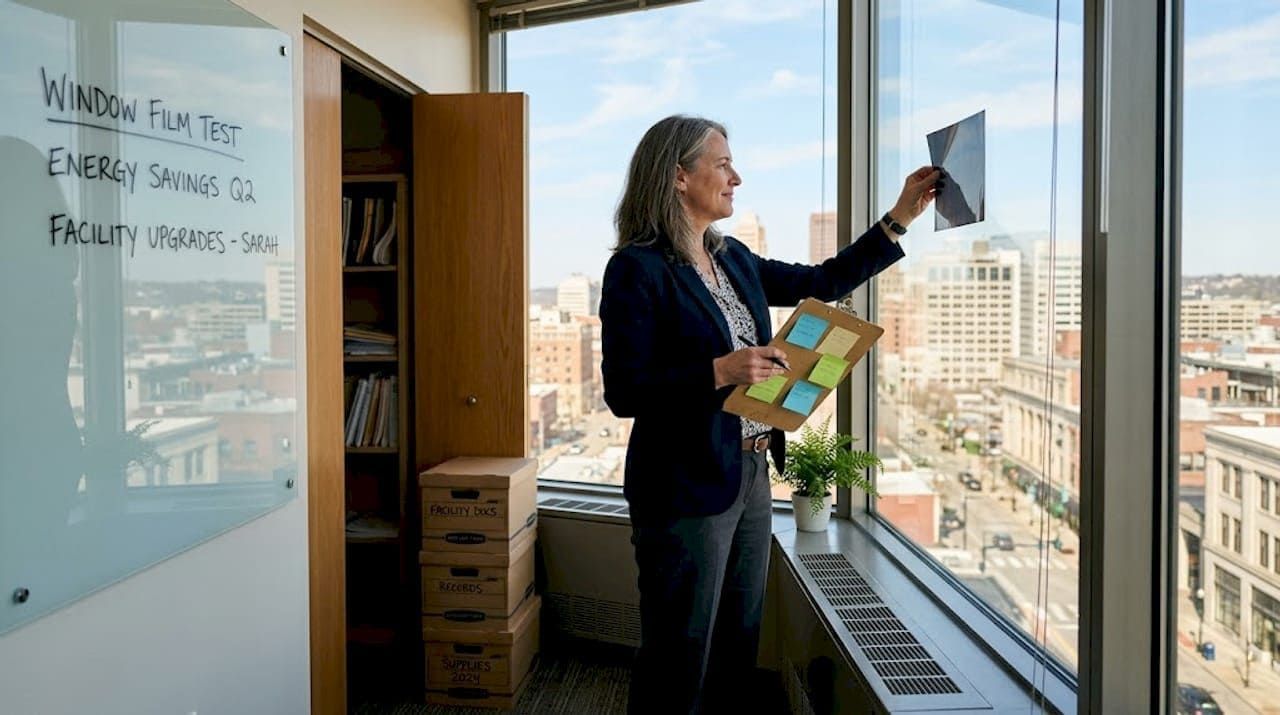
Table of Contents
- How site and climate influence office tint choices
- Comparing types of window films for commercial spaces
- Evaluating energy efficiency and LEED advantages
- Balancing security, privacy, and regulatory compliance
- What most offices overlook when choosing tint
- Get expert advice and a free office tint estimate
- Frequently asked questions
Key Takeaways
| Point | Details |
|---|---|
| Site evaluation is essential | Building orientation and local climate directly affect window tint effectiveness and energy savings. |
| Choose film to fit goals | Select solar, ceramic, security, or decorative films based on energy efficiency, privacy, or safety needs. |
| Energy savings and LEED points | Proper tinting can reduce energy costs by up to 30% and help achieve LEED environmental goals. |
| Regulatory compliance matters | Work with certified installers to ensure your office tint meets local codes for safety and visibility. |
| Expert installation drives results | Professional site assessments and custom film selection deliver optimal comfort, security, and value. |
How site and climate influence office tint choices
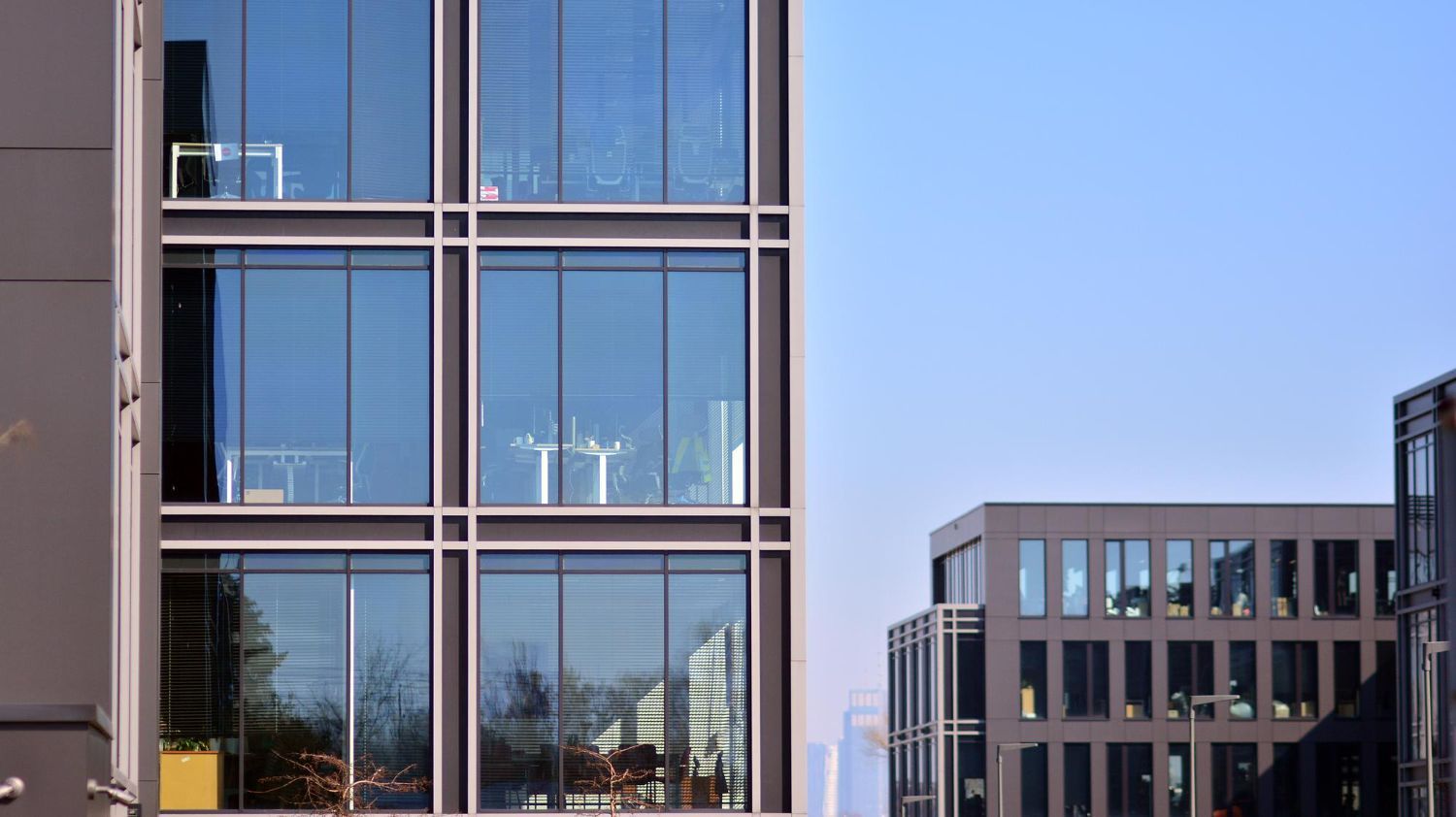
Before you pick a film, you need to understand what your building is actually dealing with. Key factors for commercial office window tinting include building orientation, climate, window type, desired outcomes, and regulatory compliance with local building codes. Each of these variables shapes which film will actually perform in your specific situation.
Building orientation is the starting point. A south-facing glass wall in Manchester, NH, absorbs significantly more solar heat than a north-facing one. East-facing windows create intense morning glare that disrupts workers during peak productivity hours. West-facing glass turns conference rooms into ovens by mid-afternoon. A certified installer will map your building's sun exposure throughout the day and across seasons before recommending anything.
Climate is equally decisive. Southern NH and Greater Boston experience wide seasonal swings, from humid summers pushing temperatures above 90°F to winters where wind chill drops well below zero. That range means you need a film that handles heat rejection in summer without accelerating heat loss in winter. Low-emissivity (low-E) films are specifically engineered for this dual challenge. They reflect solar heat outward during warm months while reducing radiant heat loss through the glass during cold months, making them well suited to the Northeast's four-season reality.
Window type matters more than most managers expect. Single-pane glass, double-pane insulated units, and tempered safety glass each respond differently to film adhesion and heat stress. Applying the wrong film to a sealed double-pane unit can trap heat between the panes and cause seal failure, voiding your window warranty. A qualified installer will assess your existing glazing system before recommending a compatible product.
Here are the site-specific factors that should drive your film selection:
- Solar heat gain coefficient (SHGC): How much solar energy passes through the glass into the building
- Visible light transmission (VLT): The percentage of natural light the film allows in
- U-factor: The rate at which the window system loses heat, critical for winter performance
- Glare reduction: Especially important for open-plan offices with screen-heavy workstations
- Existing window warranty terms: Some manufacturers void warranties if unapproved films are applied
Pro Tip: Request a site-specific office tinting evaluation from a certified LLumar or 3M dealer. A proper assessment models real-world performance data for your building, not just catalog averages. This is how you get into that 10 to 30% energy savings range rather than the low end of it.
If you manage multiple properties across the region, note that Boston office tinting requirements can differ from those in Southern NH due to local permitting and historic district rules. Always verify before installation.
Comparing types of window films for commercial spaces
After understanding your environmental factors, the next step is reviewing the major film types available for offices. Not all films are created equal, and the differences go well beyond tint darkness.
Film types include solar control, low-E, ceramic, metalized, dyed, security, and privacy/decorative options, each with distinct performance characteristics. Here is a side-by-side comparison of the most relevant options for commercial properties:
| Film type | Heat rejection | Glare reduction | Signal interference |
|---|---|---|---|
| Solar control | High | High | None |
| Low-E / insulating | High | Moderate | None |
| Ceramic | Very high | High | None |
| Metalized | High | High | Yes |
| Dyed | Low | Moderate | None |
| Security | Moderate | Low | None |
| Decorative/privacy | Low | Variable | None |
Solar control films are the workhorses of commercial tinting. They block a significant portion of infrared radiation and visible light to keep interiors cooler and reduce HVAC load. For buildings with large glass facades facing south or west, these films deliver the fastest return on investment. Learn more about the commercial tinting benefits that solar control films specifically drive.
Ceramic films are worth a closer look for modern offices. They achieve high heat rejection and glare reduction without the metallic layer that disrupts Wi-Fi, Bluetooth, and cellular signals. In an era where every employee depends on wireless connectivity, this matters. Ceramic films also tend to maintain a more neutral appearance from both inside and outside the building, which is important for professional aesthetics.
Metalized films offer strong reflective performance and durability, but the signal interference issue is real. They work well in spaces like server rooms, storage areas, or manufacturing floors where wireless devices are not a priority. For open offices, avoid them.
Security films are a separate category worth calling out. Their primary function is to hold shattered glass together after an impact, whether from a break-in attempt, severe weather, or accidental collision. They do not significantly darken the glass, which means you get a meaningful safety upgrade without sacrificing natural light. The energy cost reduction benefit is secondary with security films, but it is still present.
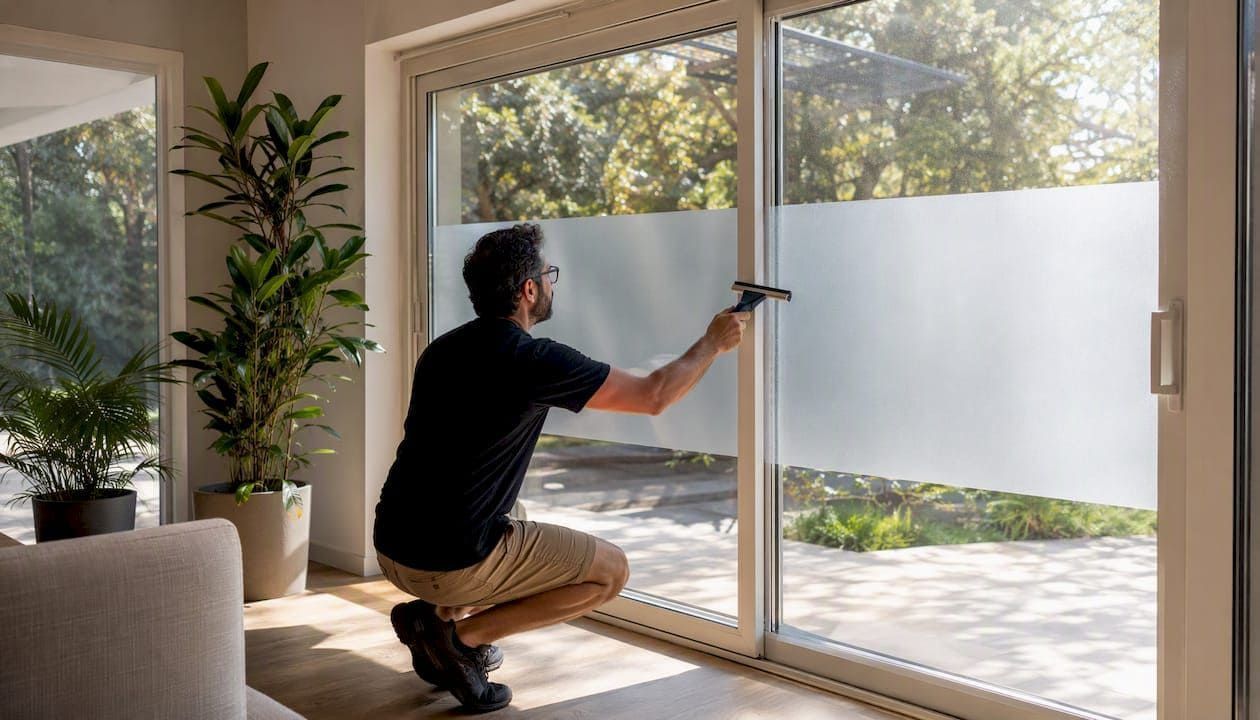
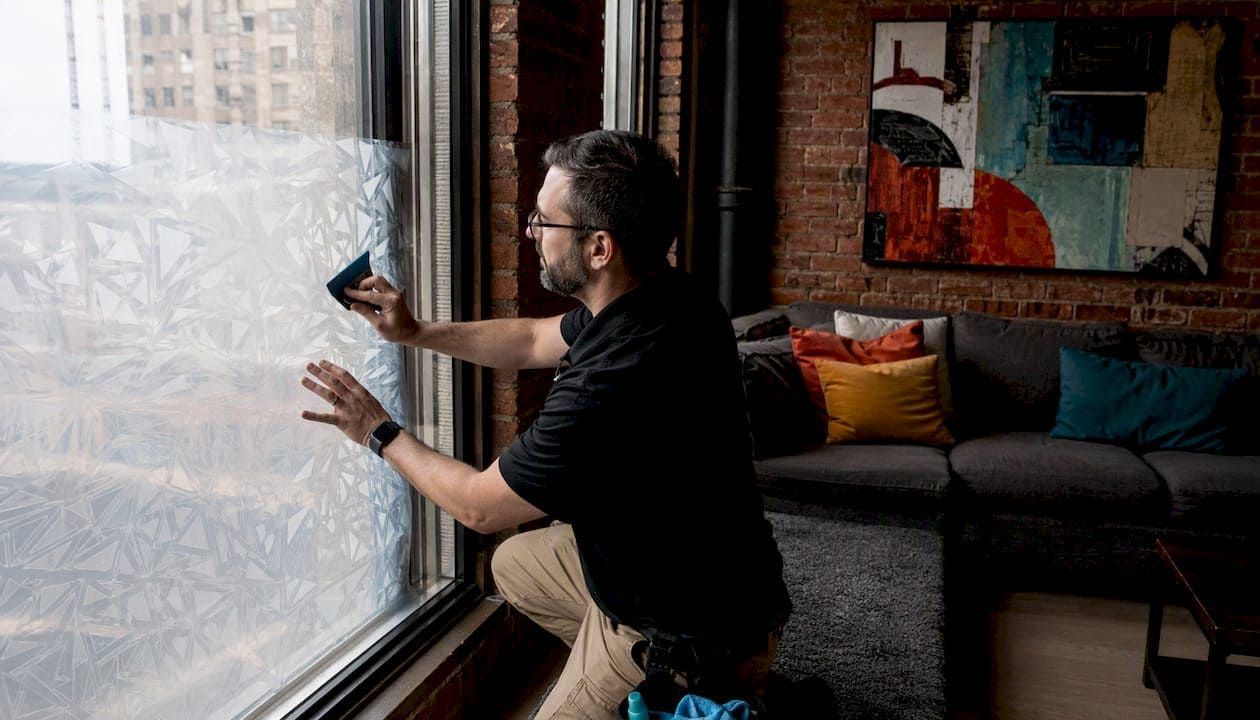
Decorative and privacy films serve a different purpose. Frosted or patterned films on conference room glass create visual separation without building permanent walls. One-way privacy films let occupants see out while preventing outside observation, useful for street-level offices in high-foot-traffic areas.
Pro Tip: For executive suites or any workspace with multiple wireless devices, ceramic films are the clear choice. The price premium over dyed or metalized options pays for itself quickly when you avoid connectivity complaints and IT troubleshooting calls.
Evaluating energy efficiency and LEED advantages
Now that we have identified the types of films, let us examine their practical impact on energy use and LEED compliance. This is where the financial case for professional tinting becomes concrete.
A certified installer can deliver 10 to 30% energy savings through proper film selection tailored to the Northeast's variable climate. For a mid-size commercial office in Greater Boston, that range translates to thousands of dollars annually in reduced HVAC costs. The savings are most dramatic in buildings with aging single-pane glass or large unshaded glass curtain walls.
"The right film, properly installed, does not just reduce your energy bill. It changes how your building performs across every season, making it more comfortable for occupants and more competitive for tenants."
LEED (Leadership in Energy and Environmental Design) certification is increasingly important for commercial properties in this region. Window film upgrades can contribute points under the Energy and Atmosphere category, specifically for reducing energy consumption and improving the building envelope's thermal performance. Ask your installer to document the expected performance improvements in terms that align with LEED credit requirements.
Here is the step-by-step process for maximizing both energy savings and LEED impact:
- Site assessment: A certified installer evaluates orientation, glazing type, existing HVAC capacity, and occupant comfort complaints
- Film selection: Match film specifications to your building's actual solar load and seasonal performance needs
- Professional installation: Proper application eliminates bubbles, edge lifting, and adhesion failures that reduce performance
- Post-installation evaluation: Measure interior temperature changes, review energy bills over 90 days, and document results for LEED reporting
The comfort improvements are just as significant as the cost savings. Open-plan offices with large glass walls often have "thermal comfort zones" where employees near windows are too hot in summer and too cold in winter. This creates productivity loss and increases HVAC cycling. Window film flattens those temperature gradients, making the entire floor more usable.
| Metric | Before tinting | After tinting | Improvement |
|---|---|---|---|
| Peak interior temp (summer) | 82°F near glass | 74°F near glass | 8°F reduction |
| HVAC runtime (summer) | 9 hrs/day | 6.5 hrs/day | 28% reduction |
| UV transmission | 95%+ | Under 1% | 99%+ blocked |
| Glare complaints | Frequent | Rare | Significant drop |
Understanding the office tint savings available to your specific property requires a real assessment, not a generic estimate. The data above reflects typical outcomes, but your building's results depend on orientation, film choice, and baseline conditions. Pairing that with a strategy for lowering energy costs year-round is where the real value accumulates.

Balancing security, privacy, and regulatory compliance
With energy and efficiency in mind, security and privacy can be equally crucial for commercial property managers. These factors are often underweighted during the selection process, and that is a costly oversight.
Security films add shatter resistance without darkening windows, making them ideal for ground-floor offices. When glass breaks, the film holds the fragments together, slowing forced entry and reducing injury risk from flying shards. For retail-adjacent office spaces, lobbies, and street-level suites in Boston or Manchester, this is a practical safety upgrade with no visible trade-off.
Here are the key security and privacy considerations for commercial properties:
- Ground-floor vulnerability: Street-level windows are the most common entry point for break-ins; security film is your first line of passive defense
- Daylight-preserving privacy: One-way films and frosted options provide visual separation without blocking natural light
- Conference room discretion: Frosted or decorative films on interior glass walls protect sensitive meetings from hallway visibility
- Lobby aesthetics: Branded or patterned films on entry glass reinforce corporate identity while adding a privacy layer
- Graffiti protection: Sacrificial films on exterior glass surfaces in urban locations protect the underlying glass from tagging damage
"Security film combines safety and energy advantages in a single product, making it one of the most cost-effective upgrades available for commercial buildings."
Regulatory compliance is non-negotiable. Local building codes in Massachusetts and New Hampshire specify minimum visible light transmission levels for occupied spaces. Some historic districts in Boston impose additional restrictions on exterior glass appearance. Violating these codes can result in fines or mandatory removal of the film, which means paying for installation twice. A professional installer who knows the local regulatory environment will verify compliance before the job begins.
Explore the full range of security film solutions available for commercial buildings, or look specifically at ground floor security film options if your property has street-level exposure. For spaces where aesthetics and privacy both matter, comparing decorative vs traditional privacy treatments can help you find the right balance.
What most offices overlook when choosing tint
Here is the uncomfortable truth: most property managers choose window tint based on price or appearance alone. They get a quote, pick the middle option, and move on. That approach leaves significant energy savings and security benefits on the table.
Every floor of a commercial building has a different solar profile. The third floor may need aggressive heat rejection on the south side while the north side needs a low-E film for winter insulation. The ground floor may need security film regardless of solar load. Treating the entire building as one unit is the most common mistake we see, and it is entirely avoidable.
National chains often apply standardized solutions because they are faster to quote and easier to install at scale. A local specialist who knows the Northeast climate, understands Boston's permitting quirks, and can walk your floors before recommending anything will consistently outperform that approach. The difference shows up in your energy bills within the first season.
Pro Tip: Before signing any contract, ask your installer to provide a full office assessment that models expected performance by floor and orientation. Real-world modeling beats catalog specs every time.
The best tinting decisions come from treating your building as a system, not a collection of windows. Film type, orientation, floor level, occupant use, and regulatory requirements all interact. When you account for all of them together, the result is a solution that actually performs rather than one that just looks good on paper.
Get expert advice and a free office tint estimate
Surface Dynamics Window Tinting serves commercial properties across Southern New Hampshire and Greater Boston with LLumar SelectPro films engineered for the Northeast's demanding climate. Whether your priority is cutting energy costs, improving occupant comfort, or securing ground-floor glass, we match the right film to your building's specific needs.
Browse our commercial project gallery to see real-world results on properties similar to yours. If security is your primary concern, review our office security film options in detail. When you are ready to move forward, request a free tinting estimate and we will schedule a no-obligation site assessment to give you accurate, building-specific recommendations.
Frequently asked questions
How much energy can office tinting actually save?
Office tinting can reduce energy costs by 10 to 30% depending on your building's orientation, existing glazing, and the film selected by a certified installer.
Do window films interfere with Wi-Fi or cellular signals?
Ceramic films deliver high heat rejection and glare control without signal interference, making them the right choice for tech-heavy offices where metalized films would cause connectivity problems.
Can window tinting help my building meet LEED requirements?
Yes, professional film installation that delivers documented energy savings toward LEED goals can contribute points under the Energy and Atmosphere category when properly documented by your installer.
Do security films make windows noticeably darker?
No. Security films add shatter resistance without significantly reducing visible light transmission, so your ground-floor offices stay bright while gaining meaningful impact protection.
What regulations should I know before tinting office windows?
Local building codes in Massachusetts and New Hampshire regulate visible light transmission and exterior glass appearance; a professional installer familiar with your municipality will ensure full compliance before installation begins.
Recommended