
Window film durability: What New England homeowners must know
TL;DR:
- Durability of window film depends on window type, orientation, climate, and proper installation.
- New England's extreme temperatures and humidity significantly impact film lifespan and performance.
- Proper assessment, edge sealing, and climate-appropriate film choices can extend the life of window films.
Window film is often sold as a long-lasting, install-and-forget upgrade. But homeowners and business owners across Southern New Hampshire and the Greater Boston Area know a different story. Films bubble, peel, and lose their performance edge far sooner than expected, leaving behind wasted money and unprotected windows. The truth is that durability varies dramatically based on your specific windows, your local climate, and how the film was installed. New England's harsh winters, humidity swings, and dramatic temperature cycles make this region uniquely demanding. Understanding these factors before you invest is the single most effective way to protect your property and your money.
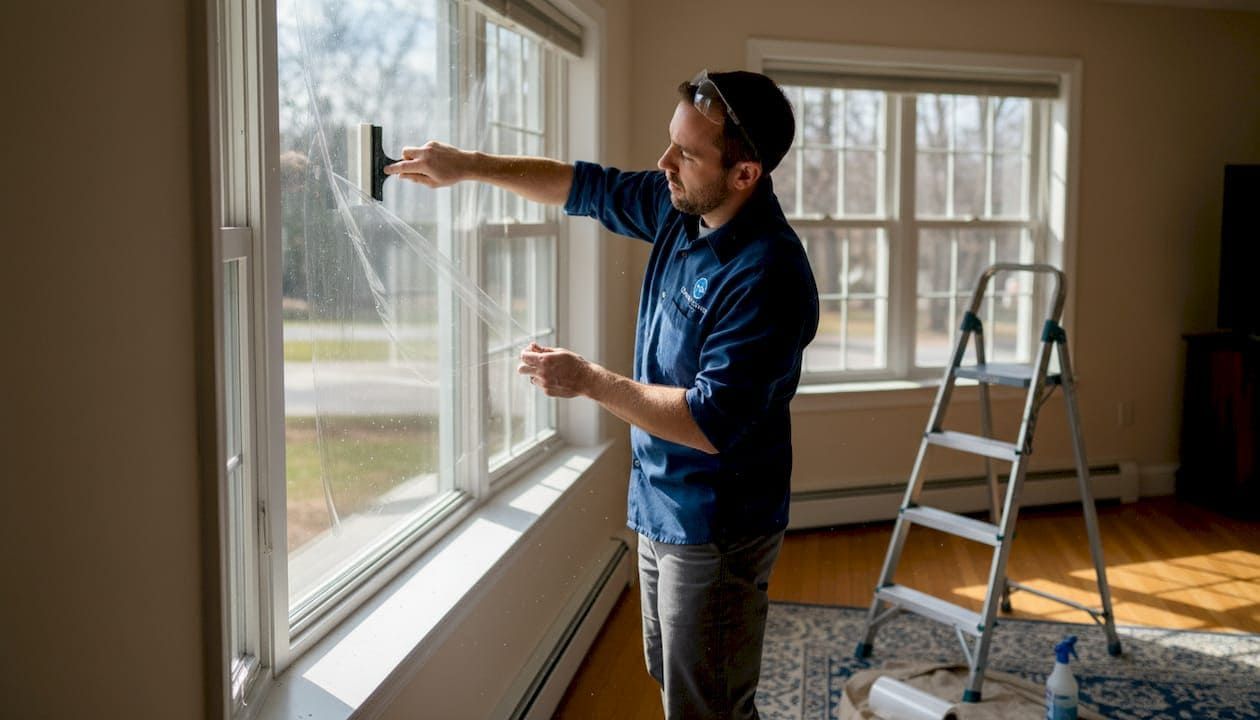
Table of Contents
- Core durability factors: What really affects window film lifespan
- Regional challenges: Why New England climate changes everything
- Warranty risks: How film type and installation can jeopardize your windows
- Practical tips: Maximizing window film durability in your space
- Our take: Why most durability issues start before installation
- Ready to enhance durability? Local solutions for NH/Boston
- Frequently asked questions
Key Takeaways
| Point | Details |
|---|---|
| Climate impacts durability | Window film lifespan depends heavily on local weather conditions and moisture levels. |
| Warranty risks matter | Choosing the wrong film or poor installation can void your window's warranty. |
| Edge sealing is critical | Proper edge sealing prevents condensation damage and maximizes film life. |
| Expert selection pays off | Selecting the right film for your specific window and climate ensures year-round performance. |
Core durability factors: What really affects window film lifespan
Most people assume window film durability comes down to film quality alone. That misses the bigger picture. The real determinants of how long a film lasts include the window itself, where it faces, your local climate, and whether the installer understood all of these before picking up a squeegee.
Window size and orientation play a major role. South-facing windows receive more direct solar exposure than north-facing ones, which causes film adhesives to break down faster if the wrong product is chosen. Larger glass panes absorb and transfer more heat, which creates more stress on both the film and the window frame. East-facing windows face intense morning sun while west-facing ones take afternoon heat. Each orientation calls for a slightly different film specification, and treating all windows the same is a common and costly mistake.
Window type and frame material add another layer of complexity. Single-pane windows handle film differently than double-pane insulated glass units (IGUs). Vinyl frames expand and contract more aggressively in temperature swings compared to aluminum or fiberglass frames. When a frame moves significantly, poorly adhered film edges lift and moisture gets in. From there, the film's lifespan drops sharply.
Here is a quick comparison of how window type affects film performance:
| Window type | Film compatibility | Primary durability risk |
|---|---|---|
| Single-pane glass | High compatibility | UV degradation over time |
| Double-pane IGU | Moderate, film-type sensitive | Seal failure from heat buildup |
| Triple-pane IGU | Low for absorbing films | Warranty void and seal damage |
| Older wood-frame windows | Moderate | Moisture infiltration at edges |
The DOE confirms that window film effectiveness depends heavily on window size, orientation, and climate, and that absorbing films installed on IGUs risk damaging the glass seal and voiding your window warranty. Low-emissivity (low-e) films are the recommended choice for year-round performance because they reflect heat rather than absorb it, putting less thermal stress on sealed units.
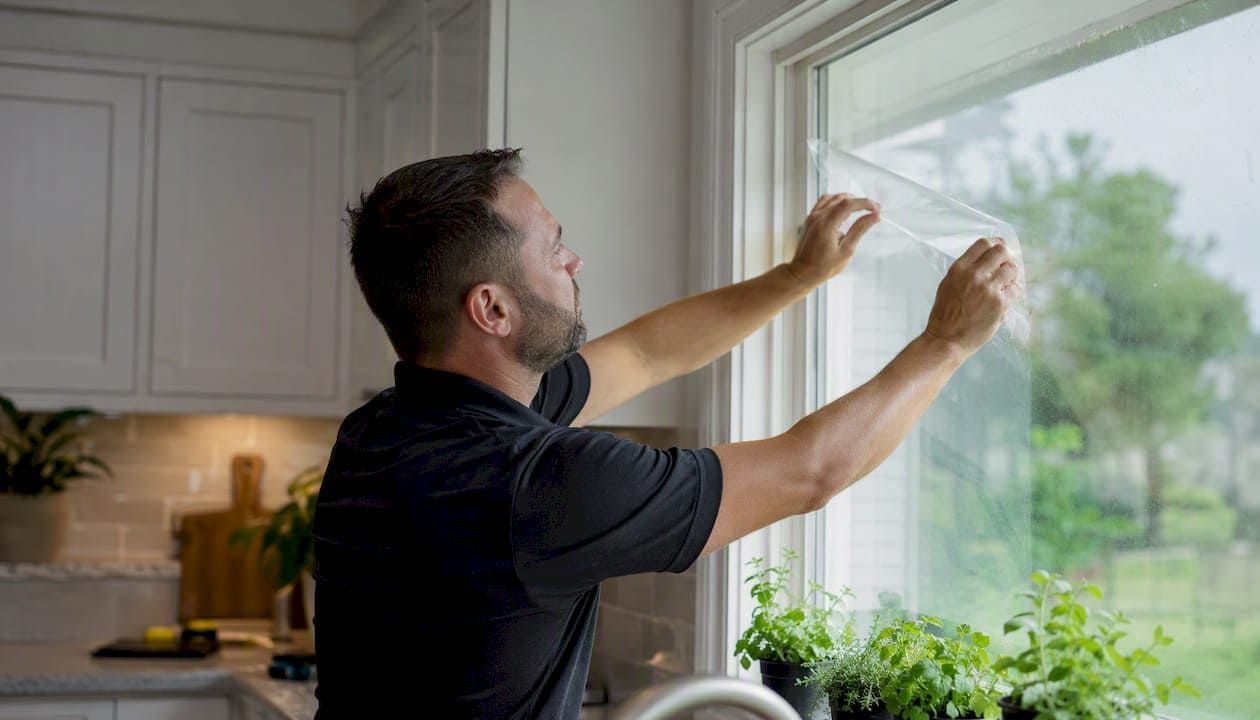
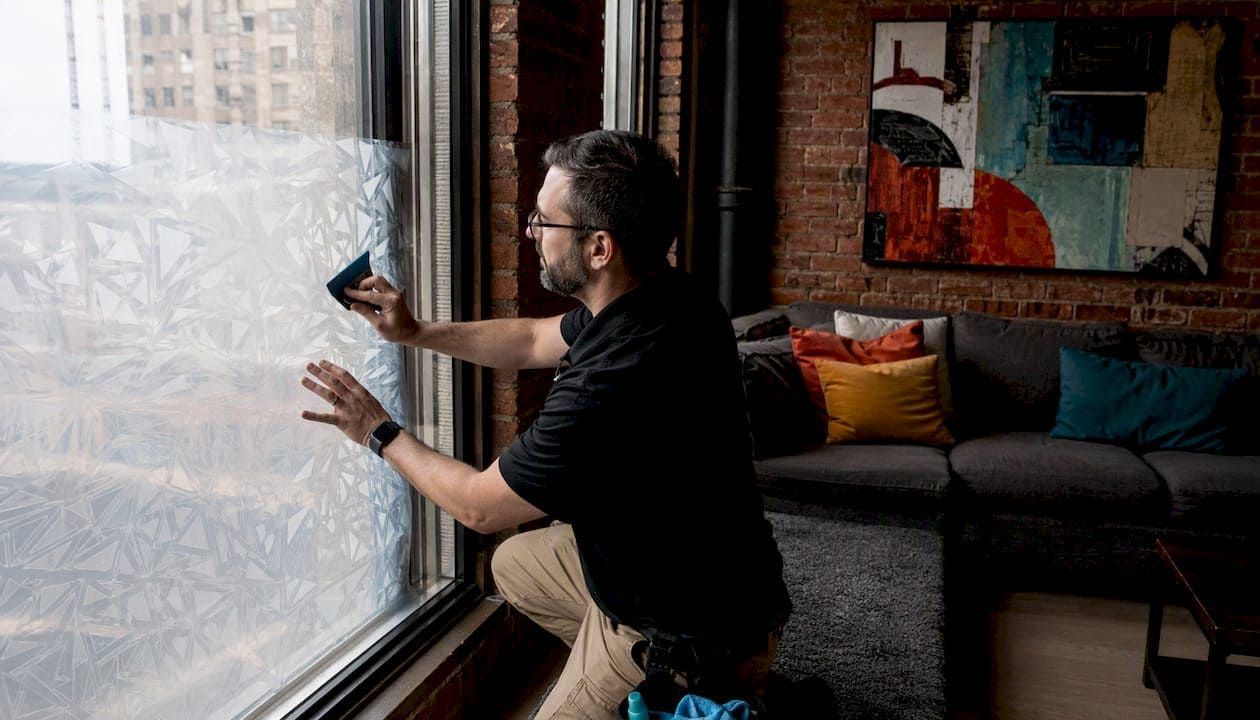
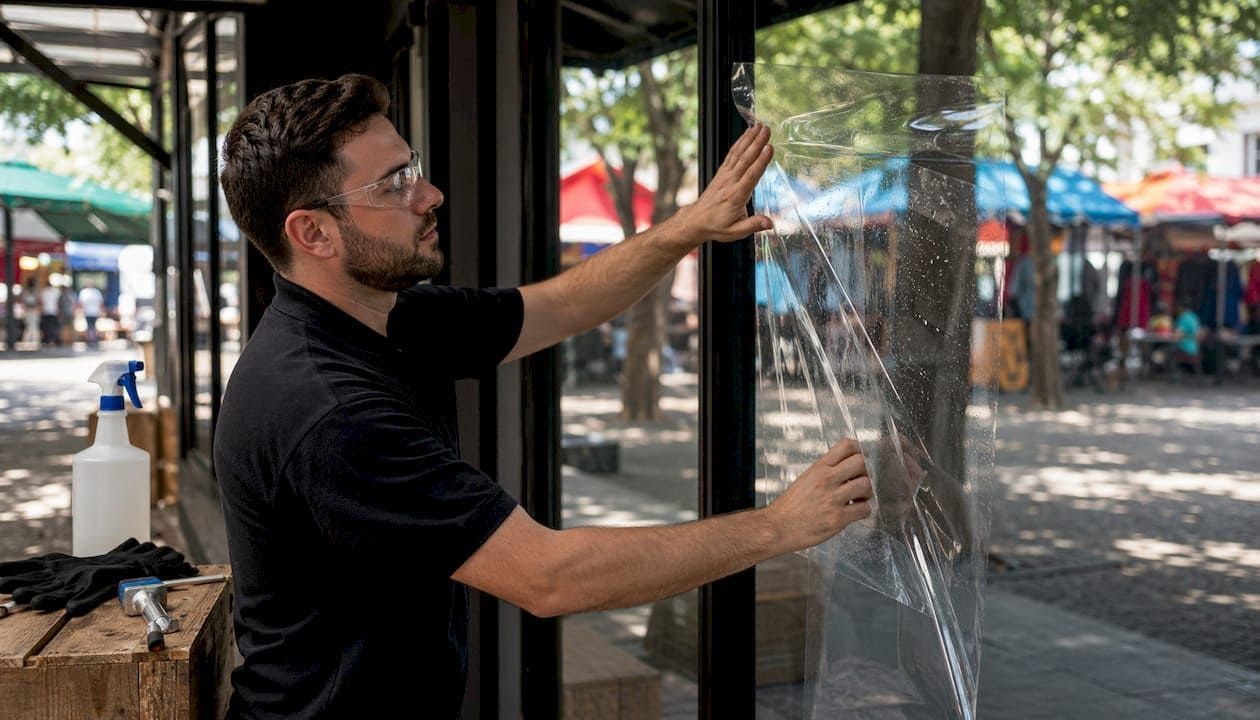
Installation quality rounds out the key durability factors. Even a premium LLumar film will fail prematurely if installed with trapped air bubbles, insufficient edge sealing, or improper surface prep. Understanding window tinting longevity starts with recognizing that the installation process determines the foundation of everything else.
Key things that affect film performance from day one:
- Surface contamination before application (oils, dust, residue)
- Improper adhesive cure time in cold or humid conditions
- Inadequate edge sealing on large pane windows
- Using absorbing-type film on sealed IGU windows
- Skipping a window condition assessment before installation
Understanding window film for cold climates means recognizing that these variables hit harder in New England than almost anywhere else in the country.
Regional challenges: Why New England climate changes everything
Southern New Hampshire and Greater Boston present a combination of climate stressors that would challenge even the best-specified window film. Winter temperatures regularly drop below zero Fahrenheit. Humidity swings dramatically between seasons. And the transition months, particularly March and November, deliver rapid and extreme temperature shifts that stress both window frames and film adhesive bonds.
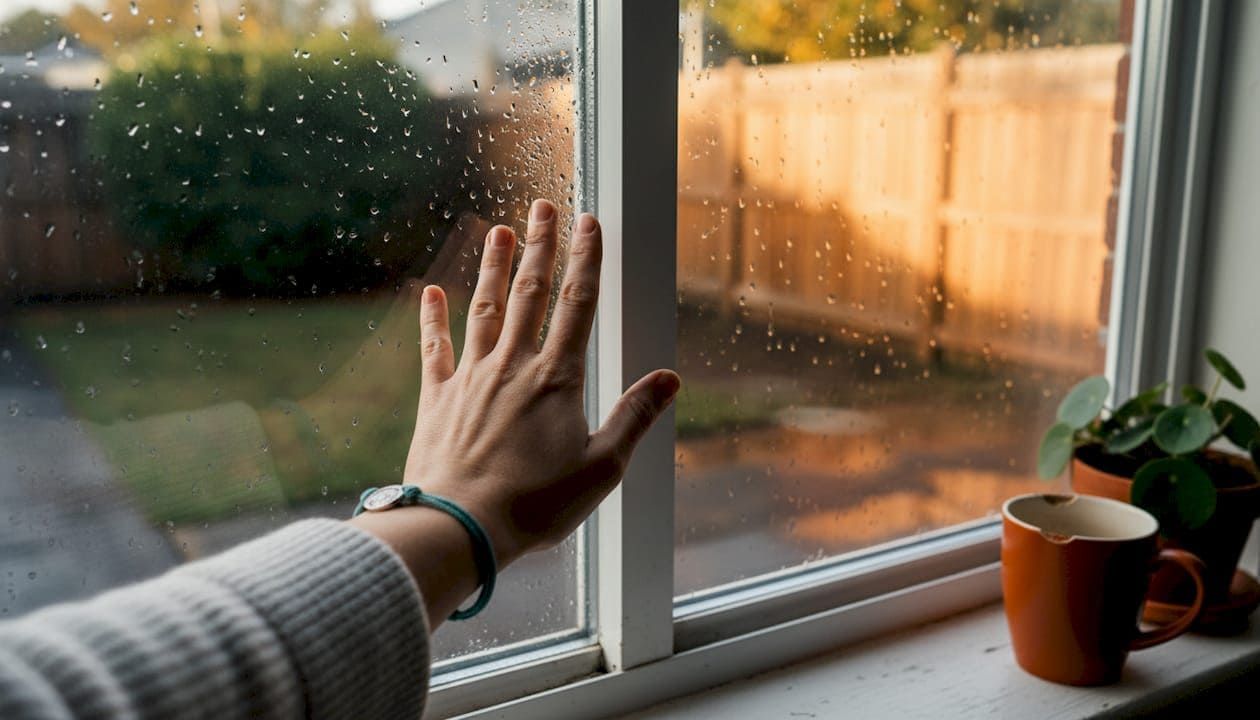
Moisture is the quiet killer of window films in this region. During winter, indoor air is warm and humid relative to the cold glass surface. This temperature differential creates condensation on the interior side of windows, particularly on older single-pane glass. When moisture works its way under the film edge, it breaks down the adhesive layer from the inside out. You notice it first as clouding near the edges, then lifting, and eventually complete delamination.
Here is how common New England climate conditions affect film durability:
| Climate condition | Effect on window film | Risk level |
|---|---|---|
| Sub-zero winter temperatures | Frame contraction, edge lift | High |
| Spring humidity spikes | Adhesive softening, bubbling | High |
| Summer heat above 90°F | UV and heat degradation | Moderate |
| Freeze-thaw cycling | Seal stress, edge intrusion | Very high |
| Coastal salt air (Boston area) | Adhesive corrosion | Moderate |
Edge sealing becomes critical in this environment. A proper edge seal creates a barrier that keeps moisture from working its way beneath the film during freeze-thaw cycles. Without it, even a well-chosen film product will fail well before its rated lifespan. This is not optional in New England. It is the difference between a film that lasts 10 to 15 years and one that fails within three.
Choosing the wrong film for IGU windows is especially damaging here. The DOE notes that in cold and humid climates, proper moisture management and film selection are essential to preventing seal failure. Absorbing films trap heat within the glass pane itself, which expands the sealed air gap inside an IGU and stresses the seal. In New England winters, that seal was already working hard to manage the indoor-outdoor temperature differential. Adding an absorbing film pushes it past its limit.
If you own an older property, the risks multiply. You can find specific guidance on window film tips for older homes that covers frame condition, glazing compatibility, and moisture management particular to aged construction. For solar control needs specifically, understanding solar window film for homes can help you identify which products manage heat without stressing your existing windows.
Steps to protect your film from New England climate damage:
- Conduct a window condition assessment before installation
- Select low-e or reflective films instead of absorbing types for IGU windows
- Apply comprehensive edge sealing during installation
- Allow adequate cure time during cold-weather installs (this matters more than most people realize)
- Plan for annual visual inspections, particularly after winter
Pro Tip: Schedule window film installation in late spring or early fall when temperatures are moderate and humidity is relatively stable. Cold-weather installation requires extended cure time and can produce temporary hazing that homeowners sometimes mistake for installation defects.
Warranty risks: How film type and installation can jeopardize your windows
Here is where things get expensive if you get them wrong. Many homeowners and property managers do not realize that installing the wrong type of window film can void the original window manufacturer's warranty. This is not a small risk. Double-pane and triple-pane windows can cost hundreds to thousands of dollars per unit to replace.
The core issue is heat absorption. Absorbing films trap solar energy within the glass itself rather than reflecting it away. In an IGU, this extra heat causes the sealed air space between the panes to expand. Over time, this expansion stresses the perimeter seal. When the seal fails, you lose the insulating gas fill, the unit fogs permanently, and your glass becomes significantly less energy efficient. Many window manufacturers explicitly list film type restrictions in their warranty documentation. Ignoring that voids your coverage entirely.
"Once an IGU seal fails, the argon or krypton gas between the panes escapes and the window's insulating value drops dramatically. The fogging you see is condensation forming inside a sealed unit that can no longer be cleaned. The entire unit typically needs replacement." This is why film selection for sealed units requires careful attention to how the film manages heat at the glass surface.
The risk is not uniform across property types. Residential windows often use standard double-pane IGUs that are more sensitive to heat-absorbing films. Commercial properties sometimes use tempered or laminated glass in larger formats, which handles heat differently. But commercial buildings also have more glass, meaning the financial stakes of a warranty error are significantly higher.
To protect your warranty, follow these steps:
- Identify whether your windows are single-pane, double-pane IGU, or triple-pane before film selection
- Request film specifications from your installer in writing, including solar heat absorption ratings
- Check your window manufacturer's warranty documentation for film restrictions
- Choose low-e or reflective films over absorbing types whenever IGUs are present
- Retain your installer's certification and product documentation for warranty records
What makes film selection safe or risky:
- Safe choices: Low-e reflective films, neutral solar control films with low absorption rates, decorative films with minimal heat impact
- Risky choices: High-absorption dark tints on IGU windows, metallic films not rated for sealed units, any film applied without verifying IGU compatibility
You can learn more about window tinting warranty protection and how to document your installation for future coverage claims. For a broader overview of the selection process, choosing window film walks through compatibility considerations for common residential window types.
Practical tips: Maximizing window film durability in your space
Knowing the risks is only useful if it leads to better decisions. Here are specific, actionable steps that homeowners and business owners in Southern NH and Greater Boston can take to extend the life of their window film investment.
Select the right film for your specific windows. Do not let anyone skip the assessment step. A professional installer should evaluate your window type, age, frame condition, and orientation before recommending a product. If you have IGUs, insist on a low-e or solar-reflective film with a documented low heat absorption rating. If you have older single-pane windows, different concerns apply, particularly around moisture management at the glazing edge.
The DOE confirms that film effectiveness is directly tied to matching the product to window size, orientation, and local climate. Skipping this matching process is the most common reason films underperform or fail early.
Prioritize edge sealing in your installation. Ask your installer directly whether edge sealing is included in their process. This is not a premium add-on for New England homes and businesses. It is a baseline requirement. A proper edge seal uses compatible sealant material applied around the film perimeter after installation, preventing moisture from working beneath the adhesive layer.
Build a simple maintenance routine. Window film in New England needs more attention than film in mild climates. Here are the basics:
- Clean films with ammonia-free cleaners only. Ammonia degrades film adhesive over time.
- Use soft cloths or microfiber. Abrasive materials scratch the film surface and accelerate UV wear.
- Inspect film edges each spring after winter freeze-thaw cycles. Look for lifting, bubbling, or clouding near frame edges.
- Report any seal changes in your IGU windows immediately. A film installer can help you determine whether the change is film-related or pre-existing.
Pro Tip: Take photographs of your windows before and shortly after film installation. This creates a clear baseline for warranty claims and helps you spot slow changes over time that might otherwise go unnoticed until they become expensive.
Know when to call a professional. DIY window film has a place in very limited applications, but in New England, the margin for error is too small for most residential and commercial properties. Climate stressors, IGU compatibility requirements, and edge sealing technique all require professional judgment. Explore window film durability tips for additional maintenance guidance, and consider window film privacy and security options if you are evaluating multi-purpose films that need to hold up through New England seasons.
Our take: Why most durability issues start before installation
Most window film failures we see come down to decisions made before the installer ever touched the glass. The film gets blamed. The weather gets blamed. Occasionally, the homeowner blames themselves for "going cheap." But the real culprit is almost always a missing step in the pre-installation process.
No one assessed the window type properly. No one checked the manufacturer's warranty documentation. No one considered whether the glass orientation meant a reflective film would perform better than an absorbing one. And no one asked what the New England winter would do to that specific film on that specific window.
We work with homeowners and businesses across Southern NH and Greater Boston, and the pattern is remarkably consistent. Properties that had a thorough pre-installation inspection, matched film to window type and climate, and used professional edge sealing rarely have premature failure problems. Properties that skipped any one of those steps eventually call us for a second opinion on film that should have lasted another decade.
The fix is not complicated. Demand an inspection before installation. Ask your installer why they are recommending a specific product. If they cannot explain it in plain language, that is your answer. Choosing window film the right way protects both your windows and your warranty from the start.
Ready to enhance durability? Local solutions for NH/Boston
If you are evaluating window film for your home or business in Southern New Hampshire or the Greater Boston Area, working with a local specialist who understands New England climate conditions is not a luxury. It is the most practical way to protect your investment.
At Surface Dynamics Window Tinting, we assess your windows before recommending any product. As an exclusive LLumar SelectPro Dealer, we install Vista Films rated for climate performance, energy efficiency, safety, and privacy. Every installation includes edge sealing designed for freeze-thaw conditions. Whether you need solar control, safety films, or decorative privacy options, we match the right solution to your specific windows and local weather. Request your free residential window tint estimate or explore our full range of services through our window tinting estimate request page.
Frequently asked questions
Can window film void my window's warranty?
Yes. Absorbing films on IGUs can damage the perimeter seal and void your window manufacturer's warranty, especially when not specifically approved for sealed glass units.
Is edge sealing necessary for window film durability in New Hampshire?
Absolutely. Edge sealing prevents moisture intrusion and is essential in cold, humid climates like New Hampshire and the Boston area where freeze-thaw cycles repeatedly stress film adhesive.
What is the best type of window film for year-round durability?
Low-e films are the top choice for consistent year-round performance in New England, providing energy savings without the thermal stress on sealed glass units that absorbing films cause.
How does climate affect window film lifespan?
Temperature swings, condensation, and humidity directly affect adhesive integrity and film longevity, and climate-specific film selection is one of the most important factors in getting the full rated life from any window film product.
Recommended