
Ceramic window film explained: benefits, myths, and smart choices
TL;DR:
- Ceramic window film blocks UV rays and heat without darkening windows or interfering with signals.
- It offers long-lasting durability, energy savings, and maintains aesthetic appeal in seasonal climates.
- Proper selection and local expertise are key for optimal performance and satisfaction.
Most homeowners and business owners hear "window tint" and picture a darkened car window or a privacy screen for a bathroom. That mental picture misses the real story by a mile. Ceramic window film is an advanced window technology that controls heat, blocks damaging UV rays, reduces glare, and even contributes to building security, all without turning your windows into a cave. For properties in Southern New Hampshire and the Greater Boston Area, where summers bake south-facing rooms and winters drain energy budgets, the right window film can make a genuine, measurable difference. This article cuts through the marketing noise and gives you the practical knowledge you need.
Table of Contents
- What is ceramic window film?
- Ceramic window film benefits for New Hampshire and Greater Boston
- Ceramic vs. other window film types: A comparison
- What to know before choosing ceramic window film
- Our perspective: What most guides miss about ceramic window film
- Ready to see the difference? Explore, compare, or get an estimate
- Frequently asked questions
Key Takeaways
| Point | Details |
|---|---|
| Advanced solar technology | Ceramic window film offers clear, durable climate control without added reflectivity or signal blocking. |
| Real-world energy savings | Homes and businesses gain measurable comfort and lower bills, especially in New Hampshire and Boston climates. |
| Specs over marketing claims | For true performance, compare TSER/SHGC ratings, not just IR rejection percentages. |
| Know your options | Ceramic film outshines dyed or metallic options for aesthetics, performance, and value. |
| Partner with pros | Choosing film with expert advice and certified installation maximizes benefits and long-term satisfaction. |
What is ceramic window film?
Ceramic window film is not your standard car tint. It is manufactured using non-metallic, nano-ceramic particles that are bonded into ultra-thin layers and applied directly to the interior surface of glass. These nano-ceramic particles are the key ingredient. They give the film its ability to reject heat and block ultraviolet radiation without relying on metal or dye to do the heavy lifting.
Here is why that matters: traditional dyed films absorb solar energy and can fade or bubble over time. Metallic films reflect solar energy effectively, but they also interfere with cell phone signals, Wi-Fi, and GPS because they essentially put a metal layer between your devices and the outside world. Ceramic films sidestep both problems entirely.
What makes ceramic film technically impressive is its spectrally selective properties, which allow it to filter specific wavelengths of solar energy (especially infrared heat and UV) while allowing visible light to pass through naturally. The result is a window that looks almost unchanged from the outside but performs dramatically better on the inside.
Key ceramic film properties at a glance:
- Blocks up to 99% of ultraviolet radiation
- Rejects significant solar heat without heavy tinting
- No interference with electronic signals (cell, Wi-Fi, Bluetooth)
- High optical clarity, minimal color distortion
- Long-term durability, far outlasting dyed alternatives
- Compatible with most residential and commercial glass types
Film type performance comparison:
| Feature | Ceramic film | Metallic film | Dyed film |
|---|---|---|---|
| Heat rejection | High | High | Low to moderate |
| UV blocking | Up to 99% | Up to 99% | Moderate |
| Signal interference | None | Yes | None |
| Optical clarity | Excellent | Moderate | Poor over time |
| Fade/bubble resistance | Excellent | Good | Poor |
| Aesthetics | Natural look | Mirror-like | Dark tint |
When you are choosing window film for your home or commercial property, understanding these distinctions upfront saves you from expensive mistakes and disappointing results.
Ceramic window film benefits for New Hampshire and Greater Boston
Understanding how ceramic window film works highlights why it is gaining popularity across the region. Let's look at what these features mean for local homes and businesses specifically.
Southern New Hampshire and the Greater Boston Area experience four distinct seasons, and that range creates unique demands on buildings. Summers bring intense solar heat through large windows. Winters put pressure on heating systems as warmth escapes through glass. Window film addresses both ends of that spectrum.
Energy savings across all seasons
During summer, ceramic film rejects solar heat before it enters the glass, reducing the cooling load on your air conditioning system. You can use our window tint energy savings calculator to estimate how much you could save based on your property's size and window area. During winter, quality ceramic film adds a layer of insulation effect that slows heat loss, contributing to energy costs in Boston winters being noticeably lower. According to the U.S. Department of Energy, windows account for 25 to 30 percent of residential heating and cooling use. Addressing that directly with film is one of the most cost-effective upgrades available.
Comfort, fading, and light quality
Glare on a screen, hot spots near windows, and faded furniture are everyday frustrations that ceramic film solves quietly. UV radiation is responsible for the majority of fading in flooring, artwork, upholstery, and window treatments. Blocking up to 99% of UV means your interiors stay looking newer for longer. Natural light still flows through, so rooms feel bright and open rather than dim and closed off.
Aesthetics that work in neighborhoods and on storefronts
Many New Hampshire towns and Boston neighborhoods have strict homeowners association rules or aesthetic standards. Ceramic film does not create the mirror-like or heavily tinted appearance of metallic or dyed alternatives. For retail storefronts, that distinction is critical. You want customers to see inside, but you do not want glare turning your window display into a reflection.
Statistic callout: Properly selected and installed ceramic window film can help reduce your energy bill by blocking significant solar heat gain, particularly in properties with large south or west-facing glass surfaces during peak summer months.
For solar window tint for homes , the visual and financial payoff tends to show up fastest on rooms that get direct afternoon sun. Those spaces go from uncomfortably hot to genuinely livable without any structural changes.
Pro Tip: Always ask for full film specification sheets, including TSER (Total Solar Energy Rejected) and SHGC (Solar Heat Gain Coefficient) numbers based on NFRC-tested data, not just manufacturer marketing claims. These numbers tell you what the film actually does under real conditions.
Ceramic vs. other window film types: A comparison
You have seen the benefits. Now, let's put ceramic window film side by side with the competition so you can make a genuinely informed decision.
The three main categories you will encounter are ceramic, metallic, and dyed films. Each has a different mechanism, a different performance profile, and a different ideal use case. The confusion comes when marketing language is used to make one type sound equal to another when the actual specs tell a different story.
Detailed comparison: ceramic vs. metallic vs. dyed
| Category | Ceramic | Metallic | Dyed |
|---|---|---|---|
| Heat rejection mechanism | Nano-ceramic particles | Metal layer reflection | Dye absorption |
| Signal interference | None | Blocks cell/Wi-Fi | None |
| Long-term appearance | Stable, clear | May develop haze | Fades and purples |
| Energy performance | Excellent (high TSER) | Good | Limited |
| Ideal environment | Residential, commercial, modern builds | Industrial, non-tech spaces | Budget-limited, short-term |
| Cost | Higher upfront | Moderate | Lower |
| Warranty coverage | Typically lifetime | Varies | Limited |
One important nuance that the window film industry does not always highlight: IR rejection claims can be heavily overhyped in marketing. A film claiming to block 97% of infrared sounds impressive, but IR is only one component of the full solar spectrum. What matters more is the Total Solar Energy Rejected (TSER) and the Solar Heat Gain Coefficient (SHGC), because those numbers represent real-world energy performance across the full spectrum of solar radiation, not just one slice of it.
You will also want to compare decorative films vs traditional window treatments if privacy or aesthetics are a higher priority than pure energy control. Decorative ceramic films can serve both goals simultaneously.
How to read window film specs: A 3-step method
- Check TSER and SHGC first. These are the most accurate indicators of real energy performance. A lower SHGC means less heat entering your space. Higher TSER means more total solar energy blocked.
- Verify certification and testing standards. Look for films tested by the National Fenestration Rating Council (NFRC) or the International Window Film Association (IWFA). Certifications matter because they represent independent verification, not just the manufacturer's own lab results.
- Evaluate real-world performance context. Consider your specific building orientation, glass type, climate zone, and whether you have single-pane or double-pane glass. A film that performs well in Phoenix may deliver different results in Boston due to the climate and sun angle differences.

What to know before choosing ceramic window film
Still interested? Here is how to make sure your investment pays off and what to ask before you buy.
Buying ceramic window film is not complicated, but it is easy to get talked into the wrong product if you do not know the right questions. Here is what to focus on before you commit.
Top questions to ask any installer:
- What are the TSER and SHGC ratings for this specific film on my glass type?
- Is this product certified by an independent testing organization?
- What does the warranty cover, and for how long?
- Do you carry liability insurance and have local installation references?
- How long does installation take, and is my space usable immediately after?
These questions separate professional installers from those selling on hype. Any reputable company should answer all of them clearly and with documentation. Evaluating spectrally selective performance, not just boastful IR rejection numbers, is the benchmark that separates reliable products from flashy marketing.
Common pitfalls to avoid:
- Purchasing based solely on IR rejection percentages without checking TSER
- Choosing a film with no manufacturer warranty or a warranty that excludes labor
- Skipping installation by a certified professional to save money upfront
- Assuming all ceramic films are equal (quality varies significantly by manufacturer)
When you are choosing window film for aesthetic purposes as much as energy control, exploring decorative window film for home style options can open up possibilities you may not have considered, including frosted, textured, and patterned options that add privacy without blocking light.
Cleaning and maintaining ceramic film: Myths vs. facts
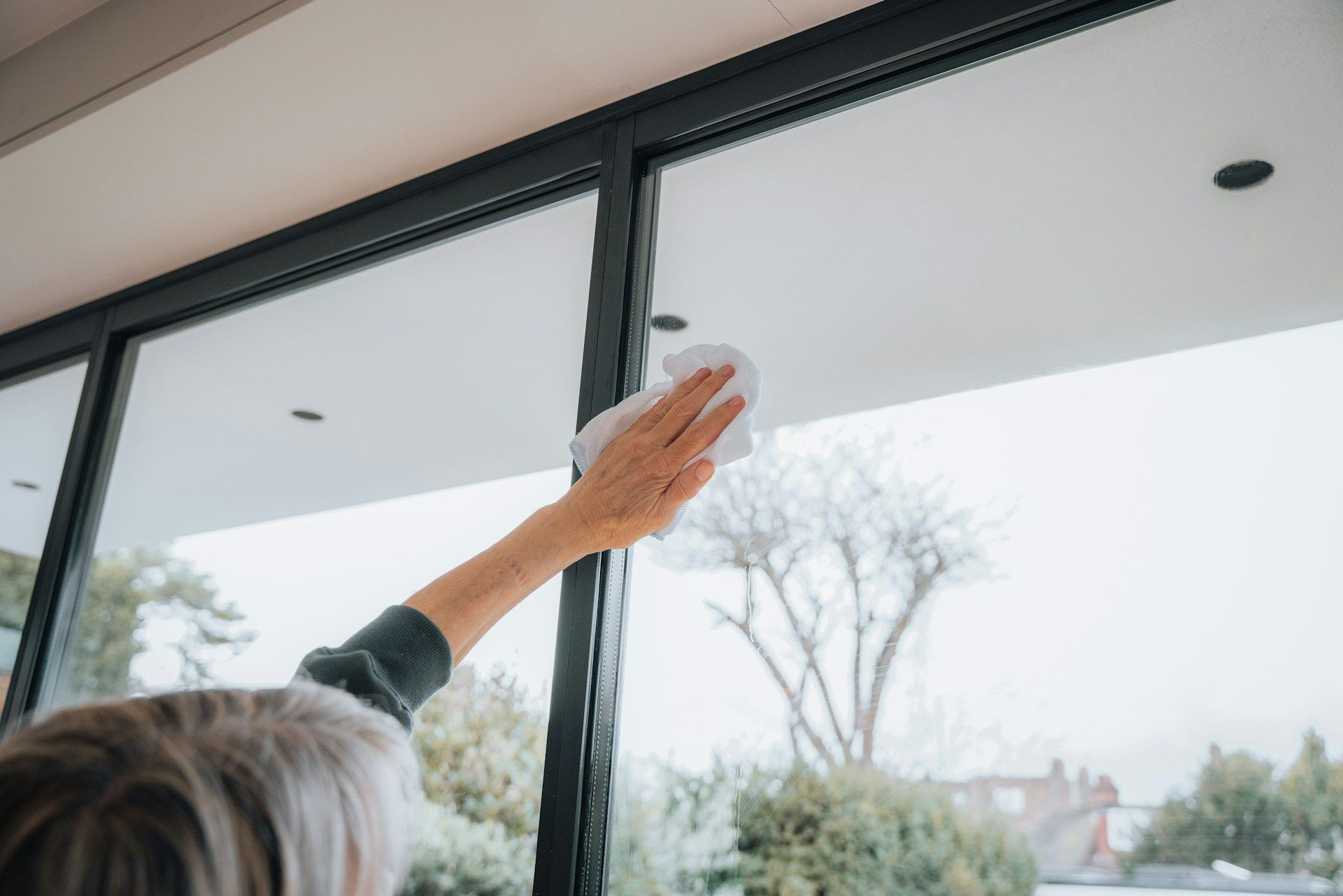
Many people assume window film requires special care or is fragile. It is not. The main rules are straightforward: wait about 30 days after installation before cleaning to allow full curing, then use non-abrasive, ammonia-free cleaning solutions with a soft microfiber cloth. Ammonia-based cleaners (like many common glass sprays) can degrade the adhesive layer over time. Beyond that, ceramic film is quite resilient. Following basic window cleaning tips appropriate for film-coated glass will keep your windows performing and looking their best for years.
Pro Tip: Mark your film warranty documents and note the installation date. Some warranties require proof of professional installation and proper maintenance history to honor claims. Keep those records somewhere accessible.
Our perspective: What most guides miss about ceramic window film
Here is what hundreds of local installations in Southern New Hampshire and Greater Boston have taught us that most online guides simply skip over.
The internet is full of articles that explain how ceramic window film works on a technical level. Very few talk about what actually drives satisfaction after the project is done. In our experience, the buyers who feel most confident about their investment are not the ones who chose the film with the highest advertised IR rejection number. They are the ones who asked for real specs, compared products on TSER and SHGC, and worked with an installer who understood local building conditions.
Here is the uncomfortable truth about industry marketing: the spec numbers most frequently featured in ads are the ones easiest to inflate. IR-only rejection figures sound dramatic, but they do not represent how a film will actually perform across a full New England summer day when every wavelength of solar energy is pushing through your glass. What matters is total energy management, and that only shows up in TSER and SHGC numbers.
Local expertise also matters more than people realize. A film that is correctly specified for a single-pane colonial in Nashua will perform very differently than the same film on a double-pane storefront in downtown Boston. Understanding glass type, building orientation, and even local zoning aesthetics rules (yes, some Massachusetts communities regulate reflective appearances on commercial buildings) is something a local specialist brings to the table that a national online retailer simply cannot.
We also see homeowners underestimate the security angle. Ceramic safety and security films do not just control heat. They hold shattered glass together after impact, which is a genuine deterrent to smash-and-grab break-ins and adds meaningful protection during storm events. If you want to enhance home security beyond what a standard solar film provides, combining ceramic technology with a safety-rated film layer is worth a serious look.
Multi-year performance is the real scorecard. Ask any installer you consider for references from customers who have had their film for three or more years. If a company cannot provide those references, that tells you something important.
Ready to see the difference? Explore, compare, or get an estimate
If you are ready to experience the benefits of ceramic window film firsthand, here is how to make it easy and risk-free.
At Surface Dynamics Window Tinting, we believe that seeing is believing. Before you commit to anything, spend a few minutes with our interactive residential film viewer to visualize how different film options look on windows like yours. It takes the guesswork out of a decision that will affect your home or business for the next decade or more.
If you prefer to see real results from real local projects, our home window tinting photo gallery showcases installations across Southern New Hampshire and Greater Boston, covering everything from traditional colonials to modern commercial facades. When you are ready to talk numbers, scheduling a free window tinting estimate connects you with a local expert who will walk through your specific windows, orientation, and goals without any sales pressure. As an exclusive LLumar SelectPro Dealer, we back every installation with certified product performance and manufacturer warranty support.
Frequently asked questions
Does ceramic window film block UV and heat without making windows dark?
Yes, ceramic window films use spectrally selective properties to block heat and UV while maintaining a natural, clear window appearance, so your rooms stay bright without the cave-like feel of heavy tinting.
How long does ceramic window film last compared to standard tints?
Ceramic window film outlasts metallic and dyed alternatives significantly because its nano-ceramic particles do not fade, purple, or break down the way dye-based films do, and most quality ceramic films carry lifetime warranties.
What should I ask before hiring a ceramic window film installer?
Ask for full film specs including TSER and SHGC, verify NFRC-tested data to back the performance claims, confirm warranty coverage including labor, and request local references from installations at least two to three years old.
Will ceramic window film interfere with my cell phone, Wi-Fi, or radio signals?
No, ceramic does not interfere with digital signals the way metallic films can, because it uses non-metallic nano-ceramic particles rather than a reflective metal layer, making it safe for smart homes and connected offices.
How is ceramic window film cleaned and maintained?
Clean ceramic window film using a non-abrasive, ammonia-free solution and a soft microfiber cloth, waiting at least 30 days after installation before the first cleaning to allow the adhesive to fully cure and set properly.
Recommended