
4 Signs Your Facility Needs Window Film: Proven Solutions
TL;DR:
- Untreated windows allow UV rays that cause irreversible interior fading and damage.
- Window films can reduce energy costs by blocking heat transfer and improving insulation.
- Security and privacy films enhance safety, reduce glare, and prevent break-ins.
Most property owners in Southern New Hampshire and the Greater Boston Area don't realize their windows are silently draining energy, fading interiors, and creating security gaps until the damage is already done. Untreated glass lets in UV rays, heat, and glare around the clock, and the costs compound quietly over months and years. Whether you manage a commercial building or own a home, knowing the specific warning signs means you can act before small problems become expensive repairs. This article walks you through four clear signals that professional window film installation belongs on your priority list, along with the solutions that address each one directly.
Table of Contents
- Sign #1: Noticeable fading of furniture or interiors
- Sign #2: Uncomfortable temperature swings and high energy bills
- Sign #3: Increased glare and lack of privacy
- Sign #4: Safety vulnerabilities and security concerns
- Our take: Why recognizing these signs early saves money and stress
- Get expert advice and a personalized estimate for your facility
- Frequently asked questions
Key Takeaways
| Point | Details |
|---|---|
| UV fading signals risk | Visible fading of furniture and flooring signals the need for UV-blocking window film to protect valuables. |
| Big energy savings | Window film installation can cut HVAC energy bills by up to 30%, making facilities much more efficient. |
| Glare and privacy solution | Window film options address bothersome glare and enhance privacy for homes and businesses. |
| Security matters | Reinforced window film adds critical safety against break-ins and accidents. |
Sign #1: Noticeable fading of furniture or interiors
Walk through any sun-facing room and look closely at your flooring, furniture, artwork, or merchandise displays. If colors appear washed out, fabrics look bleached, or wood surfaces show uneven tones, ultraviolet radiation is the likely cause. UV rays are invisible, but their effect on organic materials is very real and irreversible without restoration.
The damage isn't limited to obvious items. These are the most common surfaces that suffer silently from UV exposure:
- Hardwood and laminate flooring near south-facing windows
- Upholstered furniture and rugs in sun-heavy living rooms or lobbies
- Retail merchandise and display materials positioned close to storefronts
- Artwork, photographs, and printed signage on sun-facing walls
- Wood cabinetry and countertops in kitchens and reception areas
Sun-facing lobbies, reception areas, and open-plan offices are especially vulnerable because occupants rarely notice gradual fading until a comparison reveals just how much color has been lost. Replacing flooring or reupholstering furniture costs far more than a preventive film installation.
Here's what makes window film so effective against this problem. Films block 99% of UV rays, which is the primary driver of interior fading and deterioration. That single statistic is worth framing: nearly all UV radiation stopped at the glass before it ever touches your furnishings.
Professional solar window films from LLumar Vista achieve this protection without significantly darkening your space. You keep natural light while eliminating the wavelengths that cause damage. For commercial properties, commercial solar window film upgrades often pay for themselves quickly when you factor in avoided replacement costs for high-value furnishings and branded materials.
Pro Tip: Walk through sun-facing rooms every season and place a piece of colored fabric or paper in a spot that gets direct sunlight. Compare it to a sheltered piece of the same material after three months. Even subtle fading becomes obvious with a side-by-side check.
Sign #2: Uncomfortable temperature swings and high energy bills
If certain rooms feel unbearably hot in summer and drafty in winter while your energy bills keep climbing, your windows may be the weakest link in your building envelope. Glass conducts heat efficiently, which means untreated windows allow solar heat gain during warm months and radiant heat loss during cold New England winters.
Here's a simple way to diagnose whether your windows are behind the problem:
- Check room-to-room temperature variation. Rooms closest to large windows should feel noticeably different from interior spaces if solar gain is uncontrolled.
- Review your utility bills season over season. A consistent upward trend tied to heating and cooling months points to insulation issues.
- Stand near your largest windows on a cold day. If you feel a chill from radiant heat loss through the glass, that's a measurable energy drain.
- Compare HVAC runtime. If your system runs frequently even after recent maintenance, solar load through windows may be forcing it to work harder.
The financial impact of ignoring this is real. Studies show 10 to 30% HVAC savings after window film installation, and a GSA field test recorded a 29% reduction in perimeter HVAC load using low-E film. For commercial buildings with large glass facades, that reduction translates directly into meaningful operating cost cuts.
| Scenario | Estimated HVAC savings |
|---|---|
| Residential home, south-facing rooms | 10 to 15% |
| Small commercial office | 15 to 20% |
| Large building with glass facade | 20 to 30% |
| GSA field test with low-E film | 29% perimeter reduction |
You can use the energy savings calculator on our website to get a number specific to your square footage and window configuration. Homeowners dealing with New England winters will also find targeted insights in our guide to Boston winter energy savings, and business owners can explore office energy cost reduction data relevant to commercial spaces.
Pro Tip: If you're unsure which film type works best for your climate, our guide on cold climate window film breaks down performance differences between solar control and low-E options for New Hampshire and Boston properties.
Sign #3: Increased glare and lack of privacy
Glare is one of the most underestimated productivity killers in both homes and commercial spaces. When sunlight hits screens directly, it forces occupants to squint, reposition monitors, or close blinds entirely, which then eliminates natural light and makes the space feel enclosed. It's a frustrating cycle that window film breaks cleanly.
"Window film can reduce glare and improve privacy significantly, making interior spaces more comfortable and functional without sacrificing exterior views."
Privacy is a related but separate issue. Ground-level retail storefronts, street-facing home offices, and open-plan commercial spaces all face the same challenge: people outside can see in clearly, especially after dark when interior lighting reverses the visibility dynamic.
These are the most common scenarios where window film restores privacy and visual comfort:
- Open-plan offices where screens face large windows or glass partitions
- Ground-floor retail storefronts where merchandise and staff are visible from the street
- Home offices and living rooms on busy roads or close to neighbors
- Medical and legal offices requiring discretion for client-facing areas
- Conference rooms with glass walls or exterior-facing windows
Choosing between solar and privacy film depends on your primary concern:
| Film type | Primary benefit | Best use case |
|---|---|---|
| Solar control film | Heat and glare reduction | Sun-heavy rooms, offices |
| Privacy film | One-way visibility control | Street-facing spaces, bathrooms |
| Decorative film | Aesthetics plus privacy | Conference rooms, retail |
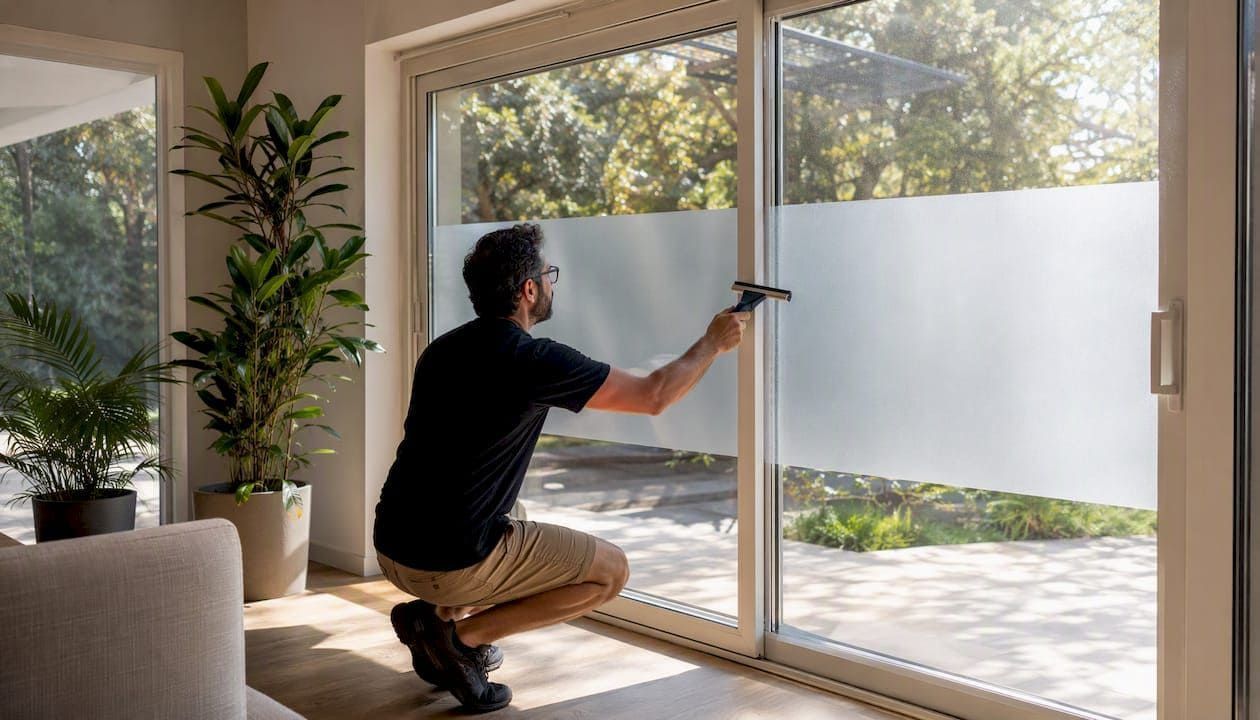
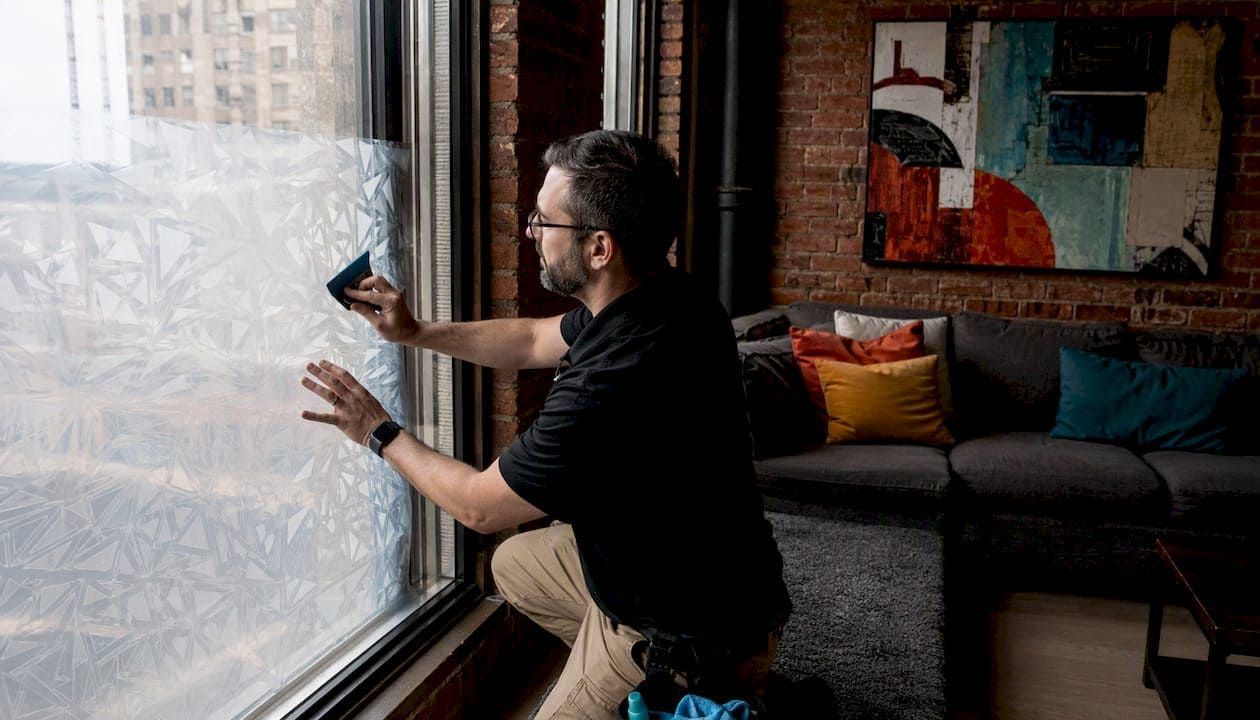
Our guide to solar vs privacy film helps you decide which option fits your space. For homeowners wanting privacy without frosted glass, clear privacy window film offers daytime one-way visibility. And for spaces where design matters as much as function, decorative window films deliver both aesthetics and coverage.
Sign #4: Safety vulnerabilities and security concerns
Standard float glass shatters into sharp, dangerous shards on impact. Whether the cause is a break-in attempt, a severe storm, an accident, or vandalism, unprotected glass creates both physical injury risk and a fast entry point for intruders. Security window film changes that equation.
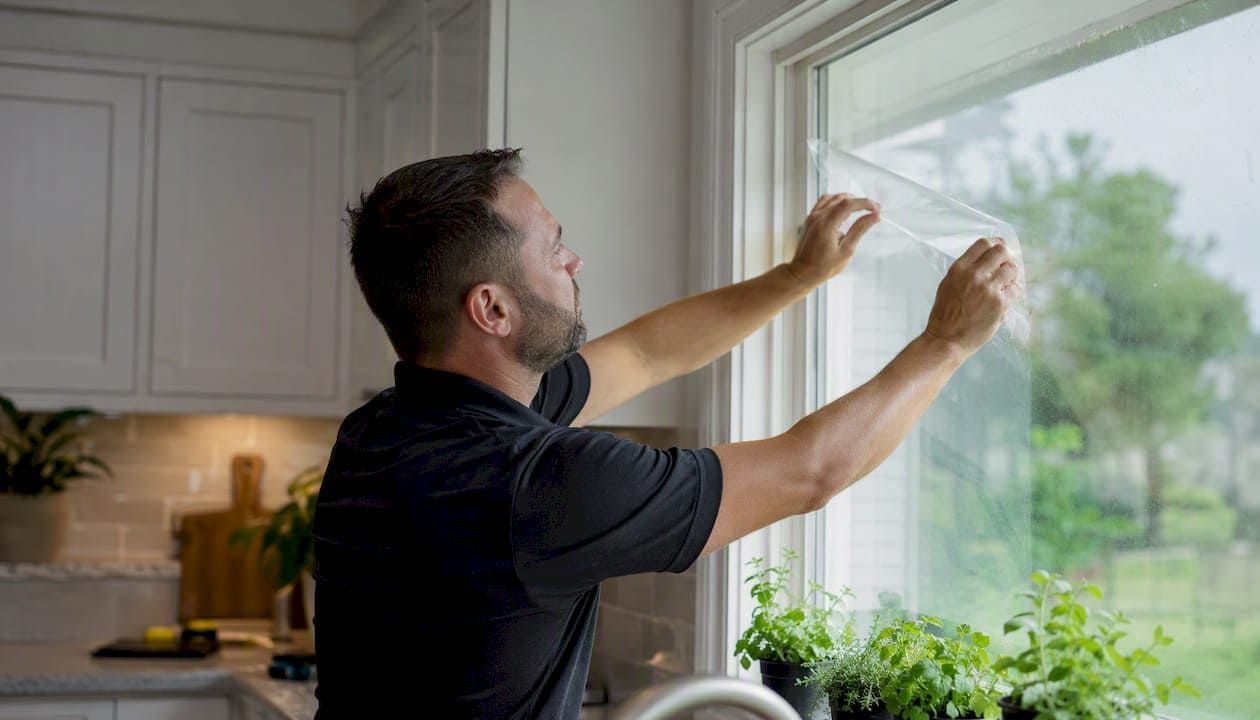
Window films enhance security by strengthening glass against break-ins and accidents, holding shattered pieces together on impact rather than allowing them to scatter. This doesn't make glass unbreakable, but it significantly increases the time and effort needed to breach it, which is often enough to deter opportunistic crime.
Here are the most common risk scenarios that signal a need for security film:
- Retail locations with visible merchandise and street-level windows
- Properties in areas with higher break-in frequency
- Buildings that experienced prior vandalism or graffiti
- Facilities near hurricane or severe storm exposure zones
- Schools, healthcare facilities, and government buildings with compliance requirements
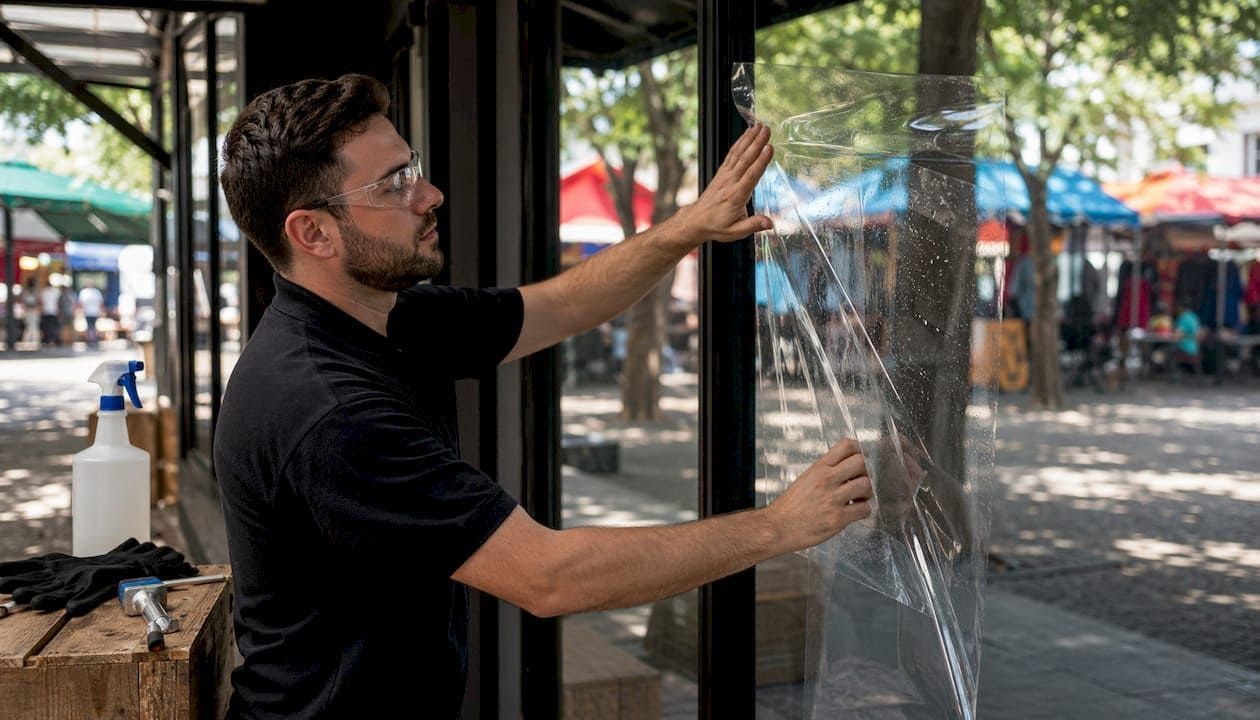
The installation process reinforces glass without replacing it. Films designed for security hold glass fragments in place and slow penetration, buying time for response. Some LLumar Vista safety films also resist blast pressure, which matters for certain commercial and government applications.
Here's why commercial property managers should prioritize this:
- Insurance considerations. Some carriers recognize security film as a risk reduction measure.
- Code compliance. Certain commercial spaces are required to meet glazing safety standards.
- Occupant confidence. Visible security upgrades reduce anxiety for staff and visitors.
- Asset protection. Slowing entry protects merchandise, equipment, and sensitive information.
Pro Tip: For commercial properties, security film is sometimes required or recommended under building codes or tenant safety agreements. Check your lease and local regulations before a compliance issue surfaces.
Our resources on security window film enhancements and home safety window film cover residential applications in detail, and our 2026 window security guide addresses both energy and safety upgrades together.
Our take: Why recognizing these signs early saves money and stress
Most owners we work with in Southern New Hampshire and the Greater Boston Area come to us after the damage is already visible, the energy bills have spiked, or an incident has occurred. The pattern is consistent: the warning signs were there months or even years earlier, but nothing felt urgent enough to act on.
The real cost of waiting isn't just the eventual replacement of faded furniture or the cumulative energy waste. It's the compounding effect. Fading leads to replacement costs. High energy bills reduce operating margins. Security gaps expose you to liability. Each problem feeds the next.
Facility managers and homeowners who do well here treat window film as a proactive maintenance decision, not a reactive fix. A seasonal window audit, as outlined in window tinting comfort insights, takes under an hour and flags which areas need attention before small issues become expensive ones.
Pro Tip: Conduct a window audit each spring and fall. Walk each room and note fading, temperature inconsistency, glare points, and any privacy gaps. That checklist becomes your prioritized upgrade list.
Get expert advice and a personalized estimate for your facility
If you recognized your property in any of the four signs above, the next step is straightforward. Surface Dynamics Window Tinting works with homeowners and business owners across Southern New Hampshire and the Greater Boston Area to identify exactly which film solutions match each space's specific challenges.
As an exclusive LLumar SelectPro Dealer, we install premium solar window film solutions and commercial window film options tailored to your goals, whether that's cutting energy costs, protecting interiors, improving privacy, or reinforcing security. Start with a free window tinting estimate and get a recommendation grounded in your actual space and conditions, not a generic product pitch.
Frequently asked questions
How does window film protect furnishings and interiors?
Window film blocks up to 99% UV rays, stopping the primary cause of fading and material deterioration before it reaches your floors, furniture, and artwork.
Can installing window film lower my facility's energy bills?
Yes. Studies show 10 to 30% HVAC savings after installation, with some commercial sites recording close to 29% reductions in perimeter heating and cooling load.
Does window film help improve safety and security?
Security window films hold shattered glass together on impact, making it significantly harder to breach and reducing injury risk from glass strengthening accidents and forced entry attempts.
How do I know if glare or privacy is a problem?
If you regularly reposition screens, close blinds to block sun, or feel exposed to street-level visibility, those are clear signals that film reduces glare and restores privacy in your space.
Recommended