
Smart tint solutions: boost comfort and cut energy costs
TL;DR:
- Smart tint solutions dynamically control window transparency for privacy, light, and heat management.
- They offer energy savings of up to 30 percent while enhancing aesthetics and comfort.
- Proper automation and application are essential to maximize their performance and long-term benefits.
Most people think window tinting is a simple fix: slap some dark film on the glass, block a bit of sun, and call it a day. That assumption leaves a lot on the table. Today's smart tint solutions go far beyond darkening your windows. They let you control privacy, regulate heat and glare, and reduce your energy bills, all from a switch or an app. For homeowners and business owners across Southern New Hampshire and the Greater Boston area, where seasons swing hard between bitter winters and humid summers, this technology is more relevant than ever. Here's what smart tint actually does and why it matters for your property.
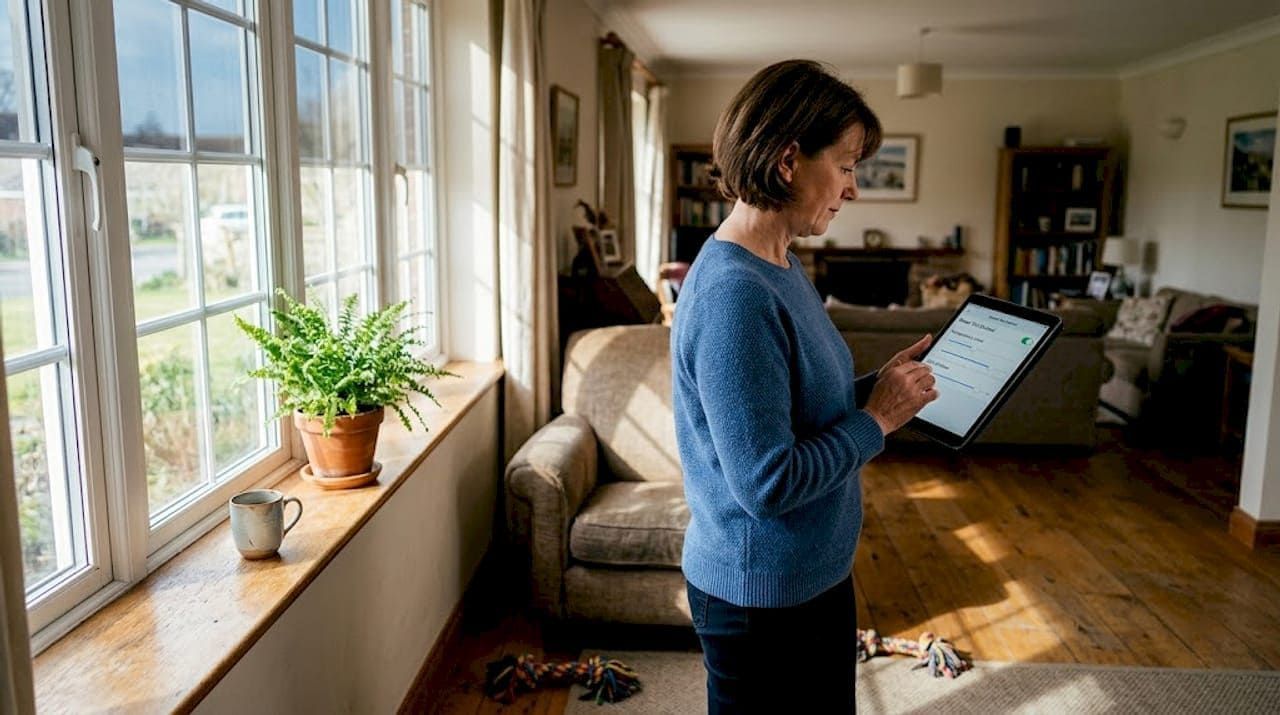
Table of Contents
- What are smart tint solutions?
- How smart tint improves comfort, privacy, and aesthetics
- Energy savings and environmental benefits
- What smart tint solutions can't do (and common misconceptions)
- Our take: Why smart tint solutions matter more now (and what most people miss)
- Discover smart tint options for your property
- Frequently asked questions
Key Takeaways
| Point | Details |
|---|---|
| Smart tint redefines window control | These solutions offer on-demand privacy, comfort, and design flexibility through advanced film technologies. |
| Substantial energy savings possible | Smart tints can reduce cooling costs by up to 30% and outperform standard or low-E glass for energy efficiency. |
| Limitations to consider | Smart tint isn't instant and does not fully replace traditional security or sun-blocking solutions in all scenarios. |
| Best results with proper setup | Optimal performance requires correct automation, climate consideration, and integration into an overall comfort strategy. |
What are smart tint solutions?
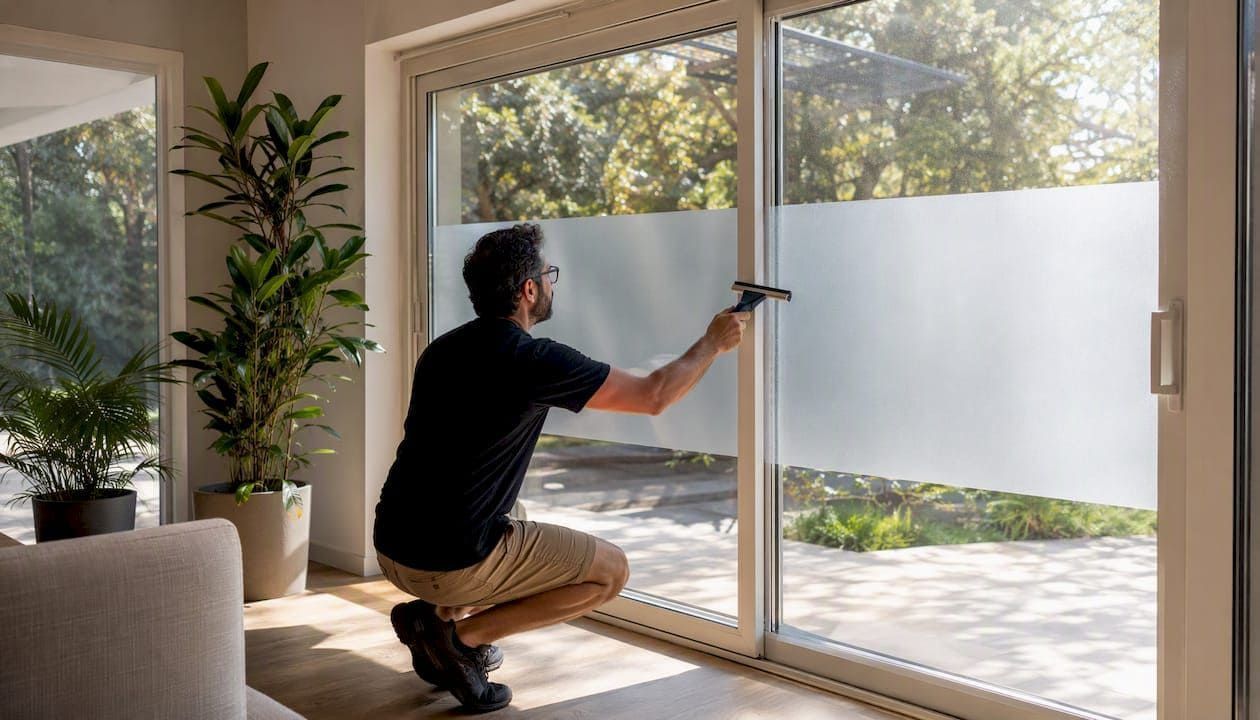
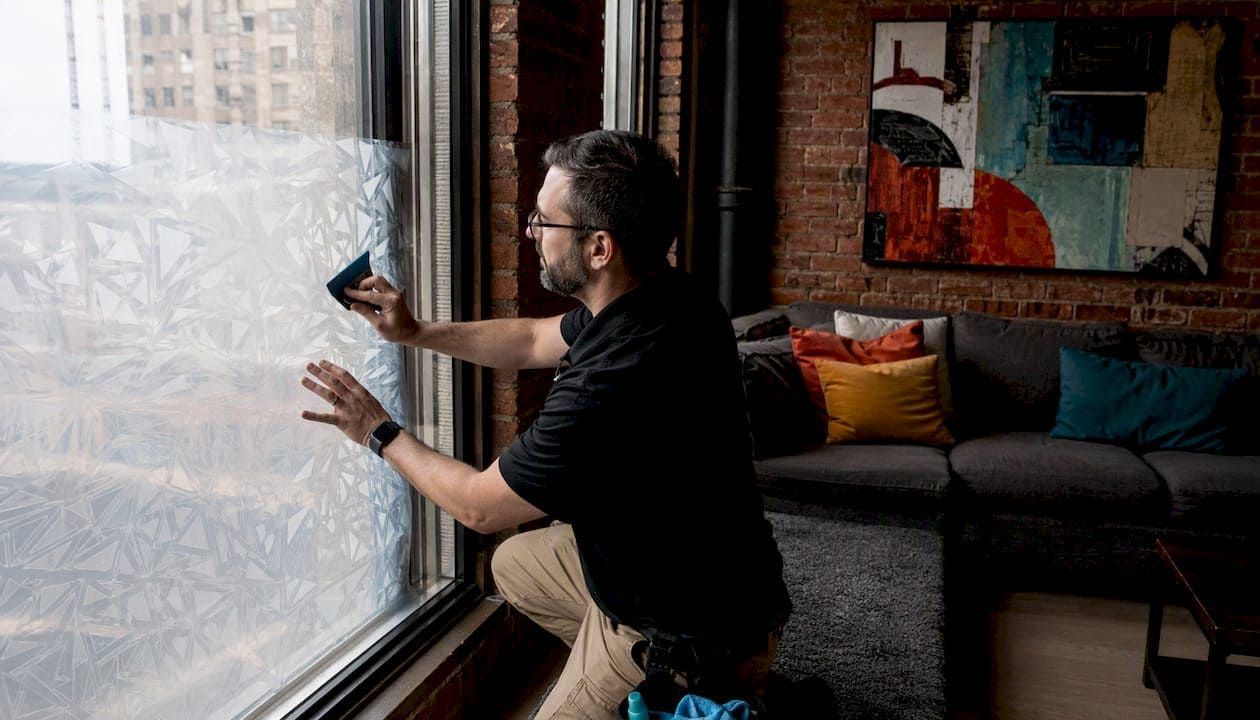
Smart tint solutions are electrically controlled window films or glass systems that can change their transparency on demand. Unlike traditional static films that stay in one fixed state, smart tint responds dynamically to your needs. Smart tint solutions primarily include two technologies: PDLC (polymer dispersed liquid crystal) and electrochromic films, and both enable dynamic control of window transparency for privacy, light, and heat management.
PDLC film works by suspending tiny liquid crystal particles inside a polymer matrix. When no electricity runs through it, the crystals are randomly scattered and the glass appears frosted or opaque. Apply a small electrical current and the crystals align instantly, making the glass clear. It's a near-instant switch.
Electrochromic film , on the other hand, changes tint gradually through an ion-exchange process. You won't get a snap transition, but you get superior control over how much light and solar heat enter the space. Think of it more like a dimmer switch than an on/off toggle.
Here's a quick comparison to help you decide which type fits your needs:
| Feature | PDLC Film | Electrochromic Film |
|---|---|---|
| Transition speed | Near-instant | Gradual (minutes) |
| Privacy control | High (opaque/clear) | Moderate (tint levels) |
| Heat/glare control | Moderate | High |
| Energy draw | Low when on | Very low (holds state) |
| Best use case | Conference rooms, bathrooms | Storefronts, living rooms |
Both film types can be wired into home or building automation systems. They respond to timers, sensors, or manual controls. If you've seen smart window tinting in retail environments where display windows shift from transparent to private, that's PDLC at work.
Key advantages at a glance:
- Adjustable privacy without blinds or curtains
- Light and heat management on demand
- Compatible with building automation systems
- Long lifespan with minimal maintenance
- Applicable to glass doors, skylights, partitions, and windows
Pro Tip: If your priority is privacy in a meeting room or bathroom, PDLC is your go-to. If you want long-term solar control and glare reduction in a living room or open office, lean toward electrochromic options.
How smart tint improves comfort, privacy, and aesthetics
With a grasp on the technology, let's see how smart tint solutions actually enhance indoor life.
One of the biggest wins for homeowners and business owners is customizable privacy . Traditional blinds and curtains give you two choices: open or shut. Smart tint gives you a spectrum. You can go from a fully open view to complete opacity without touching a physical blind. This flexibility is especially useful in spaces that serve multiple purposes, like a home office that doubles as a guest room, or a conference room with glass walls facing a busy corridor.
Comfort improves significantly too. Smart films reduce glare without making your space feel like a cave. Natural light still flows in, but the harsh, squinting brightness is managed. For New England summers when sun angles shift and afternoon glare hits hard through west-facing windows, that matters.
" Electrochromic glass responds gradually but is highly effective for glare reduction and solar control." This makes it ideal for large glass facades or living areas where visual comfort is the daily priority.
The ability to reduce home heat and glare is one of the top reasons our residential clients invest in window film. Smart tint takes that capability and makes it dynamic rather than fixed.
From a design standpoint, smart tint is sleek. It eliminates the clutter of curtain rods, bulky drapes, and slat blinds that interrupt the clean look of modern interiors. Many of the residential and commercial spaces we work with in Greater Boston are moving toward open, minimalist aesthetics where large glass panels are a design statement. Smart tint keeps those panels looking sharp while adding real function.
Here's a comparison of smart tint versus conventional window treatments:
| Factor | Smart Tint | Blinds/Curtains |
|---|---|---|
| Privacy control | Adjustable, instant | Manual, limited |
| Light management | Precise | Blunt (open or closed) |
| Aesthetic impact | Sleek, modern | Can clutter the space |
| UV protection | Yes | Minimal |
| Maintenance | Very low | Frequent dusting/cleaning |
Some of the benefits of home tinting and the benefits for business windows overlap directly here: UV blocking, glare reduction, and modern aesthetics are consistent wins across both property types.
Energy savings and environmental benefits
Beyond comfort and privacy, smart tint solutions also have a serious impact on your energy bills and environmental footprint.
The numbers are significant. Up to 30% cooling costs can be eliminated through smart dynamic glazing, along with summer energy reductions of 10 to 18 MJ/m² and winter savings of 10 to 15% compared to standard low-E glass, while blocking 98% of infrared radiation and 99% of UV radiation.
For New England property owners, that performance profile is particularly meaningful. Our winters are brutal. Our summers are humid and hot. A window system that actively adapts to both extremes outperforms anything static. Standard low-E glass is passive. It does the same thing all year regardless of what the sun is doing. Smart tint adjusts.
Why energy savings compound over time:
- Less solar heat gain in summer means your air conditioning runs less
- Reduced UV exposure protects furnishings, flooring, and art from fading
- Adaptive tinting reduces HVAC peak load demands
- Lower energy consumption translates directly to lower monthly utility bills
- Reduced carbon footprint aligns with sustainability goals many Boston-area businesses now prioritize
If you want to estimate what the savings could look like for your specific property, the window tinting savings tool gives you a personalized projection based on your square footage and local climate data.
For those thinking long-term, energy efficiency strategies that include smart tinting are increasingly being recognized as part of a broader building performance upgrade, similar to adding insulation or upgrading HVAC systems. The difference is that smart tint also enhances the visual and functional quality of your space at the same time.
Statistic callout: Smart dynamic glazing blocks 98% of infrared heat and 99% of UV radiation while delivering up to 30% cooling cost savings according to DOE-backed research.

What smart tint solutions can't do (and common misconceptions)
While the potential is impressive, understanding limitations and common myths helps you invest wisely.
First, let's address the biggest misconception: smart tint is not a complete replacement for static high-performance solar control film in situations where maximum heat rejection is the sole goal. HVAC savings of 20 to 30% are achievable, but actual results vary depending on your control logic, automation setup, and local climate. A smart film that isn't programmed intelligently won't deliver its full efficiency potential.
Here are the most common misconceptions, and the honest reality:
- "Smart tint switches instantly." PDLC does. Electrochromic does not. If you expect electrochromic to flip like a light switch, you'll be frustrated.
- "It replaces all other window treatments." For extreme heat rejection in west-facing commercial windows, a layered approach combining smart tint with a solar control film often works better.
- "It's basically a security film." Smart tint is not security glazing. It will not hold glass together on impact. If break-in resistance is a concern, you need to pair it with a dedicated safety and security film.
- "Once installed, it runs itself." Automation helps but requires thoughtful programming. A smart tint system on a poor schedule can actually work against your energy goals.
- "All smart tints are the same." PDLC and electrochromic serve different purposes. Using the wrong type in the wrong application wastes your investment.
The solar vs privacy film guide is a helpful resource if you're trying to sort out which film type belongs on which window in your home.
Pro Tip: Think of smart tint as one layer in a building comfort system, not the whole solution. Pair it with the right security films and solar control layers for your specific exposure, and you'll get far better results than any single product can deliver alone.
"The best smart tint installation is the one that's designed around how you actually use your space, not just what the spec sheet promises."
Our take: Why smart tint solutions matter more now (and what most people miss)
Here's an honest perspective from working with homeowners and commercial clients across Southern New Hampshire and Greater Boston: most people focus on the glass itself and miss the real value driver, which is the control logic behind it.
Smart tint that isn't automated intelligently is essentially an expensive manual blind. The technology only delivers its full potential when it responds to real conditions: sunlight intensity, time of day, occupancy, and seasonal patterns. That's where we see the clearest difference between installations that perform as promised and those that underwhelm.
What's also frequently overlooked is how smart tint bridges three separate priorities that property owners usually treat as separate problems: rising energy costs, flexible modern living and working spaces, and sustainability commitments. Smart tint, when properly integrated, addresses all three at once.
For Greater Boston and New Hampshire properties, the privacy and comfort with tint benefits are real, but the long-term financial and environmental case is what makes this a genuinely smart investment rather than a premium upgrade. We'd rather you understand the full picture than be dazzled by the tech alone.
Discover smart tint options for your property
Ready to take the next step toward smarter, more efficient windows? Whether you own a home in Southern New Hampshire or manage a commercial space in Greater Boston, this is a great time to explore what smart tint solutions can do for your property.
At Surface Dynamics Window Tinting, we're an exclusive LLumar SelectPro Dealer and we bring real expertise in matching the right film to the right window and the right use case. You can get a free home tinting estimate to start, explore our premium home solar films to understand your options, or simply schedule a free tint consultation to talk through your specific needs. No pressure, just clear guidance.
Frequently asked questions
What's the main difference between PDLC and electrochromic smart tints?
PDLC smart tints switch almost instantly for privacy, while electrochromic glass tints more gradually but excels at glare reduction and solar control over time.
How much energy can smart tint solutions actually save?
Cooling costs drop by up to 30% with smart dynamic glazing, with additional year-round savings compared to standard or low-E glass across both summer and winter conditions.
Are smart tints suitable for both homes and commercial properties?
Yes. Smart tint solutions work across homes, offices, retail storefronts, and more, offering flexible privacy, energy savings, and a cleaner aesthetic in any setting.
Do smart tints also increase window security?
Smart tints add privacy but are not a substitute for security glazing. For break-in resistance, pairing smart tint with a dedicated safety and security film is the right approach.
Can I automate smart tinting with a home or business automation system?
Yes. Most smart tint systems integrate with home and building automation platforms, adjusting based on time of day, sunlight levels, temperature, or occupancy to maximize energy savings and comfort.
Recommended
- How window tint improves comfort and energy efficiency
- Reduce Heat and Glare with Home Window Tinting Solutions
- How Solar Window Tint Helps Cut Indoor Heat and AC Use
- Why Retail Window Tint is a Must-Have for Store Owners
- Reduce Energy Bills: Conductive Electric's Top Tips (2025)
- Why Upgrade HVAC Systems: Comfort and Cost Benefits