
What Is Smart Glass? Technology, Types, and Uses
TL;DR:
- Smart glass can change its transparency or opacity through various technologies like electrochromic, PDLC, SPD, and thermochromic systems, providing energy savings and privacy control. The choice of technology depends on specific needs for instant switching, gradual dimming, or automatic response, influencing cost and application. While offering notable benefits, smart glass's higher initial investment and infrastructure requirements mean static films often present a more practical solution for residential and small commercial uses.
Smart glass is defined as a glazing material that changes its optical properties, such as transparency, tint, or opacity, in response to an electrical signal, heat, or light. Also called switchable glass or dynamic glazing, it gives building occupants direct control over privacy, solar heat gain, and natural light without blinds or curtains. The technology spans four main mechanisms: electrochromic, Polymer Dispersed Liquid Crystal (PDLC), Suspended Particle Device (SPD), and thermochromic or photochromic systems. Each serves a distinct purpose in residential and commercial environments, and understanding the differences determines whether smart glass delivers real value or becomes an expensive regret.
How does smart glass technology work?
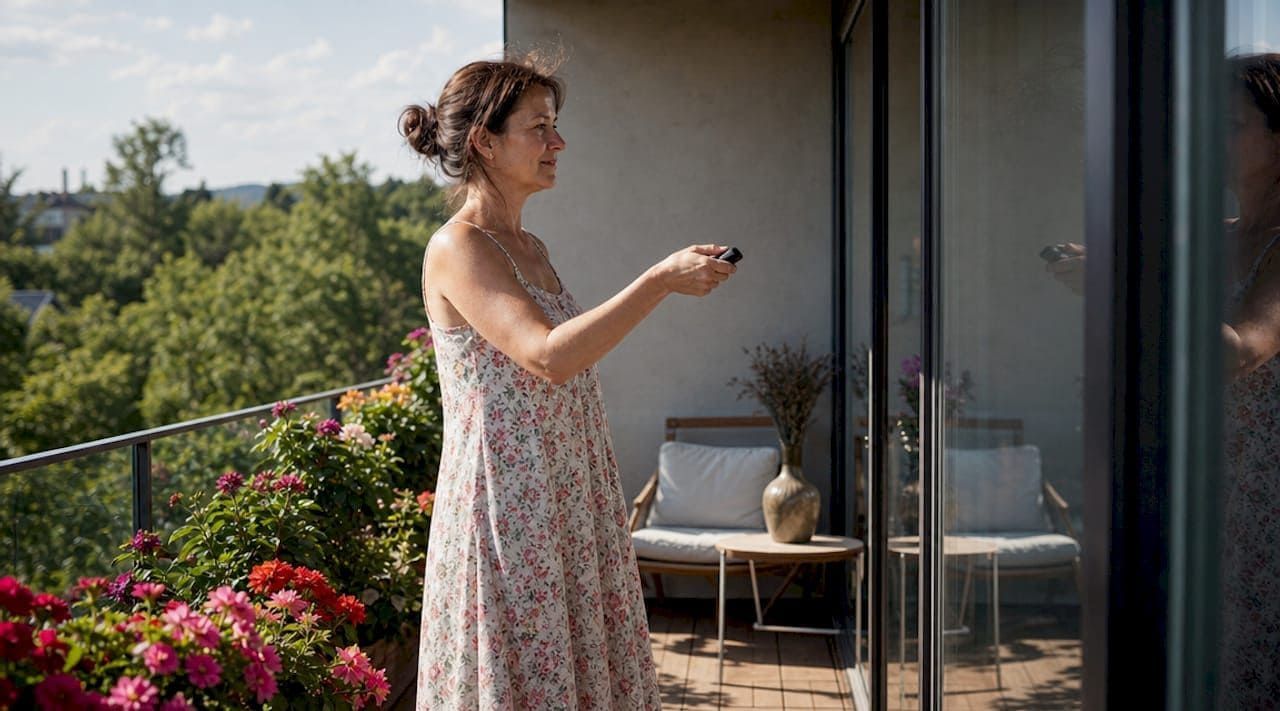
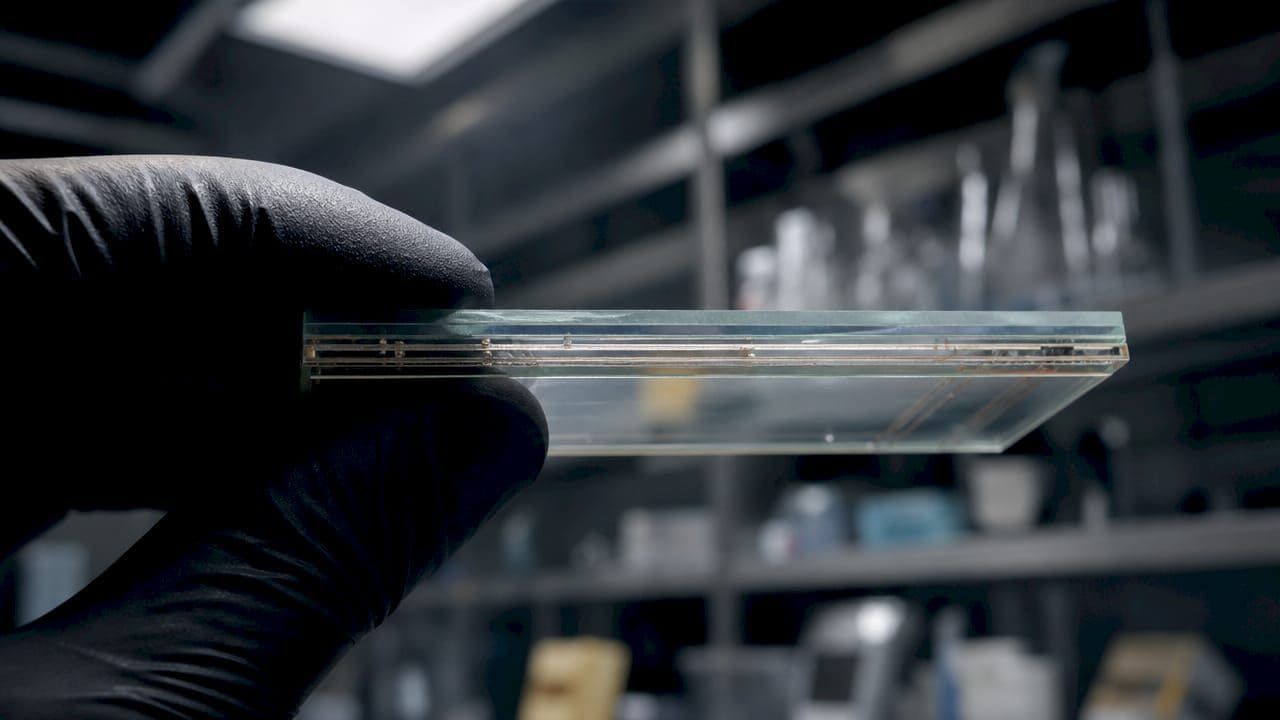
Smart glass works by embedding a light-modulating layer between two panes of glass or within a laminated film. Applying or removing an electrical current changes how that layer transmits, absorbs, or reflects light. The four main technologies each achieve this through a different physical mechanism.
Electrochromic glass uses a thin film of tungsten oxide (WO3) that undergoes a reversible chemical reaction when low-voltage electricity passes through it. Ions migrate into the film, shifting its color from clear to a blue-gray tint. Electrochromic systems adjust transparency within 20 seconds to a few minutes depending on window size, which makes them well suited for large commercial facades where gradual dimming is preferred over an abrupt switch. Recent fabrication advances demonstrate usable panel sizes over 100 × 60 cm with high cycling stability exceeding 20,000 cycles, a milestone that signals growing commercial viability.
PDLC glass suspends liquid crystals in a polymer matrix between two conductive layers. Without power, the crystals scatter light randomly, producing a frosted, opaque appearance. Apply voltage and the crystals align, turning the glass clear in milliseconds. PDLC dominates over 95% of the privacy smart glass market because of that near-instant switching speed. The trade-off is that PDLC offers only a binary state: fully clear or fully opaque, with no gradual dimming in between.
SPD glass suspends microscopic particles in a fluid layer. An electrical current aligns the particles to allow light through; removing the current causes them to scatter randomly and darken the glass. SPD sits between electrochromic and PDLC in terms of speed and cost, and it supports variable tint levels, making it popular in automotive sunroofs and high-end skylights.
Thermochromic and photochromic glass require no power at all. Thermochromic glass darkens automatically when surface temperature rises; photochromic glass responds to UV intensity, much like transition lenses in eyeglasses. Active and passive smart glass types offer fundamentally different user experiences: active systems give precise on-demand control, while passive systems respond automatically without ongoing energy use.
Pro Tip: If you need instant privacy on demand, PDLC is your fastest and most cost-accessible option. If you need nuanced light control or heat management, budget for electrochromic or SPD instead.
What are the benefits and drawbacks of smart glass?
Smart glass delivers measurable performance gains, but it also carries real limitations that affect whether it fits a given project.
Core benefits worth knowing
The energy case for smart glass is strong. Electrochromic smart windows reduce building energy consumption for lighting and HVAC by approximately 20% to 40%, with simulations showing savings as high as 140 MJ per square meter in some configurations. That figure represents a meaningful reduction in annual utility costs for commercial buildings with large glazed facades. On the residential side, cooling energy demands drop by up to 25% when electrochromic windows control solar heat gain automatically. You can explore energy-efficient window benefits in more detail to understand the full financial picture.
Privacy is the second major advantage. PDLC glass replaces conference room blinds, bathroom partitions, and storefront shading with a single electrical switch. Modern smart glass also blocks up to 99% of harmful UV radiation while adjusting visible light transmission from 2% opacity to over 60% transparency, protecting furnishings, artwork, and occupant skin without sacrificing daylight.
Limitations that affect real projects
The upfront cost of smart glass runs significantly higher than standard double-pane windows or static solar films. Active smart glass systems require integrated electrical infrastructure that must be planned early in the design phase, especially for retrofitting. Adding wiring and control systems to an existing building can increase installation labor and cost substantially compared to applying a static solar film. Electrochromic systems also face challenges with long-term color neutrality, as some panels develop a slight blue or gray tint over time even in the clear state.
| Technology | Key benefit | Key limitation |
|---|---|---|
| Electrochromic | 20%–40% energy savings, gradual dimming | Slow switching (seconds to minutes), color shift risk |
| PDLC | Millisecond switching, strong privacy | Binary only, no gradual dimming or heat control |
| SPD | Variable tint, fast response | Higher cost than PDLC |
| Thermochromic/Photochromic | No power required, automatic response | No manual override, limited to heat or UV triggers |
Pro Tip: For projects where budget is tight, a high-performance solar control window film delivers most of the energy and UV benefits of smart glass at a fraction of the installed cost.
How is smart glass used in residential and commercial settings?
Smart glass applications span a wide range of building types and use cases. The technology appears in settings as different as a Boston high-rise and a New Hampshire farmhouse addition, and the installation logic differs meaningfully between the two.
Residential applications
- Bedroom and bathroom windows use PDLC glass to replace curtains and frosted panes, giving occupants instant privacy without blocking natural light when the glass is clear.
- Skylights and roof glazing benefit from electrochromic or SPD glass, which automatically reduces solar heat gain on summer afternoons and keeps spaces bright on overcast days.
- Home offices and sunrooms use smart glass to manage glare on screens without closing blinds entirely, preserving the connection to outdoor views.
- Energy-efficient new builds integrate electrochromic windows with smart home platforms like Google Home or Apple HomeKit, automating tint levels based on time of day, occupancy, or temperature sensors.
Commercial applications
Smart glass serves office partitions, conference rooms, storefronts, and automotive sunroofs across commercial environments. A law firm conference room with PDLC glass walls can switch from transparent to opaque in under a second, replacing the need for curtains or frosted film panels. Retail storefronts use SPD glass to control glare on merchandise displays without blocking the view from the street. Healthcare facilities use PDLC partitions in patient rooms to replace fabric curtains, which are harder to sanitize.
Building automation integration is where commercial smart glass earns its cost premium. When connected to a building management system (BMS), electrochromic windows can respond to occupancy sensors, HVAC data, and weather feeds simultaneously. That level of coordination is not practical with static films or manual blinds. For businesses evaluating commercial window film options, smart glass represents the high-performance end of the spectrum, while LLumar solar control films offer a cost-effective middle ground.
Retrofitting versus new construction is a real decision point. New construction allows electrical conduit and control wiring to be embedded in walls before finishing, keeping costs predictable. Retrofitting an existing building requires surface-mounted wiring or wireless control systems, both of which add labor and reduce the aesthetic finish. Understanding window film durability in New England climates is particularly relevant here, given the thermal cycling between cold winters and hot summers.
What does the future of smart glass technology look like?
Smart glass technology is advancing on several fronts simultaneously, and the pace of change is faster than most building professionals realize.
- Dual-band engineering is the most significant near-term advance. This approach allows a single smart glass panel to independently manage visible light and near-infrared radiation, which is the wavelength responsible for most solar heat gain. Controlling both bands separately produces better energy savings than any single-band system can achieve.
- Scalable fabrication is reducing costs. Tungsten oxide electrochromic films can now be deposited on large substrates using roll-to-roll manufacturing, bringing panel costs closer to the range where residential adoption becomes financially rational without incentives.
- IoT integration is moving from pilot projects to standard specifications. Smart glass panels connected to building IoT platforms can receive real-time weather data, occupancy signals, and energy pricing inputs to optimize tint levels automatically throughout the day.
- Sustainability in fabrication is under active research. Current electrochromic films use rare or energy-intensive materials, and manufacturers are working on water-based deposition methods and recyclable panel designs to reduce lifecycle environmental impact.
- Remaining challenges include the electrical infrastructure requirement for retrofits, the cost gap versus static films, and the need for standardized performance ratings that allow architects and specifiers to compare products on a consistent basis.
The durability and color neutrality challenges in electrochromic systems remain the most pressing technical hurdle for widespread residential adoption. Until manufacturers can guarantee 20-plus years of color-neutral performance with independent certification, many homeowners will reasonably choose high-performance solar films over smart glass for primary windows.
Key takeaways
Smart glass delivers real energy savings and privacy control, but the right technology depends entirely on whether you need gradual dimming, instant switching, or passive automatic response.
| Point | Details |
|---|---|
| Technology match matters | Choose PDLC for instant privacy, electrochromic for energy savings and gradual dimming, SPD for variable tint. |
| Energy savings are documented | Electrochromic smart windows reduce building energy use by 20%–40% in lighting and HVAC combined. |
| UV protection is near-total | Modern smart glass blocks up to 99% of UV radiation while maintaining adjustable visible light transmission. |
| Retrofitting adds cost | Active smart glass requires pre-planned electrical infrastructure; retrofitting significantly increases labor costs versus static films. |
| Passive types need no power | Thermochromic and photochromic glass respond automatically to heat and UV without ongoing electricity use. |
Smart glass is worth the research, but not always the price tag
I have watched smart glass move from a niche architectural curiosity to a specification item that property managers in Boston and Southern New Hampshire are actively requesting. The technology is genuinely impressive. But the most common mistake I see is treating smart glass as a single product category when it is actually four distinct technologies with very different performance profiles and price points.
The question I hear most often is whether smart glass pays for itself. For a large commercial building with significant south-facing glazing and high cooling loads, electrochromic windows integrated with a BMS can absolutely justify the premium over a 10-to-15-year horizon. For a residential bathroom or home office, PDLC film applied to existing glass delivers the privacy benefit at a fraction of the cost of replacing the glass entirely.
What I find underappreciated is the middle path. High-performance solar control films from manufacturers like LLumar capture 60% to 80% of the energy benefit of electrochromic glass at roughly 10% to 20% of the installed cost. For most homeowners and small commercial tenants, that trade-off is the right one. Smart glass is the right answer for specific applications, not a blanket upgrade. Knowing which application you are solving for before you commit to a technology is the decision that separates a smart investment from an expensive one. You can review UV-blocking film options to see how static films compare on UV and heat performance before deciding whether to step up to active smart glass.
See what smart glass and window film can do for your property
Surfacetint serves homeowners, property managers, and business owners across Southern New Hampshire and the Greater Boston Area with professional window film installation. As an exclusive LLumar SelectPro Dealer, Surfacetint installs Vista Solar Control Films, Safety and Security Films, and Decorative Privacy Films that deliver the core benefits of smart glass technology at accessible price points. Whether you are evaluating PDLC privacy film for a conference room or LLumar solar control film for a residential addition, Surfacetint provides a free on-site estimate to match the right product to your specific windows, orientation, and goals.
Request a free estimate for your residential or commercial project and get a clear recommendation from a certified installer who knows New England building conditions.
FAQ
What is smart glass in simple terms?
Smart glass is a type of glazing that changes from clear to tinted or opaque on demand, using electricity, heat, or light to control privacy and solar heat gain without blinds or curtains.
How does PDLC smart glass differ from electrochromic glass?
PDLC switches between fully clear and fully opaque in milliseconds but offers no gradual dimming, while electrochromic glass dims gradually over seconds to minutes and provides better solar heat and energy management.
Is smart glass worth the cost for homes?
Electrochromic smart windows can reduce residential cooling energy demands by up to 25%, but the high upfront cost and electrical infrastructure requirements make high-performance solar films a more practical choice for most homeowners.
Can smart glass block UV radiation?
Modern smart glass blocks up to 99% of harmful UV radiation while adjusting visible light transmission between approximately 2% opacity and over 60% transparency, protecting furnishings and occupants effectively.
Does smart glass work without power?
Thermochromic and photochromic smart glass types respond automatically to heat and UV light without any electrical connection, while PDLC, electrochromic, and SPD systems require a continuous or switched power supply to operate.
Recommended