
Decorative Window Enhancements: A Homeowner's Guide
TL;DR:
- Decorative window enhancements include applied films and physical additions that improve privacy, light, and energy efficiency. Proper installation and matching the right product to the space are essential for long-lasting, functional results. They are widely used for aesthetic and protective purposes in residential and commercial spaces.
Decorative window enhancements are specialized treatments applied to glass surfaces to improve appearance, privacy, UV protection, and energy performance in residential and commercial spaces. The term covers a broad range of products, from frosted and patterned window films to decorative trims, shutters, and custom-printed glass coatings. Explaining decorative window enhancements clearly matters because the wrong choice for a space can sacrifice either function or style. The industry standard term is decorative window film when referring to applied treatments, though the broader category includes physical additions like mouldings and shutters. Surfacetint installs LLumar Vista Films, including Decorative Privacy Films, for homeowners and property managers across Southern New Hampshire and the Greater Boston Area.
What are the main types of decorative window enhancements?
Decorative window enhancements fall into two broad categories: applied films and physical additions. Each serves different needs depending on the space, budget, and desired outcome.
Applied window films are the most flexible and cost-effective option. The main types include:
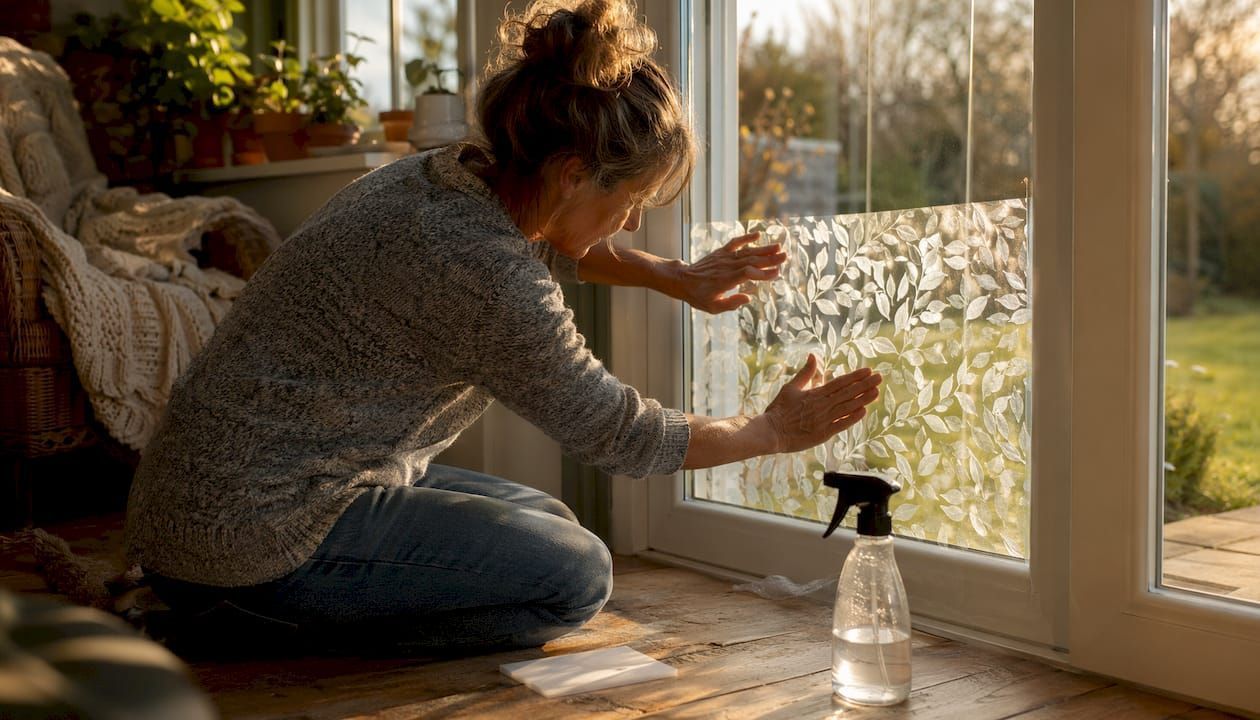
- Frosted and etched films: Mimic sandblasted or acid-etched glass at a fraction of the cost. They diffuse light while blocking direct sightlines, making them ideal for bathrooms, office partitions, and entry doors.
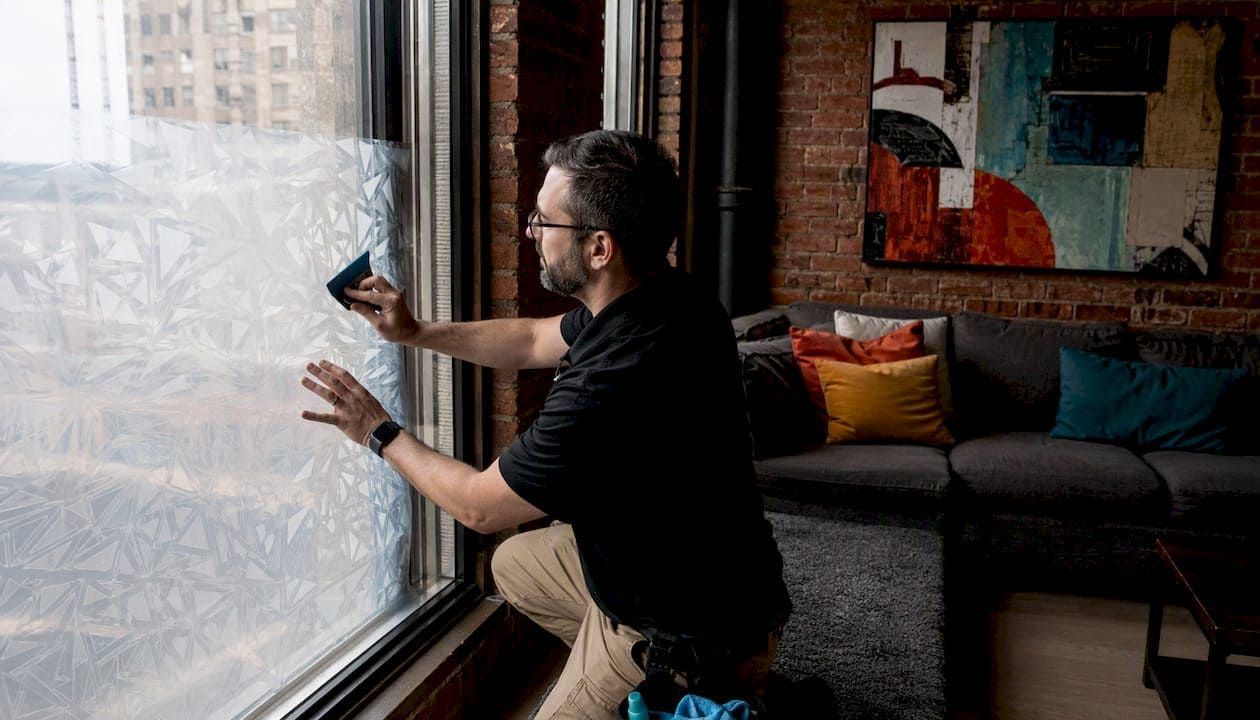
- Patterned films: Feature geometric, floral, or custom designs printed directly onto the film. These work well for branding in commercial spaces or adding personality to residential interiors.
- Stained glass replica films: Deliver artistic color and visual interest. Stained-glass style films offer artistic flair but provide less full privacy compared to frosted or matte films, making them better suited for accent windows than bathrooms or private offices.
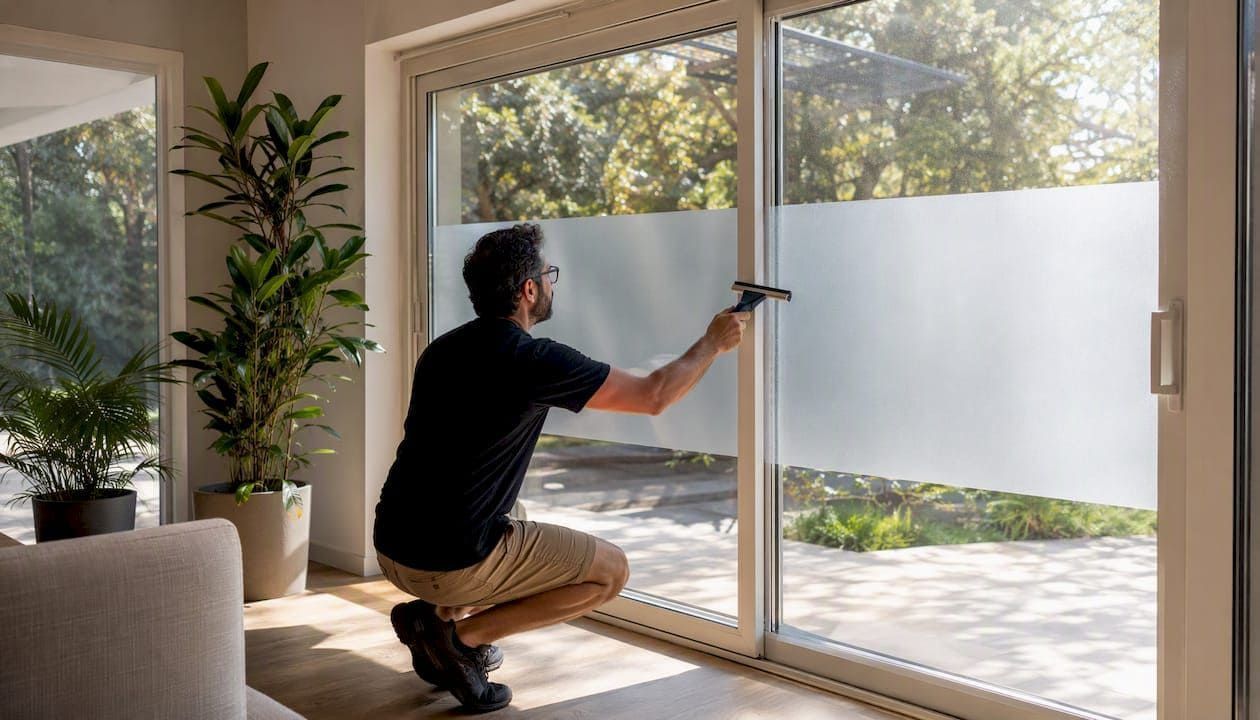
- Gradient films: Transition from opaque at the bottom to clear at the top. They are the go-to choice when you want privacy at eye level without losing the open feel of a full-height window.
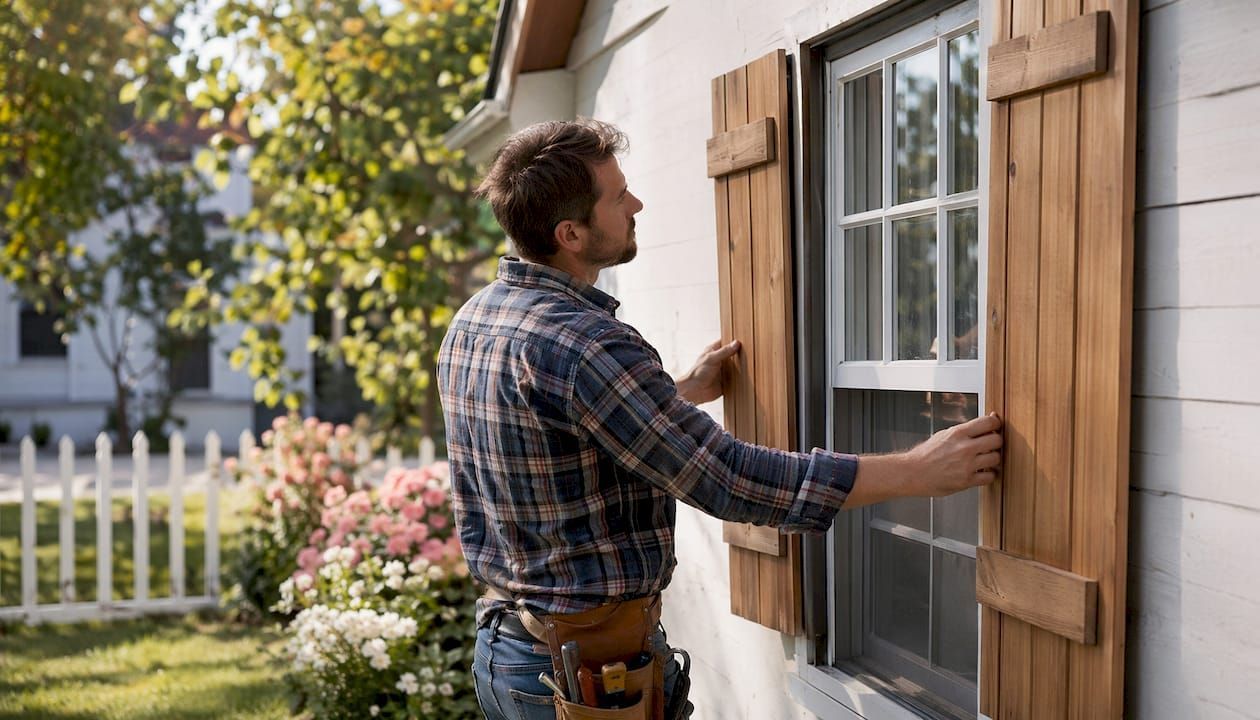
Physical enhancements include decorative trims, mouldings, and shutters. These add architectural character and can frame windows to complement both modern and traditional styles. Shutters, in particular, offer adjustable light control that films cannot replicate. The tradeoff is cost and installation complexity. Physical additions typically require carpentry work and a larger upfront investment.
Modern decorative window film options use pressure-sensitive adhesives that bond durably to large glass panes. Pressure-sensitive adhesive films provide a clean, lasting appearance nearly indistinguishable from etched glass, without the peeling common in older static cling products. That durability makes professionally applied film a practical long-term solution for both homes and commercial buildings.
How do decorative enhancements improve privacy, light, and energy efficiency?
The functional benefits of decorative window treatments go well beyond appearance. Privacy, light management, and UV protection are the three areas where these enhancements deliver the most measurable value.
Privacy without darkness is the core promise of decorative film. Gradient films provide privacy at eye level while keeping the upper glass clear, preserving openness in offices and high-traffic commercial spaces. That balance matters in open-plan offices and residential living rooms where blocking all natural light would feel oppressive.
UV protection is where the performance numbers are most striking. Most decorative window films block over 99% of UV rays, protecting interiors and skin without blocking natural light. That level of UV rejection slows the fading of furniture, flooring, artwork, and window treatments. For property managers, it reduces long-term replacement costs for interior finishes.
The energy efficiency benefit comes from reduced solar heat gain. Films that control glare and heat transmission lower the demand on air conditioning during summer months. Surfacetint's LLumar Vista Solar Control Films are specifically engineered for heat and glare reduction, and they pair well with decorative options when both aesthetics and performance are priorities. You can compare solar vs. privacy film options to find the right balance for your property.
Decorative film also creates what designers call "soft boundaries." Decorative film creates soft boundaries that maintain openness while delivering privacy, aligning with minimalist interior design trends that favor clean lines over heavy curtains or blinds. For homeowners who want a modern aesthetic, that is a significant advantage over traditional window treatments.
Pro Tip: If your priority is both privacy and natural light, choose a gradient or frosted film with a light transmission rating above 50%. You get daytime privacy without turning your room into a cave.
What should you know about installation, maintenance, and cost?
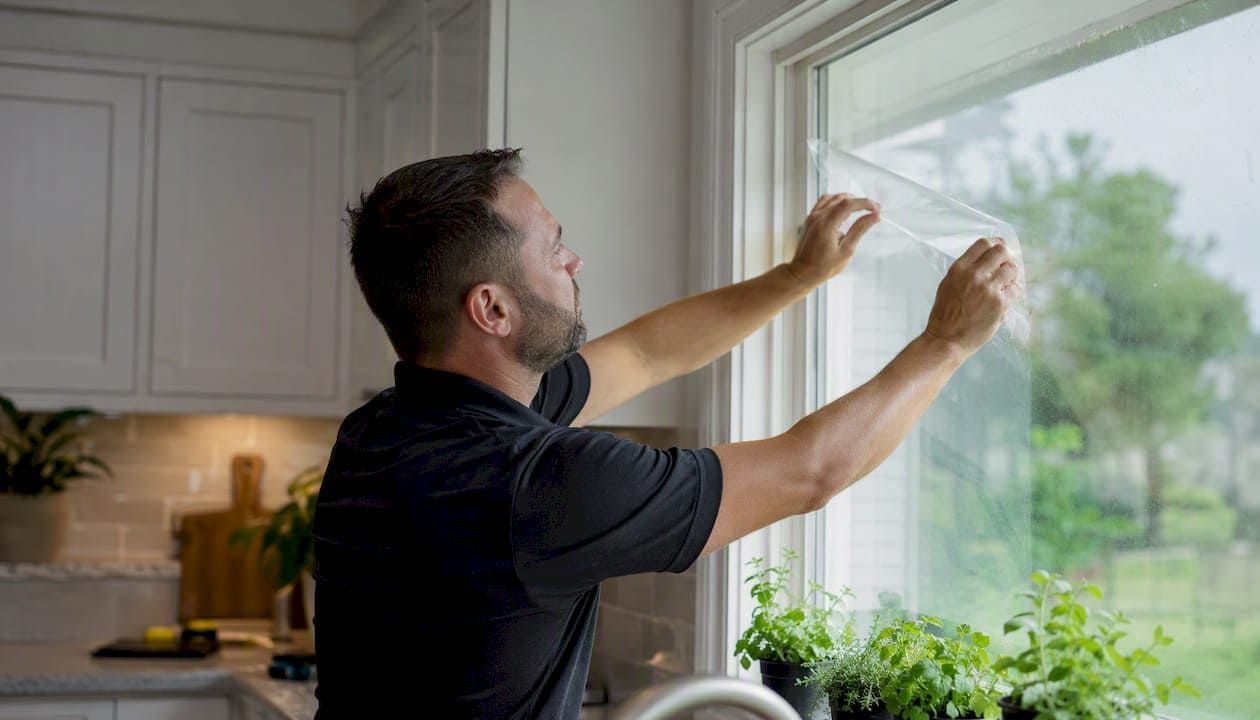
Professional installation is the single biggest factor in how long a decorative window film looks good and performs well. A DIY application can save money upfront but often results in bubbles, misaligned seams, and premature peeling.
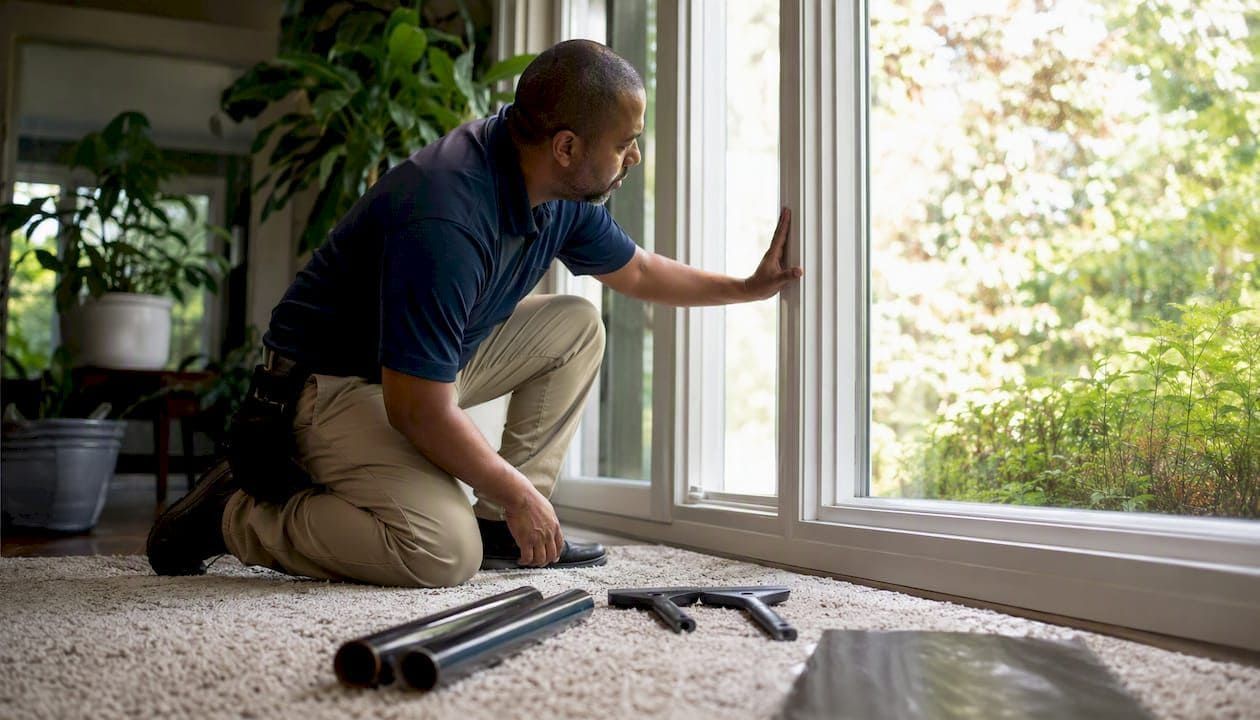
Here is what the professional installation process looks like:
- Surface preparation: The glass is cleaned thoroughly using a multi-step process. Glass cleaning quality is the biggest determinant of a bubble-free, long-lasting result. Debris and residue cause bubbles and delamination, so this step is never rushed.
- Film cutting: The film is cut slightly larger than the pane. Cutting film slightly larger provides margin for precise alignment and avoids edge gaps, with trimming done flush after application.
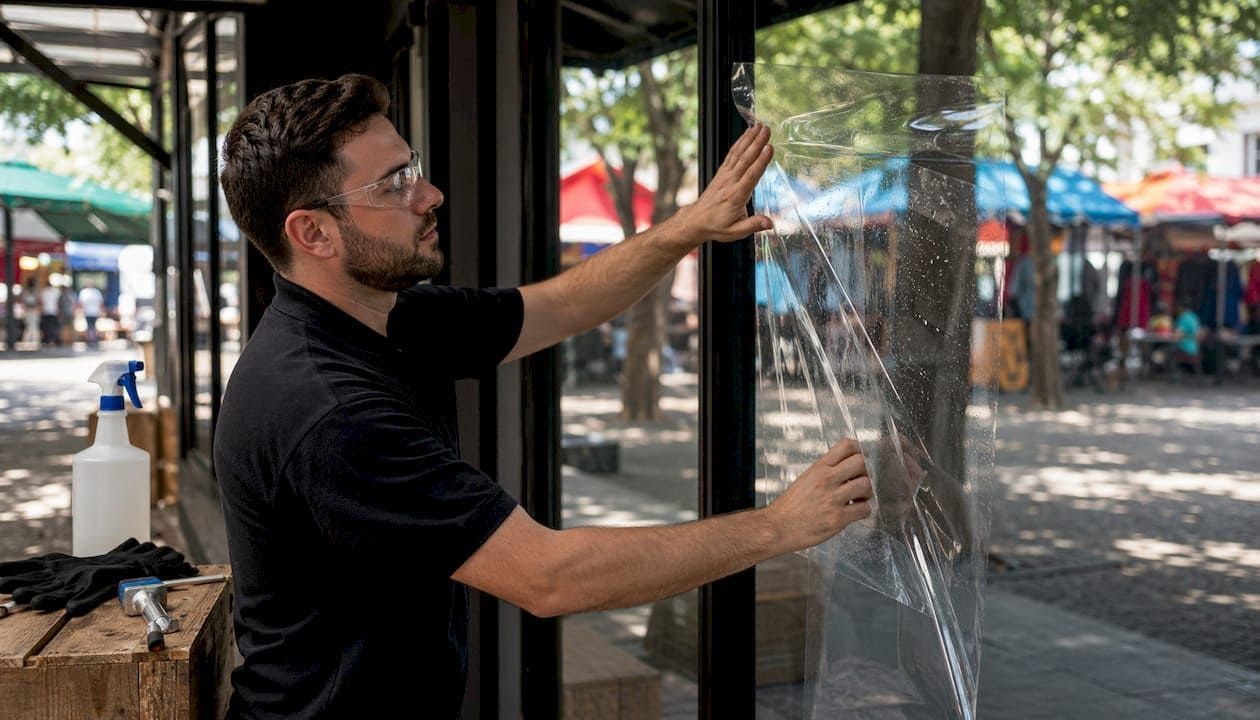
- Application: A slip solution is applied to the glass, the film is positioned, and a squeegee removes air and excess liquid from the center outward.
- Seaming (for large panes): In custom multi-panel installations, films must be carefully seamed to create an invisible joint. This technique requires trained installers and precision cutting.
- Curing: The film bonds to the glass over several weeks. Films typically cure within 30–45 days under normal conditions, longer in colder weather. During this period, the film may appear hazy or show small water pockets. Both are normal and resolve on their own.
Cost is a common concern. Professional decorative window film installation typically costs between $9 and $16 per square foot and requires 1 to 4 hours depending on project scale. A standard bathroom window might cost $150–$300 installed, while a full office partition could run significantly higher. Custom-printed patterns and larger panes push costs toward the top of that range.
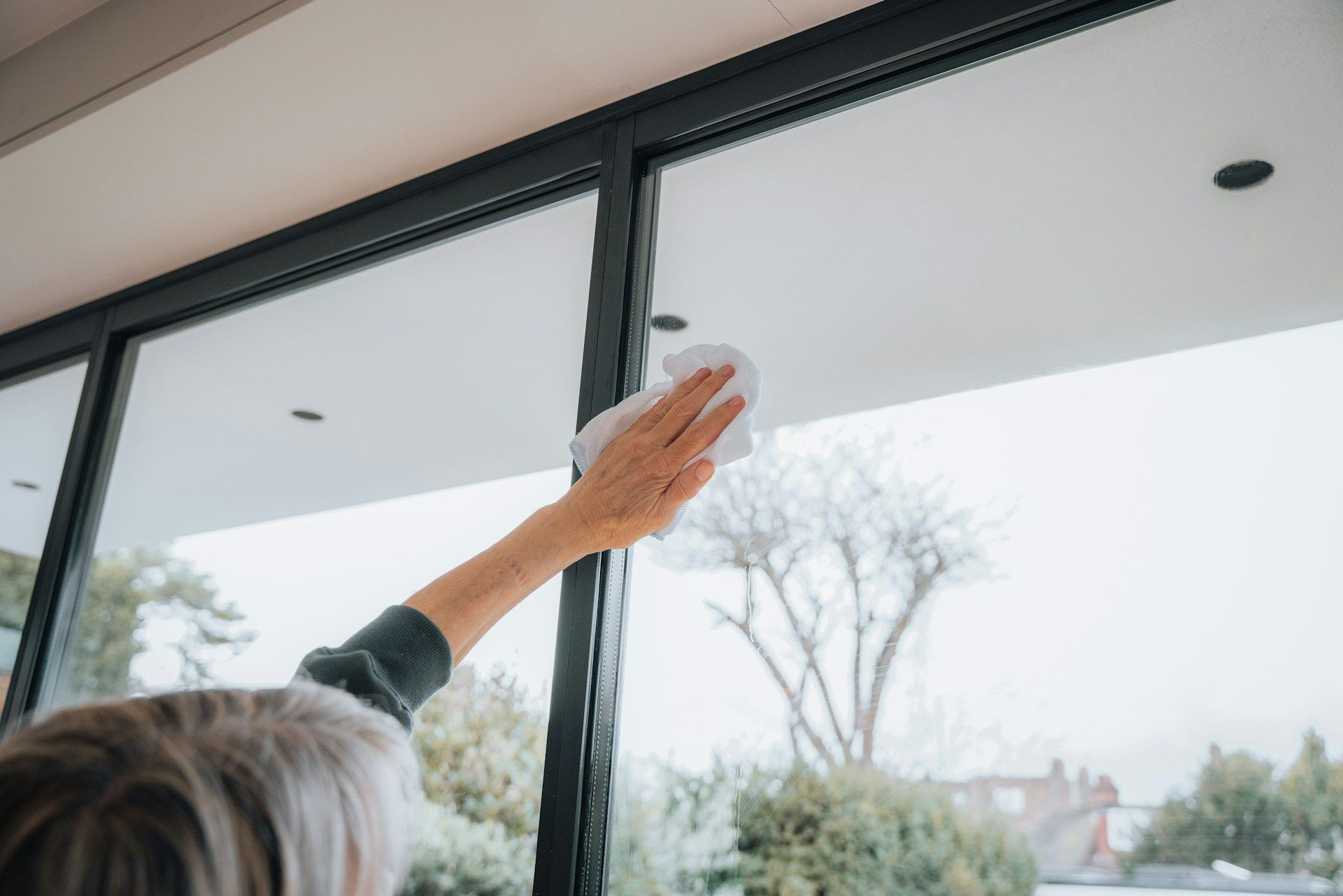
Maintenance after the curing period is straightforward. Use a soft cloth and a mild, ammonia-free cleaner. Avoid abrasive tools that scratch the film surface. High humidity and temperature swings during the curing phase can cause temporary visual imperfections. Patience during those first 30–45 days preserves the installation quality.
Pro Tip: Never clean a newly installed film during the curing period. Even gentle wiping can disturb the adhesive bond before it fully sets.
You can learn more about what to expect during installation from Surfacetint's detailed installation guide.
Which enhancements work best in different spaces?
Matching the right enhancement to the right space is where most homeowners and property managers make avoidable mistakes. The best choice depends on the room's function, the level of privacy needed, and the architectural style of the property.
Residential spaces:
- Bathrooms: Frosted or etched films are the standard choice. They block direct sightlines completely while allowing diffused light to pass through. Stained glass films add color but do not provide full privacy, so they work better as accents on a small transom window above a frosted panel.
- Living rooms and open floor plans: Gradient films preserve the view while adding privacy from street level. Decorative window film for home style options include subtle patterns that complement modern interiors without dominating the room.
- Entryways and sidelights: Patterned or frosted films on sidelights next to front doors add curb appeal and prevent strangers from seeing directly into the home.
Commercial spaces:
- Office partitions and huddle rooms: Gradient films are preferred for high-traffic areas where concentrated privacy and natural light both matter. Frosted bands at eye level on glass partitions also serve a safety function. Frosted bands on commercial glass prevent collisions with clear glass partitions while providing aesthetic branding opportunities.
- Storefronts: Custom-printed films with brand logos or patterns create a professional look without permanent etching. They can be updated when branding changes, which is a practical advantage for retail tenants.
- Conference rooms: Full frosted or patterned films on interior glass walls create visual separation without closing off the space entirely.
For commercial properties where aesthetics and security both matter, decorative window films for offices can be paired with safety and security films for a layered solution. Surfacetint offers both product lines as an exclusive LLumar SelectPro Dealer.
Style considerations also shape the decision. Traditional architecture pairs well with classic etched or leaded glass replica films. Modern and minimalist interiors favor clean frosted panels or subtle geometric patterns. For a curated look at how these options translate to real spaces, the residential window film viewer tool lets you visualize different films before committing.
Key Takeaways
Decorative window enhancements deliver the most value when the film type, installation quality, and space function are all matched deliberately.
| Point | Details |
|---|---|
| Film type determines function | Frosted films maximize privacy; gradient films balance privacy with natural light; stained glass films are accent-only. |
| UV protection is near-total | Quality decorative films block over 99% of UV rays, protecting furniture and flooring from fading. |
| Installation quality is critical | Thorough glass cleaning before application is the single biggest factor in a bubble-free, long-lasting result. |
| Curing takes 30–45 days | Avoid cleaning or stressing the film during the curing period to preserve adhesive bond and appearance. |
| Cost scales with complexity | Professional installation runs $9–$16 per square foot; custom patterns and large panes push toward the higher end. |
What I've learned from watching homeowners choose window enhancements
The most common mistake I see is choosing a film based on how it looks in a sample swatch rather than how it performs in the actual space. A frosted film that looks elegant in a showroom can feel oppressive in a north-facing bathroom that already gets limited light. Always test a small section first, or use a digital viewer tool before committing to a full installation.
The second mistake is underestimating the curing period. Homeowners sometimes call concerned that their new film looks hazy or has small bubbles a week after installation. That is completely normal. The adhesive is still bonding to the glass. Cleaning or peeling at the edges during those first 30–45 days is the fastest way to ruin an otherwise perfect installation.
On the design side, I have noticed a clear shift toward gradient and minimalist frosted films in residential projects over the past few years. Heavy patterned films that were popular in the early 2010s feel dated now. Clean, subtle textures that complement the architecture rather than compete with it are what most homeowners want today. That trend aligns with the broader move toward minimalist interiors.
My strongest advice for property managers: pair decorative films with safety or security films on ground-floor commercial glass. You get the aesthetic benefit and the structural protection in a single installation. It is a practical combination that most decorative-only installations miss.
Surfacetint's decorative window film solutions for your property
Surfacetint serves homeowners and property managers across Southern New Hampshire and the Greater Boston Area with professional decorative window film installation. As an exclusive LLumar SelectPro Dealer, Surfacetint installs Vista Decorative Privacy Films that deliver lasting privacy, UV protection, and design appeal in both residential and commercial spaces.
Whether you want frosted privacy film for a bathroom, a custom-patterned design for an office partition, or a gradient film for a living room, Surfacetint provides a free consultation and project estimate. Browse custom decorative films for homes or explore commercial decorative film options to see what fits your property. Request a free estimate and get expert guidance on the right film for your space.
FAQ
What is decorative window film?
Decorative window film is a thin, adhesive-backed material applied to glass to improve privacy, aesthetics, and UV protection. Modern films use pressure-sensitive adhesives that create a durable finish nearly indistinguishable from etched or sandblasted glass.
How long does decorative window film last?
Quality decorative window films installed by a professional last many years with minimal maintenance. Longevity depends on film quality, surface preparation, and avoiding abrasive cleaners after the 30–45 day curing period.
Does decorative film block natural light?
Frosted and gradient films diffuse rather than block light, maintaining brightness while eliminating direct sightlines. Films with a light transmission rating above 50% keep rooms feeling open and well-lit.
Can decorative window film be removed or replaced?
Yes. Professionally applied decorative films can be removed without damaging the glass, making them a practical option for renters, retail tenants, or anyone who wants to update their design over time.
Is decorative window film suitable for commercial buildings?
Decorative film is widely used in commercial settings for office partitions, storefronts, and conference rooms. Frosted bands on clear glass partitions also serve a safety function by preventing collisions, making them both a design and a liability management choice.
Recommended