
UV Blocking Film Types: A Complete Guide for 2026
Not all UV blocking films work the same way, and choosing the wrong type means paying for protection you may not actually get. The major categories of UV protective window films include dyed, metalized, hybrid, ceramic, carbon, spectrally selective, and security or privacy films. Each uses a different technology to filter ultraviolet radiation, and they vary considerably in heat rejection, appearance, lifespan, and cost.

Here is a quick overview of what sets each type apart:
- Dyed films: Absorb UV through pigment layers; affordable but have a limited lifespan and degrade with UV exposure
- Metalized films: Use metal particles to reflect heat and UV; durable but can interfere with signals
- Hybrid films: Combine dye and metal layers for balanced performance without heavy reflectivity
- Ceramic films: Nano-ceramic particles block a high percentage of UV rays and a substantial amount of infrared heat; have a long lifespan
- Carbon films: Stable, matte finish, no signal interference, moderate heat rejection
- Spectrally selective films: Filter UV and infrared while keeping visible light transmission high
- Security and privacy films: Thicker construction adds shatter resistance alongside UV blocking
Pro Tip: Tint darkness does not equal UV protection. A clear film with UV absorbers can block 99% of UV rays without changing how your windows look at all.
What each UV blocking film type actually does
Understanding the differences between film technologies helps you match the right product to your specific situation, whether you are protecting a car interior, a sun-drenched living room, or a commercial office floor.
Dyed window film
Dyed film uses layers of pigment embedded in polyester to absorb incoming UV radiation before it passes through the glass. It is the most affordable entry point for UV protection and gives windows a dark, non-reflective appearance. The catch is longevity. Dyed films degrade with UV exposure, losing color fidelity and UV protection over time. For a rental property or a short-term application, dyed film can make sense. For a home you plan to stay in, the replacement cycle adds up.
Advantages: Low upfront cost, non-reflective look, widely available Limitations: Shortest lifespan, color fading, UV protection declines over time
Metalized window film
Metalized film embeds tiny metallic particles, typically silver, titanium, or aluminum, into the film layers to reflect solar energy away from the glass rather than absorbing it. This reflective mechanism gives it strong heat rejection and good durability. The tradeoff is a shiny, mirror-like exterior appearance that some homeowners and building managers find too commercial. Metalized films can also interfere with GPS, cellular, and radio signals, which matters for vehicles and offices that rely on wireless connectivity.
Advantages: Strong heat and UV rejection, long-lasting, scratch-resistant coating Limitations: Reflective appearance, potential signal interference
Hybrid window film
Hybrid films layer dye and metal together, splitting the difference between the two technologies. You get better heat rejection than a pure dyed film and a less reflective look than a pure metalized film. Signal interference is reduced because the metal content is lower. Hybrid films suit homeowners who want a step up from basic dyed film without committing to the premium price of ceramic.
Advantages: Balanced performance, moderate cost, less reflective than metalized Limitations: Does not match the UV or IR rejection of ceramic; lifespan is intermediate
Ceramic window film
Ceramic film is the top performer across every meaningful metric. It uses nano-ceramic particles, molecularly bonded into the film substrate, to block UV and infrared radiation without any metal content. Ceramic films have a longer lifespan than dyed films and reject a substantial amount of infrared heat. They do not interfere with electronic signals, and they hold their color and clarity over the full lifespan of the product. The upfront cost is higher, but the premium pays off over time. Surfacetint installs LLumar Vista ceramic films, which carry this technology in both residential and commercial applications. For a deeper look at what ceramic film delivers, the ceramic film benefits guide covers the most common questions.
Advantages: 99%+ UV blocking, up to 80% IR rejection, no signal interference, 15–25 year lifespan Limitations: Higher initial cost than dyed or hybrid options
Carbon window film
Carbon film replaces metal with carbon particles, giving it a matte, dark appearance that maintains color stability. It provides moderate infrared heat rejection, effective UV blocking, and causes no signal interference. Carbon film sits between hybrid and ceramic in both price and performance. It is a solid choice for vehicle owners who want a clean, non-reflective look with reliable long-term stability.
Advantages: Stable color, no signal interference, good UV blocking, matte finish Limitations: IR rejection is lower than ceramic; not the top performer for heat control
Spectrally selective film
Spectrally selective films are engineered to block UV and infrared wavelengths while allowing high visible light transmission. The result is a film that can be nearly invisible on the glass while still delivering strong solar control. Museums, historic homes, and commercial spaces with floor-to-ceiling glazing use spectrally selective film when preserving natural light is non-negotiable. LLumar Vista Films include spectrally selective options that fit exactly this need.
Advantages: High visible light transmission, strong UV and IR blocking, minimal appearance change Limitations: Premium pricing; not ideal when privacy or significant tinting is the goal
Security and privacy UV films
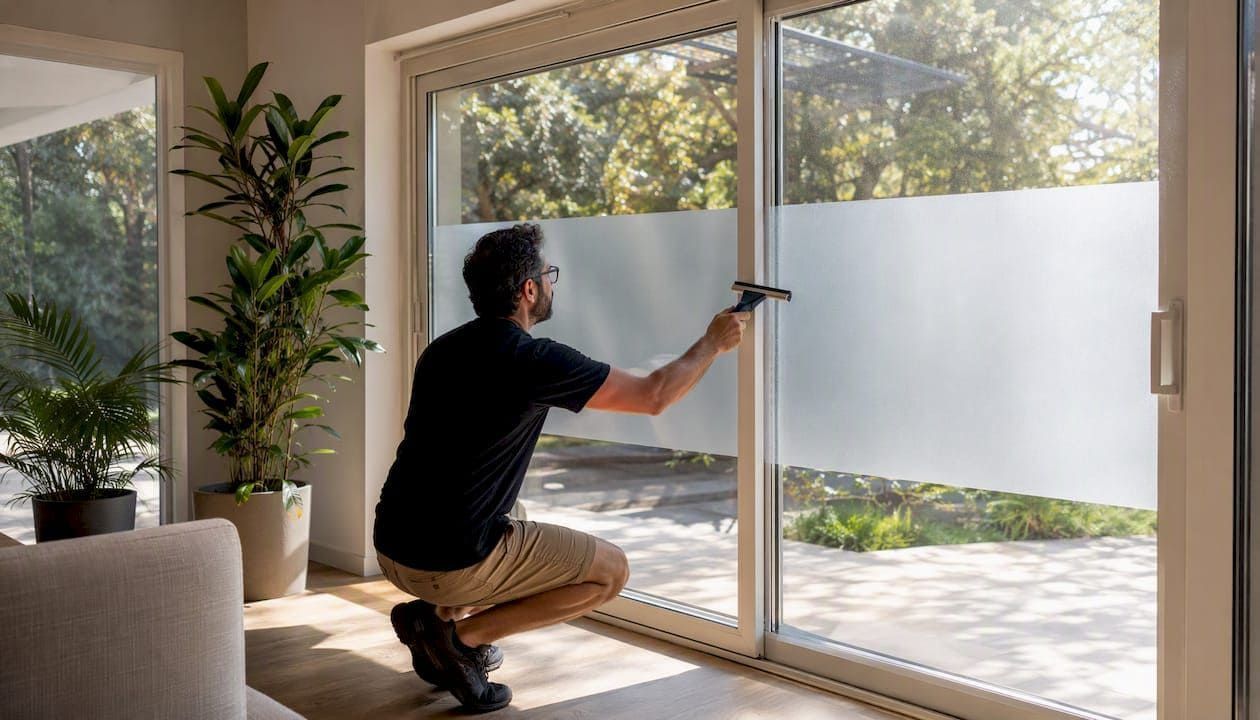
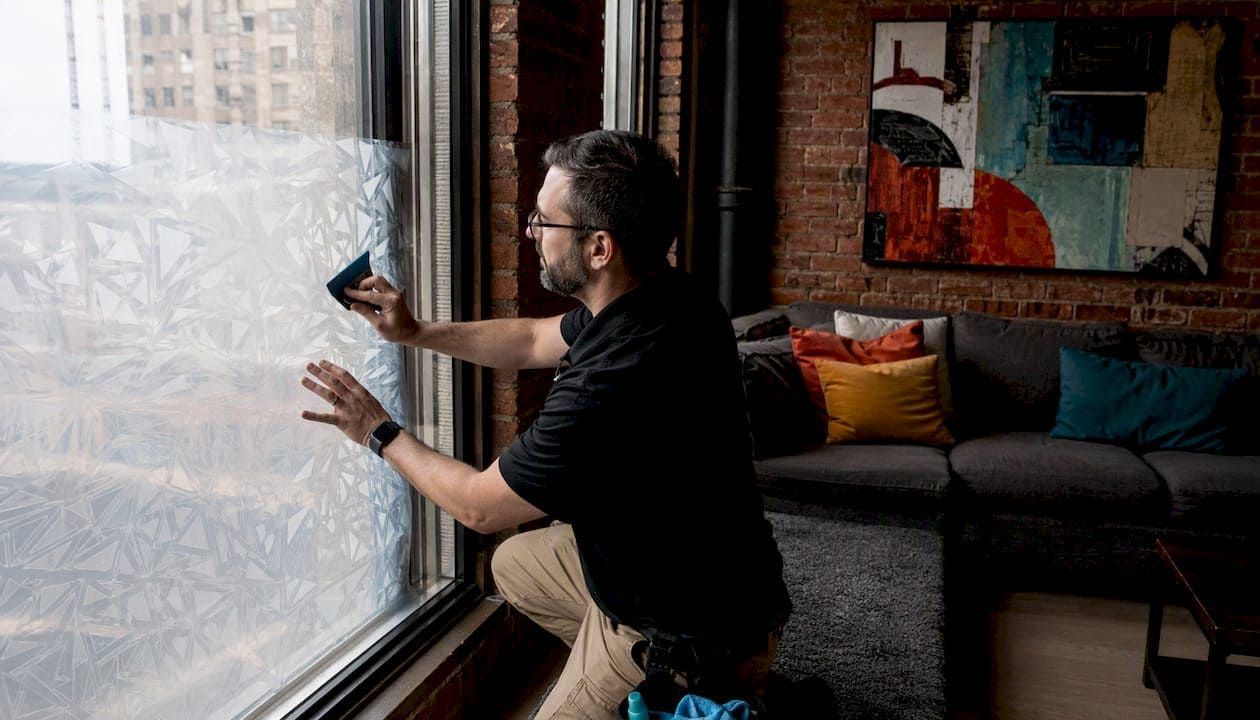
Security films are thicker than standard solar control films, providing enhanced shatter resistance alongside UV blocking. That extra thickness holds glass fragments together after an impact, reducing injury risk from break-ins, accidents, or severe weather. UV blocking is built into the film construction, so you get protection from both physical threats and solar radiation in one product. Privacy films add opacity, either one-way mirror effects or frosted finishes, while still filtering UV. Surfacetint offers safety and security window film for homes and commercial buildings throughout Southern New Hampshire and the Greater Boston Area.
Advantages: Shatter resistance, UV blocking, privacy options, dual-purpose protection Limitations: Heavier appearance; not designed primarily for heat rejection
How UV blocking window films actually work
The core mechanism is straightforward. Standard residential glass blocks most UVB rays but allows up to 75% of UVA rays through. UVA is the wavelength responsible for skin aging, fading of fabrics and artwork, and long-term material degradation. Window film closes that gap.
A professional-grade UV film has at least three functional layers working together:
- Protective outer layer: A scratch-resistant PET (polyethylene terephthalate) coating that protects the film surface from daily wear
- UV filtration layer: Contains UV absorbers, typically benzophenones or triazines, that capture and neutralize UV radiation at the molecular level
- Optical adhesive: Bonds the film to the glass without distortion, air bubbles, or optical interference
- Optional metalized or ceramic layer: Added in higher-performance films to reflect infrared heat and extend solar control beyond UV alone
The critical point is that UV protection is built into the adhesive layer, not into the tint. A completely clear film with embedded UV absorbers blocks the same 99%+ of UV radiation as a dark tinted film. Choosing a darker shade does not automatically mean better UV protection.
The benefits extend well beyond skin protection:
- Fade prevention: UV causes roughly 40% of interior fading in furnishings, flooring, and artwork; film addresses the largest single contributor
- Energy savings: Films with strong infrared rejection reduce cooling loads, particularly in sun-facing rooms
- Glare reduction: Lower visible light transmission eases eye strain without requiring blinds or curtains
- Comfort: Cooler glass surface temperatures reduce radiant heat felt near windows
For glass interior doors and large glazed surfaces where you want UV control without sacrificing the view, glass interior doors paired with spectrally selective film are a practical combination that preserves aesthetics while blocking harmful radiation.
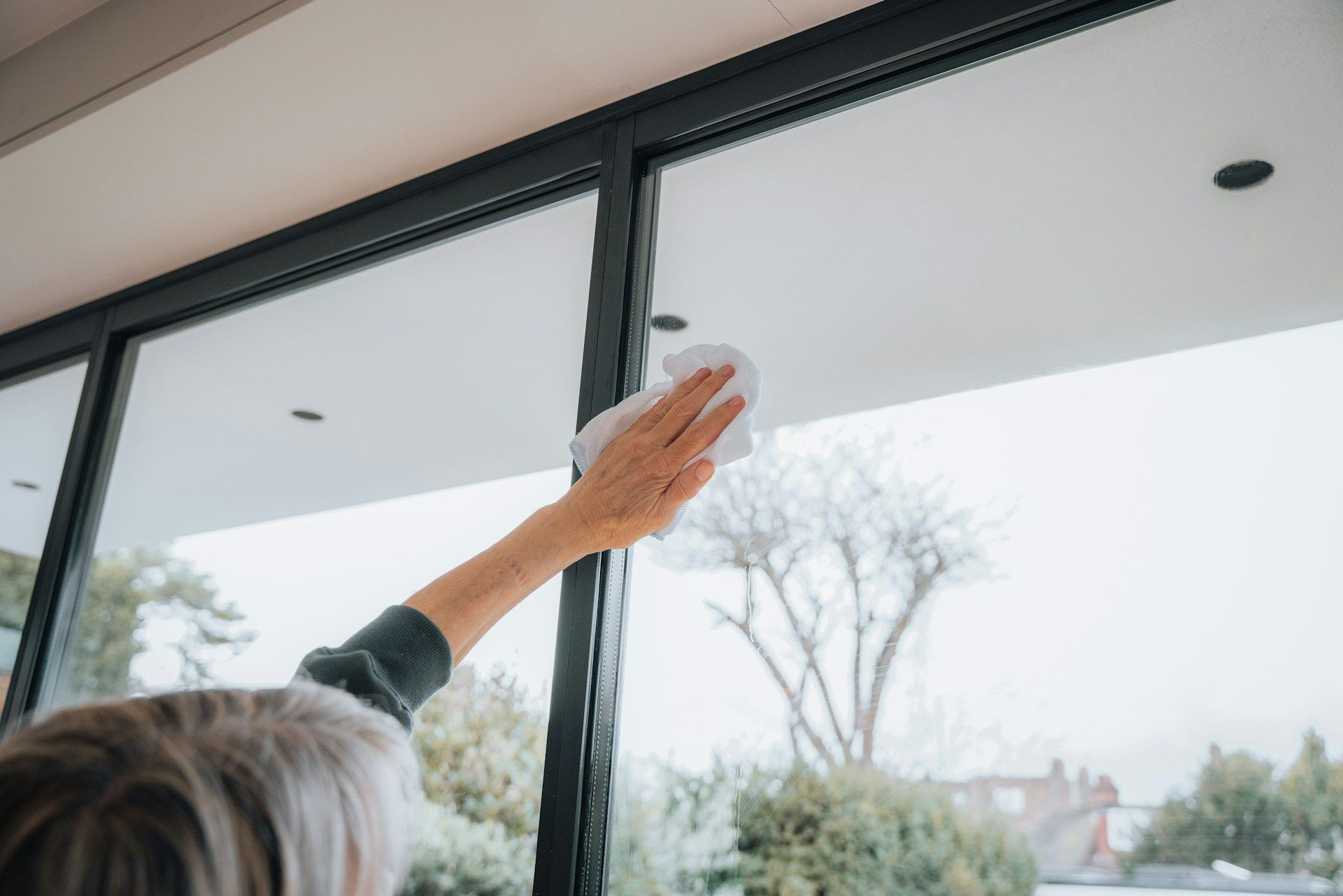
Maintenance for most professional films is minimal. Clean with a soft cloth and a mild, non-abrasive cleaner. Avoid ammonia-based products, which can degrade the adhesive over time. Most professional-grade films carry manufacturer warranties ranging from 10 years to lifetime coverage depending on the product line.

How to choose the right UV blocking film for your situation
The right film depends on what you are actually trying to solve. Start with your primary goal, then layer in secondary priorities.
If skin protection is the priority: Any film with 99%+ UV blocking handles this, including clear films that leave window appearance unchanged. The UV blocking film examples guide from Surfacetint shows how different film types look in real residential settings.
If fade prevention is the priority: You need a film that addresses UV, visible light, and heat together. Ceramic films cover all three most effectively. A darker shade within a ceramic line will outperform a lighter one for fade control.
If heat rejection is the priority: Look at Total Solar Energy Rejected (TSER) and Infrared Rejection (IRR) ratings. Ceramic films reach up to 80% IR rejection; dyed films typically land in the 20–40% range.
If signal interference is a concern: Avoid metalized films for vehicles or offices with active wireless devices. Ceramic and carbon films cause no interference.
If budget is the primary constraint: Dyed or hybrid films offer meaningful UV protection at lower upfront cost. Factor in replacement frequency: a dyed film replaced every five years may cost more over a decade than a ceramic film installed once.
Key factors to evaluate before purchasing:
- UV rejection percentage: Look for 99%+ for broad-spectrum UVA and UVB protection
- Lifespan and warranty: Professional films carry manufacturer warranties; ask for transferable coverage if you may sell the property
- Visible light transmission (VT): Higher VT means more natural light; lower VT means more privacy and glare control
- NFRC rating label: The National Fenestration Rating Council label provides standardized solar heat gain coefficient (SHGC) and VT data for comparison
- Installation method: Permanent adhesive films outperform repositionable options for long-term residential and commercial use
- Window compatibility: Tempered, laminated, and low-e coated glass each have specific film compatibility requirements; a professional installer will verify this before application
Pro Tip: Look for films carrying The Skin Cancer Foundation's Seal of Recommendation. Only films reviewed by board-certified dermatologists and photobiologists earn this seal, and the minimum standard is 99% blockage of both UVA and UVB radiation.
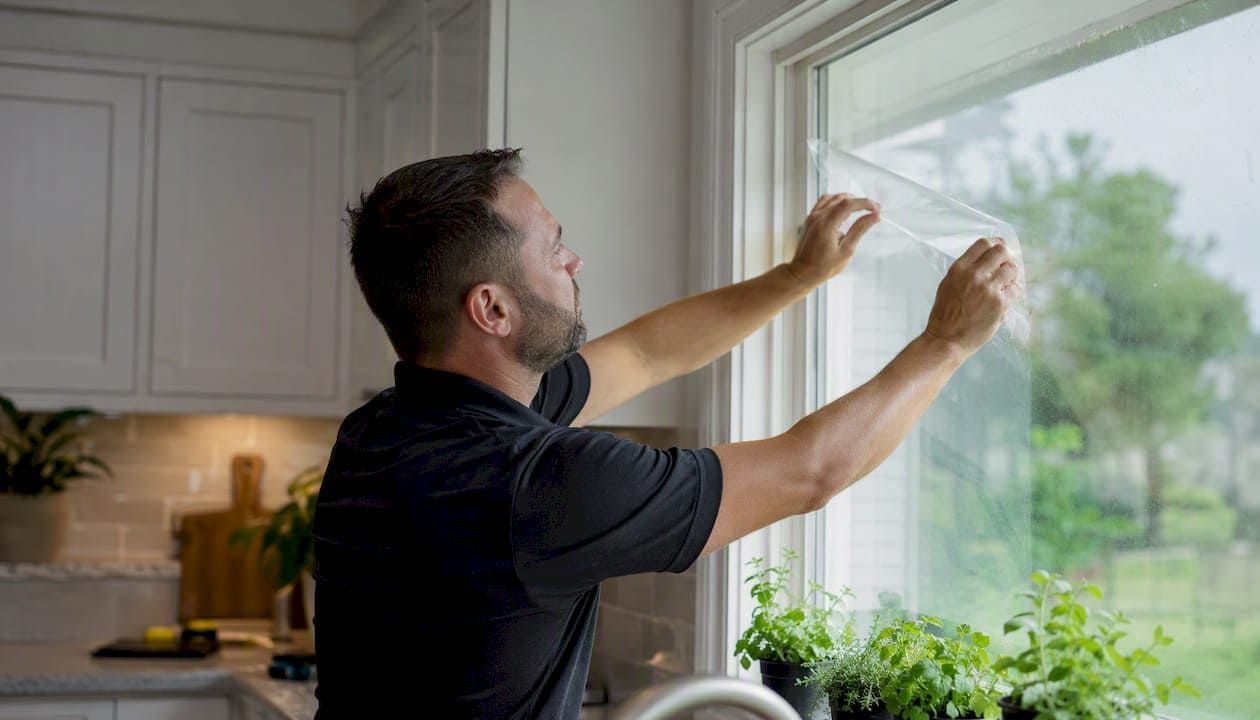
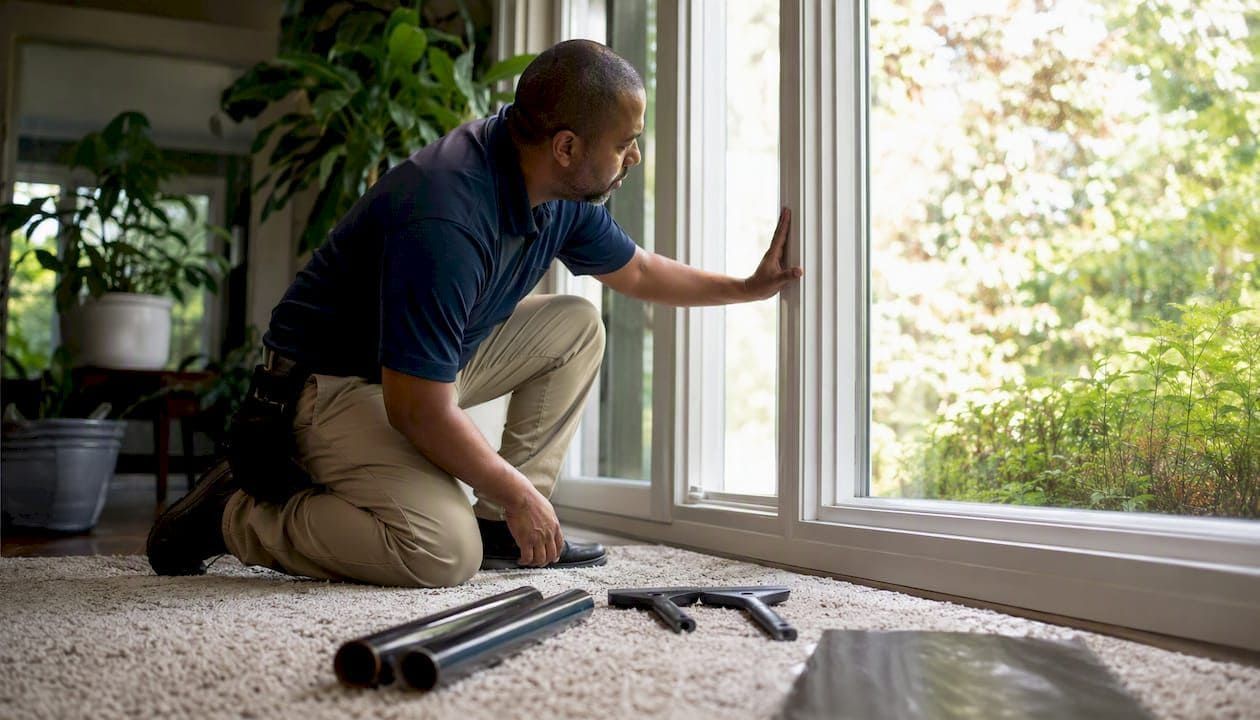
Professional installation matters more than most buyers expect. Installation quality directly affects long-term performance. Peeling, bubbling, and edge lifting all compromise the UV blocking layer and accelerate degradation. A certified installer also ensures the film is compatible with your specific glass type, which matters particularly for tempered and low-e coated windows.
Professional-grade UV films: what separates them from standard tints
The gap between a professional-grade UV film and a basic tinted film is not just marketing. It comes down to material science and how UV absorbers are integrated into the film construction.
Standard dyed films filter UV through organic pigments that break down under sustained UV exposure. Professional films use UV absorbers like benzophenones and triazines, which are molecularly integrated compounds that neutralize UV radiation without fading or chemical breakdown. The protection stays consistent across the product's lifespan rather than declining year over year.
| Film Type | UV Blocking | IR Heat Rejection | Lifespan | Relative Cost |
|---|---|---|---|---|
| Dyed | 90–98% UV blocking (declines over time) | 20–40% IR rejection | 3–7 years | Low cost |
| Metalized | 99%+ UV blocking | Moderate infrared rejection | Longer lifespan | Moderate cost |
| Hybrid | 99%+ UV blocking | Moderate infrared rejection | Intermediate lifespan | Moderate cost |
| Ceramic | 99%+ UV blocking | Moderate infrared rejection | Longer lifespan | Moderate to higher cost |
| Carbon | 99%+ UV blocking | Up to 80% IR rejection | 15–25 years | Higher cost |
| Spectrally Selective | 99%+ UV blocking | Variable infrared rejection | Long lifespan | Premium cost |
| Security/Privacy | 99%+ UV blocking | Variable infrared rejection | Moderate lifespan | Moderate to higher cost |
99%+ UV blocking is the minimum standard set by The Skin Cancer Foundation's Seal of Recommendation, earned only by films that pass third-party laboratory testing reviewed by board-certified dermatologists.
LLumar Vista Films, which Surfacetint installs as an exclusive LLumar SelectPro Dealer, include Solar Control Films, Safety and Security Films, and Decorative Privacy Films. All carry the performance standards required for professional-grade UV protection. The 3M Light, Sun and Heat Control Films line and LLumar Vista Films both appear on The Skin Cancer Foundation's recommended products list, reflecting the level of third-party validation that separates professional products from off-the-shelf alternatives.
Two metrics define professional film performance beyond UV rejection alone:
- Total Solar Energy Rejected (TSER): Combines UV, visible light, and infrared blocking into a single efficiency score; the most complete measure of a film's overall solar control
- Infrared Rejection (IRR): Measures heat blocking specifically; ceramic films lead this category at up to 80%, versus 20–40% for dyed films
Films with high TSER ratings translate directly to lower cooling costs, particularly in buildings with significant south or west-facing glass exposure. For commercial properties in the Greater Boston Area, where summer solar gain through large windows is a real operating cost, the difference between a 40% and 70% TSER film shows up on energy bills.
Ready to find the right film for your windows?
Surfacetint serves homeowners, property managers, and business owners across Southern New Hampshire and the Greater Boston Area with professional LLumar Vista Film installation. Whether you need solar window film for your home or a full commercial installation, the team at Surfacetint will match the right film type to your windows, your goals, and your budget.
Request a free estimate and get a professional recommendation for your specific situation.
Key Takeaways
Ceramic and spectrally selective films deliver strong long-term UV protection, blocking a high percentage of UVA and UVB rays and offering extended lifespan, making them a cost-effective choice for many homeowners and building managers.
| Point | Details |
|---|---|
| Tint level does not equal UV protection | Clear films with UV absorbers block 99%+ of UV rays without changing window appearance. |
| Ceramic films lead on lifespan | Ceramic films last 15–25 years versus 3–7 years for dyed films, with up to 80% IR rejection. |
| UVA is the real gap in standard glass | Standard windows allow up to 75% of UVA rays through; window film closes that gap. |
| Look for the Skin Cancer Foundation Seal | Only films blocking 99%+ of both UVA and UVB earn this dermatologist-reviewed endorsement. |
| Professional installation protects performance | Poor installation causes peeling and bubbling that compromise UV blocking over time. |
Recommended