
Why UV Protection Matters in Boston Homes
TL;DR:
- UV radiation causes long-term skin and interior damage in Boston homes, with UVA rays penetrating standard windows year-round. Professional UV-blocking window film offers the most effective protection, blocking over 99% of harmful rays and preventing fading and health risks. Combining window film with daily sunscreen, sunglasses, and UV awareness provides comprehensive protection against UVA damage.
UV radiation is the leading cause of cumulative skin damage and interior fading in Boston homes, and standard windows do far less to stop it than most residents assume. The importance of UV protection goes well beyond sunscreen on a beach day. UVA rays penetrate glass year-round, aging skin, stressing eyes, and bleaching floors and furniture from the inside out. Boston's variable climate, with its mix of reflective snow in winter and intense summer sun, creates UV exposure risks across every season. Understanding why UV protection matters in Boston is the first step toward protecting both your health and your home.
Why UV protection matters in Boston: the basics of UV radiation
UV radiation splits into two types that affect you differently. UVA rays carry longer wavelengths, penetrate deeply into skin, and pass straight through standard window glass. UVB rays carry shorter wavelengths, cause sunburn, and are mostly blocked by glass. The problem for Boston residents is that UVA does the slow, invisible damage: premature skin aging, elevated cancer risk, and eye lens deterioration over years of exposure.
Boston's geography adds a layer most people overlook. Reflective surfaces like snow, water near the harbor, and light-colored building facades amplify UV intensity in ways that catch residents off guard in february and march, when the UV index climbs faster than temperatures. The U.S. Environmental Protection Agency confirms that UV rays penetrate clouds, meaning overcast Boston days offer far less protection than they appear to.
Here is what UV rays actually do to people and property in a Boston home:
- Skin aging and cancer risk: UVA exposure through windows contributes to skin aging and cancer risk even during routine indoor activity.
- Eye damage: Cumulative UVA exposure increases the risk of cataracts and macular degeneration over time.
- Flooring and furniture fading: UV radiation causes approximately 40% of interior fading, with heat and visible light each accounting for roughly 25%.
- Textile and artwork deterioration: Fabrics, rugs, and framed art fade faster near south and west-facing windows, where afternoon sun hits hardest.
- Year-round exposure: Boston winters do not pause UV risk. Snow reflects UV back upward, increasing total exposure on clear winter days.
How effective are standard windows at blocking UV rays?
Standard residential windows block most UVB rays but allow up to 75% of UVA rays to pass through. That number surprises most homeowners. The glass that feels like a solid barrier against the sun is nearly transparent to the radiation doing the most long-term damage.
Single-pane windows perform the worst. Double-pane windows improve thermal insulation but do not meaningfully increase UV rejection. Low-E glass, which is common in newer Boston construction, reflects some infrared heat but still allows a significant portion of UVA through. Relying on standard glass alone for UV protection indoors is not a viable strategy.
| Glass type | UVB blocked | UVA blocked |
|---|---|---|
| Single-pane clear | ~90% | ~25% |
| Double-pane clear | ~90% | ~25% |
| Low-E glass | ~90% | ~50% |
| Professional window film | ~90% | ~99% |
Pro Tip: Check which direction your main living room and bedroom windows face. South and west-facing windows receive the most direct afternoon sun in Boston, making them the highest priority for UV protection upgrades.
The gap between standard glass performance and professional film performance is not marginal. It is the difference between a window that filters sunburn-causing rays and one that also stops the rays responsible for skin aging and interior fading.
What are the main health risks from UV exposure for Boston residents?
UV damage is cumulative. Every hour spent near an unprotected window adds to a lifetime total that the body cannot reverse. The American Medical Association notes that tanning is a defense reaction to UV damage, not a sign of health. That reframe matters: if your skin is changing color, damage has already occurred.
Boston residents face a specific timing risk. The EPA identifies the window between 10:00 AM and 4:00 PM as the period when UV radiation peaks during the day. For people who work from home near south-facing windows, or who spend weekend afternoons in sun-lit living rooms, that exposure accumulates fast across a year.
UV radiation does not require direct sunlight to cause harm. On a typical overcast Boston day, UV rays still penetrate cloud cover and reach your skin and eyes. Consistent protection, indoors and out, is the only approach that accounts for this reality.
The health risks break down into three categories worth knowing:
- Skin cancer: Prolonged UVA exposure raises the risk of melanoma and non-melanoma skin cancers. The risk builds over decades, making early protection more valuable than late intervention.
- Premature aging: UVA penetrates the dermis and breaks down collagen, causing wrinkles and uneven skin tone years before they would otherwise appear.
- Eye damage: Cumulative UV exposure is linked to cataracts and pterygium, a growth on the eye's surface that can impair vision if untreated.
How does UV exposure affect Boston homes and interior assets?
UV radiation is the single largest contributor to interior fading, accounting for roughly 40% of the total damage to floors, textiles, and artwork. Heat contributes about 25%, and visible light contributes another 25%. That breakdown matters because it tells you where to focus protection efforts.
Hardwood floors near large windows show the damage most visibly. A strip of flooring shielded by a rug will look noticeably different from the exposed area after just a few years of Boston sun. The same effect hits upholstered furniture, curtains, and framed photographs. Original artwork and antique rugs are particularly vulnerable because their dyes and pigments were not formulated for sustained UV exposure.
The financial case is straightforward. Replacing hardwood floors in a Boston home costs thousands of dollars. Reupholstering furniture or restoring faded artwork adds more. UV home protection through window film costs a fraction of those replacement expenses and preserves the investment you have already made in your interior.
- Hardwood and laminate flooring: Fading and discoloration appear within two to three years near unprotected south-facing windows.
- Upholstered furniture: Fabric dyes break down under sustained UVA exposure, causing uneven color loss on cushions and armrests.
- Artwork and photography: UV radiation degrades pigments and photographic emulsions, making irreplaceable pieces particularly at risk.
- Window treatments: Curtains and blinds near unprotected glass fade faster, requiring earlier replacement.
What are the best UV protection methods for Boston residents?
Protecting your health and home from UV radiation requires a layered approach. No single measure covers every exposure scenario, but combining a few targeted strategies closes most of the gap.
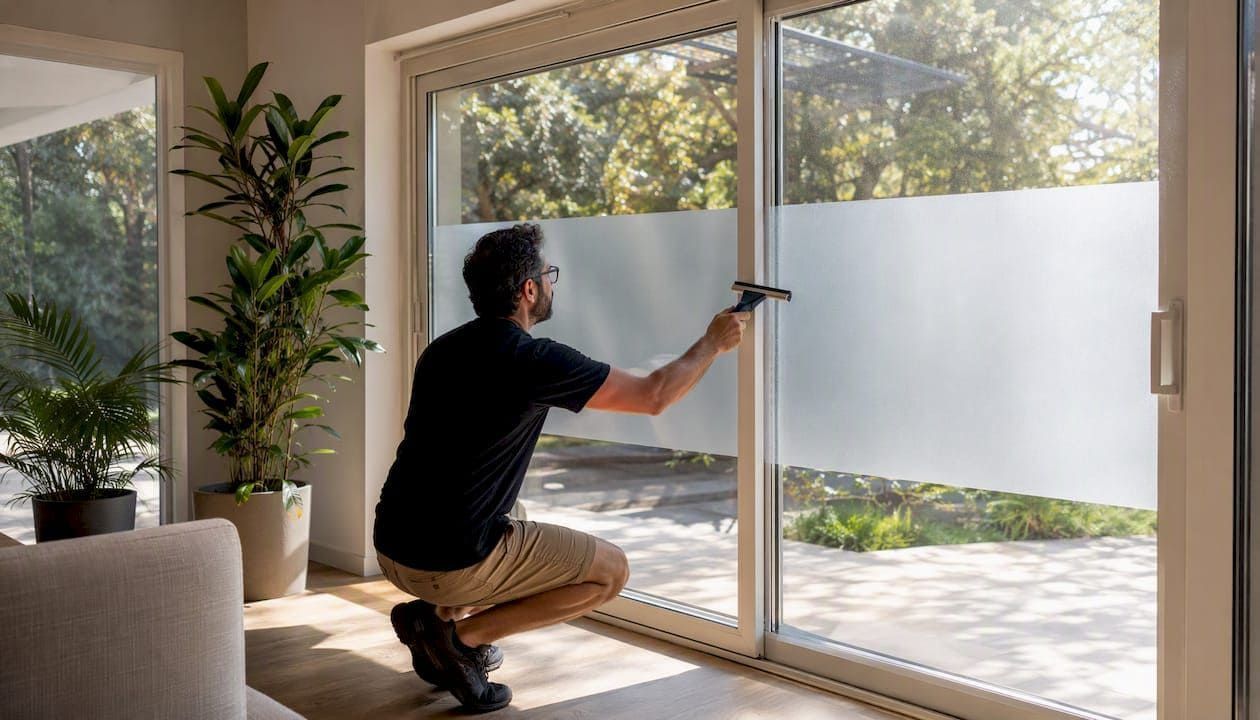
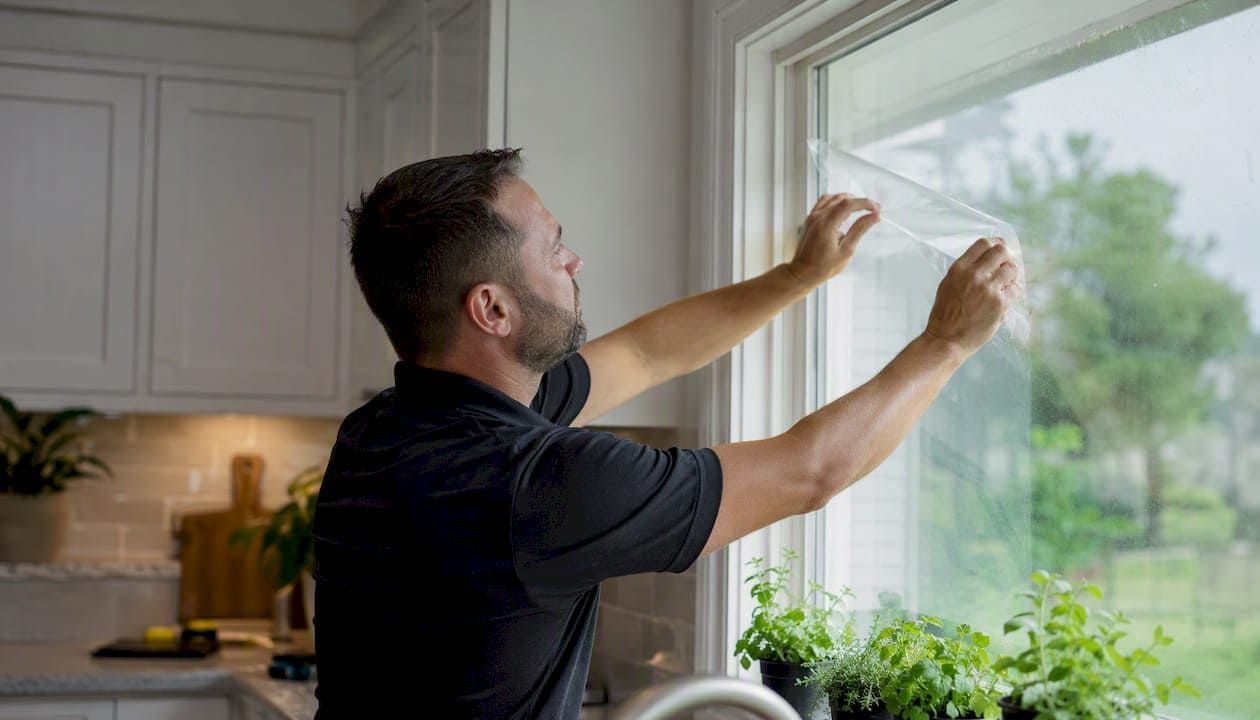
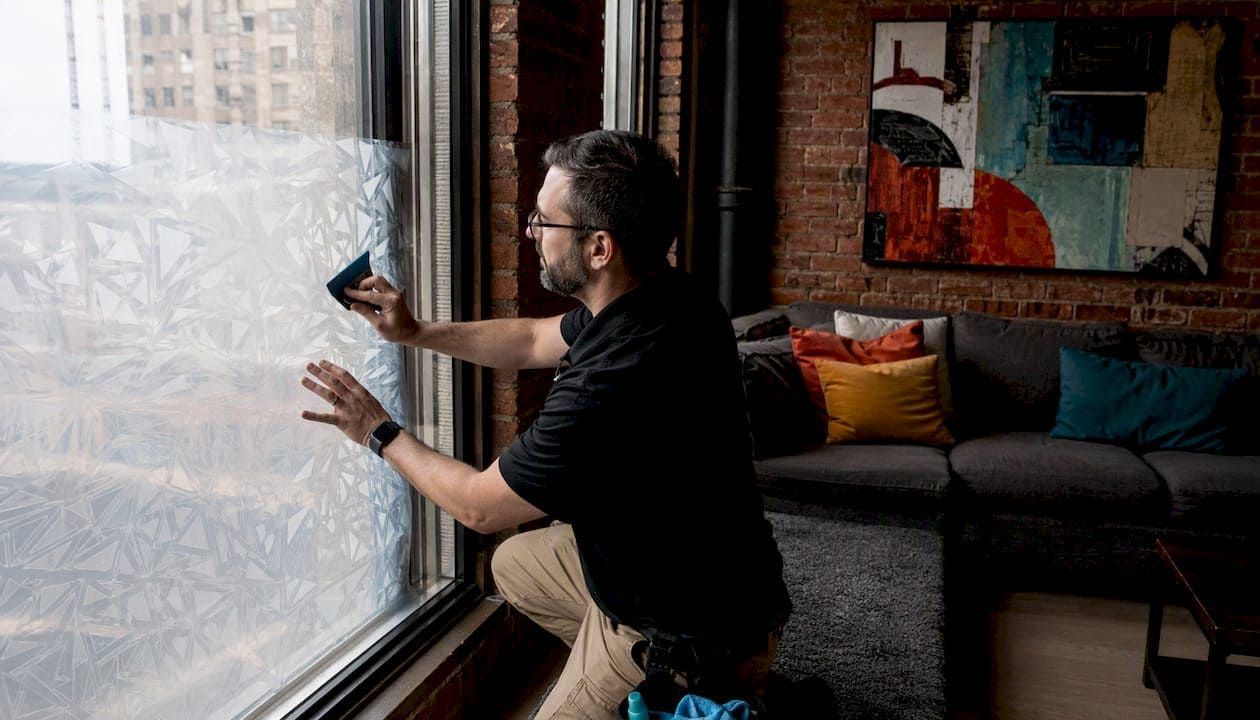
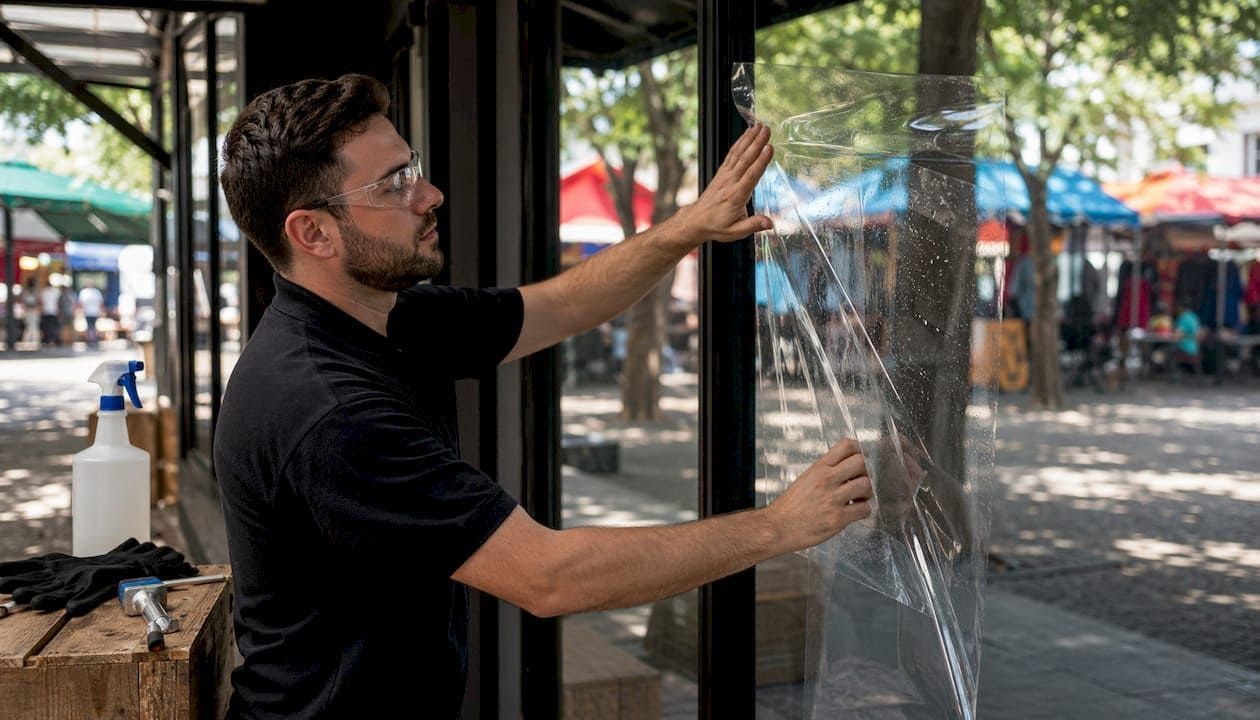
- Install professional UV-blocking window film. Professional-grade films embed UV-blocking compounds in the adhesive layer, providing 99%+ UV rejection regardless of film shade or visible light transmission. The Skin Cancer Foundation endorses window film for indoor UV safety as part of a complete protection plan. Surfacetint installs LLumar Vista Solar Control Films that block over 99% of UV rays without altering window appearance, preserving your view while protecting your interior.
- Apply broad-spectrum sunscreen daily. SPF 30 or higher applied to exposed skin before sitting near windows covers the gap that glass leaves open. Reapply every two hours during extended indoor sun exposure near large windows.
- Wear UV-blocking sunglasses outdoors. Look for lenses rated for 100% UV protection, not just "UV-blocking." Wraparound styles reduce peripheral exposure, which matters on reflective Boston streets in winter.
- Monitor the UV index before peak hours. The EPA's UV index forecast is available daily and shows when Boston's UV levels reach moderate or high. Scheduling outdoor activity before 10:00 AM or after 4:00 PM reduces peak-hour exposure significantly.
- Combine solar control with energy efficiency. Quality window films reduce solar heat gain alongside UV rejection. For Boston homeowners, that means lower cooling costs in summer and a more comfortable interior year-round. The UV and energy benefits of window film work together, making it one of the most cost-effective home upgrades available.
Pro Tip: When evaluating window films, ask specifically about the UV rejection percentage, not just the visible light transmission or heat rejection rating. A clear film can block 99% of UV rays while letting in full natural light. The two numbers are independent.
For a broader look at how solar films compare across product categories, solar film options vary widely in UV rejection performance, so verifying the UV rejection spec before purchasing is the most important step.
Key Takeaways
UV protection in Boston requires both daily habits and permanent home upgrades, because UVA rays penetrate standard glass year-round and cause cumulative damage to skin, eyes, and interior assets that compounds over time.
| Point | Details |
|---|---|
| Standard glass fails on UVA | Up to 75% of UVA rays pass through untreated residential windows, regardless of pane count. |
| UV causes most interior fading | UV radiation accounts for roughly 40% of fading in floors, furniture, and artwork. |
| Damage accumulates year-round | Boston's cloudy days and reflective winter snow do not pause UV exposure. |
| Window film blocks 99%+ UV | Professional films reject over 99% of UV rays without changing window appearance or natural light. |
| Layered protection works best | Combining window film, sunscreen, UV-rated sunglasses, and UV index monitoring covers every exposure scenario. |
What I've learned about UV protection after years in Boston homes
People consistently underestimate indoor UV exposure. The assumption is that being inside means being safe, and that assumption is wrong in a measurable way. I have seen it play out in Boston homes where beautiful hardwood floors near south-facing windows show dramatic fading lines within three years of installation, while the same floor under a rug looks brand new.
The other pattern I notice is that residents treat UV protection as a warm-weather concern. Boston's february sun, bouncing off fresh snow and hitting a west-facing window at noon, delivers real UV load. The UV index does not drop to zero just because the temperature does.
My honest view is that window film is the most underused home upgrade in Greater Boston. It addresses UV protection, heat gain, and glare in one installation, and it works every day without any action from the homeowner. Sunscreen requires daily discipline. Window film does not. For protecting interior assets and reducing passive UV exposure for everyone in the home, including children and pets who spend time near windows, residential window tinting delivers results that no other single measure can match.
The prevention-versus-reaction math is not complicated. Replacing faded floors or treating skin damage costs far more than the film that would have prevented both.
Surfacetint's UV protection solutions for Boston homeowners
Surfacetint serves homeowners and property managers across the Greater Boston Area with professional LLumar Vista Solar Control Film installation. These films block over 99% of UV rays while maintaining full window clarity, protecting your skin, your family, and your interior investments without changing the look of your home.
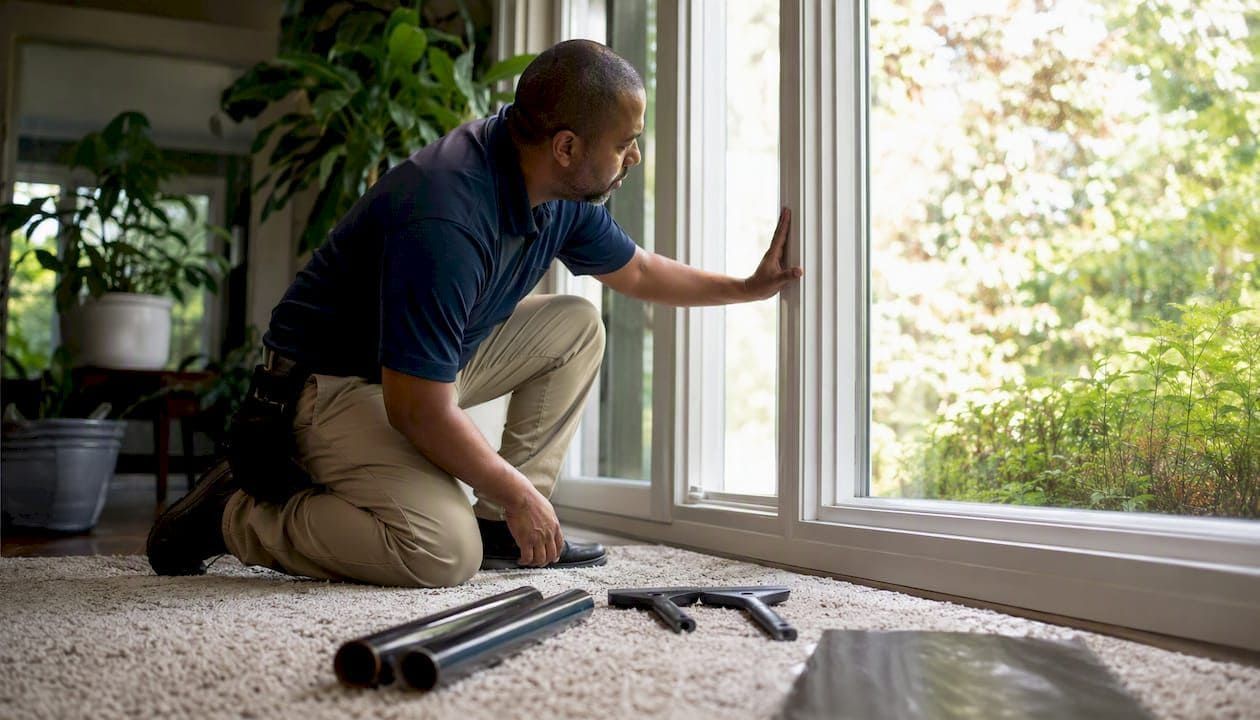
Surfacetint's solar window films for homes are installed by certified professionals who assess your specific window orientation and UV exposure before recommending a film. South and west-facing windows in Boston homes get the most attention because they carry the highest UV load. Every installation comes with a free estimate so you know exactly what protection you are getting before any work begins. Request your free estimate and get a professional assessment of your home's UV exposure today.
FAQ
Does UV radiation come through windows on cloudy days in Boston?
UV rays penetrate cloud cover and reach indoor spaces even on overcast days. Boston residents face this risk year-round, not only during summer months.
What percentage of UV rays does standard window glass block?
Standard glass blocks most UVB rays but allows up to 75% of UVA rays to pass through. UVA is the type responsible for skin aging, cancer risk, and interior fading.
How does professional window film block UV rays?
Professional window films embed UV-blocking compounds directly in the adhesive layer, achieving 99%+ UV rejection regardless of the film's shade or visible light transmission level.
What causes the most fading in Boston home interiors?
UV radiation causes approximately 40% of interior fading in flooring, textiles, and artwork. Heat and visible light each contribute roughly 25% of the remaining damage.
Is window film enough on its own for complete UV protection?
Window film is the most effective single measure for reducing indoor UV exposure, but complete protection also includes daily sunscreen, UV-rated sunglasses, and avoiding peak sun hours between 10:00 AM and 4:00 PM.
Recommended