
Why Opt for Fade-Resistant Window Solutions
TL;DR:
- Fade-resistant window solutions, including Low-E glass and professional window films, protect interiors by blocking UV rays, heat, and visible light that cause fading. Combining these options, especially in high-exposure rooms, offers effective and targeted interior preservation while maintaining energy efficiency and aesthetic appeal. Proper assessment, professional installation, and layered approaches ensure long-lasting protection for valuable furnishings and surfaces.
Fade-resistant window solutions are defined as glass, film, or treatment products engineered to block the UV rays, solar heat, and visible light that degrade interior furnishings over time. The case for installing them is direct: Low-E glass reduces UV fading by up to 75%, while professional window films push UV rejection past 99%. That gap matters when you're protecting hardwood floors, upholstered furniture, artwork, or commercial inventory. Understanding why opt for fade-resistant window solutions comes down to one fact: sunlight is the single largest cause of preventable interior damage in residential and commercial properties.
Why opt for fade-resistant window solutions?
Fading is not caused by sunlight alone. UV light is the primary driver, responsible for roughly 40% of interior fading, but visible light and infrared heat each contribute another significant share. That means a window treatment needs to address all three factors to deliver real protection.
Low-E glass uses a microscopic metallic coating applied to the glass surface. That coating reflects infrared heat back outside and filters a portion of UV radiation before it enters the room. The NT Windows 1800 Series, for example, blocks up to 95% of UV rays while also reducing heat transfer, which helps stabilize interior temperatures and lowers energy bills.
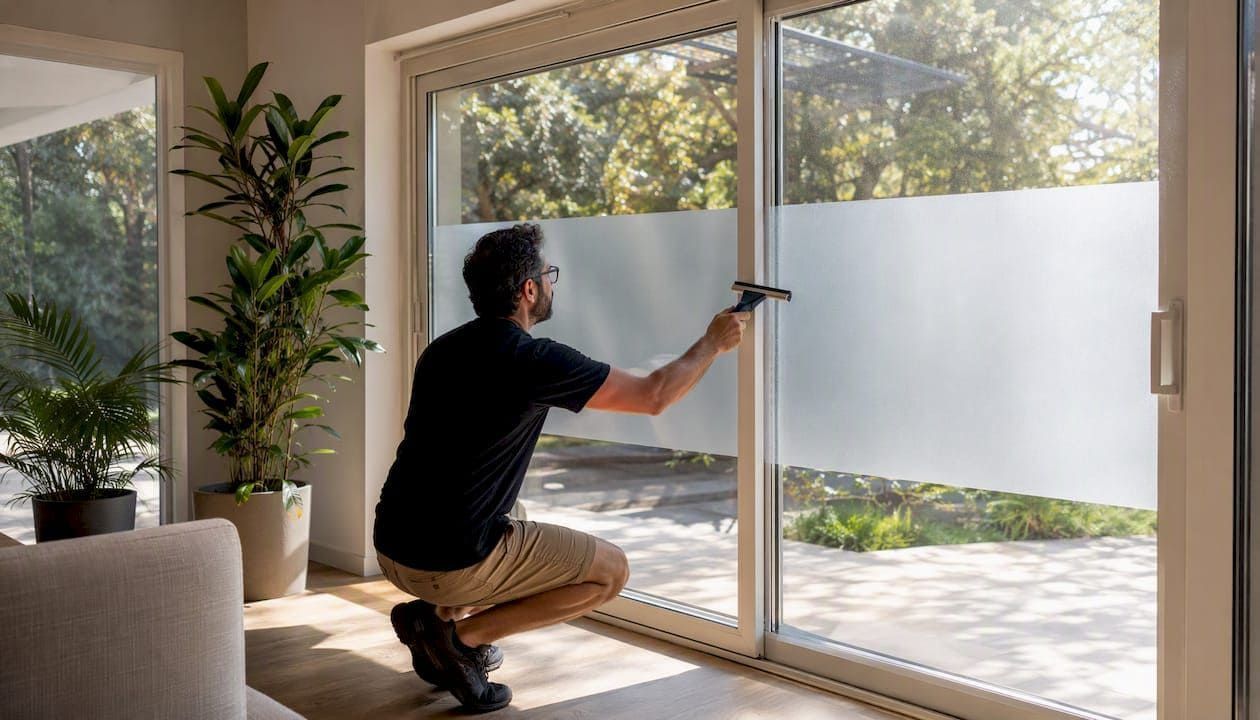
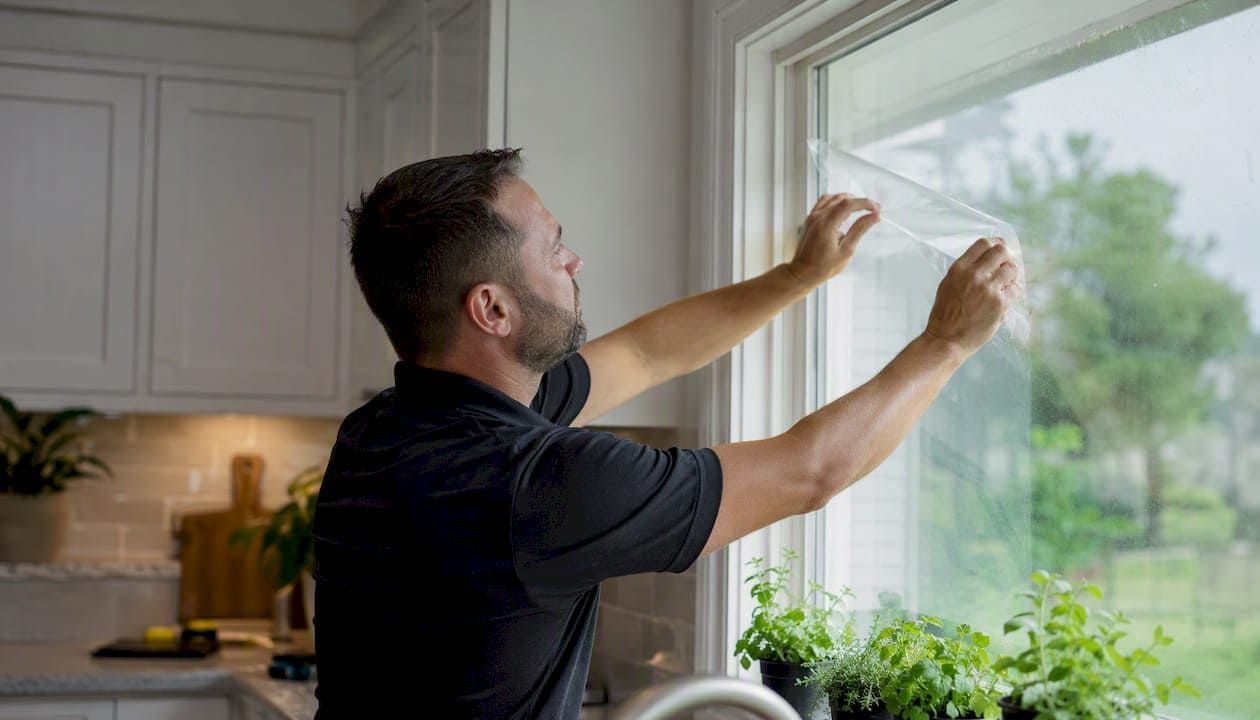
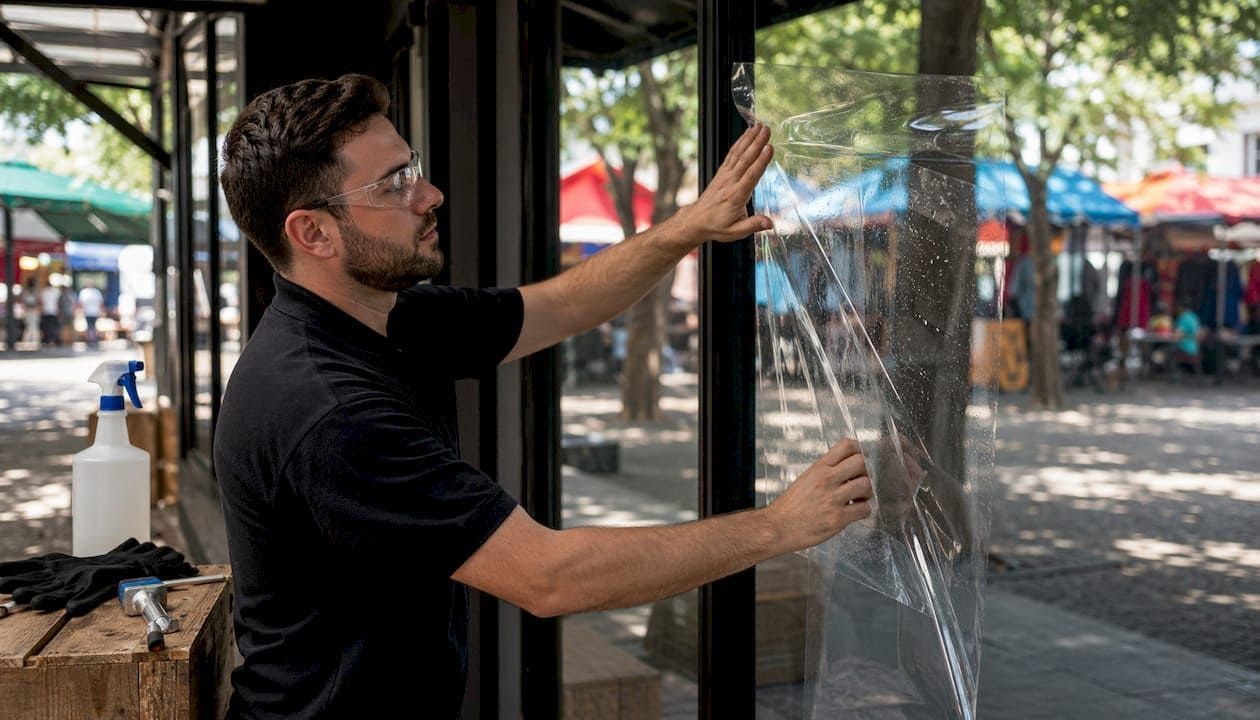
Professional window films work differently. They are applied directly to existing glass and use multi-layer polyester construction with UV-absorbing dyes or metallic particles. LLumar Vista Solar Control Films, used by Surfacetint as an exclusive LLumar SelectPro Dealer, achieve over 99% UV rejection. That level of performance goes well beyond what standard Low-E glass delivers on its own.
| Technology | UV Rejection | Primary Benefit | Best Use Case |
|---|---|---|---|
| Low-E Glass | Up to 75–95% | Energy efficiency + baseline UV block | New construction or full window replacement |
| Professional Window Film | Up to 99%+ | Targeted UV, heat, and glare control | Existing windows in high-exposure rooms |
| Solar Shades | Moderate | Light diffusion + partial UV block | Rooms needing style and light control |
Pro Tip: If your south or west-facing rooms still feel hot after a window replacement, the new Low-E glass is doing its job on energy efficiency but may not be enough for fading control. A solar control film added to those specific panes closes the gap.
Low-e glass vs. window films: which one do you need?
The most common mistake homeowners make is treating Low-E glass and window film as competing options. They are not. Low-E glass and window film are complementary solutions, not competitive ones. Each solves a different part of the problem.
Low-E glass is a broad upgrade. When you replace old windows with Low-E units, you get better insulation, reduced heat transfer across the entire home, and a baseline level of UV protection. That is a meaningful improvement. The limitation is that Low-E glass is installed uniformly across every window, regardless of which rooms face the harshest sun exposure.
Window film is a precision tool. You apply it only where the problem exists. A north-facing bedroom may need nothing beyond Low-E glass. A south-facing living room with a large picture window and a leather sofa is a different situation entirely. South and west-facing rooms with high UV exposure often require window film even after Low-E glass installation to fully control fading and heat gain.
Here is where window film outperforms Low-E glass in specific scenarios:
- Glare control. Low-E coatings reduce heat but do not significantly cut visible light glare. A solar control film with a lower visible light transmission rating handles glare directly, which matters in home offices and media rooms.
- Privacy. Reflective or frosted window films add daytime privacy without blocking natural light. Low-E glass offers no privacy benefit.
- Heat hotspots. A single large window can create a concentrated zone of heat and UV exposure. Window film adds targeted solar control to that specific pane without requiring a full window replacement.
- Cost efficiency. If your existing windows are structurally sound, window film is cost-effective compared to full replacement. You get localized protection at a fraction of the cost.
- Older homes. Properties with single-pane or older double-pane glass benefit dramatically from film because replacement is expensive and disruptive.
The practical conclusion: install Low-E glass when you are replacing windows anyway, then add film to the rooms and exposures where fading and heat remain a problem.
What other fade-resistant window options should you consider?
Window glass and film are not your only tools. A layered approach to protecting interiors from UV combines multiple products for maximum effect.
Solar shades are one of the most underused options. Hunter Douglas and similar manufacturers produce solar shades that block UV radiation while preserving an outward view. They work well in rooms where you want light control without the permanent commitment of a window film. The trade-off is that they must be lowered to provide protection, which means fading continues when shades are raised.
Lined draperies add another layer. Heavy, tightly woven fabrics with blackout or thermal linings provide UV blocking and can be stylish additions to any room. They work best as a complement to glass or film solutions rather than a standalone fix.
Exterior shading is the most effective approach when you can implement it. Awnings, pergolas, and exterior roller shades stop solar radiation before it reaches the glass. No UV enters the room because the sun never hits the window directly. The limitation is cost and the fact that exterior shading changes the exterior appearance of the property.
Pro Tip: Use the residential window film viewer tool to preview how different film options will look on your specific windows before committing to an installation.
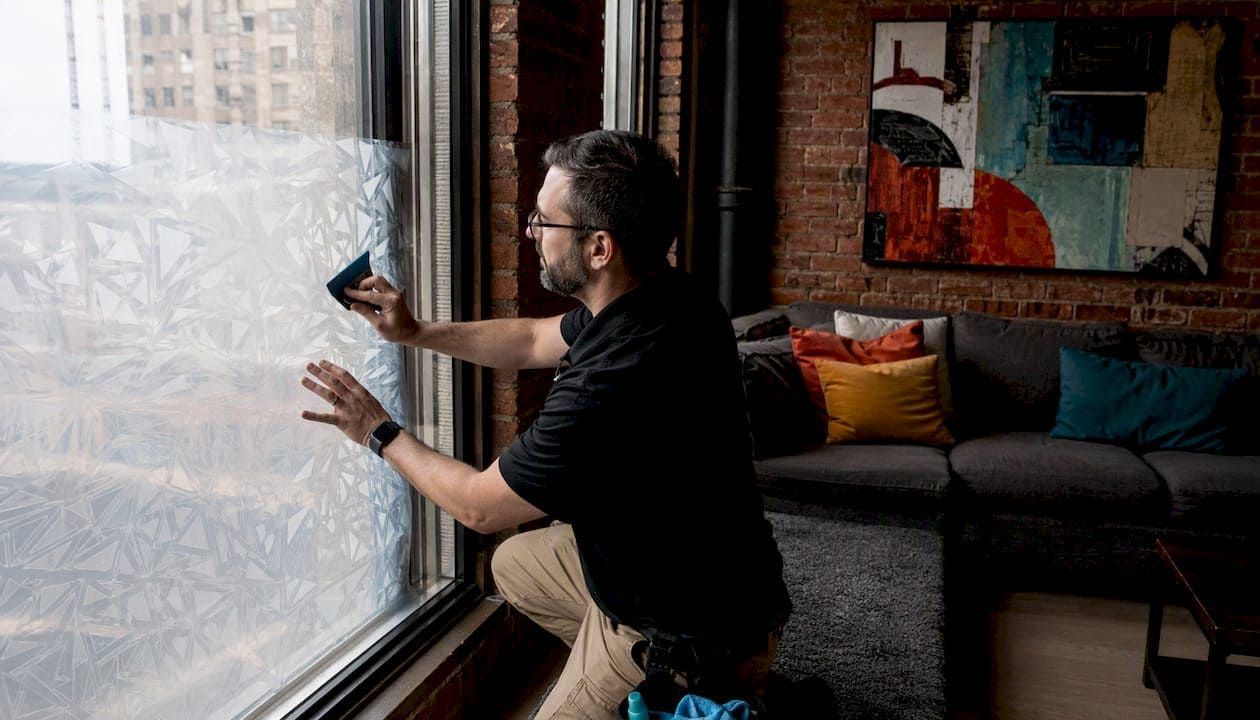
When choosing between tinted and clear films, consider the room's purpose. Tinted films offer stronger heat and glare rejection and are visible from outside. Clear or low-tint films preserve the window's appearance while still blocking UV. For historic homes or properties with HOA restrictions, clear UV films are often the right call.
How should homeowners choose and install fade-resistant solutions?
Selecting the right product starts with an honest assessment of your property. Follow these steps to make a confident decision.
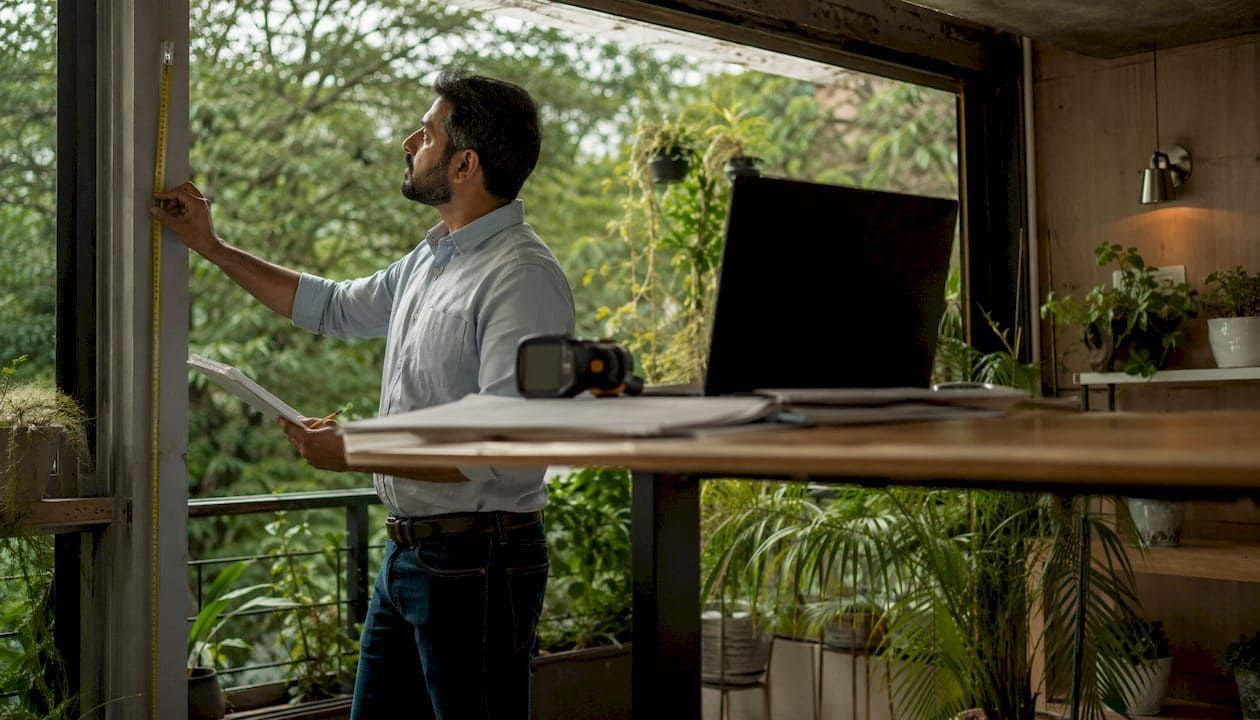
- Map your sun exposure. Walk through your home at different times of day and note which rooms receive direct sunlight and for how long. South and west-facing rooms in the Northern Hemisphere receive the most intense afternoon sun and are your highest-priority areas.
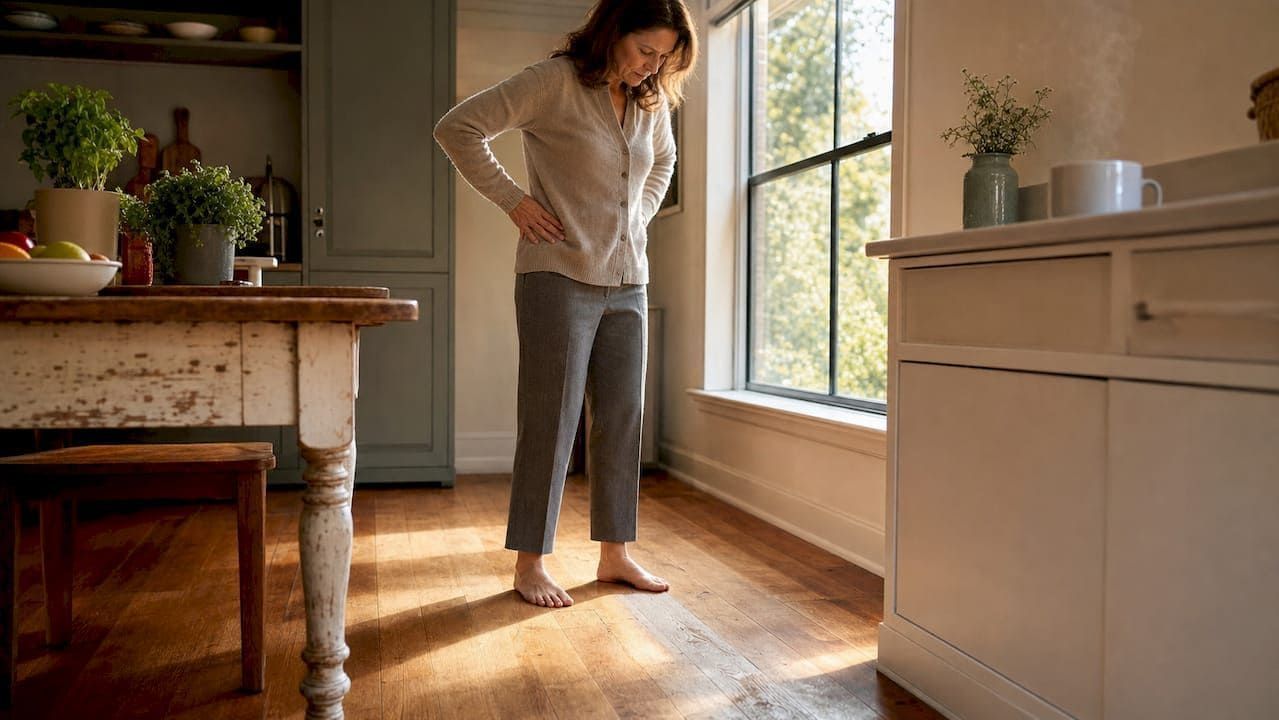
- Identify what you are protecting. Hardwood floors, wool rugs, leather furniture, and original artwork are the most vulnerable to fading. Rooms with these items should receive the highest level of UV protection available.
- Check your existing glass. If you already have Low-E windows, you have a baseline. Use a UV meter or consult a professional to measure how much UV is still passing through. Many homeowners are surprised to find measurable UV transmission even through newer Low-E units.
- Review product performance specs. Look for films rated by the National Fenestration Rating Council (NFRC) or tested to ANSI/IWFA standards. Key metrics include UV rejection percentage, total solar energy rejected (TSER), and visible light transmission (VLT). LLumar Vista films, for example, publish these specs for every product in their catalog.
- Consult a professional installer. Professional installation is the single most important factor in long-term performance. Poorly installed film bubbles, peels, and fails within a few years. A certified installer measures your windows precisely, selects the correct adhesive system for your glass type, and applies the film without air pockets or edge lifting.
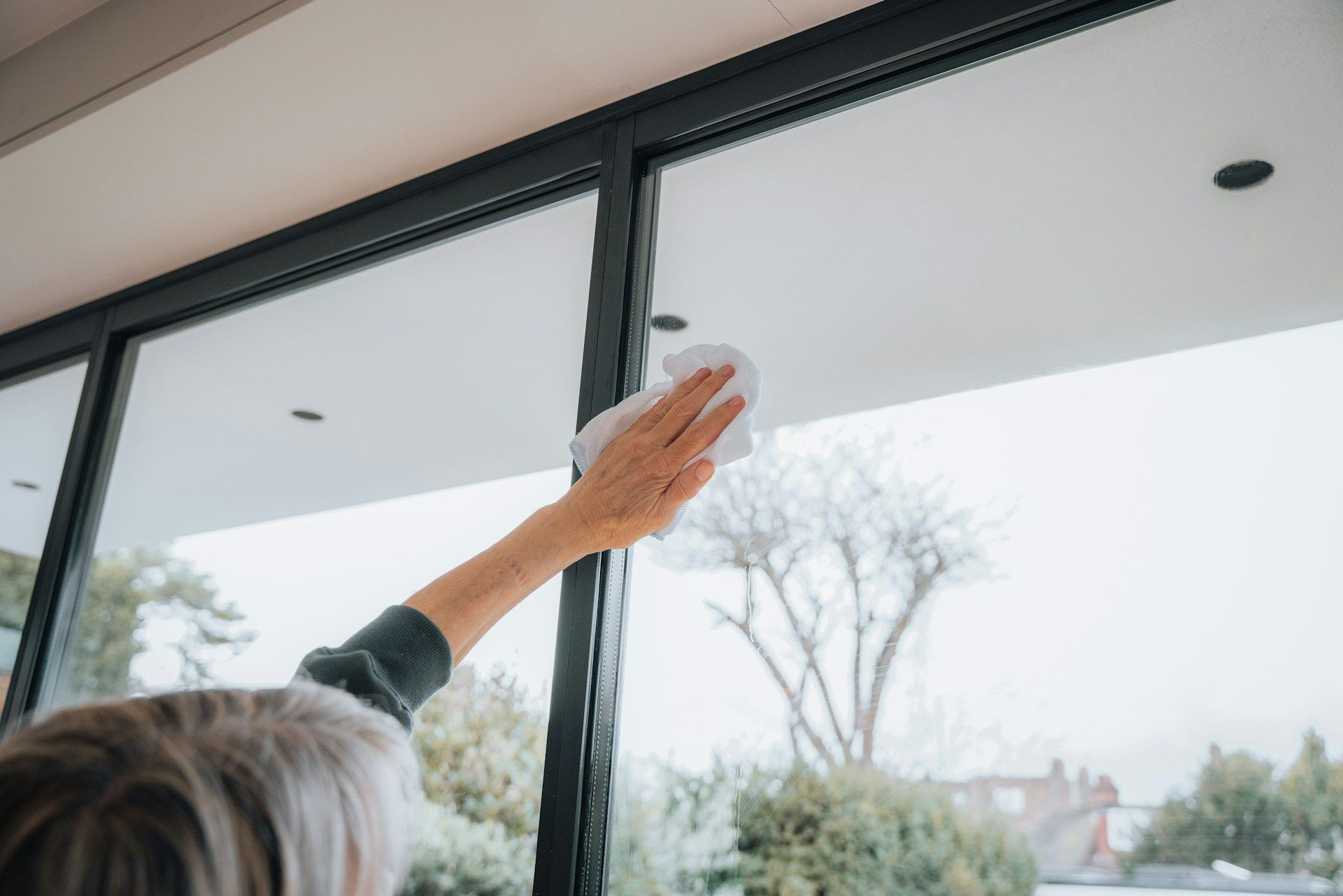
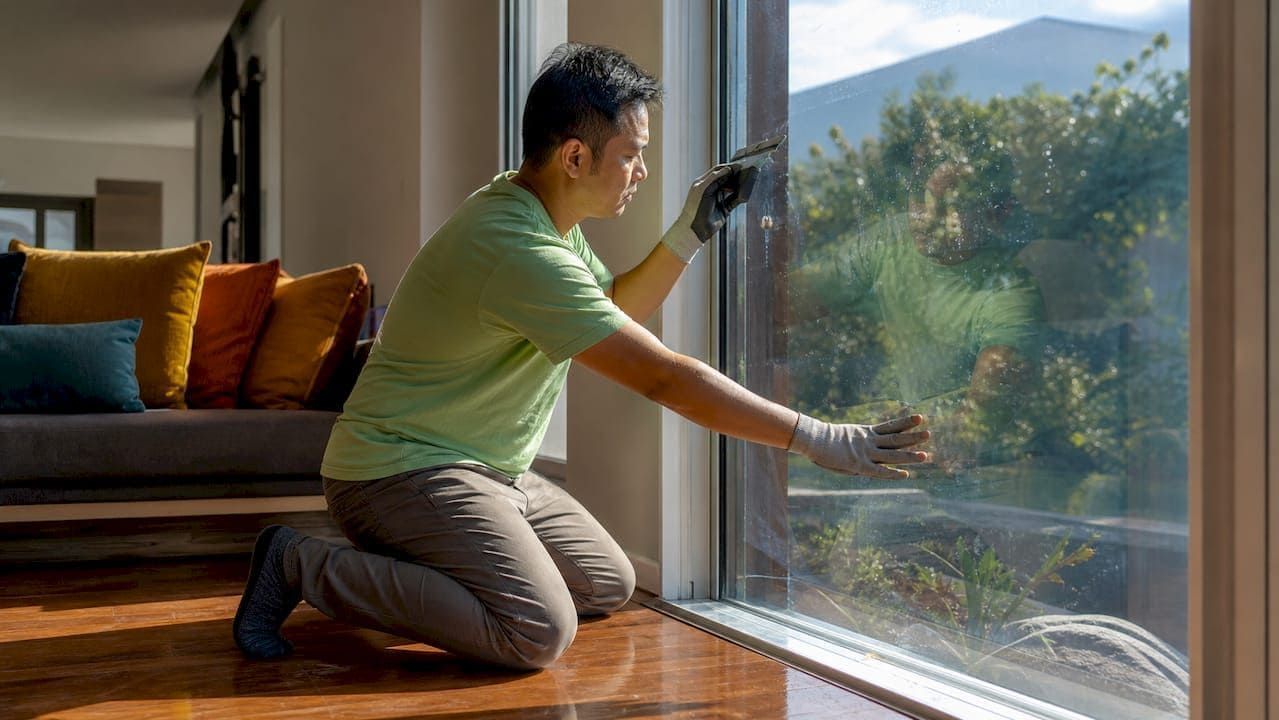
- Plan for maintenance. Quality window films from brands like LLumar carry manufacturer warranties of 10 to 15 years for residential applications. To sustain that protection, clean filmed windows with a soft cloth and a non-abrasive, ammonia-free cleaner. Avoid razor blades or abrasive pads on filmed surfaces.
The investment pays off over time. Replacing a faded hardwood floor or a set of bleached upholstered chairs costs far more than a professional film installation. Protecting those assets from the start is the more practical financial decision.
Key takeaways
Fade-resistant window solutions work best when Low-E glass and professional window film are combined, targeting the specific rooms and exposures where UV, heat, and glare cause the most damage.
| Point | Details |
|---|---|
| UV is the primary cause | UV light drives roughly 40% of interior fading, making UV rejection the top performance metric. |
| Low-E glass sets the baseline | Low-E glass reduces UV fading by up to 75–95% but may not be enough for high-exposure rooms. |
| Window film fills the gaps | Professional films achieve over 99% UV rejection and add glare and heat control where glass falls short. |
| Layer your solutions | Combining film with solar shades or lined draperies delivers the most complete interior protection. |
| Professional installation matters | Certified installation maximizes film longevity and performance, protecting your investment for 10–15 years. |
The combination nobody talks about enough
I have seen homeowners spend thousands on new Low-E windows and then call us six months later because their living room rug is still fading. The frustration is real, and it is completely avoidable. The problem is that Low-E glass was never designed to be a complete fading solution. It was designed to be an energy efficiency upgrade that also reduces UV exposure. Those are different goals.
What I have found works consistently is treating Low-E glass as the foundation and window film as the finish coat. You would not skip primer before painting a wall just because the paint is high quality. The same logic applies here. A south-facing room with floor-to-ceiling windows needs both.
The other mistake I see regularly is applying film to every window in the house when only two or three rooms actually have a problem. That wastes money and can affect the look of windows that did not need treatment. A proper assessment, room by room and exposure by exposure, tells you exactly where to invest. Targeted application almost always delivers better results than a blanket approach.
Aesthetics matter too. I have had property managers reject dark tinted films because they changed the look of the building. Clear UV films exist precisely for that situation. You do not have to sacrifice appearance to get protection. The technology has advanced to the point where the best films are nearly invisible while still blocking the UV that destroys interiors.
Protect your home's interior with Surfacetint
Surfacetint serves homeowners and property managers across Southern New Hampshire and the Greater Boston Area with professional LLumar Vista window film installation. Every project starts with a precise assessment of your home's sun exposure, glass type, and interior protection needs.
Whether you are dealing with a fading hardwood floor, a sun-baked living room, or a commercial space with UV-sensitive merchandise, Surfacetint has a tailored solution. As an exclusive LLumar SelectPro Dealer, Surfacetint installs solar window films for homes that deliver verified UV rejection, heat control, and glare reduction. Request your free residential estimate today and find out exactly which solution fits your property.
FAQ
What causes interior fading the most?
UV radiation is the leading cause of interior fading, responsible for approximately 40% of damage to floors, furniture, and fabrics. Visible light and infrared heat contribute the remaining share, which is why complete protection requires addressing all three.
Does low-e glass eliminate the need for window film?
Low-E glass reduces UV fading by up to 75–95%, but rooms with south or west-facing exposure often still experience fading and heat gain. Window film fills that gap with targeted UV rejection above 99%.
How long does window film last?
Quality window films from manufacturers like LLumar carry residential warranties of 10 to 15 years. Professional installation and proper cleaning with ammonia-free products are the two factors that most directly affect how long the film performs.
Are there fade-resistant options that do not change window appearance?
Clear UV-blocking films block over 99% of UV radiation while remaining nearly invisible on the glass. These are the preferred choice for historic homes, properties with HOA restrictions, and any situation where appearance cannot be altered.
Is window film worth it if i already have new windows?
Window film is worth it when specific rooms still experience fading, glare, or heat gain despite new Low-E glass. Film is cost-effective compared to replacing sound windows again, and it delivers targeted protection where the glass alone falls short.
Recommended