
Common Solar Window Film Installation Mistakes in New England Homes
Avoid Costly Tinting Regrets in Your New England Home
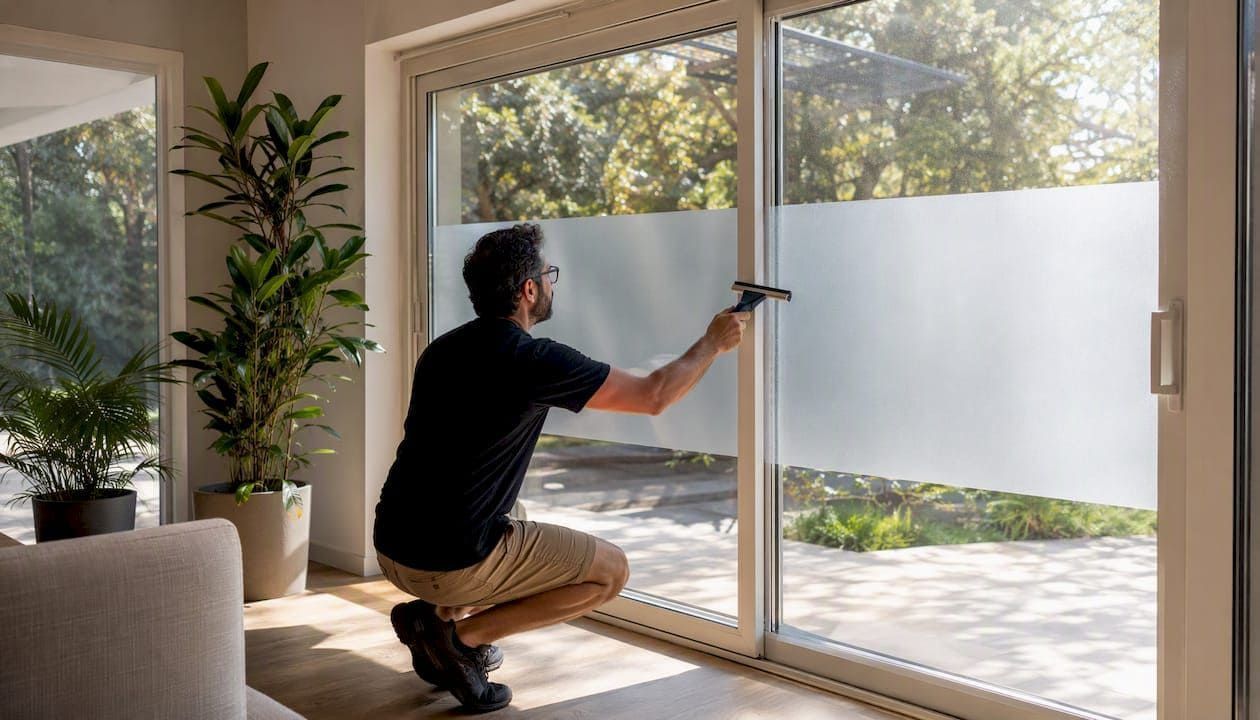
Solar window film installation can make a big difference in how your home feels every day. Done the right way, it can cut glare on your screens, help your rooms stay cooler in summer, and ease the strain on your AC. It can also block harsh UV rays that fade your floors and furniture, all while keeping your views and natural light.
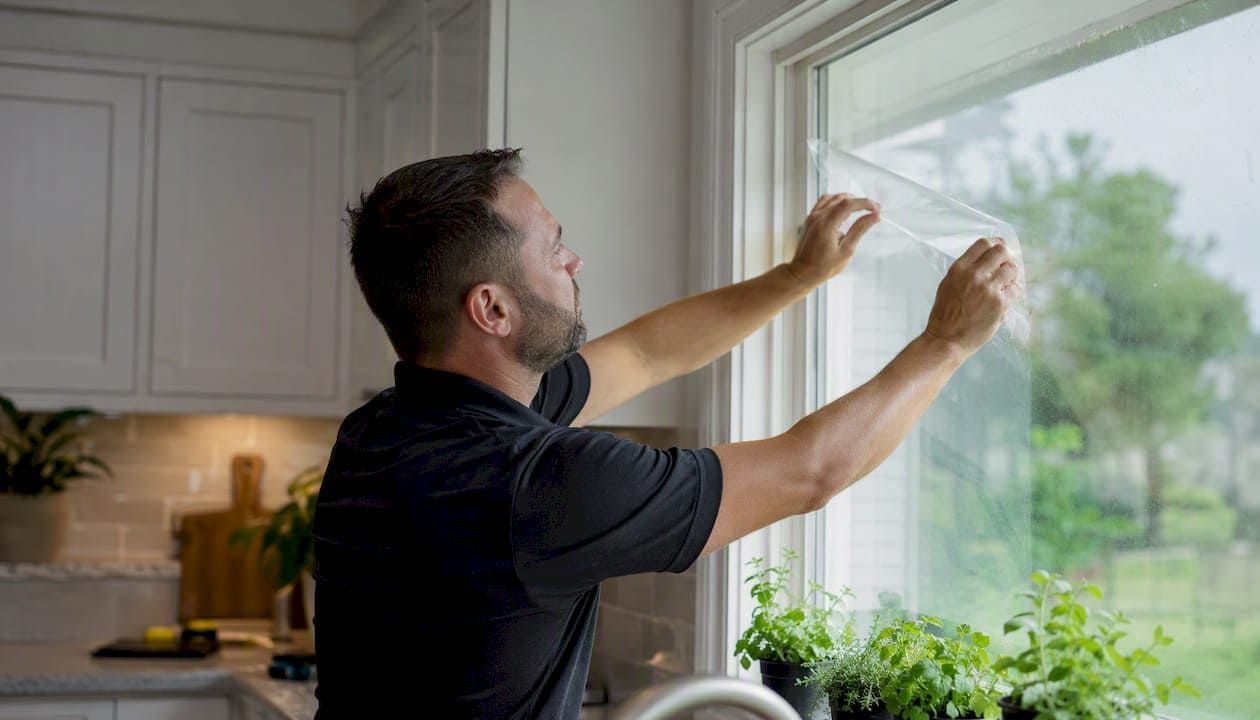
But when solar window film is installed the wrong way, the benefits quickly disappear. Homeowners who try DIY kits or hire someone without proper training often end up with bubbles, peeling corners, cloudy patches, or even damaged glass. Fixing those problems usually costs more time and money than getting it done right the first time.
In this article, we will walk through the most common solar window film installation mistakes we see in New England homes, why our local climate makes some of these issues worse, and how to avoid them by working with a professional installer who understands both the films and the glass.
Choosing the Wrong Film for New England Weather
One of the biggest mistakes is picking solar window film based only on price or looks. A dark film might seem like it will block the most heat, but that is not always true, especially in a place with four strong seasons like New England.
Our weather brings hot, humid summers, bright low-angle sun, and long, cold winters. When the wrong type of film is put on certain glass, it can create extra stress on the window. This is called thermal stress. On some insulated or low-E glass, that stress can lead to problems like:
- Cracks in the glass
- Seal failure in double-pane units
- Warping or distortion over time
- Reduced performance of low-E coatings
Low-quality dyed films can also fade, change color, or lose performance when they are exposed to strong sun and temperature swings year after year. So the film that looked good at first may not last.
High-performance solar control films, such as LLumar SelectPro Vista Films, are designed to handle both ends of the temperature range. They are built to:
- Cut heat gain in summer while still allowing useful winter sun
- Block harmful UV rays that damage interiors
- Help improve comfort without turning rooms into dark caves
Choosing the right film for New England is not just about a shade level on a sample card. It is about how the film and the glass will work together in all four seasons.
Ignoring Glass Type and Home Orientation
Another common mistake is treating every window in the house the same. Not all glass is alike, and not every side of your home gets the same amount of sun, wind, and weather.
Different types of glass you might have include:
- Tempered glass, often used in doors and large panels
- Laminated glass, used in some safety or sound control windows
- Double-pane insulated glass, common in modern homes
- Low-E glass, designed to reflect heat
Each of these reacts differently when solar window film is installed. For example, a strong heat-rejecting film that works well on a single pane might be a bad match for certain double-pane units. The wrong pairing can strain the seals, change how the glass expands and contracts, and even affect your existing glass warranty.
Orientation also matters. South and west-facing windows usually see the strongest afternoon sun, while north-facing windows may need less heat rejection and more focus on privacy or glare control. Coastal homes in our region can also face extra wind and salt air, which can change how edges and seals behave over time.
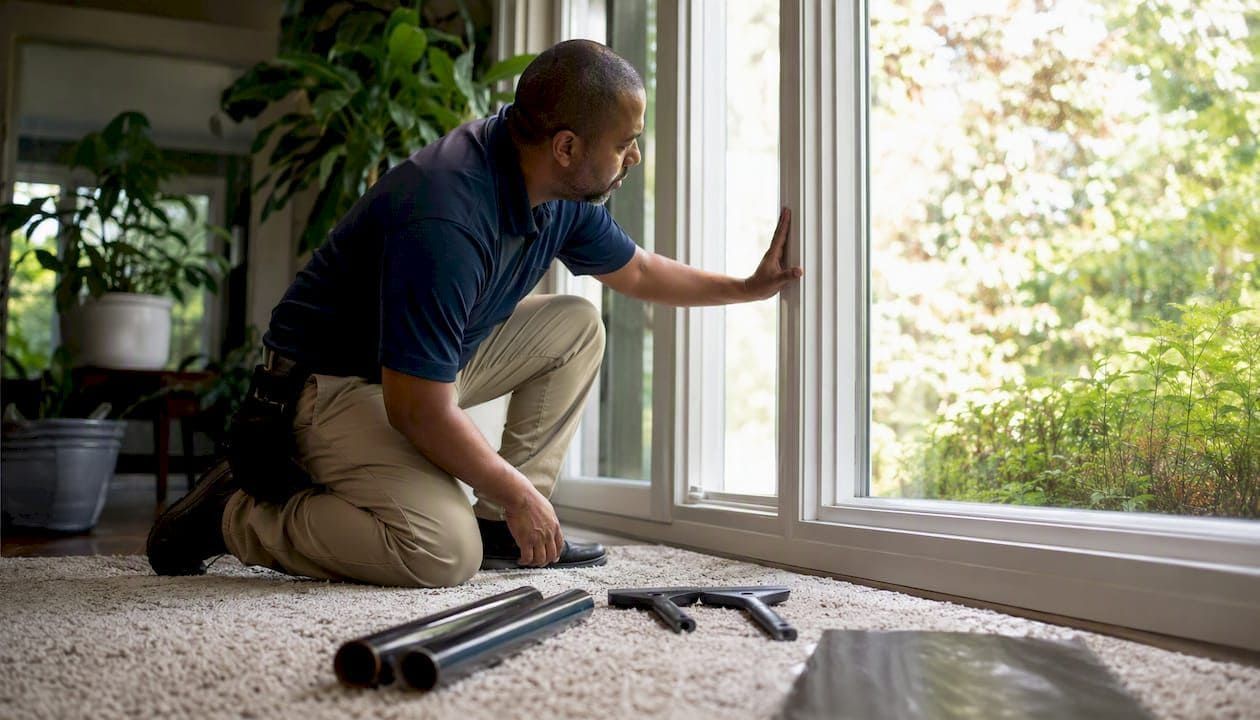
A professional solar window film installation should always start with a glass and site assessment. That means we look at:
- Glass type and thickness
- Age and condition of the windows
- Which direction each window faces
- How you actually use the rooms day to day
From there, we can recommend specific film options that balance heat control, glare reduction, and privacy, without giving up your view or natural light.
Skipping Proper Surface Prep and Installation Technique
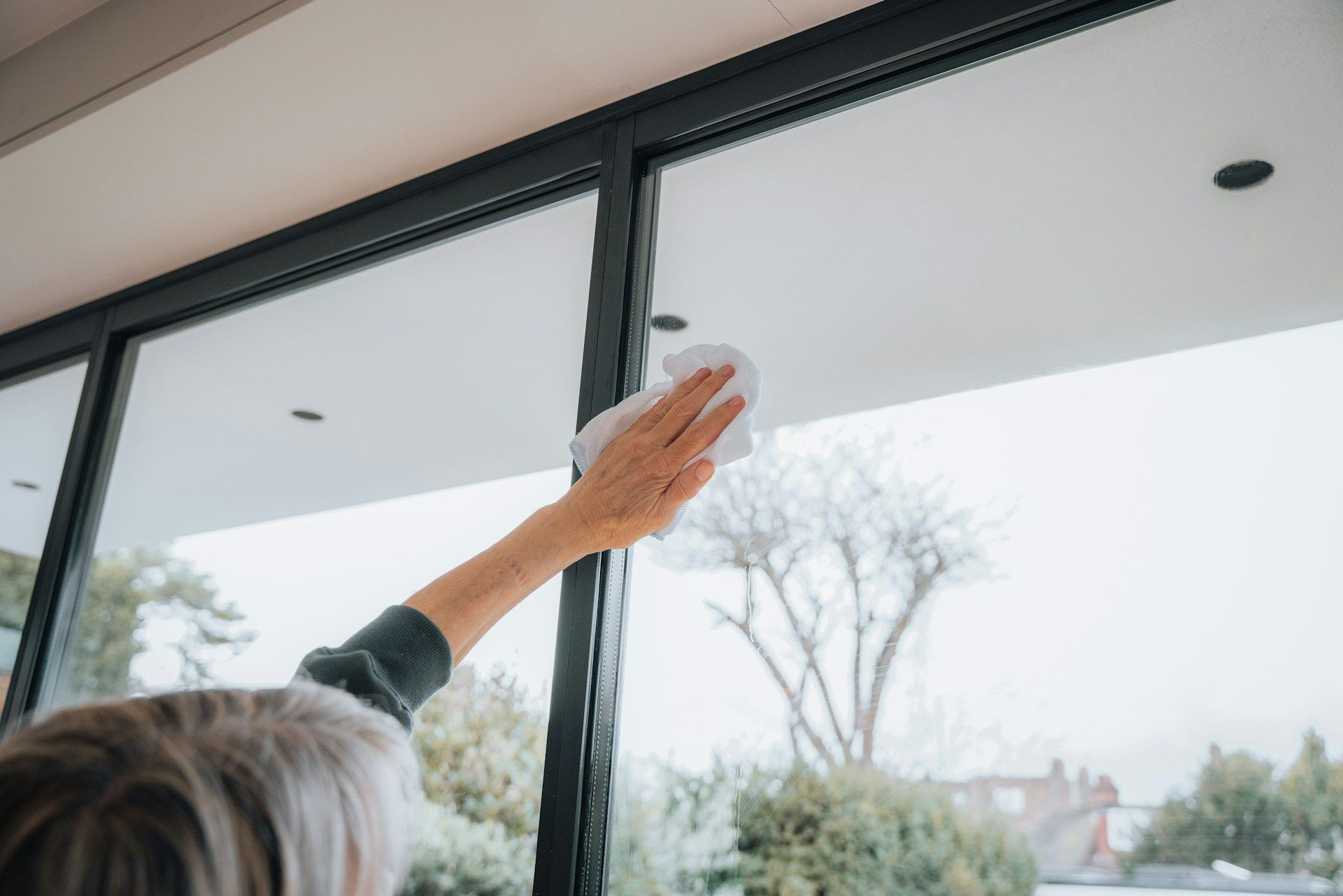
Good solar window film does not perform well if it is put onto a dirty or poorly prepared surface. Rushing through cleaning, or using the wrong products, is a quick way to end up with bubbles, streaks, or trapped dust.
Common prep mistakes include:
- Using household glass cleaners that leave soap or wax residue
- Cleaning with rough paper towels that shed fibers
- Using untreated tap water with minerals that can spot and dry under the film
- Not paying attention to edges, corners, and window frames
In New England, we also deal with a lot of extra particles in the air. Spring pollen, road salt dust, and coastal salt spray can all end up on the glass. If they are not fully removed, those tiny particles become visible bumps under the film that you see every time the sun hits the pane.
Professional installers use:
- Film-safe cleaning solutions
- Proper blades and pads to clear old debris
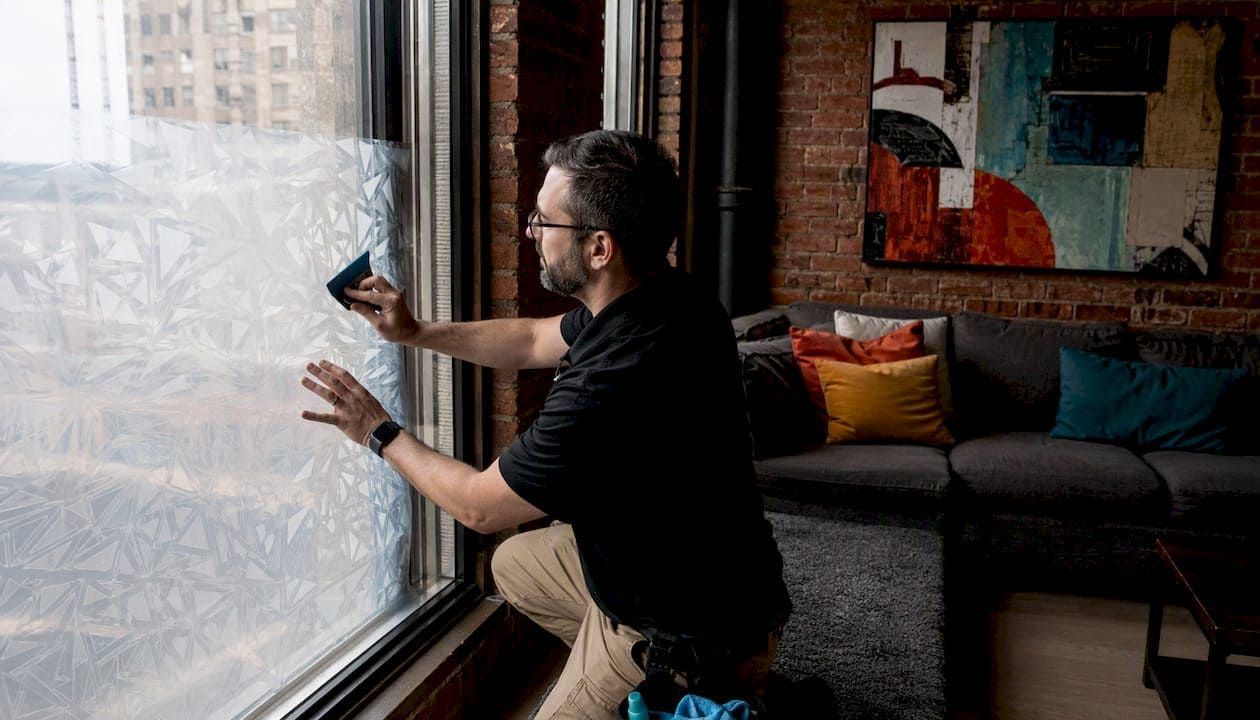
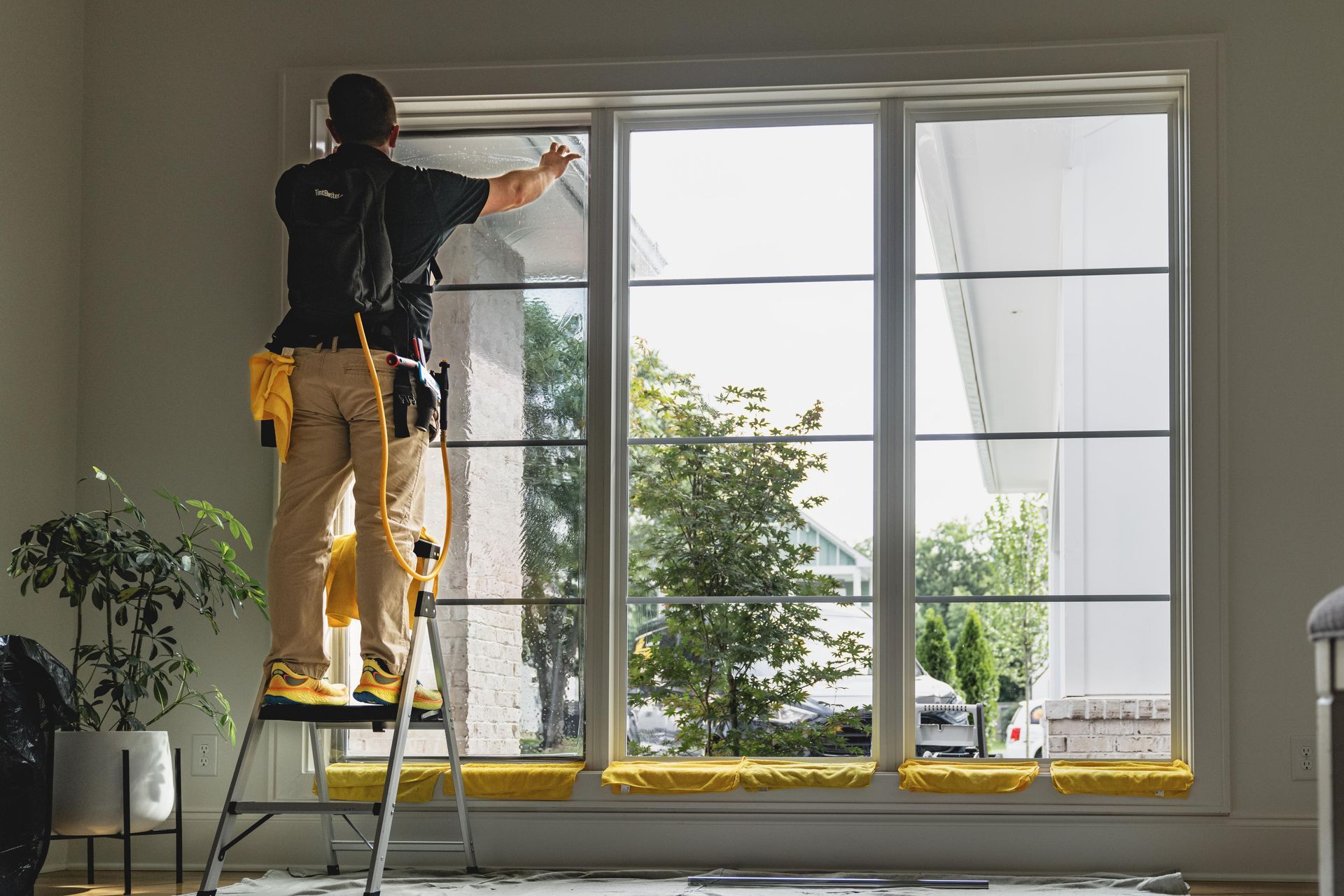
- Squeegee techniques that push contamination out, not around
- Edge detailing so the film lies flat and smooth
When cleaning, prep, and installation technique come together, the film has a better chance to bond to the glass correctly and stay put for many years.
Poor Timing and Curing in New England’s Seasonal Shifts
Even when the right film is chosen and the surface is prepped well, timing can still cause problems. Solar window film needs time to cure, which is the process of the adhesive setting and moisture working its way out from under the film.
In New England, we get:
- Sudden heat waves with high humidity
- Cool, damp stretches, especially near the coast
- Strong sun that can heat glass quickly
If film is installed during extreme heat, very high humidity, or very cold conditions, curing can slow down or act in unexpected ways. You might notice:
- Temporary haziness or a “milky” look
- Small water pockets that move and shrink
- Longer cure times before the film looks fully clear
These are often normal parts of curing, but poor timing or technique can trap extra moisture or air that does not clear properly. That is when problems like stubborn bubbles or streaks may appear.
Ideal timing for many homes is often late spring through mid-to-late summer, when temperatures sit in a more comfortable range. Skilled installers plan around weather patterns, adjust their solutions and methods, and explain what you should expect as the film cures so you know what is normal and what is not.
Overlooking Warranties, Codes, and Long-Term Care
The last big mistake is treating solar window film as a “set it and forget it” product without thinking about warranties, local rules, or basic care.
Skipping the fine print can lead to:
- Voided glass or film warranties if unapproved films are used
- Trouble with local energy or building codes if rules are ignored
- Shorter film life because of harsh cleaners or rough tools
Professional installers provide documentation that explains:
- Which films are approved for which glass types
- What is covered if there is a film defect
- When coverage may apply to glass breakage or seal issues
- How long different parts of the warranty last
Long-term care is usually simple. For most films, it includes:
- Waiting a set amount of time before the first cleaning
- Using soft cloths or squeegees instead of abrasive pads
- Avoiding ammonia-based or harsh cleaners
- Periodically checking edges and corners for wear
With the right film, proper installation, and basic care, solar window film can help your New England home stay more comfortable in every season and protect your interiors for many years.
Homeowners across Southern New Hampshire and the Greater Boston area who want professional help with solar window film installation can turn to Surface Dynamics Window Tinting. We work with LLumar SelectPro Vista Films and focus on matching each film to your glass, your home’s orientation, and how you live in your space, so you can enjoy the benefits of window tint without the common headaches.
Enhance Comfort And Efficiency With Professional Solar Film
If you are ready to reduce glare, protect your interiors, and improve home comfort, our team at
Surface Dynamics Window Tinting is here to help. Explore how our expert
solar window film installation can be tailored to your windows and your goals. We will walk you through product options,
provide a clear estimate, and schedule work at a time that suits you. Have questions or need a quick quote? Just
contact us and we will respond promptly.