
5 Ways Window Film Reduces Energy Costs in Boston Winters
Boston winters are notoriously harsh, bringing icy winds, frigid temperatures, and heating bills that can soar sky-high for local homeowners. For property managers and residents alike, finding cost-effective solutions to stay warm and comfortable all season is a top priority. That’s why
window film is rapidly gaining popularity among Boston residents looking for
energy savings and increased indoor comfort. Unlike basic plastic sheeting or heavy drapes, advanced window films—especially ceramic, low-E, and insulating types—turn ordinary glass into a powerful energy-saving barrier. They help lock in warmth, minimize cold drafts, and reduce energy consumption without compromising on natural light or aesthetics. In this comprehensive guide, we break down the five most effective ways
window film reduces energy costs for Boston homes during winter—and how choosing the right film can elevate your property’s energy performance all year long.
Table of Contents
- 1. Improved Window Insulation
- 2. Reduced Heat Loss Through Glass
- 3. Enhanced HVAC Efficiency
- 4. Minimizing Drafts and Blocking Cold Spots
- 5. Stable Interior Temperatures and Comfort
- Bonus: Comparing Ceramic, Low-E, and Insulating Films
- Frequently Asked Questions (FAQ)
- Conclusion & Boston’s Best Window Film Solutions
1. Improved Window Insulation
Quality window insulation is one of the most important factors for maintaining a cozy indoor environment in Boston’s winter months. While older windows often leak heat, modern window films boost insulation by creating a near-invisible barrier against outdoor cold. With options like low-E (low-emissivity) and multi-layer ceramic films, homeowners can increase their glass’s insulation value (R-value) by up to 80%. This translates to less heat escaping your home, reduced reliance on heating systems, and meaningful monthly energy savings.
| Window Type | Untreated R-Value | With Film R-Value | % Insulation Improvement |
|---|---|---|---|
| Single Pane | ~0.9 | ~1.6–2.0 | 75–120% |
| Double Pane | ~2.0 | ~2.6–3.0 | 30–50% |
Choosing advanced window film is a fast and cost-effective upgrade for homes with older, less energy-efficient windows.
2. Reduced Heat Loss Through Glass
Glass is a major culprit in heat loss for most Massachusetts homes, even with double panes. Window film works by reflecting radiant heat back into your living spaces and limiting how much heat radiates outward. The result? You retain more warmth—especially at night, when heat loss is most pronounced. Boston homeowners report measurable reductions in winter heating costs when applying insulating films, often seeing 10–25% energy savings compared to untreated glass. This is particularly valuable for older properties with historic windows where full replacements aren’t practical.
| Scenario | Before Film Install | After Film Install |
|---|---|---|
| Room Temperature (°F) | 67 | 71 |
| Average Monthly Heating Cost | $340 | $260 |
When combined with other upgrades like weather-stripping, window film is a smart, ROI-focused solution for Boston’s coldest months.
3. Enhanced HVAC Efficiency
Boston property managers know that keeping buildings warm isn’t just about turning up the heat—it’s about making HVAC systems work smarter, not harder. By blocking heat leaks and reducing cold spots near windows, energy-efficient films lower overall heat demand. This means furnaces and boilers don’t cycle as frequently, prolonging system lifespan and saving money on both fuel and maintenance. Enhanced insulation from window films ensures every dollar spent on heating stays inside your home as long as possible. For larger buildings, this can represent thousands in annual savings—and a much more comfortable winter for tenants and guests.
4. Minimizing Drafts and Blocking Cold Spots
Even tiny window gaps can create chilly drafts and localized discomfort. Modern window films serve as draft shields, especially when paired with correct sealing practices. They address one of Boston’s most persistent winter myths: that cold spots are unavoidable near exterior glass. By blocking both infrared heat transfer and airflow around window edges, high-performance films help create a uniform temperature from wall to wall. This leads to fewer blanket “hot spots” near vents, improved comfort for all residents, and a more robust energy envelope throughout the home.
5. Stable Interior Temperatures and Comfort
One of the most touted
benefits for Boston homeowners is the ability of window films to stabilize indoor temperatures. These films mitigate rapid shifts during the day (such as sunny mornings followed by cold afternoons) and hold warmth overnight. Consistent temperatures equal less thermostat fiddling, greater comfort, and a noticeable reduction in heating costs. In multi-story homes, residents often see the greatest difference on upper levels where heat loss through windows can be dramatic—but all Boston properties benefit from the upgraded temperature control window films deliver.
Bonus: Comparing Ceramic, Low-E, and Insulating Films
Not all window films are created equal. Here’s a breakdown of the leading technologies for Boston winters:
| Film Type | Energy Savings | Winter Performance | Clarity/Aesthetics | Lifespan |
|---|---|---|---|---|
| Ceramic | Up to 25% | Excellent | Very High | 10+ Years |
| Low-E | 15–22% | Great | High | 7–12 Years |
| Insulating | 14–20% | Good | Neutral | 5–8 Years |
Choosing the right film depends on your goals—need maximum ROI and longevity? Go ceramic. Want classic looks and a strong energy boost? Low-E or advanced insulating films are smart alternatives.
Frequently Asked Questions (FAQ)
How much does window film installation cost in Boston?
Most homes pay $7–$12 per square foot, depending on film type and coverage. Professional installation ensures optimal results.
How long does energy-saving window film last?
Ceramic and low-E films typically last 7–15 years, with warranties covering color stability and performance.
Will window film work on double-pane windows?
Yes—most modern films are compatible with single- and double-pane windows. Ask your installer for recommendations specific to your glass type.
Can window film really lower my heating bill?
Yes. Boston homeowners regularly report 10–25% lower heating costs after professional installation.
Is window film removable in the spring?
High-performance films are permanently applied but can be safely removed by professionals when needed.
Will it block my outdoor view or sunlight?
Advanced films offer excellent visibility and natural daylight, while filtering UV and infrared radiation.
How soon can I clean my windows after installation?
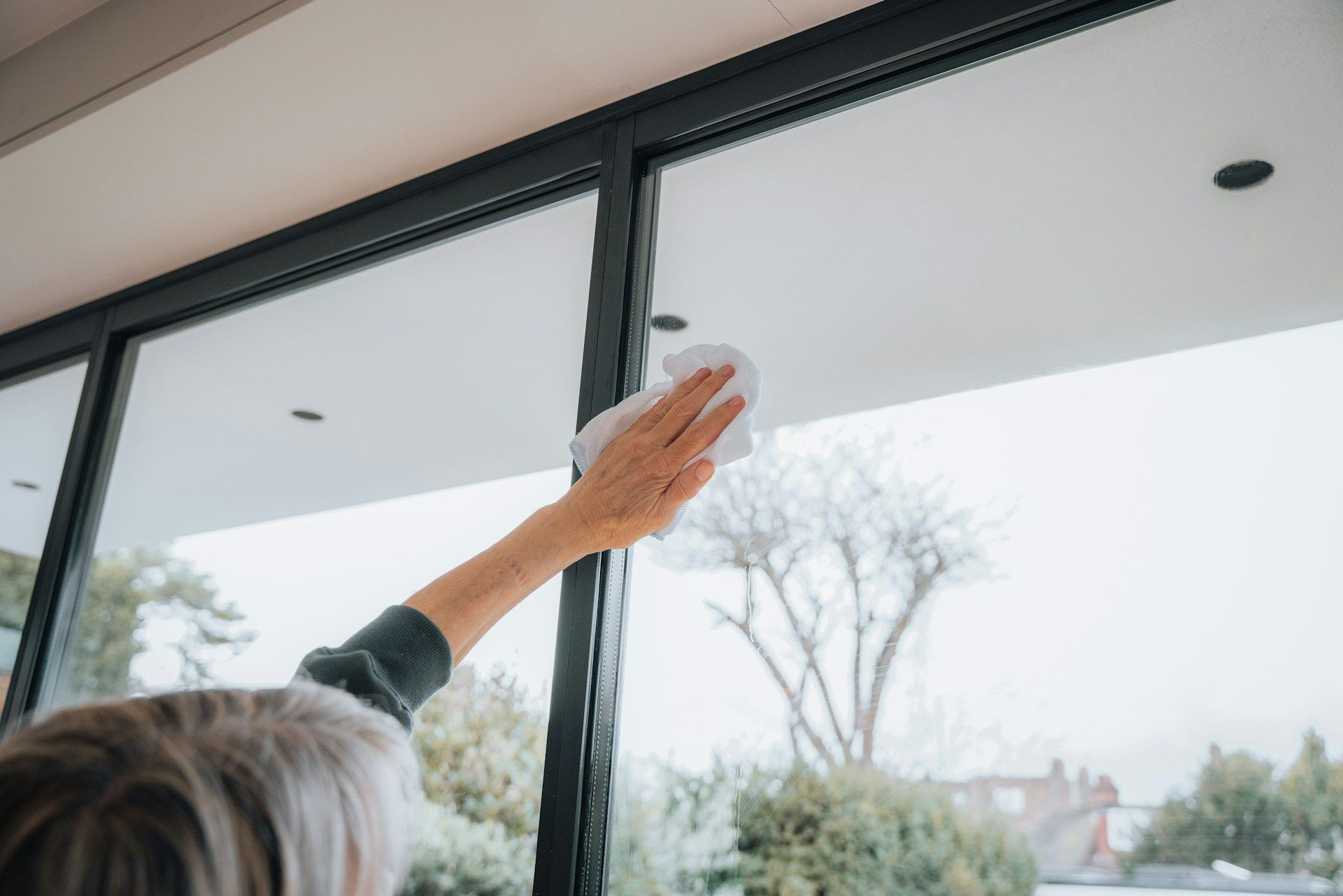
Wait at least 7 days to allow proper curing, then use a soft cloth and ammonia-free cleaner.
Does energy-efficient film affect window warranties?
Most major film brands offer their own window warranty coverage; ask your installer for details before application.
Can I combine window film with other insulation methods?
Absolutely—films work well alongside weather-stripping, caulking, and insulated drapes for maximum benefit.
What’s the best film for Boston’s winter climate?
Ceramic and low-E films consistently deliver the greatest winter energy savings and occupant comfort for New England homes.
Conclusion & Boston’s Best Window Film Solutions
For Boston homeowners and property managers, upgrading with advanced window film isn’t just smart—it’s essential for staying comfortable and reducing energy costs throughout the harsh New England winter. By boosting insulation, minimizing heat loss, enhancing HVAC performance, blocking drafts, and keeping indoor temperatures stable, today’s high-tech films deliver excellent long-term ROI.
Contact Surface Dynamics Window Tinting in Boston, MA, today at (617) 229-5088 for expert recommendations, professional installation, and a free estimate. Enjoy lower heating bills, enhanced comfort, and complete peace of mind knowing you’ve made the right choice in energy-saving window technology.