
Advanced window film concepts: maximize efficiency & safety
TL;DR:
- Advanced window films can achieve significant HVAC savings without replacing windows.
- They reject infrared heat, UV rays, and glare while transmitting natural light, improving energy efficiency and safety.
- Proper professional installation ensures maximum performance, durability, and compliance, offering a cost-effective upgrade.
Replacing every window in your home or office sounds like the obvious path to better energy performance and safety. But here's what surprises most property owners: 25-38% HVAC savings are achievable with advanced window film on single-pane glass, and 12-18% on double-pane, without touching a single frame. For homeowners and commercial property managers across Southern New Hampshire and the Greater Boston Area, that's a significant number worth understanding. This guide breaks down how today's high-performance window films work, what the real-world results look like, and how to choose and install the right product for your specific property.
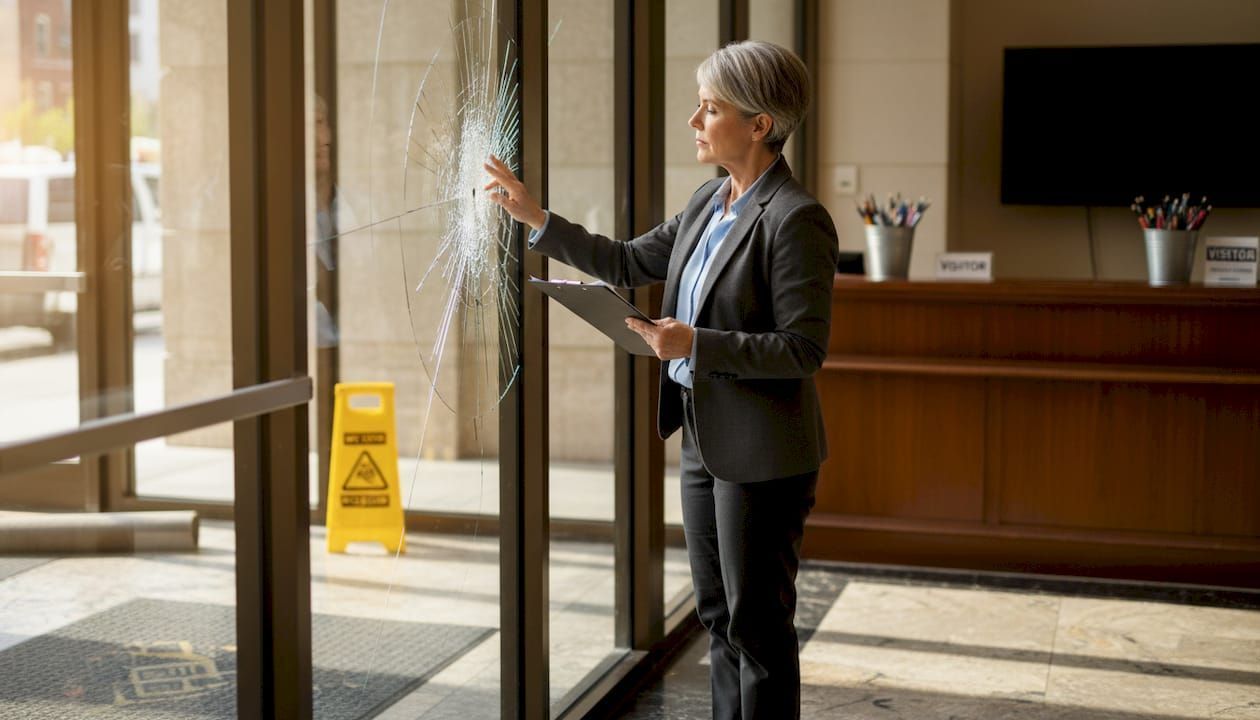
Table of Contents
- How advanced window films work
- Real-world energy savings and safety benefits
- Key considerations for selecting advanced window films
- Installation best practices and maintenance tips
- Why advanced window films are the 'hidden upgrade' homes and businesses ignore
- Next steps: Get expert help for your project
- Frequently asked questions
Key Takeaways
| Point | Details |
|---|---|
| Major energy savings | Advanced window films can cut heating and cooling costs by up to 38 percent in the Northeast. |
| Not just for summer | Dual low-e films help retain heat in winter and reject excess heat in summer for year-round comfort. |
| Safety included | Safety window films add glass strength, reduce storm risk, and protect against break-ins. |
| Certified install matters | Professional IWFA-certified installation is vital to film performance and warranty. |
| Lasts for years | Properly installed interior films can last 15 to 20 years with minimal care. |
How advanced window films work
Not all window films are created equal. The products available today are a far cry from the dark, reflective tints people remember from decades past. Modern films are engineered at the molecular level to solve specific performance problems.
Advanced window films use multi-layer polyester with nano-ceramic particles, metallic coatings, or micro-layered optics to selectively reject infrared heat (IR), UV rays, and glare while transmitting visible light (VLT). In plain terms, they let natural light in while blocking the parts of the solar spectrum that cause heat buildup and fading.
Here are the main film technologies you'll encounter:
- Ceramic films: Use nano-ceramic particles to block IR and UV without any metal content. They don't interfere with Wi-Fi, GPS, or cell signals.
- Crystalline films: Built with hundreds of micro-thin layers that work together to reject IR at a very high rate. Ideal for maximum performance in clear or lightly tinted applications.
- Low-emissivity (low-e) films: Designed to reduce heat transfer through the glass by lowering the emissivity (ε) rating. Lower ε means less radiant heat escapes in winter and less enters in summer.
- Metallic films: Use reflective metal layers for strong solar rejection, though they can interfere with wireless signals.
Three performance metrics matter most when comparing films:
- SHGC (Solar Heat Gain Coefficient): Measures how much solar heat passes through. Lower is better for cooling-dominant climates.
- VLT (Visible Light Transmittance): The percentage of visible light allowed through. Higher means brighter interiors.
- Emissivity (ε): Measures how much radiant heat a surface emits. Lower is better for year-round energy control.
| Film type | IR rejection | UV blockage | SHGC range | Best use |
|---|---|---|---|---|
| Ceramic | Up to 80% | Up to 99% | 0.25-0.45 | Homes, offices, signal-sensitive spaces |
| Crystalline | Up to 97% | Up to 99% | 0.17-0.35 | Maximum clarity with high performance |
| Low-e | Up to 75% | Up to 99% | 0.30-0.55 | Mixed climates, year-round efficiency |
| Metallic | Up to 85% | Up to 99% | 0.20-0.40 | High solar rejection, non-signal areas |
For best results in cold climates like New Hampshire, pairing high IR rejection with a low emissivity rating gives you both summer cooling and winter heat retention.
Pro Tip: Look for films with ε ≤ 0.08 for optimal energy savings in mixed climates. This spec is often listed in product data sheets and is worth asking your installer about directly.
If you're exploring solar window films for homes, understanding these three metrics will help you have a much more productive conversation with your installer.
Real-world energy savings and safety benefits
Technology specs are useful, but what do these films actually do for your property day to day? The results are more concrete than most people expect.
On the energy side, HVAC savings benchmarks show 25-38% reductions versus single-pane glass and 12-18% versus double-pane, with interiors running up to 32°F cooler on hot days. For a commercial building in Boston running central air all summer, that's a meaningful reduction in monthly operating costs. ROI typically lands in the 2-3 year range on cooling costs alone.
Here's what you can realistically expect after a professional film installation:
- Lower monthly utility bills from reduced HVAC load in both summer and winter
- Improved comfort near windows, especially in south and west-facing rooms
- UV protection blocking up to 99% of harmful rays that fade furniture, flooring, and artwork
- Reduced glare on screens and work surfaces without blocking natural light
- Glass retention during storms, accidents, or forced entry attempts
Advanced safety and solar films have been shown to reduce thermal stress fractures by up to 68% and provide meaningful protection during high-wind storm events.
Use a window film energy savings calculator to model your specific property's payback period. For Southern NH and Boston-area buildings, energy cost reductions in Boston winters are a real factor, not just a summer benefit.
Security is a growing concern for both residential and commercial clients. Safety window film benefits include holding glass fragments together after impact, which slows forced entry and reduces injury risk. The film itself is nearly invisible, so there's no visual trade-off.
Pro Tip: When projecting ROI, factor in both heating and cooling seasons. Southern NH properties see cold winters and humid summers, so year-round savings add up faster than a cooling-only estimate suggests.
Key considerations for selecting advanced window films
Seeing the value, the next step is matching window film options to your property's real-world needs and regional climate.
Southern New Hampshire and Greater Boston fall into climate zones 5-6, which means you need a film that handles both summer solar gain and winter heat loss. That's where dual low-e films shine. Look for ε below 0.08 and an SHGC above 0.55 for winter heat retention while still rejecting summer solar gain. Savings in the 15-30% range are realistic for most properties in this zone.
| Film type | SHGC | Emissivity (ε) | Best for NH/Boston climate |
|---|---|---|---|
| Standard solar | 0.25-0.40 | 0.84 | Cooling-dominant spaces |
| Low-e | 0.30-0.55 | ≤ 0.08 | Year-round mixed climate |
| Ceramic | 0.25-0.45 | 0.15-0.30 | Signal-sensitive buildings |
When evaluating your options, ask these questions:
- Does the film carry IWFA certification or meet IWFA performance standards?
- What SHGC and ε values are listed in the product data sheet?
- How will edge placement and gap tolerances be handled during installation?
- Is there a risk of signal interference based on the film type?
- What is the expected ROI timeline for my specific window type and orientation?
Older and historic homes in Boston and surrounding areas need special attention. Certain glass types and frame materials react differently to film adhesives and thermal expansion. Review tips for older Boston homes before committing to a product.
Also consider your goals. If you want both solar control and daytime privacy, understanding solar vs privacy window film differences will help you avoid choosing the wrong product. And always confirm your installer is familiar with NH and MA window film code compliance requirements before work begins.
For verified professional standards, IWFA-certified installers carry the credentials that protect your warranty and ensure proper application.
Installation best practices and maintenance tips
Choosing the right film is only part of the journey. Proper installation determines performance and warranty protection.
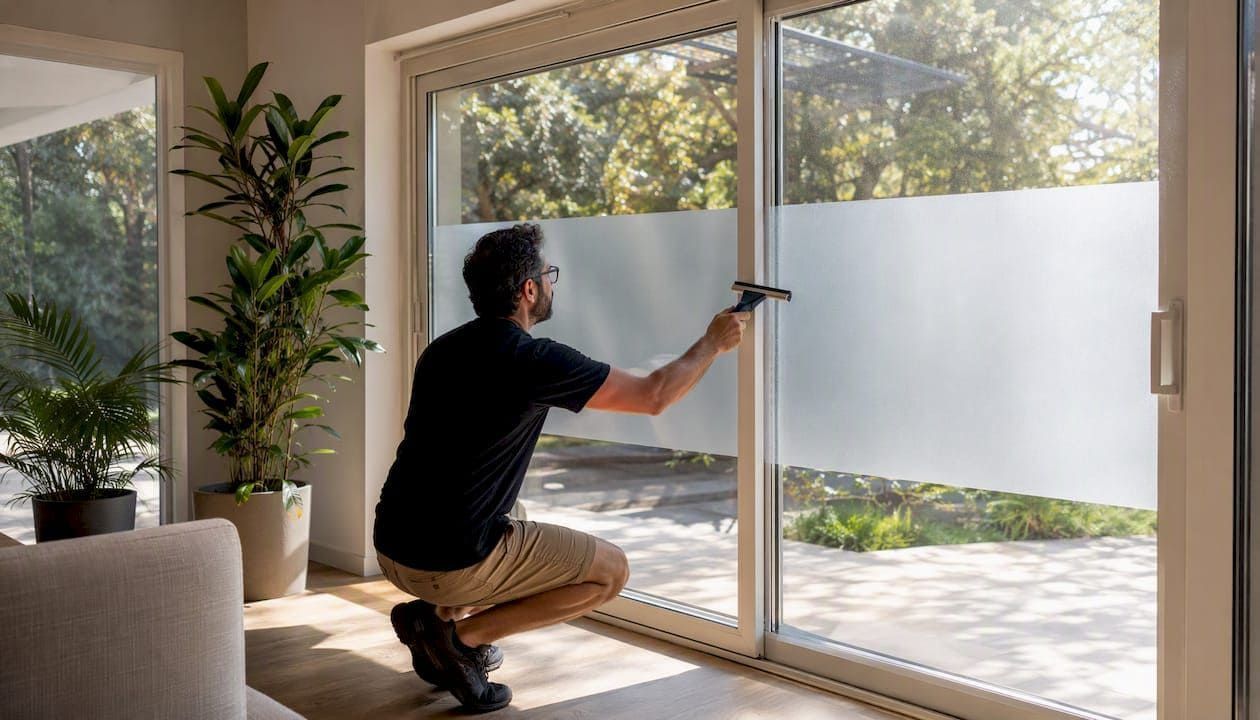
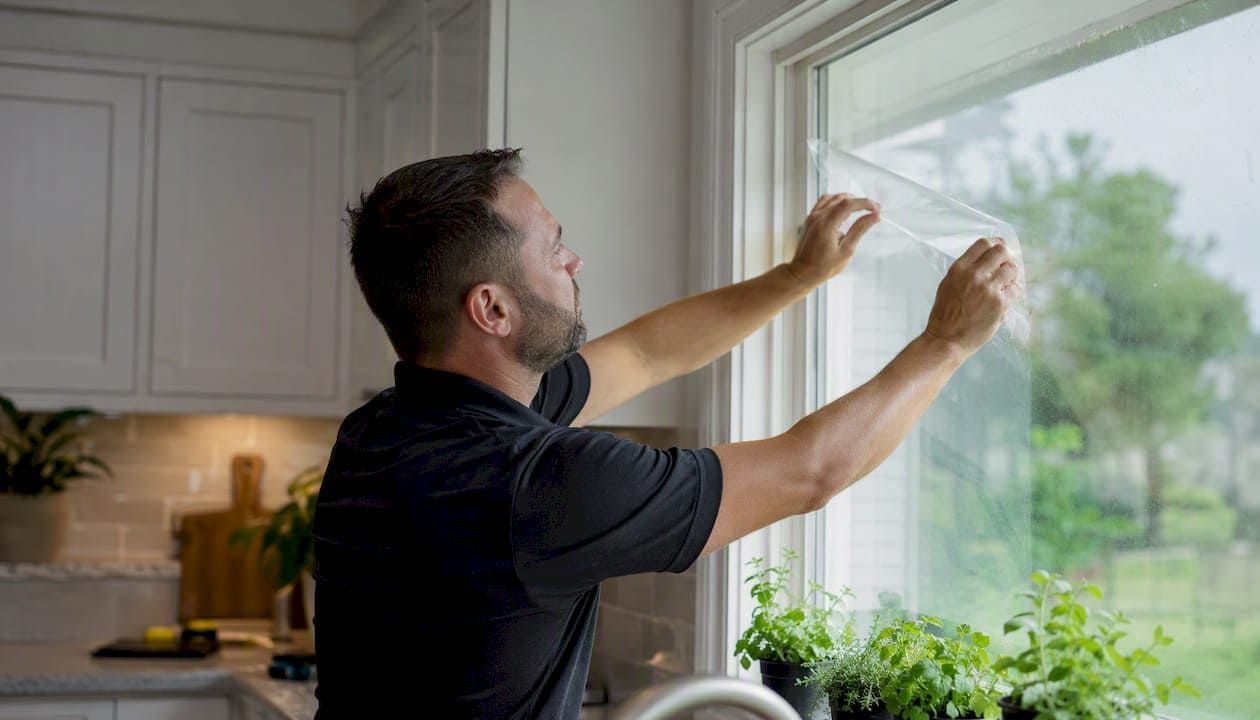
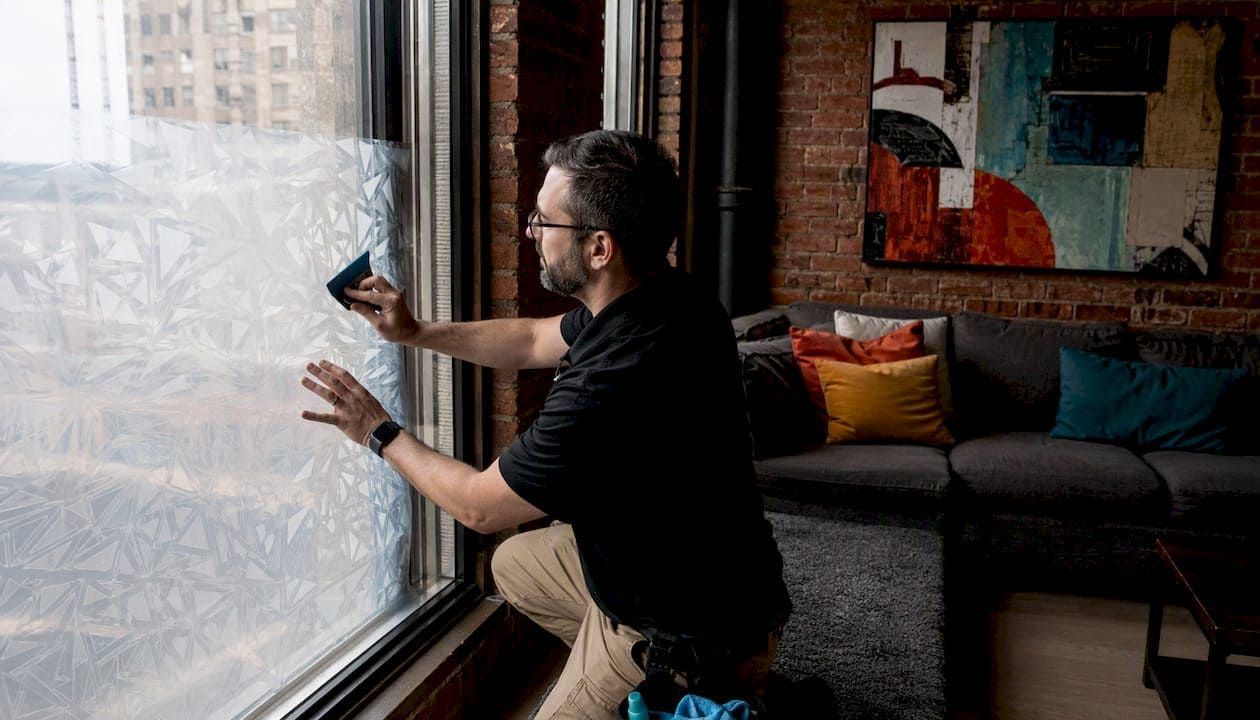
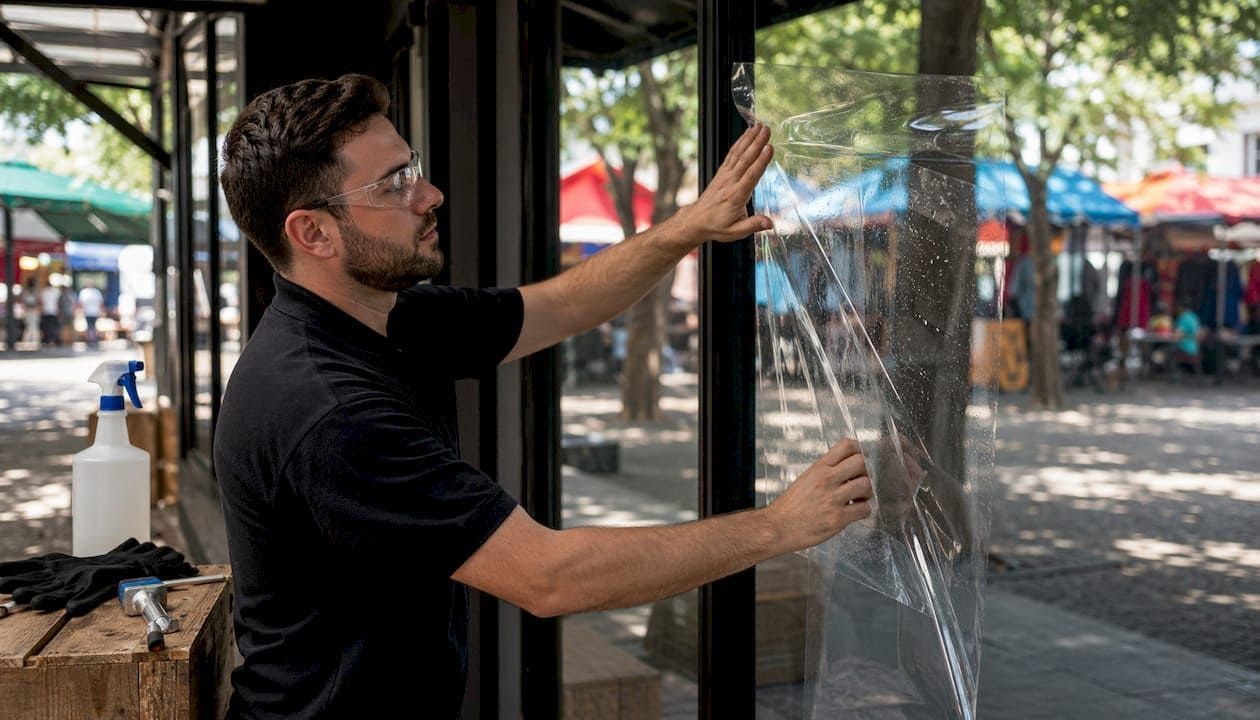
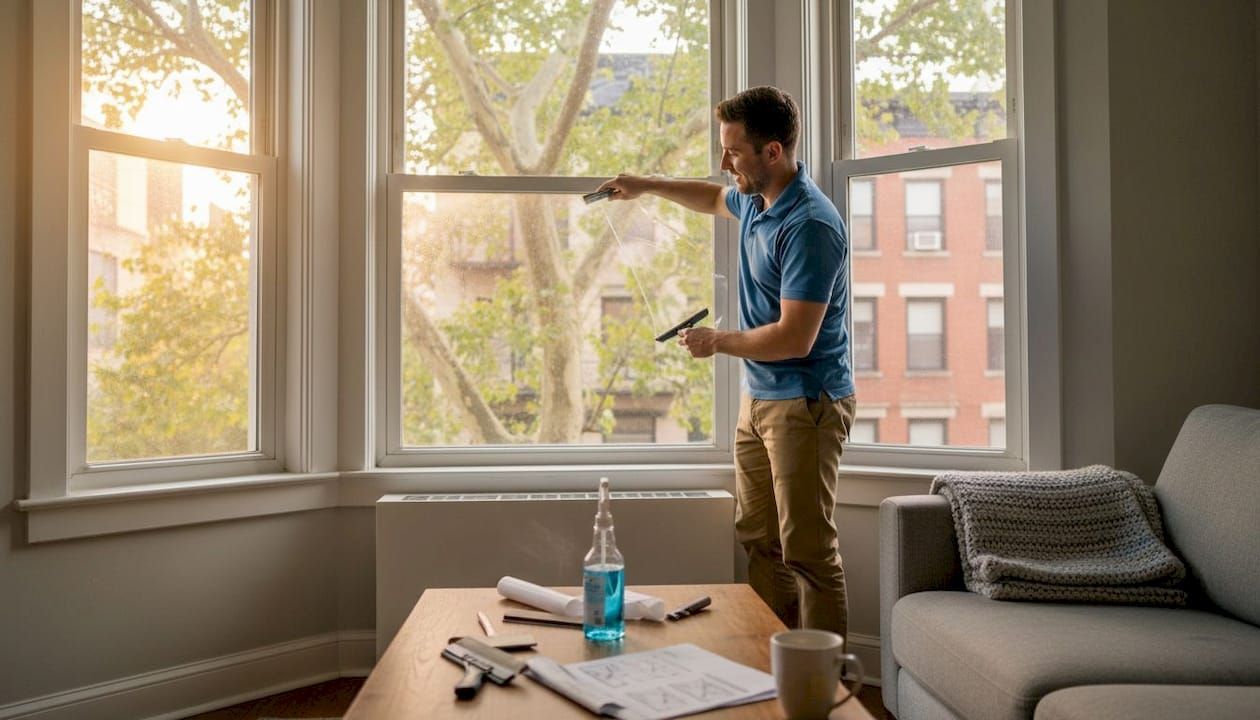
Advanced films are not DIY-friendly. The margin for error is small, and mistakes like bubbles, edge lifting, or incorrect surface placement void warranties and reduce performance. Always use a professional, IWFA-trained installer for any high-performance product.
Here's how a professional installation typically unfolds:
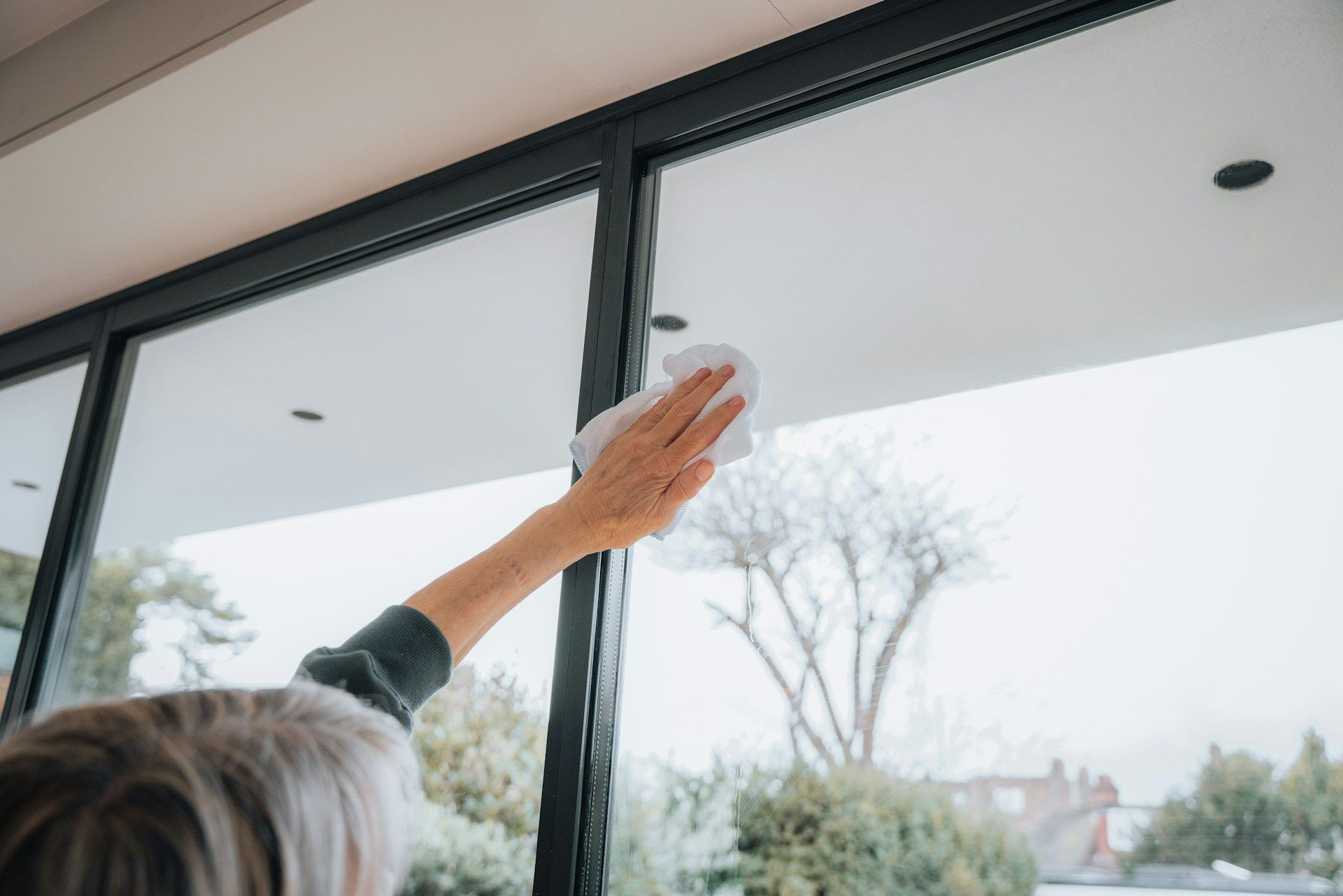
- Surface prep: Glass is cleaned thoroughly with a lint-free solution to remove all contaminants.
- Film cutting: Pre-cut or onsite cutting is done to match exact glass dimensions with proper edge gaps.
- Slip solution application: A water-based slip solution allows the film to be repositioned before final adhesion.
- Film placement: The film is applied to the interior surface (S2 or S3 for double-pane units) and squeegeed flat.
- Edge sealing: IPA-based sealant is applied at edges for safety films to prevent delamination.
- Final inspection: The installer checks for bubbles, edge adhesion, and alignment before sign-off.
Applying film to the exterior surface (S1) is only appropriate for specialized exterior-grade products. Standard films applied outside degrade significantly faster due to UV exposure and abrasion, especially in coastal or high-wind environments.
For ground-floor window security, the installation process also includes edge attachment systems that anchor the film to the frame, dramatically improving impact resistance.
If you want privacy without heavy tint, clear window film for privacy options are installed using the same professional process and deliver results that last well over a decade when maintained correctly.
Pro Tip: After installation, wait at least 30 days before cleaning the film. Use a soft cloth and mild soap. Avoid ammonia-based cleaners, which degrade the adhesive layer over time. Ask your installer for a written care guide specific to your film product.
Why advanced window films are the 'hidden upgrade' homes and businesses ignore
Here's an uncomfortable truth in the property improvement world: window replacement gets all the attention, but films often deliver better ROI in less time with far less disruption. We see this pattern repeatedly with clients across Southern NH and the Boston area.
Replacement windows are a major project. They require permits, contractor scheduling, and weeks of disruption. Advanced window films can be installed in a single day, with no structural changes, and start performing immediately. For commercial property managers especially, that difference in downtime is significant.
The misconception that films are temporary or visually obvious is outdated. Today's products are nearly invisible, carry manufacturer warranties of 10-15 years, and are designed specifically for mixed climates where both heat retention and solar rejection matter.
The real expertise is not just knowing which film to use, but matching the specific product to the building's orientation, glass type, and occupant goals. A south-facing office suite in Boston has different needs than a historic colonial home in Nashua. That level of specificity is what separates a good installation from a great one.
As we often say: the science on modern window films is clear. When installed by accredited pros, the gains can rival or surpass full glass replacement, at a fraction of the cost and timeline. If you're planning upgrades for Boston's hot summers or New Hampshire's cold winters, films deserve a serious look before you commit to anything more invasive.
Next steps: Get expert help for your project
Ready to see the difference for your property? Here's how to take the next step toward comfort, efficiency, and safety.
At Surface Dynamics Window Tinting, we work with homeowners and commercial property managers across Southern New Hampshire and the Greater Boston Area to find the right film solution for every building and budget. As an exclusive LLumar SelectPro Dealer, we install Vista Films backed by industry-leading performance data.
Start by using our interactive window film viewer to visualize how different films look on your home. Browse real before-and-after results in our home window film gallery to see what's possible. When you're ready to move forward, request a free estimate and one of our certified specialists will assess your property and recommend the best solution for your goals.
Frequently asked questions
What is the difference between low-e, ceramic, and crystalline window films?
Low-e films reduce heat transfer and emissivity for year-round efficiency, ceramics block heat and UV without signal interference, and crystalline films use hundreds of micro-layers for maximum IR rejection with high clarity.
How long does professionally installed window film last?
Quality films applied to interior surfaces (S2/S3) last 15-20 years, but exterior films degrade faster in salt-air coastal environments, sometimes 3x more quickly than interior applications.
Can window film improve home security?
Yes. Specialized safety films hold glass fragments together during storms, break-ins, or accidental impacts, and thermal stress fractures are reduced by up to 68% with proper film installation.
Is professional installation really necessary for advanced window films?
IWFA-certified installation ensures correct surface placement, edge sealing, and warranty validity. DIY attempts typically result in bubbles, delamination, and voided product warranties.
Will window film block wireless or cell signals?
Ceramic and crystalline films do not interfere with signals, while metallic films may disrupt Wi-Fi, GPS, or cellular reception in some installations.
Recommended