
Window tinting for historic houses: a homeowner's guide
TL;DR:
- Window films are reversible, interior solutions that preserve historic windows' appearance and integrity.
- They offer energy benefits, UV protection, privacy, and glare reduction while complying with district approval standards.
- Consulting with historic commissions before selecting and installing films ensures smoother approval and preserves historic character.
Owning a historic
home in Southern New Hampshire or Greater Boston comes with a particular kind of pride, and a particular kind of worry. You want to cut your heating and cooling bills, add privacy, and protect your original woodwork from fading, but you fear that any change to your windows could trigger a call from your local historic commission. Here's what most homeowners don't realize:
window films are reversible and often acceptable in historic districts, as long as they preserve the original appearance. This guide walks you through everything you need to know before you make a decision.
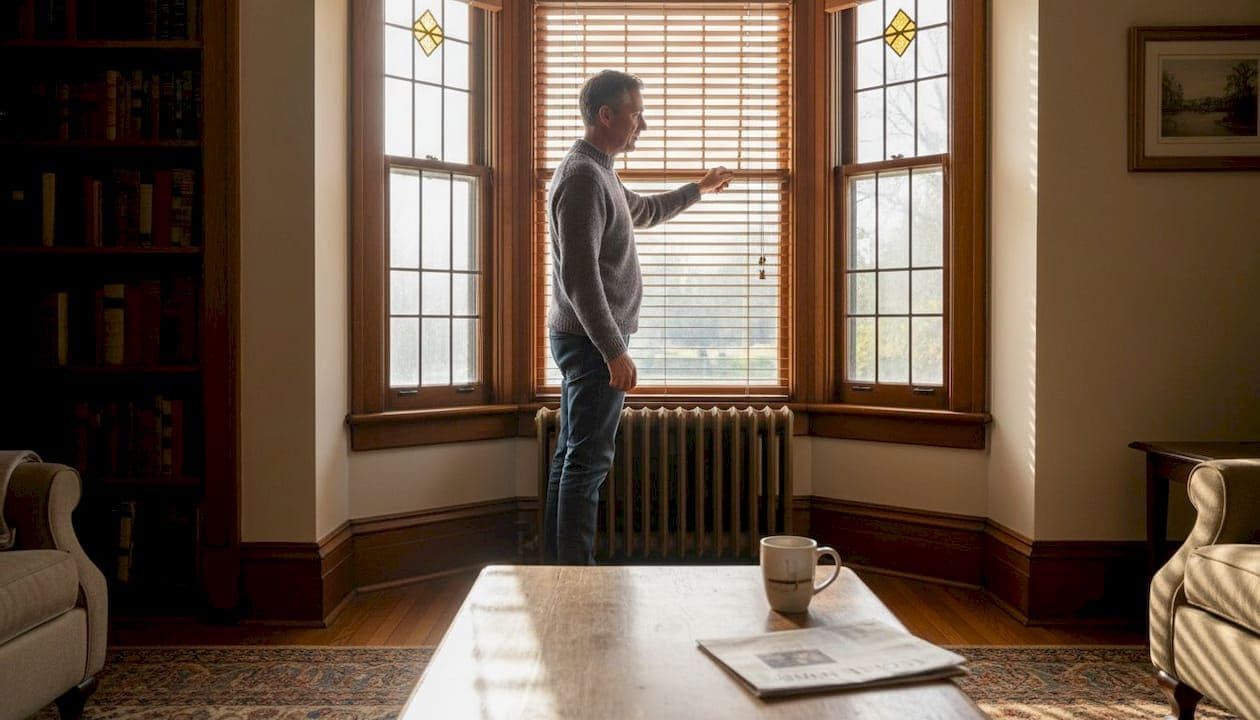
Table of Contents
- Understanding window tinting for historic homes
- Regional regulations and historic district guidelines
- Benefits of window tinting for historic homes
- Myths, limitations, and alternatives
- A preservation-minded approach: What most guides miss
- Professional window tinting for historic homes: Get expert advice
- Frequently asked questions
Key Takeaways
| Point | Details |
|---|---|
| Reversible solutions | Window films are often allowed in historic districts because they can be removed without damaging original glass. |
| Know the guidelines | Always confirm local rules before installing window tinting on historic homes—some prohibit visible tints. |
| Balance efficiency & authenticity | Films improve energy performance but may not fully replace classic storm windows where maximum insulation is needed. |
| Consult before you install | Get expert advice and commission approval to avoid costly mistakes or violations. |
Understanding window tinting for historic homes
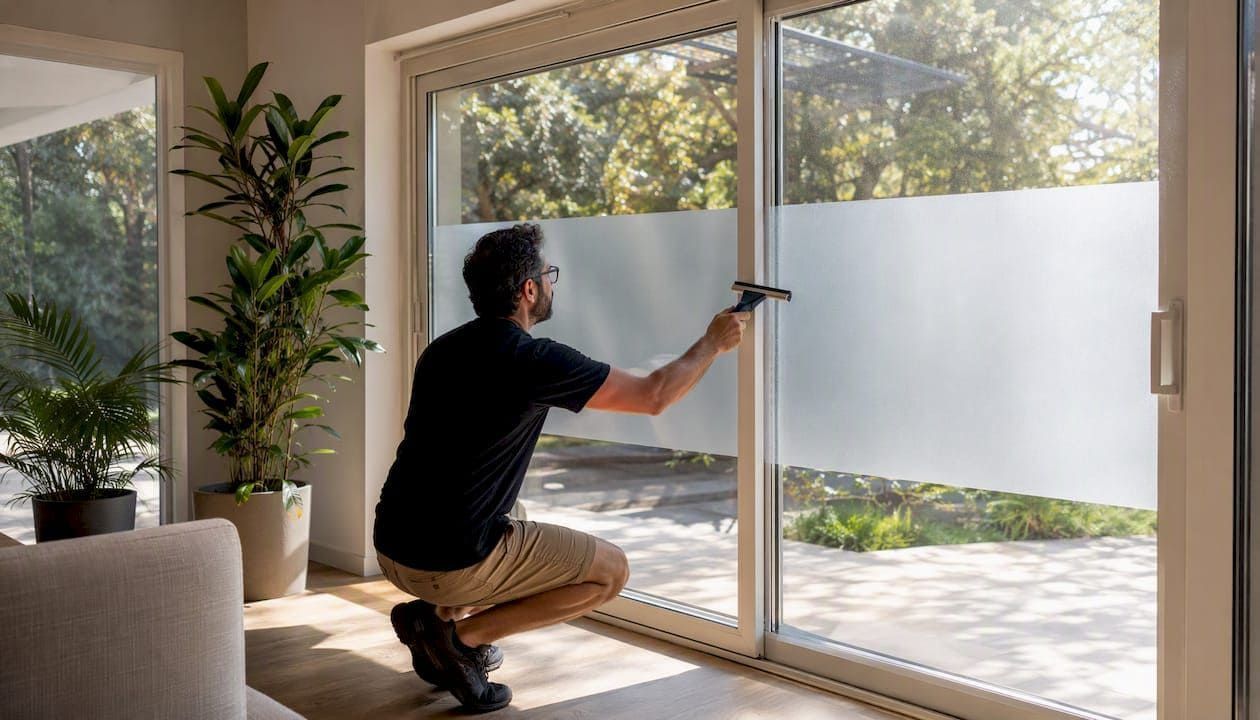
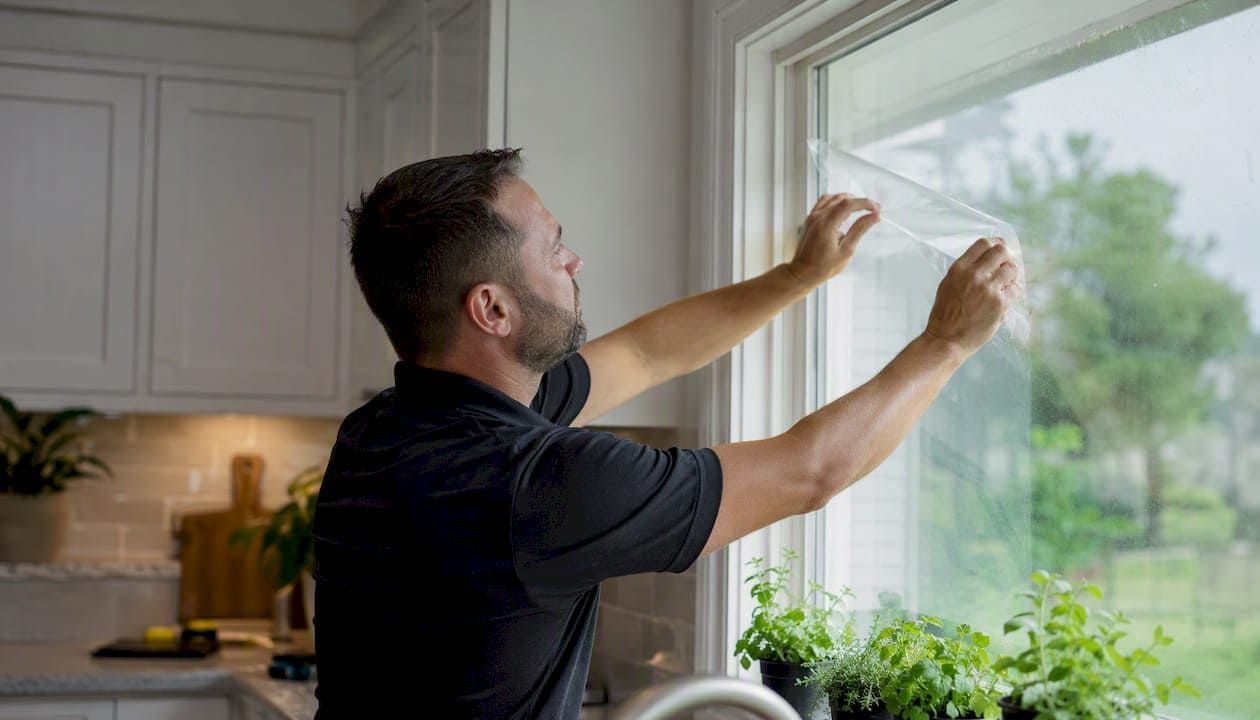
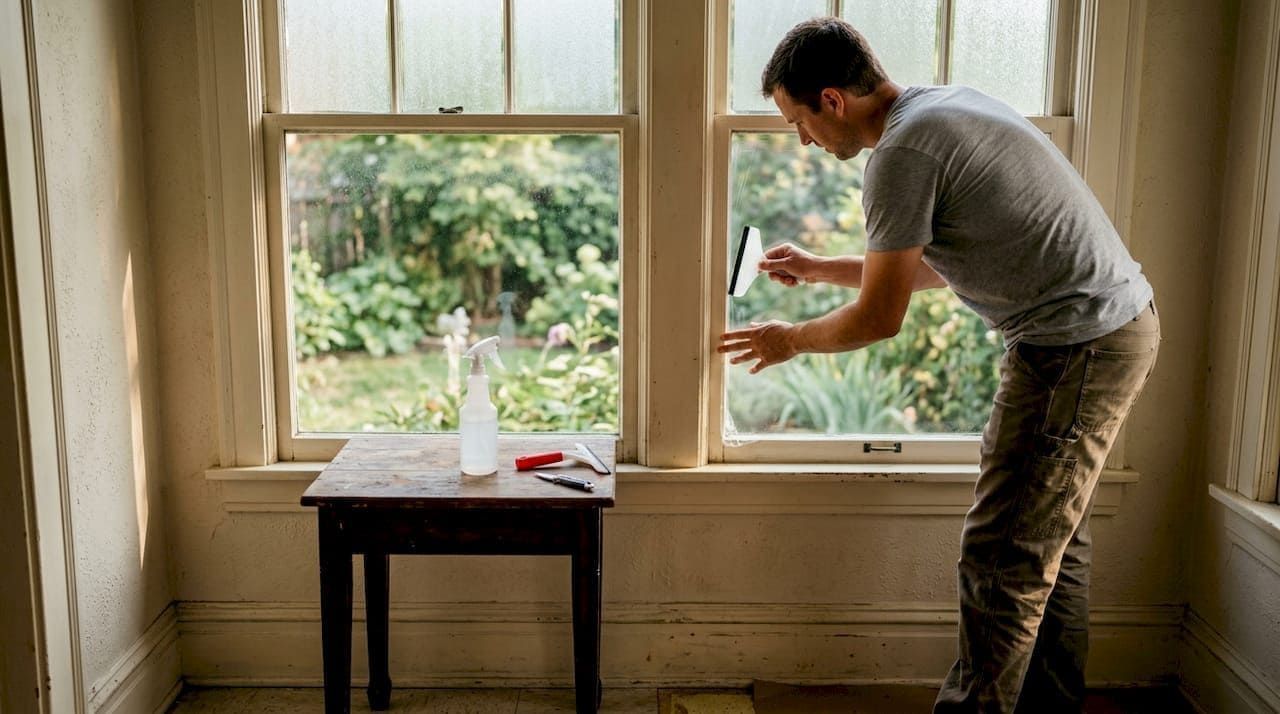
Window tinting and window film are terms people use interchangeably, but they describe the same thing: a thin, adhesive layer applied directly to the interior surface of your existing glass. Unlike a full window replacement, film does not alter the frame, the sash, or the exterior profile of your window. That distinction matters enormously when you own a historic property.
Historic homes in this region often feature original single-pane glass, wavy antique glazing, or multi-light wooden sash windows that cannot be replicated with modern units. Replacing them would destroy irreplaceable character and almost certainly require commission approval. Film, on the other hand, is applied to the inside of the glass and can be removed without damage. That reversibility is the reason window film for older homes has become a practical preservation tool rather than a compromise.
Here is what quality window film can do for your historic home:
- Block up to 99% of UV radiation , protecting wood floors, antique furniture, and artwork from fading
- Reduce solar heat gain by 40 to 80 percent depending on film type, lowering summer cooling loads
- Add privacy without replacing glass or adding exterior shutters that might not be approved
- Improve comfort by reducing cold spots near glass in winter
- Preserve original glass by leaving it untouched and fully reversible
Pro Tip: Before you select a film, photograph your windows in different lighting conditions. This gives your installer and your historic commission a clear baseline for comparing appearance before and after installation.
The key regulatory consideration is this: historic districts require approvals for exterior changes, but window films are often acceptable because they are interior modifications that preserve the outward look of the glass. The phrase "preserve appearance" is the standard most commissions apply. Neutral, low-reflectivity films that do not change the perceived color or reflectance of the glass from the street tend to pass review. Heavily tinted or mirrored films almost never do.
Regional regulations and historic district guidelines
Once you understand what window tinting offers, it's essential to navigate the approval journey. Every city and town in Southern NH and Greater Boston handles historic preservation a little differently, but the general process follows a predictable pattern.
How to seek approval in most historic districts:
- Identify your commission. Find out whether your property falls under a local historic district commission, a state register listing, or the National Register of Historic Places. Each has different enforcement powers.
- Request the written guidelines. Most commissions publish design review standards. Ask specifically about "protective glazing" or "window film" policies.
- Gather product specifications. Bring the manufacturer's data sheet for the film you are considering. Commissions want to see visible light transmittance, reflectance values, and color neutrality.
- Submit a reversibility statement. Put in writing that the film can be removed without altering the original glass. This often resolves objections immediately.
- Request a Certificate of Appropriateness if your district requires one for any window modification, even interior ones.
The tricky part: some building code compliance guidelines in this region explicitly prohibit "tinted glass" without distinguishing between a factory-tinted pane and a removable film. That language can create confusion. The solution is to present the film as a protective glazing layer, not a tinted glass product, and to emphasize its removability.
"Window films are reversible and often acceptable, but some guidelines prohibit tinted glass."
The commissions that are most receptive are those that have already reviewed protective glazing for museums and civic buildings. In those communities, the precedent is established. In communities where film is new territory, your installer's documentation and willingness to attend a commission meeting can make the difference between approval and denial.
Benefits of window tinting for historic homes
With an understanding of guidelines, let's explore why so many historic homeowners are choosing window tinting. The numbers tell a compelling story.
Energy savings and reversibility are the two reasons preservation advocates most often cite when recommending film over replacement. A well-chosen solar control film can cut summer cooling costs by 30 percent or more in a home with large original windows. You can estimate your own potential reduction using an energy savings calculator before committing to any product.
Common film types and their primary benefits:
| Film type | Primary benefit | Typical VLT range | Historic approval likelihood |
|---|---|---|---|
| Solar control (neutral) | Heat and glare reduction | 40 to 70% | High |
| Privacy film (interior) | One-way or frosted privacy | 15 to 50% | Moderate |
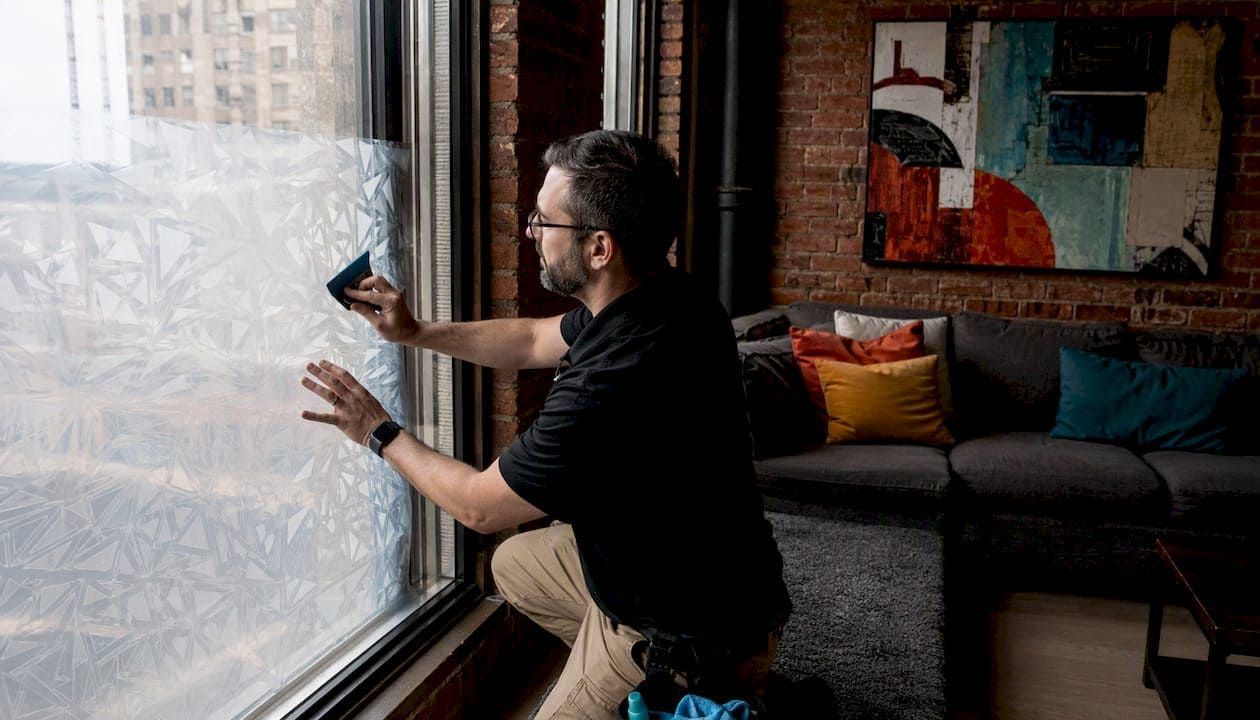
| Decorative film | Aesthetic, frosted, or patterned | Varies | Moderate to low |
| Safety and security film | Shatter resistance | 70 to 90% | High |
| UV-only clear film | UV blocking with no tint | 90%+ | Very high |
VLT stands for visible light transmittance. Higher numbers mean more light passes through. Historic commissions almost always prefer films with VLT above 50 percent because they are visually indistinguishable from untreated glass at street level.
- UV protection is especially valuable in historic homes where original hardwood floors and period furniture cannot be replaced
- Glare reduction makes rooms with large south-facing windows livable without heavy curtains that block natural light
- Safety film holds broken glass in place, a benefit for homes with antique single-pane windows that are more fragile than modern double-pane units
For homeowners focused on reducing energy costs during New England winters, low-emissivity (low-e) films add a layer of insulating performance to single-pane glass without any visible change to the window's appearance.
Myths, limitations, and alternatives
Knowing the benefits, it's smart to understand where window tinting shines and where other solutions may be better.
Myth 1: All window film makes your home look dark. Modern solar control films are engineered for high clarity. A neutral film at 60 percent VLT is nearly invisible from inside and outside.
Myth 2: Film will damage antique glass. Properly installed film on interior glass surfaces does not etch, scratch, or chemically alter the glass. The adhesive is designed to release cleanly.
Myth 3: Film provides the same insulation as a full replacement. This one is partly true as a myth. Film improves performance, but it does not replicate the insulating value of a double-pane unit.
Pro Tip: If your primary goal is maximum winter insulation and your commission allows it, consider pairing a low-e film with an interior storm panel. You get preservation-friendly performance without exterior changes.
Critics of window film prefer storm windows or careful repairs for authenticity, noting that films may not match the full insulation value of replacements. That is a fair point for homeowners in extremely cold climates or those with severely deteriorated sash.
Comparing your main options:
| Solution | Reversible | Approval risk | Insulation gain | Cost range |
|---|---|---|---|---|
| Window film | Yes | Low to moderate | Moderate | Low to moderate |
| Interior storm panel | Yes | Low | High | Moderate |
| Exterior storm window | No | Moderate to high | High | Moderate to high |
| Full window replacement | No | High | Very high | High |
Common pitfalls to watch for:
- Condensation risk: Certain films can increase condensation between the film and the glass in very cold weather. A professional assessment of your specific glass type prevents this.
- Adhesion failure on old glass: Wavy antique glass has surface irregularities. Not all films adhere evenly. Ask your installer about film compatibility with non-flat glass.
- Wrong film for the goal: A privacy film will not deliver meaningful energy savings. Match the film to your actual priority.
For homeowners weighing alternative energy solutions, the honest answer is that film works best as part of a layered approach, not as a standalone fix for a drafty 19th-century farmhouse.
A preservation-minded approach: What most guides miss
After working with historic homeowners across Southern NH and Greater Boston, we've noticed a pattern. The projects that go smoothly are not the ones with the best film. They are the ones where the homeowner talked to their historic commission before selecting a product.
Most guides tell you to pick a film and then seek approval. We recommend the opposite. Walk into your commission meeting with questions, not a product. Ask what they have approved before. Ask whether they distinguish between film and tinted glass. Ask what documentation they need. That conversation shapes your product selection, and it builds goodwill with the people who control your approval.
Here is the surprising part: many disruptions caused by window film are not visible at all. Increased interior reflectance at night, slight color shifts under artificial light, or minor changes in how the glass looks when wet can all trigger objections from a detail-oriented inspector. Clarity of film choice and transparency with your commission are what protect you. A one-size-fits-all approach, where an installer simply recommends their most popular product, often misses these nuances. Improving window efficiency in a historic home requires patience, documentation, and a preservationist's mindset alongside the technical knowledge of a skilled installer.
Professional window tinting for historic homes: Get expert advice
If you own a historic home in
Southern NH or Greater Boston, you deserve an installer who understands both the product and the process. At
Surface Dynamics Window Tinting, we work with homeowners navigating local historic district requirements every day. We know which films earn commission approval and how to document your project for review.
We are an exclusive LLumar SelectPro Dealer, which means we have access to the full range of Vista Films including solar control, safety, and
decorative privacy options. Whether you need a clear UV film that no one will notice or a
solar control film to tame a sun-drenched parlor, we match the product to your home and your commission's standards. Request a
free window tinting estimate or
see our historic projects to get started.
Frequently asked questions
Is window tinting permitted on historic homes in Greater Boston and Southern NH?
Often yes. Window films are reversible and frequently acceptable in historic districts when they preserve the original window appearance, but you should always confirm with your local commission before installation.
Will window film change the look of my historic windows?
Quality films with high visible light transmittance are nearly invisible from the street, but some guidelines prohibit any visible tint, so clarity and reversibility are the two factors that matter most during review.
How does window tinting compare to storm windows for energy savings?
Film delivers meaningful energy savings and blocks UV radiation effectively, but films may not match the full insulating performance of storm windows or full replacements, especially in severe New England winters.
Can window tinting cause condensation or damage to old glass?
Properly installed film on interior glass does not damage antique panes, but certain film types can increase condensation risk in cold climates, which is why condensation and glazing risks should be assessed by a professional before installation.
Recommended