
How Window Treatments Cut Energy Costs and Boost Comfort
TL;DR:
- Windows can cause up to 30% of home energy loss, but treatments like cellular shades and window film can minimize this. Combining layered solutions and proper installation offers the best energy savings, with payback periods typically around 3-7 years. Automated and professionally installed treatments provide consistent, maximum efficiency and long-term comfort.
Windows are responsible for up to 30% of a home's heating and cooling energy loss, yet most property owners focus their upgrades on insulation and HVAC systems while leaving their windows largely unaddressed. That gap costs real money every month. The good news is that modern window treatments, from cellular shades to professional solar films, have moved well beyond simple aesthetics. Automated interior insulating shades in commercial buildings reduce HVAC energy by 20.5% daily, and similar principles apply to homes across Southern New Hampshire and Greater Boston. This guide breaks down exactly which treatments work, what they cost, and how to get the most out of every dollar you invest.
Table of Contents
- Why windows are an energy hotspot in New England
- Comparing window treatment types for energy savings
- Smart and automated window treatments: Are they worth it?
- Installation and maintenance: Getting your investment right
- Our expert perspective: What most guides miss about window energy savings
- Ready to upgrade your windows? Discover your best-fit solution
- Frequently asked questions
Key Takeaways
| Point | Details |
|---|---|
| Smart covering pay off | Automated shades and multi-layered treatments can reduce energy loss by up to 35 percent. |
| Proper installation is vital | Even the best treatments underperform if not sealed and installed correctly. |
| Payback periods vary | Most homes recover costs in 3-7 years; commercial buildings may need incentives for faster payback |
| Layer for maximum results | Combining shades, curtains, and films enhances insulation and savings more than single solutions. |
Why windows are an energy hotspot in New England
New England's climate is unforgiving. Winters push temperatures well below freezing for months, and summers bring stretches of intense heat and humidity. Your windows sit at the center of both problems. In winter, single and even standard double-pane glass allows radiant heat to escape into the cold night. In summer, south and west-facing windows pour solar heat directly into your living and working spaces, forcing your air conditioning to work overtime.
The insulation value of a window is measured by its U-factor. A typical double-pane window has a U-factor around 0.30 to 0.50, compared to a well-insulated wall that can reach 0.05 or lower. That difference is enormous. It means your wall is five to ten times better at keeping heat where you want it. Older single-pane windows, still common in historic Greater Boston homes and commercial buildings, perform even worse.
Traditional blinds and drapes help, but they often fall short of what most homeowners expect. A standard fabric curtain creates a small air gap between the glass and the room, which does reduce some heat transfer. But fabric is not a true insulator, and most curtains leave gaps at the sides, top, and bottom where air moves freely. That air movement carries heat with it, canceling out much of the benefit.
"The treatment is only as good as its installation. A premium shade with a one-inch gap at the sill performs no better than leaving the window bare in cold weather."
Sealing matters just as much as the treatment itself. Weatherstripping reduces air infiltration by up to 10%, and that number compounds when you combine it with a well-fitted shade or film. Small gaps around window frames, especially in older New England construction, quietly drain your energy budget year-round.
Material choice also plays a role. Vinyl and metal frames resist warping and maintain tighter tolerances than wood over time, which keeps your seals intact through freeze-thaw cycles. For reducing winter energy losses in this region, combining the right frame material with a quality treatment is the foundation of any effective strategy. Maintaining clean exterior glass also helps treatments perform better, since dirty glass can affect how films and coatings interact with sunlight. Regular exterior window care keeps your investment working at full capacity.
Now that we know why energy loss through windows matters, let's explore what types of window treatments actually work.
Comparing window treatment types for energy savings
With the challenge defined, here's how specific window treatments stack up for energy conservation.
| Treatment | Upfront Cost | Est. Annual Savings Payback Period | Payback Period | Best Use |
|---|---|---|---|---|
| Cellular shades | $150-$400/window | $80-$150 | 3-5 years | Homes, small offices |
| Insulated curtains | $50-$200/window | $40-$90 | 3-7 years | Bedrooms, living rooms |
| Interior blinds | $30-$150/window | $20-$50 | 5-8 years | General use |
| Exterior shutters | $300-$800/window | $100-$200 | 4-7 years | High-sun facades |
| Window film (solar) | $8-$20/sq ft installed | $100-$300 | 3-5 years | Commercial, south-facing |
| Automated shades | $500-$2,000/window | $150-$400 | 4-21 years | High-rises, large offices |
Payback periods of 3-7 years are realistic for cellular shades and insulated curtains, while commercial automation systems take longer without incentives or rebates.
Cellular shades, also called honeycomb shades, are the standout performers for residential use. Their air-trapping cell structure creates a genuine insulating barrier between the glass and your room. Double-cell versions outperform single-cell models in cold climates like ours. They work well in both summer and winter, making them one of the most versatile options available.
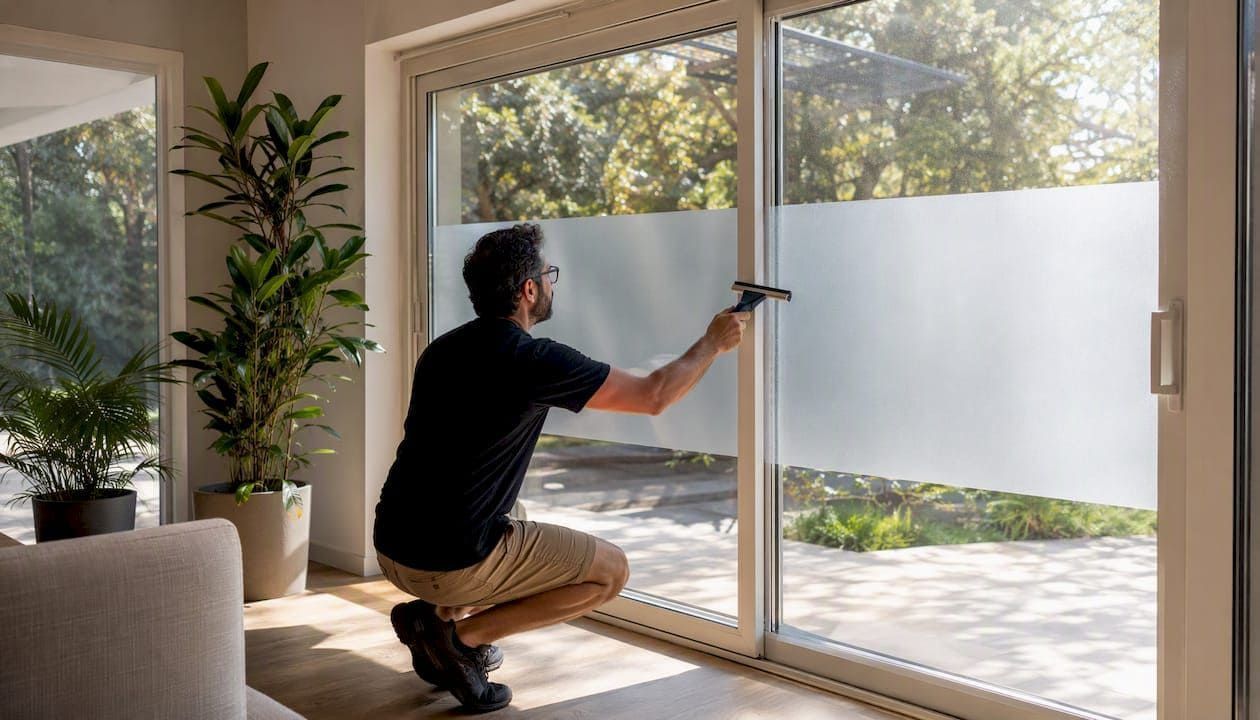
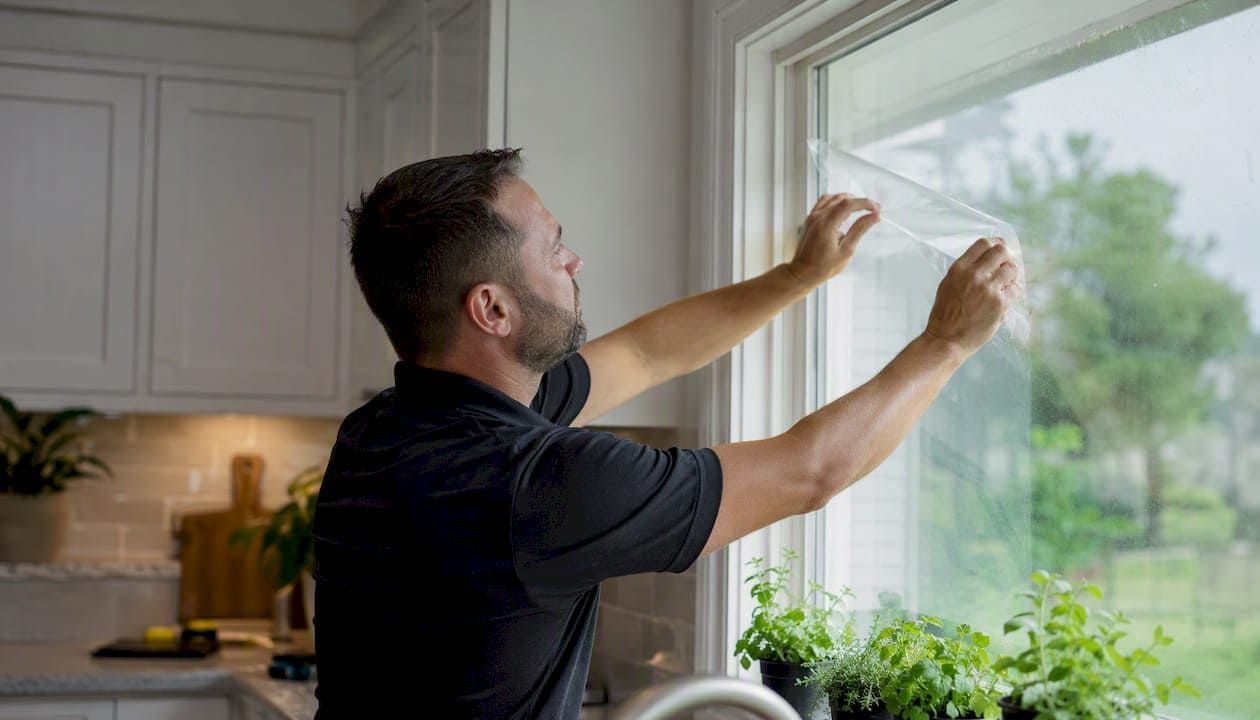
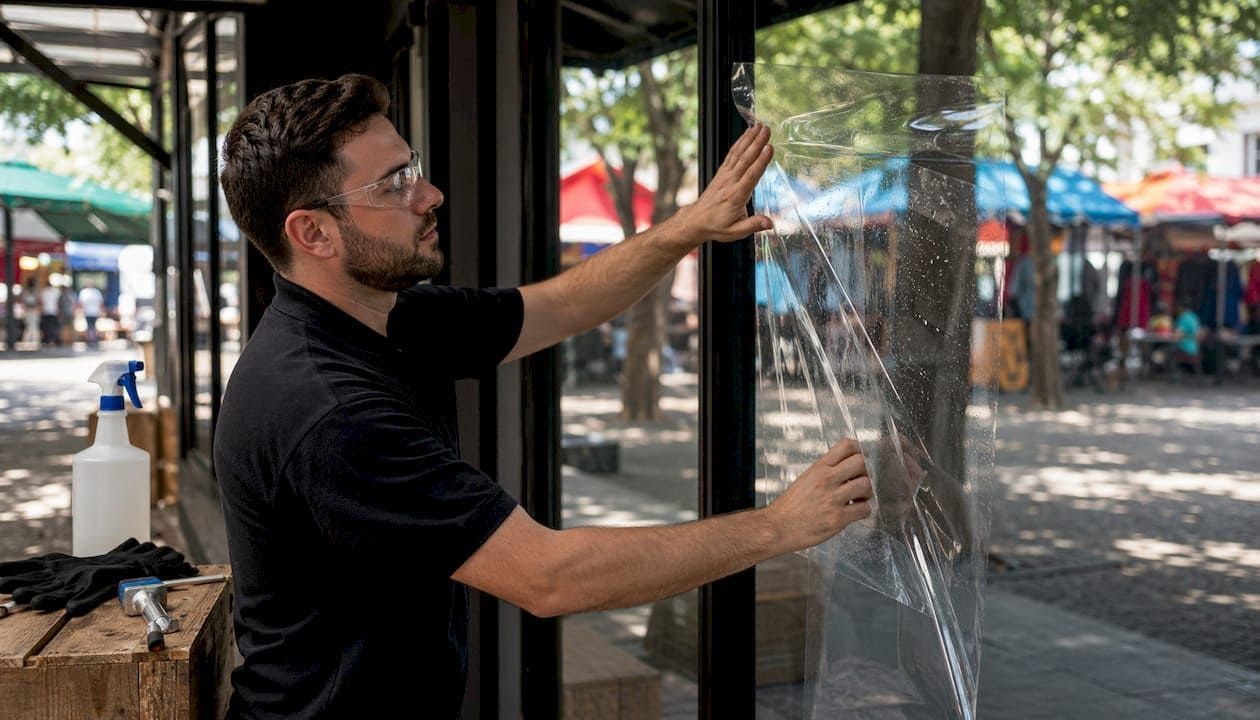
Window film is the strongest performer for commercial properties and sun-heavy exposures. A professionally installed solar control film blocks a large portion of solar heat gain without darkening your space significantly. Unlike shades, film works 24 hours a day without any action from the occupant. You can use our window tint energy calculator to estimate your specific savings before committing.
Electrochromic smart glass is an emerging option worth knowing about. These windows tint automatically in response to sunlight, eliminating the need for any covering at all. The technology is impressive, but costs remain very high and installation requires significant construction work. For most homeowners and property managers in 2026, it is not yet a practical first choice.
Pro Tip: Layering treatments, such as pairing cellular shades with a solar window film, can nearly double your energy savings compared to either option alone. The film handles daytime solar gain while the shade adds nighttime insulation.
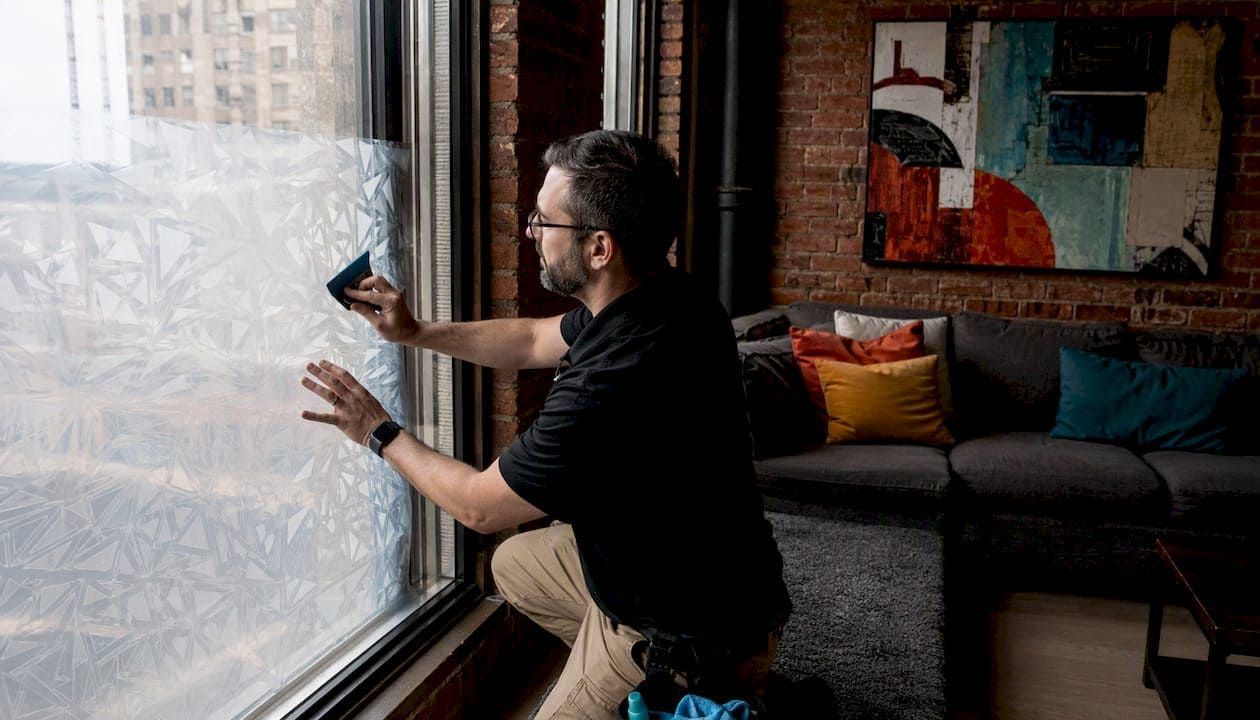
When comparing decorative films vs. traditional window coverings, film wins on longevity and maintenance, while fabric treatments win on upfront cost and flexibility. The right answer depends on your specific windows, orientation, and goals.
Smart and automated window treatments: Are they worth it?
For those seeking maximum impact, especially in commercial or sun-exposed spaces, smart and automated options offer new possibilities.
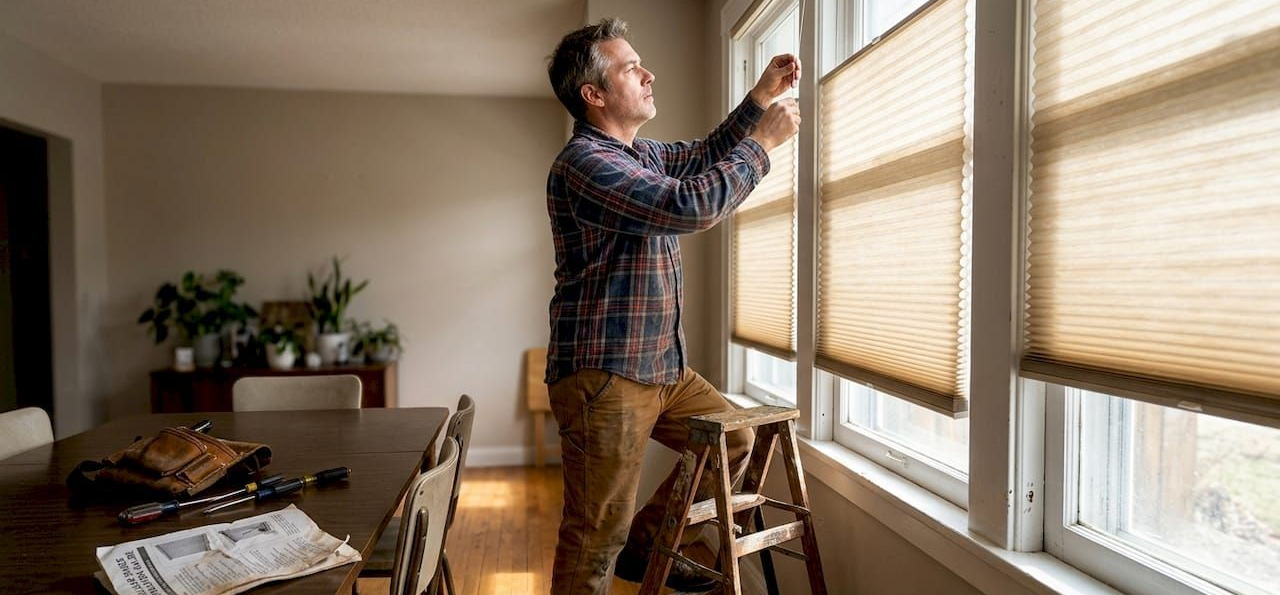
Automated window shades use sensors, timers, and building management systems to adjust window coverage dynamically throughout the day. Instead of relying on occupants to manually close shades when the afternoon sun hits, the system does it automatically at the optimal moment. That consistency is where the real savings come from.
The data is compelling. Automated insulating shades in commercial buildings reduce HVAC energy by 20 to 35% with payback periods ranging from 4.4 to 21.9 years depending on building type, incentives, and local energy rates. The wide range reflects real-world variation. A large office building in Boston with high glass coverage and expensive electricity will see payback much faster than a small residential installation without utility rebates.
| Scenario | Energy Reduction | Estimated Payback |
|---|---|---|
| Large commercial office | 20-35% HVAC savings | 4-8 years |
| Mid-size commercial space | 15-25% HVAC savings | 8-14 years |
| Residential, high sun exposure | 10-18% HVAC savings | 10-18 years |
| Residential, with utility rebates | 10-18% HVAC savings | 6-12 years |
The core advantage of automation is that it removes human inconsistency from the equation. Studies consistently show that manual shades are adjusted far less often than they should be for optimal savings. Automated systems make the right adjustment every time, every day, without anyone thinking about it.
Who benefits most? High-rise offices, large retail spaces, and homes with significant west or south-facing glass are the strongest candidates. If your building has a large glass facade that bakes in afternoon sun, automation can pay for itself relatively quickly. For lowering office energy costs, combining automation with quality window film creates a powerful two-layer approach.
Pro Tip: Start automation in your main living areas or primary office spaces first. These zones typically have the highest occupancy and the greatest solar exposure, so you'll see your return on investment faster than if you automate secondary rooms first.
Installation and maintenance: Getting your investment right
Once you've selected the right window treatments, proper installation and maintenance are crucial for lasting impact.
The most common and costly mistake is treating installation as an afterthought. A high-performance cellular shade installed with gaps at the edges provides only a fraction of its rated energy benefit. Every gap is a pathway for air and heat to bypass the treatment entirely. Here's what a proper installation looks like:
- Measure each window individually. Windows in older New England homes are rarely perfectly square or uniform in size.
- Seal the window frame with weatherstripping before mounting any treatment. Weatherstripping reduces infiltration by up to 10%, and it costs very little compared to the treatments themselves.
- Use inside-mount brackets where possible for the tightest fit against the frame.
- Check for light gaps at all four edges after installation. Even a quarter-inch gap can significantly reduce performance.
- For window film, always use a professional installer. Bubbles, lifting edges, and improper overlap are common DIY problems that reduce both performance and lifespan.
Maintenance is simpler than most people expect, but it does need to happen. Cellular shades should be vacuumed gently every few months to prevent dust buildup that can affect their insulating cell structure. Window film should be cleaned with a soft cloth and mild soap, never abrasive cleaners that can scratch the film surface.
"The energy performance you get on day one is the ceiling, not the floor. Maintenance keeps you close to that ceiling over time."
Professionally installed treatments consistently outperform DIY installations in real-world energy testing. The difference is not just skill. Professionals have access to better hardware, precise measurement tools, and the experience to spot and fix gaps that most homeowners would miss. For a full look at improving window efficiency from both an energy and security standpoint, combining professional film installation with properly fitted shades is the approach that delivers the most consistent results. Quality insulated curtain solutions can also complement film installations for added nighttime insulation.
Our expert perspective: What most guides miss about window energy savings
Most energy efficiency guides focus on product specs and R-values, as if choosing the right label is all it takes. After working on hundreds of projects across Southern New Hampshire and Greater Boston, we've seen a different pattern. The biggest energy wins almost never come from a single premium product. They come from combining solutions and maintaining them.
Homeowners regularly choose treatments based on appearance or marketing claims, then wonder why their bills don't drop as expected. The answer is almost always installation gaps or the absence of a layered approach. A solar film paired with cellular shades outperforms either option alone, not because of any single spec, but because they address different heat transfer mechanisms simultaneously.
Automation also gets misunderstood. People think of it as a luxury gadget. In New England's variable weather, where a sunny morning can turn into a cloudy afternoon, dynamic shading consistently outperforms any static manual solution. That adaptability is the real value.
Long-term comfort matters as much as payback period, especially for tenants and families. A home that stays cooler in July and warmer in January without constant thermostat adjustments has real quality-of-life value that never shows up in a simple ROI calculation. The window tint and energy impact on furnishings and occupant comfort is a benefit that compounds quietly over years.
Ready to upgrade your windows? Discover your best-fit solution
If you're ready to get started or want tailored guidance, here's how you can move forward locally.
At
Surface Dynamics Window Tinting, we work with homeowners and commercial property managers across
Southern New Hampshire and Greater Boston to find the right combination of treatments for each property's specific needs. You can
get your free window tint estimate to start with a clear picture of your costs and savings potential.
Browse our project gallery for inspiration to see real before-and-after results from local properties just like yours. When you're ready to explore film options specifically, our solar window film options page covers the full range of LLumar Vista products we install as an exclusive SelectPro Dealer.
Frequently asked questions
What type of window treatment saves the most energy?
Cellular shades and automated insulating shades offer top savings, especially when installed with proper sealing and smart controls. For commercial properties, combining solar window film with automated shades delivers the strongest overall performance.
How quickly can window treatments pay for themselves in energy savings?
Most energy-efficient shades pay back in 3-7 years for homes, while commercial automated systems may take longer unless utility incentives or rebates are available to offset the higher upfront cost.
Does automation make a big difference in energy conservation?
Yes. Automated shades reduce HVAC energy by 20.5% daily in commercial buildings because they optimize adjustments continuously rather than relying on occupants to act at the right time.
Is window film good for both energy savings and comfort?
Quality window film improves comfort and energy efficiency by reducing solar heat gain and blocking UV rays, and it works around the clock without any adjustment needed from occupants.
Recommended
- How window tint improves comfort and energy efficiency
- How Solar Window Tint Helps Cut Indoor Heat and AC Use
- 5 Ways Window Film Reduces Energy Costs in Boston Winters
- Can Window Tinting Lower Office Energy Costs?
- Automation in HVAC: Boosting Revenue and Efficiency
- What is energy efficient HVAC: A 2026 homeowner's guide