
Block UV rays at home: solutions for comfort & protection
TL;DR:
- UVA rays penetrate untreated windows, causing indoor furniture fading and skin aging.
- Various solutions like window film and shades can block up to 99% of UV rays.
- Proactive installation maintains home interior quality, increases energy efficiency, and boosts resale value.
UV rays don't stop at your front door. Every sunny afternoon in
Southern New Hampshire or the Greater Boston Area, ultraviolet radiation streams through your windows, quietly bleaching your hardwood floors, aging your upholstery, and raising your indoor temperature. Most homeowners don't notice the damage until a favorite armchair has faded beyond recognition or their summer cooling bills spike. The good news is that blocking UV rays at home is more accessible than ever, with solutions ranging from professional window film to layered window treatments. This guide walks you through the risks, the right materials, and the exact steps to protect your home and everyone in it.
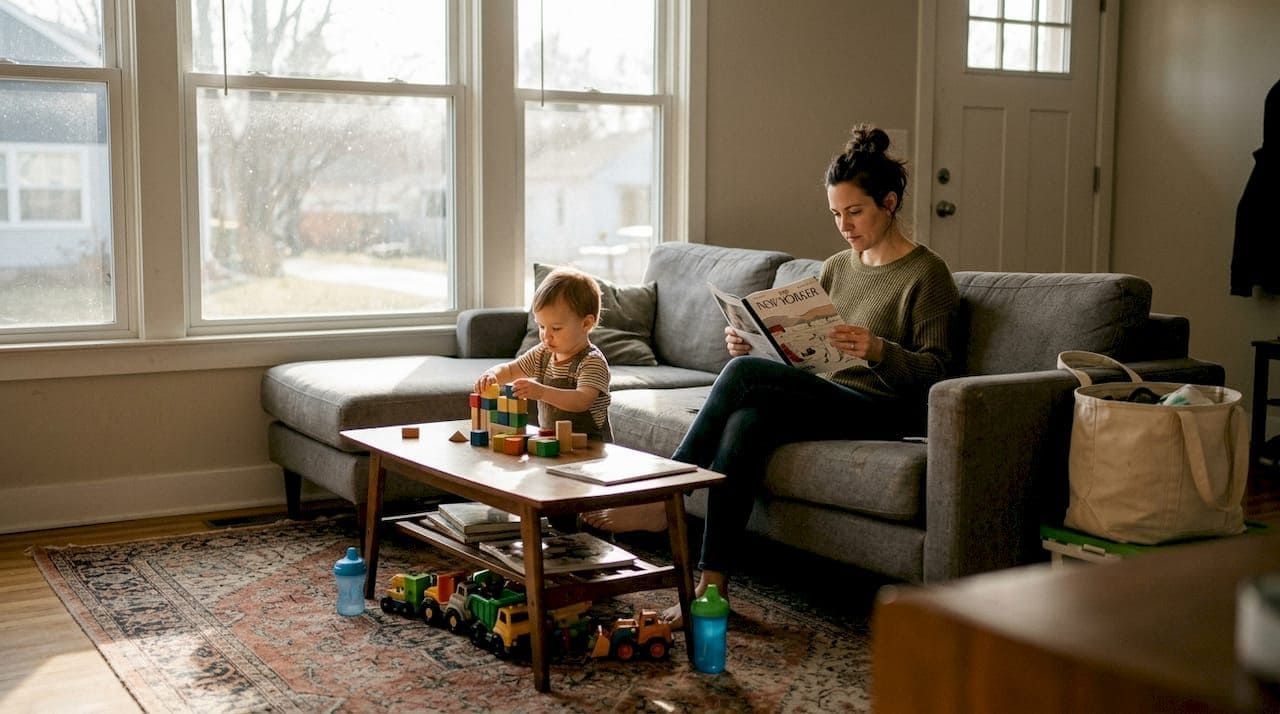
Table of Contents
- Understanding the risks of UV rays at home
- What you need: Tools and materials to block UV rays
- Step-by-step: How to apply UV-blocking solutions
- Checking your results: Verifying and maximizing UV protection
- What most people miss about home UV protection
- Need expert help? Get a free estimate or explore proven solutions
- Frequently asked questions
Key Takeaways
| Point | Details |
|---|---|
| UV rays cause real damage | Indoor UV exposure fades furnishings, raises energy costs, and ages skin even on cloudy days. |
| Layer solutions for best results | Combine window film, solar shades, and curtains for the strongest UV protection at home. |
| Proper installation maximizes savings | Correctly applied products can block up to 99% of UV rays and lower cooling costs by 15-25%. |
| Regular upkeep preserves protection | Seasonal inspection and cleaning keep UV-blocking solutions performing their best for years. |
Understanding the risks of UV rays at home
UV radiation falls into three categories: UVA, UVB, and UVC. UVC is absorbed by the atmosphere and never reaches your home. UVB is mostly blocked by standard glass. UVA, however, passes straight through untreated windows and accounts for about 95% of the UV radiation that reaches your skin and your furniture indoors. That's the one you need to worry about.
UVA exposure inside your home carries real consequences. For your family, repeated low-level exposure contributes to premature skin aging and, over time, increases health risks even when you're simply sitting near a sunny window. For your home, the damage is visible and costly. UV rays fade furniture, flooring, and artwork while raising the risk of skin aging indoors. Hardwood floors lose their finish, artwork loses its color depth, and leather furniture cracks faster than it should.
Windows and skylights are the primary entry points. South- and west-facing windows are the biggest offenders because they receive the most direct sunlight throughout the day. Skylights are often overlooked entirely, yet they funnel UV directly onto whatever sits below them.
Here in Southern New Hampshire and the Greater Boston Area, the spring and summer months bring extended daylight hours and strong sun angles. That means above-average UV exposure compared to many other regions, and it means your home's interiors take a beating from April through September.
Common sources of UV damage inside the home include:
- Untreated single-pane windows , which offer almost no UV filtration
- Large picture windows and sliding glass doors that maximize sunlight but also maximize UV entry
- Skylights , which are frequently left unprotected
- East-facing windows that catch intense morning sun
Stat to know: UV-blocking window coverings can cut fading by up to 99%, protecting your furnishings and flooring for years longer than you'd expect.
Understanding the benefits of home window tinting starts with recognizing just how much UV sneaks in unnoticed. With these dangers in mind, the next step is to see what you need to get started blocking UV rays in your home.
What you need: Tools and materials to block UV rays
Not every UV-blocking solution fits every home or budget. The good news is there's a range of options, and they can be combined for even stronger protection. Here's a breakdown of the main tools and materials available to you.
Primary options:
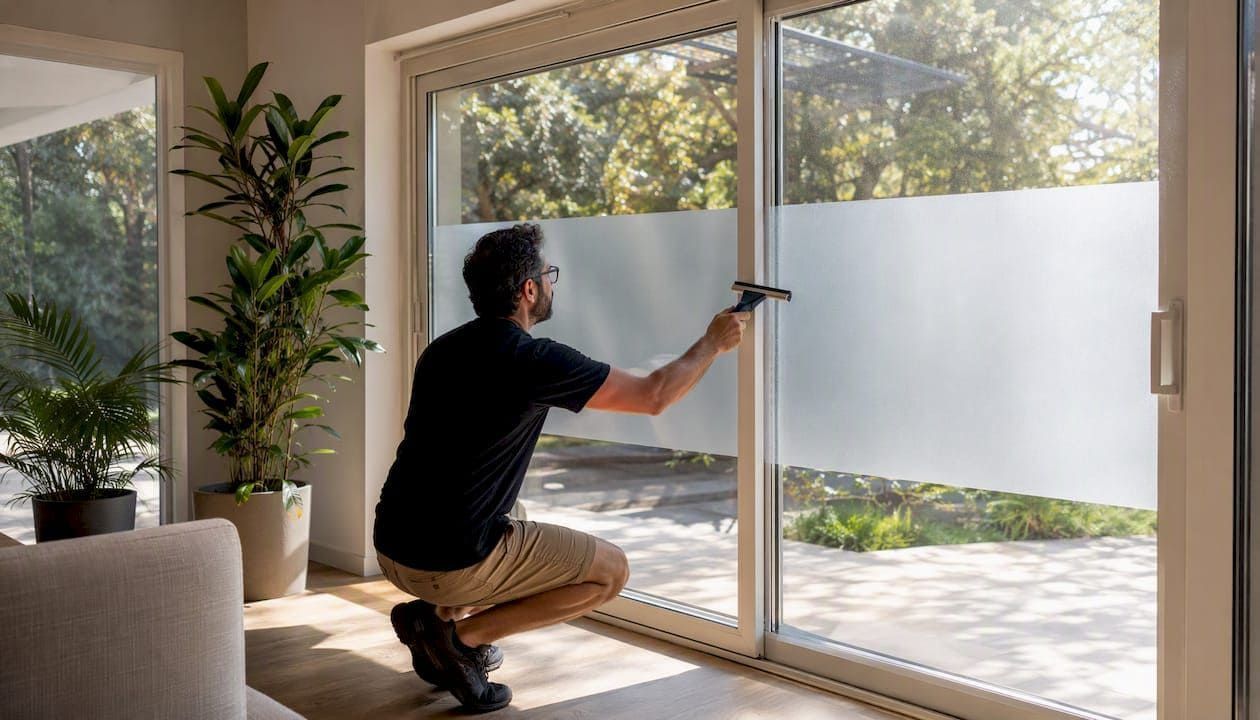
- UV-blocking window film: Applied directly to the glass, it's nearly invisible and blocks up to 99% of UV rays without changing your view.
- Solar roller shades: Fabric shades with a tight weave that filter sunlight. Solar shades with low openness factors block up to 99% of UV rays and can reduce cooling costs by 15-25%.
- Heavy lined curtains: Thick, tightly woven curtains add a layer of UV protection, though they block your view when closed.
- Exterior awnings: Mounted outside the window, they intercept sunlight before it even reaches the glass.
- UV-protective glass coatings: Spray-on products that add a thin UV-filtering layer to existing glass.
Comparison of top UV-blocking options:
| Solution | UV block | Heat reduction | Preserves view | Avg. cost |
|---|---|---|---|---|
| Professional window film | Up to 99% | High | Yes | $$$ |
| Solar roller shades | Up to 99% | Moderate | Partial | $$ |
| Heavy lined curtains | Moderate | Low | No | $ |
| Exterior awnings | High | High | Partial | $$$ |
| UV-protective spray | Low to moderate | Minimal | Yes | $ |
When shopping for any of these products, look for two key numbers: the UV rejection percentage (higher is better) and the solar heat gain coefficient (lower means less heat enters). A product that blocks UV but lets heat pour in is only doing half the job.
Explore the window tinting photo gallery to see how professional film looks installed in real homes similar to yours.
Pro Tip: Layering window film with solar roller shades gives you maximum UV protection while still letting you control light levels throughout the day. You get the always-on protection of film plus the flexibility of adjustable shades.
Now that you know what you'll need, let's jump into practical steps you can take for each solution.
Step-by-step: How to apply UV-blocking solutions
Choosing the right product depends on your priorities. If you want a permanent, low-maintenance solution that doesn't change your home's look, window film is your best bet. If you want flexibility and the ability to adjust light levels, solar roller shades are ideal. For renters or those on a tight budget, lined curtains are a solid starting point.
How to install UV-blocking window film (DIY approach):
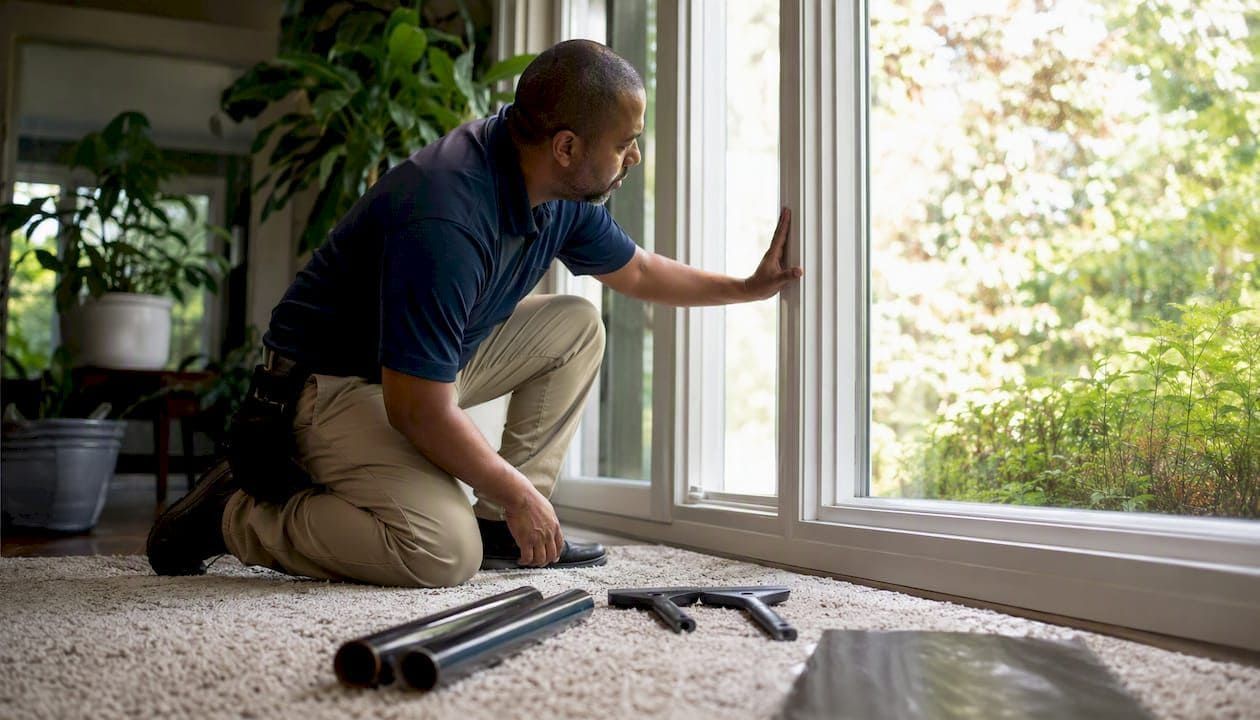
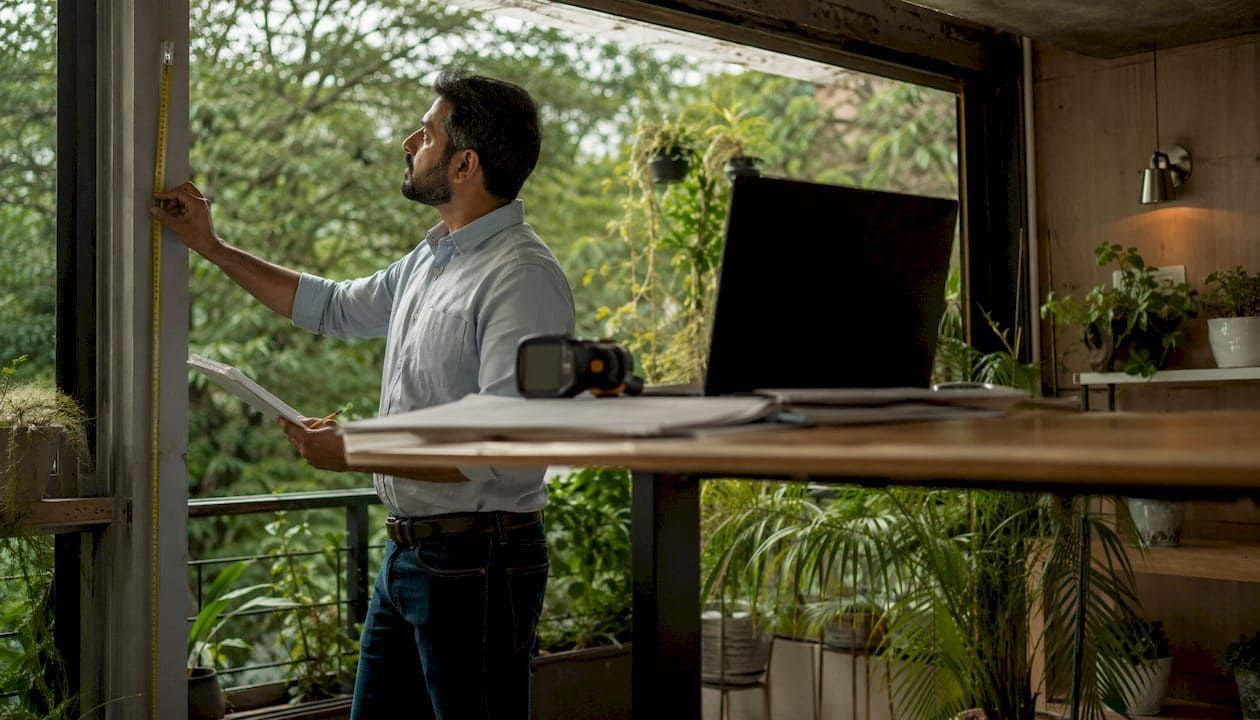
- Measure your windows carefully. Cut the film slightly larger than the glass, then trim to fit precisely.
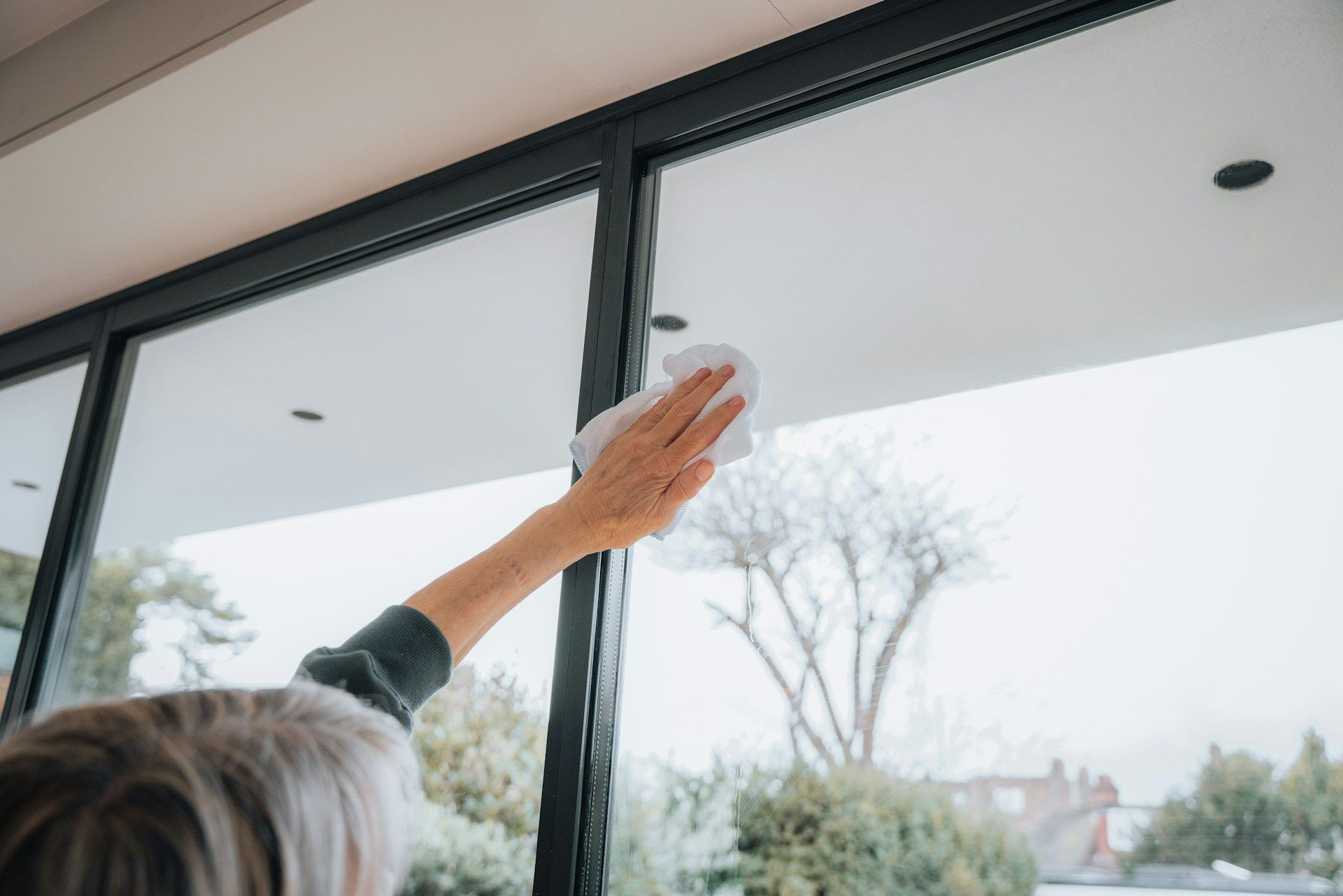
- Clean the glass thoroughly. Any dust or residue will create bubbles under the film. Use a lint-free cloth and a mild cleaning solution.
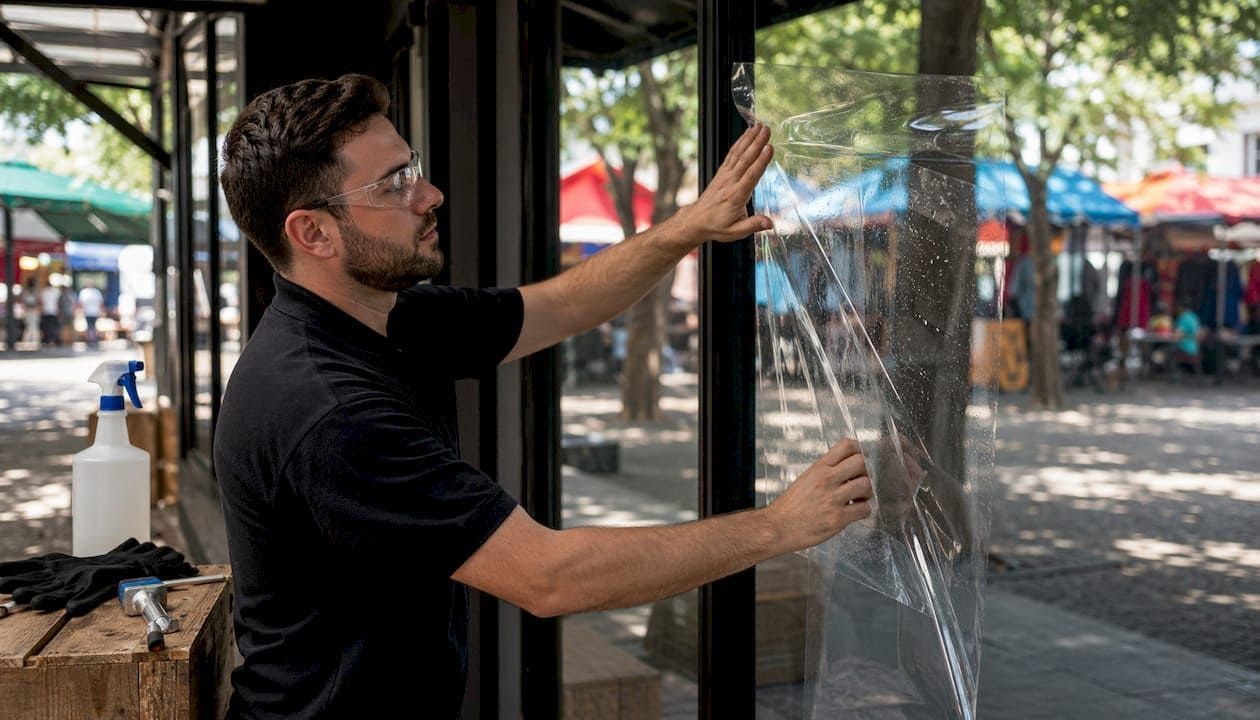
- Spray the glass with a soapy water solution. This gives you time to reposition the film before it adheres.
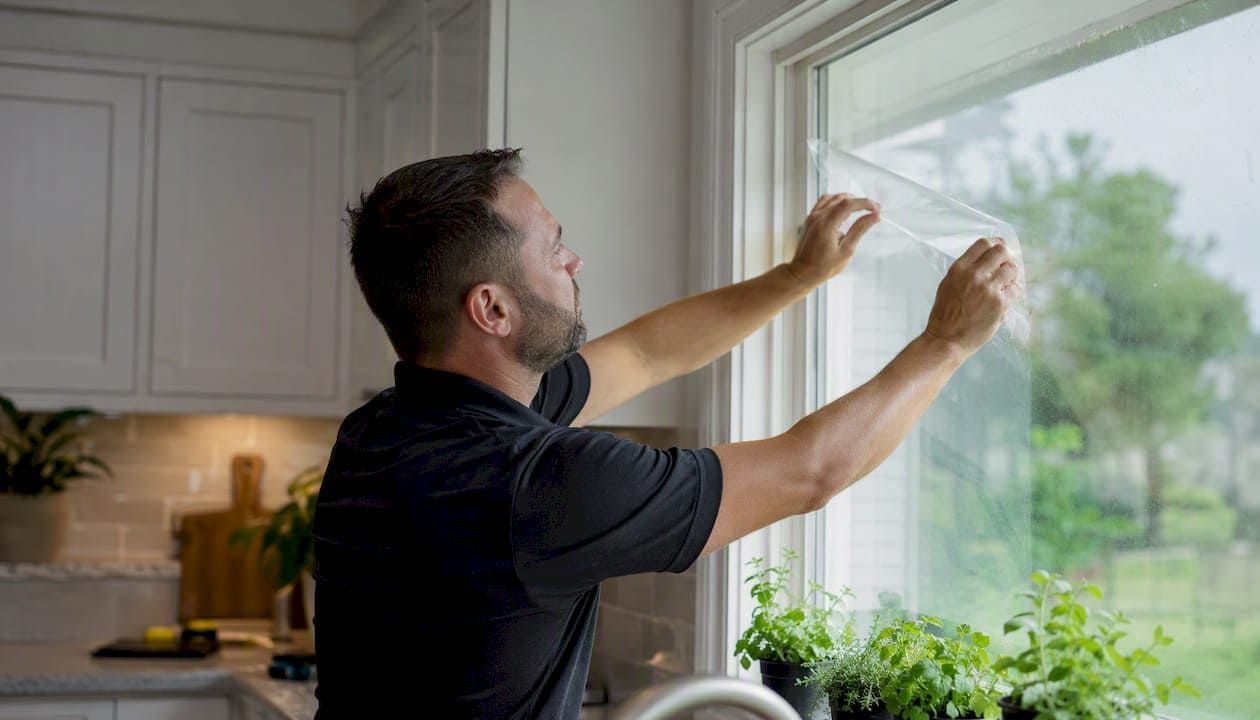
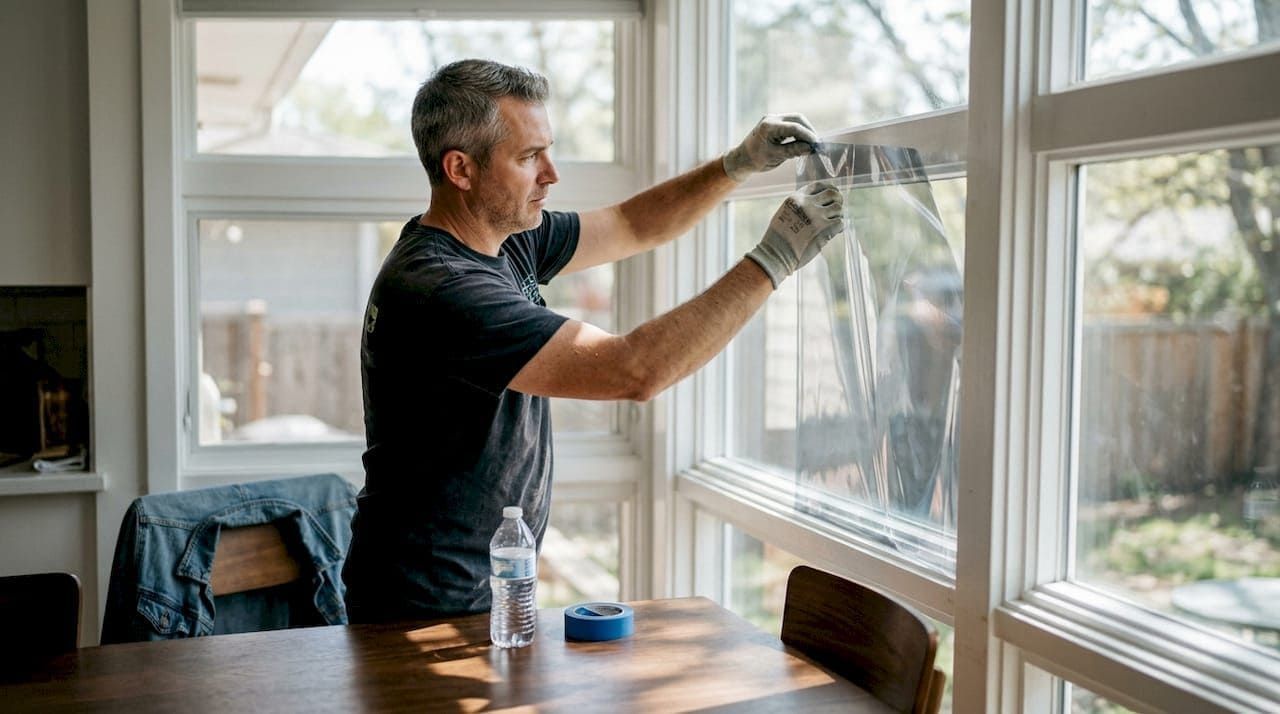
- Peel the film backing and apply it to the wet glass. Work from the top down to avoid trapping air.
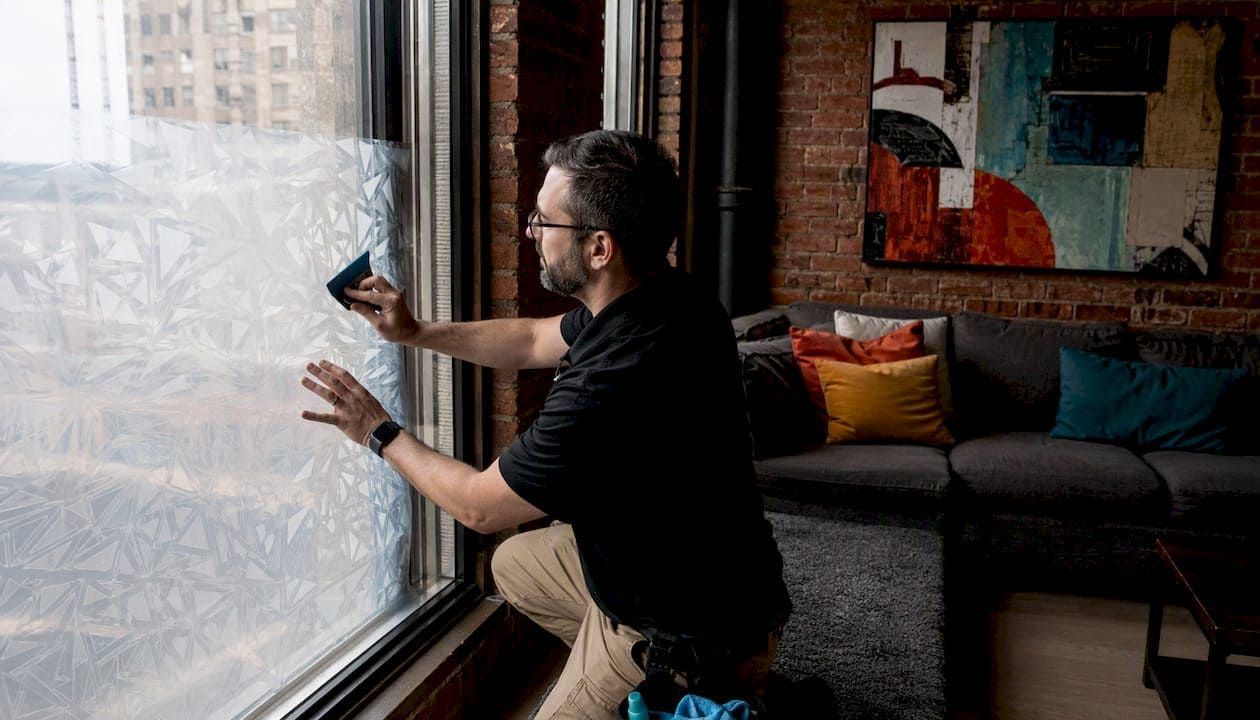
- Use a squeegee to push out bubbles and excess water. Work from the center outward.
- Trim the edges with a sharp utility knife. Allow 48 to 72 hours for the film to fully cure.
How to install solar roller shades:
- Measure the window width and height. Decide whether you want an inside or outside mount.
- Mark and install the mounting brackets according to the manufacturer's instructions.
- Snap the shade roller into the brackets and test the operation.
- Adjust the tension if the shade rolls too fast or too slow.
"Correctly installed solar film and shades cut heat gain up to 30% and block 99% of UV, making them one of the most cost-effective upgrades a homeowner can make."
For large windows or complex glass shapes, professional installation is the smarter call. A professional ensures the film is applied without bubbles, gaps, or peeling edges, which directly affects how long it performs. You can request a free window tinting estimate to get a clear picture of costs before committing.
Pro Tip: Always work in pairs when handling film on large windows. One person holds the film while the other applies the squeegee. Measure twice, cut once. A miscut piece of film wastes both material and time.
If you want to learn more about how these solutions work together to
reduce heat and glare at home , that resource breaks it down in detail. After installing your chosen products, it's important to check that your home is truly protected.
Checking your results: Verifying and maximizing UV protection
Installing UV protection is only half the job. Verifying that it's working and keeping it maintained is what delivers long-term value.
How to test for UV leaks:
UV-detecting cards are inexpensive and available online. Hold one near your treated windows on a sunny day. If it changes color, UV is still getting through. You can also compare a treated window to an untreated one in the same room to see the difference clearly.
Signs your windows need more protection:
- Noticeable fading on furniture or flooring near windows
- Hot spots or temperature differences between rooms
- Glare that makes screens difficult to read
- Peeling or bubbling on existing window film
Before and after: UV and heat levels by solution type
| Window type | UV entry (before) | UV entry (after film) | Heat reduction |
|---|---|---|---|
| Untreated single-pane | ~90% UV passes | Less than 1% | Minimal |
| Untreated double-pane | ~75% UV passes | Less than 1% | Up to 30% |
| Solar roller shade only | ~60% UV passes | Less than 5% | Moderate |
| Film plus solar shade | ~90% UV passes | Less than 1% | Up to 35% |
Regular inspection and upgrading of window treatments helps maintain high UV-blocking performance year after year. A good rule of thumb is to inspect your film and shades every spring before the peak sun season hits.
You can browse recent window tinting projects to see what properly installed film looks like over time. If you're curious about the energy side of things, the case for why you should reduce heat gain goes beyond just comfort.
Easy ways to further optimize your UV protection:
- Place UV-sensitive furniture and artwork away from south- and west-facing windows
- Schedule a professional inspection every two to three years
- Replace window film every 10 to 15 years or when you notice peeling or discoloration
- Add exterior shading like awnings or pergolas for south-facing windows
- Use UV-detecting cards seasonally to spot gaps in coverage
With the right strategies in place, what's the real-world impact of blocking UV at home, and what do experts wish more homeowners knew?
What most people miss about home UV protection
Here's what we see time and again: homeowners wait until something goes wrong. A rug fades. A wood floor develops a two-tone stripe where sunlight hits it daily. A summer cooling bill arrives that feels impossible. Only then do they start looking for solutions.
The reality is that UV protection works best when it's proactive, not reactive. Fading that's already happened doesn't reverse. But the right window film or shade installed today stops the clock on future damage.
There's also a misconception that UV-blocking treatments make a home feel darker or look less attractive. The opposite is often true. Modern window film is nearly invisible, and quality solar shades actually reduce glare, making screens easier to see and rooms more comfortable to spend time in. The
benefits of home window tinting extend well beyond UV protection, including improved privacy and a more polished look from the outside.
One more thing most people overlook: UV-blocking window treatments can increase your home's resale value. Buyers notice energy efficiency upgrades, and a home that stays cooler and protects its interiors is a more compelling purchase. Seasonal checkups and multi-functional treatments aren't just maintenance. They're an investment.
Need expert help? Get a free estimate or explore proven solutions
If you've read this far, you already understand that UV protection is one of the smartest upgrades you can make as a homeowner in
Southern New Hampshire or the Greater Boston Area. Professional installation takes the guesswork out of the process and ensures your film or shades perform at their rated levels from day one.
At
Surface Dynamics Window Tinting, we specialize in LLumar Vista Films that block up to 99% of UV rays while keeping your home looking exactly the way you want it. You can request a
free home window tinting estimate, try our
window film viewer tool to preview how film looks on your windows, or browse our tinting project gallery to see real results from homes just like yours.
Frequently asked questions
What windows let in the most UV rays at home?
South- and west-facing windows let in the most UV due to their direct sun exposure throughout the day, especially when untreated. Solar roller shades and film reduce UV entry through all window exposures.
Can window film really block 99% of UV rays?
Yes, quality UV-blocking window films and solar roller shades block up to 99% UV when properly installed, making them the most effective single upgrade for UV protection.
How much money can I save on energy bills by blocking UV?
Blocking UV with window film or solar shades can reduce cooling costs by 15-25% on average, with savings that compound over multiple cooling seasons.
Can I install UV-blocking film myself?
Many DIY kits work well for small windows, but professional installation ensures maximum lifespan, no bubbling, and full UV-blocking performance across the entire glass surface.
Do plants need protection from UV-blocking windows?
Most houseplants do just fine. UV-blocking film transmits visible light that plants need for photosynthesis while filtering out the harmful UV wavelengths that damage your furnishings.
Recommended