
Window Tint Durability: Lifespan, Factors & Max Value
TL;DR:
- Durability of window tint includes fade resistance, adhesion, solar performance, and scratch resistance.
- Climate, installation quality, and film type significantly impact the lifespan of window tint.
- Proper maintenance and professional installation extend the effective life of window tint up to 15-20 years.
Most homeowners and property managers choose window tint for the obvious wins: cooler rooms, more privacy, better curb appeal. What rarely comes up in those conversations is durability. Yet durability is exactly what separates a smart, long-term investment from a frustrating replacement job three years down the road. The film you choose, how it's installed, and how you care for it will determine whether you're still enjoying the benefits a decade from now or peeling off bubbled, faded film and starting over. This guide breaks down what window tint durability actually means, what drives it, how different films compare, and what you can do to protect your investment for the long haul.
Table of Contents
- What does window tint durability really mean?
- Key factors that impact window tint durability
- Comparing types of window tint: Which lasts longest?
- How to maximize window tint durability in New England
- Our perspective: What most people miss about window tint durability
- Get more from your window tint investment
- Frequently asked questions
Key Takeaways
| Point | Details |
|---|---|
| Durability definition | Window tint durability means how long the film protects your property and looks good before showing wear. |
| Biggest factors | Sun exposure, installation, and film quality directly impact how long window tint lasts. |
| Best options | Ceramic and hybrid tints generally last longer than basic dyed films, especially in harsh climates. |
| Maintenance matters | Proper cleaning and care significantly extend the usable life of your tint. |
| Expert installation | Professional installation ensures your tint lasts and maintains warranty coverage. |
What does window tint durability really mean?
When most people hear "durable window tint," they picture something that simply doesn't fall off the glass. But real durability is much more specific than that. Window tint durability refers to how long tint maintains its appearance and effectiveness before needing replacement. That means it keeps rejecting heat, blocking UV rays, preserving clarity, and holding firmly to the glass without bubbling, peeling, or turning purple.
Think of it like a quality coat of exterior paint. A cheap coat might look fine for a season, then start cracking and fading. A premium coat, properly applied, holds its color and protection for years. Window film works the same way.
Here's what durability actually covers:
- Fade resistance — The film holds its color and visible light transmission over time without discoloring or turning hazy.
- Adhesion integrity — The film stays bonded to the glass without lifting at edges or forming bubbles.
- Solar performance retention — Heat rejection and UV blocking stay consistent, not just in year one but across the film's entire lifespan.
- Scratch resistance — The surface coating withstands routine cleaning without degrading.
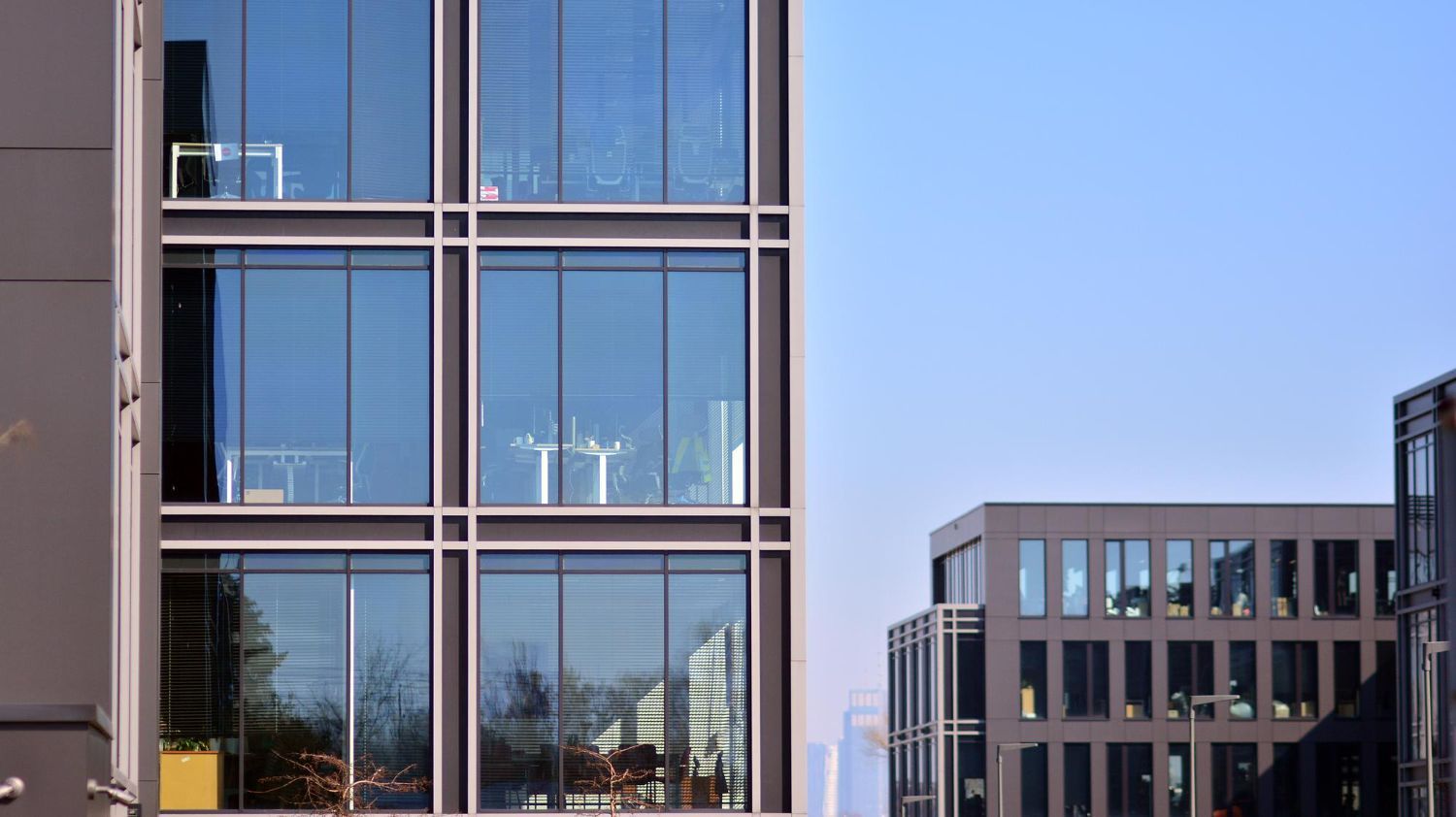
For residential properties, quality films typically last between 10 and 20 years. Commercial installations, which often face higher foot traffic, more direct sun exposure, and more frequent cleaning, generally see lifespans in the 10 to 15-year range depending on film type and conditions.
A manufacturer warranty is not the same as real-world performance. A warranty tells you what the company will cover if something fails. Durability tells you whether it will fail in the first place. Always ask about both.
One of the most common misconceptions we hear is that all window tinting is essentially the same product. It isn't. The difference between a budget dyed film and a premium ceramic film isn't just price. It's years of effective performance, energy savings, and protection for your furnishings and glass. Explore window tinting longevity in more detail to understand how these differences play out over time.
Key factors that impact window tint durability
Even the best film on the market won't last if the conditions work against it. Several variables directly shape how long your tint performs at its best.
Sunlight exposure, heat, and installation quality are among the leading factors influencing window tint lifespan. Here's how each one plays out in practice:
- Window orientation — South, east, and west-facing windows receive the most direct sun throughout the day. Films on these surfaces age faster than those on north-facing glass, sometimes by several years.
- Film material — Dyed films absorb heat and tend to fade faster. Metalized films reflect heat more effectively and last longer. Ceramic films use non-metallic particles to reject heat without signal interference, offering the best longevity.
- Installation quality — Improper installation is one of the fastest ways to shorten a film's life. Air pockets, contaminated glass surfaces, and incorrect adhesive application all lead to premature failure.
- Climate conditions — In Southern New Hampshire and Greater Boston, films face real seasonal stress. Freeze-thaw cycles, road salt spray near ground-level windows, and summer humidity all affect adhesion and film integrity over time.
- Maintenance habits — Harsh chemical cleaners, abrasive cloths, and pressure washing near window edges accelerate wear significantly.
The effect of window tint on energy and fading is also tied directly to how well the film holds up. A degraded film doesn't just look bad. It stops doing its job, letting more UV radiation and heat through, which accelerates fading of flooring, furniture, and artwork.
Understanding solar tint's impact on interior heat can also help you set realistic expectations for how different films perform as they age.
Pro Tip: Before installation, make sure your glass surface is thoroughly cleaned and free of any residue, hard water deposits, or paint overspray. Even microscopic contamination under the film creates adhesion weak points that show up as bubbles within the first year.
Comparing types of window tint: Which lasts longest?
Not all films are built the same, and ceramic films often outlast dyed films due to material resilience. Here's a practical comparison to help you choose:
| Film type | Appearance | Primary function | Avg. lifespan | Maintenance needs |
|---|---|---|---|---|
| Dyed | Flat, dark | Glare and privacy | 5 to 7 years | Low, but fades faster |
| Metalized | Slight reflective sheen | Heat and UV rejection | 10 to 15 years | Moderate |
| Ceramic | Clear to lightly tinted | Heat, UV, clarity | 15 to 20+ years | Low |
| Hybrid | Subtle sheen | Balanced performance | 10 to 15 years | Moderate |
| Safety/Security | Clear or lightly tinted | Shatter resistance | 10 to 15 years | Low |
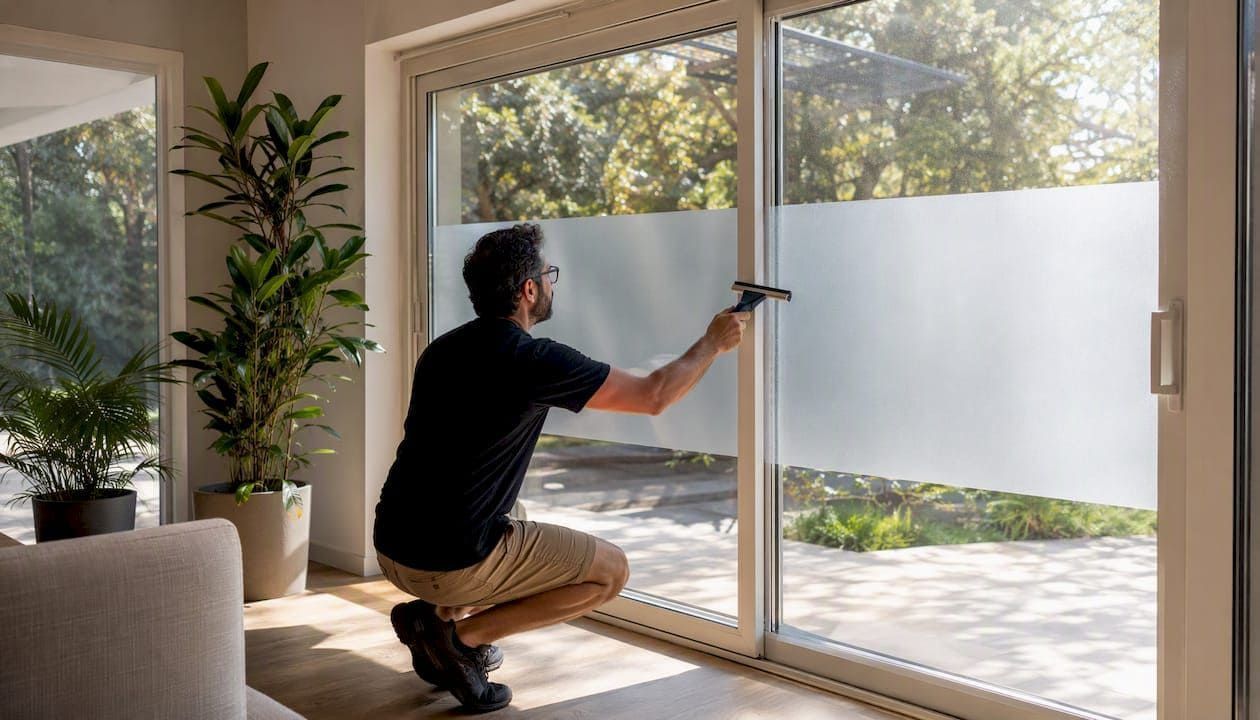
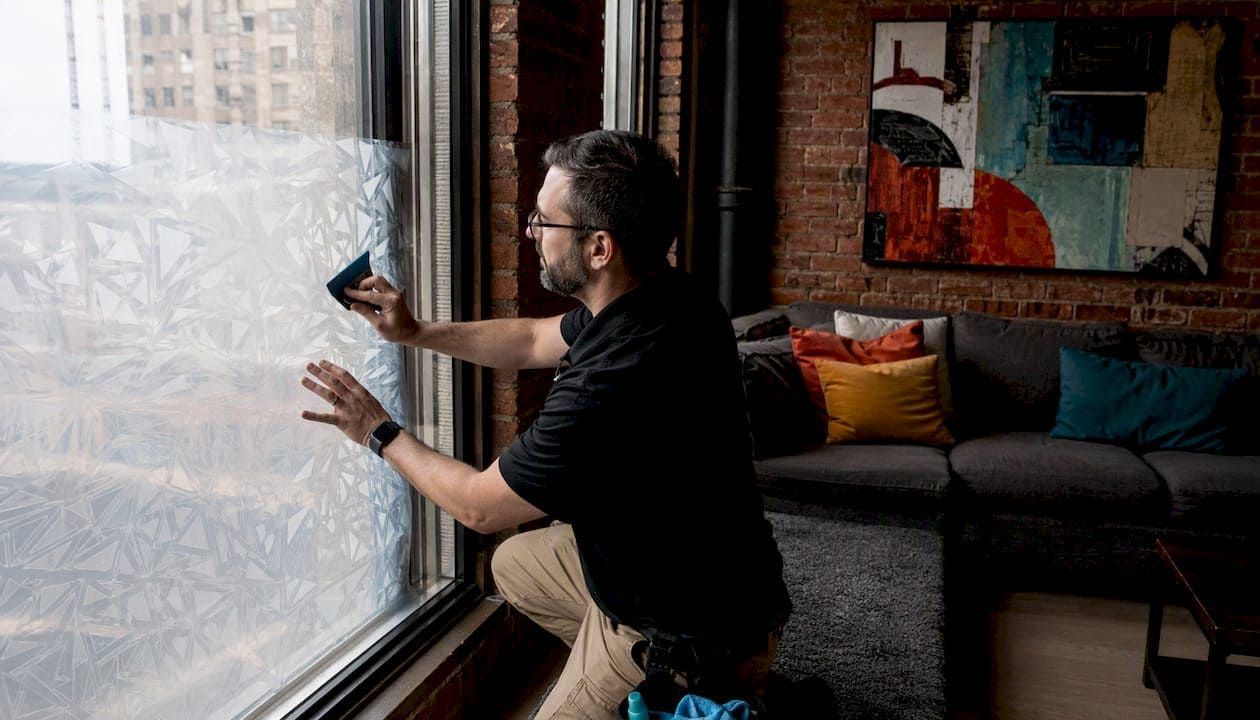
| Decorative/Privacy | Frosted or patterned | Aesthetics and privacy | 7 to 12 years | Low |
For New England properties specifically, ceramic and hybrid films make the most practical sense. The region's wide temperature swings, from below-zero winters to humid summers, put real stress on adhesives and film layers. Ceramic films handle thermal cycling better than dyed options, and they don't interfere with Wi-Fi or cell signals the way metalized films can.
Here's a scenario worth considering: a ceramic film installed on a south-facing Boston brownstone might cost 30 to 40 percent more upfront than a dyed alternative. But if it lasts 18 years versus 6, you've replaced the cheaper film twice and spent more overall, while also losing the energy savings and UV protection during those replacement windows.
Browse window tint style options to see how different films look on real properties, or check out recent window tint projects for side-by-side comparisons in local settings.
- Ceramic films are ideal for high-sun exposures and year-round performance.
- Safety and security films add structural value beyond aesthetics.
- Decorative films work well for interior privacy without sacrificing too much lifespan.
How to maximize window tint durability in New England
Once you've chosen the right film, the way you treat it from day one determines how long it lasts. Follow these steps to get the most out of your installation:
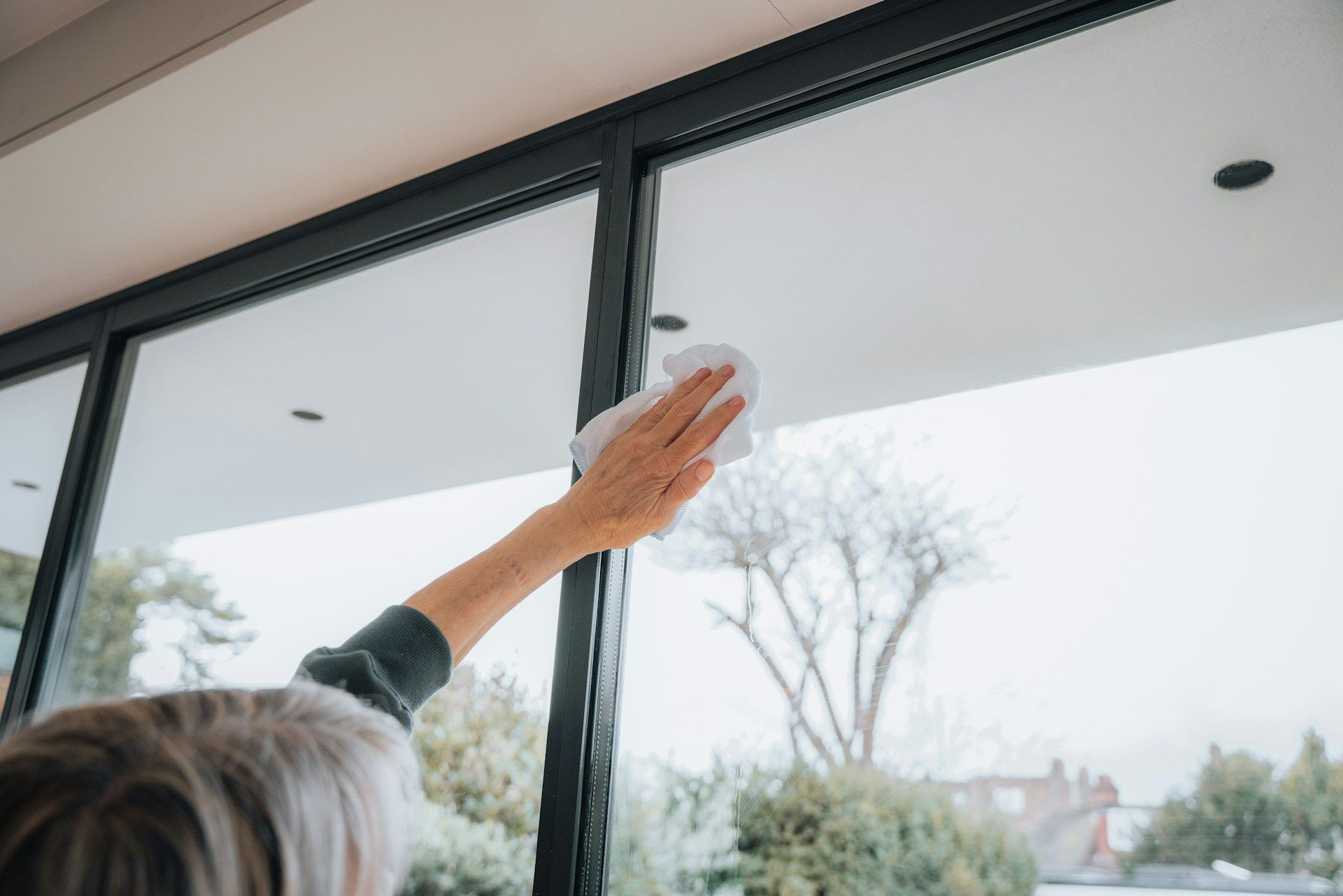
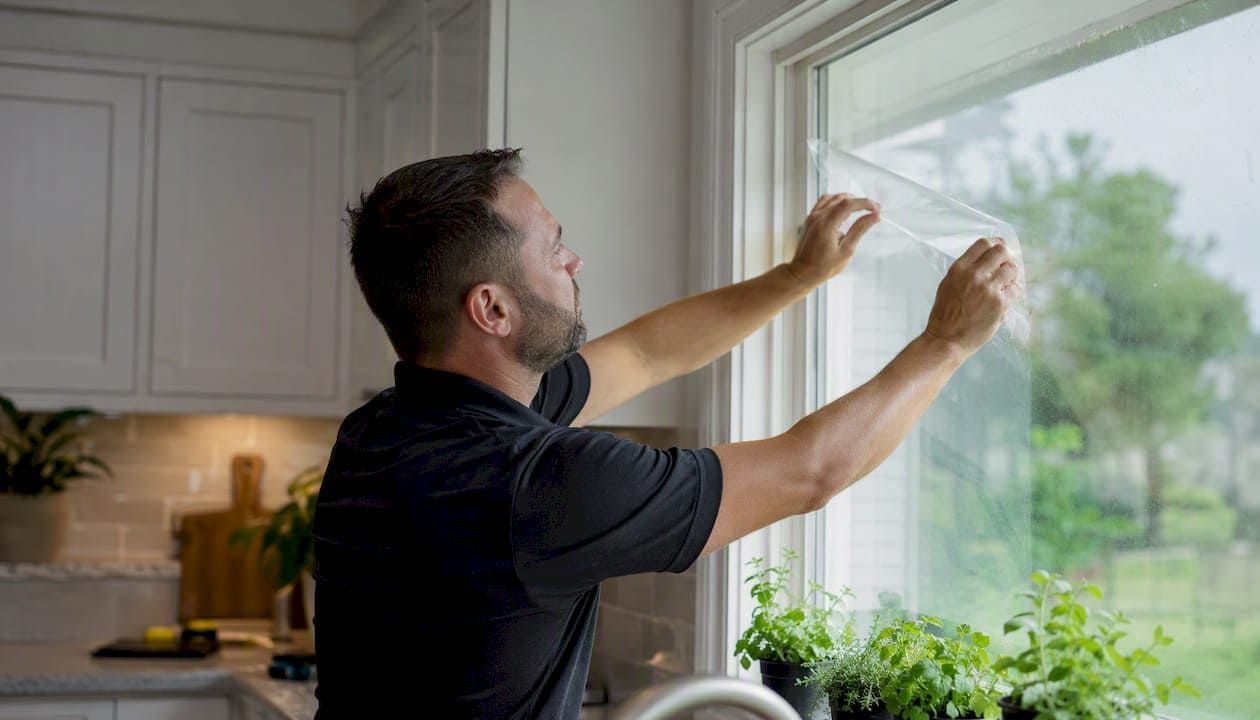
- Respect the curing period. After installation, most films need 3 to 7 days to fully bond to the glass. During this time, avoid cleaning the windows or rolling down car-style shades that press against the film. Small water pockets or haziness during curing are normal and will clear.
- Use the right cleaning products. Stick to mild, ammonia-free cleaners and soft microfiber cloths. Ammonia breaks down adhesives over time. Avoid anything abrasive.
- Inspect edges twice a year. In New England, freeze-thaw cycles can stress window frames and cause slight edge lifting. Catching this early prevents moisture from getting under the film.
- Keep sprinkler systems away from windows. Hard water deposits from irrigation systems are a common cause of surface etching and adhesion problems, especially on ground-floor commercial properties.
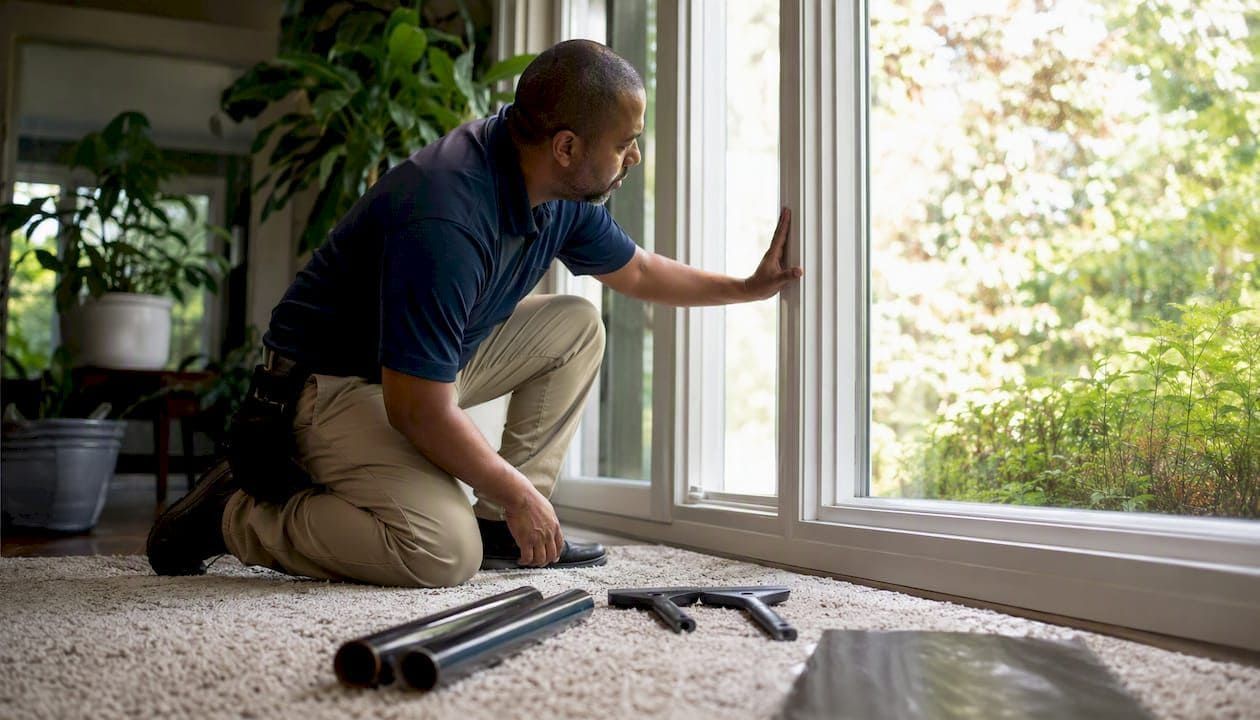
- Work with a certified installer. Warranty coverage from premium brands like LLumar requires professional installation. DIY application, even with quality film, often voids manufacturer protection.
Regular cleaning and prompt repair of minor defects can extend tint lifespan noticeably. Catching a small edge lift early is a simple fix. Letting it spread means full replacement.
For commercial property managers, scheduling professional tint installation with a certified dealer also ensures you get documented warranty coverage, which matters for building maintenance records and insurance purposes.
Pro Tip: Schedule a quick visual inspection every spring and fall. Look for any edge lifting, bubbling, or discoloration near direct sun exposure areas. These small checks add years to your film's effective life.
Our perspective: What most people miss about window tint durability
After years of installing window film across Southern New Hampshire and Greater Boston, the pattern we see most often isn't about film quality. It's about the gap between what property owners expect and what they actually do after installation.
People invest in premium film, then clean it with the wrong products, ignore minor edge lifting for two seasons, and wonder why the film failed early. Durability isn't a feature you buy once. It's a result you maintain.
The other thing we'd push back on is the idea that a longer warranty automatically means better performance. A warranty is a promise. Real durability comes from matching the right film to the right window, having it installed by someone who prepares the surface properly, and following through with basic care.
The window tint benefits you read about, lower energy bills, UV protection, privacy, only materialize fully when the film stays in good condition. Think lifecycle value, not just the sticker on the box.
Get more from your window tint investment
If you're ready to put these insights into action, the right next step is connecting with an installer who knows your local conditions and can match you with a film that fits your property, your budget, and your long-term goals.
At
Surface Dynamics Window Tinting, we work exclusively with LLumar Vista Films and bring hands-on experience with New England's specific climate challenges. You can view window tinting results from properties similar to yours, explore recent window tint installations across the region, and get a
free window tinting estimate with no pressure and no obligation. Getting the most from your window tint starts with one conversation.
Frequently asked questions
How long does residential window tint typically last?
Most home window tints stay effective between 10 and 15 years, though premium ceramic films can push well past that with proper care and favorable conditions.
Does window tint require special maintenance to last longer?
Yes. Proper maintenance using ammonia-free cleaners and soft cloths, combined with twice-yearly edge inspections, can meaningfully extend your film's usable life.
Which window tint type is most durable for New England weather?
Ceramic tints outlast dyed films and handle New England's freeze-thaw cycles and humidity better than most alternatives, making them the top choice for long-term performance in this region.
Can old or bubbling window tint be repaired, or must it be replaced?
Repair is rarely viable for window tint with widespread bubbling or peeling. Full removal and replacement is almost always the more cost-effective and lasting solution.
Recommended
- Maximize commercial window tinting value with warranties
- How window tint impacts your furnishings and energy in 2026
- Reduce Heat and Glare with Home Window Tinting Solutions
- Smart Window Tint Solutions for Retail Storefronts
- How long ceramic coating lasts in San Diego: key facts
- Films pour vitrages tertiaires : optimiser sécurité et confort