
Why invest in tinting? Top benefits for homes and businesses
TL;DR:
- Window tinting reduces energy costs by blocking heat transfer and solar glare.
- Security films reinforce windows, deterring break-ins and preventing dangerous shattering.
- Tinting enhances privacy and aesthetics without sacrificing natural light.
Many people assume window tinting is a cosmetic upgrade, something you do to make a building look sleek or give your home a modern edge. That assumption misses the bigger picture. Professional window film installation delivers measurable returns in energy savings, personal safety, privacy, and long-term property value. Whether you own a colonial in Southern New Hampshire or manage a commercial office in the Greater Boston Area, this guide breaks down exactly what professional tinting offers, what it costs, and how to decide if it is the right move for your property.
Table of Contents
- Energy efficiency and comfort: The tangible returns
- Safety and security: Peace of mind for your property
- Privacy and aesthetics: Balancing visibility and style
- Return on investment: Is professional tinting worth the cost?
- Our perspective: What most property owners miss about tinting
- Ready to invest in professional tinting?
- Frequently asked questions
Key Takeaways
| Point | Details |
|---|---|
| Cut energy costs | Window tinting can lower heating and cooling bills significantly, especially in New England climates. |
| Boost security | Security films make windows tougher, helping prevent break-ins and injuries. |
| Improve privacy | Tinting offers flexible privacy solutions for homes and businesses without sacrificing daylight. |
| Enhance aesthetics | Modern films allow you to customize the look of your windows for style and curb appeal. |
| Fast ROI | Most professional tinting investments pay for themselves within 2-5 years. |
Energy efficiency and comfort: The tangible returns
Your windows are one of the biggest sources of heat gain in summer and heat loss in winter. In New England, where temperatures swing from humid 90°F summers to bitter January freezes, that matters a lot. Tinted windows reduce energy costs by minimizing heat transfer and glare, which directly cuts how hard your HVAC system has to work.
Professional solar control films can reduce heat and glare entering your space by blocking a significant portion of solar energy before it passes through the glass. The result is a more stable indoor temperature, fewer hot spots near windows, and noticeably lower cooling bills. According to the U.S. Department of Energy, windows account for 25 to 30 percent of residential heating and cooling use. Tinting addresses that directly.
| Scenario | Estimated annual energy cost | Savings with tinting |
|---|---|---|
| Untinted home, 2,000 sq ft | $1800 | Baseline |
| Tinted home, 2,000 sq ft | $1260 | Up to $540/year |
| Untinted office, 5,000 sq ft | $6500 | Baseline |
| Tinted office, 5,000 sq ft | $4550 | Up to $1,950/year |
These numbers reflect the window tinting efficiency gains that come from blocking solar heat in summer while still allowing natural light to enter. Many homeowners report that rooms which used to feel unbearably hot by midday stay comfortable all afternoon after tinting.
Key comfort benefits you can expect:
- Reduced glare on screens and work surfaces
- More consistent room temperatures throughout the day
- Less reliance on blinds and curtains to manage heat
- Lower strain on HVAC equipment, extending its lifespan
"After tinting our south-facing office windows, we stopped fighting over the thermostat. The difference in comfort was immediate." This kind of feedback is common among the benefits of window tint our clients experience.
Pro Tip: When selecting a film, look for products rated for both summer solar heat rejection and winter insulation performance. LLumar Vista Solar Control Films, for example, are engineered to perform across both seasons, which is critical in New England's climate.
Safety and security: Peace of mind for your property
With energy efficiency covered, let's look at how tinting helps safeguard your investments, inside and out. Standard glass shatters into sharp, dangerous shards when broken. Security window film holds those shards together, reducing injury risk and slowing down anyone trying to force entry.
Security films add a protective layer that can deter break-ins by making windows significantly harder to penetrate quickly. Burglars typically want fast, quiet entry. A window reinforced with security film resists repeated impacts, which buys time and draws attention.
| Feature | Standard glass | Security film applied |
|---|---|---|
| Break-in resistance | Low | High |
| Shatter pattern | Dangerous shards | Held together |
| Storm protection | Minimal | Significant |
| UV blocking | None | Up to 99% |
| Smash-and-grab deterrence | None | Strong |
For homeowners, home security window film is especially valuable on ground-floor windows and sliding glass doors. For businesses, commercial window security film protects storefronts, lobbies, and server rooms from both forced entry and accidental breakage.
Common misconceptions about security film:
- "It makes windows look dark." Not true. Many security films are nearly invisible.
- "It only helps during break-ins." Wrong. It also protects against storm debris and accidental impacts.
- "Any film will do." Incorrect. Film thickness and certification matter enormously for real protection.
A privacy window film guide from Consumer Reports confirms that not all films are created equal, and choosing the wrong product leaves you with false confidence. You can also explore home security with window film to understand how layered protection works for residential properties.
Pro Tip: Always ask for the film's certification rating before installation. Films tested to ANSI Z97.1 or equivalent standards provide verified performance, not just marketing claims.

Privacy and aesthetics: Balancing visibility and style
Beyond efficiency and security, privacy and aesthetics matter just as much for homeowners and businesses. Tinting gives you control over who can see into your space without forcing you to choose between privacy and natural light.
Different film types offer different levels of privacy:
- One-way solar films: Daytime privacy from outside, clear views from inside
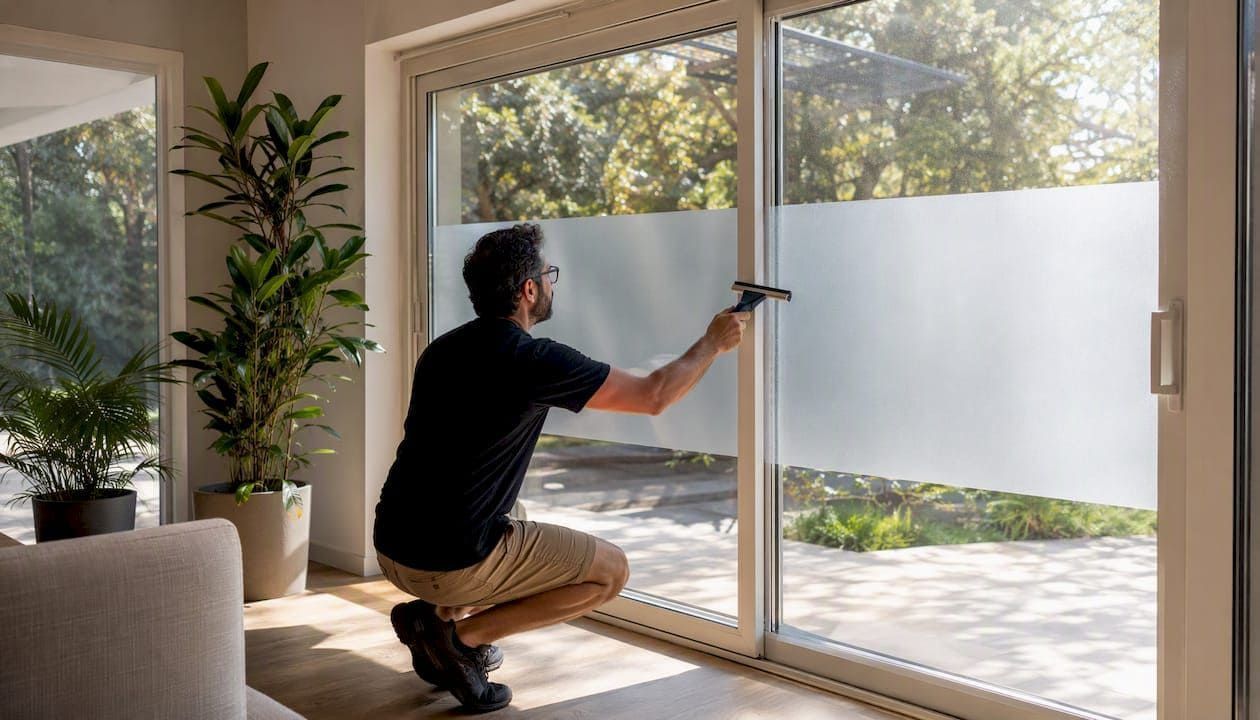
- Frosted or etched films: Full privacy in bathrooms, conference rooms, and entryways
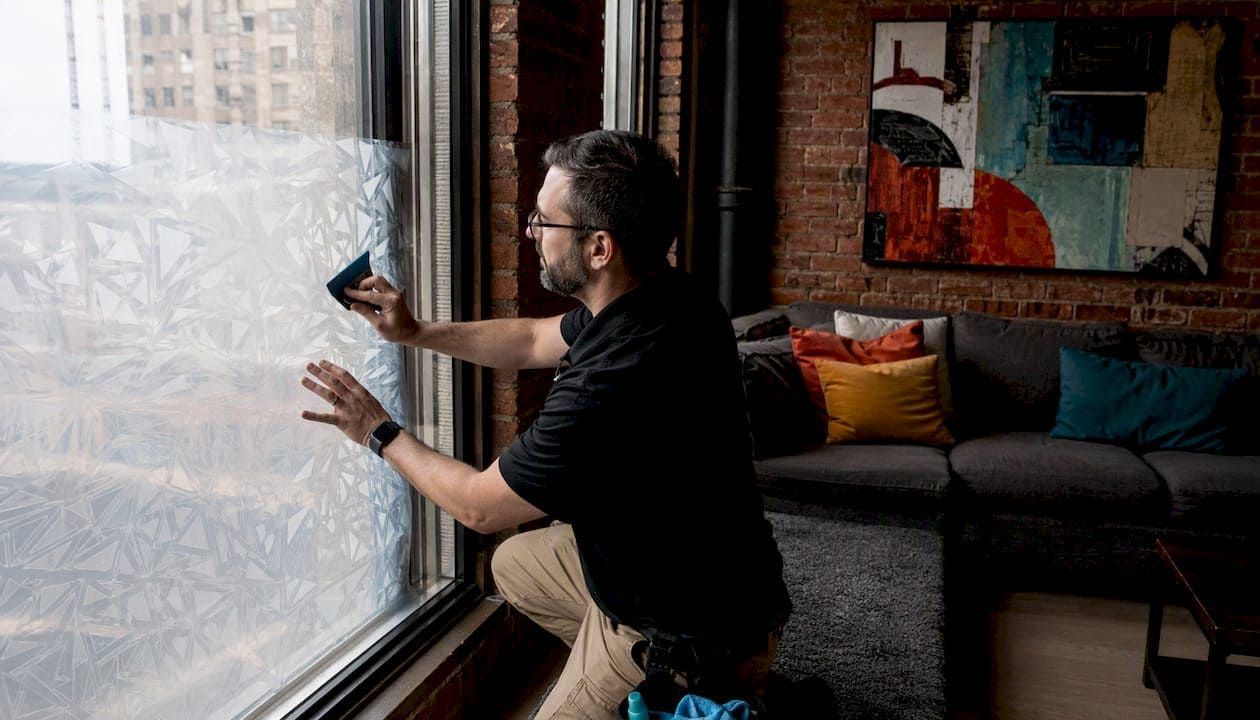
- Decorative films: Custom patterns, gradients, and colors that double as design elements
- Dual-reflective films: Reduced interior reflection at night for better evening privacy
Visit the home window tint gallery to see how different film styles look on real properties. The range is wider than most people expect, from subtle solar films that are barely noticeable to bold frosted patterns that define a room's character.
Statistic callout: Studies show that customizable privacy is one of the top reasons homeowners choose professional tinting, with satisfaction rates consistently high among those who upgrade from curtains or blinds to permanent film solutions.
For bathrooms, bedrooms, and street-facing rooms, bathroom tint ideas show how frosted and decorative films replace the need for window coverings entirely. Businesses use similar films in conference rooms to signal privacy without blocking light from open-plan floors.
For inspiration beyond tinting, best window treatments from Architectural Digest shows how film compares to traditional options. Film wins on longevity, low maintenance, and the ability to let light in while keeping views out.
Pro Tip: Before committing to a full installation, ask your installer for physical film samples you can hold against your windows in different lighting conditions. What looks great in a showroom can read differently on your actual glass.
Browse recent window tinting projects from our team to see how various film types look across different property styles in Southern New Hampshire and the Greater Boston Area.
Return on investment: Is professional tinting worth the cost?
Finally, let's get specific about what your investment returns look like and how to evaluate the decision. Most professional tinting installations recoup their costs within 2 to 5 years through energy savings alone, and that does not account for security or privacy value.
| Benefit | Short-term gain | Long-term value |
|---|---|---|
| Energy savings | Lower monthly bills | 2 to 5 year payback |
| Security | Reduced break-in risk | Lower insurance potential |
| Privacy | Immediate comfort | Reduced window covering costs |
| UV protection | Less fading now | Preserved furnishings over time |
| Property value | Curb appeal | Higher resale attractiveness |
Window film savings data from Houzz supports the case that film pays for itself faster than most homeowners expect, particularly in high-sun exposures.
Steps to assess your ROI before purchasing:
- Audit your current energy bills and identify which months show the highest cooling or heating costs.
- Count the number of windows facing south and west, as these drive the most heat gain.
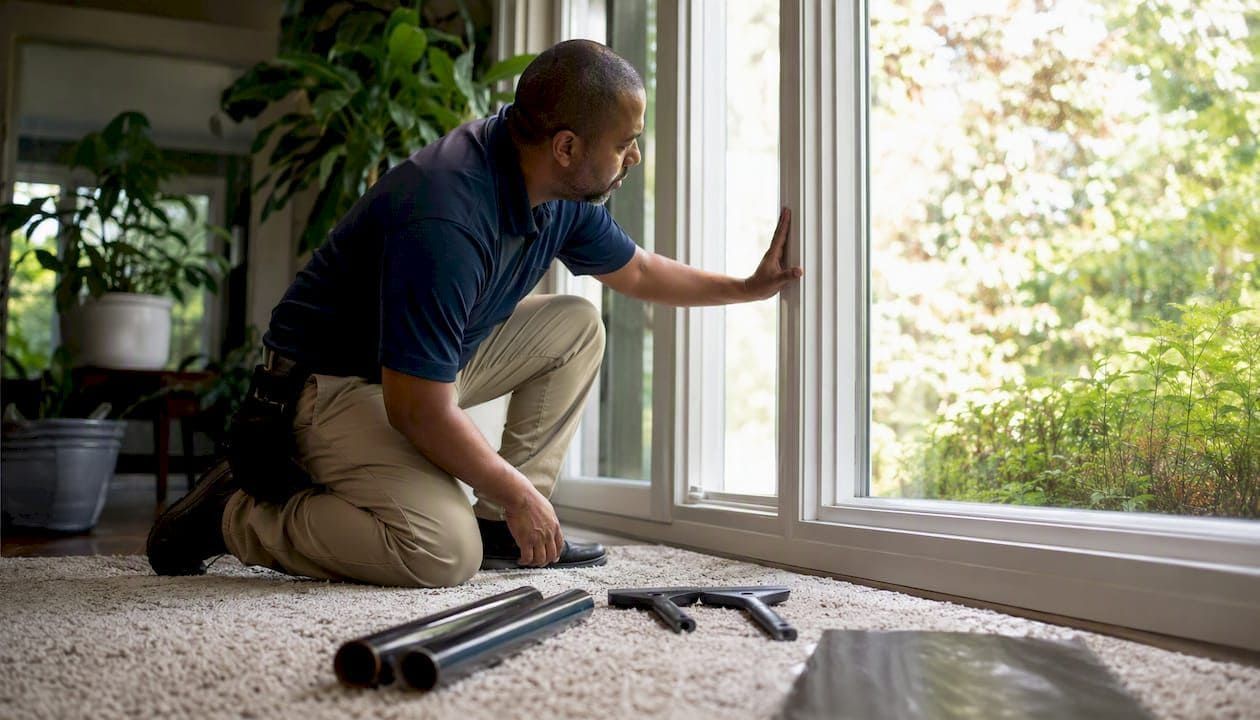
- Get a professional site assessment to match film type to your specific exposure and goals.
- Request a written estimate that breaks down cost per window so you can prioritize high-impact areas first.
- Check for local utility rebates or energy efficiency incentives in New Hampshire or Massachusetts that may offset installation costs.
For offices, office energy cost savings are often the easiest to quantify because commercial energy bills are larger and the payback period is shorter. Retail spaces benefit differently. See retail window tint benefits to understand how glare reduction and UV protection protect merchandise and improve the shopping experience. For a full picture of residential value, home window tint benefits covers the complete case for homeowners.
Pro Tip: Factor in local rebates before finalizing your budget. Some New England utilities offer incentives for energy-efficient upgrades, and window film may qualify depending on the film's solar heat gain coefficient rating.
Our perspective: What most property owners miss about tinting
Here is something we see constantly: property owners spend weeks comparing HVAC systems or insulation options, then dismiss window tinting as a low-priority cosmetic item. That framing costs them money and comfort every single year.
The impact of window tinting on comfort and operational costs is consistently underestimated, especially in New England where the climate demands year-round performance from your building envelope. A well-chosen film works in January just as hard as it works in July.
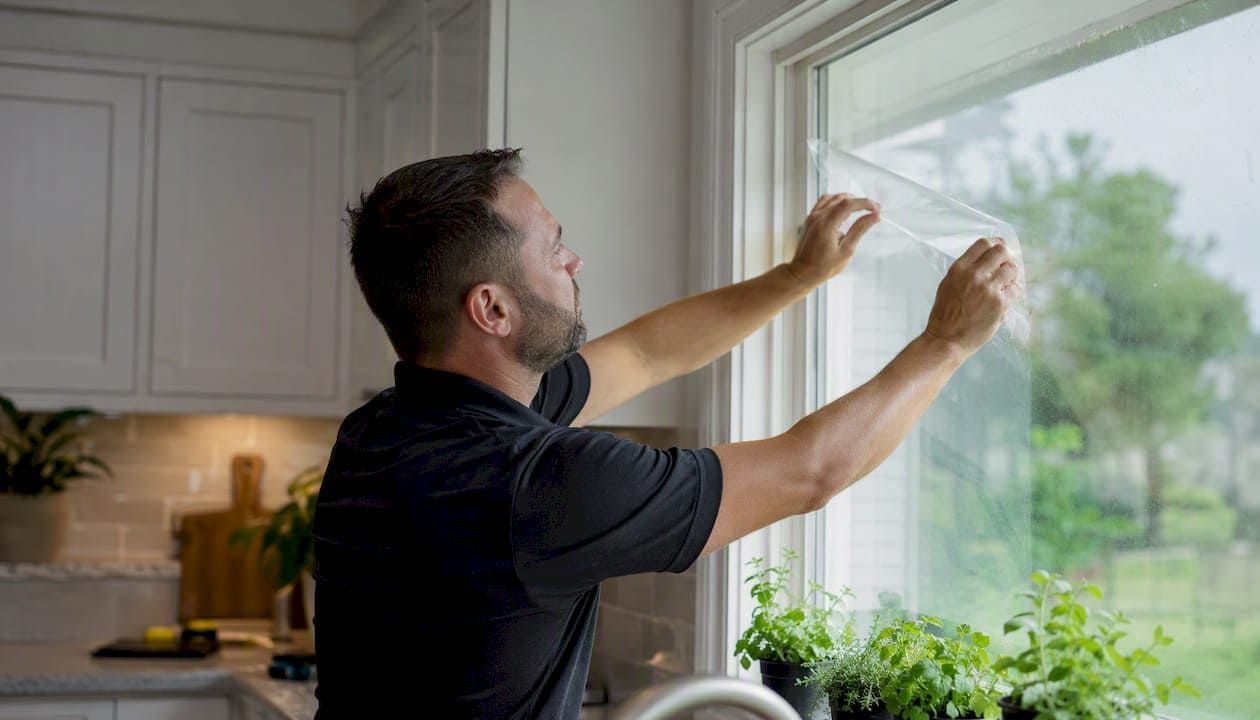
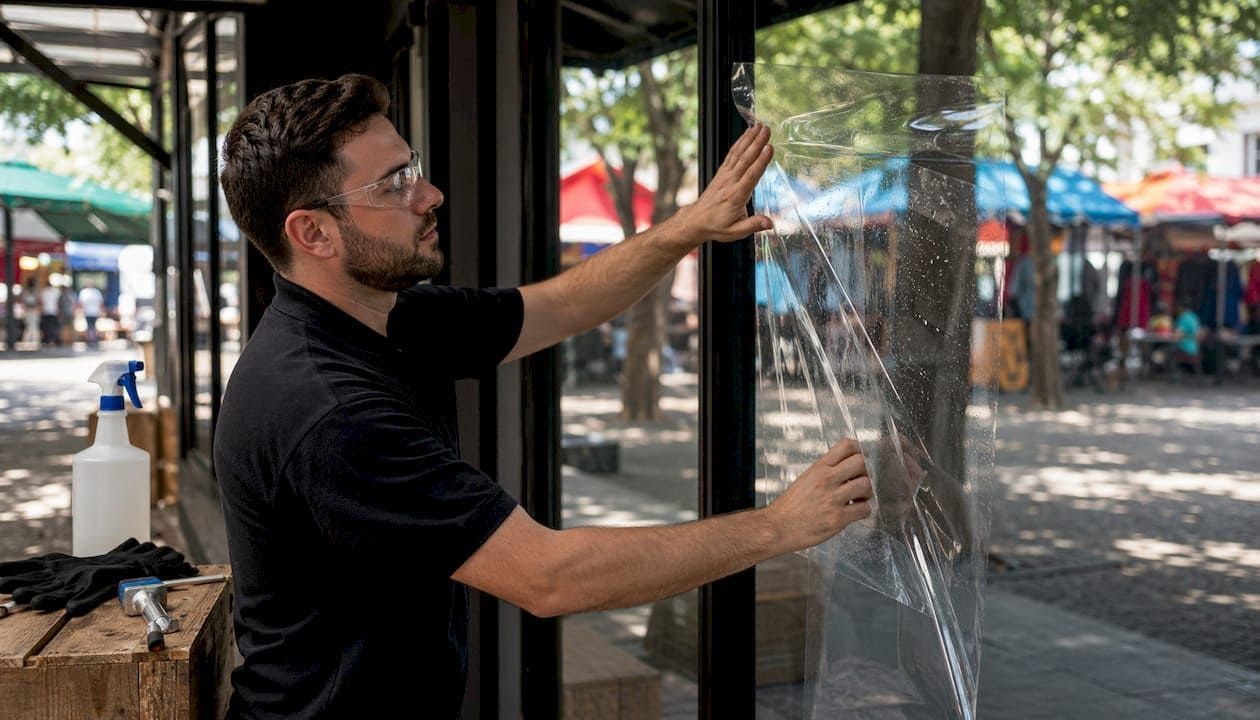
DIY film kits exist, but they cannot match the performance or longevity of professionally installed products. Bubbling, peeling, and uneven coverage are common DIY outcomes that void warranties and underperform on heat rejection. Professional installation with certified LLumar Vista Films means the product performs as rated, year after year.
Historic properties in
Southern New Hampshire present a unique case. Many owners assume tinting is incompatible with older architecture. It is not. Optically clear security films and lightly tinted solar films preserve the look of original windows while adding modern performance. The window tinting benefits apply just as strongly to a 19th-century colonial as they do to a modern glass office tower.
Stop treating tinting as a finishing touch. It is a functional upgrade that starts paying back from day one.
Ready to invest in professional tinting?
If the numbers and benefits make sense for your property, the next step is straightforward. Start with a free window tinting estimate to get a clear picture of costs and expected returns for your specific building.
Not sure what the results look like? See home tinting results from real installations across the region before you commit. If you manage a commercial property, explore
commercial tinting solutions tailored to offices, retail spaces, and multi-tenant buildings.
Surface Dynamics Window Tinting serves homeowners and property managers throughout
Southern New Hampshire and the Greater Boston Area.
Reach out today and let's find the right film for your property.
Frequently asked questions
How much can window tinting reduce energy bills?
Professional tinting can reduce energy costs by up to 30%, depending on window size, film type, and your local climate conditions.
Is window tinting suitable for historic buildings?
Yes, window tinting works well on historic buildings when professionally installed with films that preserve the original appearance and meet any local historic preservation guidelines.
Does window tinting affect natural light?
Modern films are designed to allow light while blocking unwanted heat and outside views, so you keep the brightness without the discomfort.
How long does professional window tint last?
Most high-quality films last 15 to 20 years with minimal maintenance, making them one of the most durable upgrades available for residential and commercial windows.
Do security films really prevent break-ins?
Security films deter break-ins by holding glass together under impact, making forced entry significantly slower and louder, which discourages most intruders.
Recommended