
How to protect interiors from UV and boost energy efficiency
TL;DR:
- UV rays penetrate windows continuously, causing indoor material fading and structural damage.
- Professional window films block up to 99% of UV rays, offering the best protection.
- Proper installation and verification ensure long-term interior preservation and cost savings.
Your hardwood floors were beautiful when you moved in. Now they're washed out, uneven in color, and starting to warp near the windows. Your upholstered furniture tells the same story. UV radiation quietly destroys what you've invested in, and most people don't notice until the damage is already done. For homeowners and business owners in Southern New Hampshire and Greater Boston, this isn't just an aesthetic problem. It translates into real replacement costs, tenant complaints, and rising energy bills. This guide walks you through exactly how UV damage works, what tools actually stop it, and how to verify your protection is holding up.
Table of Contents
- Understanding UV damage indoors
- Essential tools and materials for UV protection
- Step-by-step: How to protect interiors from UV
- Verifying UV protection and avoiding common mistakes
- The overlooked reality: Why shortcuts in UV protection cost more long-term
- Next steps: Get professional UV protection tailored to your space
- Frequently asked questions
Key Takeaways
| Point | Details |
|---|---|
| UV protection reduces fading | Blocking harmful ultraviolet rays helps preserve furnishings, flooring, and inventory for years. |
| Window films offer best results | Professional-grade window tints block up to 99% of UV and boost energy efficiency. |
| Step-by-step approach saves money | Combining expert solutions with regular checks ensures long-term protection and lowers total costs. |
| Verification prevents surprises | Testing and maintaining your UV solutions confirms you get full value and peace of mind. |
Understanding UV damage indoors
Most people associate UV exposure with sunburn at the beach. But UV rays don't stop at your front door. Glass windows, even standard double-pane units, allow significant amounts of ultraviolet radiation to pass through year-round, including on overcast days in January. The angle of the sun changes with the seasons, but UV penetration continues regardless of temperature or cloud cover.
The materials most vulnerable to UV damage are the ones you've spent the most money on. Natural fabrics like cotton, linen, and wool fade fastest. Hardwood floors lose their finish and develop uneven tones. Artwork, photography, and printed signage break down at the molecular level when exposed repeatedly. In retail and commercial spaces, product packaging and merchandise can fade on shelves, directly affecting perceived value and sales.
Up to 40% of fading in home interiors is caused by UV rays, making it the single largest contributor to interior color loss. Understanding window tinting benefits starts with recognizing that this isn't a slow, minor inconvenience. It's an accelerating process that compounds over time.
Damage also comes in two forms: visible and invisible. Visible damage is the fading you can see on a rug or curtain. Invisible damage is the structural breakdown of fibers, adhesives, and finishes that weakens materials before they show obvious color change. By the time you notice visible fading, the structural damage is already significant. Learning about UV protection window film early gives you the advantage of acting before replacement becomes necessary.
Warning signs UV is harming your space:
- Uneven color on floors or rugs near windows
- Faded upholstery or curtain panels facing south or west
- Artwork or framed photos with washed-out tones
- Peeling or cracking on wood furniture near glass
- Merchandise or retail displays losing vibrancy
| Type of damage | Speed of occurrence | Visible signs |
|---|---|---|
| Fabric fading | 6 to 18 months | Color loss, texture weakening |
| Hardwood floor bleaching | 12 to 24 months | Uneven tone, surface dulling |
| Artwork degradation | 3 to 12 months | Yellowing, color shift |
| Retail inventory fading | 3 to 9 months | Packaging discoloration |
| Wood furniture damage | 12 to 36 months | Cracking, finish breakdown |
The energy.gov resource on window treatments also confirms that unprotected windows contribute to both UV damage and thermal inefficiency, making the case for proactive solutions even stronger.
Essential tools and materials for UV protection
To tackle indoor UV exposure, it's key to understand your available protection options and what's truly effective. Not all solutions are created equal, and the difference between a quick fix and lasting protection is significant.
DIY approaches include heavy curtains, cellular shades, UV-blocking window sprays, and solar shades. These options are accessible and relatively inexpensive upfront. However, they come with trade-offs. Curtains block light entirely, which defeats the purpose of having windows. Sprays degrade quickly and require frequent reapplication. Shades help but rarely achieve the UV rejection levels that professional films deliver.
Professional window films, particularly LLumar Vista Solar Control Films installed by certified dealers, are engineered to reject UV rays at the molecular level without blocking your view or altering your window's appearance significantly. Window films block up to 99% of UV rays when professionally installed, a performance level no curtain or spray can match.
| Method | UV effectiveness | Upfront cost | Effort |
|---|---|---|---|
| Heavy curtains | Low to moderate | Low | Easy |
| UV-blocking sprays | Low | Very low | Easy |
| Solar shades | Moderate | Moderate | Easy |
| Professional window film | Very high (up to 99%) | Moderate to high | Professional |
For homeowners considering a full approach, the residential window film guide covers privacy, security, and style options that go beyond UV protection alone. Businesses with security concerns can also explore security window film options that combine UV rejection with shatter resistance.
Must-have supplies for each approach:
- DIY: UV-blocking roller shades, blackout curtain liners, UV spray (reapply every 6 months)
- Professional: Certified film installer, quality film product rated for UV rejection, clean application tools
- Both: UV meter for measuring before and after results, cleaning solution safe for treated glass
Pro Tip: When choosing between options, prioritize solutions that protect without sacrificing natural light. Rooms that feel dark and closed off push occupants to turn on more artificial lighting, which increases energy costs and defeats part of the purpose.
Step-by-step: How to protect interiors from UV
Now let's walk through the most effective steps you can take, whether you're a DIYer or turning to the pros.
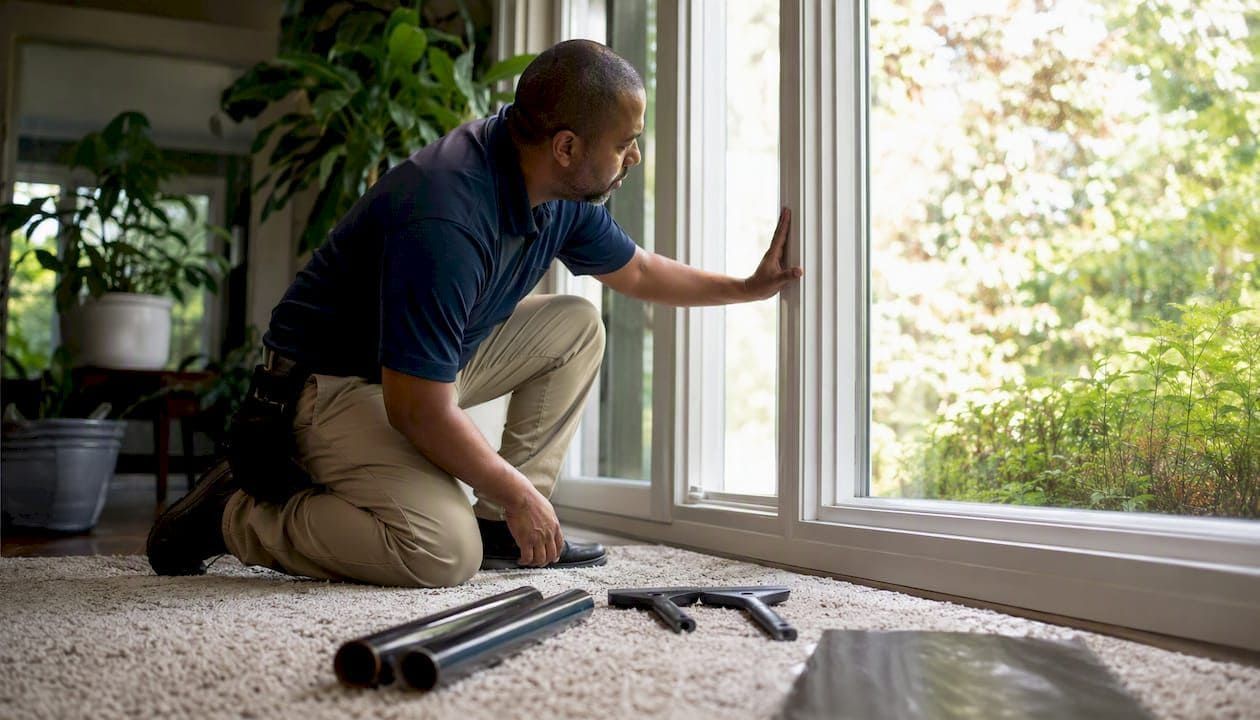
- Assess your exposure. Walk through your space at different times of day and note which windows receive direct sunlight. South and west-facing windows typically receive the most UV exposure. Identify which furnishings, floors, or merchandise are closest to those windows.
- Choose your protection level. Based on your assessment, decide whether a DIY approach is sufficient or whether professional film installation makes more sense. High-traffic commercial spaces and homes with significant art or hardwood investment almost always benefit from professional-grade film.
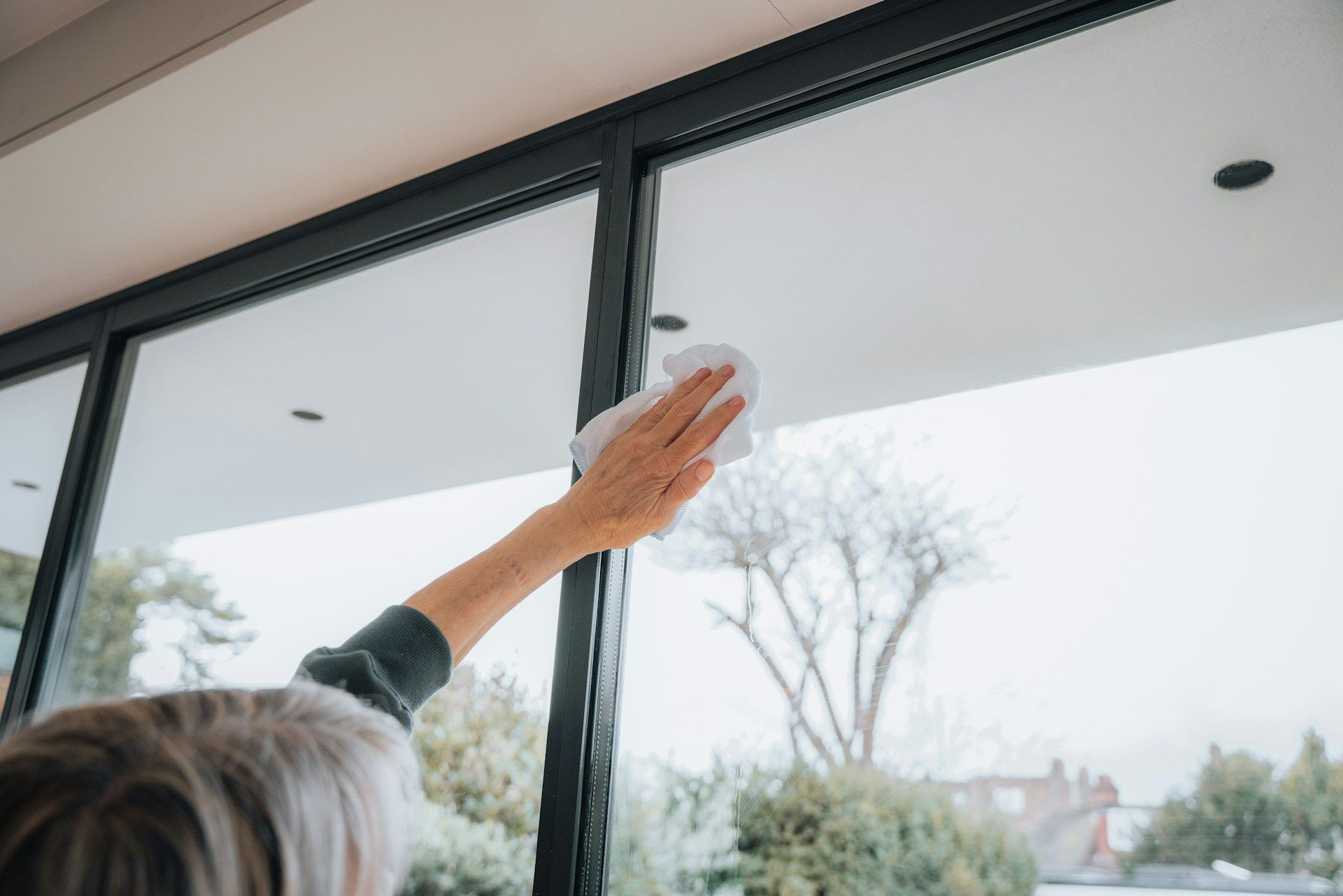
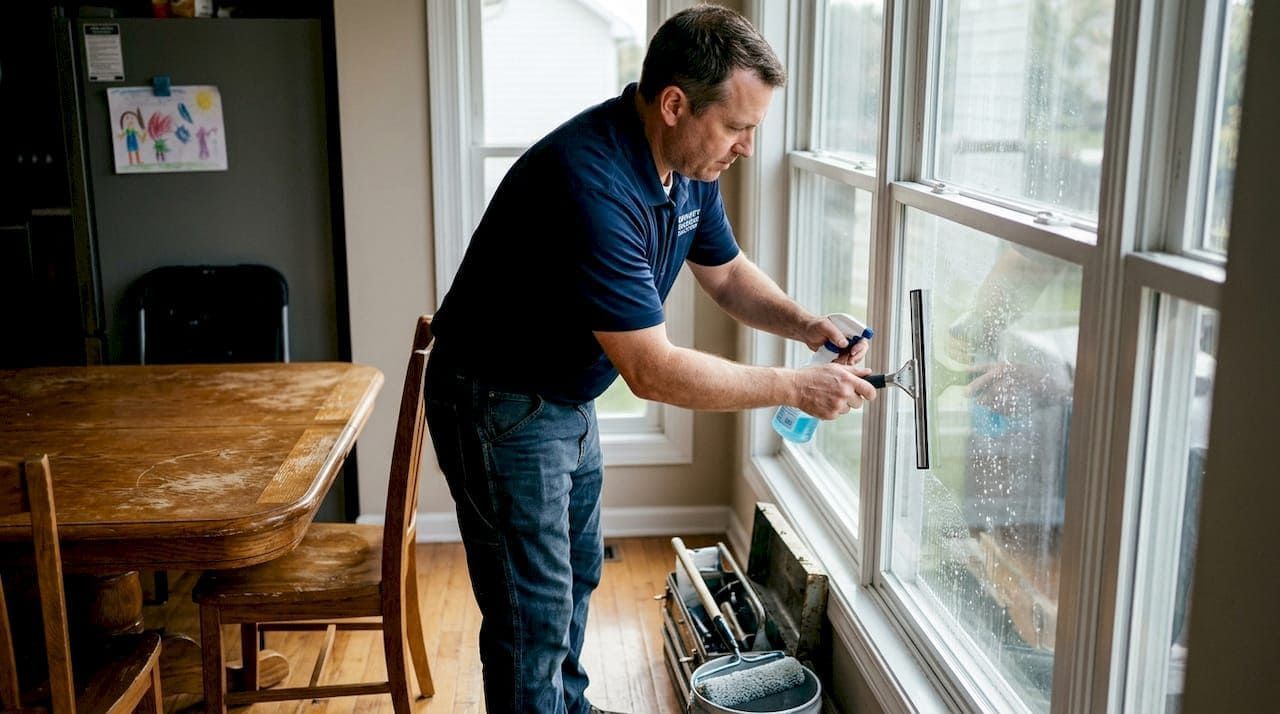
- Prepare your windows. Clean all glass surfaces thoroughly before any installation. Residue, dust, or grease will trap air bubbles under film and reduce adhesion. Use a streak-free cleaner and a lint-free cloth.
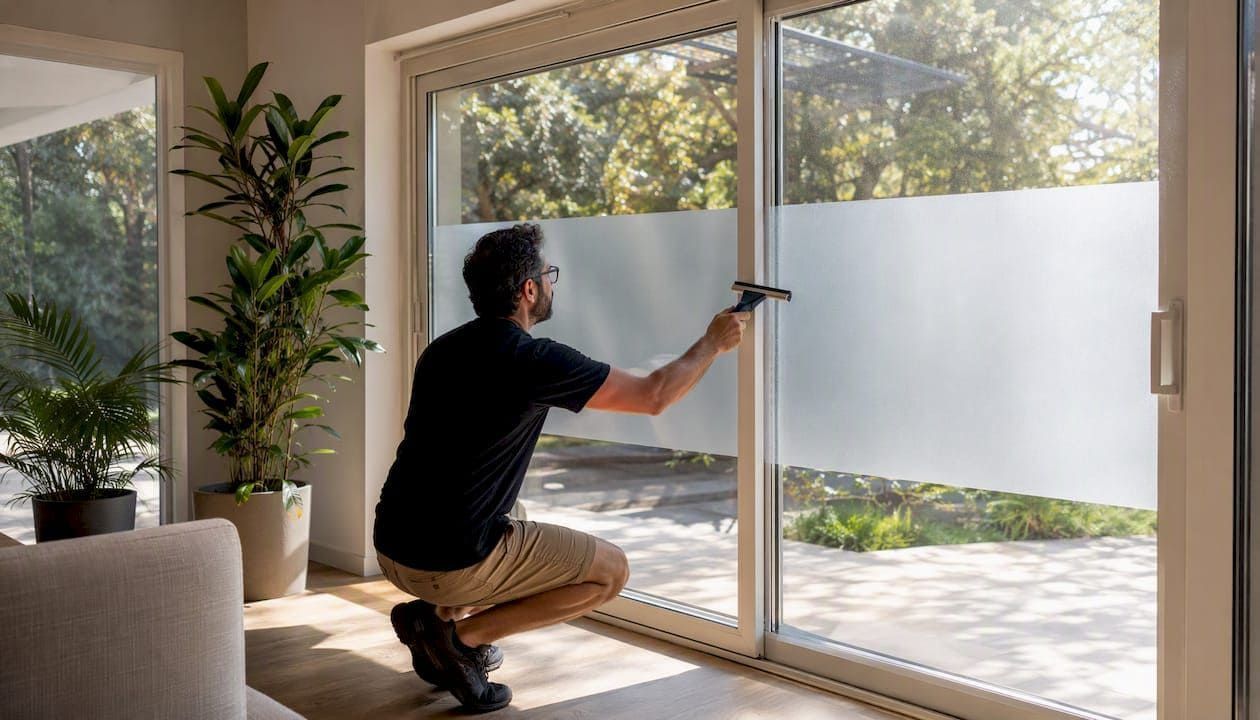
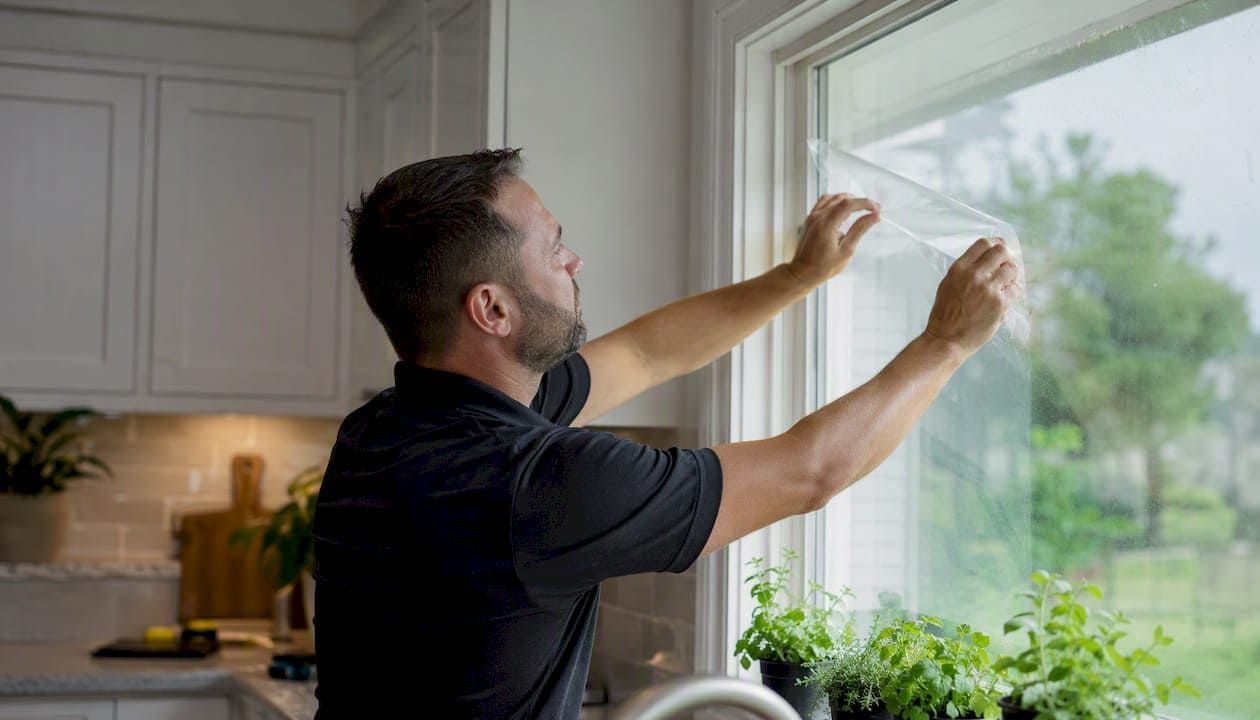
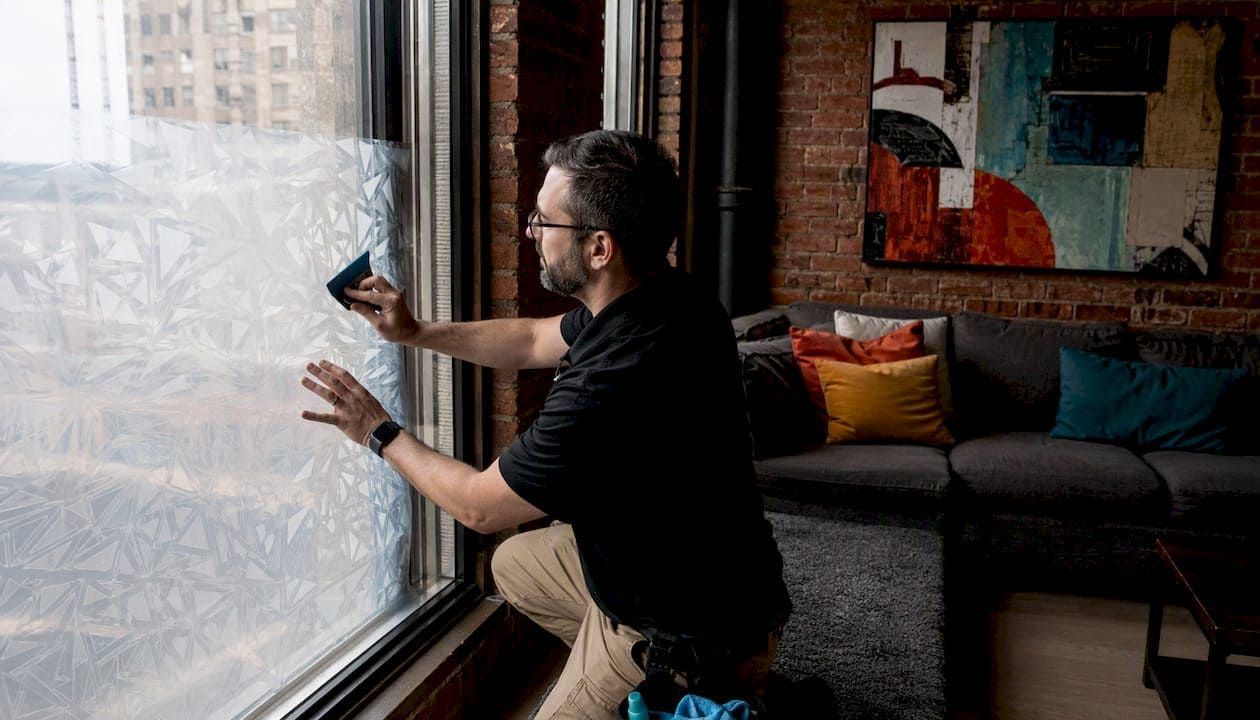
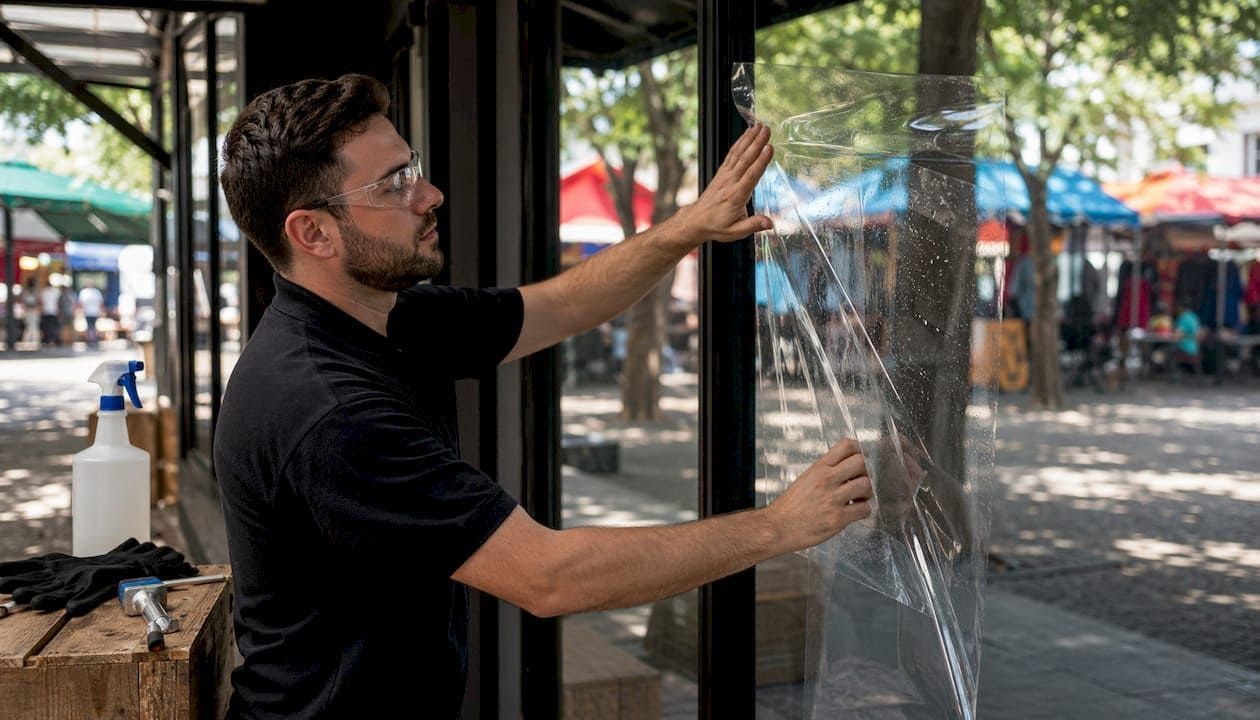
- Install your chosen solution. For DIY shades or curtains, follow manufacturer guidelines for mounting and coverage. For professional film, work with a certified installer. Solar window films installed by trained technicians perform significantly better and last longer than self-applied alternatives.
- Layer your protection. Combining window film with layered treatments maximizes both UV protection and energy savings. A solar film paired with light-filtering shades gives you flexibility across seasons.
- Calculate your savings. Use an
energy savings calculator to estimate the financial return on your investment in reduced cooling and heating costs.
Important: Improper installation of window film can trap moisture, cause bubbling, and void manufacturer warranties. Always verify your installer is certified and uses film products rated for your specific window type. The EPA guidance on windows and UV radiation also recommends professional-grade solutions for maximum protection.
Pro Tip: After installation, use a UV meter to measure radiation levels on both sides of the glass. A dramatic drop confirms your film is performing as expected. This gives you a documented baseline for future comparisons.
Verifying UV protection and avoiding common mistakes
After you've taken action to block UV rays, it's crucial to check your results and learn from others' mistakes.
The most reliable way to verify UV protection is with a UV meter, a small handheld device that measures ultraviolet radiation levels. Hold it on the interior side of your window before and after installation to compare readings. You can also observe fading patterns over 60 to 90 days. If fading slows or stops in previously affected areas, your solution is working.
Improper application is the most common reason for weak UV protection. Bubbles, lifting edges, and uneven adhesion all create gaps where UV radiation passes through unchecked. A professional inspection after installation is the most reliable way to confirm quality.
For spaces with valuable artwork or collections, the museum UV guidelines from the National Park Service provide a useful benchmark for acceptable UV exposure levels in preservation settings.
| Common mistake | Symptom | Solution |
|---|---|---|
| Skipping window cleaning before film | Bubbles, poor adhesion | Clean thoroughly before installation |
| Using low-grade film | Rapid fading of film itself | Choose certified, rated products |
| Ignoring edge sealing | Film peeling at corners | Professional installation with proper edging |
| No follow-up testing | Unknown protection level | Use UV meter post-installation |
Maintenance and review tips:
- Clean filmed windows with ammonia-free solutions only
- Inspect edges and corners every 6 months for lifting
- Schedule a professional review every 2 to 3 years
- Replace film showing signs of discoloration or bubbling immediately
- Get a free window tinting estimate if you're unsure whether your current solution is still performing
The overlooked reality: Why shortcuts in UV protection cost more long-term
Stepping back from the how-to details, here's what most guides won't tell you based on years of experience working with homes and businesses across Southern New Hampshire and Greater Boston.
The most common reason people delay professional UV protection is upfront cost. It's understandable. But the math rarely works in favor of waiting. A set of replacement hardwood floors in a mid-size living room costs several times more than a full window film installation. A retail business that lets merchandise fade on shelves loses revenue every single day without ever writing a check for the damage.
We've seen businesses replace inventory twice before finally investing in solar films for lasting benefits. We've seen homeowners repaint and reupholster before realizing the source of the problem was never addressed. Cheap sprays and basic shades create the feeling of action without delivering real results.
The uncomfortable truth is that UV damage is invisible until it's expensive. Professional-grade window film is the only solution that addresses the root cause rather than masking the symptoms. It pays for itself, and it does so faster than most people expect.
Next steps: Get professional UV protection tailored to your space
You now have a clear picture of what UV damage costs, which solutions actually work, and how to verify your protection is holding. The next step is making it real for your specific windows and space.
Surface Dynamics Window Tinting serves homeowners and businesses across
Southern New Hampshire and Greater Boston with LLumar Vista film installations backed by professional expertise. Use our
window film viewer for homes or
film viewer for businesses to visualize how different films look on your property before committing. When you're ready, our team will assess your space and recommend the right premium solar window film to protect what matters most. No guesswork, no pressure.
Frequently asked questions
How much UV can window tint block?
High-quality window films can block up to 99% of harmful UV rays when installed correctly by a certified professional.
Can DIY UV-blocking options protect as well as professional films?
DIY solutions reduce some UV exposure, but window films offer the best results in terms of effectiveness, longevity, and consistent coverage compared to curtains or sprays.
How do I know if my UV protection is working?
You can use a UV meter, monitor fading over time, or schedule a professional inspection to confirm your solution is performing. Best practices for verifying protection include sunlight testing and a post-installation walkthrough.
Do UV-protective films affect window appearance?
Modern window films come in clear or lightly tinted styles, and today's films are designed for both aesthetics and performance, so your windows maintain their look while delivering strong UV protection.
Recommended