
Explaining UV Protection Standards for Homeowners
TL;DR:
- UV protection standards like UPF, SPF, and UV400 measure a material's ability to block specific UV wavelengths critical for skin and interior preservation. Window films with high UPF ratings effectively block UVA and UVB rays, but standard glass predominantly shields only UVB, leaving interiors vulnerable to UVA damage. Proper certification, realistic testing, and correct installation are essential for ensuring reliable long-term UV protection year-round.
UV protection standards are defined benchmarks that measure how effectively a material or product blocks ultraviolet radiation harmful to skin and building interiors. For homeowners and property managers, explaining UV protection standards is the starting point for every smart decision about window films, sun-protective products, and building safety. The key standards you will encounter are SPF (Sun Protection Factor), UPF (Ultraviolet Protection Factor), and UV400. Each is tested differently, covers different wavelengths, and applies to different products. Understanding which standard applies to window films specifically determines whether your home is genuinely protected or just marketed to.

What are the main UV protection standards and what do they measure?
UV radiation splits into two categories that matter for buildings and skin: UVB (wavelengths 280 to 315 nm) and UVA (315 to 400 nm). UVB causes sunburn and is the primary driver of skin cancer risk. UVA penetrates deeper, causes premature aging, and passes through glass with almost no resistance. Both require protection, but different standards measure them differently.
SPF measures only UVB protection and applies exclusively to sunscreens. The number tells you how much longer you can stay in the sun before burning compared to bare skin. SPF 30 filters about 97% of UVB rays, while SPF 50 filters roughly 98%. That 1% difference sounds small, but it represents a meaningful increase in UVB blocked for people with high sun exposure. SPF says nothing about UVA protection.
UPF is the standard most relevant to window films and fabrics. It measures both UVA and UVB transmittance through a material and expresses protection as a ratio. UPF 50+ blocks 98% of UV radiation and is the highest meaningful rating on the market. Ratings are classified as Good (UPF 15 to 24), Very Good (UPF 25 to 39), and Excellent (UPF 40 to 50+). Anything rated UPF 50+ performs identically in practice because beyond UPF 50 the incremental benefit is negligible. Manufacturers cap labeling at 50+ for regulatory clarity.
UV400 is the standard applied to eyewear and some glass products. It guarantees that UV radiation up to 400 nm is blocked, covering the full UVA and UVB spectrum. When you see "UV400" or "100% UV protection" on a product label, it means complete blockage across both wavelength ranges.
Lab testing for all three standards uses spectrophotometers to measure how much UV passes through a sample. The results are weighted by the erythema action spectrum, which reflects how damaging each wavelength is to human skin.
Pro Tip: When comparing window films, ask specifically for the UPF rating or the percentage of UV blocked across both UVA and UVB wavelengths. A film that only reports visible light rejection is not giving you the full picture.
How do UV protection standards apply to window films?
Window glass blocks nearly all UVB but does not adequately block UVA. This is the single most important fact for homeowners to internalize. You can sit next to a sunny window all day and feel no sunburn, yet still accumulate significant UVA damage to your skin and your furnishings. Standard residential glass provides almost no defense against the wavelengths that cause fading, photoaging, and long-term interior degradation.
Window films certified with high UPF ratings or labeled as blocking 99% of UV radiation address this gap directly. The primary testing standard used in the United States for window films and UV-protective textiles is AATCC TM183, which measures UV transmittance through the material under controlled lab conditions. Films tested to this standard give you a reliable, comparable number. The US primarily uses AATCC 183, while Australia and New Zealand rely on AS/NZS 4399 with stricter requirements, so international product comparisons require attention to which standard was applied.
Here is how common window film UV protection labels compare:
| Label | UV blocked | Standard used | Best for |
|---|---|---|---|
| 99% UV rejection | UVA + UVB | AATCC TM183 | Residential and commercial films |
| UPF 50+ | UVA + UVB | AATCC TM183 / AS/NZS 4399 | Fabrics, some specialty films |
| UV400 | Full spectrum to 400 nm | ISO 12312 | Eyewear, architectural glass |
| SPF 30+ | UVB only | FDA sunscreen monograph | Sunscreens, not films |
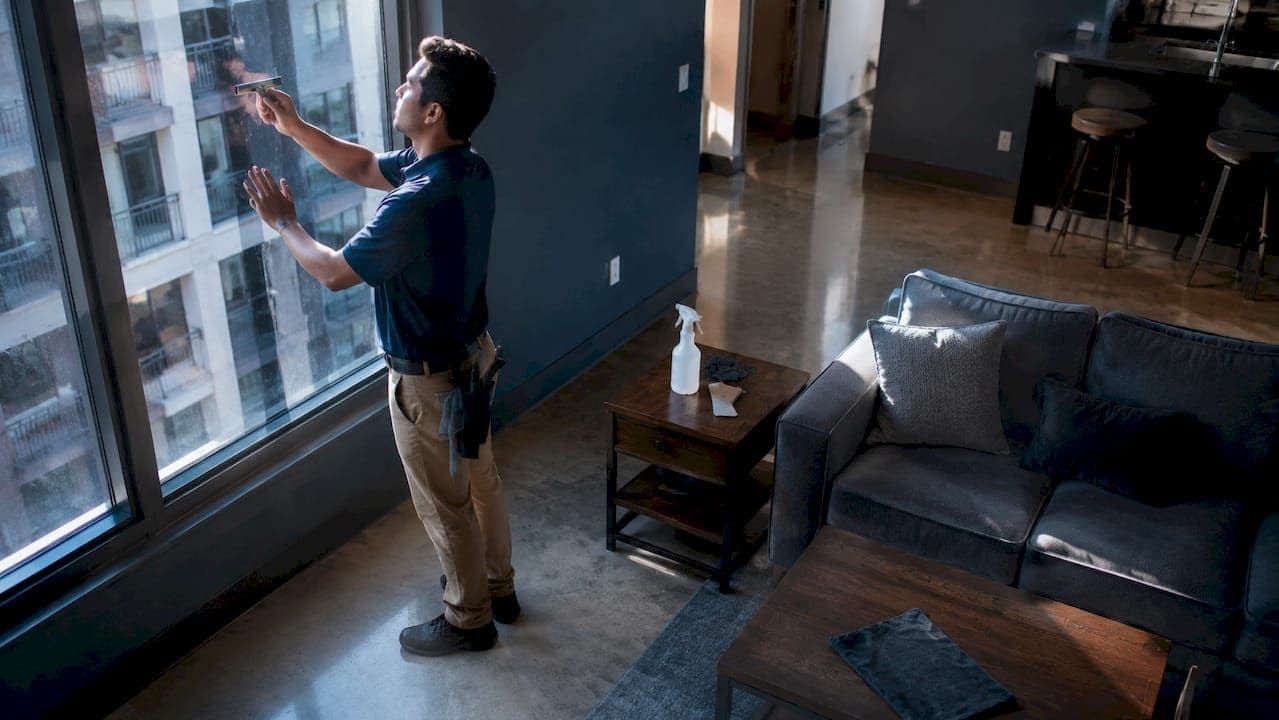
Real-world performance depends on more than the lab rating. Film type, installation quality, glass thickness, and the direction windows face all affect how much UV actually reaches your interior. A film rated at 99% UV rejection installed with air gaps or bubbles will underperform its certification.
Pro Tip: Always request the manufacturer's test documentation, not just the marketing label. Reputable films from brands like LLumar will provide AATCC TM183 test results on request.
What should homeowners know when selecting UV protection products?
Selecting a UV-protective window film or fabric is not as simple as picking the highest number on the label. Several real-world factors affect whether a product delivers its rated protection over time.
- Wear and aging: UPF-rated fabrics tested dry may lose protection when wet or stretched. Window films are more stable than fabrics but can degrade with improper cleaning, scratching, or prolonged direct sun exposure without protective coatings.
- Testing protocol rigor: UV Standard 801 is a strict testing protocol that evaluates materials in wet, stretched, and worn states, simulating real-use conditions. Products tested to UV Standard 801 provide more reliable protection claims than those tested only under ideal dry conditions.
- Broad-spectrum coverage: SPF and UPF serve different purposes and work best in combination. Combining sunscreen with UPF fabrics or films yields better protection than either alone because window films cannot cover every exposed skin surface.
- Label verification: Compliance and labeling of UV protection products depend on adherence to regional standards and lab test documentation. A product claiming UPF 50+ without third-party lab certification is a marketing claim, not a verified standard.
- UV intensity misconceptions: UV radiation intensity is independent of temperature and can be high on cool or cloudy days. This means your windows need UV protection year-round, not just during summer months.
For property managers overseeing multiple units, the practical approach is to specify films with documented AATCC TM183 certification and request the actual transmittance data rather than relying on brand descriptions alone. This protects both occupants and the property manager from liability tied to inadequate UV safety guidelines.
Pro Tip: Check whether a film's UV protection rating was tested on the film alone or on the film applied to glass. The combined system rating is what matters for your windows.
How UV protection standards impact interior safety and energy efficiency
UVA radiation is the primary cause of fading in furniture, flooring, artwork, and textiles. It does not require direct sunlight to cause damage. Diffuse light on an overcast day still carries UVA that degrades pigments and weakens fibers over time. A south-facing living room with untreated glass can fade hardwood floors and upholstery within two to three years of consistent exposure.
Window films that block 99% of UV radiation dramatically slow this process. The benefit extends beyond aesthetics. Faded flooring and deteriorated furnishings represent real replacement costs, and for commercial properties, damaged interiors affect tenant satisfaction and lease renewals. Protecting interiors with certified UV-blocking films is a property value decision, not just a comfort upgrade.
The energy efficiency connection is equally direct. Films that block UV also reduce solar heat gain, which lowers cooling loads during warm months. Surfacetint's UV protection window film guide notes that window films complement but do not replace sunscreen since skin remains exposed in other settings. Films also reduce infrared and visible light transmission, contributing to lower indoor temperatures and reduced air conditioning demand. For homeowners in Southern New Hampshire and the Greater Boston Area, where summer sun angles are high and winters bring significant solar gain through south-facing glass, this dual benefit is measurable on energy bills.
Pairing UV-blocking window films with home insulation upgrades creates a layered approach to energy efficiency that addresses both heat transfer through glass and heat loss through walls. Neither strategy alone achieves what both accomplish together.
Key takeaways
Selecting the right UV protection product requires matching the correct standard to the application: UPF for films and fabrics, SPF for sunscreens, and UV400 for glass and eyewear.
| Point | Details |
|---|---|
| UPF is the right standard for films | Window films should carry a UPF rating or documented % UV blocked across UVA and UVB. |
| Glass blocks UVB but not UVA | Standard window glass leaves interiors exposed to the wavelengths that cause fading and skin aging. |
| Testing protocol matters | Products tested to UV Standard 801 or AATCC TM183 provide more reliable real-world protection. |
| UV protection works year-round | UV radiation is high regardless of temperature, so films provide value in every season. |
| Layered protection is most effective | Combining window films with sunscreen and shading covers gaps that no single product addresses. |
What I've learned from years of watching homeowners get this wrong
Most homeowners assume their windows already protect them from UV radiation because they do not get sunburned indoors. That assumption is exactly wrong, and it costs people money in faded furnishings and missed health protection every year.
The most common misunderstanding I see is treating UPF 50+ as a ceiling worth chasing rather than a practical threshold. Once a film or fabric reaches UPF 50+, the incremental gain from higher ratings is statistically irrelevant. What matters far more is whether the product was tested under realistic conditions and whether the installation was done correctly. A perfectly rated film installed poorly is worse than a moderately rated film installed well.
I also see property managers skip the step of requesting actual lab documentation. Marketing language like "blocks harmful UV" or "UV protective" without a specific rating number and a named testing standard is not a protection claim. It is a description. The difference between those two things is the difference between a product that works and one that looks good on a spec sheet.
My honest recommendation: treat UV protection as a system, not a single product decision. Films handle the glass. Sunscreen handles exposed skin. Shading handles peak sun hours. No single layer does everything, and the right window film selection is the layer that works 24 hours a day without any action required from the occupant. That passive, continuous protection is what makes certified window films worth the investment.
Protect your property with certified UV-blocking window films
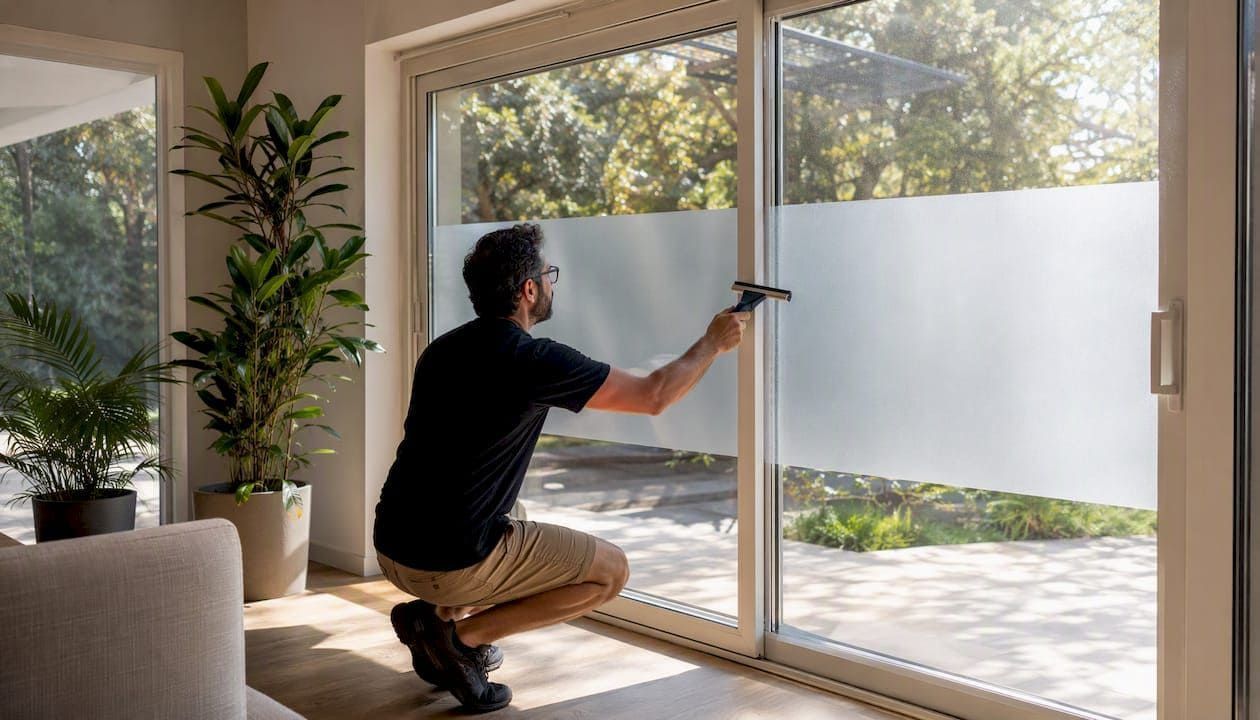
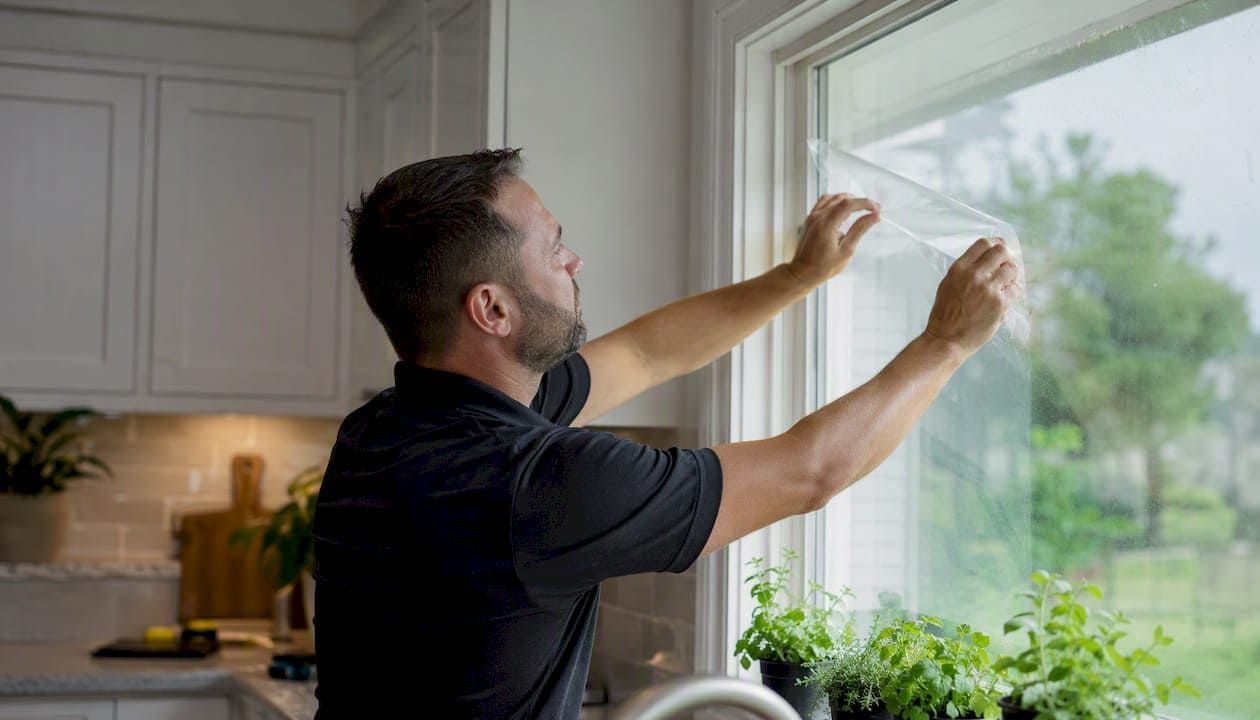
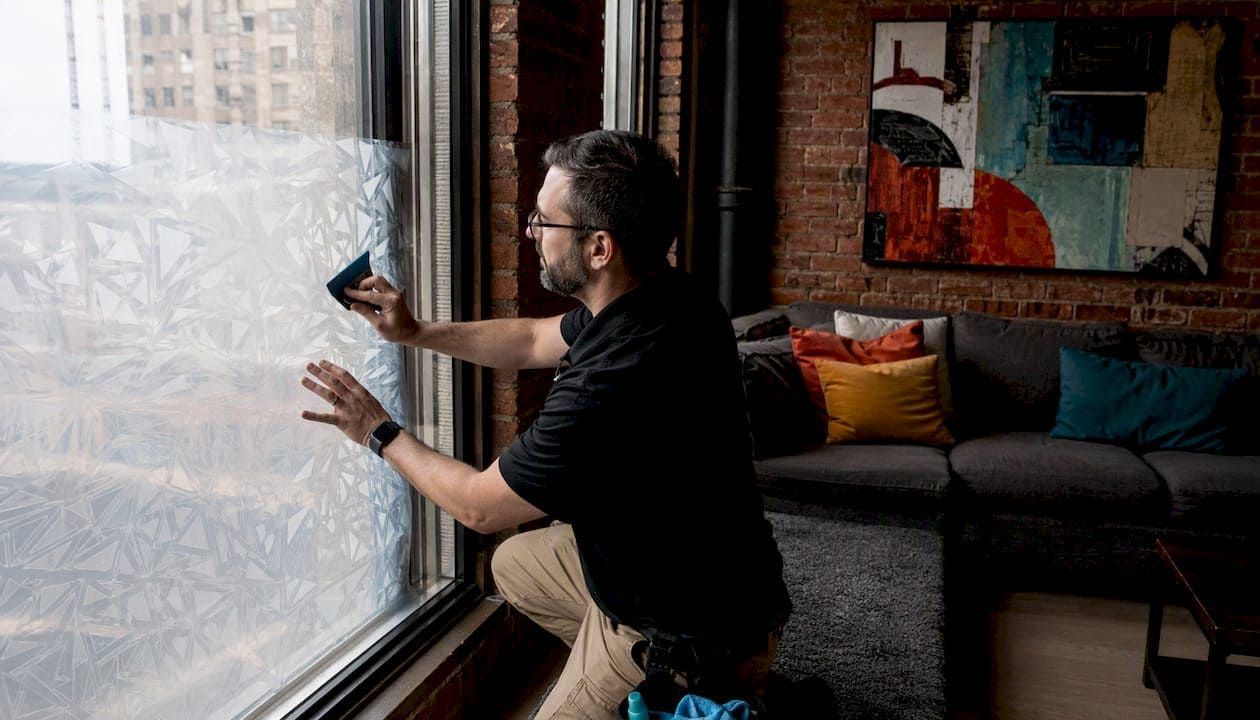
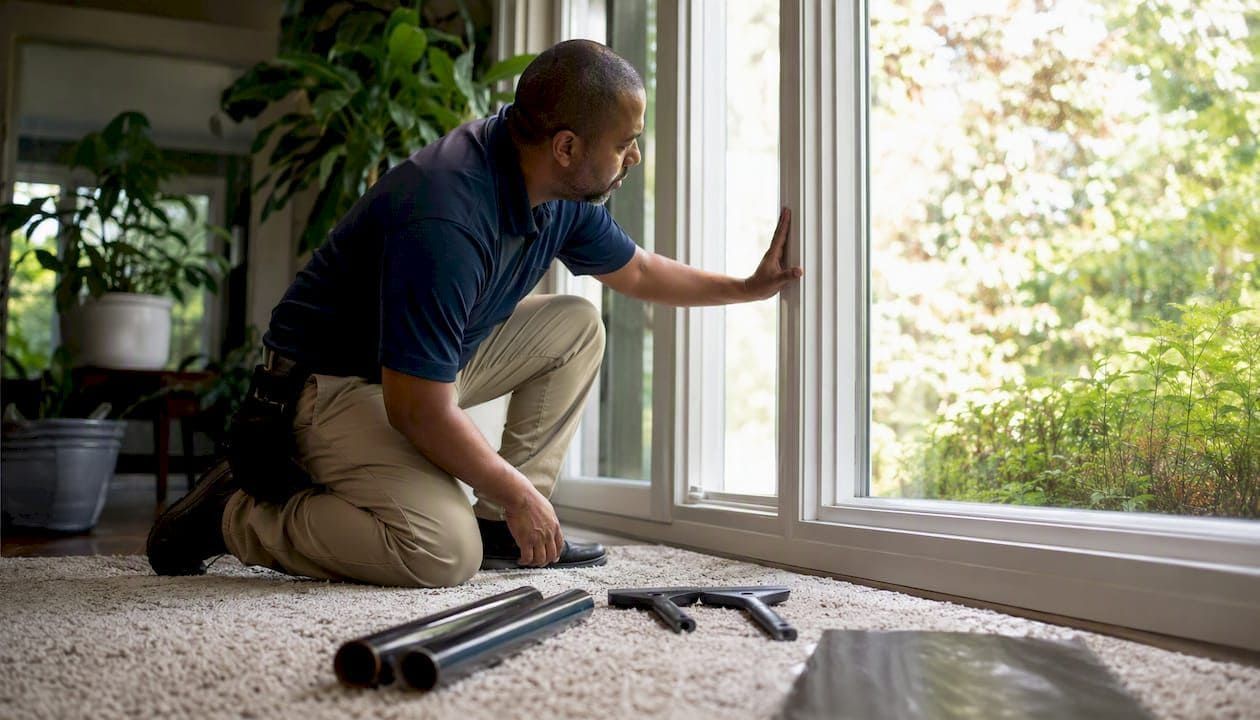
Surfacetint installs LLumar Vista Solar Control Films tested to industry UV protection standards, delivering documented UVA and UVB blockage for residential and commercial properties across Southern New Hampshire and the Greater Boston Area. Every installation is backed by professional-grade film performance, not just marketing claims.
Whether you manage a single-family home or a multi-unit commercial building, Surfacetint offers a free window tinting estimate tailored to your property's UV exposure, energy efficiency goals, and interior protection needs. If you are focused specifically on your home, the residential solar window films page covers the full range of options available. Contact Surfacetint to schedule a consultation and get film recommendations backed by real test data.
FAQ
What does UPF 50+ mean for window films?
UPF 50+ means the material blocks at least 98% of UV radiation across both UVA and UVB wavelengths. For window films, this is the highest practical rating, and anything above UPF 50 offers no meaningful additional protection.
Does regular window glass protect against UV radiation?
Standard window glass blocks nearly all UVB but allows most UVA to pass through. UVA is the wavelength responsible for interior fading, skin aging, and long-term damage, so untreated glass provides inadequate UV protection indoors.
What is the difference between SPF and UPF?
SPF measures UVB protection in sunscreens only, while UPF measures both UVA and UVB protection in fabrics and films. For window film selection, UPF or a documented percentage of UV blocked is the relevant standard, not SPF.
How do I verify a window film's UV protection claims?
Request the manufacturer's AATCC TM183 test results, which document UV transmittance through the film applied to glass. A credible UV protection claim includes a specific rating number and a named testing standard, not just a general description.
Does UV protection from window films work in winter?
UV radiation intensity is independent of temperature and remains significant on cool or cloudy days. Window films provide UV protection year-round, making them effective in every season regardless of outdoor conditions.
Recommended