
Window Tinting for Hotel Lobbies: A Facilities Guide
TL;DR:
- Window tinting in hotel lobbies enhances guest comfort, reduces energy costs, and reinforces brand identity through specialized films. Ceramic films offer superior heat rejection without darkening glass, while decorative and privacy films allow for custom branding and privacy management; proper planning and professional installation are essential for optimal results. Partnering with certified experts ensures effective film selection, proper application, and long-term maintenance, elevating the lobby's aesthetic and functional appeal.
Window tinting for hotel lobbies is the process of applying specialized solar control and decorative films to large glass surfaces to manage heat, glare, UV exposure, and privacy while reinforcing a property's visual identity. The right hotel lobby window film does more than block sunlight. It protects furnishings, reduces HVAC costs, and shapes the first impression every guest forms the moment they walk through the door. Professional-grade films, including LLumar ceramic solar films and decorative options like 3M Fasara, give facilities managers precise control over light, temperature, and aesthetics without replacing a single pane of glass.
What are the best types of window films for hotel lobbies?
Ceramic films are the performance standard for solar control in large lobby spaces. High-performance ceramic films block up to 98% of infrared heat, which directly reduces the load on your HVAC system and keeps guests comfortable near floor-to-ceiling windows. Unlike traditional dyed films that darken glass and sacrifice natural light, ceramic films work by rejecting infrared energy before it enters the building.
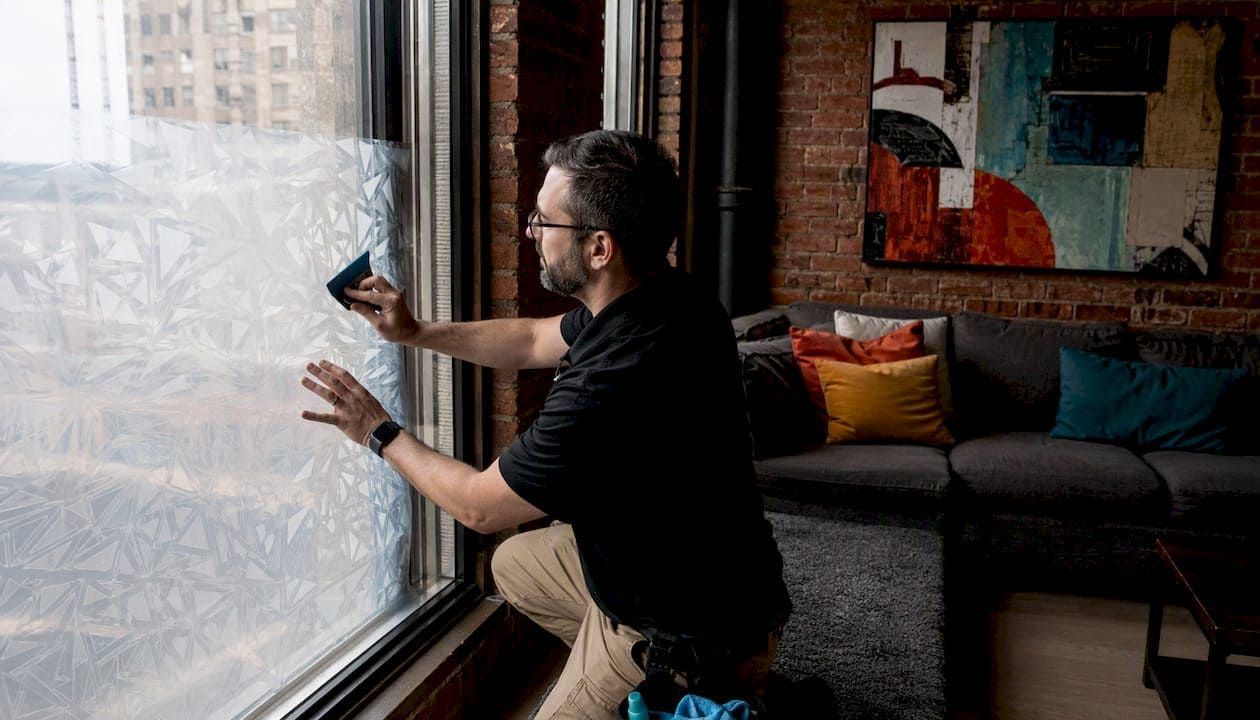
Decorative window films serve a completely different purpose but are equally important in hospitality settings. Custom logos, textures, and gradations can define lobby zones, mark reception areas, and reinforce brand identity without blocking daylight. 3M Fasara films, for example, offer frosted, geometric, and gradient patterns that transform plain glass into a design feature.
Privacy films fall into three categories, each with a distinct trade-off:
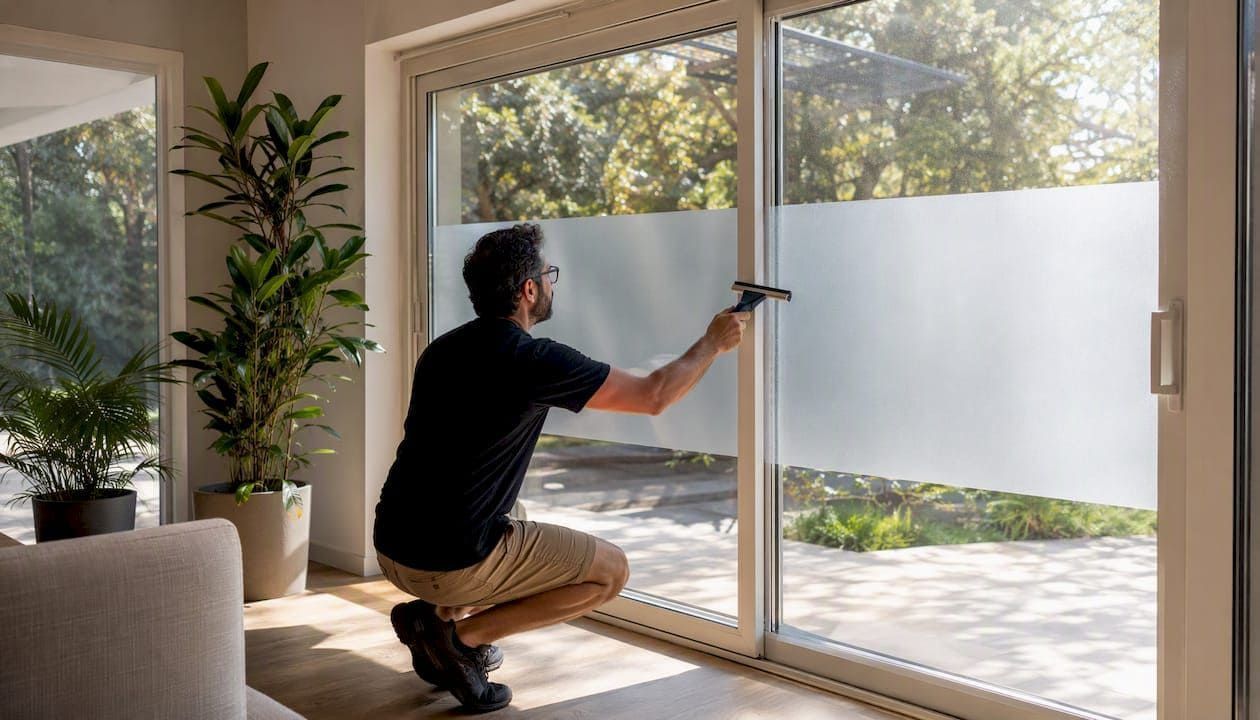
- Gradient films fade from opaque at the base to clear at the top, preserving the open, airy feel that premium lobbies require while blocking sightlines at seated height
- One-way reflective films provide daytime privacy from the outside while maintaining outward views from inside, ideal for street-facing lobbies
- Blackout films deliver full opacity and are best reserved for back-of-house glass partitions, not guest-facing lobby windows
Smart film is the most advanced option. Smart film switches between transparent and opaque states instantly using an electrical signal, offering on-demand privacy and glare control. It requires electrical installation and is best integrated during phased renovations rather than retrofitted into an active lobby mid-season.
| Film Type | Primary Benefit | Best Use in Lobbies |
|---|---|---|
| Ceramic solar film | Infrared heat rejection, energy savings | South and west-facing glass walls |
| Decorative frosted film | Branding, zone definition | Reception partitions, entry glass |
| Gradient privacy film | Daylight + seated privacy | Street-level lobby windows |
| One-way reflective film | Daytime exterior privacy | Street-facing facades |
| Smart film | Switchable privacy and glare control | VIP areas, phased renovations |
What you need to assess before installation begins
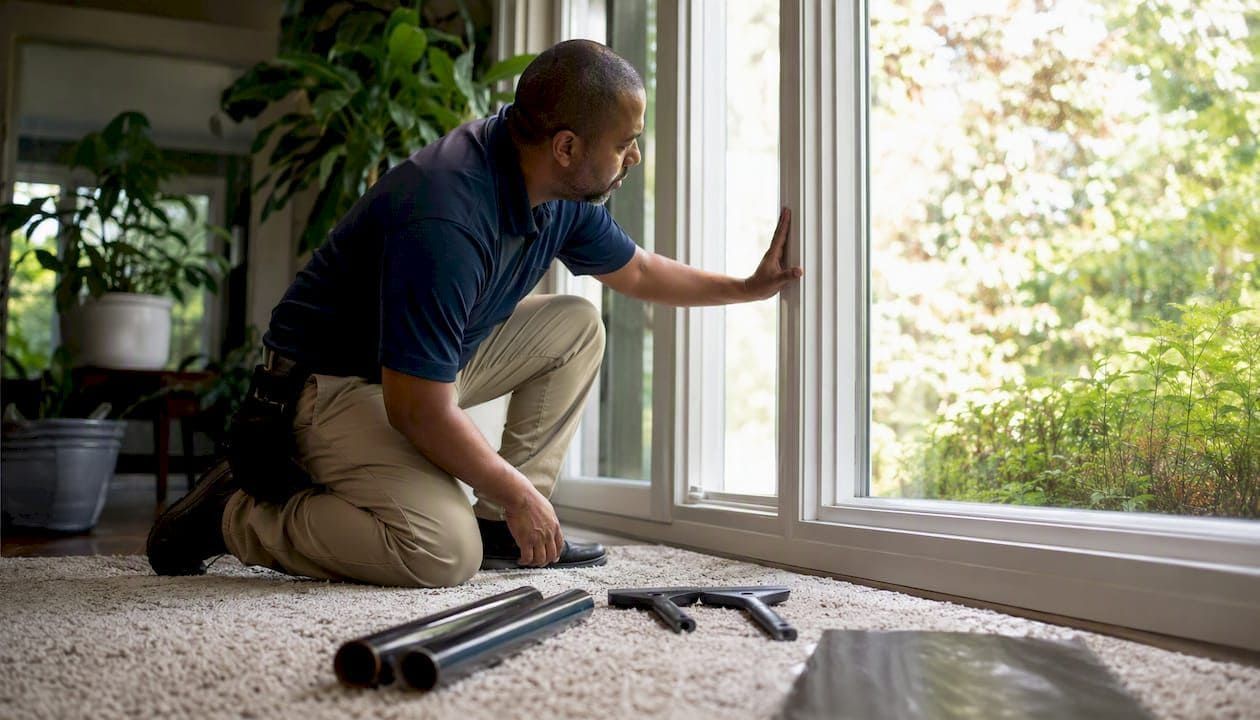
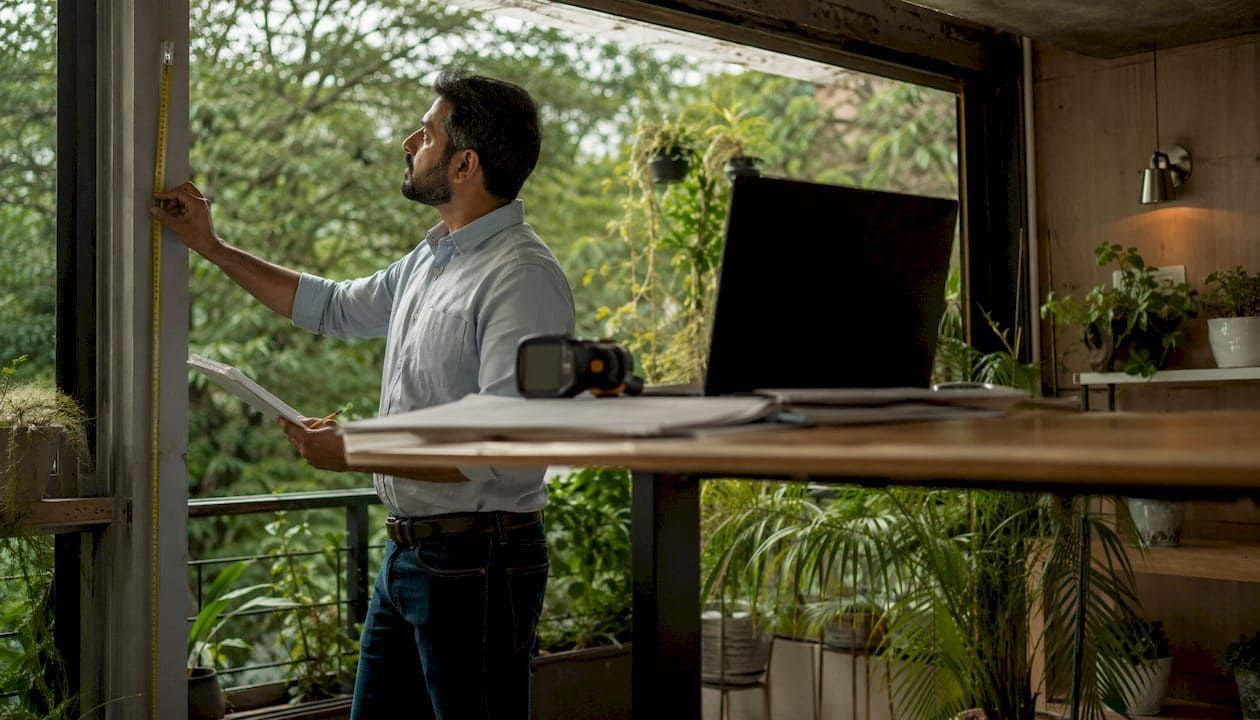
The single most important pre-installation step is a glass audit. You need to know the glass type (tempered, laminated, insulated double-pane), the cardinal orientation of each window, and whether interior or exterior application is more practical. For lobbies where interior access is limited by furniture or structural features, exterior film application reduces operational disruption significantly.
Guest traffic patterns matter as much as glass specs. A lobby that handles check-in peaks from 2 PM to 8 PM needs installation scheduled for early morning or overnight. Coordinate with your maintenance team to identify blackout windows in the facility calendar, particularly around high-occupancy periods like holidays or conference bookings.
Before any installer arrives on site, confirm the following:
- Glass type and manufacturer specs (some coated glass types restrict certain film adhesives)
- Window dimensions and total square footage per elevation
- Access requirements: scaffolding, lift equipment, or interior staging
- Installer certifications and whether they are an authorized dealer for the film brand being used
- Warranty terms, which vary significantly between film grades and manufacturers
Pro Tip: When evaluating films for west-facing lobby glass, prioritize Total Solar Energy Rejected (TSER) over Visible Light Transmission (VLT) alone. Managing TSER by reflecting infrared energy before it enters is more effective than simply darkening the glass, which can make a lobby feel dim without meaningfully reducing heat.
How the installation process works in a hotel lobby
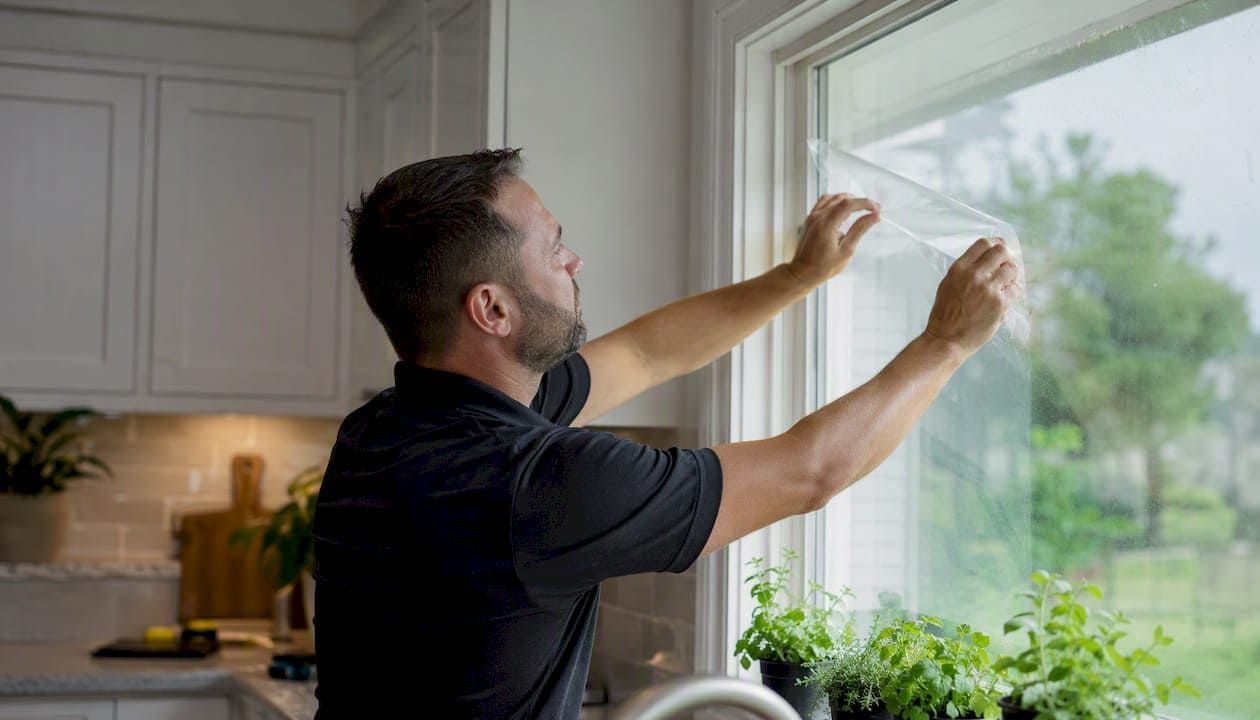
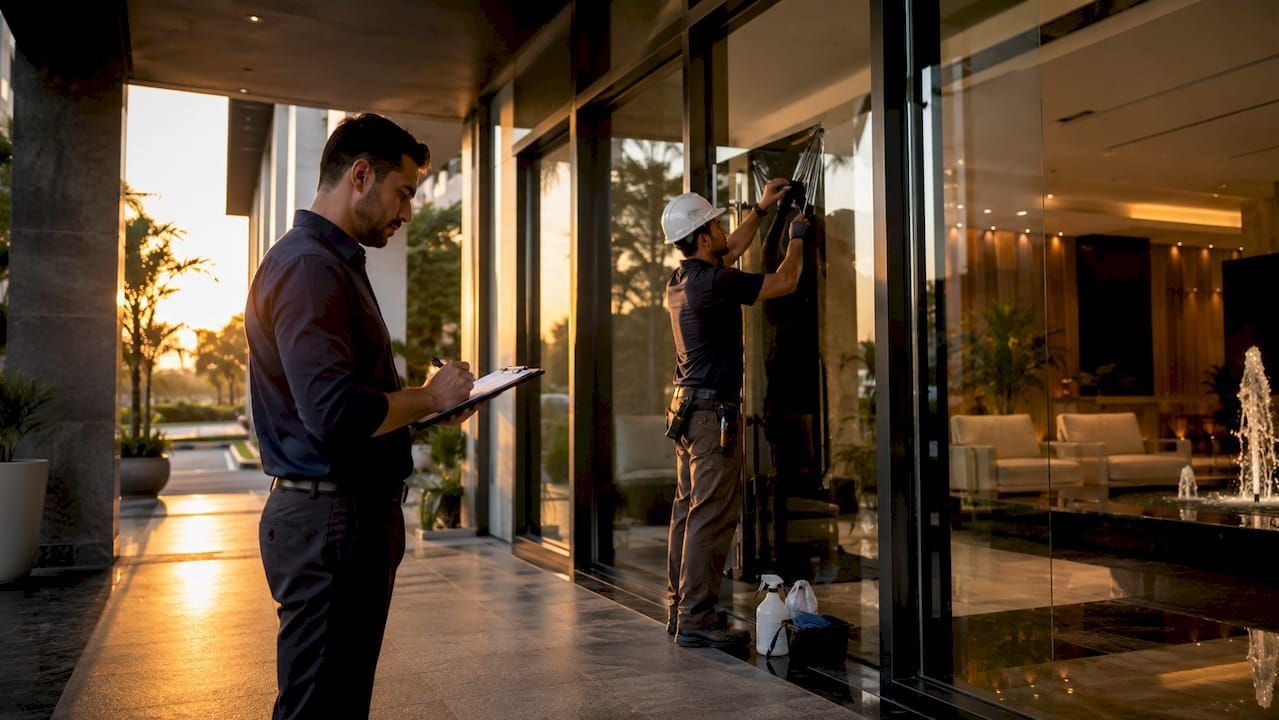
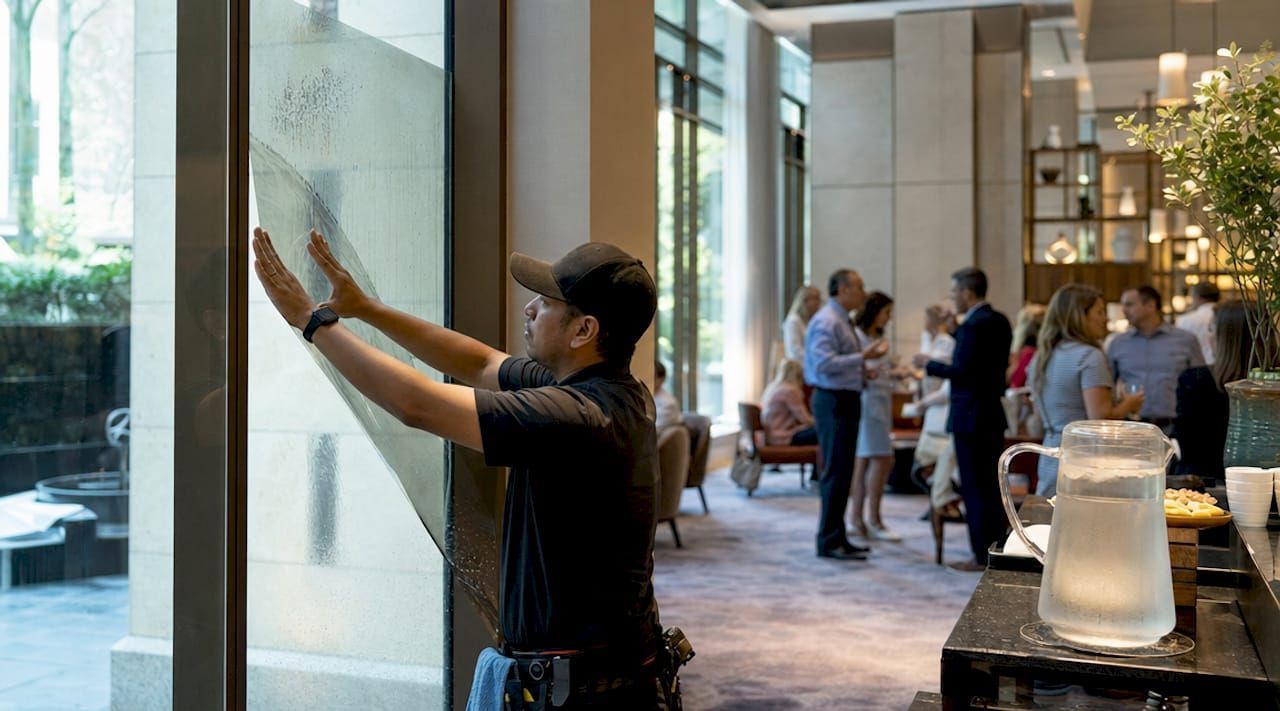
Professional window film installation in a hotel lobby follows a precise sequence. Skipping or rushing any step produces bubbles, peeling edges, or misaligned patterns that are visible to every guest. Here is the standard process used by qualified commercial installers:
- Surface preparation. Clean each glass panel with a professional-grade solution to remove dust, oils, and mineral deposits. Any contamination trapped under the film will create permanent blemishes.
- Film measurement and cutting. Measure each panel individually. Large lobby windows rarely share identical dimensions. Cut film with a 1/8-inch overlap on all edges to account for trimming after application.
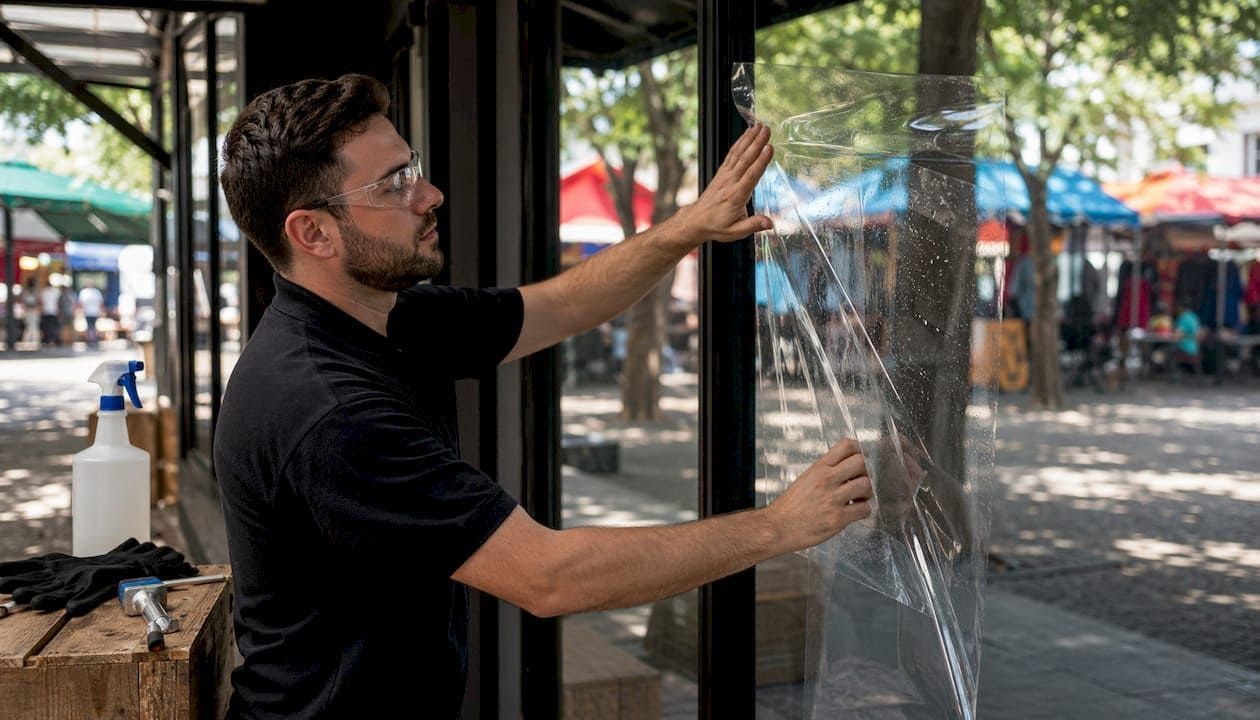
- Slip solution application. Spray the glass with a slip solution (typically diluted baby shampoo and water) to allow the film to be repositioned during placement.
- Film placement and squeegee work. Apply the film liner-side down and use a hard-edge squeegee to push air and excess solution from the center outward. Work in overlapping strokes to avoid missed pockets.
- Edge trimming. Trim the overlap with a straight-edge blade for a clean, professional finish flush with the frame.
- Final inspection. Check for bubbles, lifted edges, and alignment. Small water bubbles are normal and evaporate within 30 days. Large air pockets require immediate correction.
The Dorsett Putrajaya hotel installed specialized cooling film across 421.6 square meters of glass to reduce solar heat gain in its lake-view dining space. That scale of installation required phased execution across multiple days to avoid disrupting guests. The same phased approach applies to any large hotel lobby project.
Pro Tip: Curved or frameless glass panels require a flexible film grade and a more experienced installer. Confirm your installer has handled structural glass of the same profile before signing a contract. Review their commercial project portfolio to verify comparable work.
How to troubleshoot common problems after installation
Bubbling is the most common post-installation complaint, and most cases resolve on their own. Water bubbles, which appear milky and soft, disappear as the adhesive cures over two to four weeks. Hard air bubbles that feel firm under pressure are a different problem. They indicate contamination during installation or improper squeegee technique and require the affected section to be removed and reapplied.
Peeling edges signal one of two issues: the film was cut too short and does not reach the frame, or the glass was not cleaned thoroughly before application. Both are installer errors. A reputable commercial installer will correct these at no charge under their workmanship warranty.
Color fading or a purple tint developing over time is a sign of low-grade dyed film rather than quality ceramic or metallic film. This is a product selection mistake, not an installation error. Specifying LLumar or Vista film products from the outset eliminates this risk entirely.
Maintenance best practices to protect your investment:
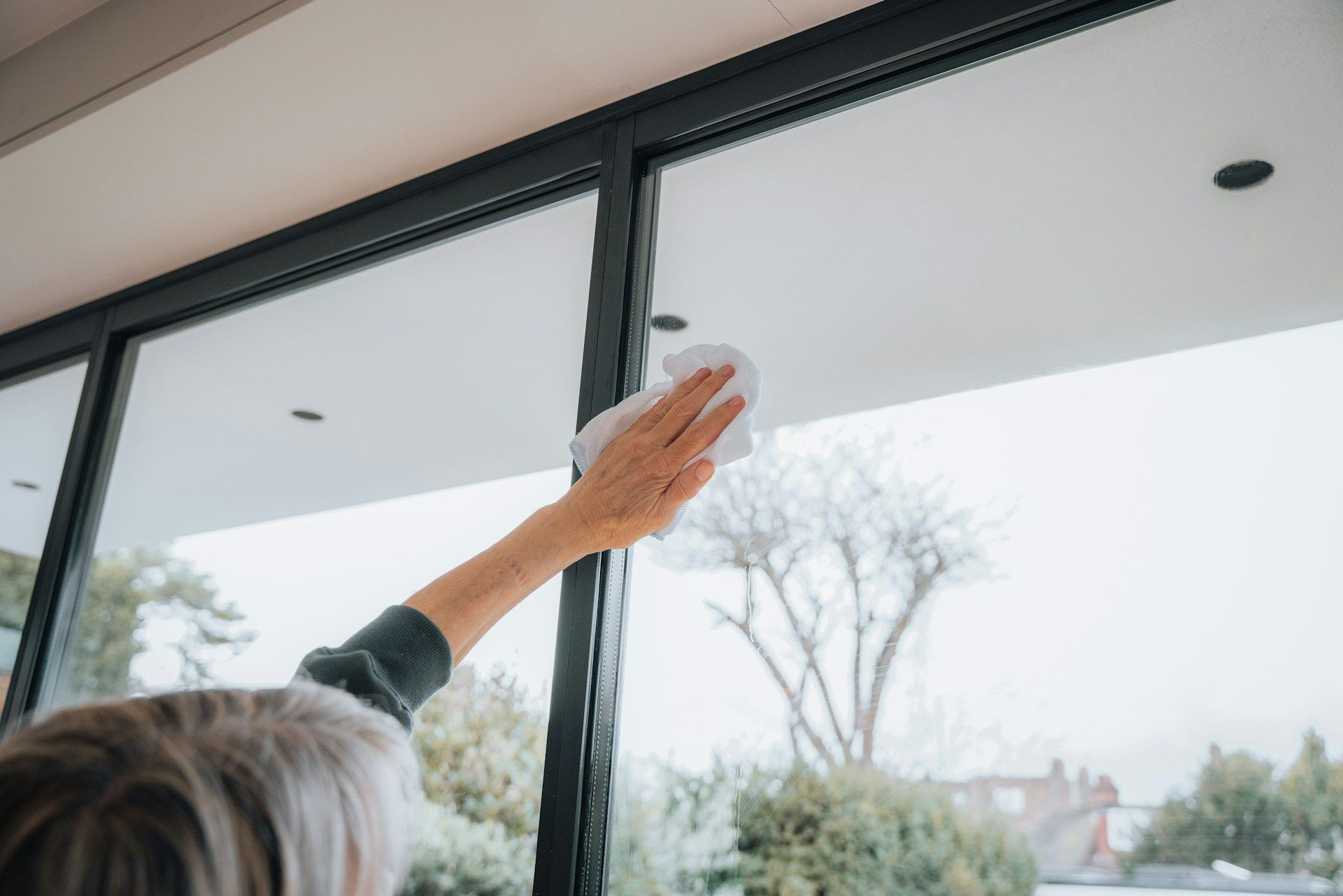
- Wait 30 days after installation before cleaning filmed glass
- Use a soft cloth and ammonia-free cleaner only (ammonia degrades film adhesive over time)
- Inspect edges annually for lifting, particularly in lobbies with high humidity or direct sprinkler exposure
- Avoid abrasive scrubbers or razor blades on filmed surfaces
Pro Tip: The most common aesthetic mistake in hotel lobbies is selecting a film that is too dark. Overly dark tint reduces natural light and creates a closed, institutional feel that conflicts with the open atmosphere most hotel brands want. Choose a ceramic film with a VLT above 40% for primary lobby glass.
How to use decorative films as a design and branding tool
Decorative window films for hotels are not a substitute for solar control films. They are a separate layer of design strategy. The most effective lobby installations combine a base solar film for heat and UV rejection with a decorative overlay that adds pattern, texture, or brand graphics to specific glass zones.
Window film as a branded design feature works particularly well on the glass panels flanking a main entrance, on interior glass partitions between the lobby and a restaurant or lounge, and on elevator lobby glass where guests spend time waiting. A frosted geometric pattern at eye level on entry glass, for example, adds privacy from the street while signaling design sophistication to arriving guests.
Partial and gradient coverage is a more refined approach than full-panel frosting. Gradient privacy films maintain daylight and openness in premium hotel lobbies better than solid blackout films, which can make a space feel smaller. A gradient that runs from 60% opacity at the base to clear at the top preserves sightlines while blocking seated-level views from outside.
The retrofit advantage of decorative film is significant for facilities managers working within capital budget constraints. Window films avoid the downtime associated with glass replacement or curtain wall renovation, which can close a lobby for days or weeks. A full decorative film installation on a standard hotel lobby can be completed in one to two days with no structural work required.
| Decorative Film Style | Visual Effect | Functional Benefit |
|---|---|---|
| Frosted white film | Clean, modern opacity | Privacy without blocking light |
| Gradient film | Fades from opaque to clear | Daylight + seated privacy |
| Patterned / geometric | Textured, branded look | Zone definition, visual interest |
| Custom logo / graphic | Full brand expression | Wayfinding, brand reinforcement |
You can explore decorative film options for commercial spaces to see how pattern and branding translate across different glass configurations.
Key takeaways
Window tinting for hotel lobbies delivers measurable returns on guest comfort, energy costs, and brand aesthetics when the right film type is matched to each glass surface and installed by a certified professional.
| Point | Details |
|---|---|
| Film type selection matters | Ceramic films reject heat without darkening glass; decorative films add brand value. |
| UV protection preserves interiors | Professional films block up to 99% of UV rays, protecting furnishings and artwork from fading. |
| Installation requires planning | Assess glass type, orientation, and guest traffic before scheduling any work. |
| Retrofit beats replacement | Film installation avoids lobby downtime and capital costs tied to glass replacement. |
| Maintenance extends film life | Ammonia-free cleaners and annual edge inspections protect the film investment long-term. |
What I've learned from hotel lobby tinting projects
The lobbies that get window tinting right are the ones where the facilities manager treated it as a design decision, not just a maintenance fix. The properties that get it wrong almost always made the same mistake: they chose the darkest available film because they assumed darker meant cooler. It does not. A well-specified ceramic film with a 45% VLT will outperform a dark dyed film on every metric that matters, including heat rejection, guest comfort, and the quality of light in the space.
The other pattern I have seen repeatedly is underestimating the branding opportunity. Hotel lobbies are the most photographed interior space in any property. A custom gradient or frosted pattern on the entry glass is visible in every guest photo, every social post, and every press shot. That is a marketing asset with a 10 to 15 year lifespan at the cost of a film installation.
My honest recommendation for any hotel owner or facilities manager starting this process: get a site assessment from a certified commercial installer before you look at a single product catalog. The glass orientation, the existing HVAC capacity, and the lobby's natural light profile will determine which films actually perform in your specific building. General product specs are a starting point, not a decision. Partnering with an experienced local professional who understands both the technical and aesthetic dimensions of the project is what separates a lobby that looks and feels right from one that just has tinted windows.
How Surfacetint helps hotel owners get lobby tinting right
Surfacetint, operating as Surface Dynamics Window Tinting, brings specialized commercial window film expertise to hotel and hospitality projects across Southern New Hampshire and the Greater Boston Area. As an exclusive LLumar SelectPro Dealer, Surfacetint installs Vista Films including solar control, decorative privacy, and safety and security films, all backed by manufacturer warranties and professional workmanship guarantees.
Whether you are managing a single boutique property or a multi-floor lobby renovation, Surfacetint provides a no-obligation site assessment and free commercial estimate tailored to your glass configuration and performance goals. You can also review completed commercial projects in the project gallery to see how lobby film installations translate in real hospitality environments. Contact Surfacetint to schedule your assessment and get a clear picture of what the right film can do for your property.
FAQ
What is the best window film for a hotel lobby?
Ceramic solar control film is the top-performing option for most hotel lobbies because it rejects up to 98% of infrared heat without significantly reducing visible light. Pair it with a decorative gradient film on street-facing glass for privacy and brand impact.
How long does hotel lobby window tinting installation take?
A standard hotel lobby installation typically takes one to two days depending on total glass area and film type. Phased scheduling during off-peak hours minimizes disruption to guests and front-desk operations.
Does window film protect hotel lobby furniture from fading?
Professional-grade window films block up to 99% of UV rays, which are responsible for 40% of interior fading in upholstery and artwork. Film is one of the most cost-effective ways to extend the life of lobby furnishings and décor.
Can decorative window film be removed or updated?
Most decorative films are designed for removal without damaging the underlying glass, which makes them practical for rebranding or seasonal updates. Consult your installer on adhesive type before specifying film for historic or specialty glass surfaces.
How much does commercial window tinting cost for a hotel lobby?
Commercial window tinting costs vary based on glass area, film grade, and installation complexity. Requesting a site-specific estimate from a certified installer is the only reliable way to get accurate pricing for your property.
Recommended