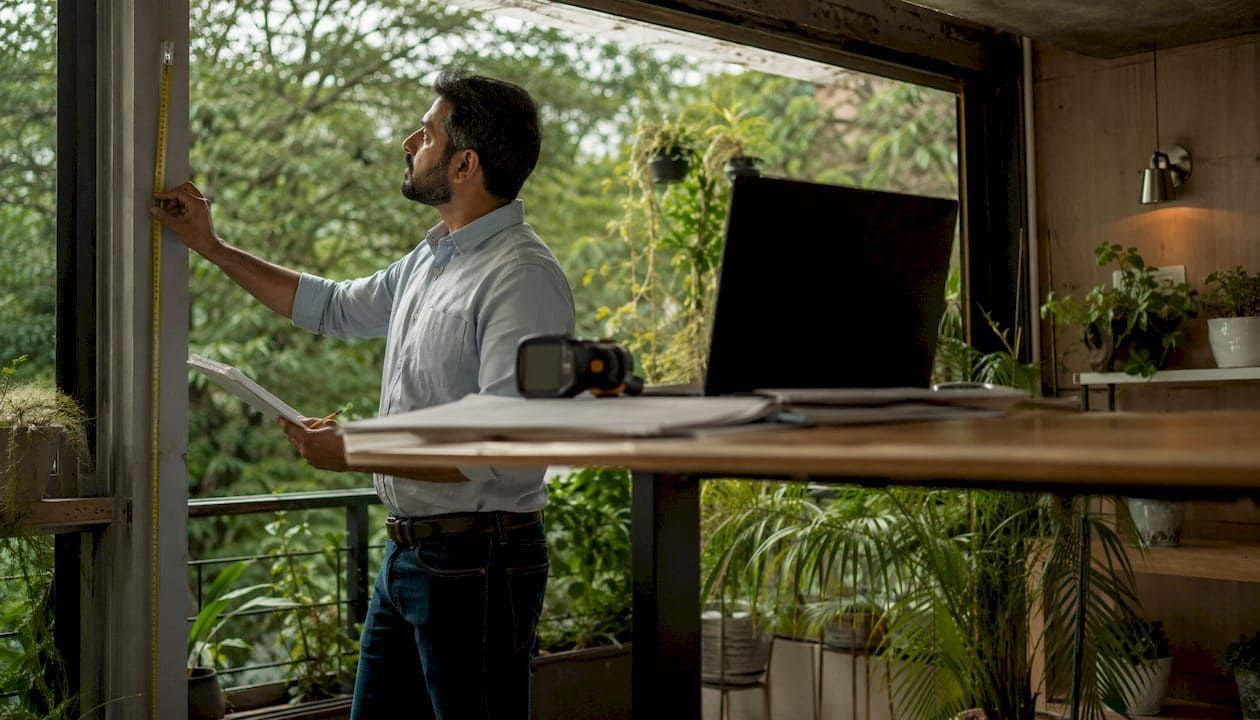

Heat Rejection Film Explained: Boost Energy Efficiency
TL;DR:
- Modern heat rejection window films block infrared radiation without darkening windows.
- These films utilize reflection, absorption, or interference to reduce heat and UV rays.
- Ceramic films offer high IR rejection with minimal impact on signals, ideal for New England climates.
More than half of the solar energy entering your home or office is invisible infrared (IR) radiation, not the sunlight you can actually see. That invisible heat is what makes south-facing rooms feel like ovens in July, drives up your cooling bills, and slowly fades your furniture. The good news is that modern heat rejection window films are engineered to stop IR before it ever crosses your glass, all without turning your windows into mirrors or dark panels. This article walks you through what heat rejection film is, how it works, the main types available, and how to pick the right solution for a Southern New Hampshire or Greater Boston property.
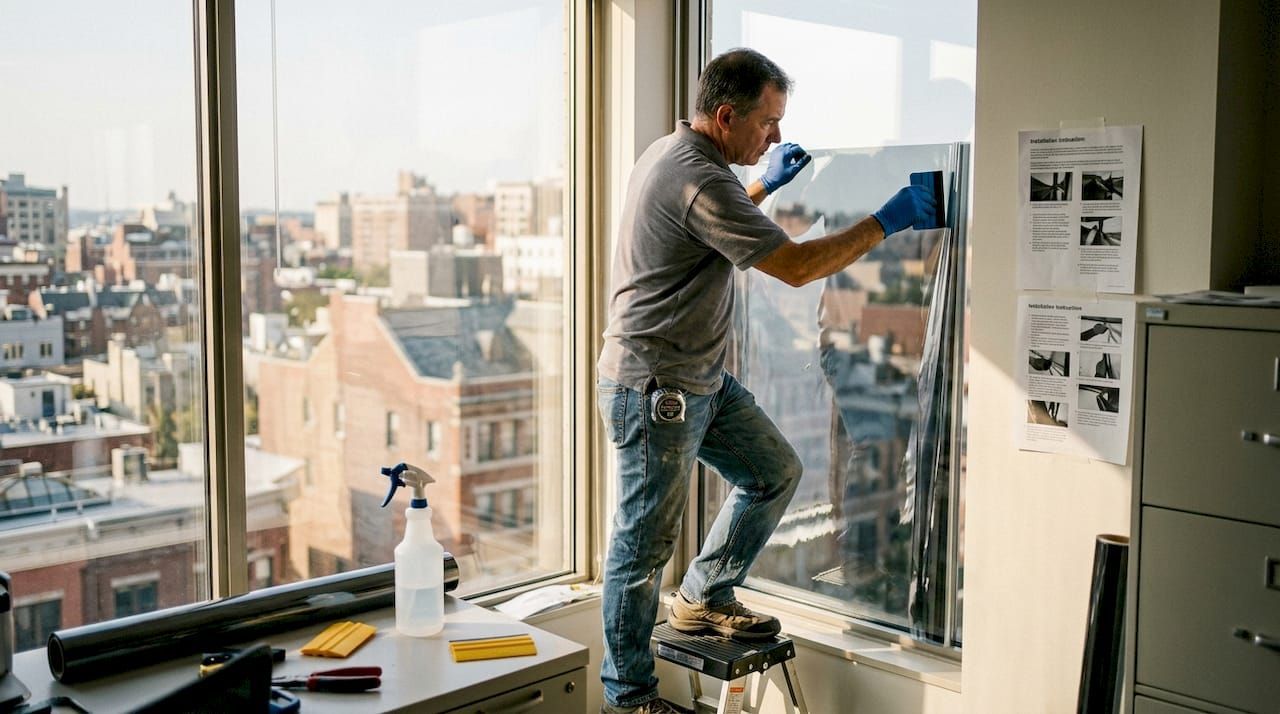
Table of Contents
- What is heat rejection window film?
- How does heat rejection film work?
- Comparing types of heat rejection films
- Heat rejection films in New England: Special considerations
- How to choose the right heat rejection film solution
- A fresh perspective on heat rejection films
- See and feel the difference with Surface Tint's window films
- Frequently asked questions
Key Takeaways
| Point | Details |
|---|---|
| Blocks invisible heat | Heat rejection film targets IR and UV energy that cause most indoor overheating without darkening your windows. |
| Multiple film types | Ceramic, metallic, and carbon film options offer different levels of heat rejection, clarity, and cost. |
| Year-round comfort | Properly chosen films balance hot summer comfort and winter insulation savings, especially with low-E versions. |
| Local climate matters | Film choice should reflect New England's climate to maximize efficiency and comfort all year. |
What is heat rejection window film?
Heat rejection window film is not your average tinted glass or a privacy screen. These are
Ordinary decorative or privacy films are designed around appearance: frosted looks, colored glass effects, or one-way visibility. Heat rejection films solve a performance problem. They are engineered with specific coatings and layers that target the 700 to 2500 nanometer wavelength range, which is where infrared heat lives. UV blocking is typically built in as well, which protects your flooring, artwork, and upholstery from fading.
Here is a quick breakdown of what these films actually do:
- Block infrared radiation: The primary job, reducing heat buildup inside your space
- Filter UV rays: Up to 99% of damaging UV radiation stopped at the glass
- Preserve visible light: Natural daylight still enters, so rooms stay bright
- Reduce glare: Cuts eye-straining glare from direct sun without blackout-level darkness
- Lower cooling costs: Less heat entering means your HVAC system works less
| Feature | Heat rejection film | Basic decorative film |
|---|---|---|
| IR blocking | Yes (up to 98%) | No |
| UV blocking | Yes (up to 99%) | Partial |
| Glare reduction | Yes | Minimal |
| Energy savings | Significant | Negligible |
| Primary purpose | Performance | Aesthetics |
When you are choosing window film for energy efficiency or comfort, heat rejection films are in a completely different category from decorative options. And because they apply to your existing glass, you get the performance upgrade without replacing windows. For homeowners and business owners exploring solar window films , this is the technology doing the real work.
How does heat rejection film work?
There are three core mechanisms that heat rejection films use to stop unwanted heat: reflection , absorption , and transmission control . Most films rely on a combination of these, but the dominant mechanism depends on the film type.
Reflection is the approach used by metallic films. Tiny metal particles, often aluminum or titanium, are embedded in the film layers. These particles bounce IR radiation back outward before it can pass through the glass. It is similar to wearing a silver emergency blanket: the reflective surface sends heat away rather than absorbing it. Metallic films achieve around 70% IR rejection and are cost-effective, but they can interfere with cell signals and Wi-Fi, which matters in modern offices and smart homes.
Absorption is how dyed and carbon films work. The film material itself soaks up IR energy and dissipates it as a small amount of heat within the glass. Carbon films hit roughly 40 to 60% IR rejection, which is a meaningful improvement over bare glass, but they do not perform as well as ceramic options.
Transmission control is the technology behind ceramic and nano-ceramic films. These films use non-metallic ceramic particles at a microscopic scale to selectively filter IR wavelengths through interference and resonance effects. The result is that ceramic films block 80 to 98% IR without any metal content, which means zero signal interference and minimal color distortion.
Ceramic films are the closest thing to a perfect window upgrade: maximum heat rejection, no signal interference, and no noticeable color shift on your glass.
Pro Tip: If your home or office relies on strong Wi-Fi, smart devices, or cellular connectivity, ceramic films are the clear choice. Metallic films can degrade signal strength noticeably in rooms with heavy glass exposure.
For a deeper look at how these technologies translate to real comfort and lower bills, the window tint and energy efficiency breakdown is worth reading before you finalize any decision.

Comparing types of heat rejection films
Now that you understand the science, here is a side-by-side look at the three main film types so you can see which fits your situation best.
| Film type | IR rejection | Signal impact | Appearance | Relative cost |
|---|---|---|---|---|
| Ceramic / nano | 80 to 98% | None | Clear to light tint | Higher |
| Metallic | ~70% | Moderate to high | Reflective / mirrored | Mid-range |
| Carbon / dyed | 40 to 60% | None | Neutral to dark tint | Lower |
Each type has a sweet spot:
- Ceramic films excel in residential settings, commercial offices, and historic buildings where signal integrity and aesthetics matter most
- Metallic films work well in spaces where budget is the primary concern and signal interference is not an issue
- Carbon films are a solid entry-level option for moderate heat reduction without the reflective look
One of the most common mistakes homeowners make is choosing a film based on how dark it looks rather than its actual IR rejection rating. A very dark carbon film might look aggressive but still let through more heat than a nearly clear ceramic film. The visible light transmission (VLT) number tells you how dark a film is. The total solar energy rejected (TSER) number tells you how well it actually performs. Always check both.
For New England's mixed climate, ceramic films deliver the best year-round value. They reject summer heat effectively while not creating excessive reflectivity that looks out of place on a historic colonial home. If you want to understand how this plays into energy savings in Boston winters or are comparing films for cold climates, those resources will help you see the full picture.
Pro Tip: If your property has double- or triple-pane windows, confirm film compatibility before installation. Some high-absorption films can cause thermal stress in sealed insulated glass units. A professional installer will check this for you.
Heat rejection films in New England: Special considerations
Southern New Hampshire and the Greater Boston Area present a real challenge for window film selection: you need to reject summer heat without making your home or office feel cold and dim during long New England winters. This is not a sunbelt problem where you simply want maximum heat blocking all year. Here, the film has to earn its keep in both seasons.
The good news is that specialized low-E (low emissivity) window films are built exactly for this scenario. Standard heat rejection films are primarily designed for solar control. Low-E films add an insulating layer that reduces radiant heat loss through the glass in winter, which means warmth stays inside when temperatures drop below freezing.
Low-E window films can reduce heat loss through glass at a rate far exceeding what standard wall insulation achieves, making them one of the most cost-effective winter upgrades for older buildings with single-pane glass.
According to research on year-round film performance, heat rejection films in mixed climates may slightly increase winter heating load in some configurations, but the net annual energy savings are positive, especially when low-E variants are selected. For most New England properties, the summer cooling savings more than offset any minor winter heating increase.
A few local factors worth keeping in mind:
- Historic homes: Many older properties in Southern NH and Greater Boston have single-pane or wavy glass windows. Certain films are better suited to these surfaces, and a professional assessment is essential
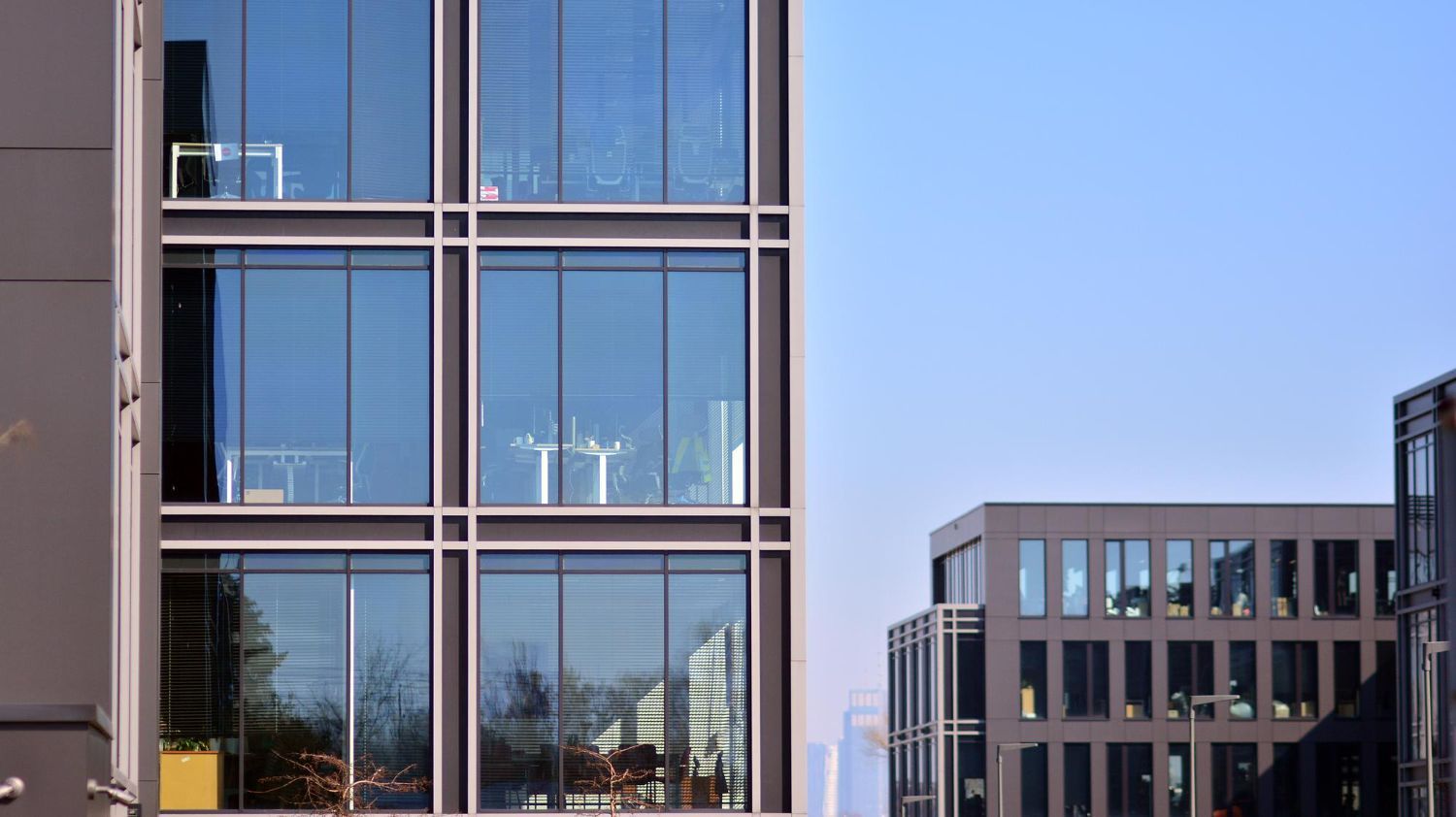
- Commercial glass facades: Large glass office buildings in Boston gain enormous amounts of heat through south and west-facing exposures. High-performance ceramic films can dramatically reduce HVAC load
- Aesthetics: Modern films do not have to darken your windows. Clear or lightly tinted ceramic options preserve the look of your home while doing the performance work invisibly
Using a window film energy savings calculator can help you estimate the actual dollar impact for your specific building before committing to any product.
Pro Tip: For mixed-climate properties, ask specifically about low-E solar control films. These give you the best of both worlds: summer heat rejection and winter insulation in a single product.
How to choose the right heat rejection film solution
With all the options available, the selection process does not have to be complicated if you follow a clear sequence.
- Map your sun exposure. Walk through your property and note which windows face south, west, or east. These receive the most direct solar load and are your priority areas.
- List your top priorities. Is heat reduction the main goal? Glare control? UV protection for artwork or flooring? Privacy? Ranking these helps narrow the film type quickly.
- Check your glass type. Single-pane, double-pane, or triple-pane glass each have different film compatibility requirements. Older or historic glass needs special attention.
- Use a film viewer tool. Interactive online viewers let you see how different films look on your actual window type before you commit to anything.
- Get a professional assessment. A trained installer will evaluate your glass, orientation, and goals to recommend the right product, not just the most popular one.
- Request a written estimate. This should include the film specs, warranty details, and installation timeline.
The biggest pitfall we see is homeowners picking a film based on price or color alone, then discovering it does not perform as expected or is incompatible with their glass type. Heat rejection window films allow natural light while blocking most unwanted IR and UV, but only when the right product is matched to the right window.
Pro Tip: If you have historic glass or multi-pane windows, always consult a professional before purchasing any film. Incompatible products can void your window warranty or cause glass damage.
For a guided walkthrough of the decision process, the choosing heat rejection film resource on our site covers the key questions to ask before you buy.
A fresh perspective on heat rejection films
Most homeowners walk into a window film conversation fixated on one thing: how dark will my windows get? That is the wrong question, and it leads to the wrong product almost every time.
The real performance work in heat rejection films happens in the infrared spectrum, which is completely invisible. A nearly clear ceramic film can outperform a dark carbon film on every metric that actually matters: heat blocked, UV stopped, and energy saved. Darkness is not performance. It is just darkness.
Ceramic and nano-ceramic technology has eliminated most of the old trade-offs. You no longer have to choose between a comfortable room and a bright one. You no longer have to accept a mirrored exterior to get meaningful heat rejection. These advances make the "I don't want my house to look like a car" objection largely obsolete.
The other thing most guides skip is the winter story. In New England, a film that only helps you in July is not earning its full value. The right low-E film pays dividends in January too, and understanding Boston winter energy savings changes how you think about the investment entirely. Local expertise matters here because a generic recommendation from a national chain rarely accounts for our specific climate realities.
See and feel the difference with Surface Tint's window films
Ready to explore custom solutions for your home or business? Here's how Surface Tint can help you take the next step.
At Surface Dynamics Window Tinting, we work with homeowners and business owners across Southern New Hampshire and the Greater Boston Area to find the right film for every window, every season, and every budget. Use our interactive Residential Window Film Viewer or Commercial Window Film Viewer to see exactly how different films look on your property before making any decisions. When you are ready, request a free window tinting estimate and get a personalized recommendation from our local LLumar SelectPro installation team.
Frequently asked questions
How much heat does heat rejection film block?
High-performance ceramic heat rejection films can block 80 to 98% of infrared heat while still maintaining clear, natural daylight inside your space.
Will heat rejection window film make my home too dark?
Modern ceramic nano-films selectively filter infrared heat through microscopic interference effects, not by blocking visible light, so your rooms stay bright and comfortable.
Can heat rejection window film help in winter?
Yes. Specialized low-E film variants reduce radiant heat loss through glass in winter and deliver net positive annual energy savings in mixed climates like Southern New Hampshire and Greater Boston.
Does heat rejection film block UV rays too?
Almost all heat rejection films also block up to 99% of damaging UV radiation, protecting your furniture, flooring, and artwork from fading over time.
Recommended
- 5 Ways Window Film Reduces Energy Costs in Boston Winters
- Home Window Tinting Energy Savings Calculator
- Why Large Boston Homes Lose Heat Through Bare Windows
- How window tint improves comfort and energy efficiency
- Energy Efficiency in Roofing: Lower Bills in Houston
- Attic Insulation & Air Sealing Tips for Chicago Homes