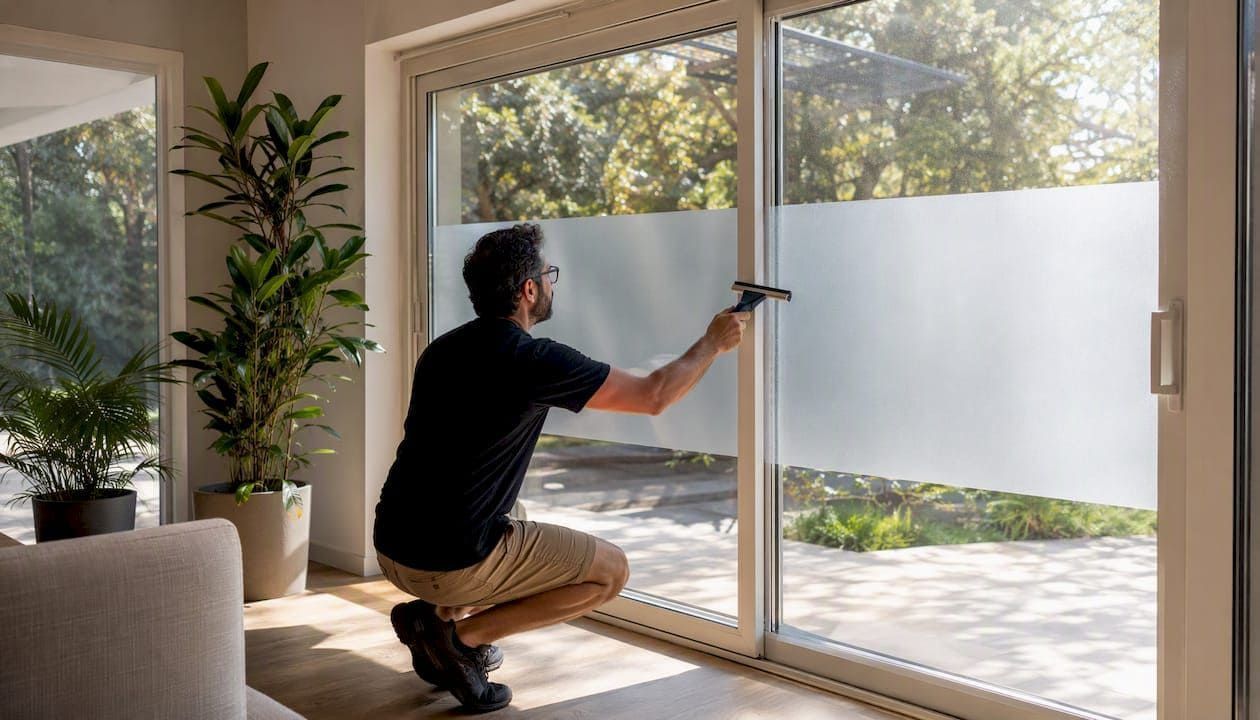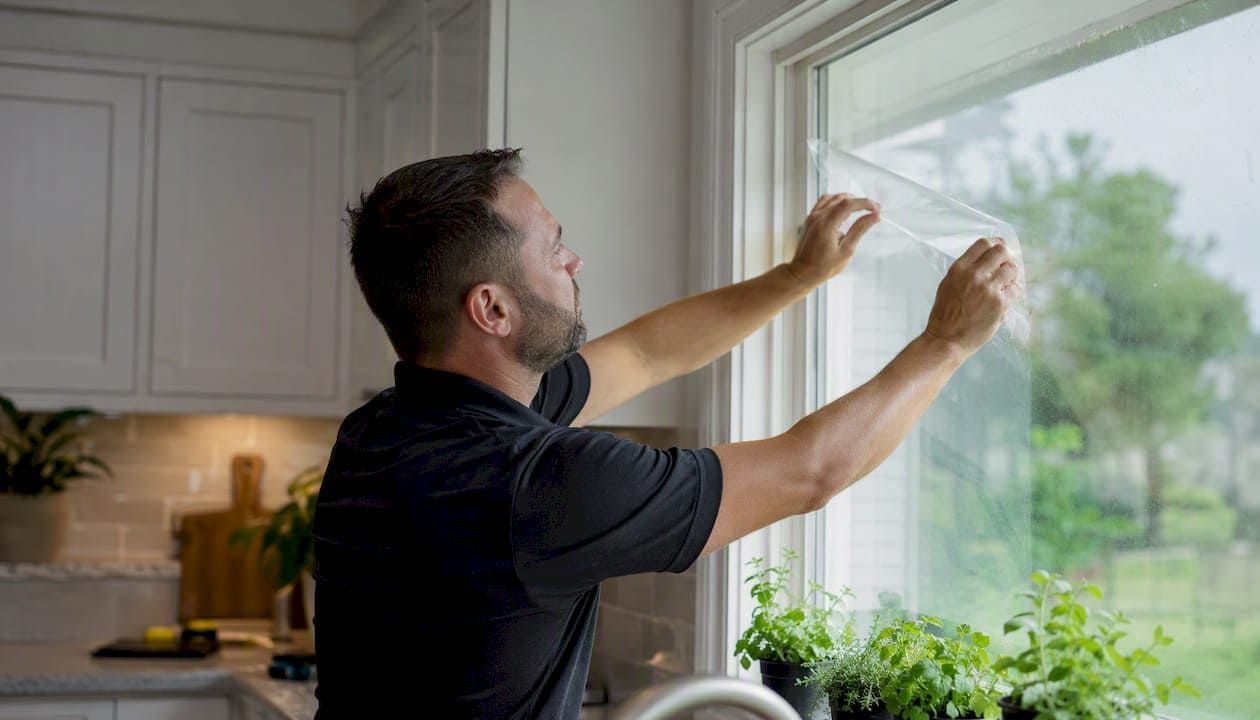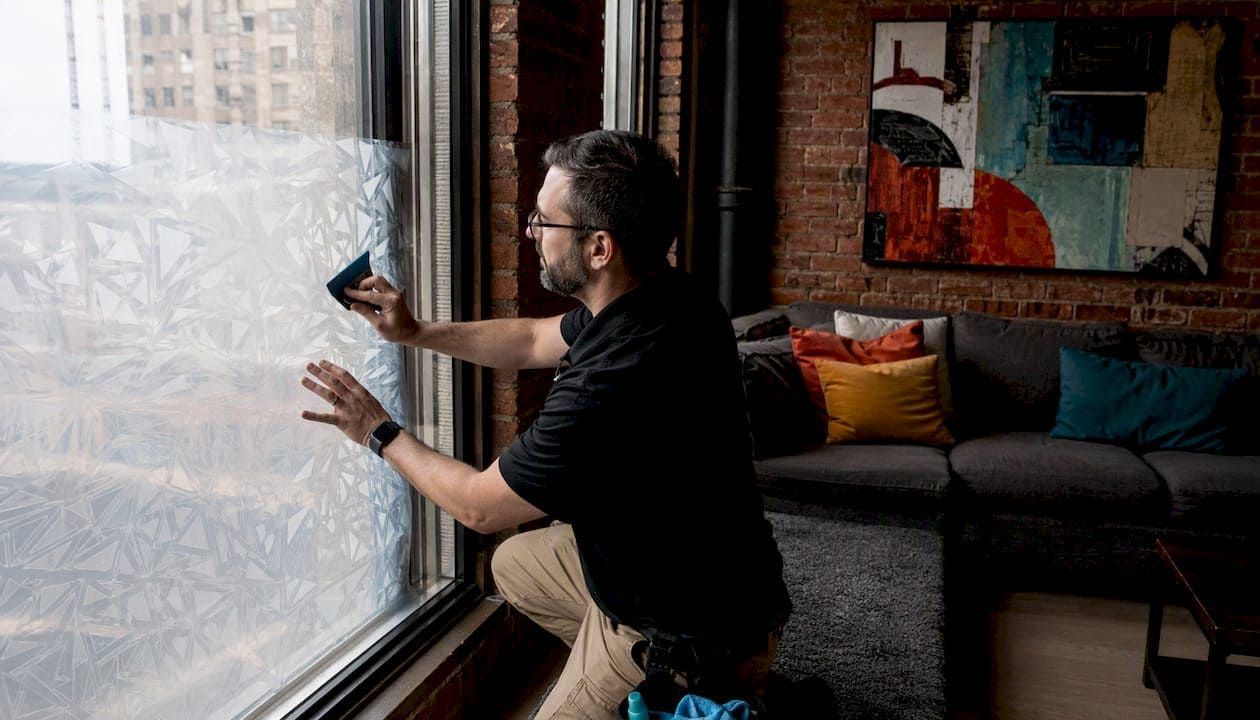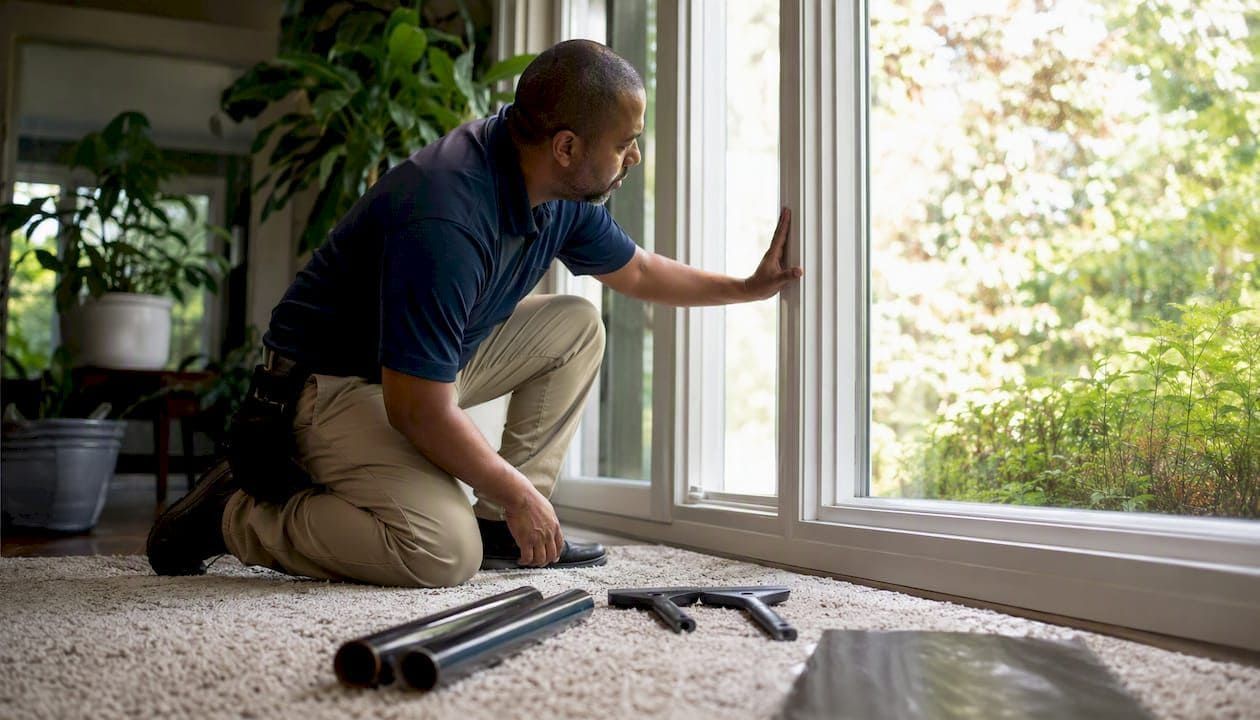

What is advanced solar film? Energy-saving benefits explained
TL;DR:
- Advanced solar films use multi-layer, spectrally selective technology to block heat and UV without darkening windows. They can reduce cooling costs by 10-30%, with a payback period of 2-5 years. Compared to Low-E glass, solar film is less expensive, quicker to install, and more target-specific for existing windows.
Most homeowners and business owners assume window film is window film. Slap some tint on the glass, cut the glare, done. But that assumption is costing people real money. Advanced solar films can reduce cooling costs by up to 30% while keeping rooms bright and comfortable. For properties in Southern New Hampshire and the Greater Boston Area, where summers get surprisingly intense and heating bills climb every winter, the right window film technology is not a minor detail. It's a serious upgrade that pays for itself. This guide breaks down exactly what advanced solar film is, how it works, and why it outperforms basic alternatives for both homes and commercial spaces.
Table of Contents
- What is advanced solar film?
- How does advanced solar film work?
- How much energy and cost does advanced solar film save?
- Advanced solar film vs. Low-E glass: Which is best for your property?
- What most people miss about advanced solar film in New England
- Ready to upgrade? Get the most from advanced solar film
- Frequently asked questions
Key Takeaways
| Point | Details |
|---|---|
| What advanced solar film is | It uses spectrally selective, multi-layer technology to block heat and UV but keep your rooms bright. |
| How solar film saves money | You can cut cooling costs by 10-30% and see payback in just a few years. |
| Film vs. window replacement | Retrofit film is faster, more affordable, and less disruptive than new Low-E windows for most homes. |
| Choose the right film | Look for high-VLT, ceramic or sputtered films for both comfort and efficiency, especially in New England. |
What is advanced solar film?
Not all window films are created equal. Basic dyed films work by absorbing sunlight, which sounds good until you realize they fade quickly, trap heat in the glass, and can even cause thermal stress that cracks older windows. Advanced solar film takes a completely different approach using multi-layer optical construction, spectrally selective technology, and either nano-ceramic or sputtered metallic coatings to precisely target the parts of sunlight that cause heat and damage.
Here's what sets advanced films apart:
- Multi-layer construction: Thin layers of ceramic, dielectric, or sputtered material stack together, each targeting a different part of the solar spectrum.
- Spectrally selective design: These films block infrared (IR) heat and ultraviolet (UV) radiation without killing visible light transmission.
- Non-metallized options: Ceramic and nano-ceramic films avoid signal interference with cell phones, GPS, and WiFi, which older metallized films often caused.
- Long-term stability: Advanced films resist fading, bubbling, and discoloration for 10 to 20 years under normal conditions.
The performance numbers back this up. Top-tier products can deliver up to 97% infrared rejection, 60% total heat reduction, and 99.9% UV blocking. Films like the 3M Prestige and Solar Gard Sentinel Plus hit those UV and heat targets while maintaining visible light transmission (VLT) high enough to keep interiors looking natural. The Solar Gard QXN 75, for example, holds a 69% VLT, meaning your space stays bright even with the film applied.
For homeowners dealing with hot west-facing rooms, or business owners trying to keep storefronts comfortable without heavy shading, these specs matter enormously. You can explore current solar window film options to compare products by VLT, heat rejection, and application type. If you're weighing heat control against privacy needs, it also helps to understand privacy vs. solar film before committing.
Pro Tip: Always ask for the actual spec sheet before purchasing. The product name tells you very little. VLT percentage, IR rejection rate, and UV block percentage are the numbers that determine real-world performance.
How does advanced solar film work?
Understanding what advanced solar film is sets the stage for a closer look at the technology behind the magic.
Sunlight is not a single thing. It's a mix of ultraviolet radiation (which fades furniture and damages skin), infrared radiation (which is felt as heat), and visible light (which you actually want inside your home or office). Basic films block everything together, making rooms darker. Advanced solar films separate these components using spectrally selective optical layers that let visible light through while stopping UV and IR.
Here's how the process works step by step:
- Sunlight strikes the exterior surface of the glass and film.
- The outer layers of the film reflect and absorb most infrared radiation before it enters the building.
- UV-blocking layers trap ultraviolet wavelengths, preventing them from reaching interior surfaces.
- Visible light passes through the remaining layers with minimal reduction.
- Interior temperatures stabilize because most of the heat-generating energy never made it inside.
Ceramic and sputtered technology prevents signal interference that older dyed or metallized films caused, making them ideal for modern offices and smart homes loaded with connected devices. The sputtering process deposits microscopic metallic particles in a vacuum onto the film surface, creating a highly controlled optical layer without the solid metal sheet that blocks wireless signals.
| Film type | IR rejection | UV block | VLT | Signal interference |
|---|---|---|---|---|
| Basic dyed | 20-40% | 40-60% | Varies | None |
| Metallized | 40-60% | 70-85% | Moderate | Yes |
| Ceramic/nano-ceramic | 70-97% | 99%+ | High (50-75%) | None |
| Sputtered | 60-90% | 95-99% | High | Minimal |
The practical payoff is real. Ceramic films can lower indoor summer temperatures by 3 to 6 degrees Celsius and pay for themselves within a few years. For a south or west-facing room in Massachusetts or New Hampshire that turns into an oven every July, that kind of reduction changes how you actually use the space. You can dive deeper into choosing the right film based on your specific window orientation and building type.

How much energy and cost does advanced solar film save?
The science is impressive, but how does advanced solar film translate to your monthly bills and bottom line?
Advanced solar film can reduce cooling energy use by 10 to 30% and cut annual utility costs by 10 to 20%. For a mid-size home running central air conditioning through a New England summer, that's a meaningful number on a real bill. Indoor temperature reductions of 3 to 10 degrees Celsius are typical, with payback periods landing between 2 and 5 years depending on the size and use pattern of the property.
| Scenario | Uncoated glass | Advanced solar film | Annual savings estimate |
|---|---|---|---|
| 2,000 sq ft home | Baseline AC costs | 10-30% reduction | $200-$600/year |
| 5,000 sq ft office | Baseline energy use | 15-25% reduction | $800-$2,000/year |
| Payback period | N/A | 2-5 years typical | Positive ROI after year 3 |
For Southern New Hampshire and the Boston metro area, the solar film payback benchmarks are especially favorable. Hot, humid summers push AC systems hard. Cold winters mean heating costs add up. A spectrally selective film that reduces summer heat gain without blocking winter sun delivers savings across both seasons, unlike single-purpose shading solutions.
Top value drivers for homeowners and business owners include:
- Lower air conditioning costs during peak summer months
- Extended furniture, flooring, and artwork life by blocking UV that causes fading
- Improved occupant comfort without resorting to blackout curtains
- Avoiding costly window replacement by upgrading existing glass at a fraction of the price
- Faster ROI than HVAC upgrades in many cases
Use the window film energy savings calculator to model savings for your specific property. If you're focused on winter costs specifically, the guide on reducing energy costs in winter is worth your time. For commercial properties, commercial window film ROI data points to strong business cases especially in multi-tenant office buildings.
Advanced solar film vs. Low-E glass: Which is best for your property?
To make the smartest investment, let's directly compare advanced solar film retrofits and Low-E glass replacements.
Low-E (low emissivity) glass is coated glass manufactured to reduce heat transfer. It's excellent technology, and it's standard in most new construction today. But replacing existing windows with Low-E units is expensive, disruptive, and time-consuming. Advanced solar film is applied directly to your existing glass in hours, not days.
| Factor | Solar film retrofit | Low-E window replacement |
|---|---|---|
| Average cost | $5-$15 per sq ft | $40-$100+ per sq ft |
| Installation time | Hours | Days to weeks |
| Energy savings | 10-30% cooling reduction | 15-35% overall |
| Removable | Yes | No |
| Payback period | 2-5 years | 5-15 years |
| Insulation (R-value) | Minimal improvement | Significant improvement |
Window film retrofits are less expensive, faster, and removable, with the fastest payback for properties that already have windows in good structural condition. The Low-E vs. film comparison also highlights that film allows targeted treatment, so you can prioritize the south and west facades that take the most solar punishment without touching windows that perform fine.
Questions to ask before deciding:
- Are your existing windows structurally sound and well-sealed?
- Is your main problem heat and glare, or is air infiltration also a concern?
- What is your budget and your target payback period?
- Are you in a new build phase or working with an existing structure?
Pro Tip: Get a consultation before touching anything. A local expert can identify which windows are causing the most heat gain and recommend a targeted film solution that costs far less than replacing your whole window system. Learn more about best film for cold climates to understand what works year-round in New England conditions.
What most people miss about advanced solar film in New England
Theory and data are essential, but let's look at what actually works best for homeowners and business operators around here.
The most common mistake we see in Southern New Hampshire and the Boston area is choosing a basic dyed film because it costs less upfront. That decision tends to backfire fast. Dyed films fade, lose effectiveness within a few years, and can actually trap heat in the glass. The savings never materialize, and you end up replacing the film anyway.
The bigger blind spot? People assume advanced films mean dark windows. That's simply not true with today's technology. Spectrally selective ceramic window films preserve indoor light and maximize year-round comfort even with New England's fast-shifting weather. A high-VLT ceramic film can cut heat by over 50% while keeping your room looking like it has no tint at all.
New England weather is genuinely difficult for window technology. You need heat rejection in July and solar gain tolerance in January. Ceramic film retrofits handle that balance better than most alternatives because they work at the spectral level rather than just blocking everything. The data supports it: 3 to 6 degrees Celsius indoor temp reduction translates to real comfort gains and quick payback even on older windows. Explore solar film for New England homes to see how these films perform in our specific climate.
Ready to upgrade? Get the most from advanced solar film
Once you're ready to take advantage of advanced solar film, here are the best resources to guide your upgrade.
At Surface Dynamics Window Tinting, we work with homeowners and business owners across Southern New Hampshire and the Greater Boston Area to find the right film for every window challenge. As an exclusive LLumar SelectPro Dealer, we install premium Vista Films that are engineered for exactly the kind of climate performance this region demands.
Browse our premium solar window film options to compare products by performance spec. When you're ready to get numbers for your property, request a free solar film estimate and we'll walk through your windows with you. You can also see commercial applications in our photo gallery to see how advanced solar film looks on real buildings in our area.
Frequently asked questions
Does advanced solar film work in winter as well as summer?
Spectrally selective films are designed for climates with both hot and cold seasons, reducing summer overheating while allowing beneficial winter sun to enter and warm the space naturally.
Will advanced solar film darken my windows or obstruct my view?
No. High-VLT films like 3M Prestige and Solar Gard QXN 75 maintain high natural light transmission so your rooms stay bright and your views stay clear.
How long does it take to see a return on investment with advanced solar film?
Most homeowners and businesses recover the cost within 2 to 5 years from energy savings alone, with the average payback period falling in that range for both residential and commercial properties.
Is solar film better than Low-E glass for my home?
For most existing buildings, yes. Solar film retrofits are less expensive and far less disruptive than full window replacement, making them the smarter near-term investment for properties with structurally sound windows.
Recommended
- Premium Solar Window Tint for Residential Homes
- Solar vs. Privacy Film: Choose the Best for Your Home
- Signs Your Commercial Building Needs Solar Window Film Upgrades
- Commercial Solar Window Film Installation Services
- Energy-saving roof upgrades for Texas homeowners
- Solar panel cleaning service in the South East