
Window Tint Reflectivity: Privacy, Comfort & Efficiency
TL;DR:
- Reflective window films bounce away solar heat, improving energy efficiency and privacy.
- Higher reflectivity ratings can block up to 80% of solar heat, reducing cooling costs significantly.
- Choosing the right reflectivity depends on building orientation, privacy needs, and aesthetic preferences.
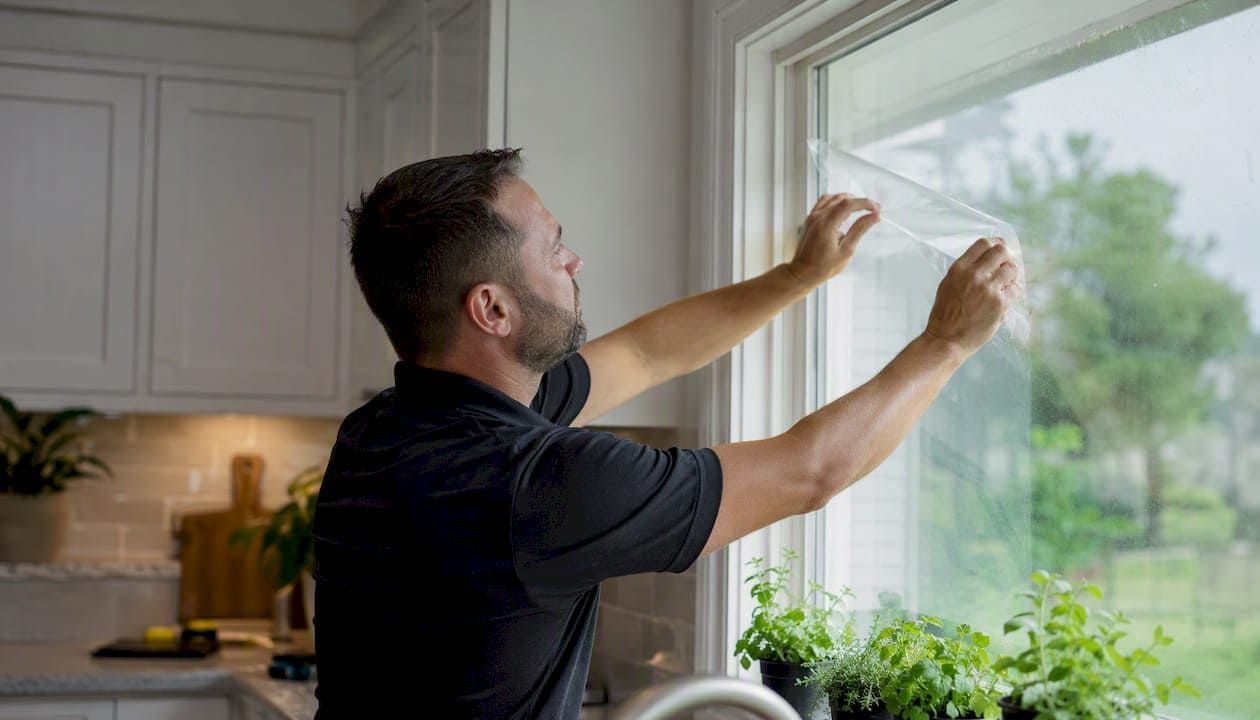
Most people assume window tinting simply darkens a room. Pull the blinds, block the sun, done. But reflectivity is an entirely different property, and it changes what window film can do for your home or business. A highly reflective film can bounce away solar heat before it ever reaches your glass, cut glare without turning your space into a cave, and give you daytime privacy without blocking your view. Understanding how reflectivity works, and how to choose the right level for your property, is the difference between a tint job that just looks good and one that actually performs.

Table of Contents
- What is window tint reflectivity?
- Reflectivity's impact on energy efficiency
- Privacy and aesthetics: Finding the right balance
- Choosing the ideal window tint reflectivity for your property
- Why we recommend a customized approach to reflectivity
- Next steps: Expert window tinting consultation and installation
- Frequently asked questions
Key Takeaways
| Point | Details |
|---|---|
| Reflectivity explained | Window tint reflectivity is how much light and heat films bounce away, not just how dark a window looks. |
| Efficiency boost | Choosing the right reflectivity can cut cooling costs by up to 30% and enhance indoor comfort. |
| Privacy and aesthetics | Reflective films balance privacy needs and design choices, with a range of subtle to bold options. |
| Customization matters | Tailoring reflectivity to climate, building type, and personal preference yields the best results. |
What is window tint reflectivity?
Reflectivity describes how much light a window film bounces away from the glass rather than absorbing or transmitting it. Think of it like the difference between a black T-shirt and a silver one on a hot day. The black shirt absorbs heat; the silver one deflects it. Window film works the same way.
Standard window tints work mainly by absorbing solar energy, which can cause the glass to heat up and radiate warmth inward. Reflective films, by contrast, use metallic or ceramic materials embedded in the film to bounce light and infrared radiation outward. As defined by solar tinting experts, reflectivity is the film's ability to reflect both visible and infrared light, directly improving privacy and energy efficiency.
Here is what sets reflective films apart:
- Metallic films use thin layers of aluminum or other metals to create a mirror-like barrier against solar energy
- Ceramic films achieve reflectivity without metal, offering clearer views and no signal interference for devices
- Dual-reflective films are highly reflective on the outside but appear nearly clear from inside, balancing privacy and comfort
- Neutral reflective films offer a subtle, low-mirror look that blends with most architectural styles
Reflective window tints can block up to 80% of solar heat , making them one of the most effective tools for managing interior temperatures without replacing windows.
A common misconception is that reflective tint always looks like a one-way mirror. That is not the case. Many modern options offer barely noticeable reflectivity from the outside while still providing meaningful performance benefits. When choosing the right window film, reflectivity is just one of several properties to weigh alongside visible light transmission, UV blocking, and color.
The key number to understand is the film's solar reflectance percentage. A film rated at 30% solar reflectance bounces back nearly a third of incoming solar radiation before it affects your interior. Films rated at 50% or higher are considered high-reflectivity options, better suited for sun-facing exposures or spaces where heat control is a priority.
Reflectivity's impact on energy efficiency
Once you understand what reflectivity does, its effect on energy bills becomes obvious. When solar heat cannot pass through your windows, your air conditioning system does not have to work as hard to maintain a comfortable temperature. Less strain on your HVAC means lower monthly utility costs, especially during the warm months that Southern New Hampshire and the Greater Boston area can deliver.
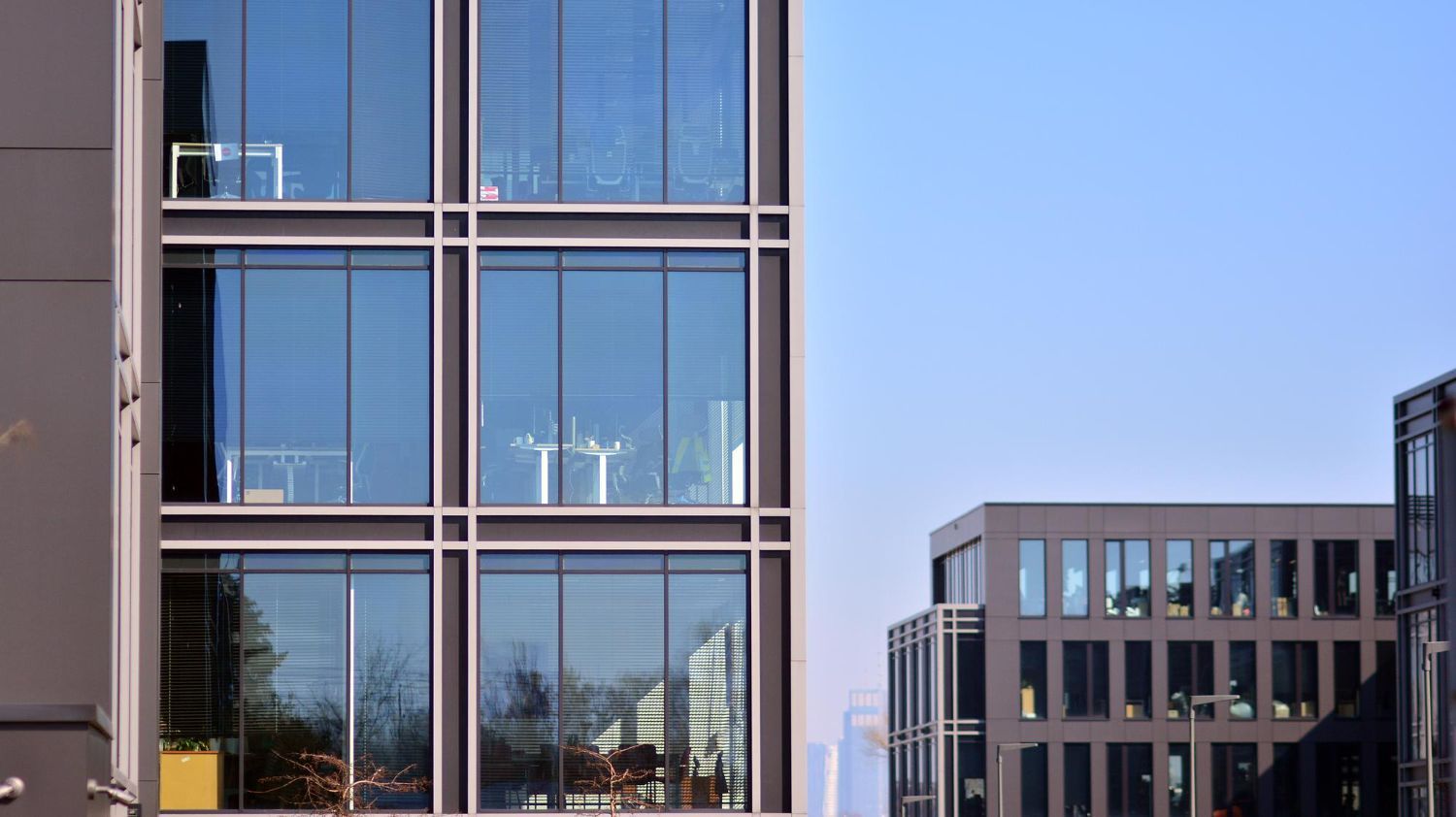
Reflective tints reduce energy bills by improving insulation and minimizing heat transfer through glass. For commercial buildings especially, this is a major advantage. Office buildings using reflective films report significant energy savings, particularly during summer months when solar gain through large glass facades drives up cooling demands.
Here is a simple comparison of what you can expect:
| Film type | Heat blocked | Estimated cooling savings |
|---|---|---|
| No film (clear glass) | 0% | Baseline |
| Standard tint (absorbing) | 30 to 45% | 10 to 15% reduction |
| Reflective tint (moderate) | 55 to 70% | 20 to 25% reduction |
| High-reflectivity tint | Up to 80% | Up to 30% reduction |
Commercial properties can see up to 30% reductions in cooling costs with the right reflective film. For a building spending $2,000 a month on cooling during summer, that is a real number worth paying attention to.
Beyond air conditioning, reflective films also reduce the demand on window treatments. When your windows are doing the heavy lifting, you can leave blinds open and enjoy natural light without turning your space into a greenhouse.
Key energy benefits of reflective window film include:
- Reduced solar heat gain during peak summer hours
- Lower HVAC runtime and energy draw
- More consistent room temperatures throughout the day
- Reduced reliance on blinds, curtains, and shading devices
- Protection of furniture and flooring from UV-related fading
Pro Tip: When selecting a reflectivity rating, match it to your building's orientation. South-facing and west-facing windows receive the most direct sun in our region, so they benefit most from higher reflectivity ratings. North-facing windows may need less, helping you balance energy savings with natural light.
Exploring the home window tinting benefits for your specific layout can help you figure out where high-reflectivity film will pay off fastest.
Privacy and aesthetics: Finding the right balance
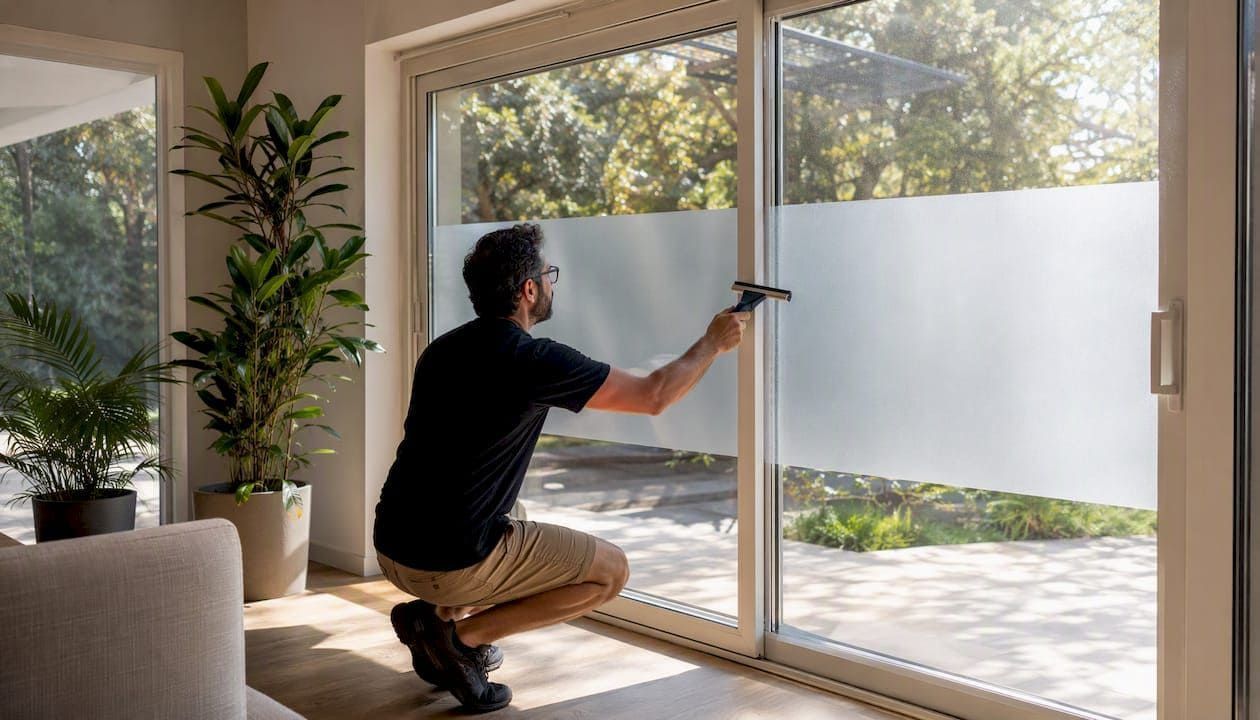
Reflectivity does double duty. It controls energy, and it controls visibility. During daylight hours, a reflective film makes it difficult for people outside to see in, because the bright reflected light on the exterior overpowers the dimmer interior view. This is natural, physics-driven privacy without frosted glass or heavy curtains.
Reflective window tints enhance privacy for residents while maintaining clear views from inside, which is a significant advantage over opaque privacy options. You can look out; others cannot look in. That said, this effect reverses at night when interior lighting is brighter than the outside, so it is not a complete privacy solution in all conditions.
Here is how different reflectivity levels compare for privacy and appearance:
| Reflectivity level | Daytime privacy | Exterior appearance | Best use |
|---|---|---|---|
| Low (under 15%) | Minimal | Subtle tint | Bedrooms, north-facing rooms |
| Moderate (15 to 30%) | Good | Light sheen | Living areas, offices |
| High (30 to 50%) | Excellent | Mirror-like sheen | South/west facades, storefronts |
| Very high (over 50%) | Maximum | Strong mirror effect | Commercial glass walls |
Choosing the right level for each space takes a few practical steps. Selecting appropriate reflectivity levels involves balancing sunlight exposure, privacy needs, and desired aesthetics for each room.
- Identify which rooms face direct sunlight and which face shaded areas
- Note where privacy from the street or neighbors matters most
- Consider how much natural light you want to preserve in each room
- Review any HOA guidelines or local codes that cap visible reflectivity
- Talk to a professional about dual-reflective options that minimize interior visual impact
For spaces like bathrooms or ground-floor bedrooms, you might want stronger privacy options. Check out bathroom privacy tint ideas and decorative window film benefits for creative ways to handle sensitive spaces without heavy treatments.
Pro Tip: For street-facing windows where curb appeal matters, stick with a moderate or low-reflectivity film to avoid a commercial look on a residential property. Reserve higher reflectivity for side or rear windows where privacy is the priority.

Choosing the ideal window tint reflectivity for your property
Picking the right reflectivity level is not a one-size-fits-all decision, and that is actually good news. It means you can tailor your tinting solution to your specific property, lifestyle, and local conditions.
For homeowners and property managers in Southern New Hampshire and the Greater Boston area, summer sun angles and warm season intensity make moderate to high reflectivity a practical choice for south and west-facing glass. The advantages of reflective window films include privacy, UV protection, and year-round climate control, all of which matter here.
Factors to weigh when choosing your reflectivity level:
- Building orientation: South and west exposures benefit most from higher reflectivity
- Property type: Commercial buildings often support higher reflectivity; residential properties may favor subtler finishes
- Neighborhood standards: HOA rules and local codes may restrict visible reflectivity percentages
- Room function: Living areas and offices benefit from balanced options; utility spaces can handle bolder films
- Aesthetic goals: Whether you want your building to look sleek and modern or warm and traditional matters
- Natural light needs: Spaces where people work or read daily need enough visible light transmission alongside reflective performance
For a well-rounded view, understanding window tint efficiency alongside reflectivity helps you make a decision you will be happy with for years. Commercial properties can also explore retail tint advantages to see how reflective films perform in storefront environments.
Pro Tip: Always verify your local building codes and HOA guidelines before selecting a film. Some municipalities in New Hampshire and Massachusetts limit exterior reflectivity to avoid glare for neighboring properties. A professional installer will know these rules and help you stay compliant.
Tailoring your film selection to your property's specific needs is always the most reliable path to long-term satisfaction.
Why we recommend a customized approach to reflectivity
After years of installing reflective films across Southern New Hampshire and Greater Boston, we have seen one pattern repeat: the homeowners and property managers who are most satisfied are the ones who chose based on their actual needs, not just the lowest price or the boldest look.
Many people pick a film because it looked great in a showroom photo or came in under budget. But a film that performs beautifully on a south-facing commercial facade can create uncomfortable glare or a cold, unwelcoming look in a residential living room. The right choice depends on your exposure, your lifestyle, and your goals.
Our experience shows that personalized window film advice consistently leads to more comfortable, efficient outcomes. As we often tell our clients: "The right balance of reflectivity transforms a space without tradeoffs." That balance looks different for every property, and finding it is what professional consultation is designed to do.
Next steps: Expert window tinting consultation and installation
If you have made it this far, you already know more about window tint reflectivity than most property owners. Now the question is: which film is right for your windows?
At Surface Dynamics Window Tinting, we help homeowners and commercial property managers across Southern New Hampshire and Greater Boston find exactly that answer. As an exclusive LLumar SelectPro Dealer, we offer a full range of reflective films, from subtle low-sheen options to high-performance solar control solutions. Start with a free window tinting estimate and let our team walk you through options matched to your property. Homeowners can also request a home window tinting estimate directly, or learn more about solar window film for homes to see what is possible.
Frequently asked questions
Does higher window tint reflectivity mean less natural light?
Modern reflective films are engineered to balance insulation and natural light, so higher reflectivity does not automatically mean a darker interior. Many high-performance options maintain excellent visible light transmission while blocking heat and glare.
How does window tint reflectivity affect cooling costs?
Reflective window tints block solar heat before it enters your space, and cutting cooling costs by up to 30% is a realistic outcome for both commercial and residential properties with significant sun exposure.
Are reflective window tints legal everywhere?
Local codes and HOA rules may restrict how reflective your exterior-facing windows can appear, so always verify regulations before selecting a product. A professional installer familiar with your area will know what is permitted.
Will reflective tints make my windows look like mirrors?
Modern reflective tints range from barely noticeable to strongly mirrored, and many residential options deliver real privacy benefits with only a light exterior sheen. You have far more choice in appearance than most people realize.
Recommended