
Property Privacy Enhancement Workflow for Owners
TL;DR:
- A property privacy enhancement workflow integrates physical, digital, and legal measures to safeguard sensitive data and occupant privacy. It requires coordinated tools like privacy films, on-device video anonymization, encryption, and strict MLS image labeling to ensure compliance and security. Starting with regulatory requirements and automating enforcement prevents costly violations and builds a resilient privacy system.
A property privacy enhancement workflow is a systematic process that coordinates physical, digital, and legal privacy measures to protect sensitive property data and occupant information. Property owners and managers in 2026 face a tighter compliance environment than ever before, with California's AB 723 reshaping MLS image rules, CRMLS and ARMLS enforcing disclosure standards, and tools like PrivacyGuard bringing AI-powered video anonymization to residential and commercial sites. Getting this workflow right means fewer compliance violations, stronger data security, and physical privacy that holds up under scrutiny. This article walks you through every layer of that process, from regulatory requirements to on-site film installation.

What are the key components of a property privacy enhancement workflow?
A property privacy enhancement workflow covers three distinct layers: physical privacy measures, digital media compliance, and data security for lease and tenant records. Each layer requires its own tools and policies, but they must work together as a single coordinated system.
Physical privacy technologies
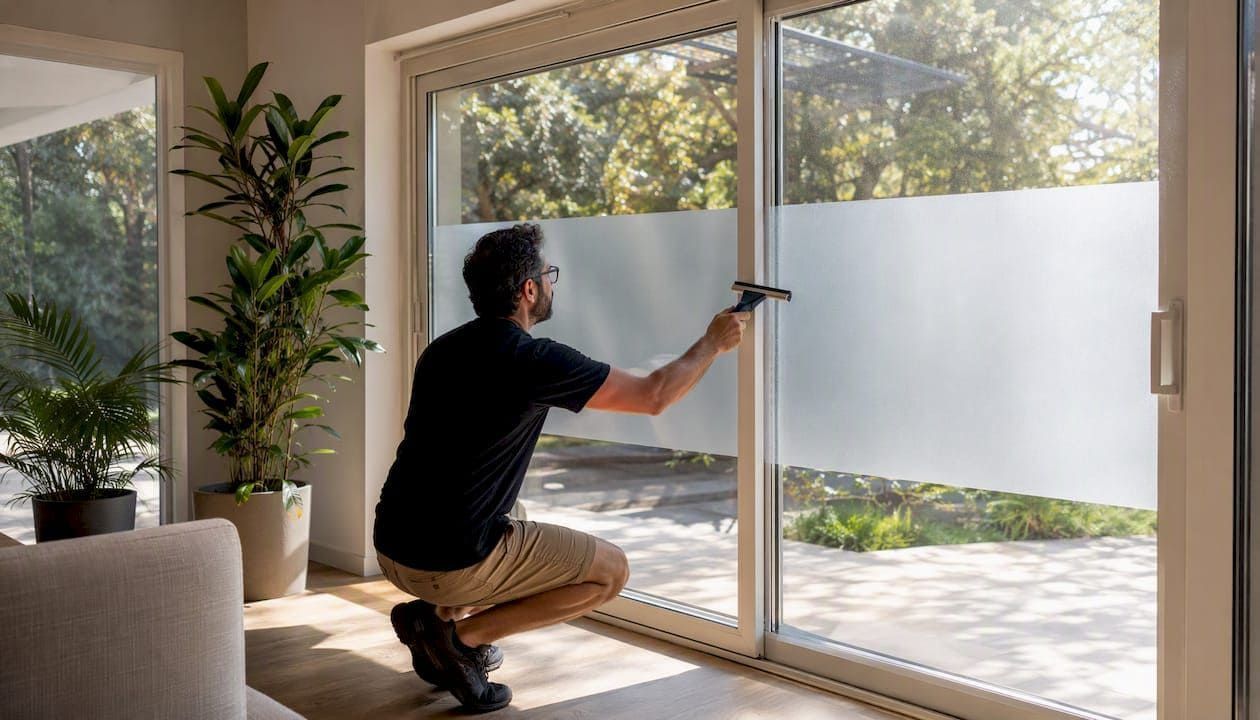
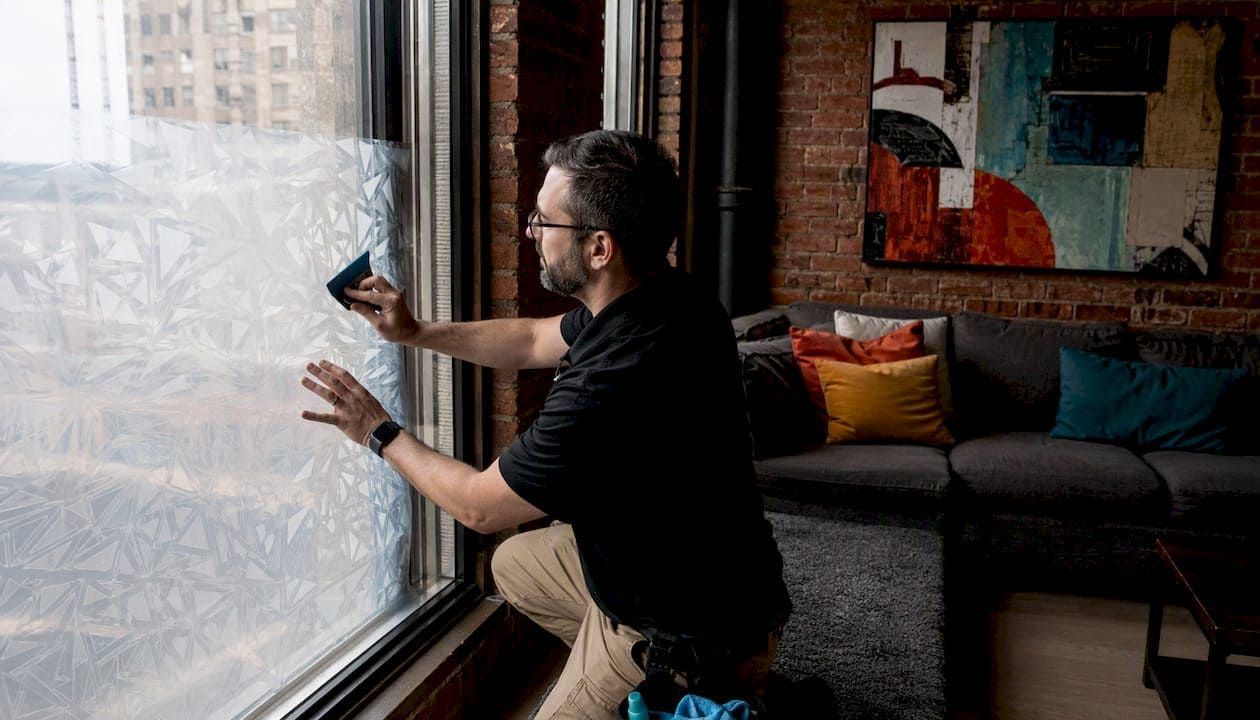
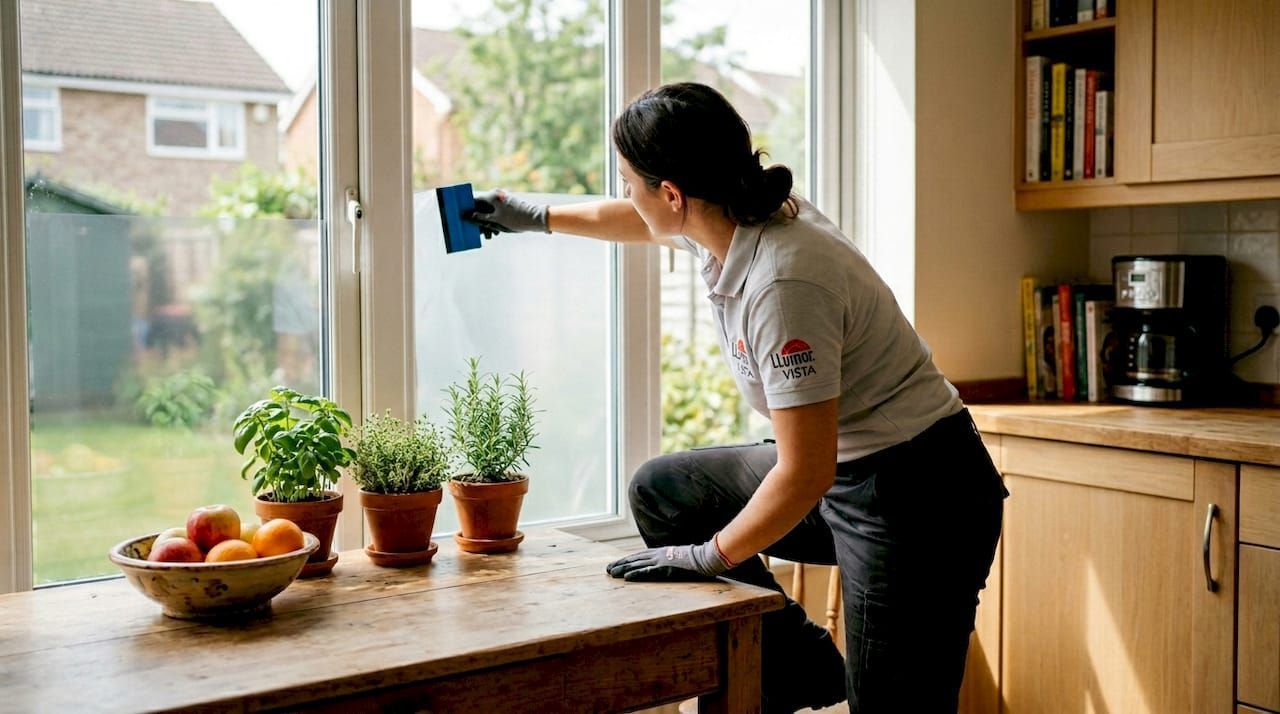
Window film is the most cost-effective physical privacy solution for both residential and commercial properties. LLumar Vista Decorative Privacy Films, for example, block sightlines from the street without eliminating natural light. For surveillance systems, on-device anonymization tools like PrivacyGuard process video locally at 25 to 30 frames per second, blurring faces and license plates before any data leaves the property. That local processing approach eliminates cloud exposure entirely, which is a meaningful security advantage over post-upload redaction methods.
Digital media and data security
On the digital side, lease data protection requires AES-256 encryption at rest and TLS 1.2 or higher in transit, combined with role-based access controls and field-level permissions. Retention policies for lease records typically run the lease term plus seven years. MLS image compliance adds another layer: CRMLS requires that any digitally altered listing photo be placed immediately before or after the original unaltered image, with a clear label in the photo description field.
| Layer | Key Tool or Standard | Primary Purpose |
|---|---|---|
| Physical privacy | LLumar Vista Privacy Films | Block exterior sightlines, reduce glare |
| Video surveillance | PrivacyGuard (YOLOv8-nano, Raspberry Pi 4) | On-device face and plate anonymization |
| Lease data security | AES-256 encryption, TLS 1.2+ | Protect tenant records in transit and at rest |
| MLS image compliance | CRMLS and ARMLS disclosure rules | Ensure altered images are labeled and sequenced |
| Access control | Role-based and field-level permissions | Limit who sees sensitive lease data |
Pro Tip: Audit your surveillance setup before deploying any anonymization tool. PrivacyGuard runs entirely on a Raspberry Pi 4 with zero cloud calls, which means your existing camera hardware may already be compatible without additional infrastructure costs.
How to align privacy practices with legal and regulatory requirements
Privacy protection strategies for property owners in 2026 must account for specific MLS rules that carry real financial penalties. These are not aspirational guidelines. They are enforceable standards with documented consequences.
CRMLS rules require that the original unaltered photo appear immediately before or after any digitally enhanced image in a listing. A caption alone does not satisfy this requirement. ARMLS goes further, mandating a "Digitally Altered" watermark directly on the modified image, with a $200 penalty per violation for noncompliance. Both systems prohibit AI-generated landscaping or structural changes that are not part of the actual sale. These rules exist because privacy enhancement in real estate demands transparency, not manipulation. Disclosing alterations protects buyer trust and keeps agents out of compliance trouble.
For lease data, the regulatory framework centers on deletion and retention policies. Technology should enforce these policies automatically, not rely on staff memory. Cryptographic erasure and certified destruction are the recommended methods for removing temporary document copies after processing.
Compliance checklist for your workflow:
- Confirm every digitally altered listing image has the original photo placed directly adjacent in the MLS interface.
- Add the required disclosure label to the photo description field, not just the caption.
- Verify that no AI-generated landscape or structural changes appear in official listing content.
- Apply AES-256 encryption to all lease documents at rest.
- Set TLS 1.2 or higher for all data in transit.
- Define role-based access so only authorized staff can view sensitive tenant fields.
- Document your retention schedule: lease term plus seven years for most records.
- Configure automated deletion for temporary processing copies.
- Maintain an audit log of all access and modification events.
Pro Tip: Run a quarterly image audit on your MLS listings. Most violations stem from improper sequencing and labeling, not from the technical quality of the edits themselves. A 15-minute review cycle catches the majority of compliance gaps before they become fines.
What are the implementation steps for a property privacy workflow?
A practical property security workflow moves through five stages: assessment, planning, physical deployment, digital configuration, and ongoing review. Skipping any stage creates gaps that surface as compliance failures or data breaches later.
- Assess your current privacy posture. Walk the property and identify windows, entry points, and camera positions that expose occupant activity to public view. Simultaneously, audit your digital systems for unencrypted lease files, shared login credentials, and uncontrolled data retention.
- Plan your privacy measures by layer. Decide which windows need privacy film options and which surveillance cameras need anonymization software. Map your lease data flow from intake to storage to deletion.
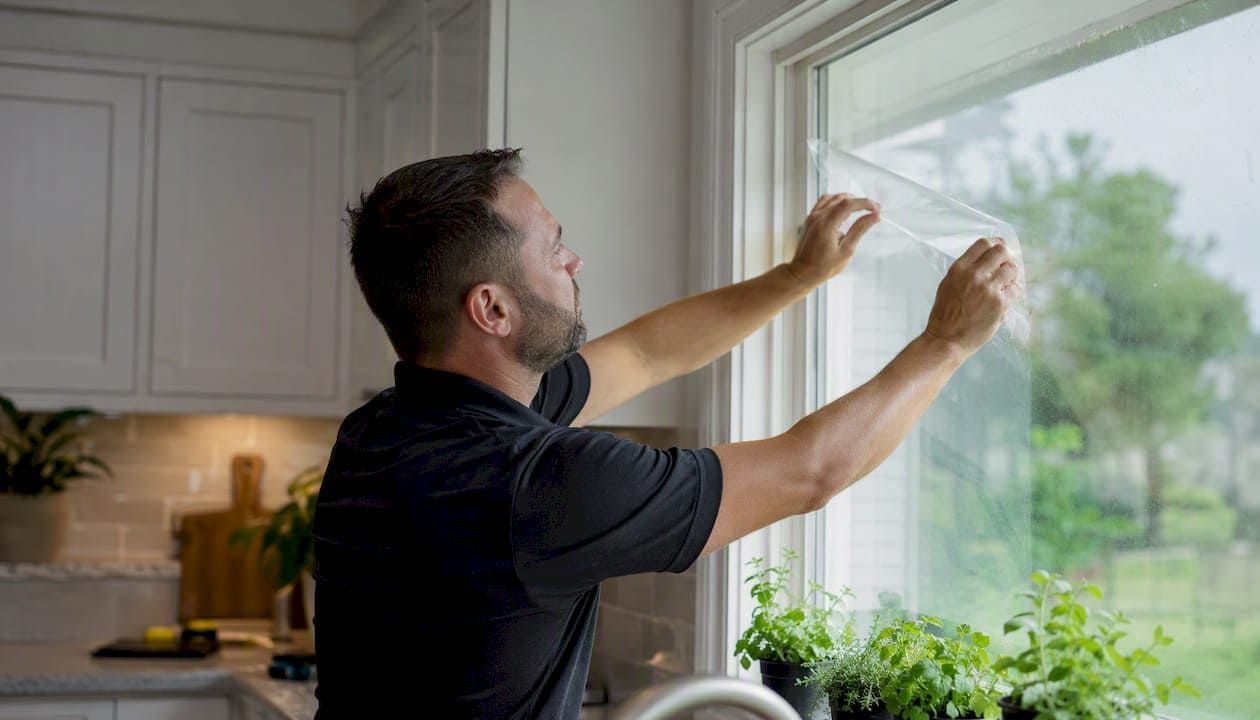
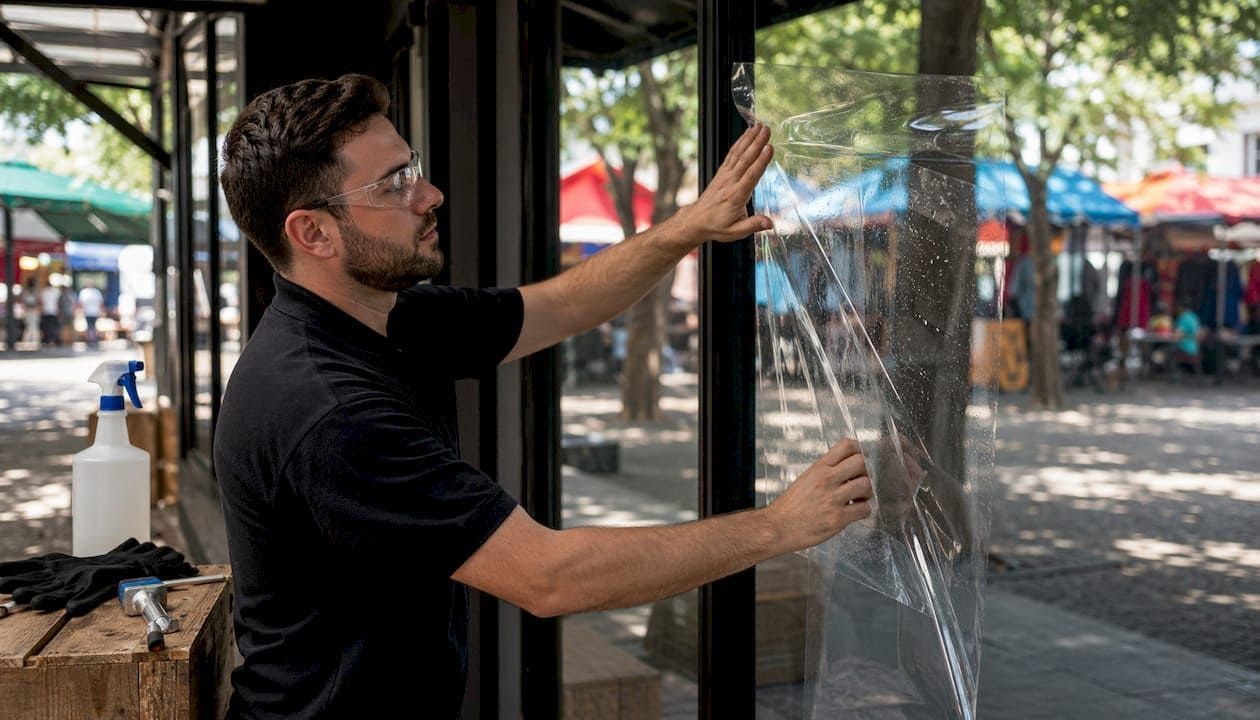
- Deploy physical privacy enhancements. Install LLumar Vista Privacy Films on high-exposure windows. For surveillance, configure PrivacyGuard on local hardware to process video before it reaches any storage or network endpoint.
- Configure digital privacy controls. Apply encryption standards, set role-based access controls, and activate audit logging across all lease management systems. Automate deletion of temporary files using cryptographic erasure rather than manual deletion.
- Run a sequential cross-functional privacy review. A sequential review process covering Product, Legal, Regulatory, and Security teams in order produces better outcomes than parallel reviews. Each team's findings refine the next team's scope, which prevents redundant controls and missed requirements.
| Step | Action | Responsible Party |
|---|---|---|
| 1. Assessment | Audit physical and digital exposure points | Property manager |
| 2. Planning | Select film types, anonymization tools, encryption standards | Manager and IT/legal |
| 3. Physical deployment | Install privacy films, configure on-device video anonymization | Window film installer, IT |
| 4. Digital configuration | Encrypt data, set access controls, activate audit logs | IT or data security team |
| 5. Cross-functional review | Sequential Product, Legal, Regulatory, Security review | All stakeholders |
| 6. Ongoing monitoring | Quarterly audits of MLS images, access logs, and film condition | Property manager |
Pro Tip: Schedule your cross-functional review before deploying new technology, not after. Running Legal and Regulatory review in parallel with Security review routinely produces conflicting requirements that require expensive rework.
What are common pitfalls when enhancing property privacy?
Most property privacy failures are process failures, not technology failures. The tools exist. The regulations are published. The gaps appear when workflows rely on manual steps that people skip under time pressure.
Common mistakes to watch for:
- Uploading digitally altered MLS images without placing the original photo directly adjacent. Captions and descriptions alone do not satisfy CRMLS or ARMLS requirements.
- Using AI-generated landscaping in official listing content. MLS rules prohibit landscape or structural changes that are not part of the actual sale, even when labeled as digitally enhanced.
- Storing temporary lease document copies without an automated deletion policy. Orphaned sensitive files accumulate when staff or vendor relationships change and manual deletion steps are forgotten.
- Deploying surveillance anonymization as a post-upload process rather than on-device. Post-upload redaction means raw footage with identifiable faces and plates has already traveled across a network.
- Running privacy reviews in parallel across legal, regulatory, and security teams. Parallel reviews produce conflicting controls that slow deployment and create compliance gaps.
Pro Tip: Automate every deletion and retention policy at the system level. Technology-enforced deletion is more reliable than any manual checklist, especially when staff turnover disrupts institutional knowledge about where temporary files are stored.
The physical side has its own common error: choosing decorative film based on appearance alone without checking the film's actual privacy rating at different light levels. A film that provides strong daytime privacy may offer little protection at night when interior lighting reverses the visibility dynamic. Ask your installer for a light-condition demonstration before committing to a product.
Key takeaways
A property privacy enhancement workflow succeeds only when physical measures, digital data controls, and regulatory compliance operate as a single coordinated system rather than separate checklists.
| Point | Details |
|---|---|
| Layer your privacy measures | Physical film, video anonymization, and data encryption must work together, not independently. |
| Automate deletion policies | Technology-enforced cryptographic erasure prevents orphaned sensitive files when staff changes occur. |
| Sequence MLS images correctly | Place the original unaltered photo directly adjacent to any altered image; captions alone violate CRMLS and ARMLS rules. |
| Run sequential cross-functional reviews | Product, Legal, Regulatory, and Security reviews in order prevent conflicting controls and compliance gaps. |
| Deploy anonymization on-device | On-device video processing with tools like PrivacyGuard prevents raw footage from leaving the property unprotected. |
Why I think most property privacy workflows are built backwards
Most property owners I work with start their privacy planning with the physical layer and treat compliance as an afterthought. That sequence creates expensive problems. You install beautiful privacy film on every street-facing window, then discover your MLS listing has three ARMLS violations because nobody reviewed the image sequencing before upload. The fine is $200 per image. The reputational cost is harder to quantify.
The workflows that actually hold up over time start with the regulatory layer. You map what the rules require, then design your physical and digital measures to satisfy those requirements. Privacy by design is not a philosophy. It is a practical sequencing decision that saves money and prevents compliance actions.
I also think the industry underestimates on-device video anonymization. Most property managers I speak with assume surveillance privacy means restricting who can view recorded footage. That is access control, not privacy protection. Real privacy protection means faces and license plates never appear in stored footage in the first place. Tools like PrivacyGuard make that possible on hardware that costs less than a single ARMLS fine.
The future of property privacy workflows is automated enforcement at every layer. Manual checklists will not survive staff turnover or the pace of regulatory change. Build your workflow around systems that enforce their own rules, and you will spend far less time on remediation.
How window film fits into your privacy enhancement plan
Physical privacy starts at the glass. Surfacetint installs LLumar Vista Decorative Privacy Films and Solar Control Films for residential and commercial properties across Southern New Hampshire and the Greater Boston Area. These films block exterior sightlines, reduce heat and glare, and protect furnishings from UV fading, all without eliminating natural light. For property managers running a structured privacy workflow, window film is the physical layer that complements your digital and compliance measures. Learn exactly what to expect during a professional home window film installation, or explore privacy film options for your property type. Ready to move forward? Request a free estimate and get a recommendation tailored to your property.
FAQ
What is a property privacy enhancement workflow?
A property privacy enhancement workflow is a structured process that coordinates physical privacy measures, digital data security, and regulatory compliance to protect occupants and sensitive property information. It covers everything from window film installation to MLS image labeling and lease data encryption.
What are the CRMLS rules for digitally altered listing images?
CRMLS requires the original unaltered photo to appear immediately before or after any digitally enhanced image in the MLS interface, with a disclosure label in the photo description field. Captions alone do not satisfy this requirement.
How does on-device video anonymization protect property privacy?
On-device tools like PrivacyGuard blur faces and license plates locally at 25 to 30 frames per second before any footage leaves the property, eliminating cloud exposure entirely. This approach is more secure than post-upload redaction because raw identifiable footage never travels across a network.
How long should lease records be retained under privacy best practices?
Standard retention policy for lease records is the lease term plus seven years, with automated deletion enforced by technology rather than manual processes. Cryptographic erasure is the recommended method for removing temporary processing copies.
What is the penalty for ARMLS image disclosure violations?
ARMLS imposes a $200 fine per violation for digitally altered images that lack the required "Digitally Altered" watermark or are not accompanied by the original unaltered photo. Repeated violations can trigger additional compliance actions beyond the per-image fine.
Recommended